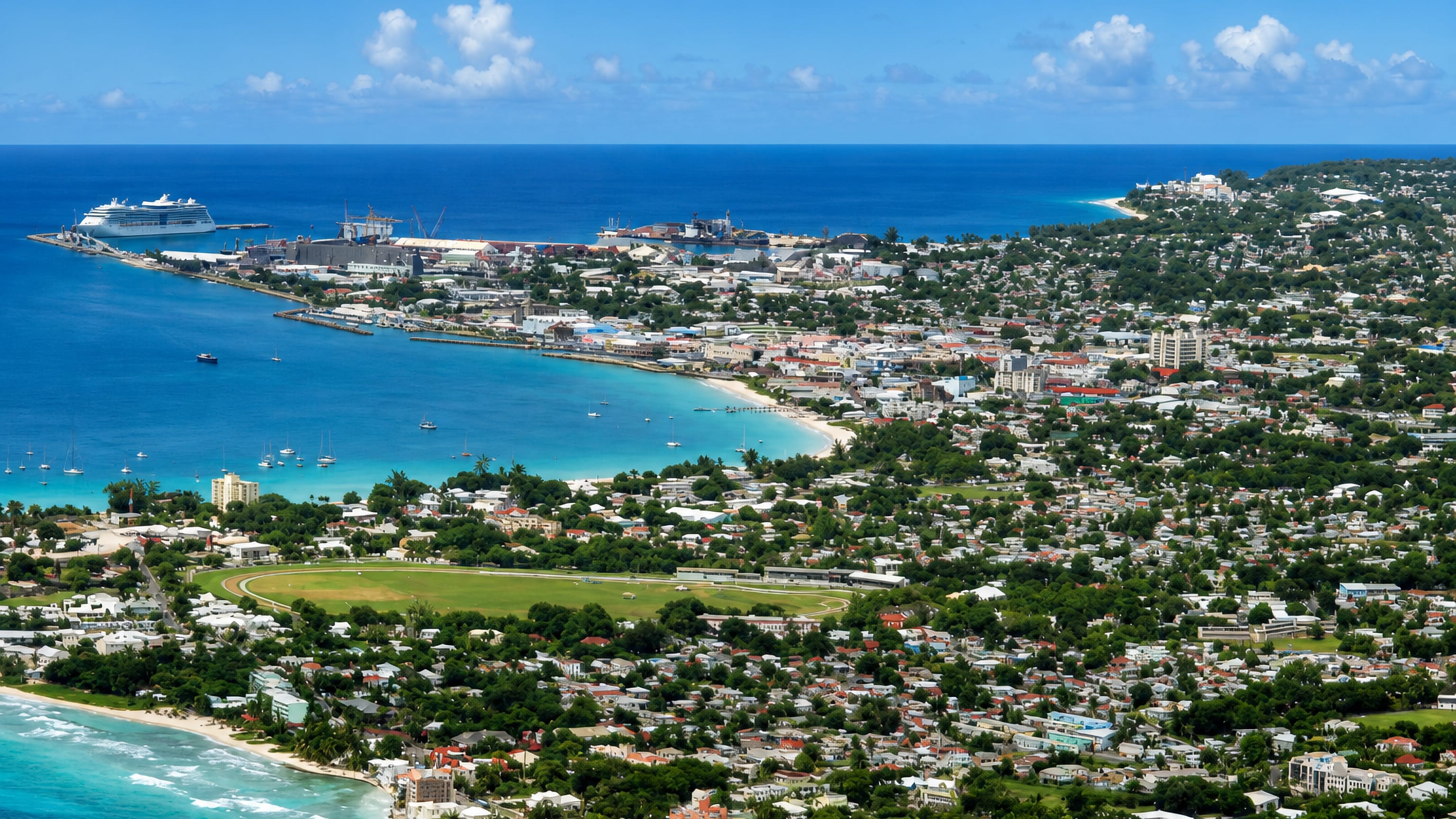
Barbados: Regions, Cities & Travel Guide
Barbados is a coral island nation in the eastern Caribbean, out in the Atlantic, with Bridgetown as its capital.
Hotel links are affiliate links: booking through them may earn us a commission, at no extra cost to you. It never affects how places are ranked. How this works


Top destinations in Barbados
One city to start from, then drill into its areas and hotels.

 Barbados
Bridgetown
Bridgetown is the capital and only city of Barbados, a World Heritage centre on the Careenage in the parish of Saint Michael.Where to stay →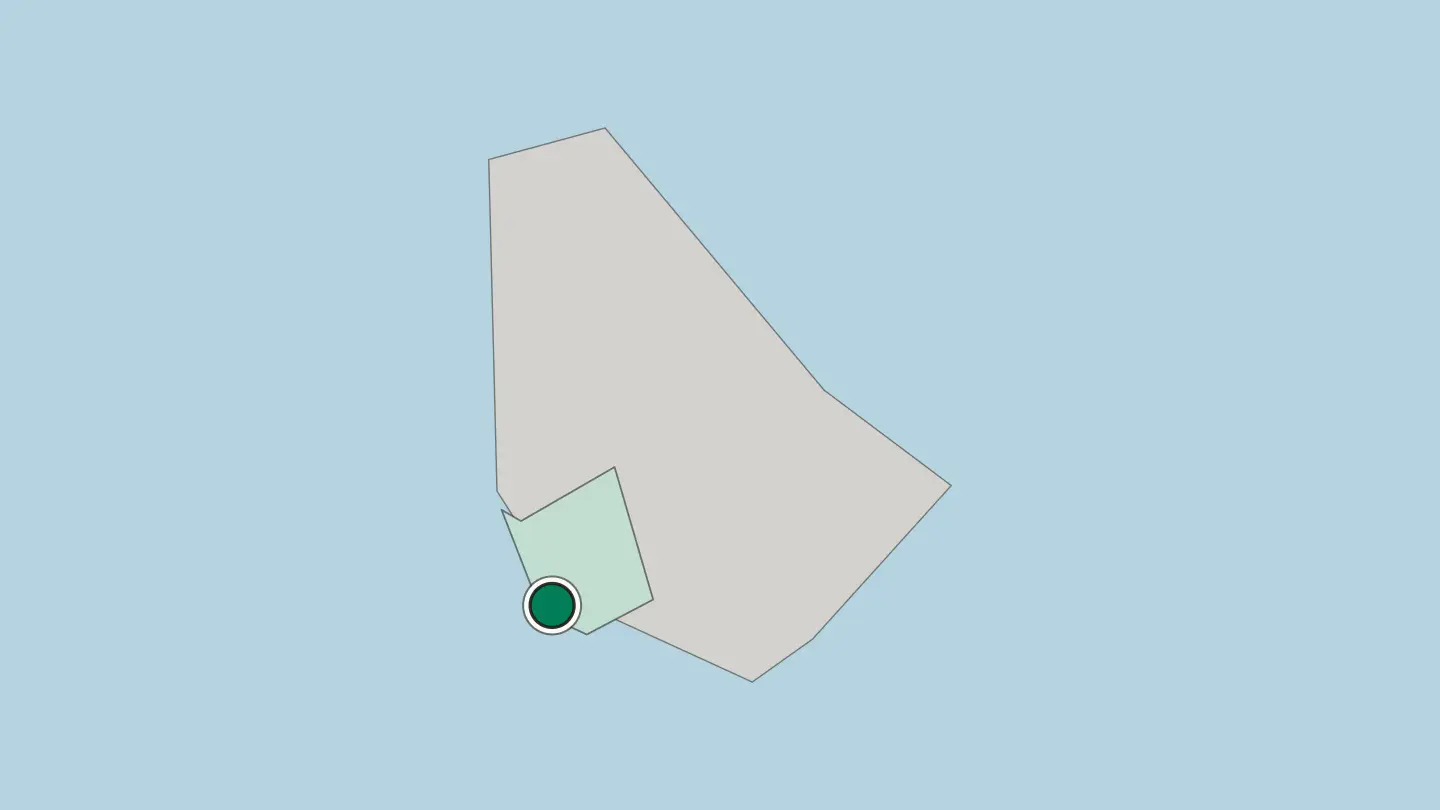
Hotel links are affiliate links: booking through them may earn us a commission, at no extra cost to you. It never affects how places are ranked. How this works
Browse by region
One region so far — open it to see its cities and towns.
About Barbados
What is Barbados known for?
Barbados is known for calm western beaches and a wilder Atlantic east. The Platinum Coast of Saint James draws sun-seekers, while surfers ride the swell at Bathsheba on the far side. Rum runs deep here.
The island claims some of the oldest distilling in the world, and every summer Crop Over turns the sugar harvest into a season of soca and street parties. Cricket, flying fish, and the tuk band round out its reputation.
Where is Barbados?
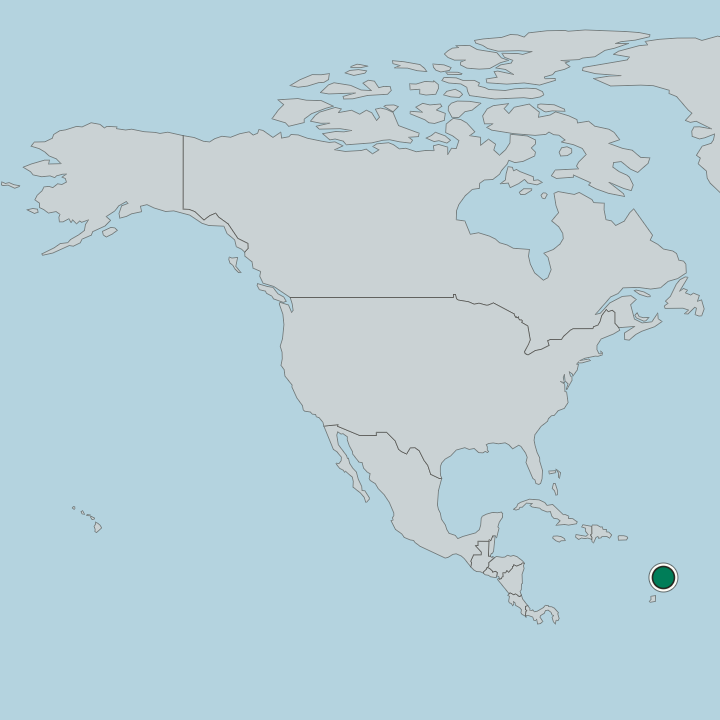
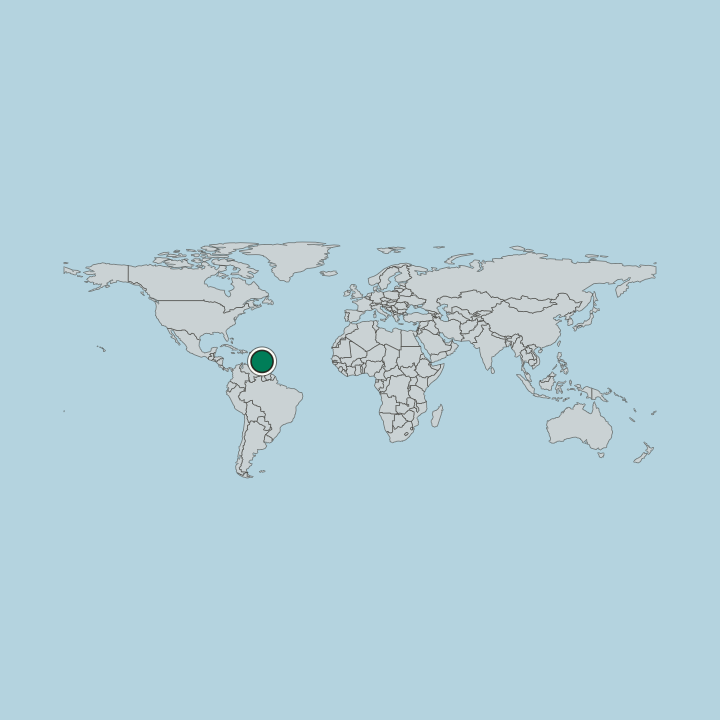
Barbados sits apart from its neighbours. It lies well east of the main chain of the Lesser Antilles, alone in the Atlantic rather than strung along the arc that separates ocean from Caribbean Sea, and that isolation shaped both its landfall and its geology. Coral made this island.
Unlike the volcanic peaks of Saint Lucia and Saint Vincent to the west, most of Barbados is a low cap of coral limestone built up over ages, terraces of it rising in gentle steps from the leeward western shore toward the interior. The land is largely flat and green, planted for centuries in sugar cane. The exception is the north-east.
There the older sedimentary rock breaks through in the tumbled hills of the Scotland District, an eroded, gully-cut country that early settlers thought looked like Scotland. Mount Hillaby, the island's highest point, rises above it. Beneath the limestone the rain has carved caverns, most famously Harrison's Cave with its underground streams and stalactites.
The two coasts could hardly differ more. Calm reef-sheltered water laps the west, while Atlantic rollers pound the cliffs and beaches of the east around Bathsheba.
What is the history of Barbados?
Barbados carries a colonial past unusually unbroken. English settlers arrived in 1627 and, unlike most Caribbean islands, the colony never once changed European hands, staying British until independence and earning the old nickname "Little England." The sugar came fast. From the 1640s planters turned the flat interior over to cane, and to work it they shipped in enslaved Africans in enormous numbers, building a brutal plantation economy that defined the island for two centuries.
Emancipation ended slavery in the 1830s, but plantation power lingered long after. Slowly the descendants of the enslaved won the vote and then self-rule. Barbados became a fully independent nation in 1966, keeping the British monarch as head of state for decades more.
In 2021 it went further and became a republic, swearing in its own president in Bridgetown and closing the constitutional tie to the crown. The past sits close to the surface. Great houses, chattel villages, and the sugar mills of the north still stand across the parishes, and the singer Rihanna was named a national hero at the republic's birth.
What is Barbados like?
Bajan culture braids African roots with a long British inheritance. You hear it in the speech, an English-based Creole spoken alongside standard English, and you taste it at the table, where cou-cou of cornmeal and okra meets a plate of steamed flying fish, the unofficial national dish. Cricket is close to religion.
The island has sent great players to the West Indies side for generations, and a Test match fills the stands with rum and rivalry. Music drives the calendar. The tuk band, with its bass drum, kettle drum, and penny whistle, echoes old British regimental music reworked to an African beat, and every summer Crop Over erupts out of the finished sugar harvest into weeks of soca, costume, and calypso.
Rum threads through all of it. Distilling on the island reaches back more than three centuries, and the estates of the north pour it still. The world knows Barbados through its people abroad too, from cricketers to the singer Rihanna.
Faith runs strong, and Sunday fills the parish churches.
What is the climate of Barbados?
Barbados runs warm all year. Its tropical climate splits into a dry season from December into May, the peak stretch for travellers, and a wetter, muggier season from June through November that overlaps the Atlantic hurricane months. Steady north-easterly trade winds temper the heat and cool the nights, so the days rarely climb far past the mid-thirties in the shade.
Sitting east and south of the main storm track, the island is brushed by hurricanes far less often than its neighbours. Rain tends to come in short bursts.
How do you get to Barbados?
Almost all arrivals come on a plane. Grantley Adams International Airport in the south-east of the island handles the flights, with long-haul routes from Britain and North America and short island hops across the eastern Caribbean. Cruise ships tie up at the deep-water harbour in Bridgetown, feeding passengers straight into the capital.
From the airport the resort coasts are a short drive away. The island is compact, so nowhere on it sits more than an hour or so from the terminal.
Good for
Updated September 2026