Botswana: Regions, Cities & Travel Guide
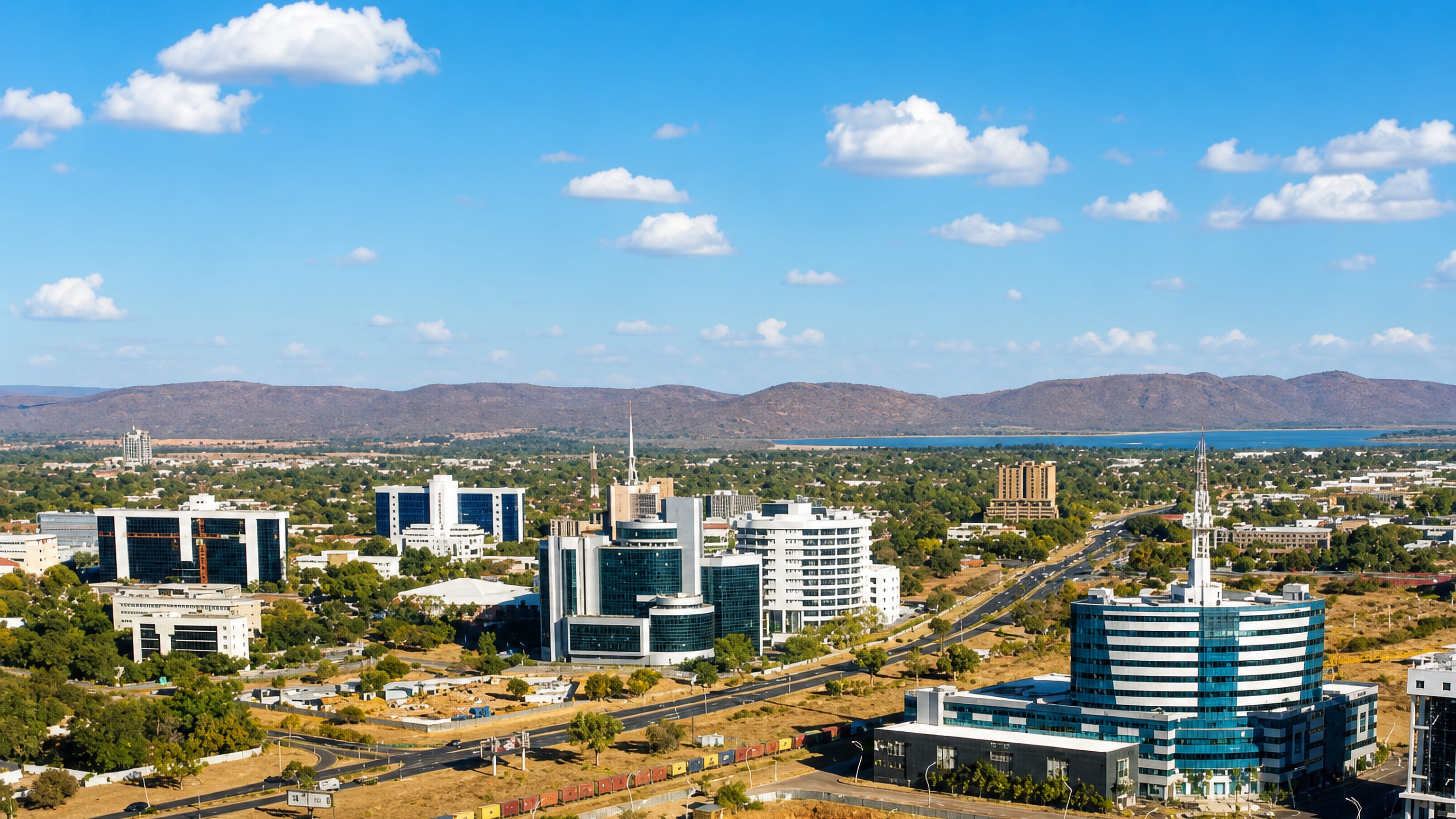
Botswana is a landlocked country in Southern Africa, where the Okavango Delta floods the northern Kalahari and Gaborone sits in the south-east.
Hotel links are affiliate links: booking through them may earn us a commission, at no extra cost to you. It never affects how places are ranked. How this works


Top destinations in Botswana
Cities to start from, then drill into areas and hotels.

 Botswana
Gaborone
Gaborone is the capital and largest city of Botswana, founded in 1965 and spread out within reach of the border with South Africa.Where to stay →
 Botswana
Francistown
Francistown is a city of northeast Botswana on the Tati river, the country's second city, an old gold-rush town on the road to the north.Where to stay →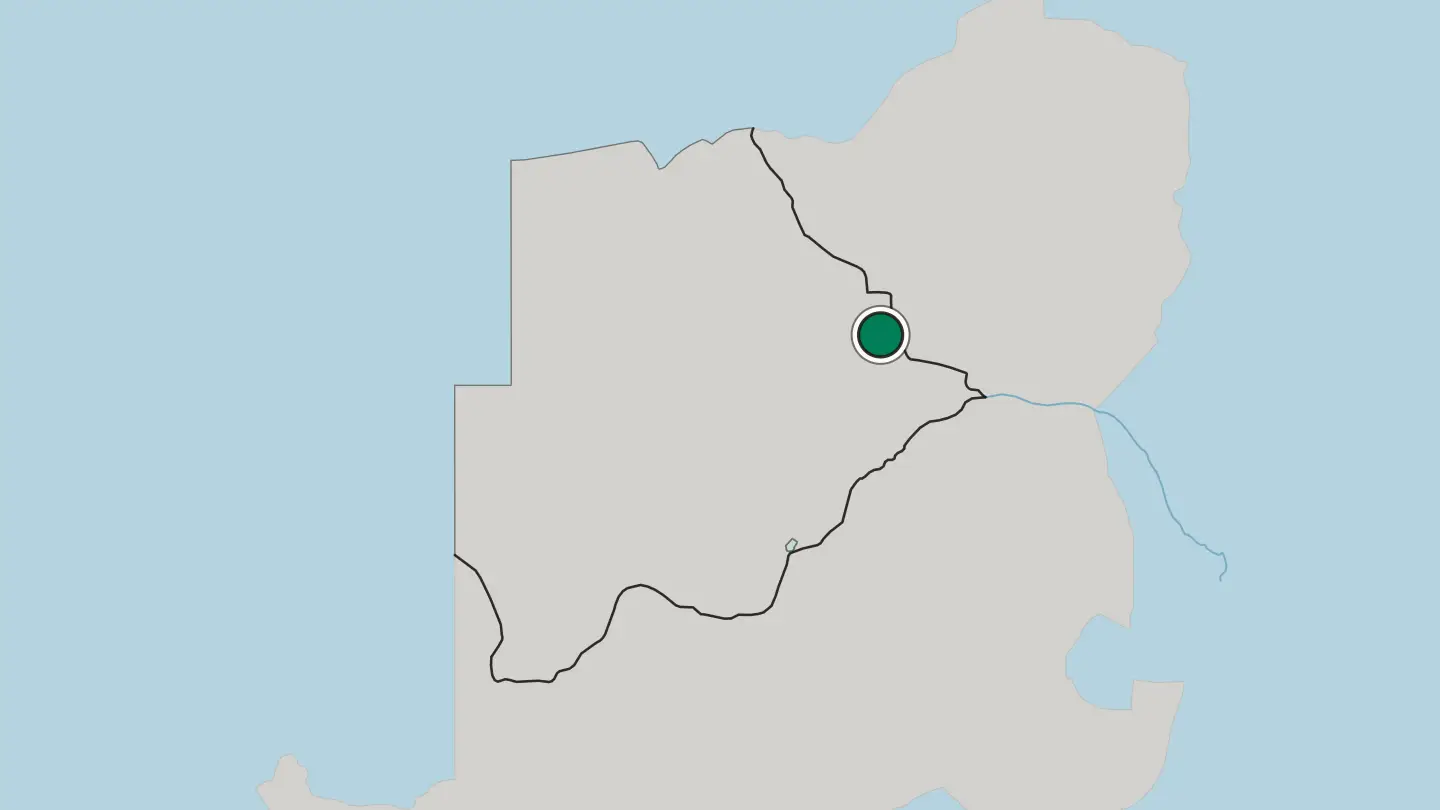
Hotel links are affiliate links: booking through them may earn us a commission, at no extra cost to you. It never affects how places are ranked. How this works
Regions of Botswana
Botswana
City of Francistown
Francistown, the second city of Botswana, stands where the Tati and Ntshe rivers meet, 90 kilometres from the border with Zimbabwe.Towns & cities →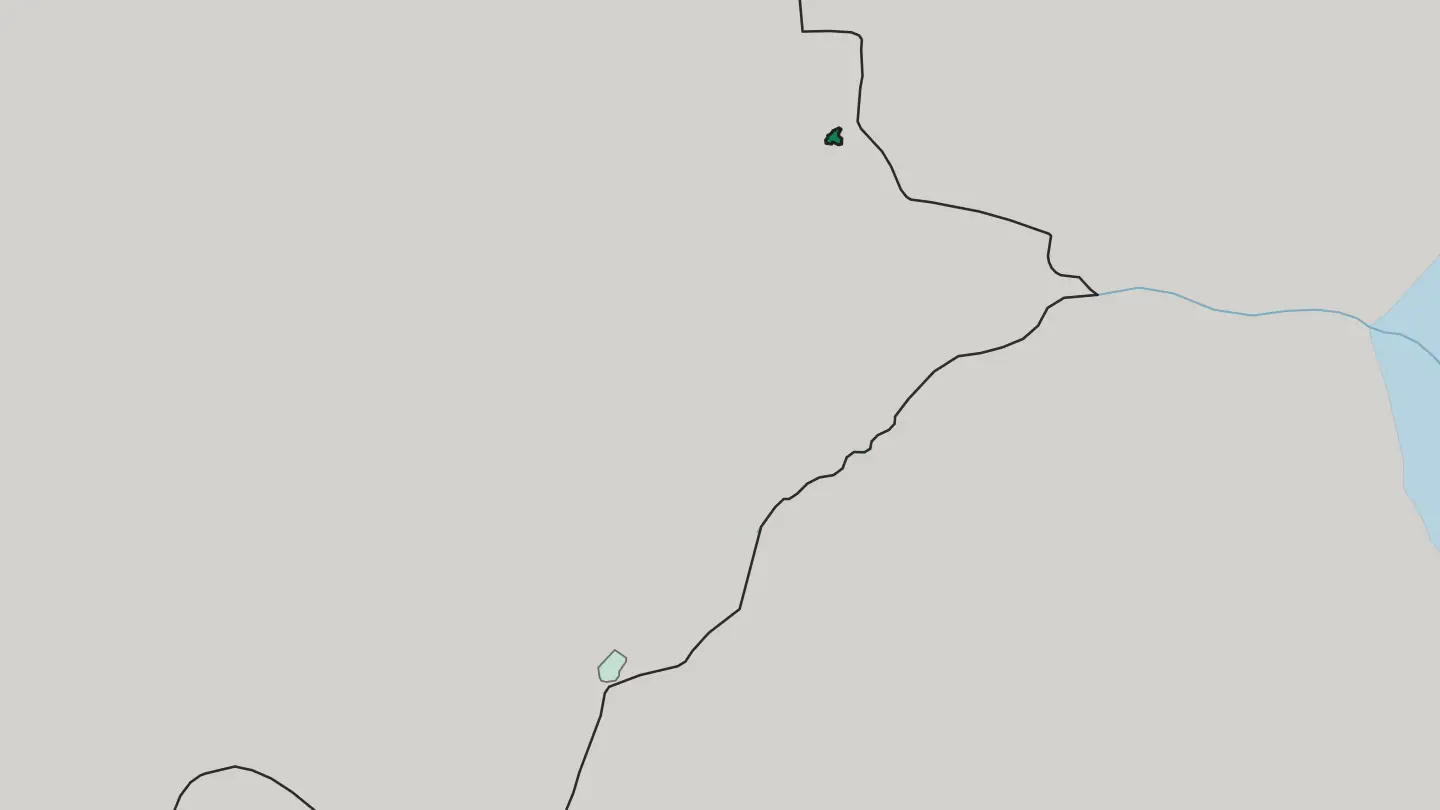 Botswana
Gaborone
Gaborone is the capital and largest city of Botswana, dating from 1965 and lying in the south of the country near the border with South Africa.Towns & cities →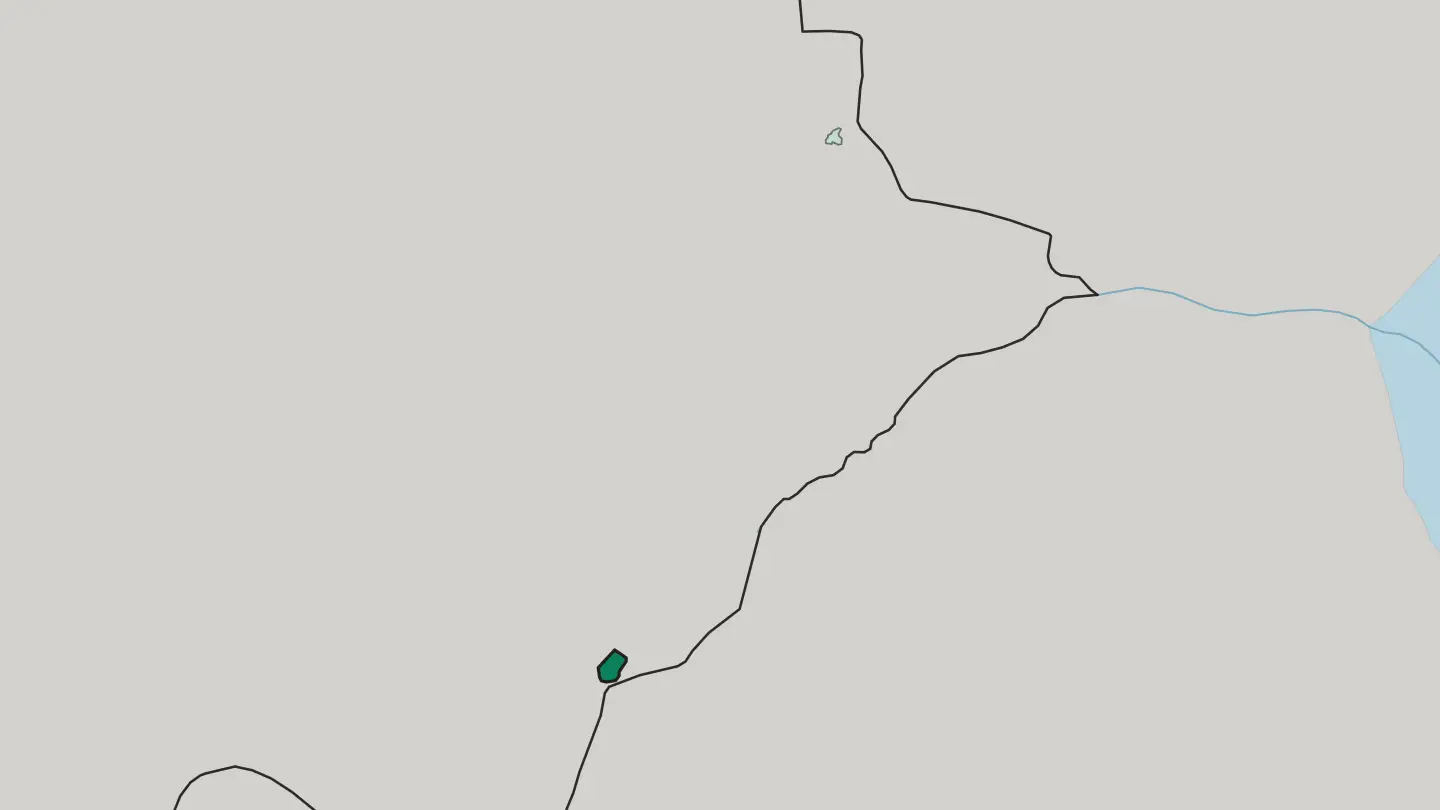
About Botswana
Water in the desert is what sets Botswana apart.
What is Botswana known for?
The Okavango River spills out across the sand into the Okavango Delta, a maze of channels and islands that draws elephants, lions, and travellers alike into the far north. Chobe National Park holds one of the densest elephant populations anywhere. Gaborone anchors the south-east as capital, while Maun serves as the launch town for flights into the wetlands.
The Kalahari does the rest.
Where is Botswana?
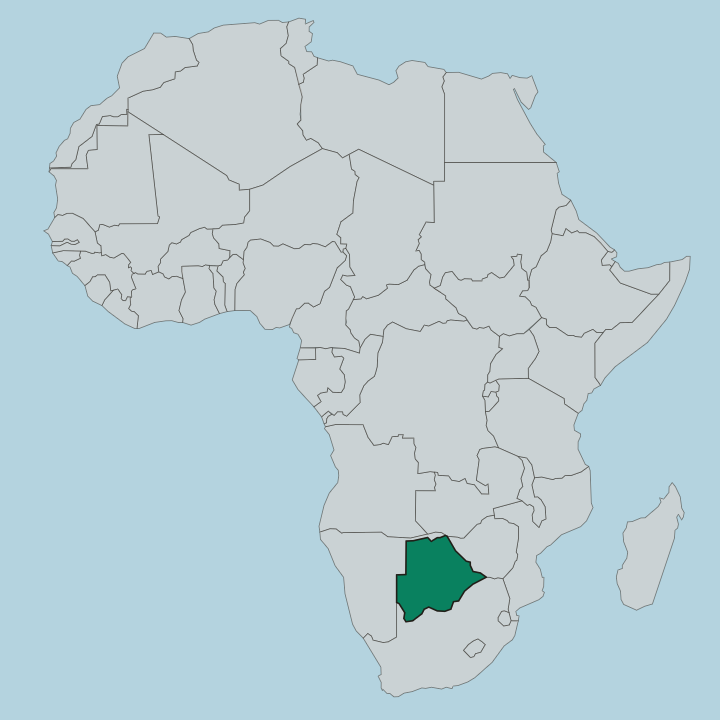
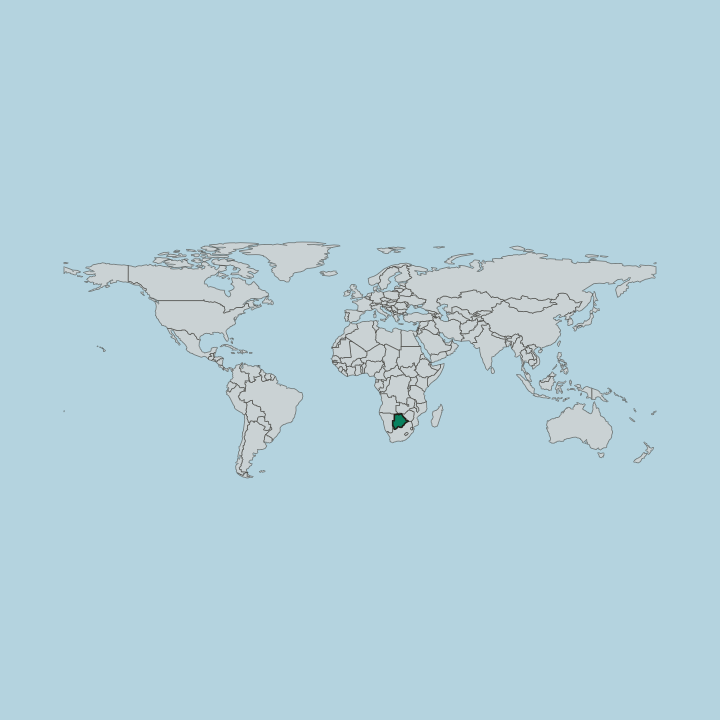
Botswana is a landlocked country in Southern Africa, ringed by Namibia, Zambia, Zimbabwe, and South Africa, with no coast of its own. The land is famously flat. Sand covers most of it, because roughly seventy per cent of the country belongs to the Kalahari Desert, a semi-arid sweep of savanna, fossil dunes, and scattered thorn trees rather than bare dune sea.
Against that dryness the north holds a startling exception. The Okavango River flows in from the highlands to the north-west and, instead of reaching any sea, fans out into the Okavango Delta and simply sinks away into the sand. Rivers here run mostly along the edges.
The Chobe River traces the northern border toward the Zambezi, while the Limpopo River marks much of the boundary with South Africa in the south-east. In between lie the Makgadikgadi Pans, a glaring white expanse of salt flats left behind when an ancient lake dried out. Ngamiland in the north-west holds the delta and Maun.
Central and southern districts carry the Central Kalahari Game Reserve and the capital, Gaborone. From salt pan to swamp, the terrain shifts hard.
What is the history of Botswana?
The Tswana people trace their recorded past in this region back to about the fourteenth century, when herders and farmers settled into chiefdoms led by a hereditary kgosi. Much older still are the rock paintings of the Tsodilo Hills, thousands of images left across ridges in the north-west by the earliest people of the Kalahari. Colonial pressure arrived from the south.
In 1885 Britain declared the Bechuanaland Protectorate, partly because Tswana leaders travelled to London to resist being handed to Cecil Rhodes and the settlers pushing up from the Cape. That resistance shaped everything that followed. The protectorate held together for eight decades under a light colonial hand.
Independence came on the last day of September in 1966, when the Republic of Botswana was proclaimed with Seretse Khama, a Tswana chief and nationalist, as its first president. Diamonds found soon afterward at Orapa turned a poor cattle economy into one of Africa's steadiest states, funding schools, clinics, and tarred roads across a country that had almost none at independence. Francistown, an older gold-mining town in the north-east, had drawn prospectors long before the diamonds. Cattle and kgotla assemblies still matter, though.
From protectorate to republic, the thread is continuity, not rupture.
What is Botswana like?
Botswana takes its name from the Tswana people, and Setswana runs through daily life alongside English, the official language of government and schooling. National identity was built deliberately at independence, gathering many groups under one Tswana label. Cattle sit near the centre of that identity.
A herd measures wealth and standing, and beef anchors both the diet and the economy in a way few other African countries share. The kgotla, an open village assembly where a community talks matters through before its chief, still carries real weight in how disputes get settled. Food is plain and filling.
Seswaa, beef pounded soft and salted, is the dish reached for at weddings and funerals, usually served with bogobe or maize pap and a side of morogo wild greens. Music and dance carry setswana rhythms that vary from district to district. The Tsodilo Hills remain a sacred place for the San and Hambukushu who live near them.
Craft, storytelling, and cattle keep the old patterns visible. Modern towns like Gaborone layer offices and malls over that base without erasing it.
What is the climate of Botswana?
Botswana runs semi-arid and subtropical, shaped by the Kalahari. Summers, from about November to March, are hot, with afternoon thunderstorms that break over the sand and drain away fast. Winter is the dry season.
From May to August almost no rain falls, days stay mild and bright, and nights in the south-west can drop below freezing. The wet north around the Okavango Delta catches far more rain than the parched south-west. Water, not temperature, sets the rhythm.
How do you get to Botswana?
Most safari travellers skip the capital. Sir Seretse Khama International Airport at Gaborone is the country's main gateway, yet the tourist routes run through Maun and Kasane instead. Maun handles the light-aircraft flights into the Okavango Delta and Moremi Game Reserve.
Kasane, near Chobe National Park in the north, links onward to Victoria Falls across the border. Almost every arrival connects through Johannesburg in South Africa. From there it is a short hop north.
Good for
Updated September 2026