Russia · Respublika Altay
Where to Stay in Gorno-Altaysk, Respublika Altay
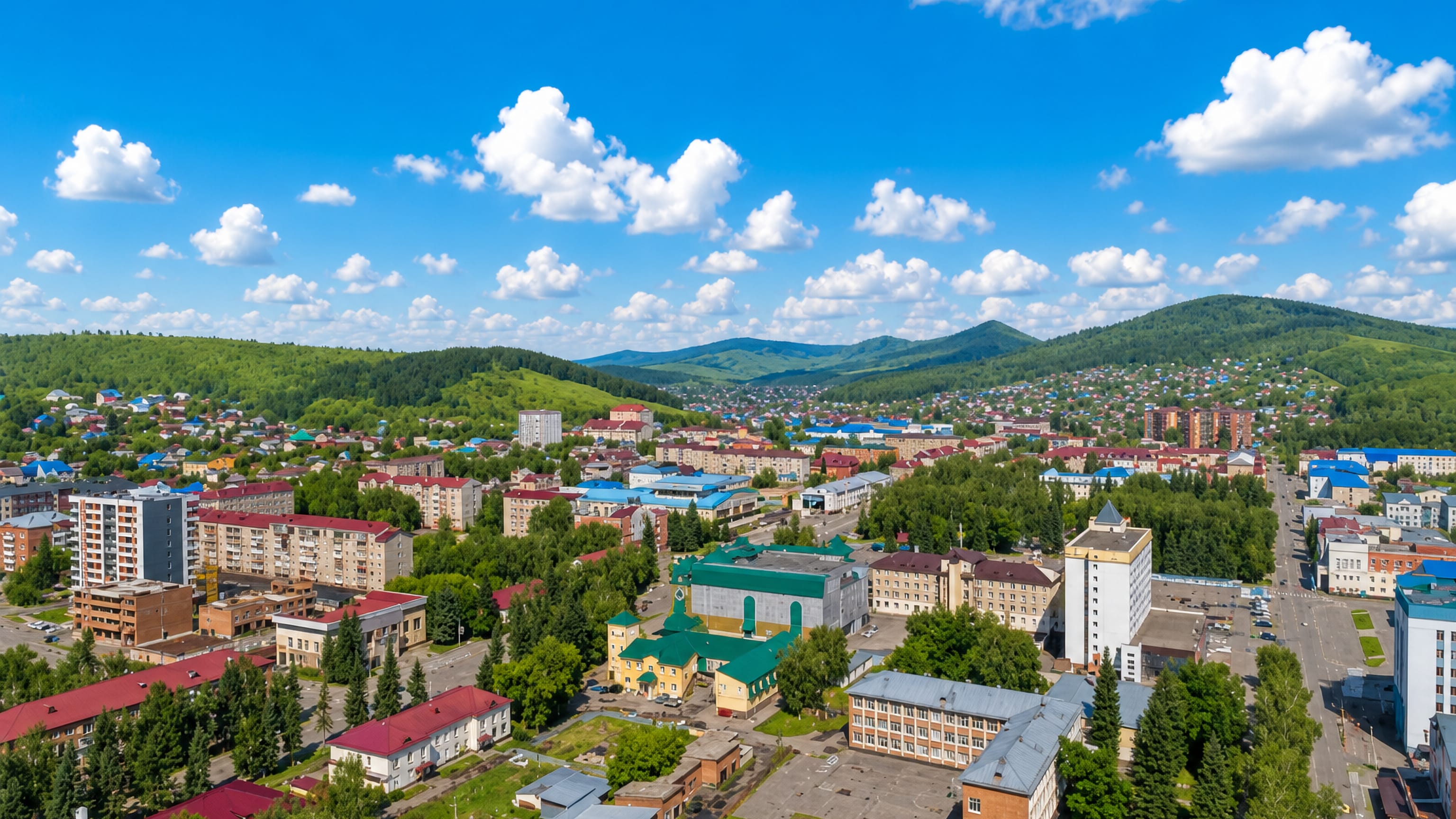
Gorno-Altaysk is the capital town of the Altai Republic, founded in 1830 and carrying the older name Улала alongside it.
Find your area →


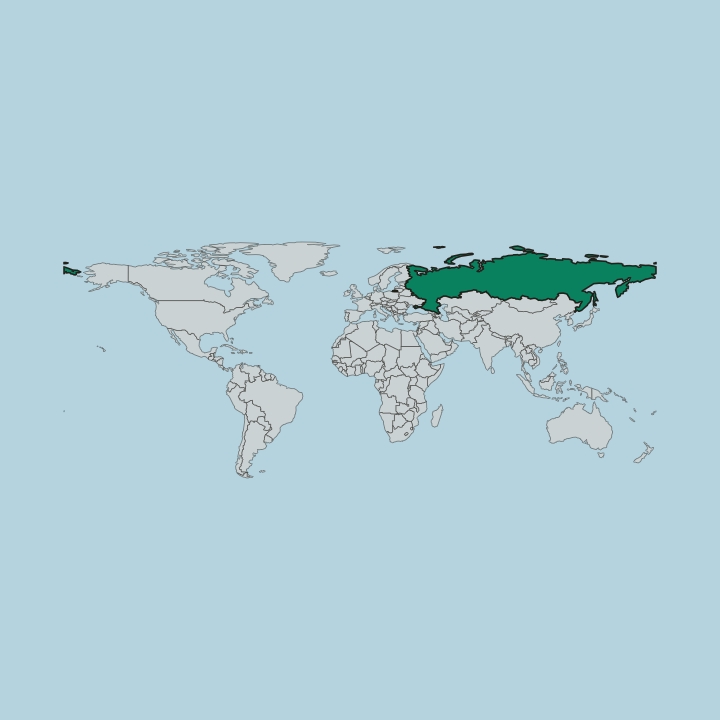
Where to stay in Gorno-Altaysk
How the choice of base plays out on the ground.
The Anokhin Museum is the anchor. A room within walking distance of it puts a visitor beside the collection that explains the Altai Republic, and beside the older merchant buildings, Bodunov House, the Bodunov Estate and Tobokov Shop, that give Gorno-Altaysk its few streets of visible age. Дом купца Хакина belongs to the same handful. Beds in a republic capital of this size answer to official travel and to traffic passing through Respublika Altay, so supply is steady rather than deep, and the real choice is between the streets around the Anokhin Museum and the ground out towards Палеолитическая стоянка «Улалинская».
Getting about is the easy part of Gorno-Altaysk. Gorno-Altaysk covers about 96 square kilometres, and the built ground within that is compact enough that the walk from the Anokhin Museum to Здание мужской церковно-приходской школы takes no planning at all. Палеолитическая стоянка «Улалинская» sits at the other pole of interest, a stone-age record rather than a street, and anyone whose reason for coming is that site will want wheels rather than a central room. Respublika Altay is the region around it.
A stay here is usually one or two nights on the way through the Altai Republic, which argues for the shortest walk to Bodunov House and the museum rather than for space, and Братская могила борцов за власть Советов stands close enough to fold into the same circuit. Book central and walk.
Things to do in Gorno-Altaysk
Ranked by global recognition; descriptions from Wikidata (CC0).
Museums & Galleries
1- Anokhin Museum
Castles & Historic Sites
1- Палеолитическая стоянка «Улалинская» Heritage
Landmarks & Notable Places
5- Bodunov Estate Heritage
- Bodunov House Heritage
- Tobokov Shop Heritage
- Дом купца Хакина Heritage
- Здание мужской церковно-приходской школы Heritage
worth knowingacross 3 categories in Gorno-Altaysk
About Gorno-Altaysk
The republic is run from here.
What is Gorno-Altaysk known for?
Gorno-Altaysk is the capital town of the Altai Republic, and the Anokhin Museum is the one institution that gives a visitor a reason to stop rather than simply pass through. Merchant buildings survive as well. Bodunov House, the Bodunov Estate, Tobokov Shop and Дом купца Хакина stand from the town's trading years, and they are what the older streets have left to show.
What are the main landmarks in Gorno-Altaysk?
The list is short but specific. Anokhin Museum carries the republic's collections, while Bodunov House, the Bodunov Estate, Tobokov Shop and Дом купца Хакина survive from the merchant town and Здание мужской церковно-приходской школы from its church school. Two entries stand apart. Палеолитическая стоянка «Улалинская» reaches back to the stone age, and Братская могила борцов за власть Советов belongs to the fighting that brought Soviet power to the Altai Republic.
What is the history of Gorno-Altaysk?
The record here predates the town by a very long way. Палеолитическая стоянка «Улалинская» is a stone-age site lying within Gorno-Altaysk itself, and it puts people on this ground in a period that has nothing to do with the settlement which later took the name Улала. That settlement dates from 1830. Both names have stayed in use since, one in Russian administration and one older than it, and the town has answered to each in turn.
Merchants left the buildings that remain. Bodunov House, the Bodunov Estate and Tobokov Shop belong to those years, together with Дом купца Хакина, while Здание мужской церковно-приходской школы shows what schooling looked like when the church ran it. Then the Soviet period arrived. Братская могила борцов за власть Советов is the memorial kept from that time, and Gorno-Altaysk went on to become the capital of the Altai Republic, the seat from which Respublika Altay is administered within Russia.
Anokhin Museum holds what survives of all of it. The span is unusually wide for a town of about 96 square kilometres, running from a Palaeolithic camp to a republic administration, with the merchant houses of Улала standing between the two as the only architecture left from the middle of that story.
Where is Gorno-Altaysk?
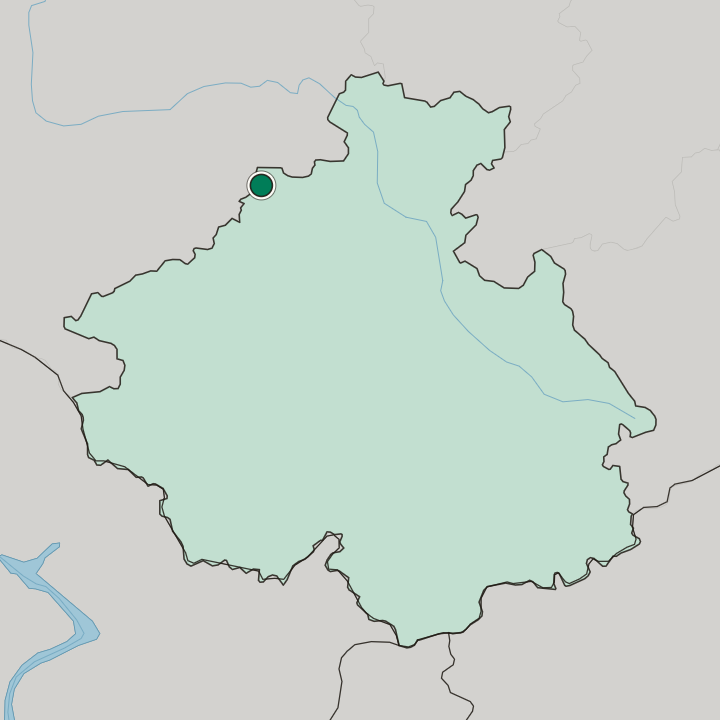
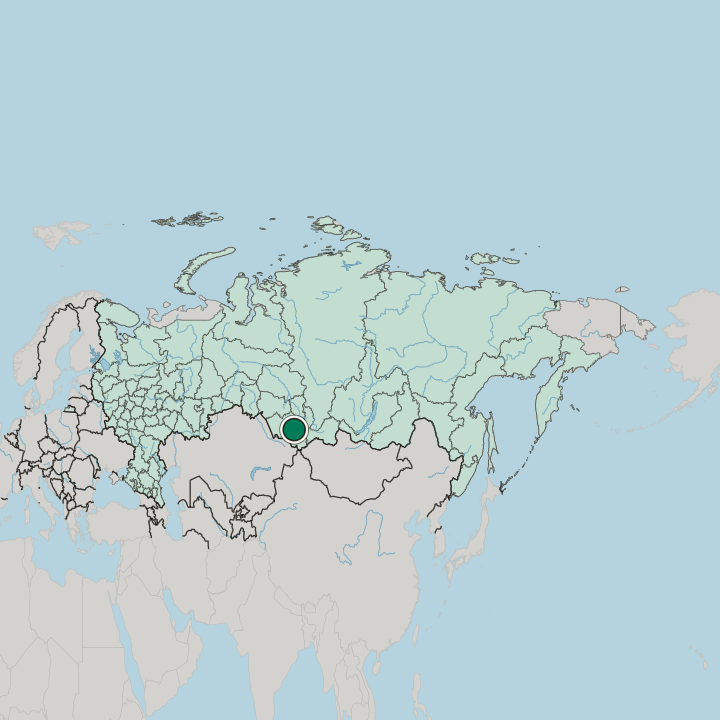
Gorno-Altaysk covers about 96 square kilometres. The town is the capital of the Altai Republic, and Respublika Altay is the same ground under its Russian name, a republic that sits well inside Russia and keeps its administration in this one place. Crossing the town takes little time. Палеолитическая стоянка «Улалинская» lies on the same municipal ground as the Anokhin Museum, which says something about how much a small compass can hold.
What is the climate of Gorno-Altaysk?
The temperate year runs in four clear parts. Gorno-Altaysk lies in the northern temperate band, so warmth and cold arrive in turn rather than one season holding the whole calendar, and that division decides what a short visit can realistically include. Indoors and outdoors split accordingly. Палеолитическая стоянка «Улалинская» and the older streets around Bodunov House suit the warm months, while the Anokhin Museum carries the colder half of the year for anyone stopping in the capital of the Altai Republic.
How do you get to Gorno-Altaysk?
Arrival means crossing the republic. Gorno-Altaysk is the administrative centre of Respublika Altay, so the routes that matter run to the capital from the rest of the Altai Republic rather than between districts inside the town itself. The town is small enough to cross on foot.
Once in, the Anokhin Museum, Bodunov House and Дом купца Хакина stand close together, and only Палеолитическая стоянка «Улалинская» asks for wheels.
Updated September 2026