Russia · Saratovskaya Oblast
Where to Stay in Saratov, Saratovskaya Oblast
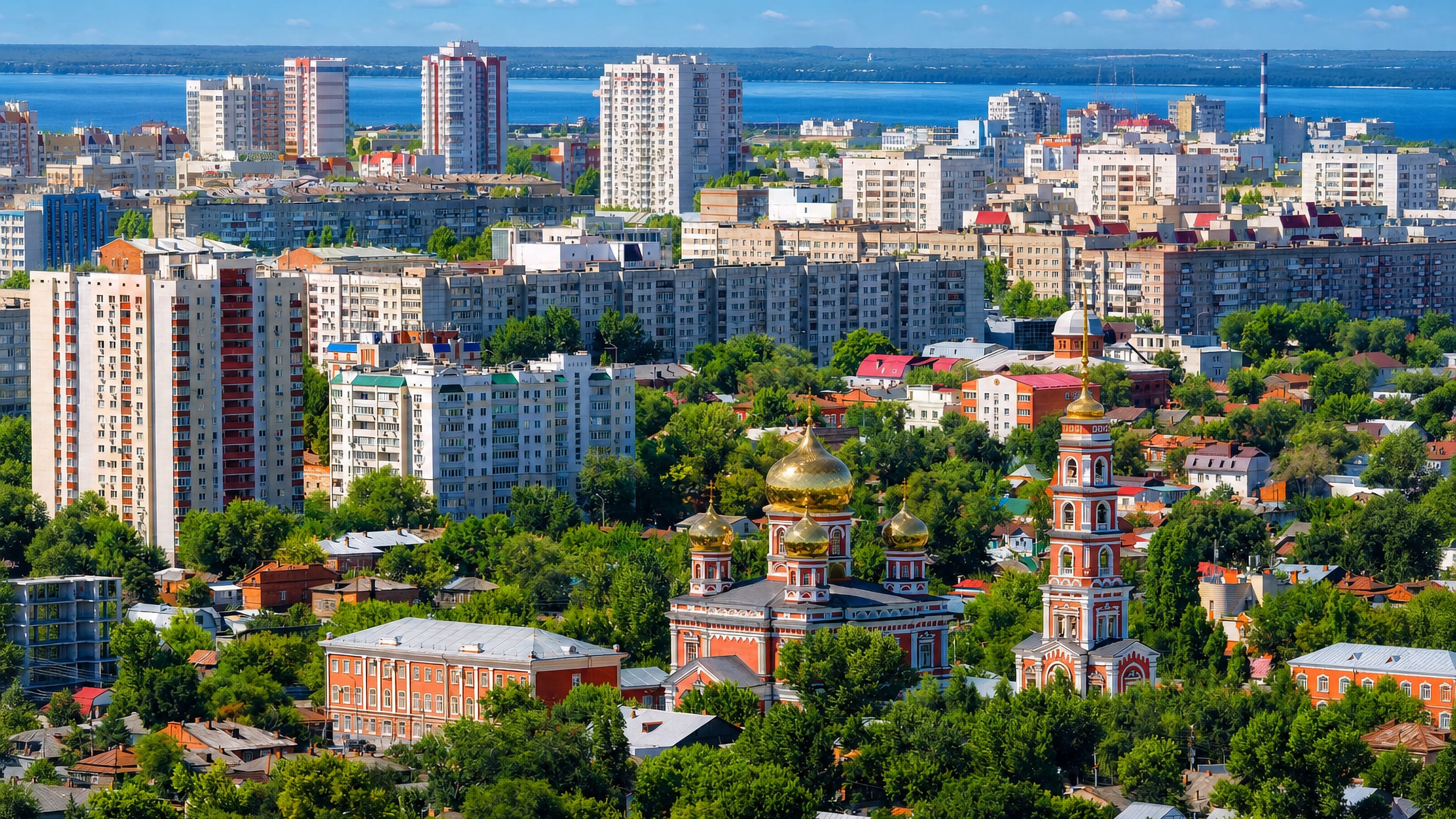
Merchant facades line old Saratov, a city in Saratovskaya Oblast known for the Radishchev Art Museum and the domes of St. Peter and St. Paul Cathedral.
Find your area →


Where to stay in Saratov
Where the beds are, and what that means for the visit.
Where you stay in Saratov turns on how close you want to be to the old merchant core, where the Radishchev Art Museum and the Stock Exchange Building stand among nineteenth-century facades. The central streets put the galleries, the Local Museum of Saratov Oblast, and St. Peter and St. Paul Cathedral within a short walk, and most of the city's lodging clusters here. Begin in the centre.
If you want quieter ground, look toward the districts spreading beyond the core, where the Armenian Church and the smaller estates such as the Borisov-Musatov Estate sit among ordinary residential blocks. Ground around the museum-houses draws a different visitor. Near the House-museum of Pavel Kuznetsov and the Museum of Konstantin Fedin, the setting turns literary and slow, tied to the painters and writers the city claims.
Those coming for the monuments of Saratov, from the Pyotr Stolypin monument to the Statue of Nikolai Chernyshevsky, will find them threaded through the same central streets, each within easy reach of the museums and cathedral that fix the heart of the city.
Things to do in Saratov
Ranked by global recognition; descriptions from Wikidata (CC0).
Museums & Galleries
5- Radishchev Art Museum Heritage
- Pypiny Estate, Saratov Heritage
- Local Museum of Saratov Oblast Heritage
- Museum of Konstantin Fedin in Saratov Heritage
- Borisov-Musatov Estate, Saratov Heritage
Churches & Religious Sites
3- Храм Рождества Христова (Саратов) Heritage
- St. Peter and St. Paul Cathedral, Saratov
- Armenian Church, Saratov
Castles & Historic Sites
4- Statue of Nikolai Chernyshevsky, Saratov Heritage
- Monument to the 1905 Revolution (Saratov) Heritage
- Statue of Dzerzhinsky in Saratov Heritage
- Monument to Krasnodon Heroes (Saratov) Heritage
Landmarks & Notable Places
4- College of Radioelectronics in Saratov Heritage
- Skvortsov Manor, Saratov Heritage
- Stock Exchange Building, Saratov Heritage
- Fridolin Pharmacy, Saratov Heritage
worth knowingacross 4 categories in Saratov
About Saratov
What is Saratov known for?
Saratov is known for its art and its merchant past, gathered along the streets of a onetime trading centre. The Radishchev Art Museum anchors that reputation. Its galleries sit near the House-museum of Pavel Kuznetsov and the Museum of Konstantin Fedin, so the city reads as much through its painters and writers as through its churches.
Trade left its own marks, from the old Stock Exchange Building to the Fridolin Pharmacy, while the Pyotr Stolypin monument recalls a statesman tied to the wider region of Saratovskaya Oblast.
What are the main landmarks in Saratov?
The main landmarks of Saratov range from art galleries to merchant halls and quiet estates. The Radishchev Art Museum leads them all, its collection among the oldest public holdings in the country. Around it stand the Armenian Church and the old Stock Exchange Building, together with museum-houses such as the House-museum of Pavel Kuznetsov and the Museum of Konstantin Fedin.
Churches rise between them. The cathedral of Peter and Paul crowns the older parishes, while monuments thread the streets, among them the Pyotr Stolypin monument and the Statue of Nikolai Chernyshevsky.
What is the history of Saratov?
Saratov was founded in 1590 as a guard post on the eastern frontier of the Russian state, one of a line of fortified towns raised to hold a restless border. Its role changed with the centuries. What began as a military outpost grew into a river-trading town and then a provincial capital, its wealth built on grain and commerce that filled the streets with grand merchant houses.
The old Stock Exchange Building and the Fridolin Pharmacy date from that prosperous age, when Saratov ranked among the larger cities of the region. Culture followed the money. The Radishchev Art Museum opened in this era as one of the first public galleries of the country, and the town drew painters and writers whose homes are now the House-museum of Pavel Kuznetsov and the Museum of Konstantin Fedin.
Politics left scars too. The Monument to the 1905 Revolution and the Pyotr Stolypin monument recall the upheavals that reached the town, and the administrative weight of Saratovskaya Oblast kept it central through every change. Its long past is written in its facades.
Where is Saratov?
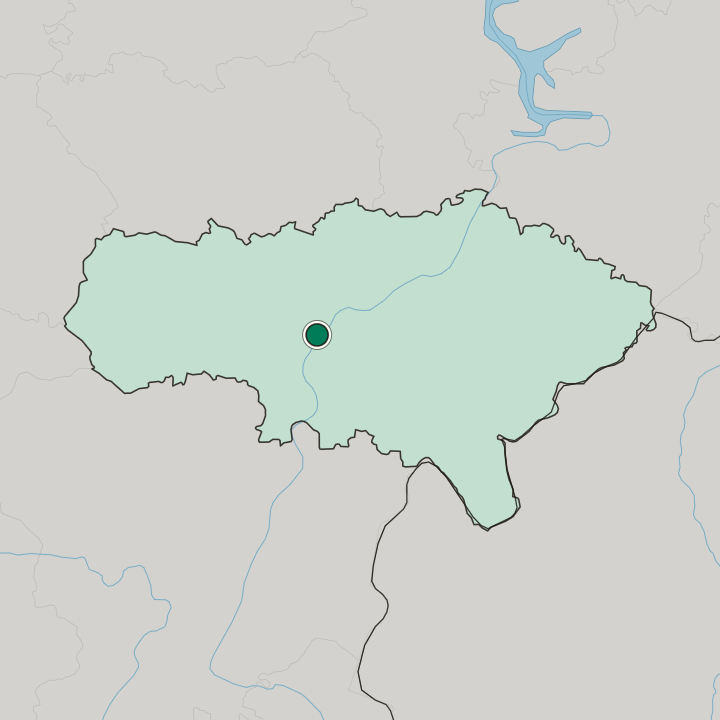
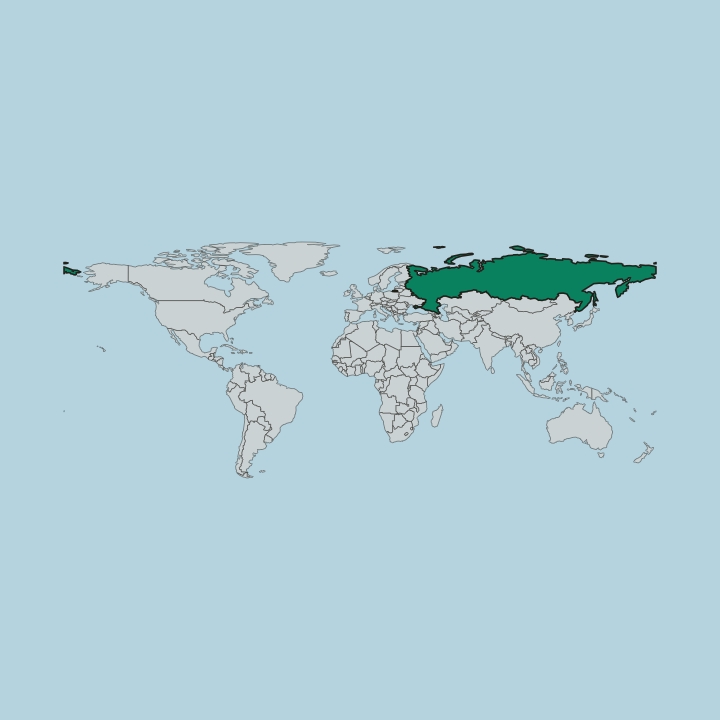
Saratov spreads across low riverside ground and rising hills within Saratovskaya Oblast. The land climbs behind it. Wooded slopes lift away from the older streets where the Radishchev Art Museum and St. Peter and St. Paul Cathedral stand, so the town runs from a flat waterside core up toward higher country.
Beyond the built-up area the wider region opens into the open steppe and farmland that define Saratovskaya Oblast, a broad plain reaching away from the town's edges.
What is the climate of Saratov?
Saratov has a sharply continental climate of cold winters and hot, dry summers. Extremes rule the year. Hard frost grips the hills and the riverside streets around St. Peter and St. Paul Cathedral through the long winter, when snow and biting wind sweep in off the open plain of Saratovskaya Oblast.
Summer swings the other way into heat and drought, baking the surrounding steppe, before autumn turns the town quickly back toward the deep cold that marks the region.
How do you get to Saratov?
Getting to Saratov runs by rail, road, and air along the routes that cross Saratovskaya Oblast. Trains reach the centre directly. The station links the city into the wider network, and a bridge carries the main road across the water toward the town, while an airport serves flights from farther afield.
From each arrival the old core, with the Radishchev Art Museum and St. Peter and St. Paul Cathedral, lies a short way in among the merchant streets.
Good for
More cities in Saratovskaya Oblast
Updated September 2026