
Solomon Islands: Regions, Cities & Travel Guide
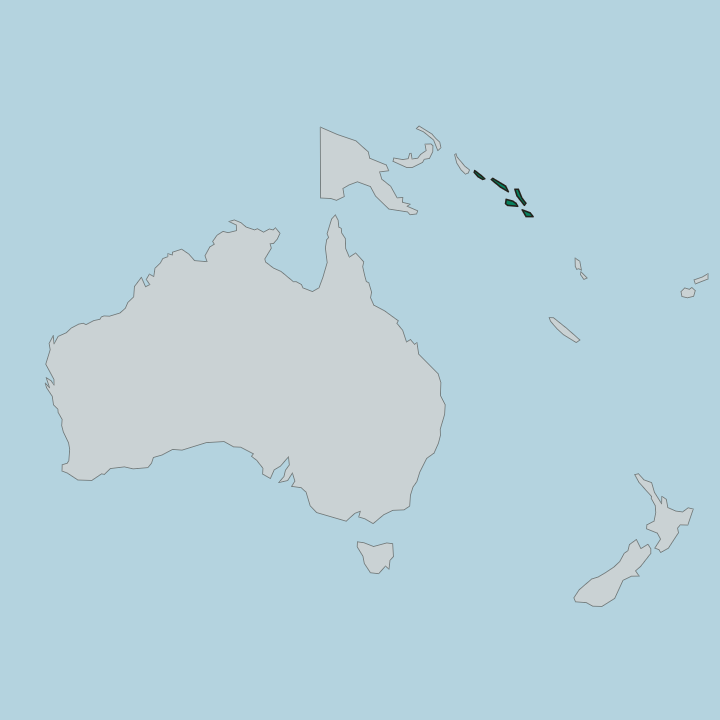
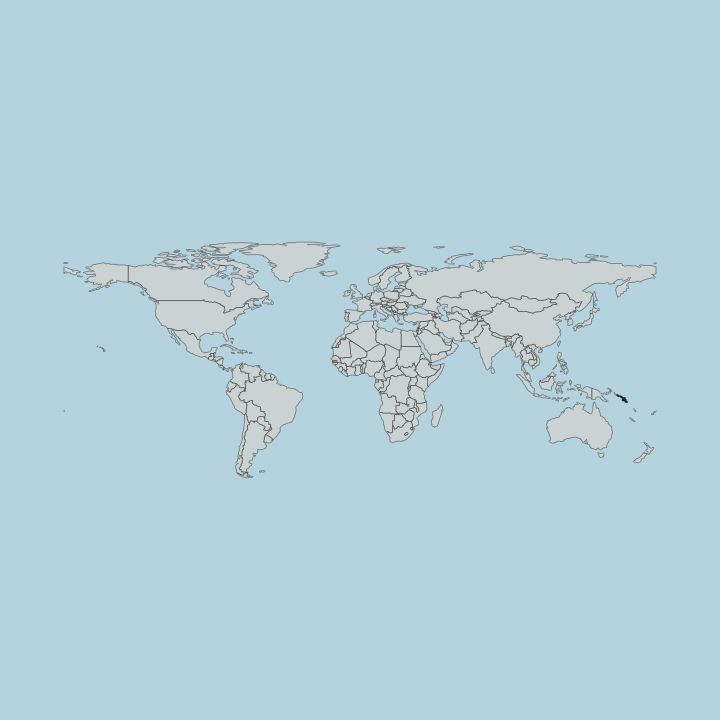
Solomon Islands scatters six main islands and over 1,000 smaller ones across Melanesia, with its capital Honiara on Guadalcanal.
Hotel links are affiliate links: booking through them may earn us a commission, at no extra cost to you. It never affects how places are ranked. How this works


Top destinations in Solomon Islands
One city to start from, then drill into its areas and hotels.

 Solomon Islands
Honiara
Honiara is the capital of Solomon Islands, a port city on the northwestern coast of Guadalcanal strung along the Kukum Highway.Where to stay →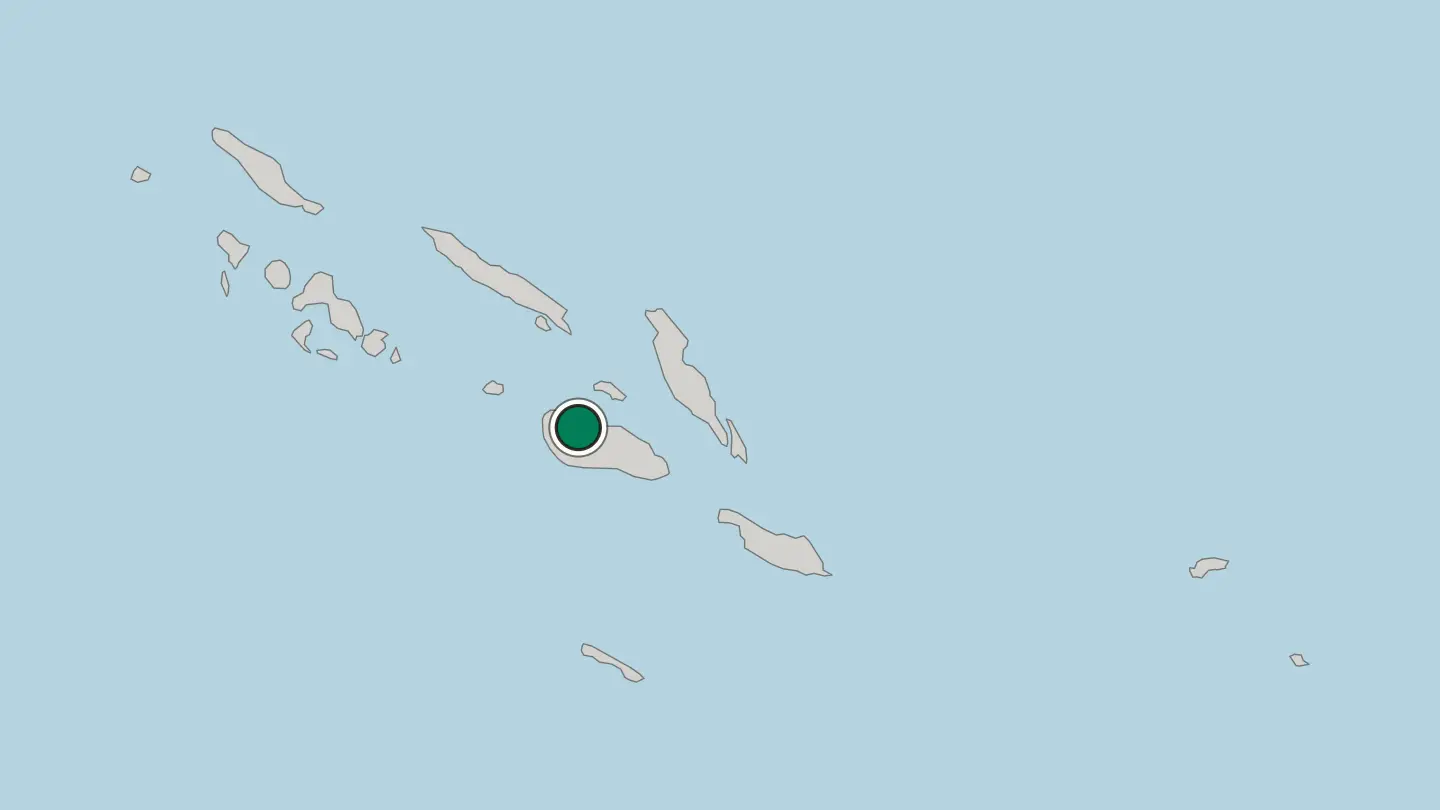
Hotel links are affiliate links: booking through them may earn us a commission, at no extra cost to you. It never affects how places are ranked. How this works
Browse by region
One region so far — open it to see its cities and towns.
About Solomon Islands
Divers know this archipelago best.
What is Solomon Islands known for?
The Western Province holds Marovo Lagoon, one of the largest enclosed lagoon systems on earth, its channels dotted with reefs and wartime aircraft wrecks that draw scuba travellers to Munda and Gizo. Ashore, the country carries the marks of the Guadalcanal campaign of the Second World War, when American and Japanese forces fought for the airfield above Honiara. Panpipe music from the 'Are'are people of Malaita and the shell-money makers of the Langa Langa Lagoon keep Melanesian tradition alive.
It is Pacific wilderness with a hard history.
Where is Solomon Islands?
Solomon Islands forms a double chain of volcanic islands and coral atolls in Melanesia, north-east of Australia and east of Papua New Guinea. Six main islands carry most of the land and people, and more than a thousand smaller islands, reefs, and atolls trail off between them. Water does much of the shaping here.
This archipelago sits along the routes between the South Pacific Ocean, the Solomon Sea, and the Coral Sea, and the sea is never far from any village. Interiors run rugged and green. Guadalcanal, the largest island, rises to Mount Popomanaseu, the highest peak in the country and the tallest in the insular South Pacific outside New Guinea.
Short, fast rivers such as the Mataniko, the Lungga, and the Tenaru tumble off its wooded mountains to the coast where Honiara stands. Malaita, to the east, hides a steep and forested spine of its own. Out west, New Georgia and its neighbours give way to a maze of barrier reefs, and Marovo Lagoon spreads behind them as one of the largest enclosed reef lagoons anywhere.
Rainforest, mangrove, and coral define the whole country. Land here is edged by water on every side.
What is the history of Solomon Islands?
People reached these islands thousands of years before any outsider named them. The Spanish navigator Álvaro de Mendaña sailed in from Peru in 1568 and carried back the name Solomon, hoping the islands held the gold of the biblical king. Contact stayed thin for centuries.
Britain declared a protectorate over the southern islands in 1893 and slowly extended its reach north, governing a scattered island world from small coastal stations. The war changed everything on Guadalcanal. In August 1942 American marines landed and fought the Japanese for the airfield above the coast, opening the Guadalcanal campaign that ground on until the Japanese withdrew in February 1943.
The wrecks in the lagoons and the rusting guns in the hills still date from those months. After the war the protectorate rebuilt, took the name Solomon Islands in 1975, and became an independent constitutional monarchy on 7 July 1978. Honiara grew into the capital of the new state.
From Mendaña's misnamed search to a Pacific nation, the thread runs long and salt-stained.
What is Solomon Islands like?
Kastom holds this country together. The word covers the traditional Melanesian order of land, kinship, and obligation that governs village life across the islands, and it still outweighs many of the imported systems layered on top of it. Language marks how deep that runs.
Dozens of distinct tongues are spoken across the islands, and Pijin serves as the shared bridge between them, so a market in Honiara hums with several languages at once. Music carries the tradition outward. The 'Are'are people of Malaita are famous for their panpipe ensembles, their layered, hypnotic melodies played alongside slit drums and conch shells at ceremonies.
On the Langa Langa Lagoon, families still mint shell money, grinding and drilling small shell disks into strings that serve as currency, marriage gift, and heirloom. Food stays close to the land and reef. Taro, yam, sweet potato, and reef fish anchor the table, and grated coconut turns up in almost every pot as milk or cream.
Craft, dance, and carving fill the National Museum in the capital. The old ways here are not on display; they are lived.
What is the climate of Solomon Islands?
The climate runs tropical and wet. Warm, humid air sits over the islands through the year, feeding the rainforest that covers Guadalcanal and Malaita and keeping the reef waters mild for divers. A wetter monsoon season brings heavier rain and the risk of cyclones from about November through April, while the drier months in between suit travel and boat crossings.
Nights barely cool. Heat and humidity are constants here.
How do you get to Solomon Islands?
Almost everyone arrives at Honiara. The international airport on Guadalcanal takes the flights in from Australia and neighbouring Pacific hubs, and it is the pivot for the whole country. From there the islands connect by small domestic planes and by boat.
Reaching Gizo, Munda, or Marovo Lagoon in the Western Province means a short hop onward rather than a single long flight, and sea crossings link the closer islands. Plan the connection, not just the arrival.
Good for
Updated September 2026