
Mayotte: Regions, Cities & Travel Guide
Mayotte is a French archipelago in the Mozambique Channel, its islands ringed by one of the Indian Ocean's largest lagoons.
Hotel links are affiliate links: booking through them may earn us a commission, at no extra cost to you. It never affects how places are ranked. How this works


Top destinations in Mayotte
One city to start from, then drill into its areas and hotels.

 Mayotte1 area
Mamoudzou
Mamoudzou is the capital of Mayotte, a French department in the Indian Ocean, on Grande-Terre across a 2 km channel from Petite-Terre.Where to stay →Hotel links are affiliate links: booking through them may earn us a commission, at no extra cost to you. It never affects how places are ranked. How this works
Browse by region
One region so far — open it to see its cities and towns.
About Mayotte
Mayotte is known first for its lagoon.
What is Mayotte known for?
A barrier reef curls around Grande-Terre and Petite-Terre, enclosing shallow water where green turtles graze the seagrass and reef fish crowd the coral. The land keeps the same volcanic drama, rising to the conical peak of Mont Choungui in the south and the forested ridge of Mont Bénara at the centre. Mamoudzou, the busy port capital, faces the channel from Grande-Terre. Islam shapes daily life across both islands.
Where is Mayotte?
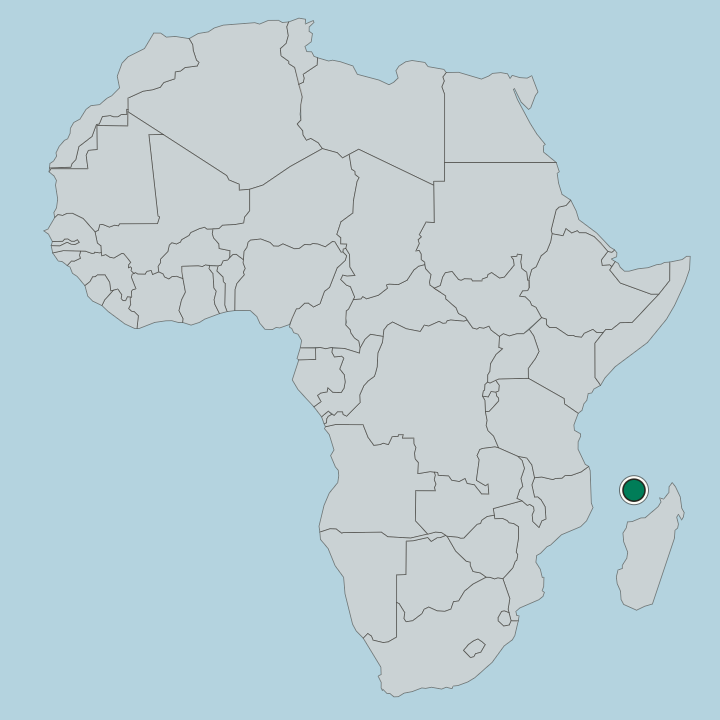
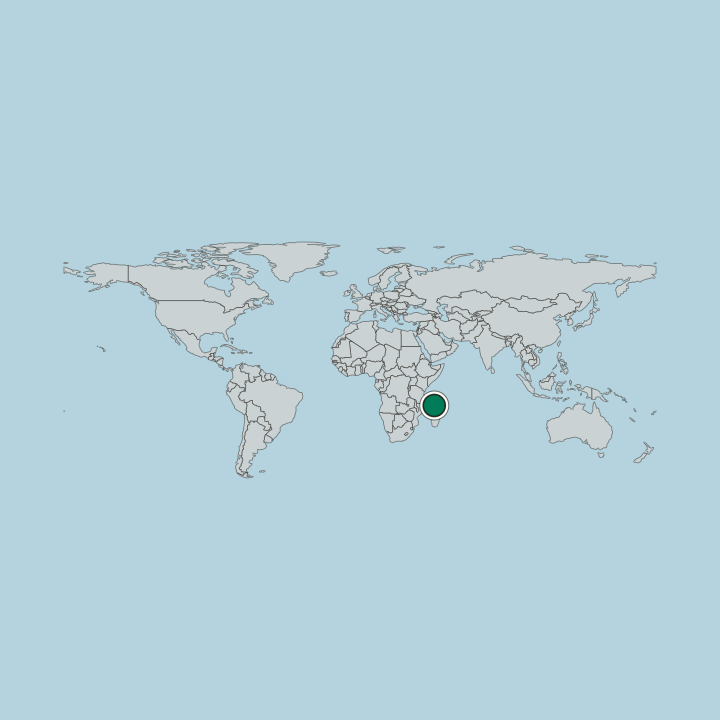
Mayotte sits in the northern Mozambique Channel, the stretch of the Indian Ocean between Madagascar and the Mozambique mainland, and it forms the oldest of the four main islands of the Comoro Islands. Two islands hold almost everyone. Grande-Terre, the larger, stretches long and narrow and carries the highest ground on the archipelago, climbing through forest to Mont Bénara.
A short channel separates it from Petite-Terre, the smaller island that shelters Dzaoudzi and the airport at Pamandzi, with a handful of tiny islets scattered around the two. What sets Mayotte apart lies offshore. A barrier reef nearly two hundred kilometres long rings the islands, wrapping one of the largest and deepest lagoons in the western Indian Ocean, its mangrove-fringed shallows sheltering coral gardens, hundreds of fish species, and grazing turtles.
The land itself is old volcanic country, worn into rounded ridges and the sharp cone of Mont Choungui in the south. Rivers run short and seasonal here. Erosion has softened the once-fiery relief into something green and low.
From reef to summit, the whole place stays small enough to cross in an afternoon.
What is the history of Mayotte?
Mayotte's story is a Swahili-coast story, layered over centuries of Indian Ocean trade. Settlers from East Africa reached the islands first, followed by Arab and Persian merchants who carried Islam down the dhow routes, and a sultanate took hold on Grande-Terre around 1500. Madagascar left its mark too.
In 1832 Andriantsoly, a deposed Sakalava king from the Malagasy mainland, seized the island, and rival Comorian sultanates fought over it in the years that followed. That turbulence set the stage for France. In 1841 the ruling sultan ceded Mayotte to France, and the island became the base from which the French later drew in the rest of the Comoros.
The decisive break came much later. When the Comoros voted for independence in 1974, Mayotte alone voted to stay French, and it confirmed that choice in a further vote in 1976. The separation still divides the region.
Mayotte has since drawn steadily closer to France, becoming an overseas department in 2011, its ties to Paris now woven through law, currency, and citizenship. The past here is short on monuments but long on consequence.
What is Mayotte like?
Mayotte's culture braids African, Malagasy, Arab, and French threads into something wholly Mahoran. Sunni Islam anchors it, structuring the calendar, the food taboos, and the rhythm of the villages, yet it sits beside older beliefs in possessing spirits known as patros and Malagasy trumba. Language marks the same mix.
Most people speak Shimaore, a Bantu tongue close to Swahili, while others speak Kibushi, a Malagasy language carried across the channel, and French runs through school and administration. Women hold unusual social weight here, and the salouva, a bright wrapped cloth, remains everyday dress. The islands express themselves through movement and voice.
Debaa, a swaying women's dance of sung Sufi poetry, and the percussive m'biwi answer each other at weddings and festivals across Grande-Terre. Food carries the trade winds in it. Cinnamon, cardamom, and clove season pilao rice and stews, and grilled mabawa, marinated chicken wings, turn up at every roadside.
Ylang-ylang and vanilla scent the plantations inland. This is an oral culture, passed down more in song and gathering than in stone. Small in size, it stays loud in identity.
What is the climate of Mayotte?
Mayotte runs on two seasons and little else. The hot, wet monsoon blows from the north-west between November and April, dumping most of the year's rain and stirring the occasional cyclone across the Mozambique Channel. Then the wind flips.
From May to October the drier south-east trades cool the islands and clear the lagoon water, which is why divers favour those months. Warm sea and humid air hold year-round. It is tropical through and through.
How do you get to Mayotte?
Every visitor lands on Petite-Terre. The airport at Pamandzi is Mayotte's only one, served by long flights from mainland France and shorter hops from Réunion and nearby islands. Reaching the capital takes one more step.
A frequent barge shuttles the narrow channel between Dzaoudzi on Petite-Terre and Mamoudzou on Grande-Terre, carrying foot passengers and vehicles across in a quarter of an hour. From the docks, road taxis fan out to the rest of the island.
Good for
Updated September 2026