Afghanistan · Wilāyat-e Ghaznī
Where to Stay in Ghazni, Wilāyat-e Ghaznī
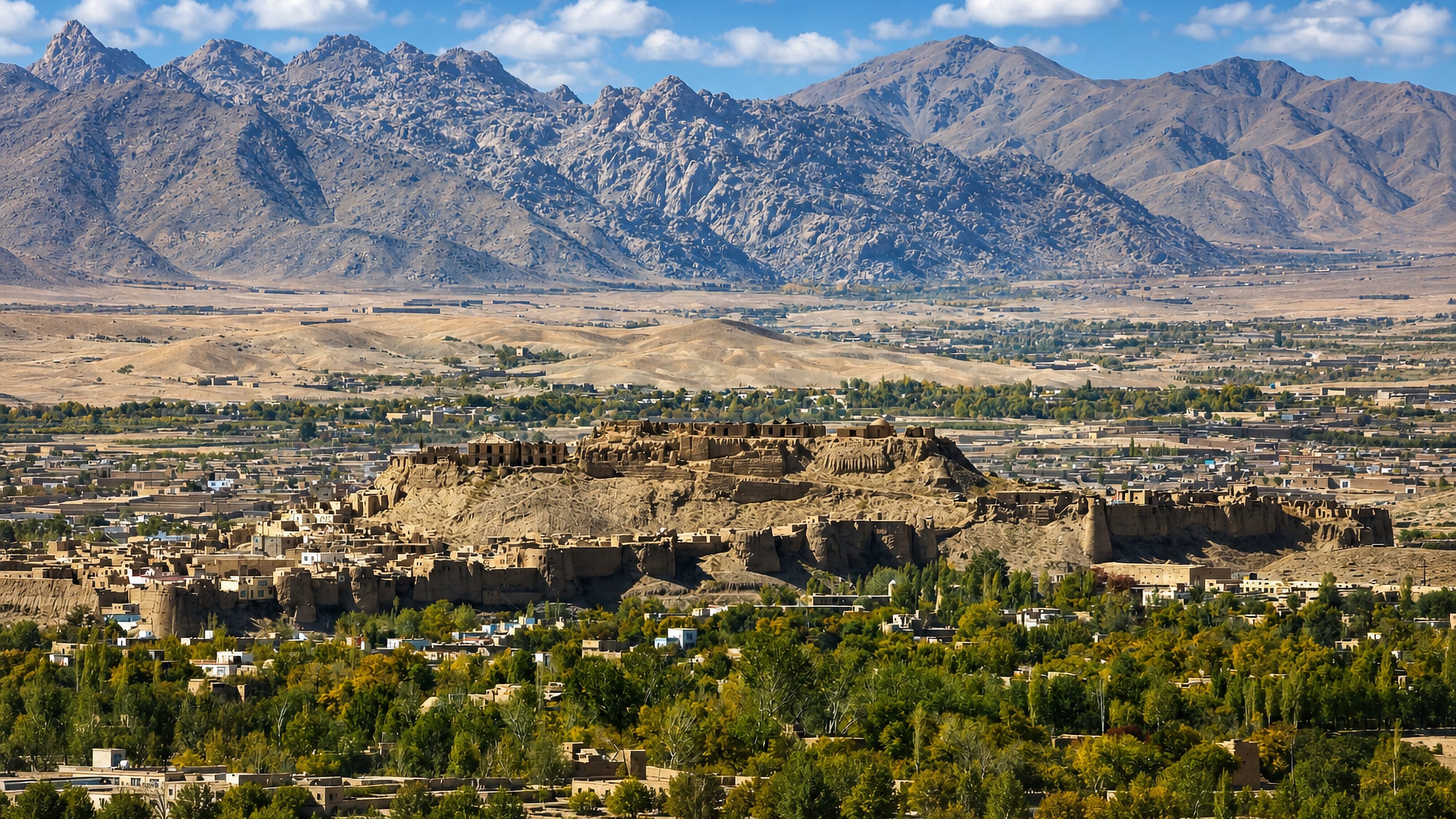
The Palace of Sultan Mas'ud III belongs to Ghazni, a city south of Kabul that older records name Ghaznayn, Ghazna and Alexandria in Opiana.
Hotel links are affiliate links: booking through them may earn us a commission, at no extra cost to you. It never affects how places are ranked. How this works


Where to stay in Ghazni
Where visitors usually base themselves, and why.
Two landmarks and one administrative centre give this city three obvious anchors, and which of them a bed sits nearest changes the shape of a stay more than the room itself does. The Palace of Sultan Mas'ud III is the first of them. It is excavated ground rather than a working building, so a stay near it is a stay near the edge of things, quieter than the middle and better suited to early starts than to late returns.
The Museum of Islamic Art pulls towards the built city. Anything within reach of it puts the collection, the offices of Ghazni District and the ordinary business of a provincial capital in the same short radius, which is what most visitors actually want from a base. For most stays that settles it.
Ghazni is a small city, so the radius stays small too. Kabul is the reference point beyond all of this. Ghazni lies south of it, and a night here is often part of a longer movement through southeastern Afghanistan rather than a destination in itself, which argues for a bed close to the through-route instead of deep in the lanes.
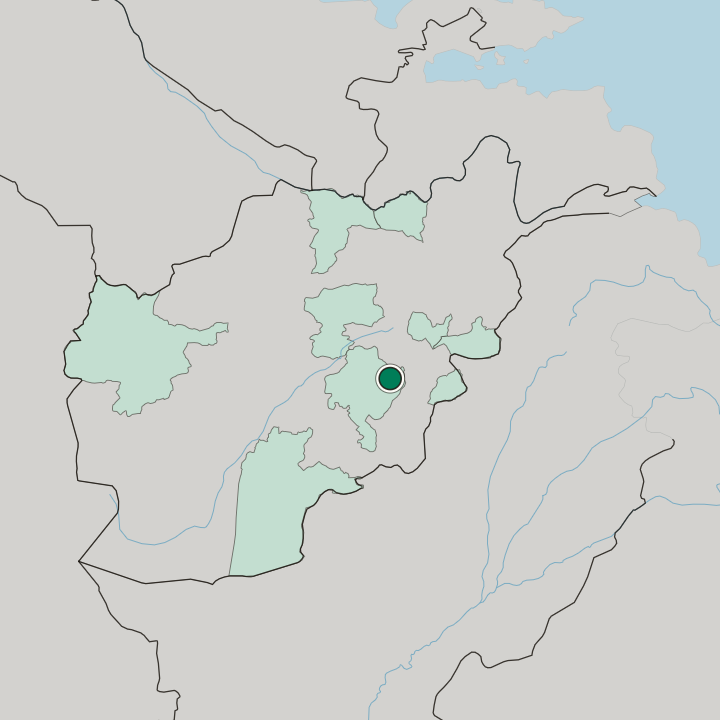
Weigh the palace against the museum honestly, and remember that Wilāyat-e Ghaznī extends well past the city for anyone continuing into the province.
Find hotels in Ghazni
Direct booking searches for these neighbourhoods.
The Palace of Sultan Mas'ud III side
The Palace of Sultan Mas'ud III is dug ground rather than a working building, so this side of Ghazni is quieter and closer to the archaeology than to the offices. Rooms are few around here — worth securing early.Find hotels in The Palace of Sultan Mas'ud III sideThe Museum of Islamic Art and the working centre of Ghazni District togetherAround the Museum of Islamic Art
The Museum of Islamic Art sits in the built city, which puts the collection and the business of Ghazni District inside one short radius.Find hotels in Around the Museum of Islamic ArtBreaking a journey between Kabul and the rest of Wilāyat-e GhaznīThe Kabul through-route
Ghazni lies south of Kabul, and a bed near the through-route suits a night that is part of a longer movement rather than a visit in its own right.Find hotels in The Kabul through-routeHotel links are affiliate links: booking through them may earn us a commission, at no extra cost to you. It never affects how places are ranked. How this works
About Ghazni
Older records give it four other names.
What is Ghazni known for?
Ghaznayn and Ghazna are the historical forms, Ghuznee is a further transliteration, and Alexandria in Opiana is the ancient name, all of them fixed to the same city in southeastern Afghanistan. The Palace of Sultan Mas'ud III and the Museum of Islamic Art are the two landmarks listed for it. غزني is how the name is written locally.
What are the main landmarks in Ghazni?
Two names hold the list. The Palace of Sultan Mas'ud III is the older of them by a wide margin, a palace recorded under the name of the ruler it belonged to, and an archaeological site is counted among the classes registered for the city. The Museum of Islamic Art is the other.
It is classed as an art museum, and between the two of them Ghazni covers both the excavated past and the curated present without needing a third entry.
What is the history of Ghazni?
Alexandria in Opiana is the deepest name on the record. It marks the point at which this ground in southeastern Afghanistan first entered the written account under a name that outsiders used, and everything after it is a matter of the same site being renamed rather than refounded. The place stayed.
The naming changed hands repeatedly. Ghaznayn and Ghazna are the historical forms that followed, and the Palace of Sultan Mas'ud III belongs to the era of rulers who took their title from the city itself. A palace named for a sultan says what kind of power sat here.
What survives of it is excavated ground, which is why an archaeological site appears among the classes counted for the city rather than a standing residence. Ghuznee is the transliteration that later foreign records preferred, a fourth spelling of the same syllables. The Museum of Islamic Art represents the modern end of the sequence, holding as a collection what the palace once held as a household.
Ghazni serves as the capital of Ghazni Province, sits within the jurisdiction of Ghazni District, and answers in the local script to غزني. Uzbek is the language given for it, and Wilāyat-e Ghaznī is the province in full.
Where is Ghazni?
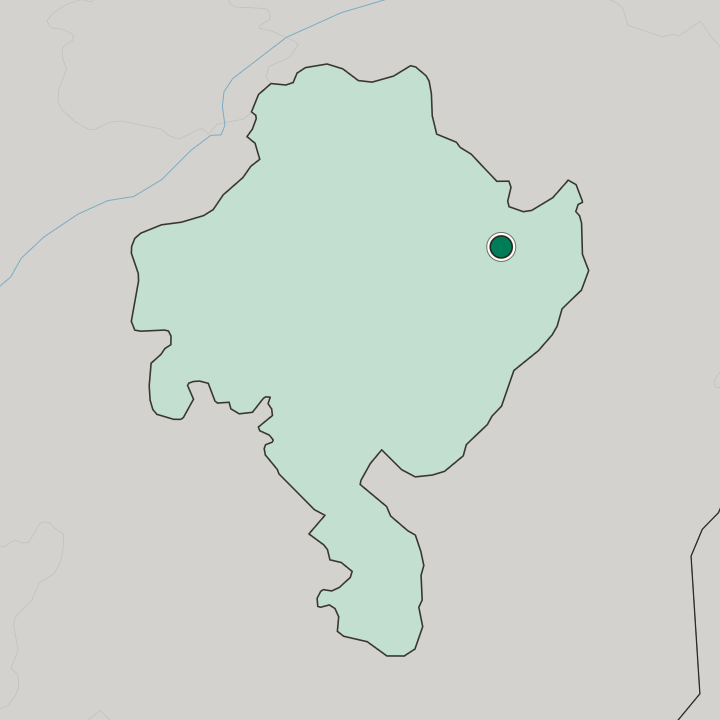
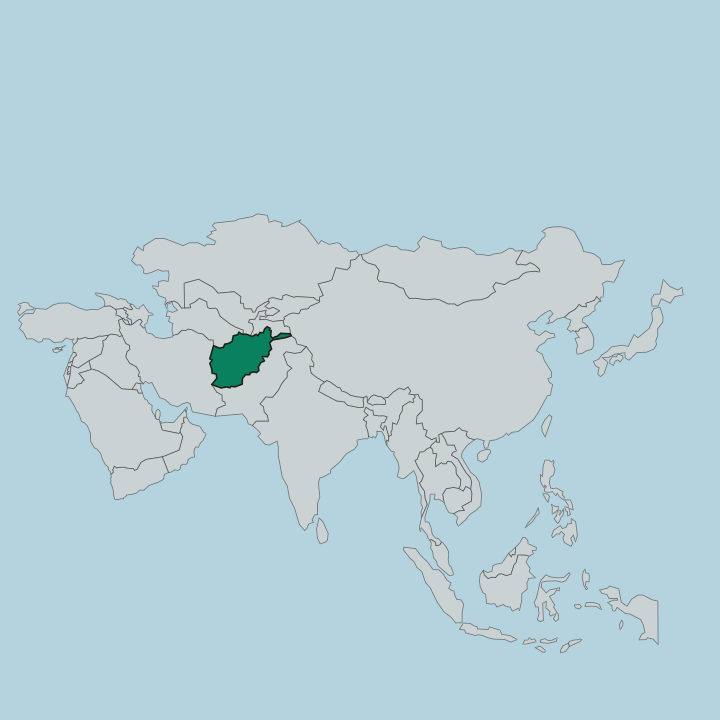
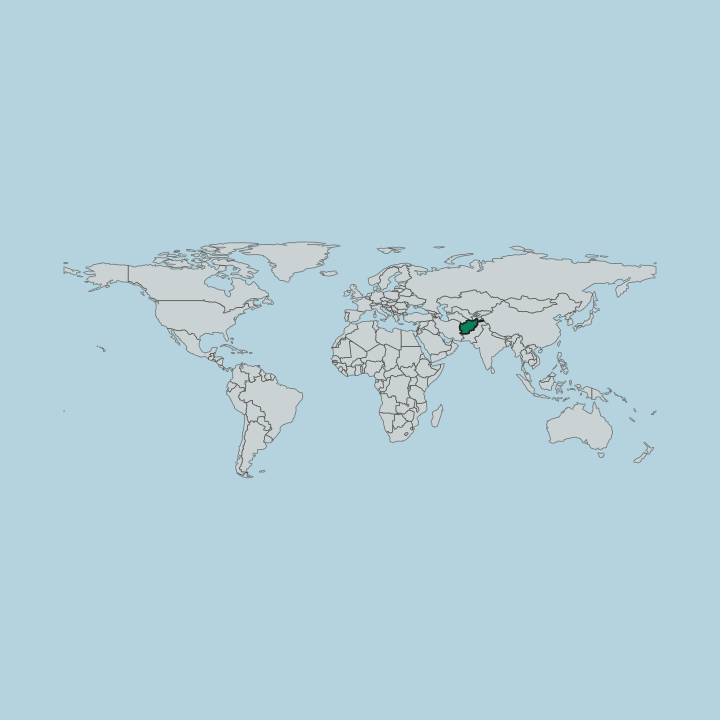
Ghazni stands south of Kabul, in southeastern Afghanistan, and it is a small city carrying a large province: Wilāyat-e Ghaznī reaches far beyond the streets that administer it. Subtropical conditions cover it. Ghazni District is the immediate unit around the city, and the Palace of Sultan Mas'ud III lies on the excavated ground at its margin rather than among the working blocks.
What is the climate of Ghazni?
Timing matters more than shelter here. Ghazni sits in the subtropical band, so the year runs to a long warm middle rather than to two balanced halves, and a visit timed for the open excavated ground of the palace is not the same visit as one timed for the Museum of Islamic Art indoors. Dug ground takes the sun directly.
Ghazni District carries the same conditions across its whole extent.
How do you get to Ghazni?
Kabul is the bearing everything is taken from. Ghazni lies south of it in southeastern Afghanistan, so an arrival here is usually an arrival from that direction, and the city works as a stage on a longer movement as readily as it works as a stop. Ghazni Province spreads out around it.
The Museum of Islamic Art and the Palace of Sultan Mas'ud III are close enough to the centre that a short stay can take in both.
Common questions
What is the best area to stay in Ghazni?
The Palace of Sultan Mas'ud III side: Excavated ground at the Palace of Sultan Mas'ud III, first thing in the morning. Around the Museum of Islamic Art: The Museum of Islamic Art and the working centre of Ghazni District together. The Kabul through-route: Breaking a journey between Kabul and the rest of Wilāyat-e Ghaznī.
Updated September 2026