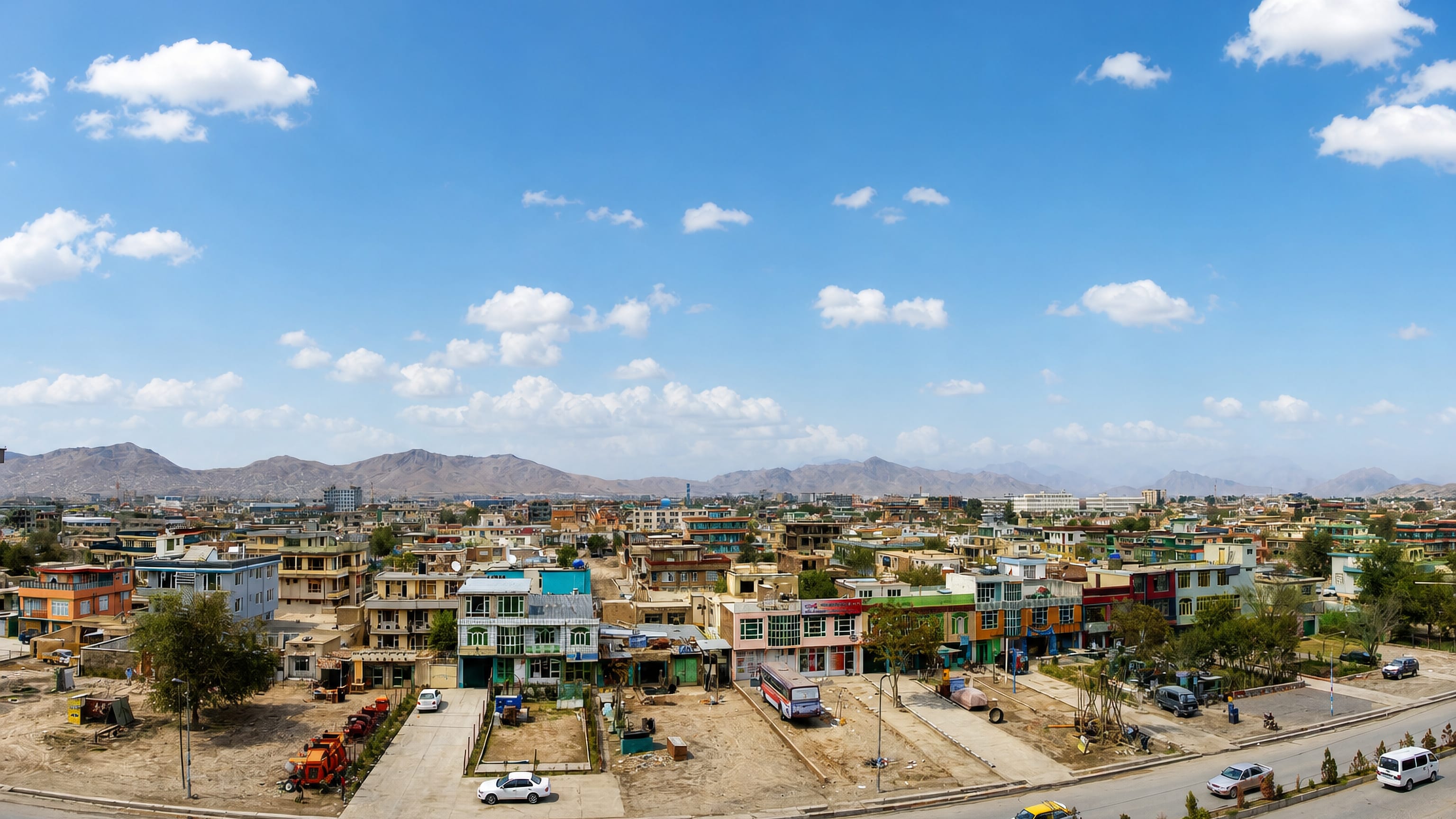
Afghanistan: Regions, Cities & Travel Guide
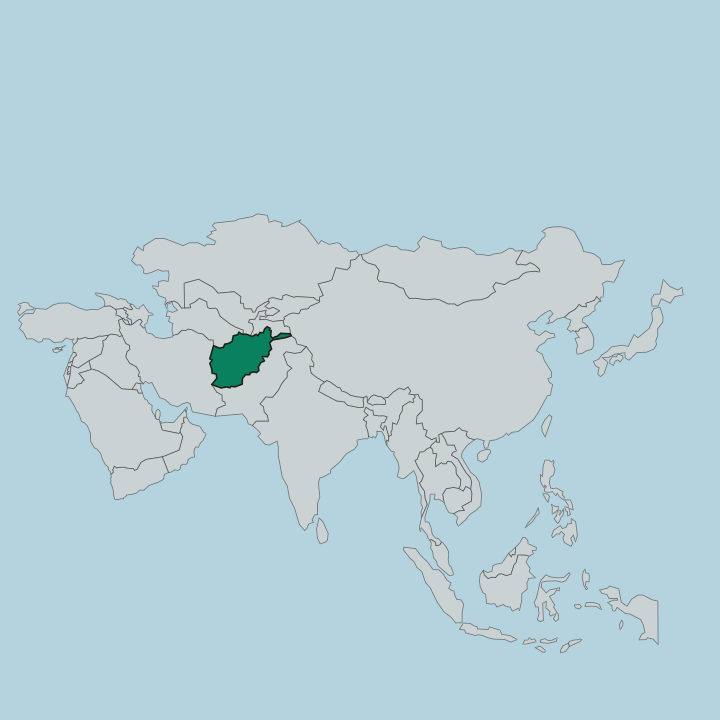
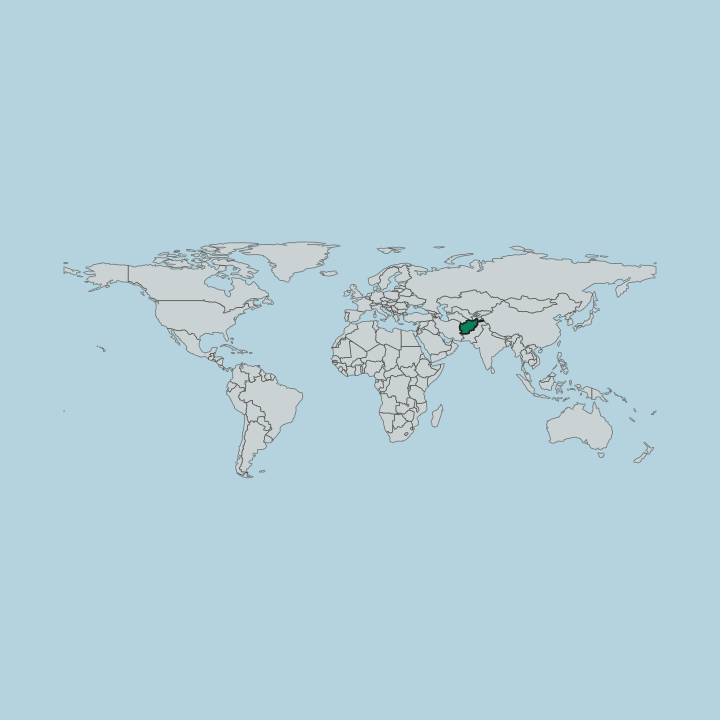
Afghanistan is a landlocked country where the Hindu Kush divides Central from South Asia, with Kabul as its capital.
Hotel links are affiliate links: booking through them may earn us a commission, at no extra cost to you. It never affects how places are ranked. How this works


Top destinations in Afghanistan
Cities to start from, then drill into areas and hotels.
 Afghanistan
Kabul
Kabul is the capital of Afghanistan, set high in a Hindu Kush valley on the Kabul River, known for the Gardens of Babur.Where to stay →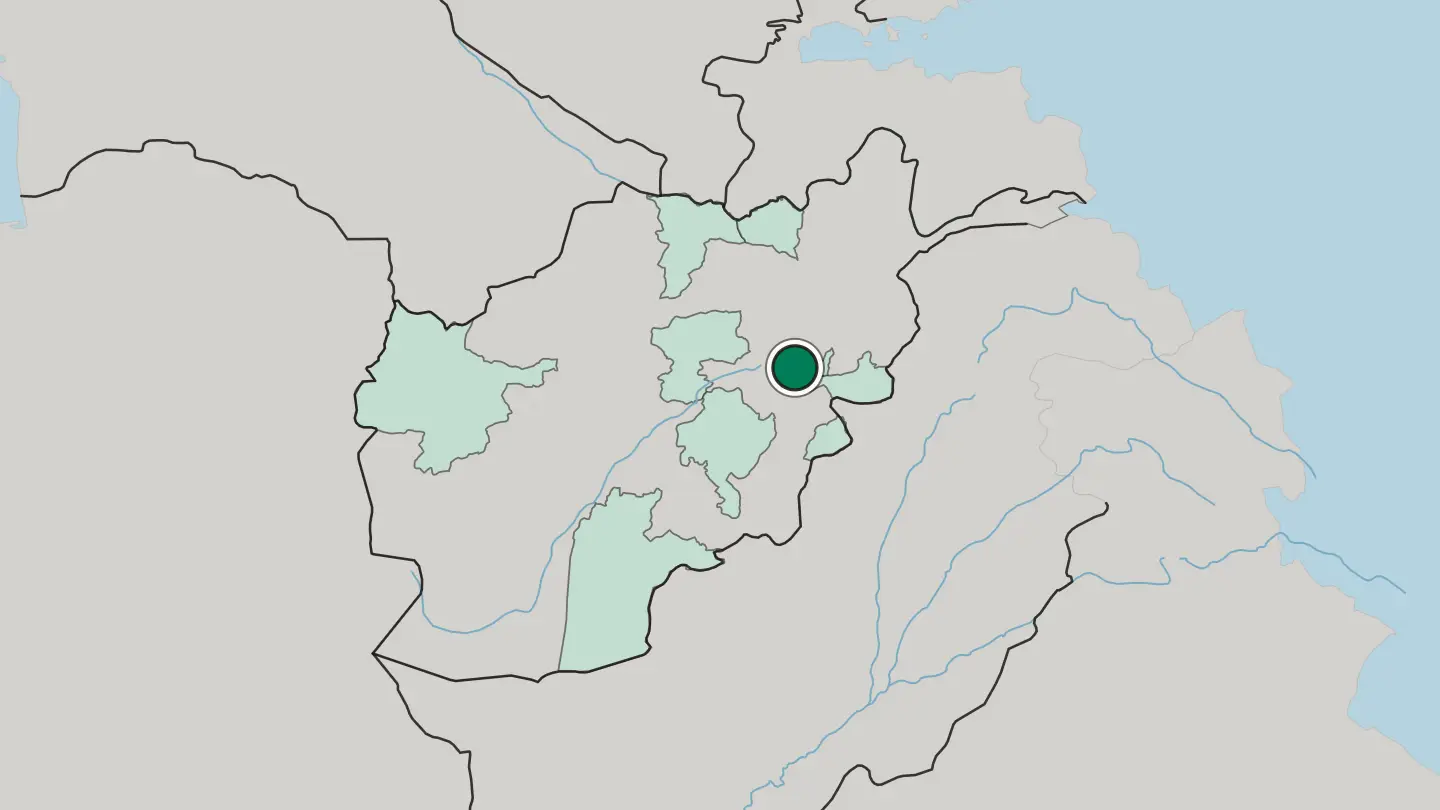
 Afghanistan
Kandahār
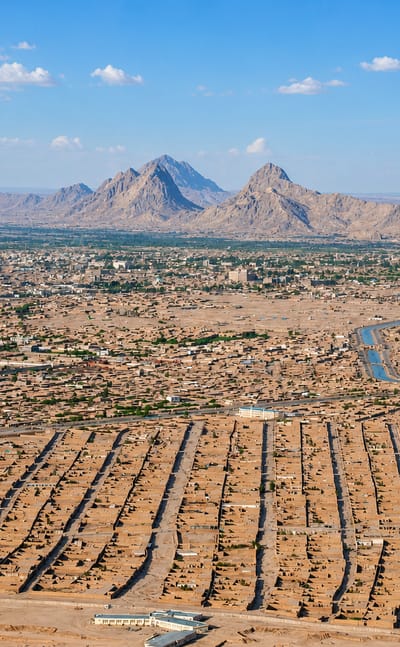
Kandahār is the capital of Kandahar Province in southern Afghanistan, the country's second city, known for the rock-cut steps of Chil Zena.Where to stay →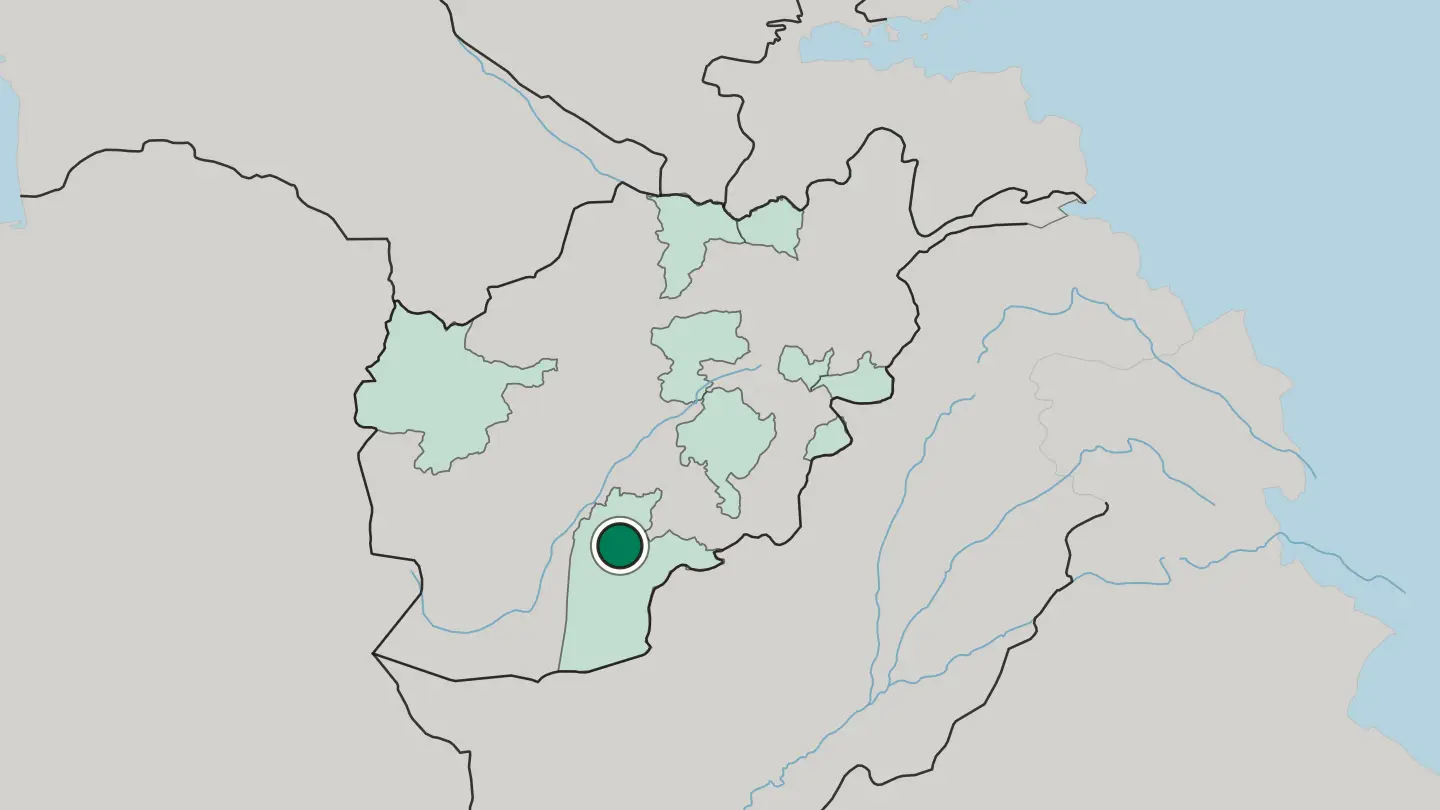
 Afghanistan
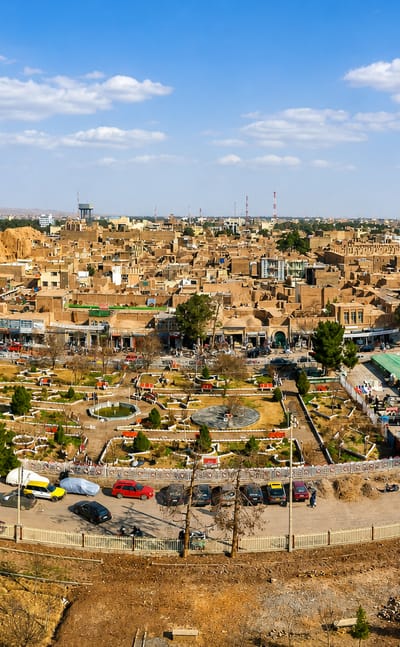
Herāt
The Herat Citadel rises over Herāt, a caravan city in western Afghanistan and capital of Herāt Province, known for the Mousallah Complex.Where to stay →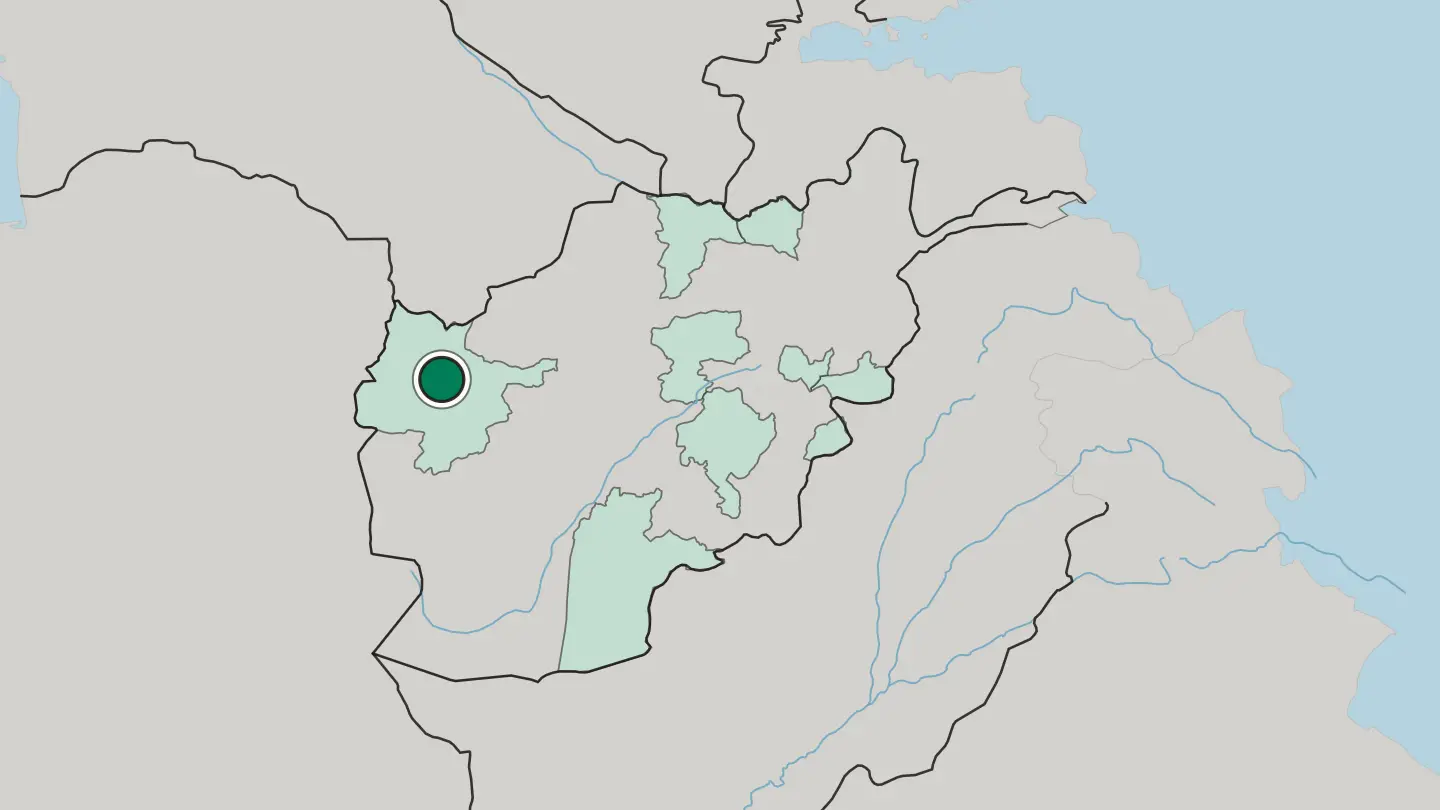 Afghanistan
Balkh
Balkh stands on the plain of northern Afghanistan, a short run from Mazar-i-Sharif, with Haji Piyada and Nava Vihara among its named sites.Where to stay →
 Afghanistan
Mazār-e Sharīf
Mazār-e Sharīf is the capital and largest city of Balkh Province, a northern Afghan city divided into 12 city districts known as nahias.Where to stay →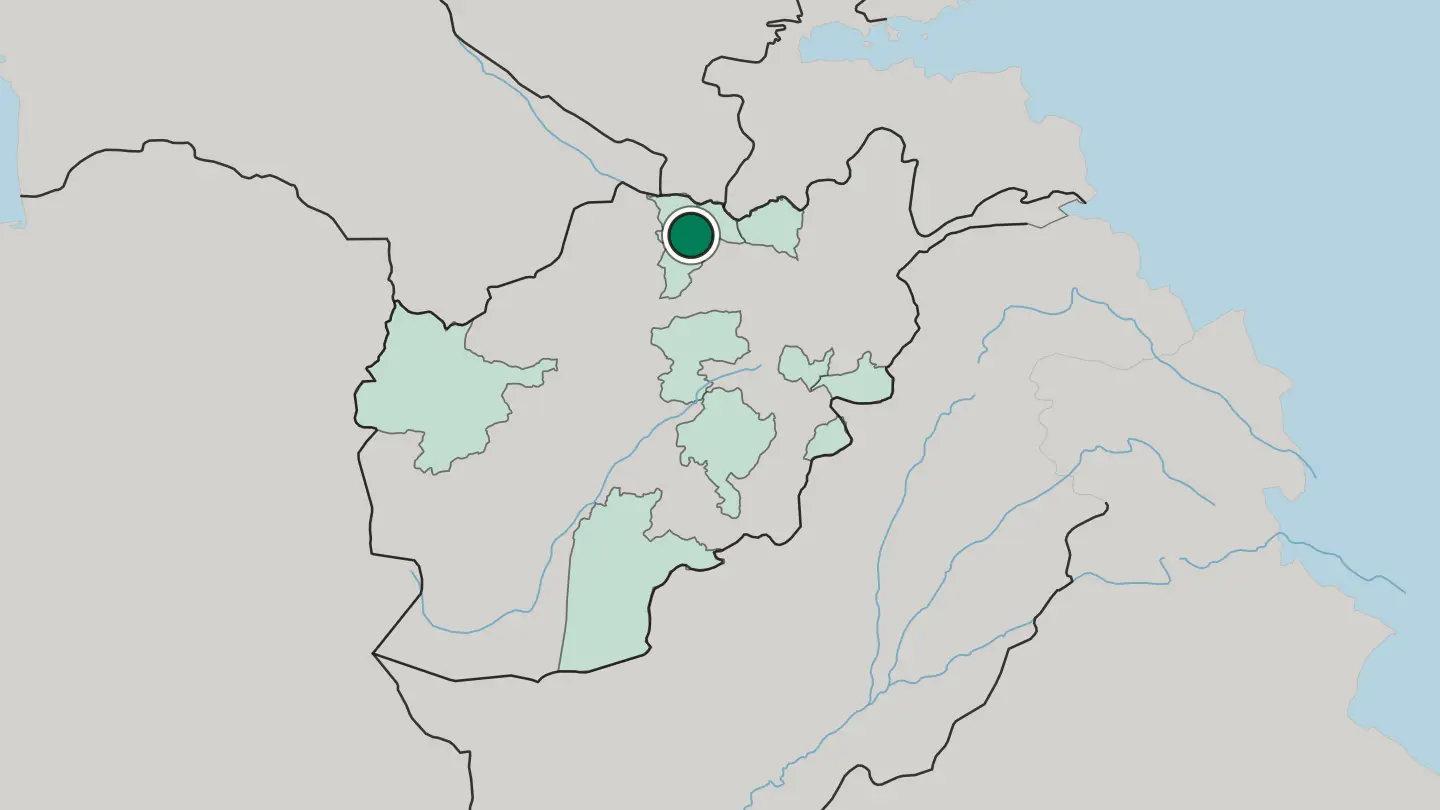
 Afghanistan
Ghazni
The Palace of Sultan Mas'ud III belongs to Ghazni, a city south of Kabul that older records name Ghaznayn, Ghazna and Alexandria in Opiana.Where to stay →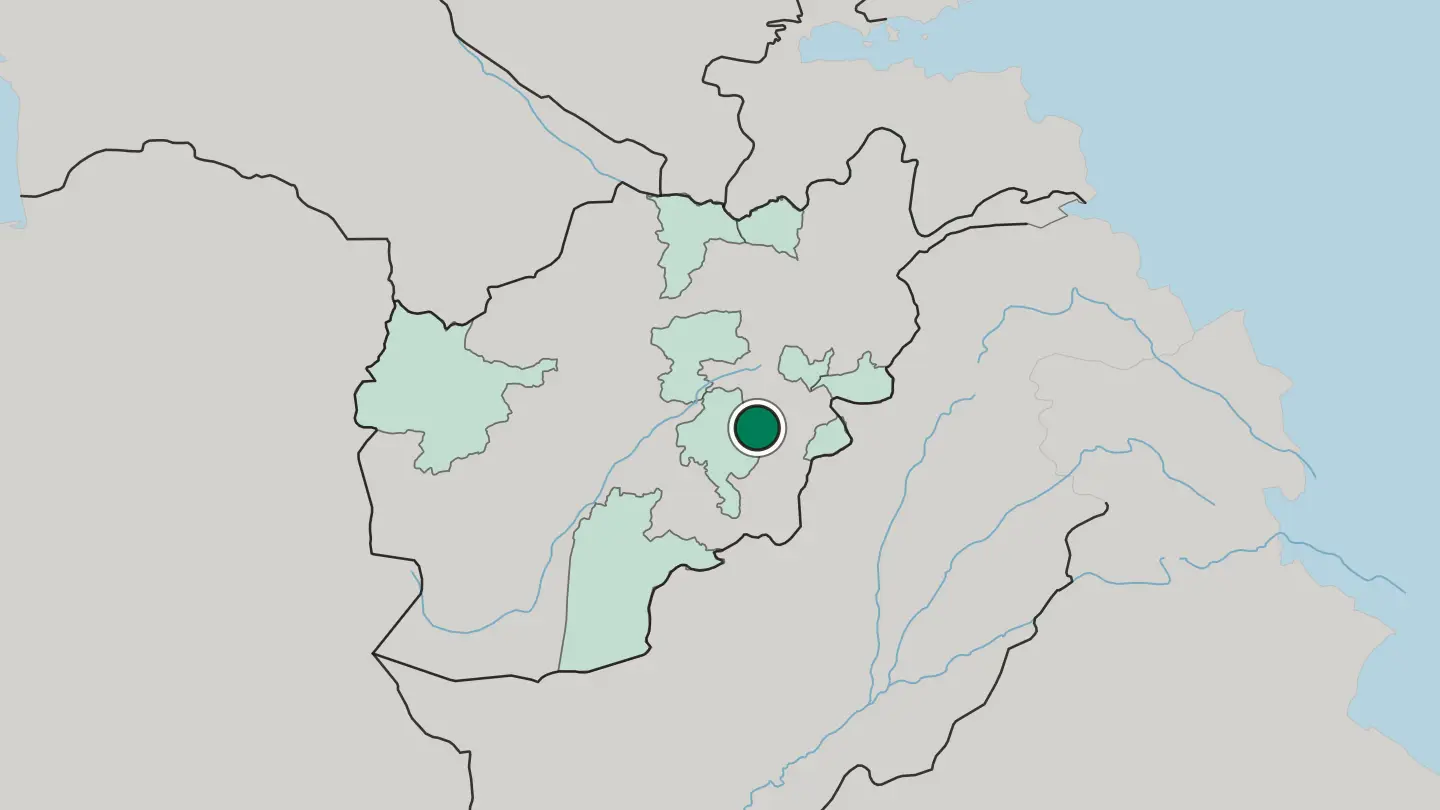
 Afghanistan
Jalālābād
Jalālābād is the capital of Nangarhar Province in eastern Afghanistan, and the monastery ground of Tapa Shotor lies on its outskirts.Where to stay →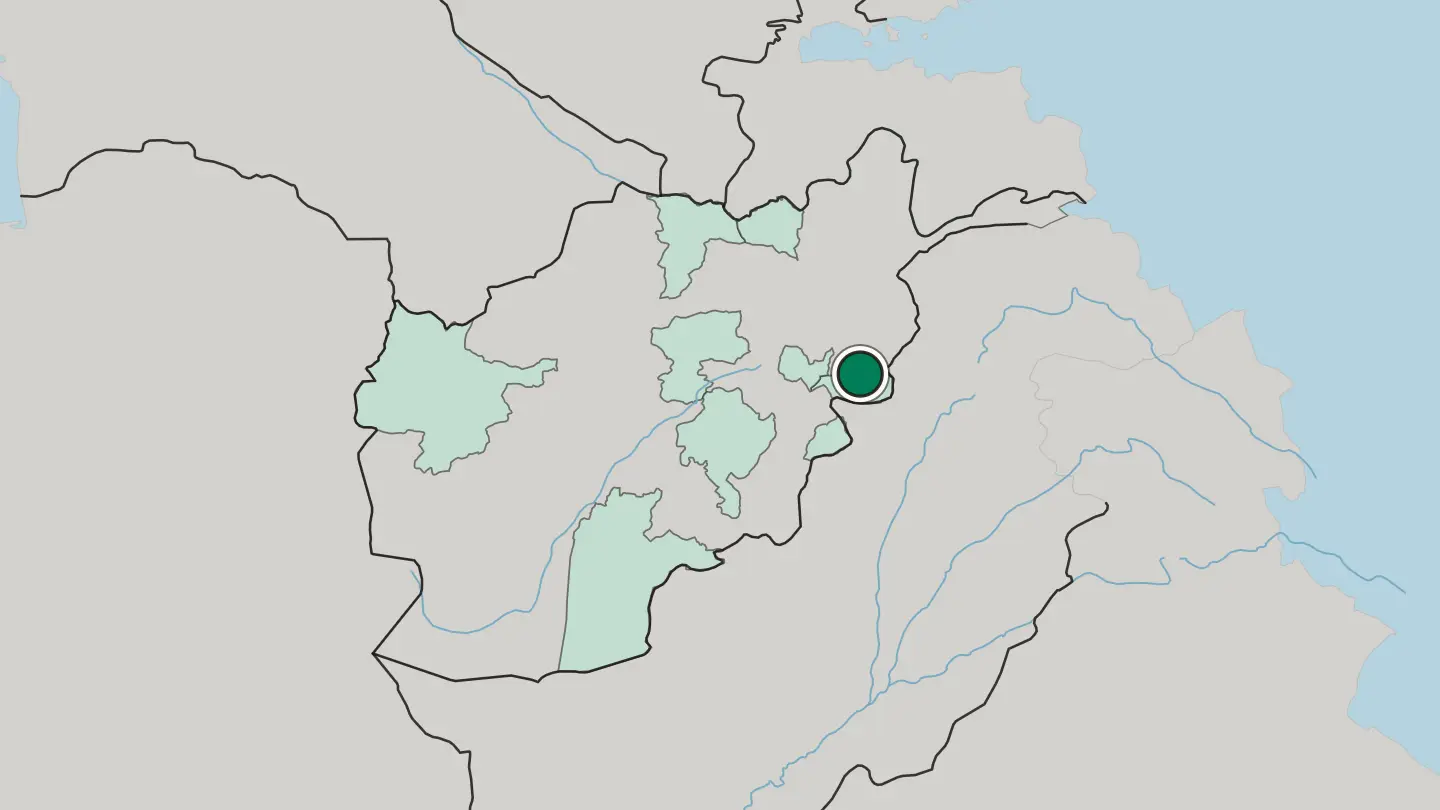
 Afghanistan
Bāmyān
Empty cliff niches above Bāmyān mark where the Bamiyan Buddhas stood, in a valley on the UNESCO World Heritage List.Where to stay →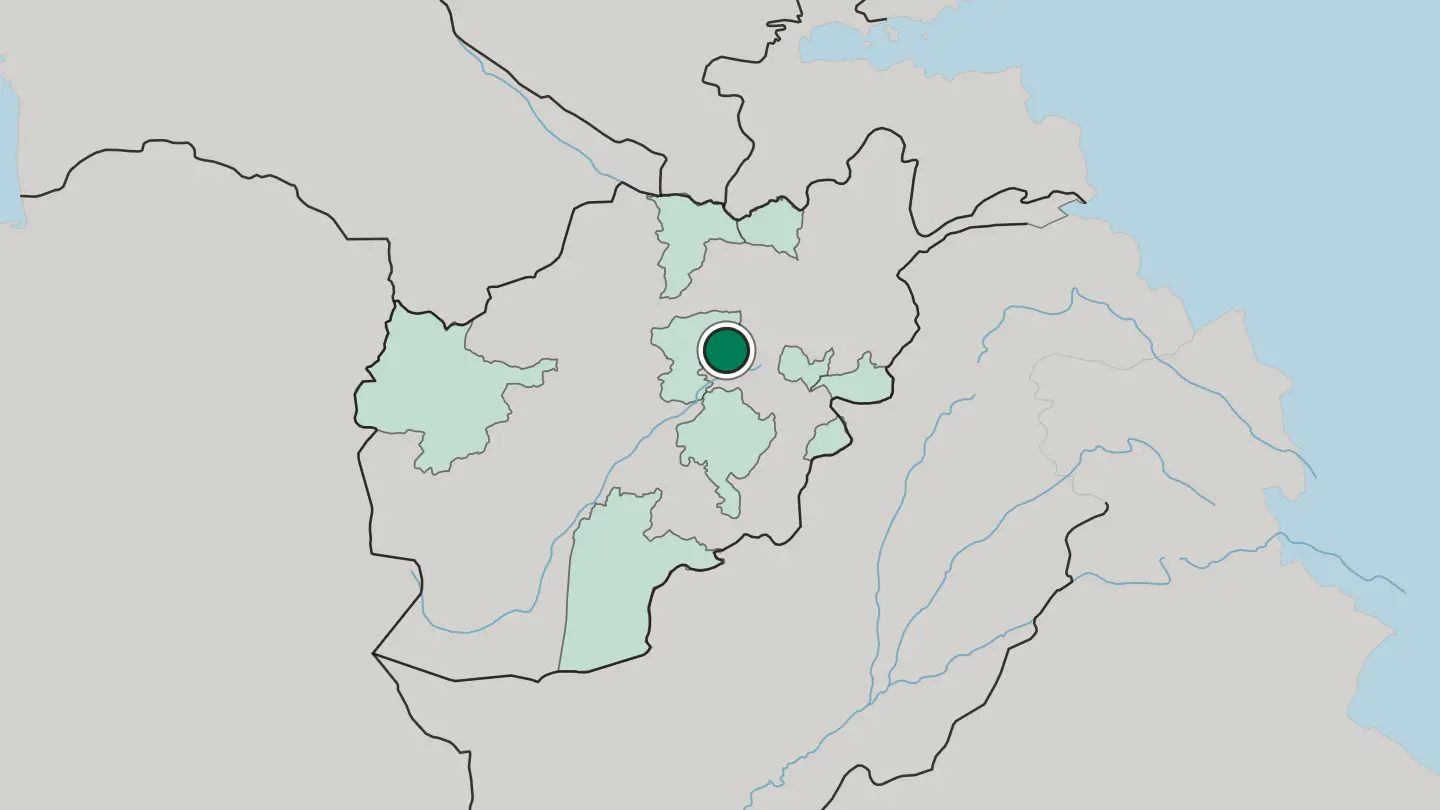 Afghanistan
Kunduz
Kunduz, capital of Kunduz Province in northern Afghanistan, keeps the archaeological ground of Tepe Ahingaran on its landmark list.Where to stay →
Hotel links are affiliate links: booking through them may earn us a commission, at no extra cost to you. It never affects how places are ranked. How this works
Regions of Afghanistan
Afghanistan
Balkh
Balkh is a province of Afghanistan reaching north to the Uzbekistan boundary, with Mazar-i-Sharif as its capital and its working centre.Towns & cities →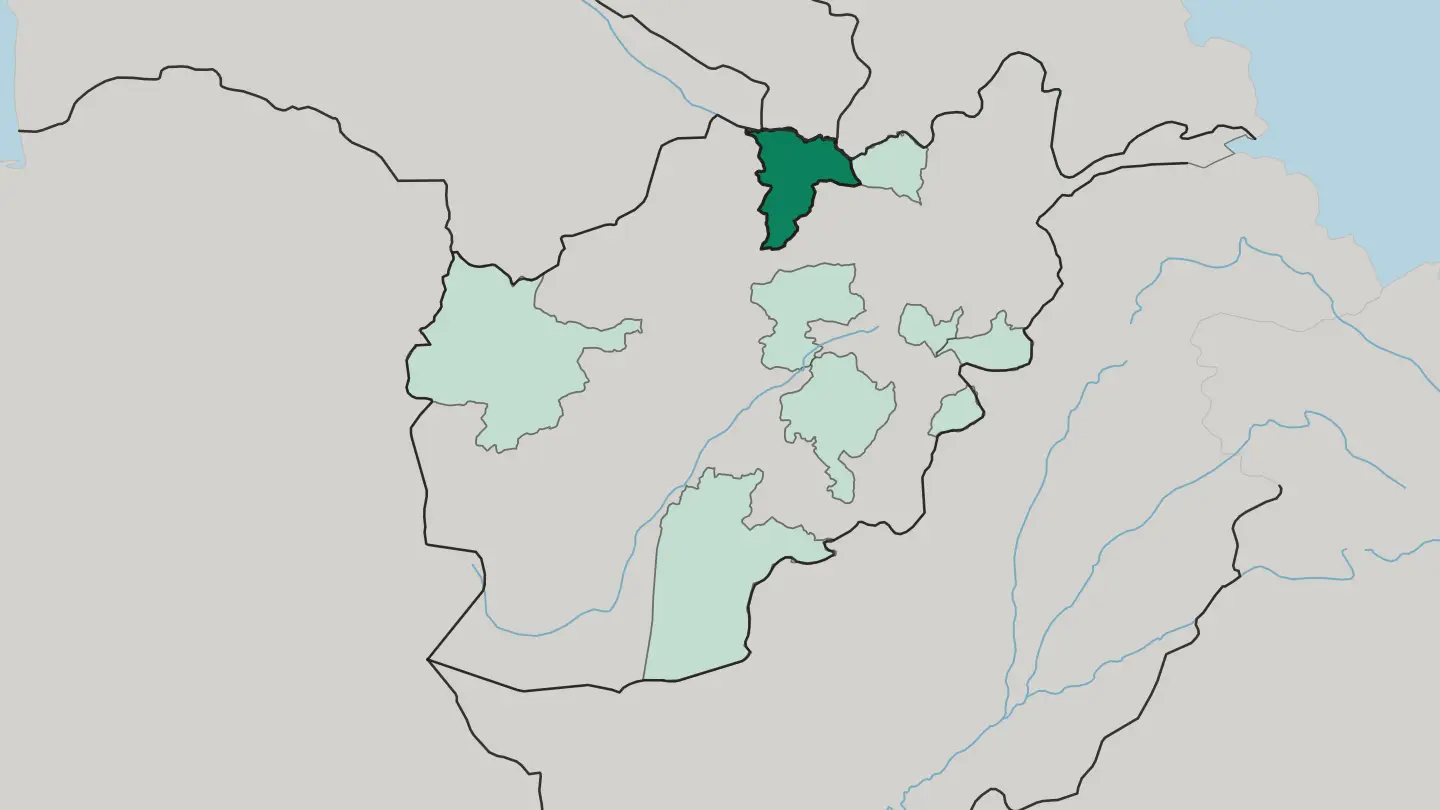 Afghanistan
Herāt
Herāt is a province in western Afghanistan, its plain framed by dry hills, centred on the old caravan city of Herāt.Towns & cities →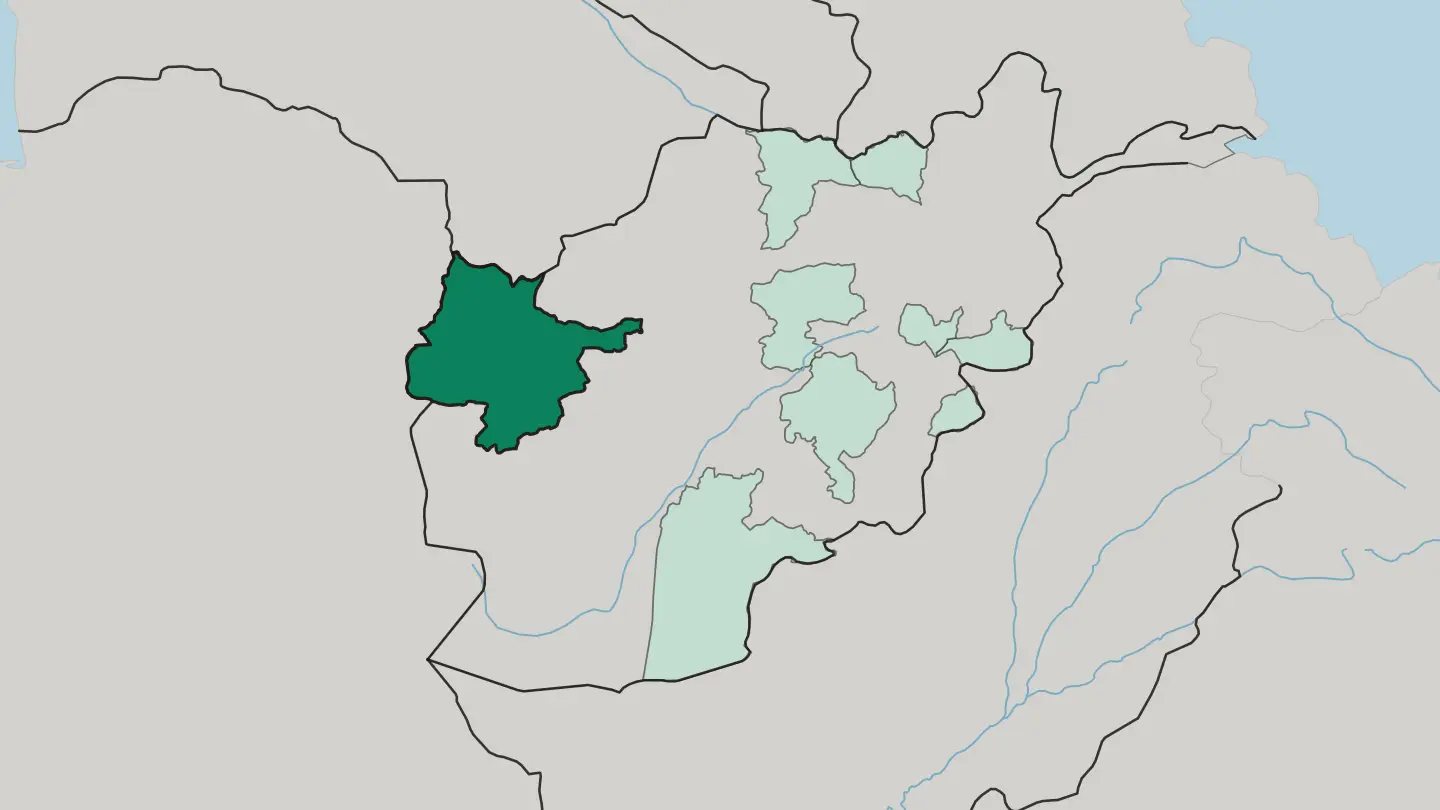 Afghanistan
Kandahār
Kandahār is a province in southern Afghanistan, centred on the city of Kandahar, its capital and largest settlement.Towns & cities →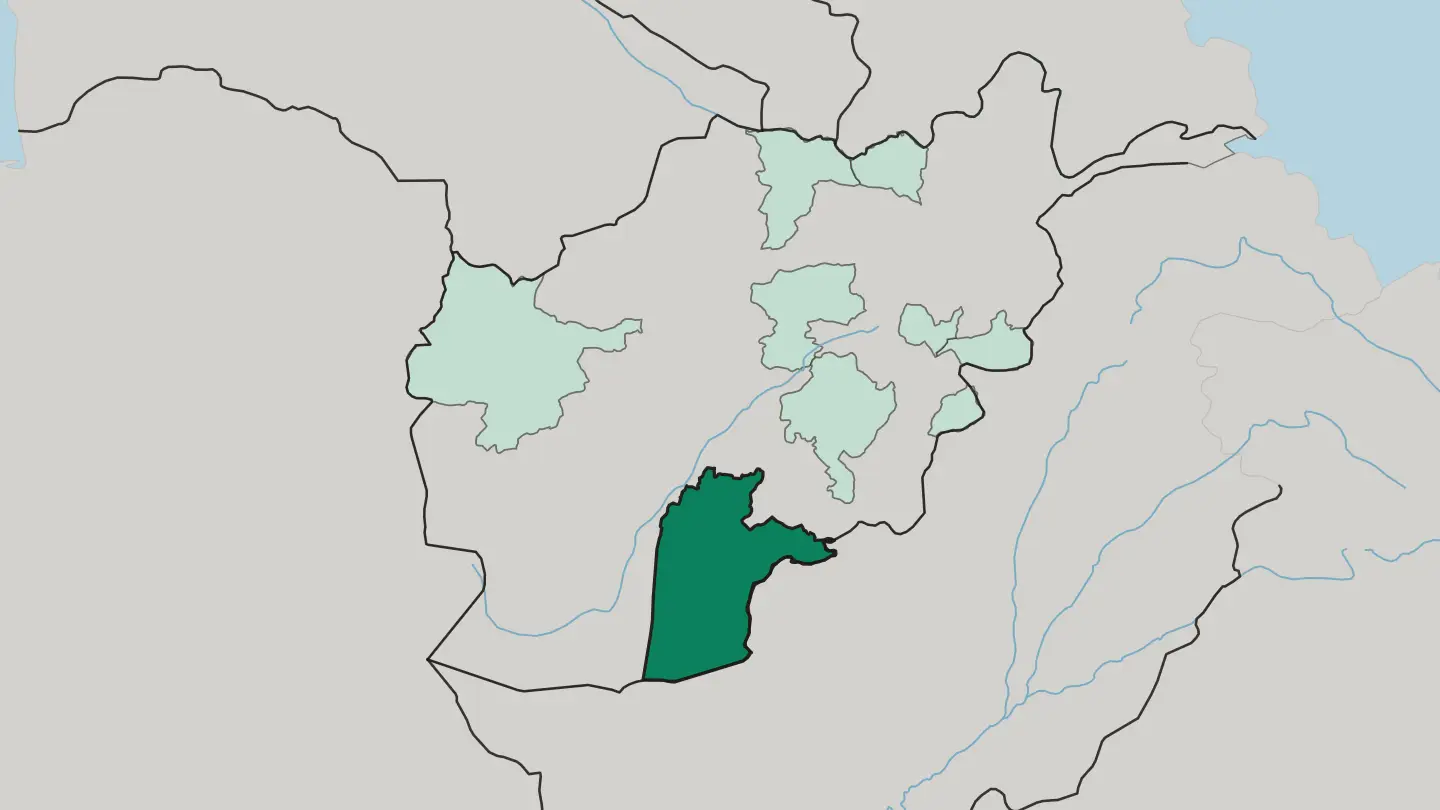 Afghanistan
Kunduz
Kunduz is an Afghan province on the Tajikistan boundary, formed in 1964 and run from the city of Kunduz, where the province's airport also sits.Towns & cities →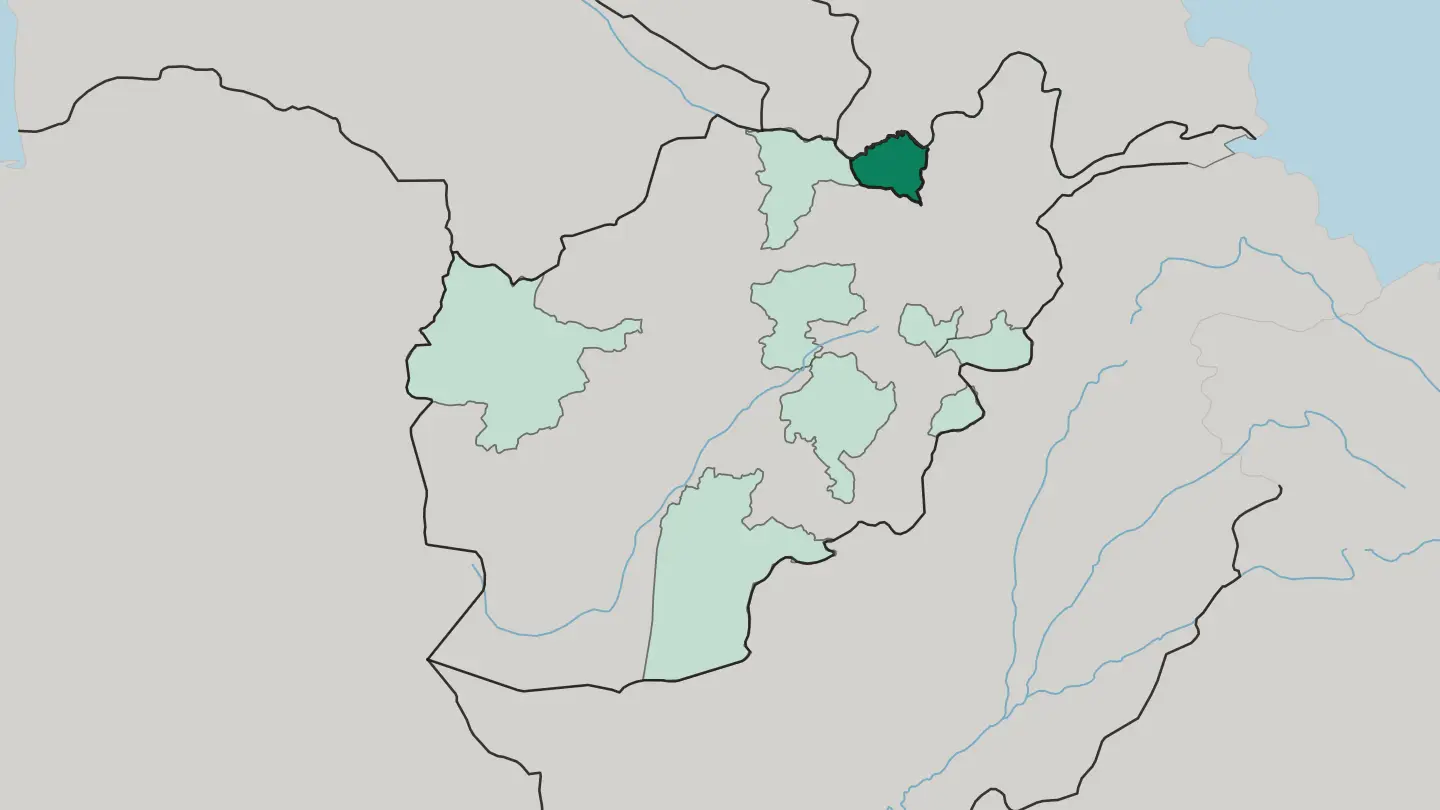 Afghanistan
Nangarhār
Nangarhār is an Afghan province meeting Pakistan on two sides, with Jalalabad on the Kabul River as its lowland capital and working centre.Towns & cities →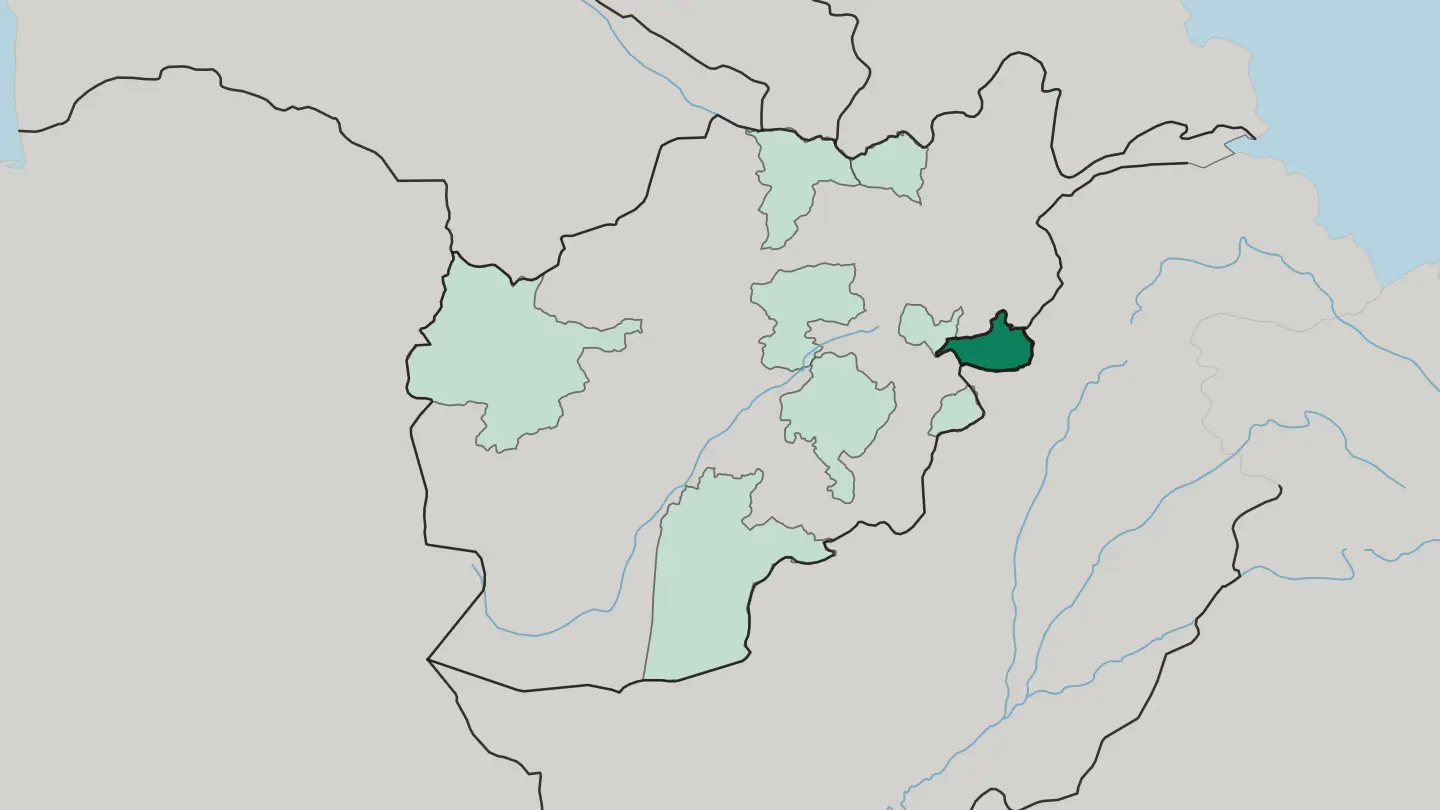
 Afghanistan
Velāyat-e Khowst
Velāyat-e Khowst is an Afghan province of thirteen districts, split from Paktia in 1995 and run from the city of Khost.Towns & cities →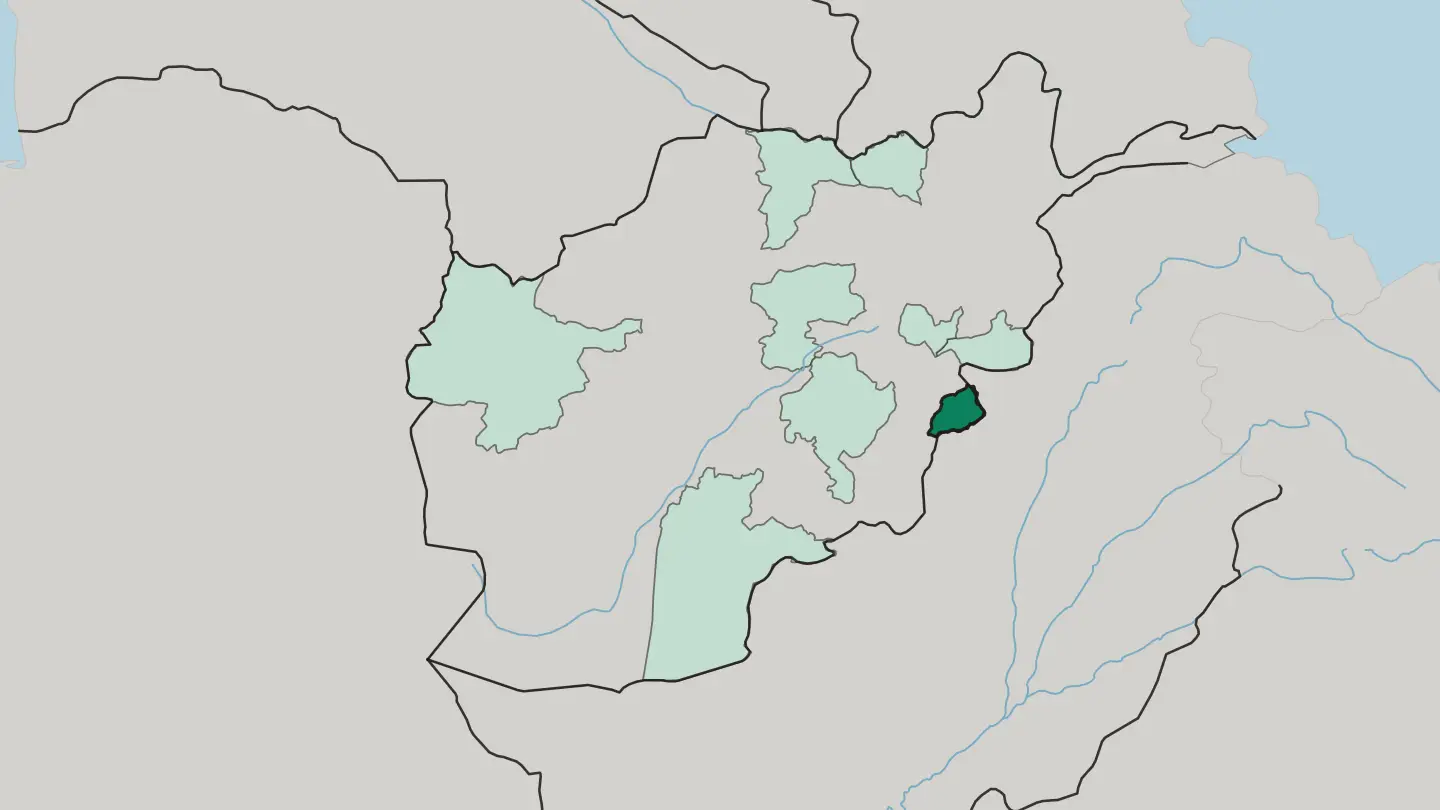 Afghanistan
Wilāyat-e Bāmyān
Wilāyat-e Bāmyān is one of the 34 provinces of Afghanistan, an inland province taking its name and its administrative centre from the city of Bamyan.Towns & cities →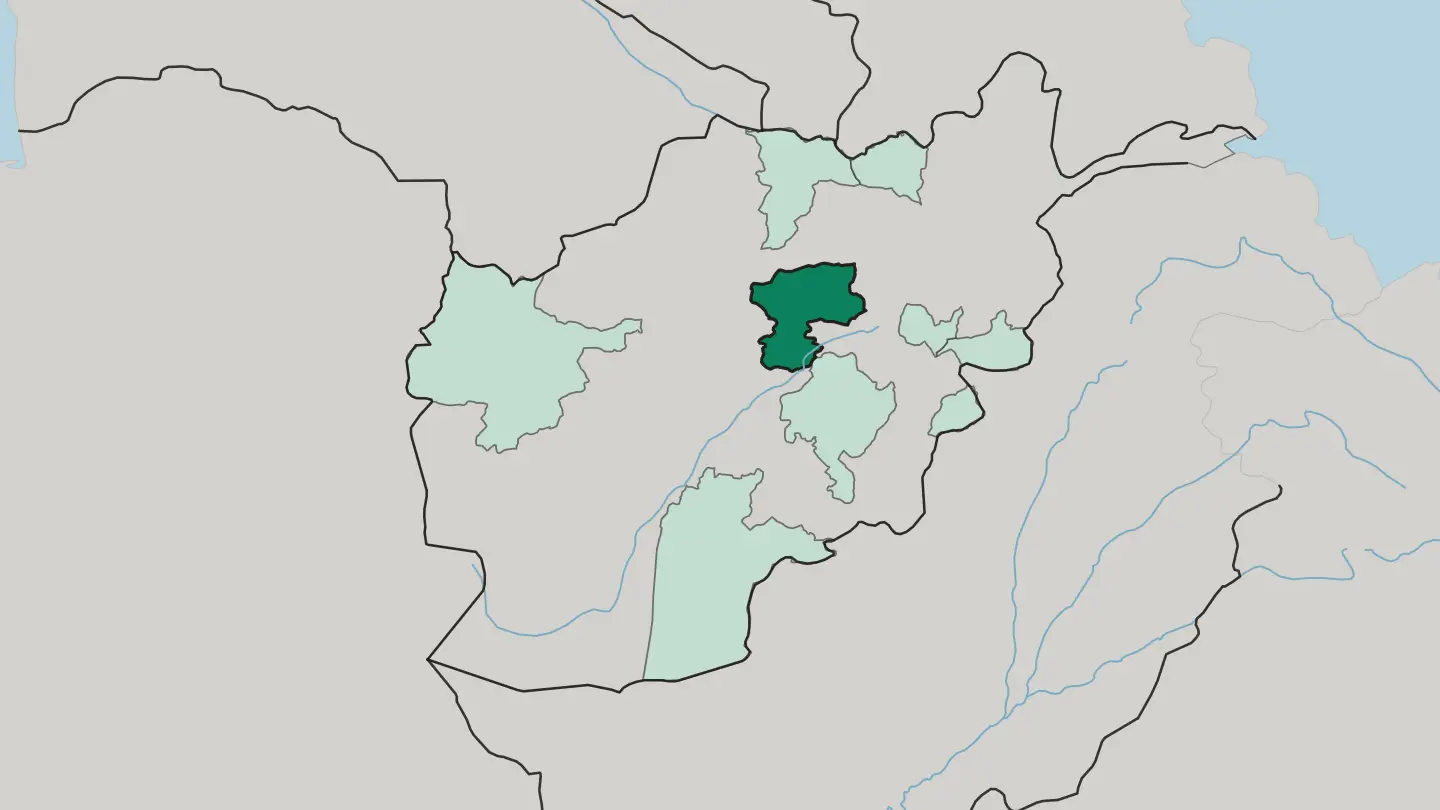 Afghanistan
Wilāyat-e Ghaznī
Wilāyat-e Ghaznī is one of Afghanistan's 34 provinces, strung along the Kabul-Kandahar Highway, with the city of Ghazni as its capital.Towns & cities →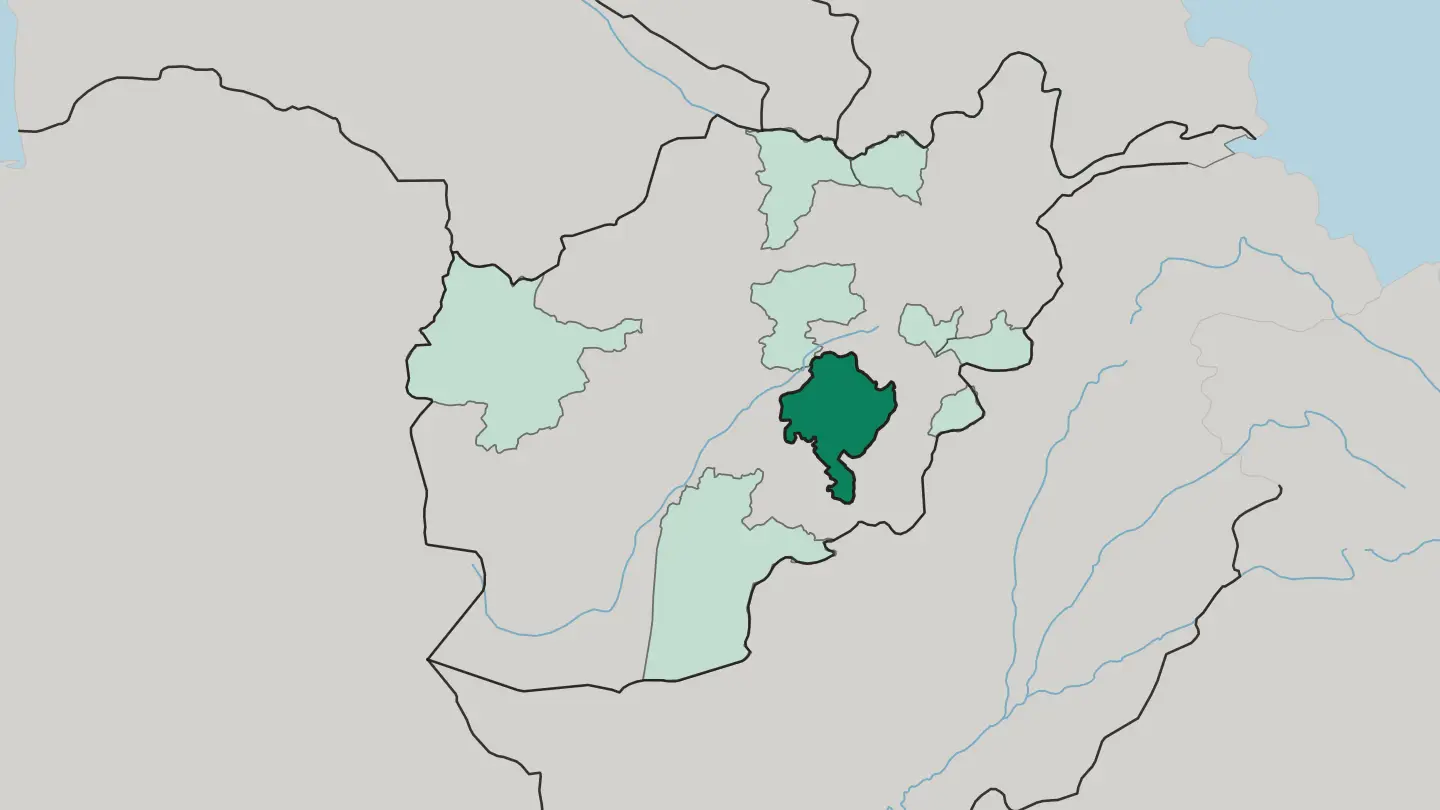 Afghanistan
Wilāyat-e Kābul
Wilāyat-e Kābul is a province in eastern Afghanistan, built around Kabul, the nation's capital and largest city.Towns & cities →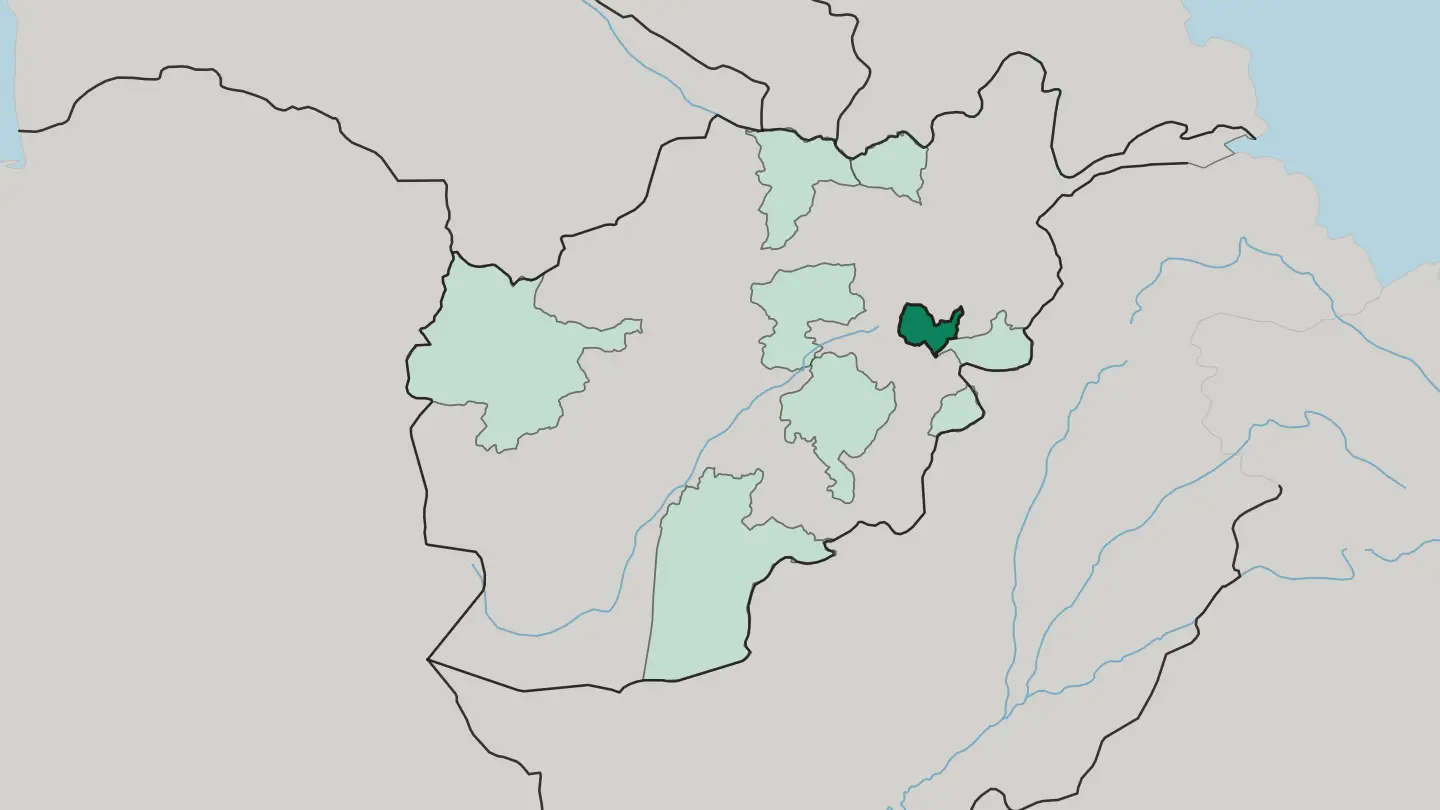
About Afghanistan
The Hindu Kush defines Afghanistan.
What is Afghanistan known for?
Its snow-capped spine runs from the northeast toward the southwest, splitting the country into a mountainous core, the northern Turkestan plains, and the arid southwest. Kabul, the capital, sits in a high valley on the Kabul River, while Herat guards the western approaches and Mazar-i-Sharif anchors the north. The land is famous beyond its cities too.
The turquoise lakes of Band-e Amir and the cliff niches that once held the Bamyan Buddhas draw those who reach the central highlands.
Where is Afghanistan?
Afghanistan is a landlocked country at the meeting point of Central and South Asia, ringed by Iran, Pakistan, Turkmenistan, Uzbekistan, Tajikistan, and a narrow finger of China. The Hindu Kush orders everything. This great range rises in the northeast, where Noshaq climbs above every other summit in the country, and its ridges fan out toward the southwest until they dissolve into desert.
The mountains carve the land into three broad zones. In the north lie the Turkestan plains, watered by the Amu Darya that traces much of the border with Central Asia. The centre is a tangle of high valleys and passes, home to the lakes of Band-e Amir and the Bamyan cliffs.
The southwest is dry country. There the Helmand River gathers snowmelt from the highlands and carries it across the plateau toward the Sistan lowlands near Iran, sustaining a thin ribbon of farmland in an otherwise parched basin. Rivers matter enormously in a country with no coast.
The Kabul River drains the east toward Pakistan, and the northeast reaches through the Wakhan Corridor, a slender arm of high pasture and glacier squeezed between the Pamir and the Karakoram. Elevation governs daily life. Passes close under snow, and settlements cling to the valley floors.
From desert floor to icy summit, the vertical range is extreme.
What is the history of Afghanistan?
Afghanistan has been a corridor of empires for millennia. Long before its modern borders, the northern plains formed part of Bactria, the ancient land whose cities traded along the routes linking China, India, and the Mediterranean. Armies and merchants crossed the same passes.
Alexander's Greeks, the Kushans, and later Islamic dynasties each left their mark, and the caravans of the Silk Road turned Balkh and the valleys of the Hindu Kush into meeting grounds for goods, faiths, and languages. Buddhism flourished in the centre. The colossal Bamyan Buddhas, carved into a cliff above the valley, stood for some fourteen centuries before they were dynamited in 2001.
The modern state traces its founding to 1709, when Pashtun rulers first broke free of outside control, and later to the Durrani kingdom that gathered the regions into one polity. Its mountains made it hard to hold. The passes that fed the Silk Road also funnelled invasions, and the country became a buffer contested by outside powers across the nineteenth and twentieth centuries.
War has shadowed recent generations. A Soviet intervention, civil conflict, and two decades of foreign presence after 2001 all played out across the same valleys and cities. Through every upheaval, the land itself endured.
What is Afghanistan like?
Afghanistan is a mosaic of peoples held together by shared custom. Pashtuns form the largest group, concentrated in the south and east around Kandahar, and their code of honour and hospitality, Pashtunwali, shapes conduct far beyond their own villages. Other peoples fill the map.
Tajiks hold the western and northern towns like Herat, Hazaras farm the central highlands around Bamyan, and Uzbeks and Turkmen work the northern plains near Mazar-i-Sharif. Language mirrors this patchwork. Dari, a form of Persian, serves as the everyday tongue that links the groups, while Pashto carries the culture of the south, and dozens of smaller languages survive in the folds of the mountains.
Hospitality is close to sacred. A guest is fed generously whatever the household can spare, and long spiced-rice dishes anchor the table, none more emblematic than qabuli palaw, the national dish of rice heaped with lamb, carrots, and raisins. Music, poetry, and carpet-weaving run deep.
Persian verse is recited from memory, and the tribal carpets of the north are traded far beyond the country. Faith frames the year. Islam orders daily rhythm and the great festivals, and shrines such as the blue mosque of Mazar-i-Sharif draw pilgrims at Nowruz, the Persian new year that fills its courtyard each spring.
Diverse in tongue, the country is one in its codes.
What is the climate of Afghanistan?
Afghanistan has a harsh continental climate ruled by altitude. Summers are hot and dry across the lowlands, while the high valleys of the Hindu Kush stay cool even in July. Winter is the hard season.
Snow buries the central passes, Kabul often drops below freezing at night, and whole districts near Bamyan can be cut off for months. Most of the year's water arrives as winter snow on the peaks, then melts down the Helmand and other rivers to feed the plains. Actual rainfall barely registers across Afghanistan.
The desert southwest bakes.
How do you get to Afghanistan?
Most visitors reach Afghanistan by air. Kabul's airport, set on a high plain fringed by the Hindu Kush, handles most international arrivals, with connections mainly from Dubai, Istanbul, and regional hubs. Herat and Mazar-i-Sharif keep their own airports for onward hops.
Overland routes exist but are demanding, crossing from Iran near Herat or from Pakistan through the eastern passes toward Kabul. Once inside, distances are punishing. Mountain roads climb slowly over the Hindu Kush, so many travellers cover the long legs between cities by air.
Good for
Updated September 2026