Antigua and Barbuda · Parish of Saint John
Where to Stay in Saint John’s, Parish of Saint John
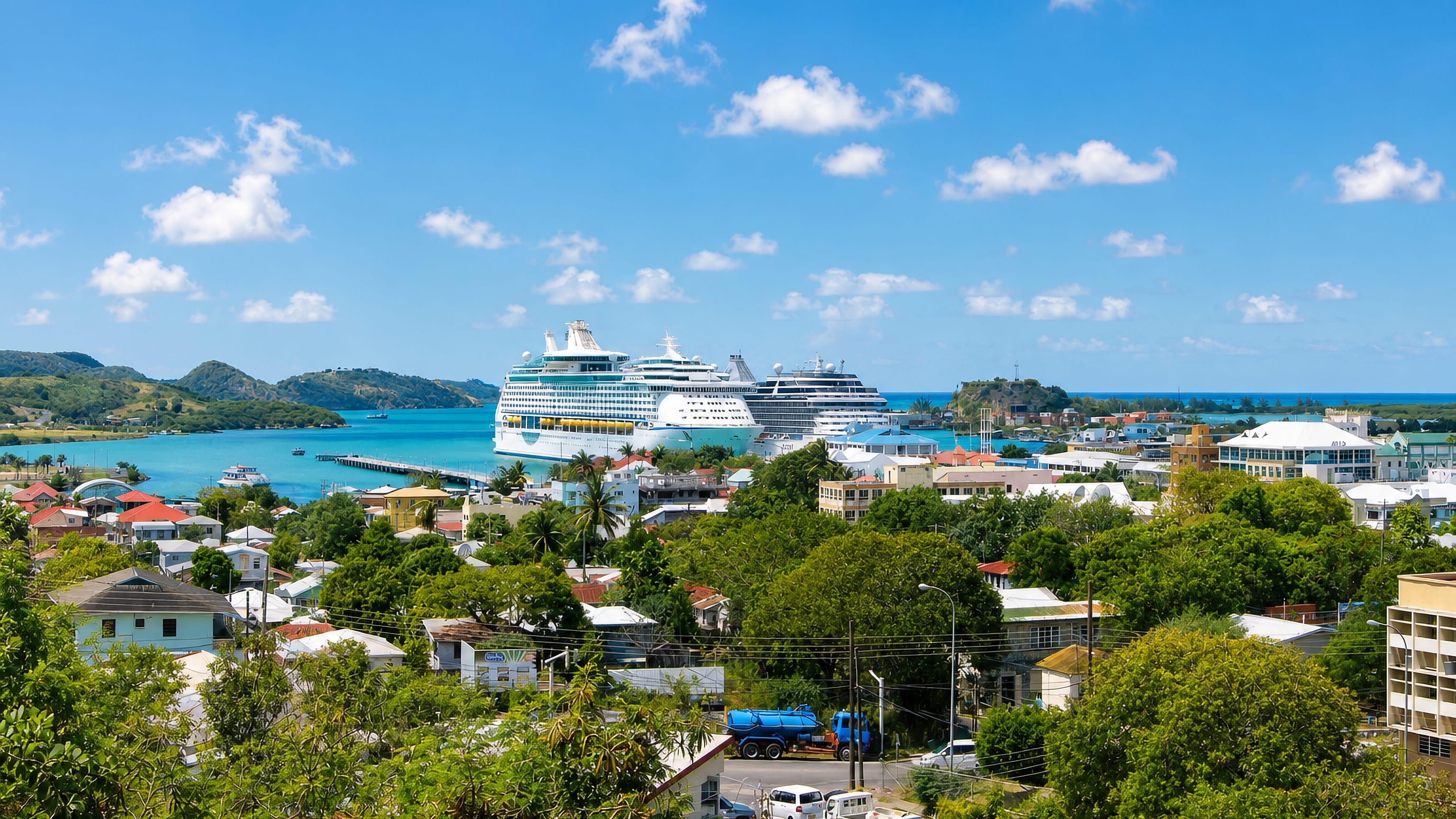
Saint John's wraps around its harbour on the western side of Antigua, capital and largest city of Antigua and Barbuda since its founding in 1666.
Hotel links are affiliate links: booking through them may earn us a commission, at no extra cost to you. It never affects how places are ranked. How this works


Where to stay in Saint John’s
Where visitors usually base themselves, and why.
Saint John's is compact enough that Saint John's Harbour and the ground around Holy Family Cathedral serve as the two anchors for choosing a room. The harbour side is the busier of the two. The city grew around that water, so the streets immediately behind it hold the closest thing the capital has to a centre, and a room there puts a visitor within a short walk of Saint George's Anglican Church and the Museum of Antigua and Barbuda.
Quieter ground lies behind. It suits you to look inland toward the parish of Saint John if space matters more than proximity, since the parish takes in much of the city's wider area and the Central Plain opens behind it. The island frames the rest of the decision.
Antigua is small enough that a base in Saint John's reaches the whole of it, and the older settlement at Falmouth, which the capital eventually overtook, lies elsewhere on the same island. Beds concentrate in the capital. Anyone wanting the Yasco Sports Complex or Police Ground within reach should stay on that side of the city, since both lie inside the built-up area rather than out in the parish.
Things to do in Saint John’s
Ranked by global recognition; descriptions from Wikidata (CC0).
Museums & Galleries
1- Museum of Antigua and Barbuda
Churches & Religious Sites
2- Holy Family Cathedral
- St. George's Anglican Church
Stadiums & Sports
2- Police Ground
- Yasco Sports Complex
worth knowingacross 3 categories in Saint John’s
About Saint John’s
What is Saint John’s known for?
Saint John's is the capital and largest city of Antigua and Barbuda, and the harbour it surrounds gives the western side of Antigua its working front. Two churches mark the skyline. Holy Family Cathedral and Saint George's Anglican Church both stand within the city, and the Museum of Antigua and Barbuda keeps the record of the islands a short walk from Saint John's Harbour.
Sport has its own addresses here, at the Yasco Sports Complex and Police Ground.
What are the main landmarks in Saint John’s?
Holy Family Cathedral and Saint George's Anglican Church carry the city's two best-known church names. The Museum of Antigua and Barbuda holds the record of the two islands, and it sits close enough to Saint John's Harbour that a visit fits into an hour between other things. Saint John's fills the rest with sport.
Yasco Sports Complex and Police Ground are the fixed points for matches and meetings inside the parish of Saint John.
What is the history of Saint John’s?
Saint John's dates from 1666. The city was established in the aftermath of the French invasion of that year, on the ground around Saint John's Harbour, and the water it enclosed decided where everything else would go. Growth followed quickly.
Falmouth had been the island's dominant settlement, and the new town on the harbour eventually replaced it, taking both the trade and the standing that went with it. The harbour explains the sequence: a town built around the water on the western side of Antigua drew the island's traffic, and Falmouth's older position gave way to it. Administration followed the same path.
Saint John's became the capital of Antigua and Barbuda and the main city of the Central Plain region, so the parish of Saint John came to be described largely through the city that fills it. The pattern still holds. Holy Family Cathedral and Saint George's Anglican Church stand within the same compact centre, and the Museum of Antigua and Barbuda keeps the record of both islands a few streets from the harbour.
Antigua and Barbuda has kept its capital in the same place since.
Where is Saint John’s?
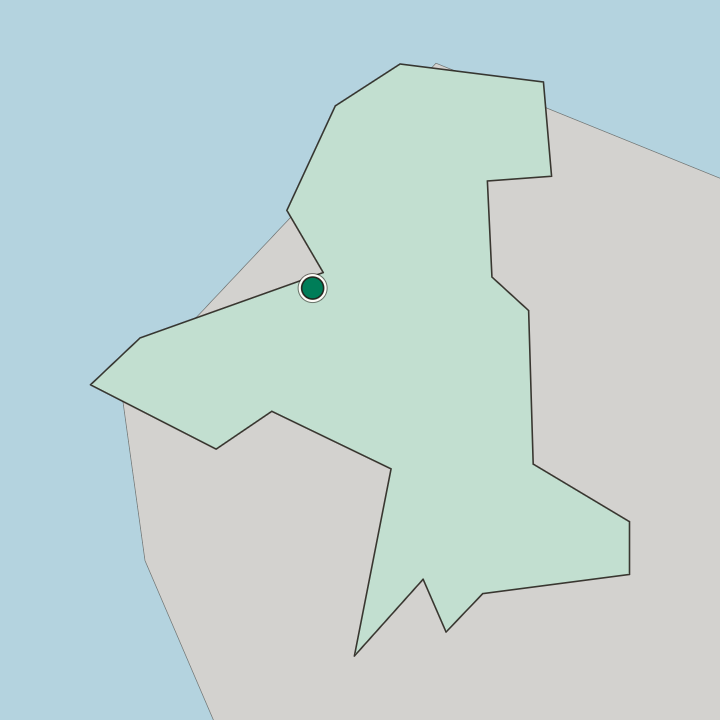
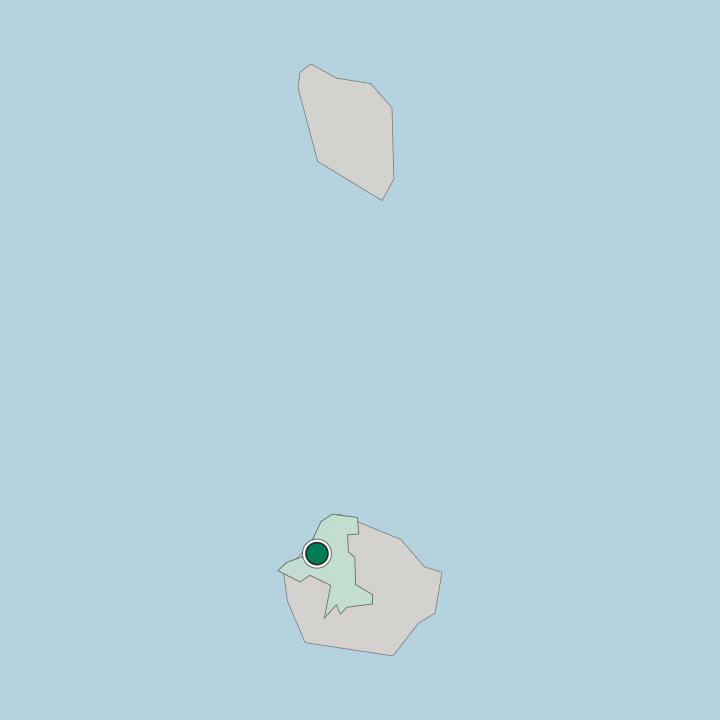
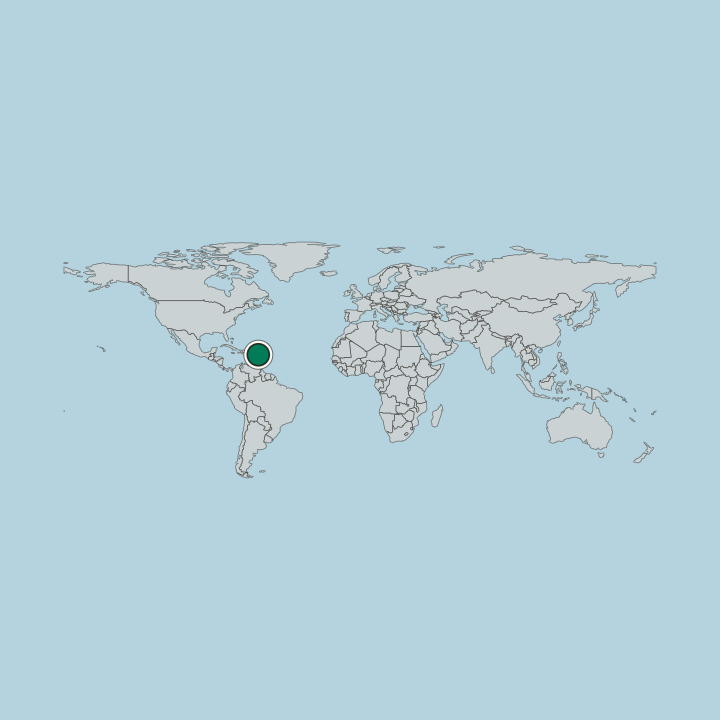
Saint John's occupies the western part of Antigua, wrapped around Saint John's Harbour. The Central Plain region opens inland behind the city, and the parish of Saint John takes in most of the built-up ground as well as the country beyond it. The island setting is never far off.
Water bounds the capital on one side and the plain on the other, and neither edge is more than a short distance from the middle of Antigua and Barbuda's largest city.
What is the climate of Saint John’s?
Antigua's weather reaches Saint John's off the water on every side. The city sits in the tropics, and being on an island rather than a continent keeps the range narrow, with the sea working on both the hot part of the day and the cool part of the night. Seasons register as small shifts.
Visitors moving between Saint John's Harbour, Holy Family Cathedral and the Museum of Antigua and Barbuda spend most of the day in the open, which makes the middle hours the ones to plan around.
How do you get to Saint John’s?
Most arrivals reach Saint John's from elsewhere on Antigua. The city is the island's main destination and the capital of Antigua and Barbuda, so roads across the Central Plain converge on it rather than skirt it. The harbour handles the rest.
Saint John's Harbour opens to the west and puts arriving passengers within a few streets of Holy Family Cathedral and the Museum of Antigua and Barbuda.
Good for
Updated September 2026