Antigua and Barbuda: Regions, Cities & Travel Guide
Antigua and Barbuda is a Caribbean archipelago of two main islands and Redonda, with St. John's as its capital.
Hotel links are affiliate links: booking through them may earn us a commission, at no extra cost to you. It never affects how places are ranked. How this works


Top destinations in Antigua and Barbuda
One city to start from, then drill into its areas and hotels.

 Antigua and Barbuda
Saint John’s
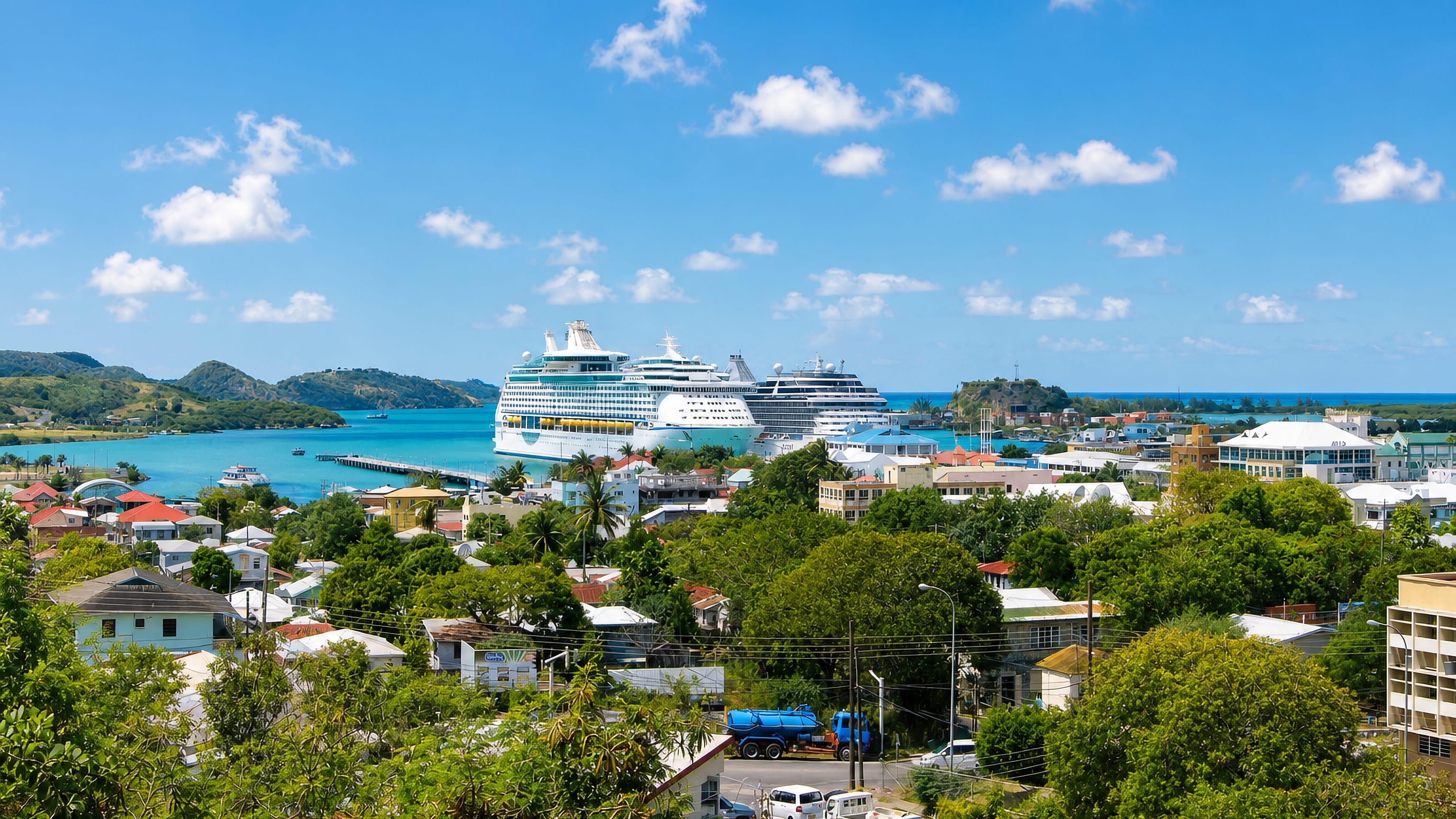
Saint John's wraps around its harbour on the western side of Antigua, capital and largest city of Antigua and Barbuda since its founding in 1666.Where to stay →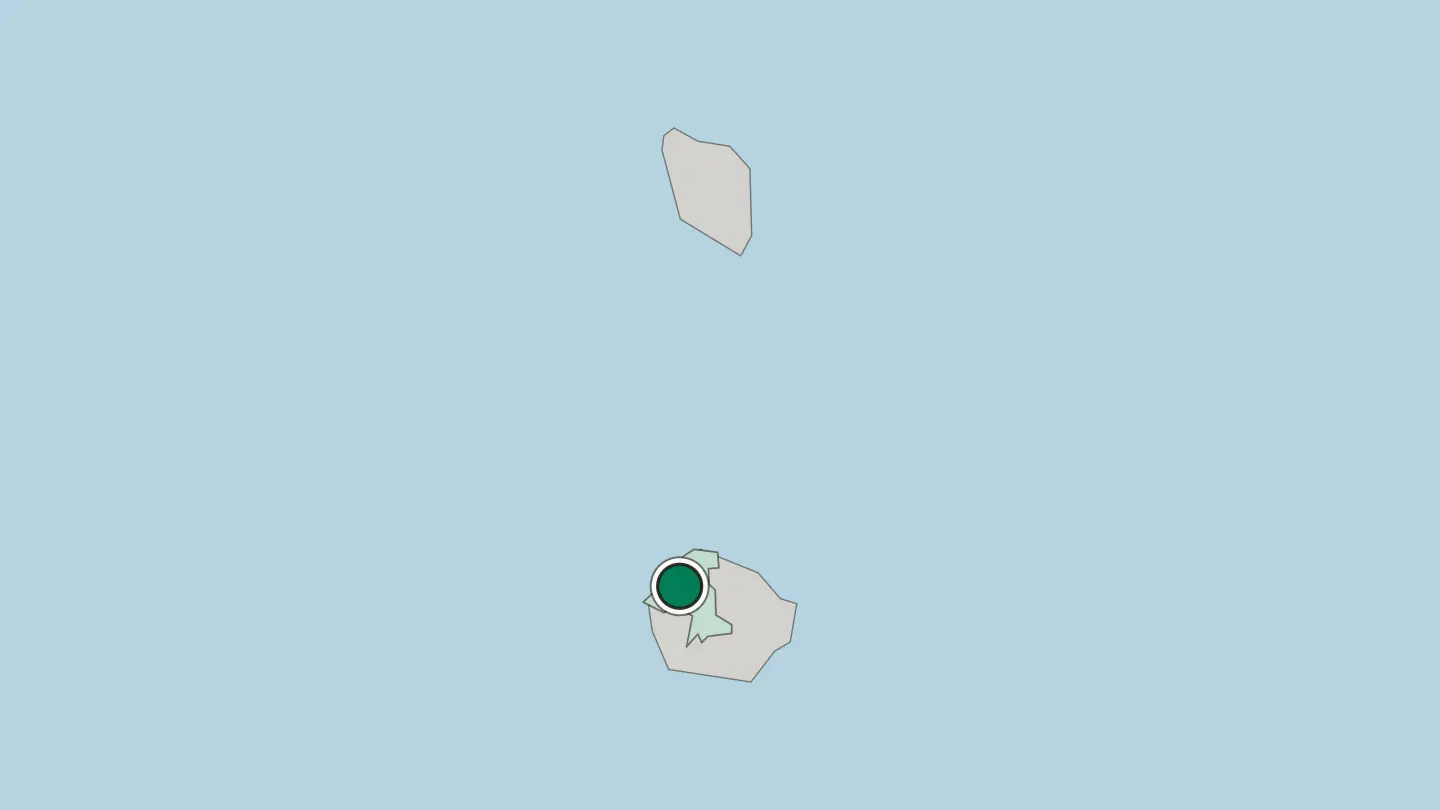
Hotel links are affiliate links: booking through them may earn us a commission, at no extra cost to you. It never affects how places are ranked. How this works
Browse by region
One region so far — open it to see its cities and towns.
About Antigua and Barbuda
What is Antigua and Barbuda known for?
Antigua and Barbuda is known for beaches, sailing, and a Georgian naval past. English Harbour holds Nelson's Dockyard, the restored eighteenth-century base where Horatio Nelson once served, and Shirley Heights looks down on the anchorage from the ridge above. St. John's fills each morning with markets and cruise arrivals.
Barbuda keeps a quieter register, its lagoon fringing the single settlement of Codrington. Sugar built these islands, and the ruins of its mills still dot the land.
Where is Antigua and Barbuda?
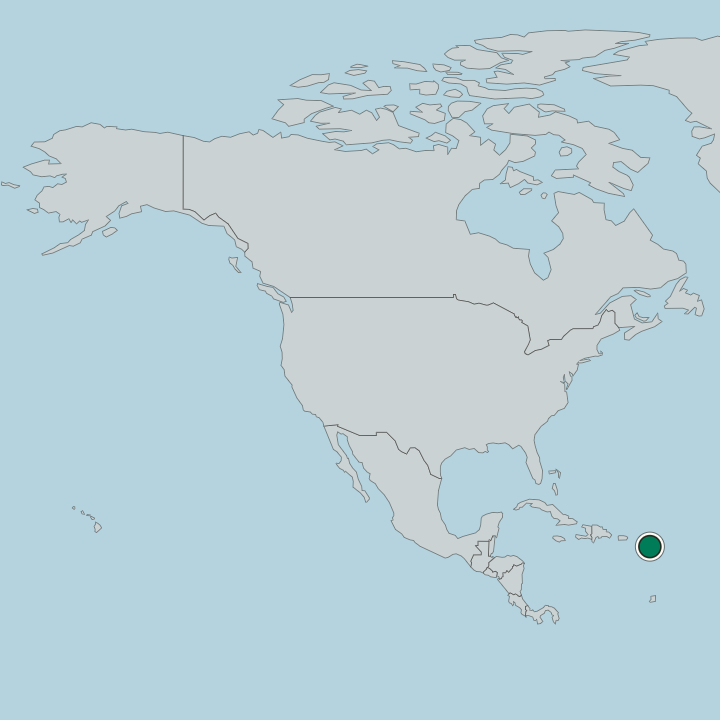
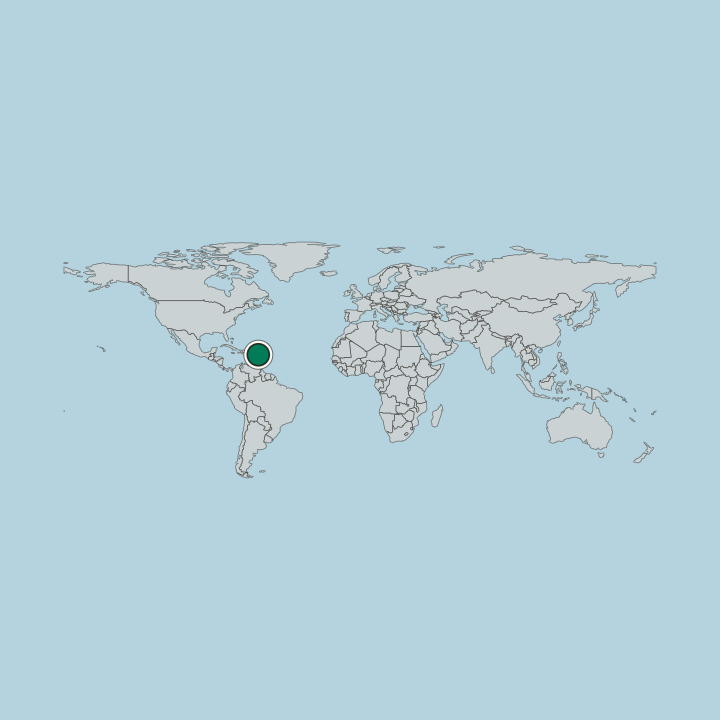
Antigua and Barbuda sits in the Leeward Islands of the eastern Caribbean, an archipelago of two inhabited islands plus the uninhabited rock of Redonda and a scatter of cays. The whole country covers only about 440 km2. Antigua, the larger island, carries most of the population and nearly all the towns.
Its interior is mostly low and gently rolling, and the Central Plain runs across it from St. John's on the northwest coast down toward English Harbour in the south. The land is small but far from flat. In the southwest the Shekerley Mountains rise out of old volcanic rock, and Mount Obama, the highest point on the islands, tops the range at just over 400 metres.
Around the coast the shoreline breaks into a maze of bays, headlands, reefs, and low sandy cays that shelter the harbours sailors have used for centuries. Barbuda lies to the north, a flat coral island ringed by reef and dominated by a wide lagoon. Its one settlement is Codrington.
The land here climbs no higher than the modest ridge called the Highlands, and much of the island is scrub, salt pond, and beach rather than the mill-dotted farmland of Antigua. Off to the southwest, tiny Redonda breaks the sea as a steep, uninhabited outcrop. Two islands, one country, and a great deal of coastline.
What is the history of Antigua and Barbuda?
Long before Europeans arrived, Arawak and Carib peoples worked these islands and their fishing grounds. English settlers reached Antigua in 1632 and set about clearing land for sugar. The crop reshaped everything.
By the late seventeenth century the island was covered in cane and studded with windmills, worked by thousands of enslaved Africans whose labour built the estates and the wealth that shipped home. Barbuda took a different path. The Codrington family leased the whole island from the Crown in 1685 and ran it as a single estate that supplied their Antiguan plantations, and the family name still marks the island's only town.
The Royal Navy made English Harbour one of its main Caribbean stations, and the dockyard begun there in 1725 later carried the name of Horatio Nelson, who served in these waters. Slavery ended in 1834, an emancipation the country still marks each year in its Carnival. Sugar declined slowly across the following century, and the islands moved toward self-rule under leaders such as Vere Bird.
Antigua and Barbuda became fully independent in 1981. From cane fields to a nation of two islands, the thread is short but deep.
What is Antigua and Barbuda like?
Culture here grew out of African roots grafted onto a British colonial frame, and it shows most clearly in music and food. Calypso and soca fill the airwaves, and steelpan holds a place of honour. The Hells Gate Steel Orchestra, formed on Antigua in 1945, is among the oldest steelbands anywhere and still leads the Panorama competition each summer.
Carnival is the year's centre of gravity. Held around late July and early August, it recalls the 1834 emancipation with masquerade bands, calypso monarchs, and a dawn jump-up called J'ouvert that pulls St. John's into the street. The table tells the same story of resilience and invention.
The national dish pairs fungee, a firm cornmeal cousin of polenta, with pepperpot, a slow stew of greens, okra, and meat. Cooks turn out ducana, saltfish, and the soft loaf known as Antiguan butter bread, while Barbuda sends lobster caught off its reefs. Faith runs Anglican and Methodist, a legacy of the plantation era, and Sunday still shapes the week.
Cricket is close to religion too. From steelpan yards to the cricket ground, the islands make their culture in public.
What is the climate of Antigua and Barbuda?
The islands run warm and dry. A tropical savanna climate holds across most of Antigua and Barbuda, with steady northeast trade winds off the Atlantic that temper the heat and keep the sailing brisk through the year. Rain concentrates in the later months, and the southwest of Antigua, near the Shekerley Mountains, catches a little more of it.
The main hazard is the summer-to-autumn hurricane season, which the low, exposed islands know well. Sun is the norm.
How do you get to Antigua and Barbuda?
Nearly all visitors arrive by air. V. C. Bird International Airport sits northeast of St. John's and handles the long-haul flights from Europe and North America along with regional Caribbean links. The capital's harbour is also a busy cruise port.
Barbuda lies a short hop away, reached by a small ferry across the channel or by light aircraft from the main island. Distances on the ground are short, so a base and a rental car cover most of Antigua with ease.
Good for
Updated September 2026