Albania · Qarku i Shkodrës
Where to Stay in Shkodër, Qarku i Shkodrës
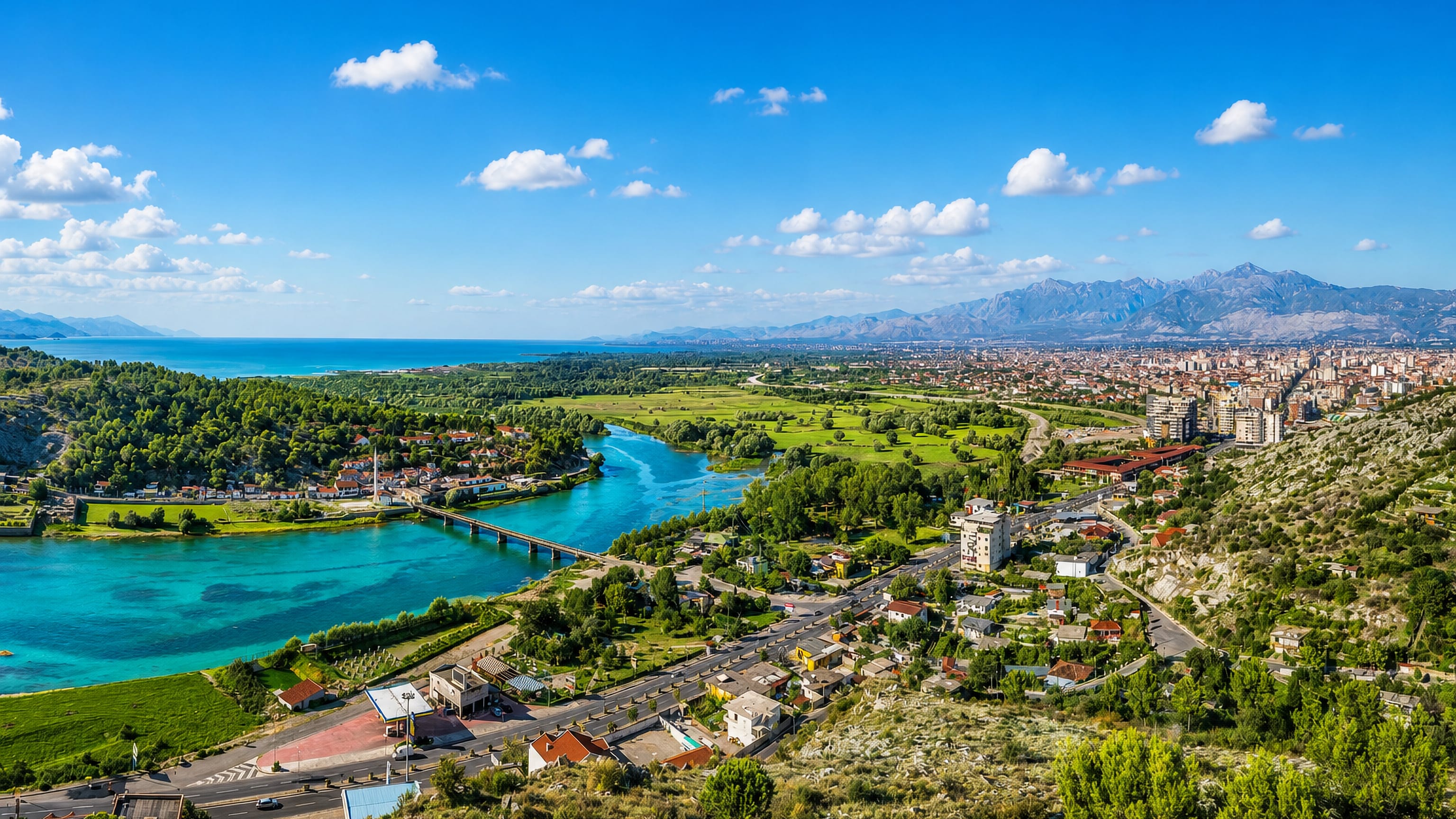
Shkodër spreads across the Plain of Mbishkodra in northwestern Albania, between Lake Shkodër and the Albanian Alps.
Hotel links are affiliate links: booking through them may earn us a commission, at no extra cost to you. It never affects how places are ranked. How this works


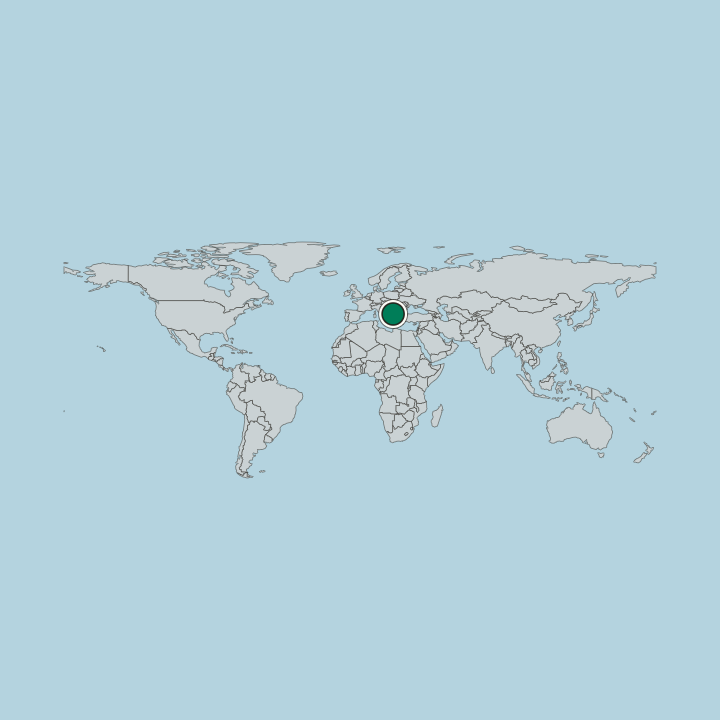
Where to stay in Shkodër
Where the beds are, and what that means for the visit.
Most visitors base themselves near the pedestrianised core, where the Shkodër Cathedral and the Franciscan Church of Shkodër mark the older quarters and cafés fill the arcaded frontages. The streets fan out toward the water. If you want to reach the Rozafa Fortress on foot or by a short ride, a room on the southern edge of town, closer to the Buna, puts the castle hill within easy reach.
Staying central keeps the museums together. The Historical Museum of Skodër, the Fototeka Marubi, and the Site of Witness and Memory all sit inside the walkable centre, and the lakeshore of Lake Shkodër lies a short way north for those who want quiet water at the day's end. Choose the core for a first visit.
Choose the fortress side if the ruins and the river confluence are what drew you to this corner of the Plain of Mbishkodra in the first place.
Find hotels in Shkodër
Direct booking searches for these neighbourhoods.
Historic core
The pedestrianised streets around Shkodër Cathedral and the Fototeka Marubi keep the museums, arcaded frontages and the Franciscan Church within one walkable quarter.Find hotels in Historic coreTravellers focused on the Rozafa Fortress and the river confluenceFortress side
The southern edge nearest the Buna sits closest to the Rozafa Fortress hill where the Buna, Drin and Kir waters gather below the walls.Find hotels in Fortress sideHotel links are affiliate links: booking through them may earn us a commission, at no extra cost to you. It never affects how places are ranked. How this works
Things to do in Shkodër
Ranked by global recognition; descriptions from Wikidata (CC0).
Museums & Galleries
3- People's Museum Stalin Boulevard Heritage
- Fototeka Marubi
- Museum of Rozafa Fortress
Churches & Religious Sites
3- Shkodër Cathedral
- Fatih Sultan Mehmet Mosque
- Franciscan Church of Shkodër
Castles & Historic Sites
3- Shkodra Castle Heritage
- Rozafa Fortress
- Scodra
worth knowingacross 3 categories in Shkodër
About Shkodër
What is Shkodër known for?
The Rozafa Fortress crowns a ridge above the meeting of three rivers. That hill anchors the city's identity. Below it, the streets carry the legacy of a place that served as Albania's capital until 1915, and the Marubi photographic archive, kept as the Fototeka Marubi, preserves generations of that older life in glass and print.
The Historical Museum of Skodër, the Shkodër Cathedral, and the Fatih Sultan Mehmet Mosque stand within a short walk of one another. History sits close here.
What are the main landmarks in Shkodër?
The Rozafa Fortress is the essential sight, with the Museum of Rozafa Fortress set inside its walls. The Fatih Sultan Mehmet Mosque and the Shkodër Cathedral face the religious history of the plain from two directions, while the Franciscan Church of Shkodër holds a quieter place among them. For the city's own record of itself, the Fototeka Marubi and the Historical Museum of Skodër are the two to reach.
Each rewards a slow hour.
What is the history of Shkodër?
Shkodër has been inhabited since the Early Bronze Age, and its recorded history under the older name Scodra reaches back across more than two millennia. The Rozafa Fortress hill guarded the confluence long before the modern streets took shape. From that vantage the settlement controlled movement between the lake, the plain and the coast.
For centuries the city was a regional capital, and it remained the capital of Albania until 1915, when the First World War broke that continuity. The Ottoman period left the Fatih Sultan Mehmet Mosque; the Catholic tradition left the Shkodër Cathedral and the Franciscan Church of Shkodër. The Marubi studio, now the Fototeka Marubi, recorded this world in photographs across generations, and the Site of Witness and Memory holds the harder chapters of the twentieth century.
Layers stack here. Each ruler and each faith left something standing on the Plain of Mbishkodra, so that the ancient Scodra and the living city occupy the same ground and the same names return again and again in the streets.
Where is Shkodër?
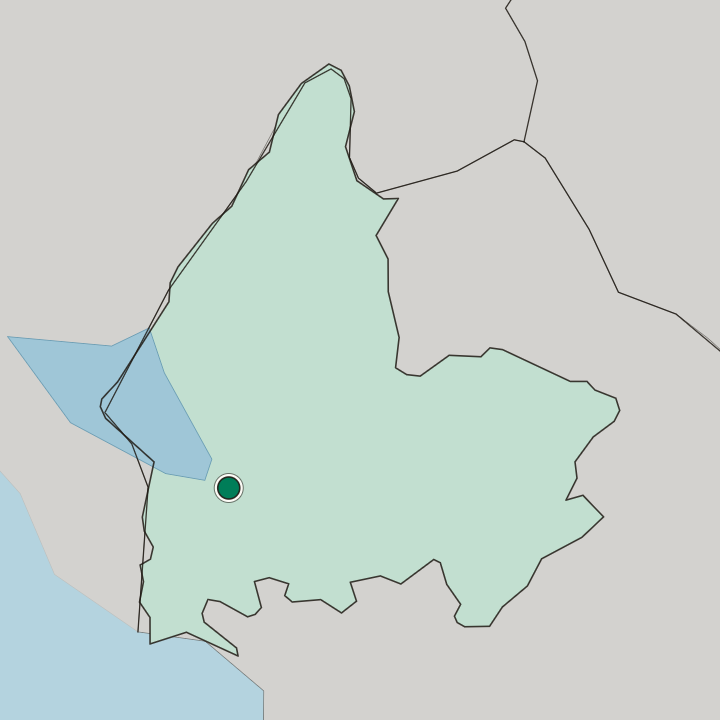
The city sits on the Plain of Mbishkodra between the southern shore of Lake Shkodër and the foothills of the Albanian Alps. Three rivers gather here. The Buna, the Drin and the Kir converge below the Rozafa Fortress, draining the plain toward the Adriatic Sea, whose nearness gives the surrounding country its coastal temper.
Water and mountain frame every view across this northwestern corner of Albania.
What is the climate of Shkodër?
Nearness to the Adriatic Sea shapes the weather. Shkodër has a seasonal Mediterranean climate with continental influences, so summers on the Plain of Mbishkodra run warm and dry while the winters, cooled by air off the Albanian Alps, turn wetter and sharper than the coast alone would suggest. Rain follows the seasons more than the calendar here.
How do you get to Shkodër?
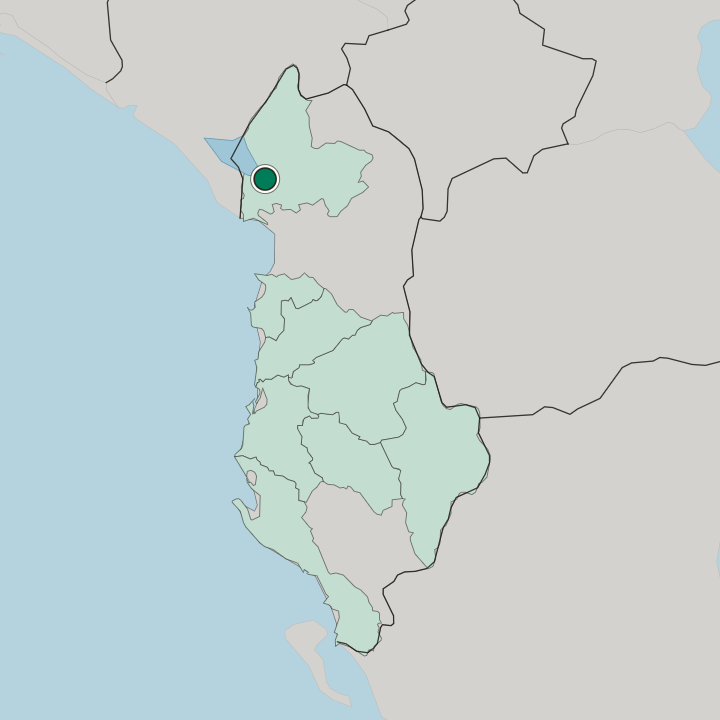
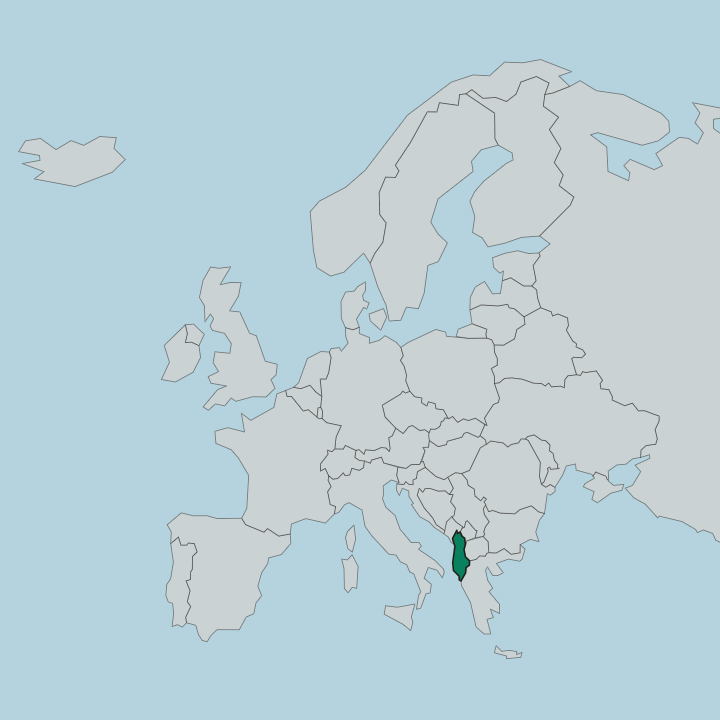
Shkodër lies in the northwest of Albania, the seat of Shkodër County and a natural stop on the route between the Adriatic coast and the Albanian Alps. Roads follow the rivers. Approaches trace the Buna and the Drin across the Plain of Mbishkodra, and the lakeshore road along Lake Shkodër links the city toward the northern border country.
The Rozafa Fortress marks the turn into town from the south.
Common questions
What is the best area to stay in Shkodër?
Historic core: First-time visitors who want the cathedral, cafés and the Marubi archive on foot. Fortress side: Travellers focused on the Rozafa Fortress and the river confluence.
Good for
Updated September 2026