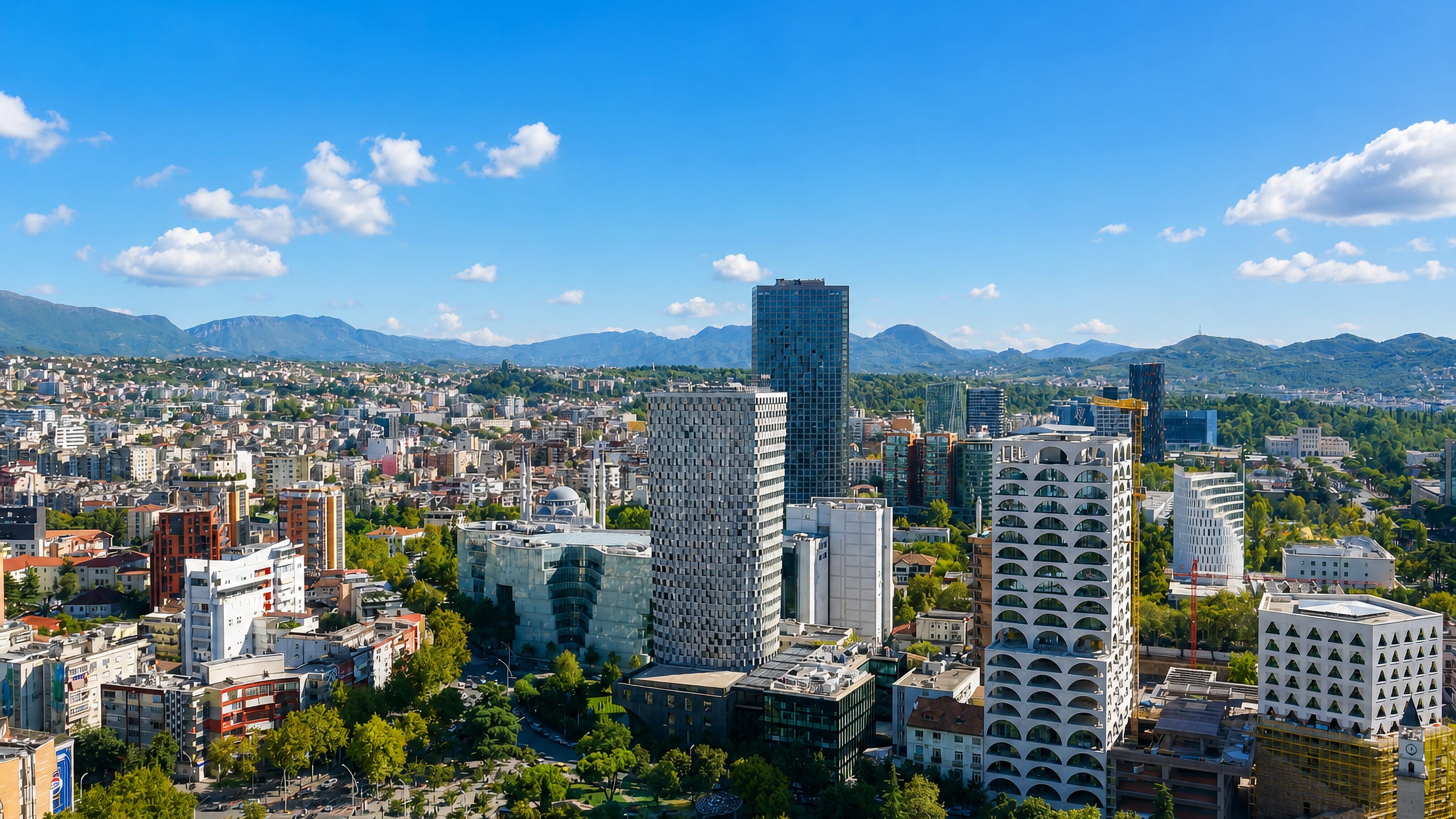
Albania: Regions, Cities & Travel Guide
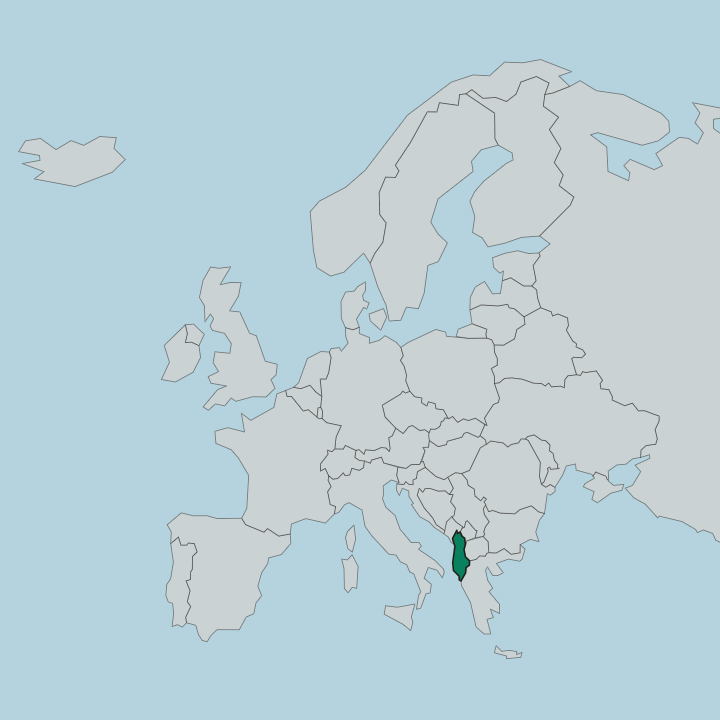
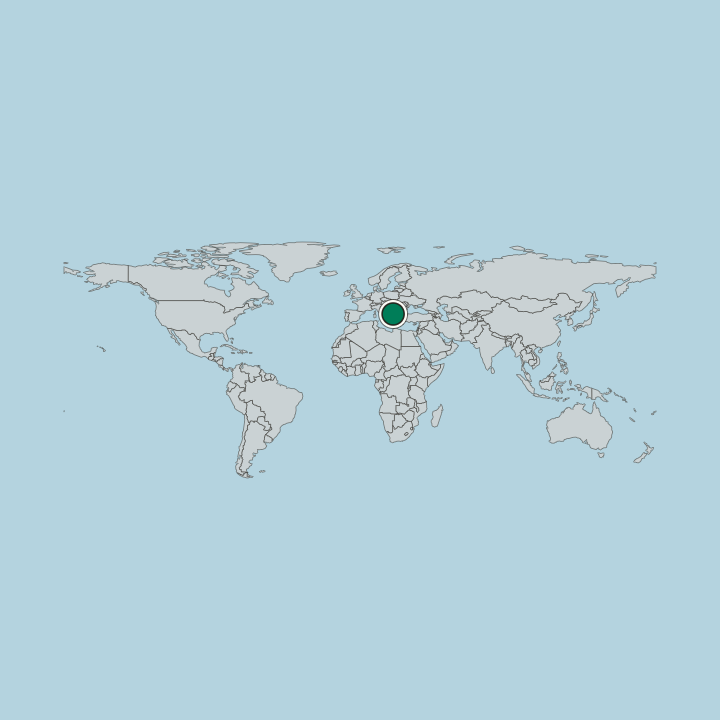
Albania is a country in the Balkans, on the Adriatic and Ionian coast of southeastern Europe, with Tirana as its capital.
Hotel links are affiliate links: booking through them may earn us a commission, at no extra cost to you. It never affects how places are ranked. How this works


Top destinations in Albania
Cities to start from, then drill into areas and hotels.
 Albania
Tirana
Mountains ring the plain at Tirana, the capital of Albania in the centre of the country, known for Skanderbeg Square and the concrete Pyramid of Tirana.Where to stay →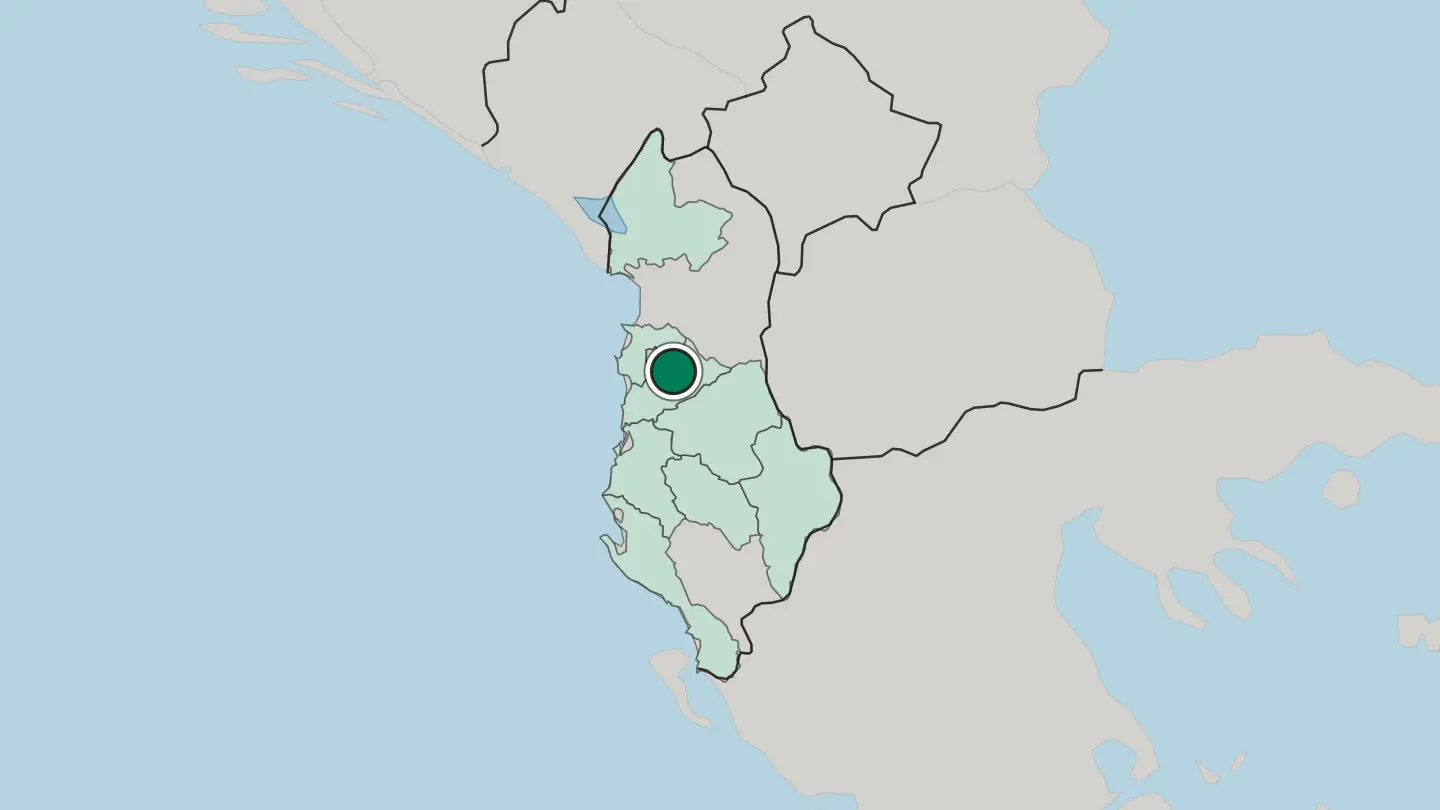
 Albania
Durrës
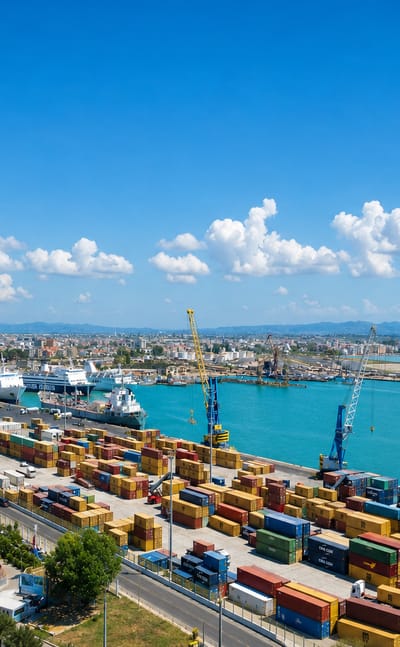
The Roman amphitheatre of Durrës anchors this ancient port on the Adriatic Sea, capital of Durrës County and Albania's chief harbour.Where to stay →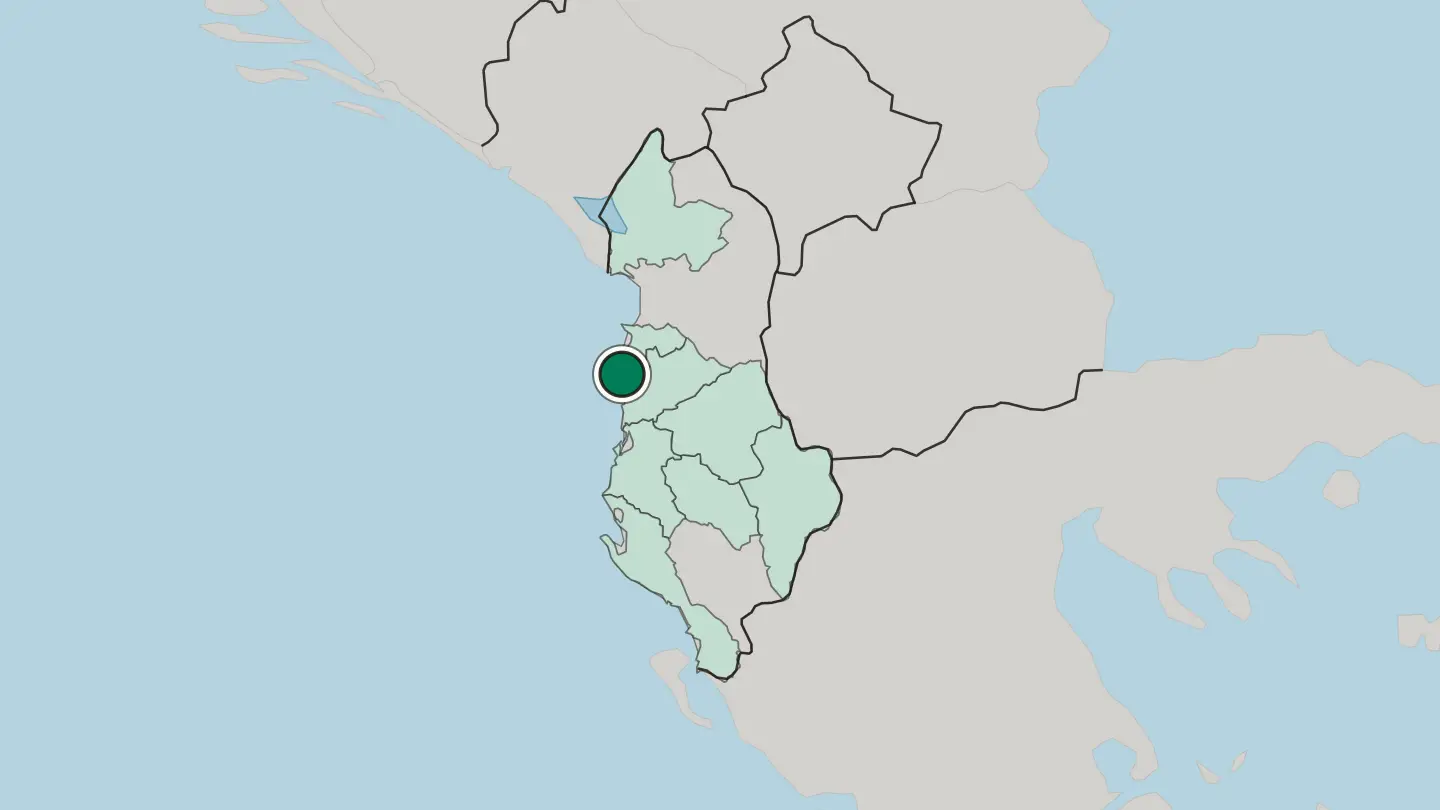
 Albania
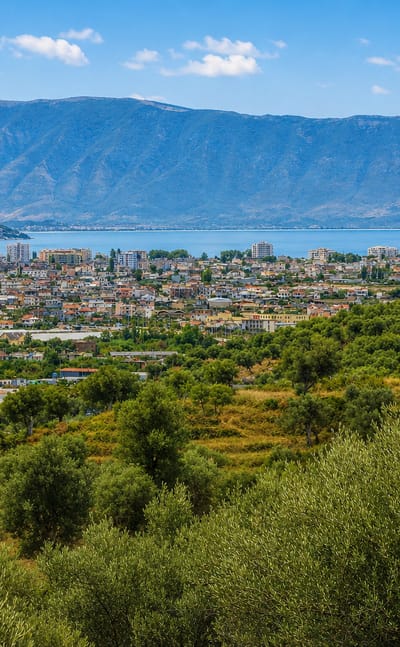
Vlorë
Vlorë is a historic city of Vlorë County, gathered below the height that carries Kanina Fortress.Where to stay →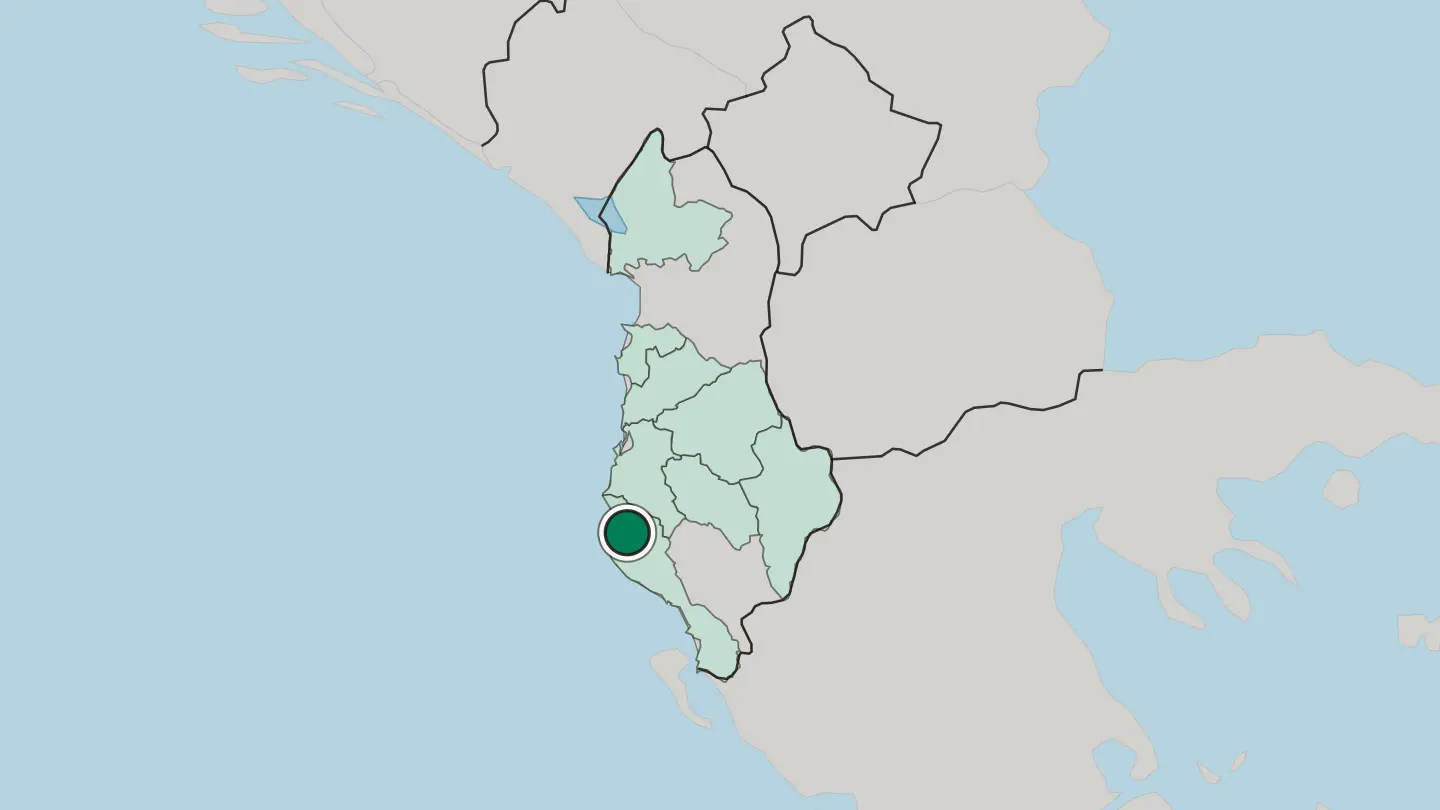
 Albania
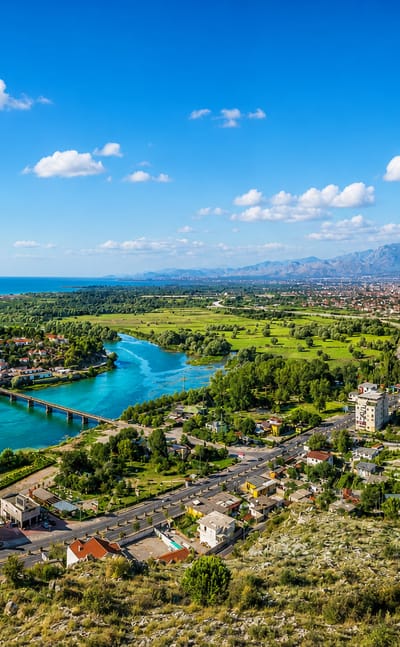
Shkodër
Shkodër spreads across the Plain of Mbishkodra in northwestern Albania, between Lake Shkodër and the Albanian Alps.Where to stay →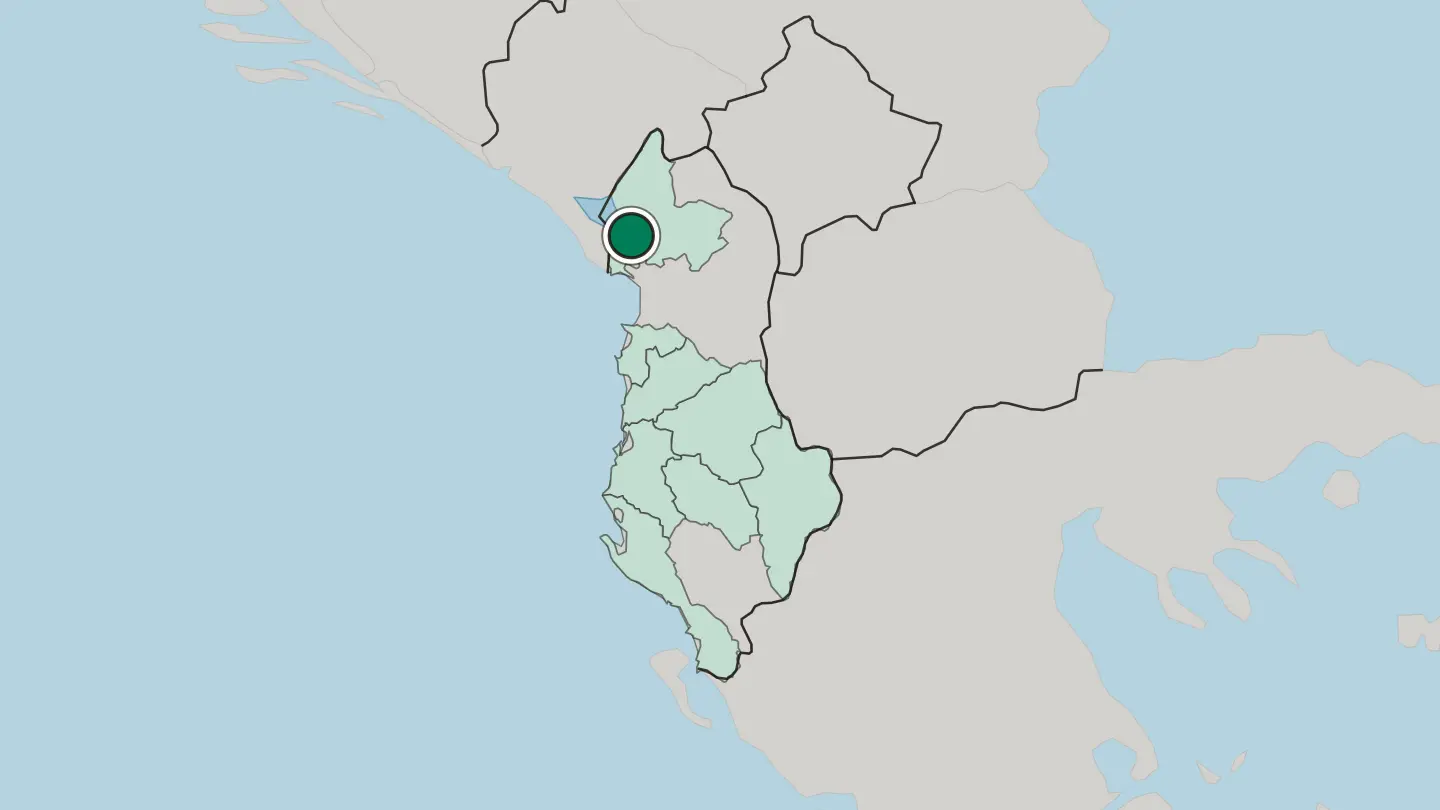
 Albania
Berat
Berat is a historic city in south-central Albania, an Ottoman old town of white houses climbing the hills above the Osum River.Where to stay →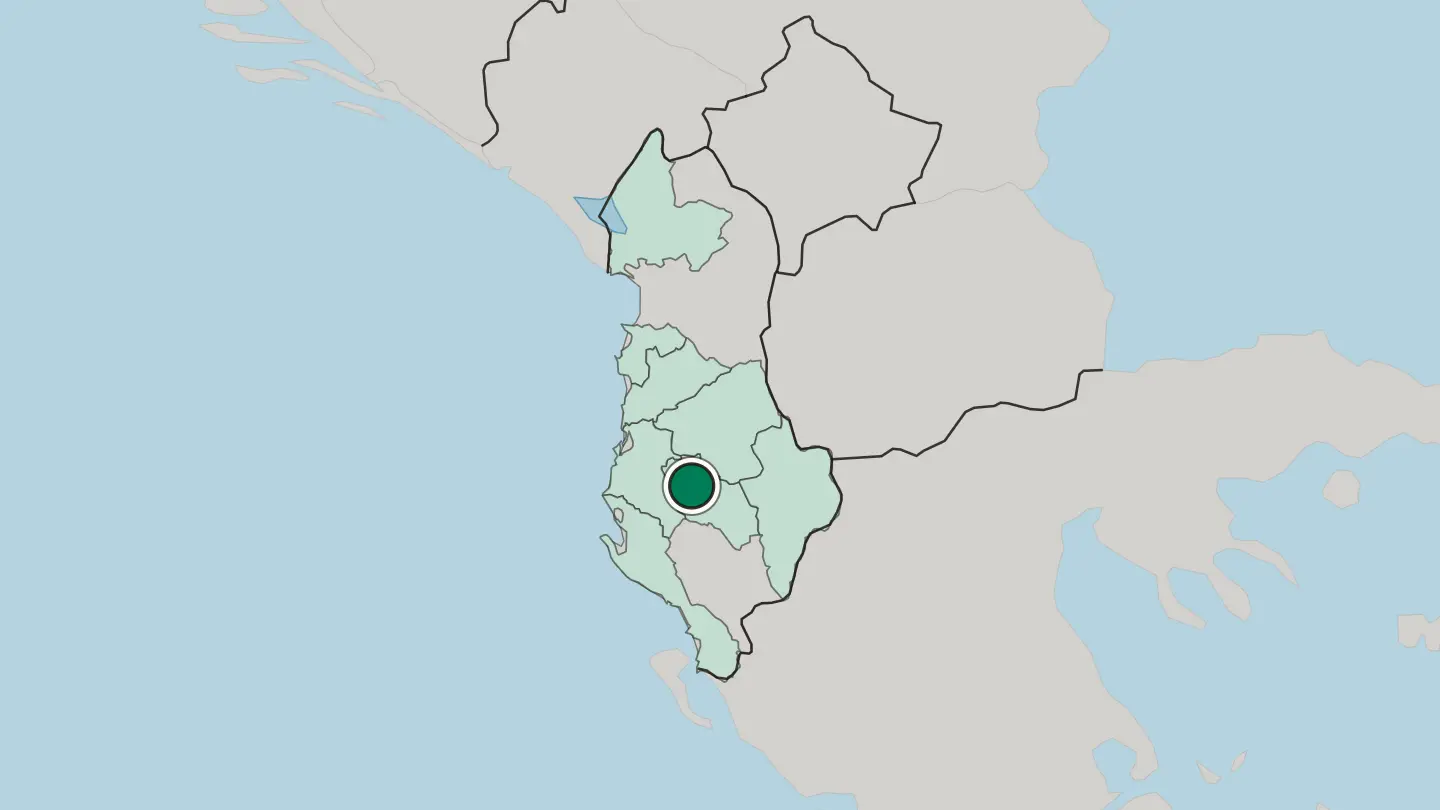
 Albania
Korçë
Korçë is a cultural city on the highlands of southeastern Albania, known for its old bazaar and its art museums.Where to stay →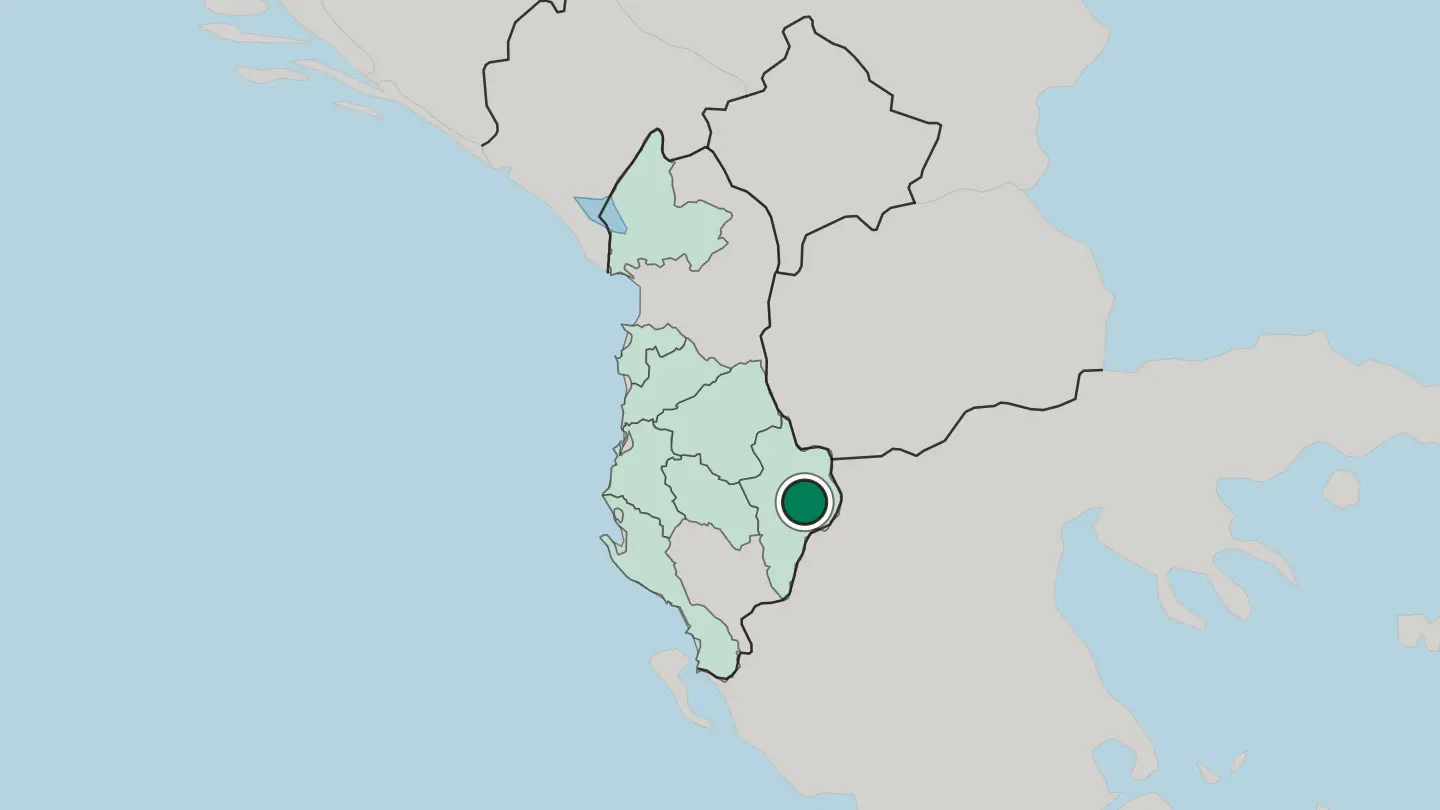
 Albania
Elbasan
Elbasan is a city of central Albania on the Shkumbin river, an old town gathered around a well-kept Ottoman castle, on the line of the ancient Roman road.Where to stay →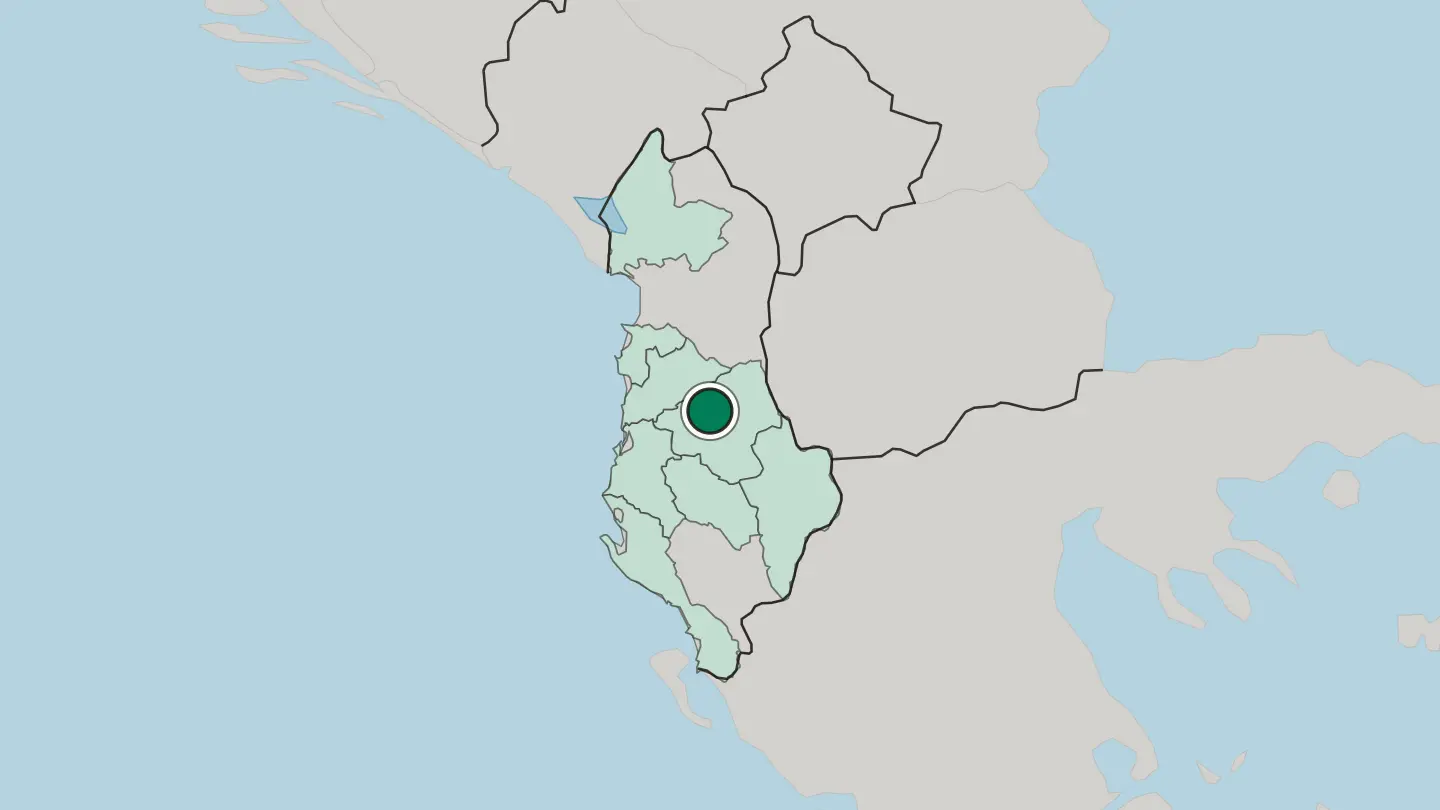
 Albania
Krujë
Krujë is a hilltop town north of Tirana in central Albania, the citadel where the national hero Skanderbeg held out against the Ottoman armies.Where to stay →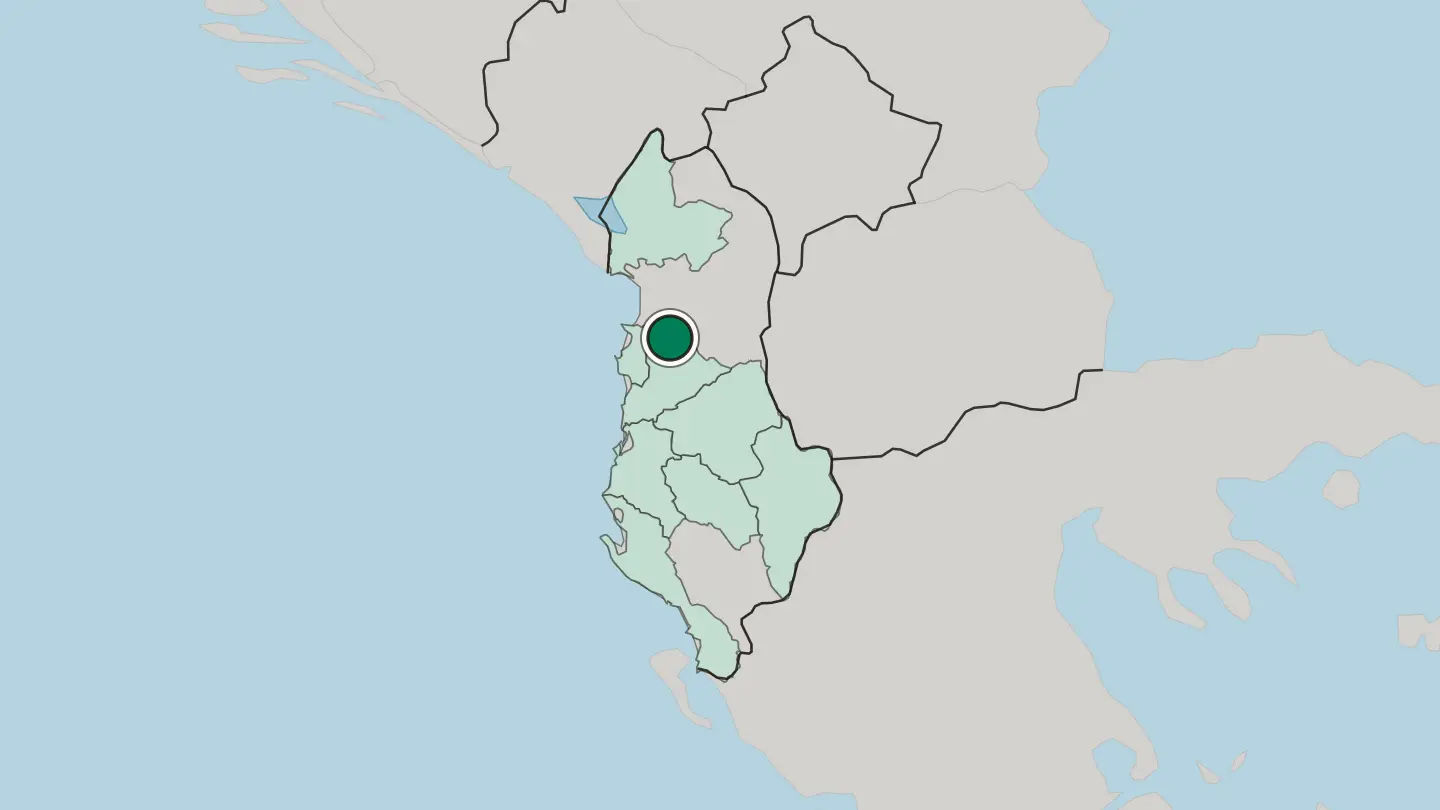
 Albania
Fier
The Gjanica River runs through Fier, seat of Fier County in the Myzeqe Plain and the nearest town to the ancient site of Apollonia.Where to stay →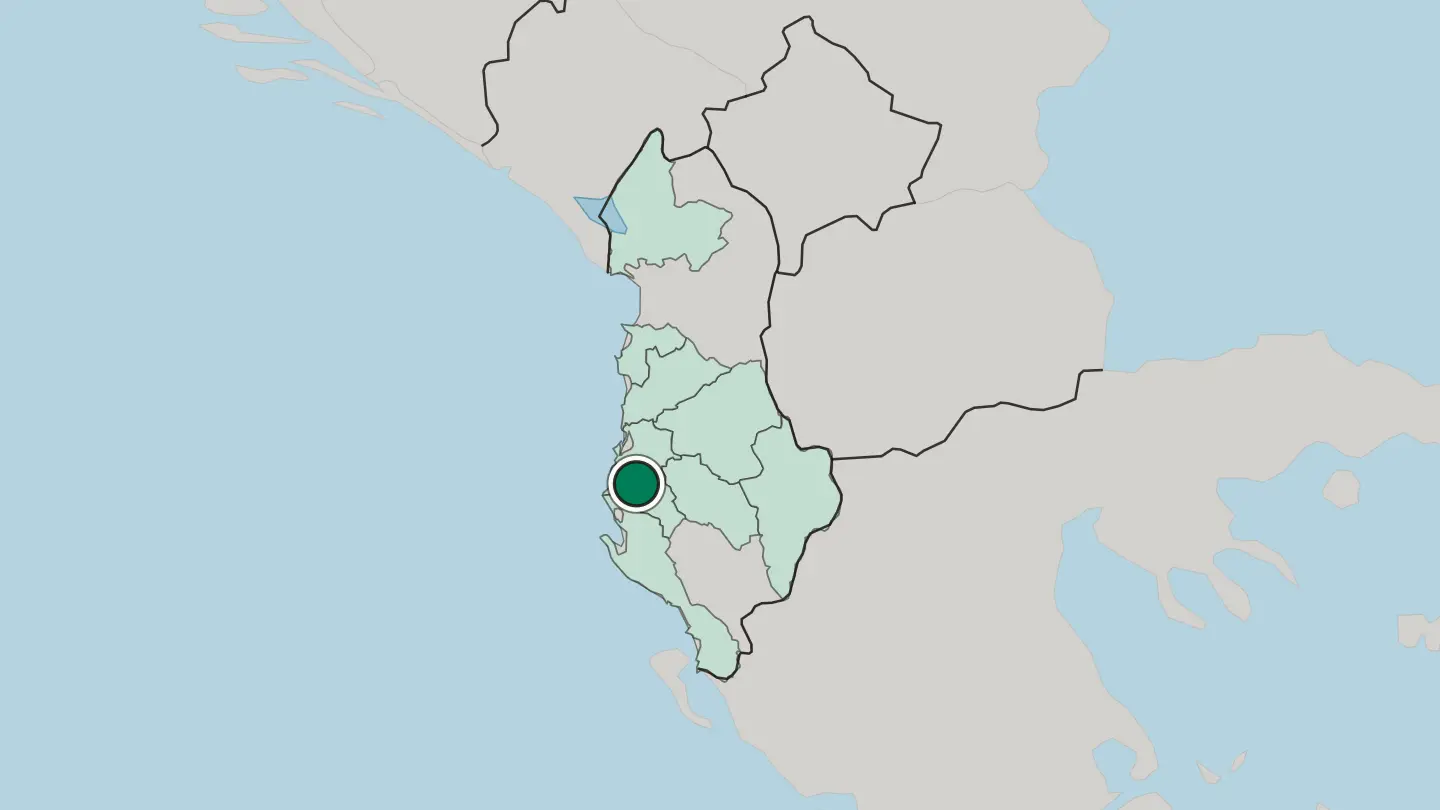
Hotel links are affiliate links: booking through them may earn us a commission, at no extra cost to you. It never affects how places are ranked. How this works
Regions of Albania
Albania
Qarku i Beratit
Qarku i Beratit is one of Albania's twelve counties, named for the city of Berat and divided among five municipalities from Kuçovë to Skrapar.Towns & cities →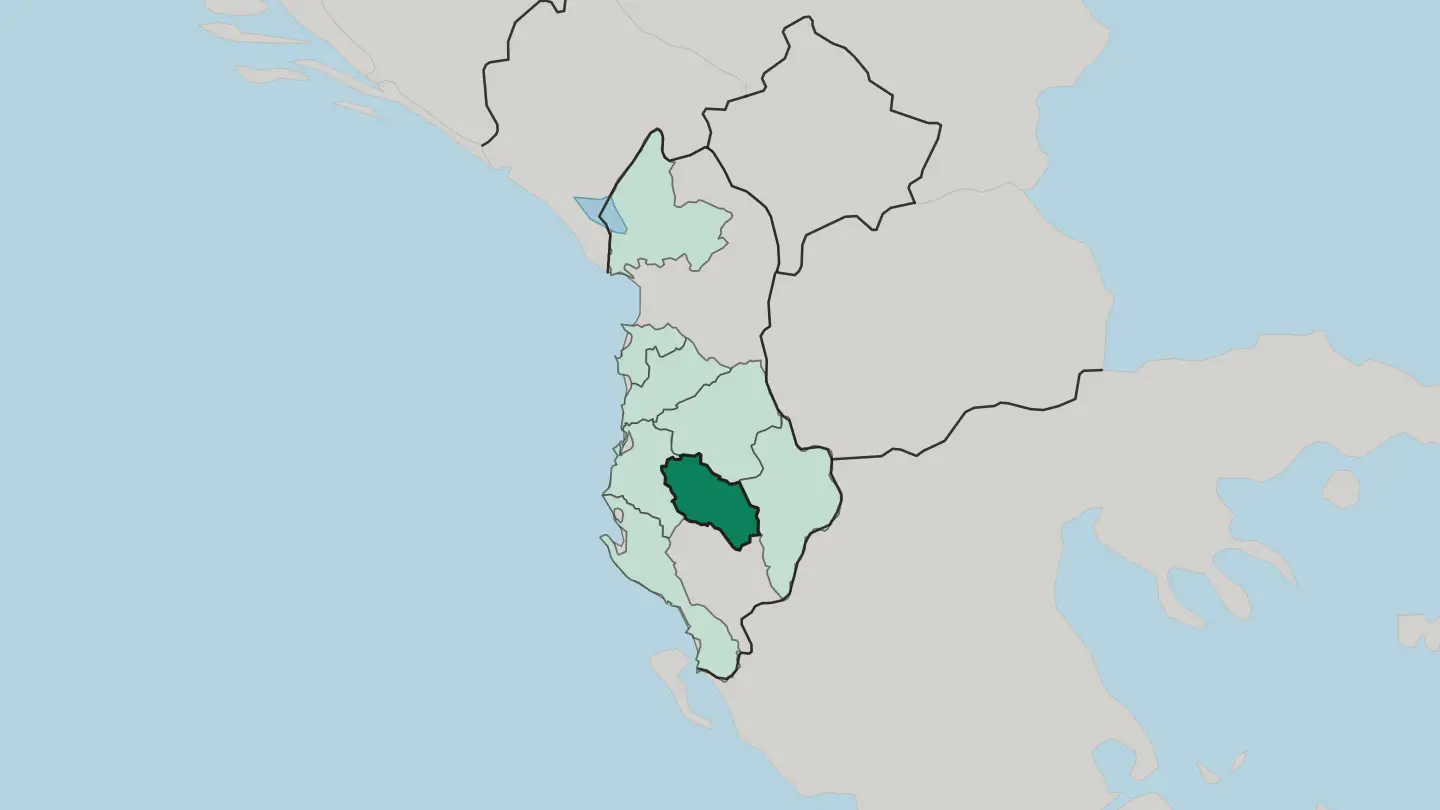 Albania
Qarku i Durrësit
Durrës County meets the Adriatic Sea in northern Albania, the country's smallest county by area, its plain running back from the port of Durrës.Towns & cities →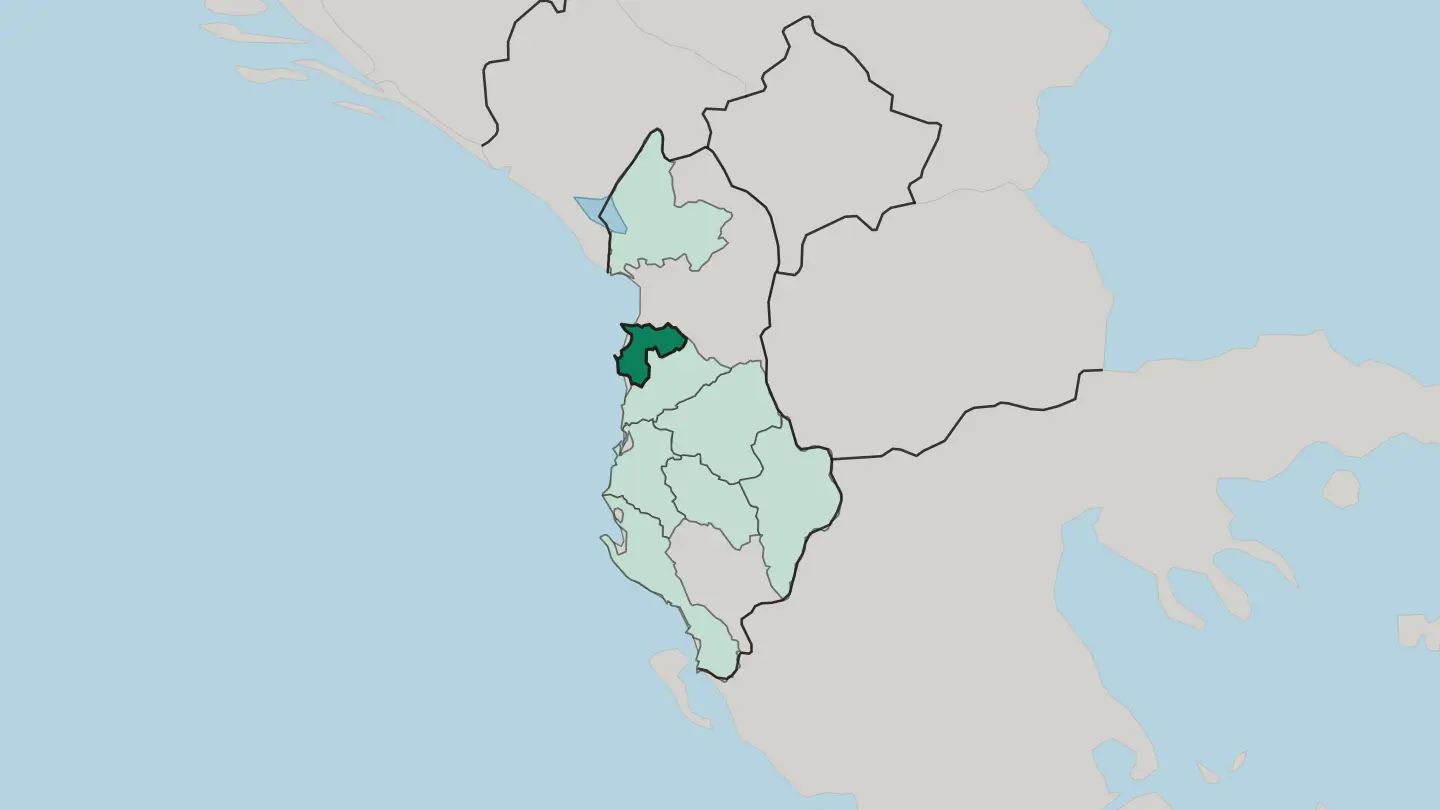 Albania
Qarku i Elbasanit
Qarku i Elbasanit is one of the 12 counties of Albania, and the city of Elbasan is both its capital and the source of its name.Towns & cities →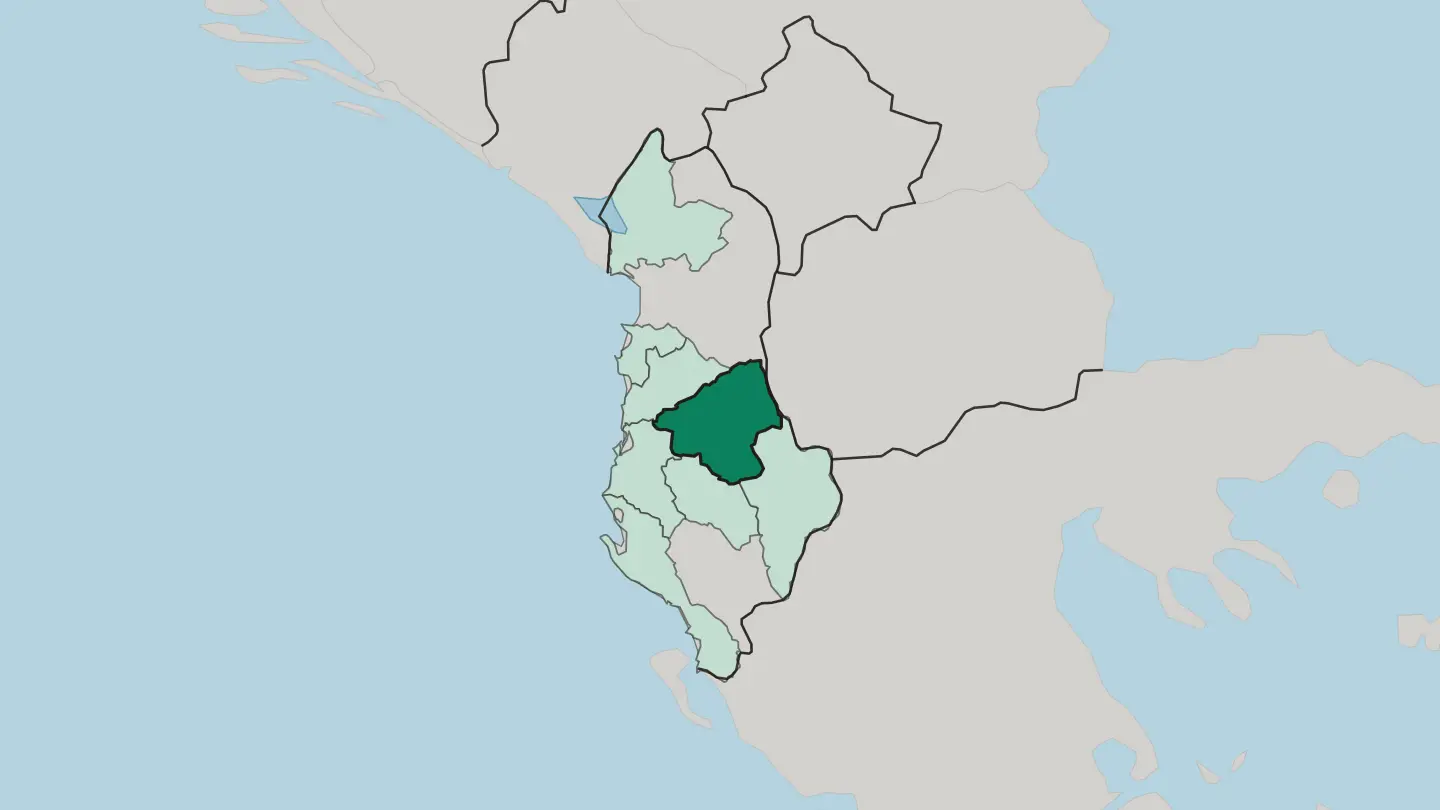 Albania
Qarku i Fierit
Qarku i Fierit is a county of the Republic of Albania that meets the Adriatic Sea on the west and holds six municipalities, Fier among them.Towns & cities →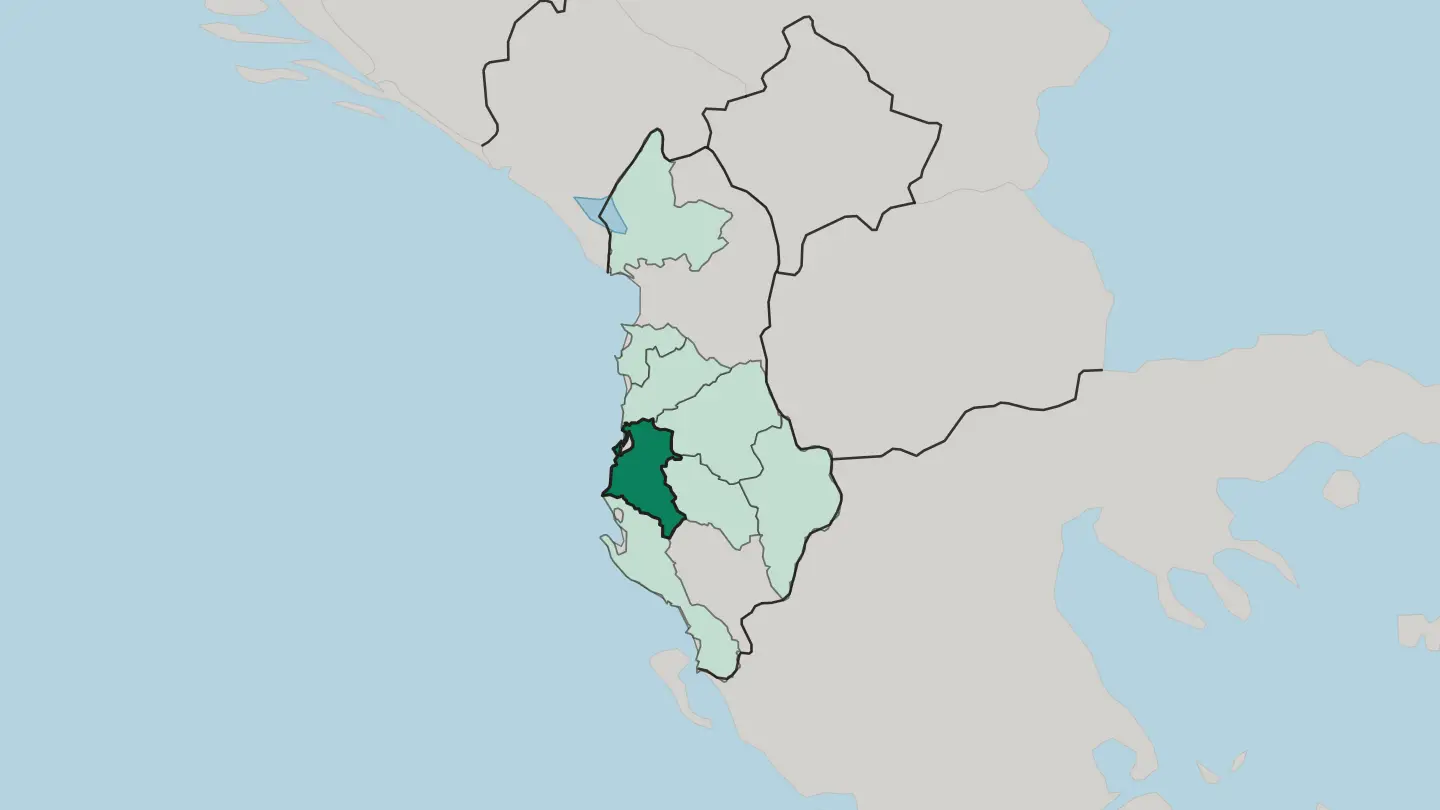 Albania
Qarku i Korçës
Qarku i Korçës is the largest of Albania's twelve counties by area, six municipalities bordering both North Macedonia and Greece.Towns & cities →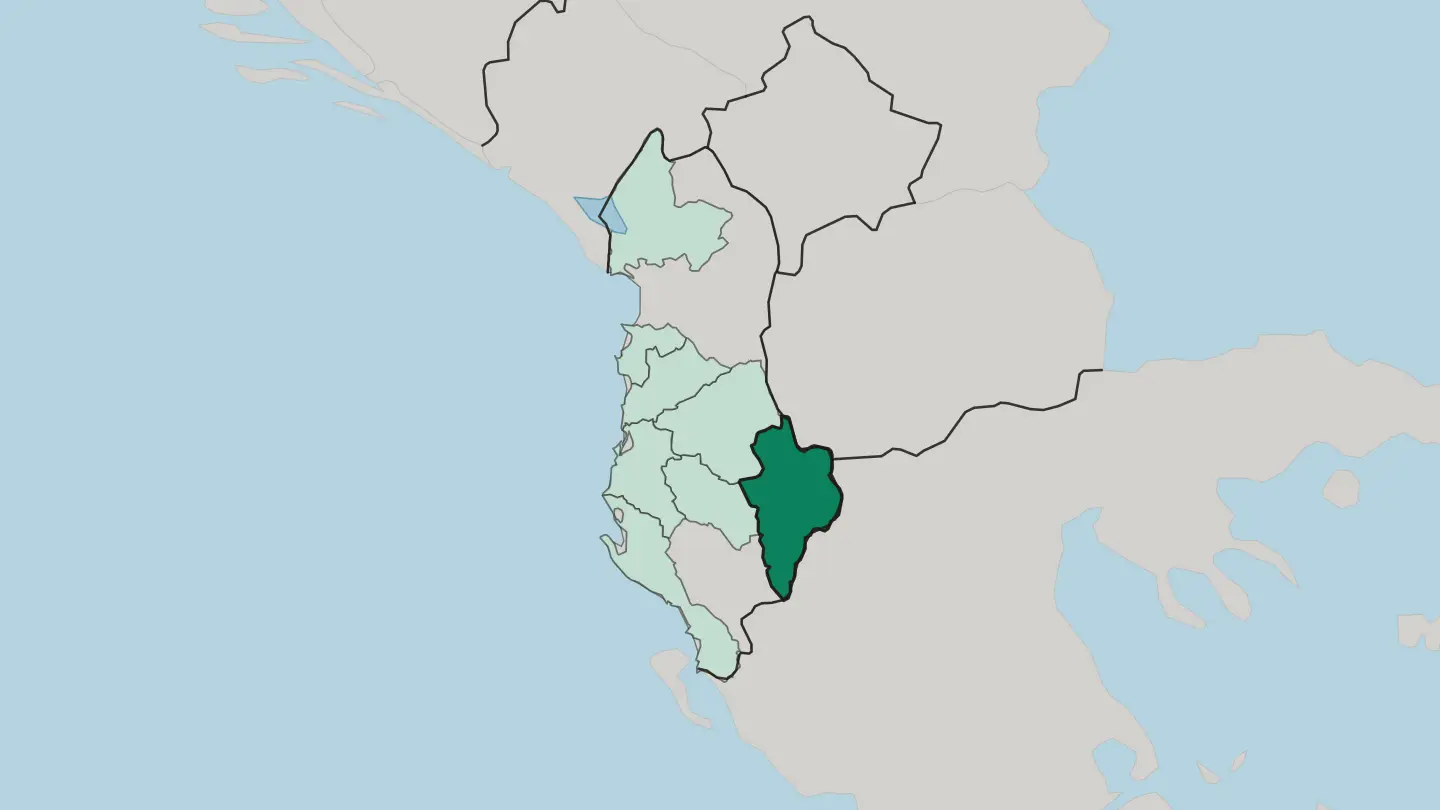 Albania
Qarku i Shkodrës
Shkodër County spreads across northwestern Albania to the Montenegro border, a broad county of lake and mountain centred on the old city of Shkodër.Towns & cities →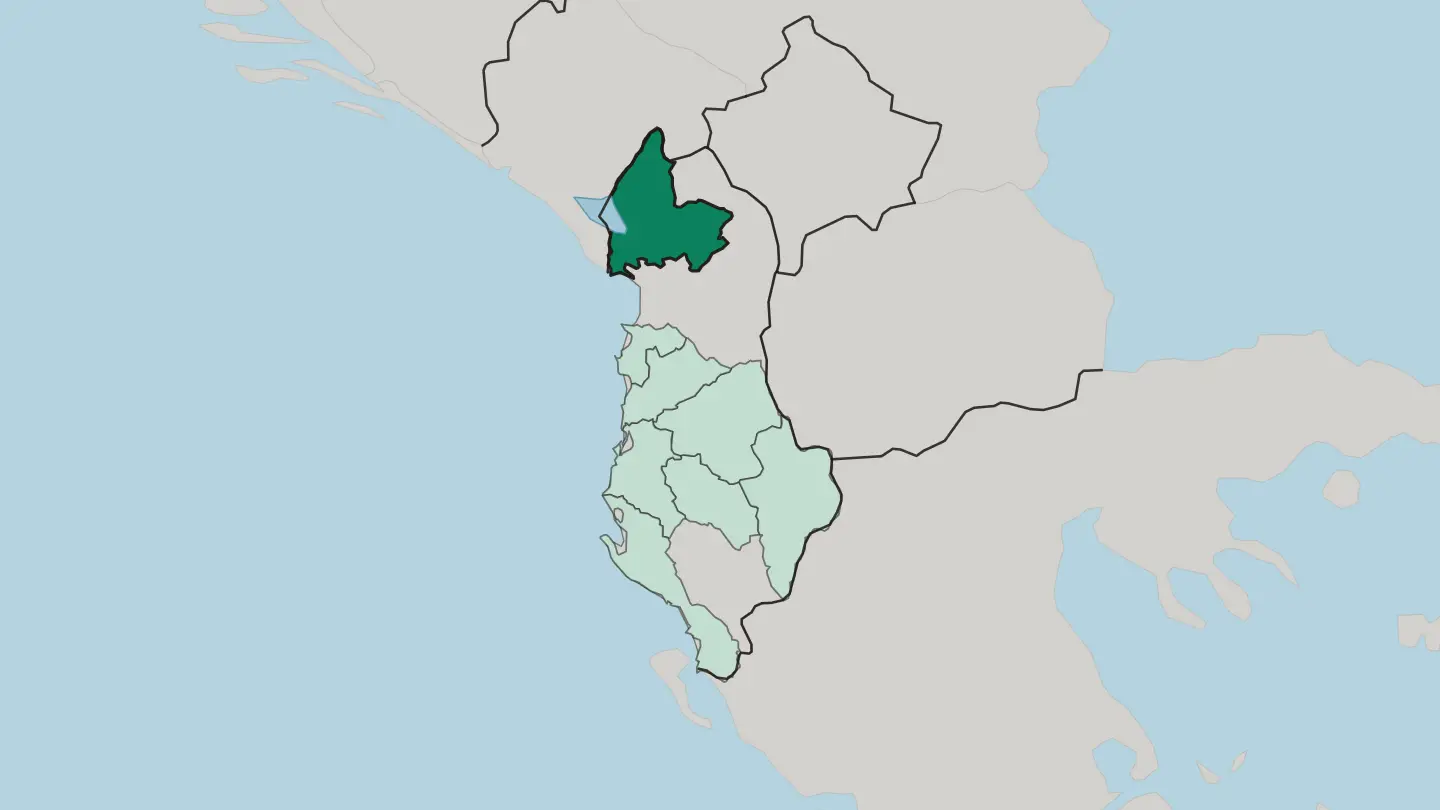 Albania
Qarku i Vlorës
Vlorë County runs down the coast of Albania where the Adriatic Sea gives way to the Ionian Sea, its shore anchored by the port of Vlorë.Towns & cities →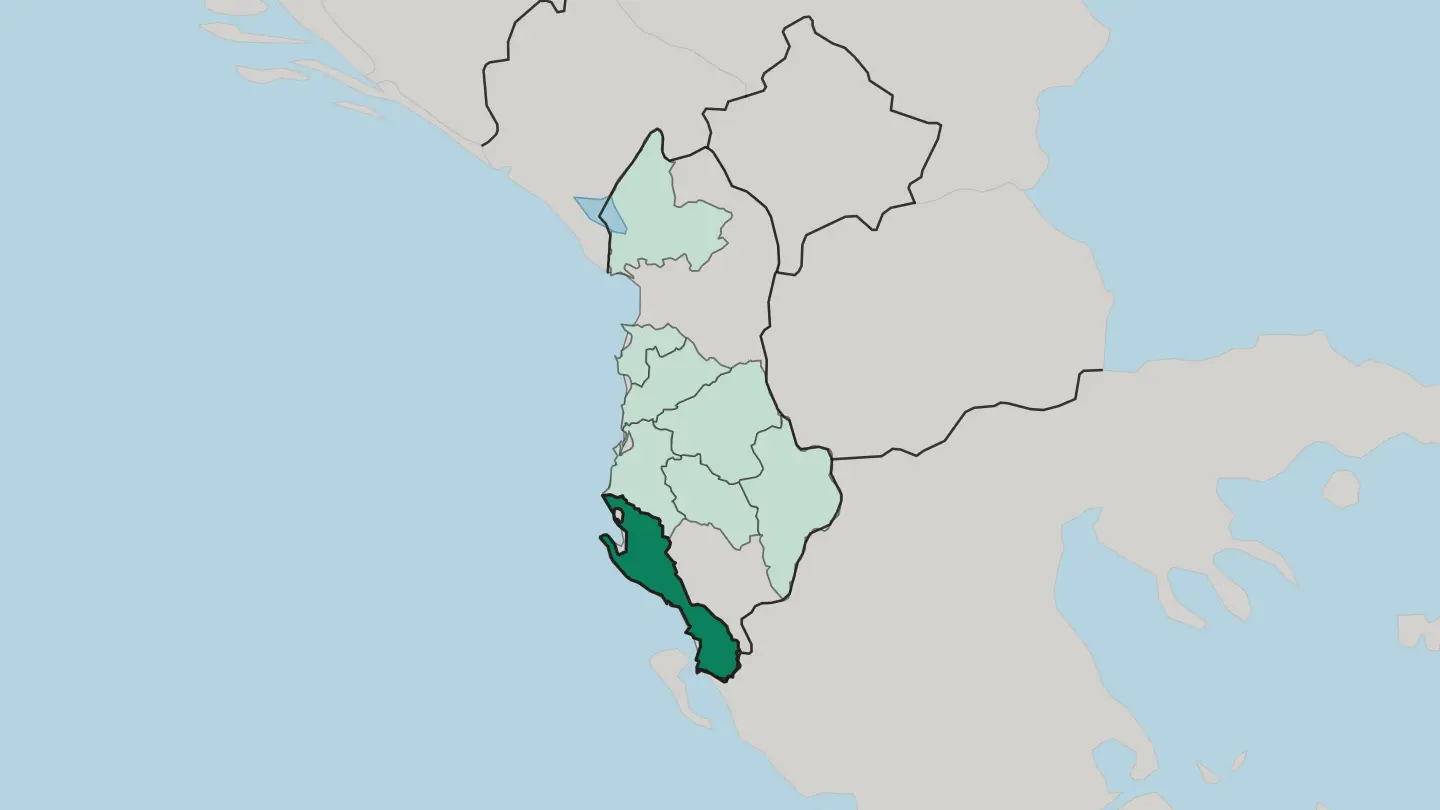 Albania
Tirana
Tirana County wraps the central plain of Albania around its capital, a region of ringing mountains where Dajti rises east above the city of Tirana.Towns & cities →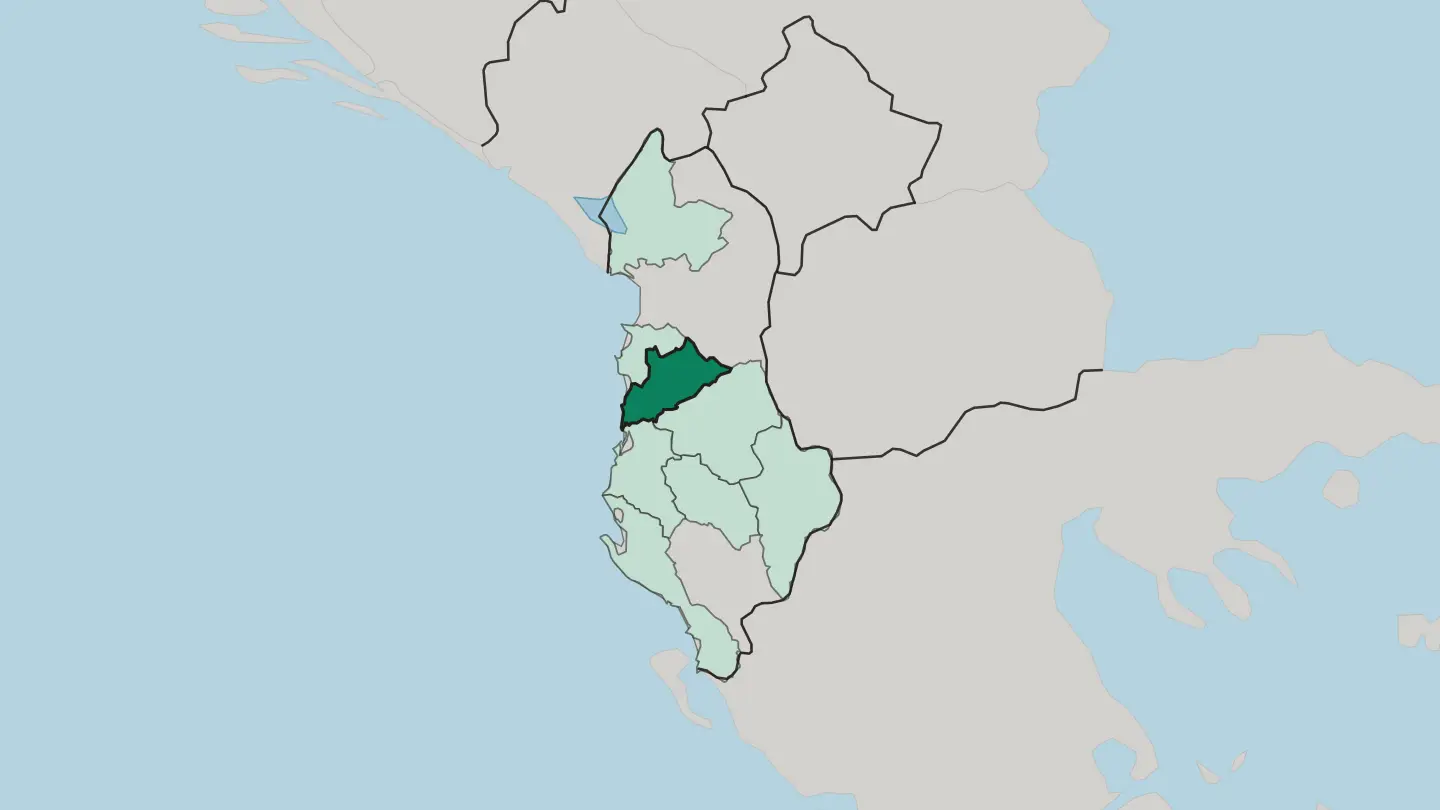
Explore by experience
Not sure which place? Start from how you want to travel.
About Albania
What is Albania known for?
Albania draws travellers with a coast the rest of the Mediterranean has yet to spoil. The turquoise water of the Albanian Riviera runs south from Vlorë past Himarë to the beaches of Ksamil, hemmed in by the Ceraunian Mountains. Inland the drama sharpens.
Ottoman-era Berat and Gjirokastër, both UNESCO towns, rise in tiers of stone above their river valleys, while the Accursed Mountains guard the far north. Prices stay low and the sun stays out.
Where is Albania?
Albania packs an unusual range of terrain into a small country wedged between Montenegro, Kosovo, North Macedonia and Greece. Its western edge is a lowland plain that runs the length of the Adriatic and Ionian coast, fertile and flat where the largest cities have grown. Behind it the land climbs fast.
Mountains cover most of the interior, from the Accursed Mountains of the far north to the Ceraunian range that drops straight into the sea along the southern Riviera, and the country shares the Korab massif with its eastern neighbours. The rivers order the map. The Drin, the longest in Albania, gathers the White and Black Drin and swings north-west toward the Adriatic, draining much of the highland north.
Water pools in the great border lakes as well. Lake Shkodër, the largest in Southern Europe, sits in the north-west on the Montenegrin frontier, while Ohrid and Prespa mark the eastern edge. The coast itself changes character as it runs.
Broad Adriatic beaches near Durrës give way, past Vlorë, to the steep coves and pebble bays of the Ionian south. From plain to summit the distances are short.
What is the history of Albania?
Albania traces its roots to the Illyrian tribes who held this coast in classical antiquity, before Greek colonies and then Rome absorbed the land. The old order fell away in stages. Byzantine rule gave way to the Ottomans, who governed the Albanian lands for close to five centuries and left the minarets, bazaars and stone houses that still define Berat and Gjirokastër.
One name towers over that long occupation. Gjergj Kastrioti, remembered as Skanderbeg, united the fractious tribes and held Ottoman armies off from his mountain strongholds for some twenty-five years in the fifteenth century, and his double-headed eagle became the flag of the nation that followed. Independence came at Vlorë.
Ismail Qemali proclaimed it there in 1912, ending Ottoman rule and founding the modern state. The century that followed was harsh. A brief kingdom gave way to Axis occupation and then to one of Europe's most isolated communist dictatorships, sealed off under Enver Hoxha and studded with concrete bunkers that still dot the fields.
The regime fell in 1991. A democratic republic replaced it, and the country turned outward again. From Illyrian tribe to open republic, the thread is endurance.
What is Albania like?
Albania guards a strong sense of itself, carried in language, custom and a fierce code of hospitality. That code has a name. Besa binds a person to keep their word and to shelter a guest at almost any cost, an old highland ethic that still shapes how strangers are treated.
Faith here is unusually plural. Muslim, Orthodox and Catholic communities live side by side, intermarry, and kept that tolerance through the state atheism the communist years tried to impose, so a mosque, an Orthodox church and a Catholic cathedral often stand within the same square. The table tells its own story.
Byrek pastries, tavë kosi of baked lamb under a yogurt crust, grilled meats and coastal seafood all reflect the long Ottoman and Mediterranean overlap, and every region cooks its own version. Music runs deep too, from the haunting multipart iso-polyphony of the south, recognised by UNESCO, to the brass and drums of the north. The Ottoman towns of Berat and Gjirokastër preserve the built culture whole.
One small country holds many inheritances at once.
What is the climate of Albania?
Albania is one of the sunniest countries in Europe, and its climate divides along the mountains. The coastal lowlands, from Durrës down the Riviera, run Mediterranean: hot, dry summers and mild, wet winters warmed by the Adriatic and Ionian seas. The interior is another world.
Continental air rules the eastern highlands and the Accursed Mountains, where summers stay cool at altitude and winters bring hard frost and snow. Two seasons, two countries.
How do you get to Albania?
Most travellers reach Albania through Tirana. The capital's Nënë Tereza airport, a short drive north-west of the city near Krujë, carries almost all of the country's scheduled flights and links it to airports across Europe. The sea offers a second door.
Overnight ferries cross the Adriatic from Bari and Ancona in Italy to the port of Durrës, and a quick boat runs from the Greek island of Corfu to Sarandë on the southern coast. From either arrival the regions are close.
Good for
Updated September 2026