Angola · Luanda Province
Where to Stay in Luanda, Luanda Province
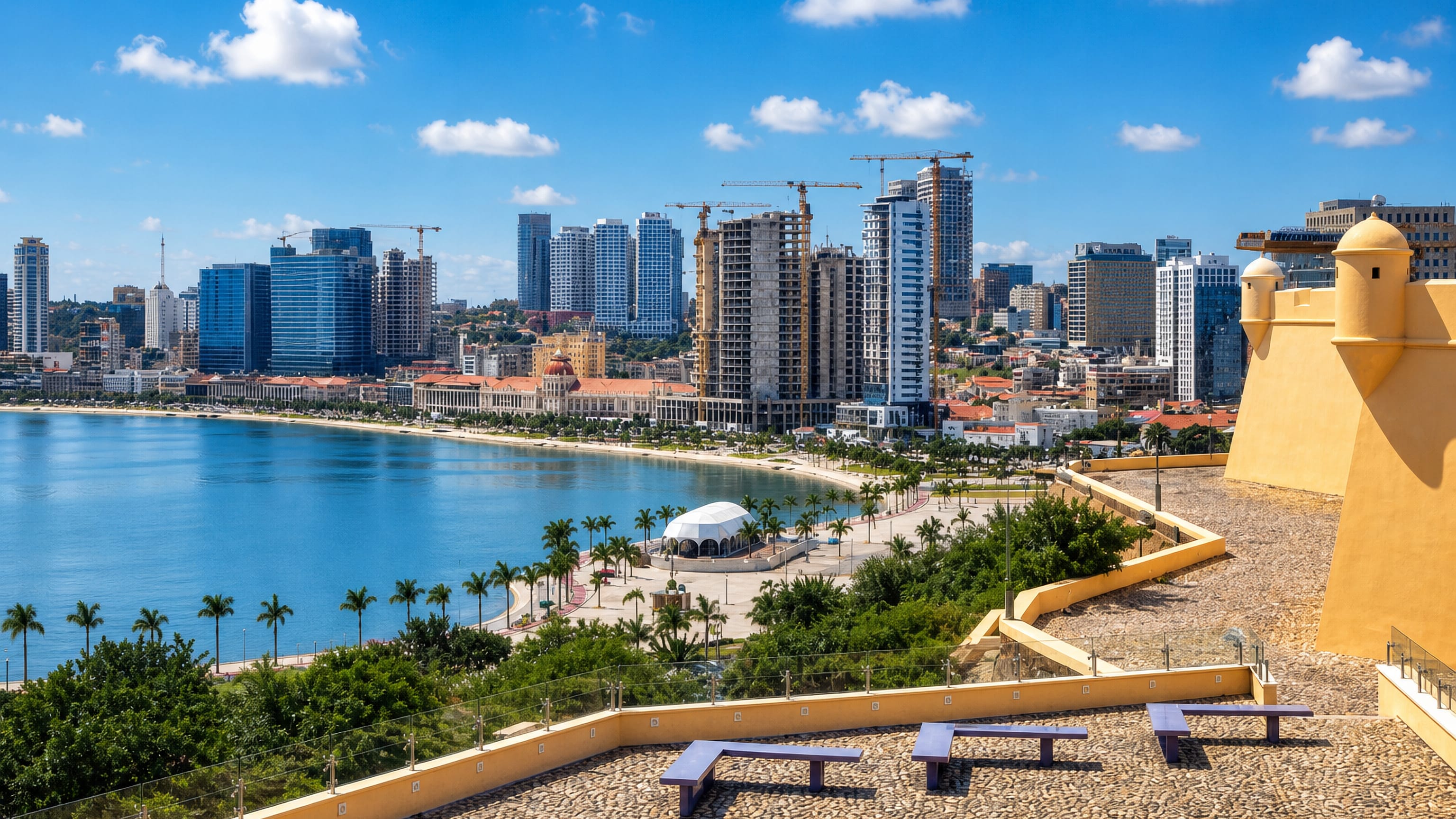
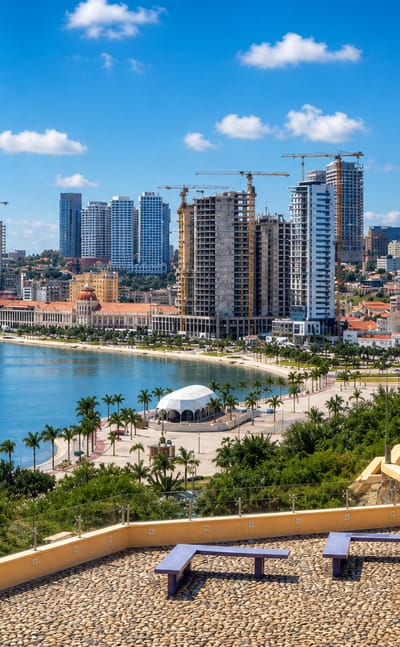
Atlantic surf breaks below the bluffs at Luanda, the capital and chief seaport of Angola on its northern coast, known for the Cathedral of Luanda.
Hotel links are affiliate links: booking through them may earn us a commission, at no extra cost to you. It never affects how places are ranked. How this works


Where to stay in Luanda
One neighbourhood here has its own guide — here's what it is best for.
 LuandaAngola
Futungo de Belas
Futungo de Belas is a commune within Belas Municipality, part of the province of Luanda in Angola.Where to stay →Hotel links are affiliate links: booking through them may earn us a commission, at no extra cost to you. It never affects how places are ranked. How this works
Find hotels in Luanda
Direct booking searches for these neighbourhoods.
Baixa
The old lower town packs the Cathedral of Luanda, the Igreja e Convento de Nossa Senhora do Carmo, and the city's museums within a walkable grid beside the port.Find hotels in BaixaWaterfront stays facing the open AtlanticIlha de Luanda
The long sandbar sheltering the bay puts the Marginal promenade and the open sea within reach.Find hotels in Ilha de LuandaHotel links are affiliate links: booking through them may earn us a commission, at no extra cost to you. It never affects how places are ranked. How this works
Things to do in Luanda
Ranked by global recognition; descriptions from Wikidata (CC0).
Museums & Galleries
3- Museu Nacional de Antropologia Heritage
- Museum of the Armed Forces
- Museu da Moeda
Churches & Religious Sites
3- Igreja e Convento de Nossa Senhora do Carmo Heritage
- Igreja de Nossa Senhora da Nazaré Heritage
- Igreja da Sagrada Família Heritage
Castles & Historic Sites
1- Mausoleum of Agostinho Neto
Stadiums & Sports
3- Pavilhão da Cidadela
- Luanda bullring
- Pavilhão Anexo
worth knowingacross 4 categories in Luanda
About Luanda
What is Luanda known for?
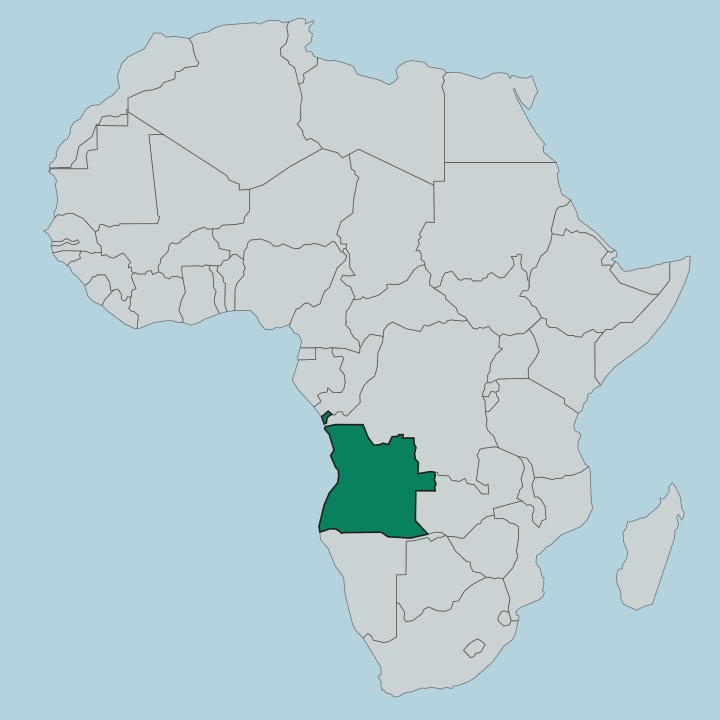
Luanda is best known as the capital and largest city of Angola, and as the country's primary port on the Atlantic coast. It is the administrative centre and the seat of Luanda Province. The city also anchors the most populous Portuguese-speaking capital in the world outside Brazil, a distinction that reflects its long ties to the Lusophone Atlantic.
Its skyline carries the Mausoleum of Agostinho Neto. Older streets hold the Cathedral of Luanda and the Igreja de Nossa Senhora da Nazaré. Trade built it.
What are the main landmarks in Luanda?
Luanda's main landmarks range from colonial-era churches to modern monuments. The Cathedral of Luanda and the Igreja de Nossa Senhora da Nazaré date from the city's early centuries under Portuguese rule, the oldest surviving fabric in the lower town. The Mausoleum of Agostinho Neto, a tall pointed monument to Angola's first president, rises over the newer city.
Museums cluster nearby: the Museu Nacional de História Natural de Angola, the Museu Nacional de Antropologia, and the Museum of the Armed Forces. The Igreja da Sagrada Família and the Luanda bullring add to the built heritage. Faith and memory anchor them.
What is the history of Luanda?
Luanda was founded in 1575 as a Portuguese settlement on the Atlantic coast of what is now Angola. It grew as a port. For much of the following centuries it served as a hub of Atlantic trade, and its lower town, the Baixa, filled with churches, forts, and merchant houses that still stand.
The Cathedral of Luanda and the Igreja de Nossa Senhora da Nazaré survive from this long colonial era, marking the oldest layer of the city. Across the twentieth century Luanda became the political and administrative centre of Angola, and it remained the capital when the country gained independence. The Mausoleum of Agostinho Neto, raised to honour Angola's first president, dates from this later chapter.
Decades of conflict that ended in 2002 marked the closing of a long period of upheaval. Through all of it the city kept its role as Angola's chief seaport and the seat of Luanda Province, and the port has stayed the constant thread across four and a half centuries.
Where is Luanda?
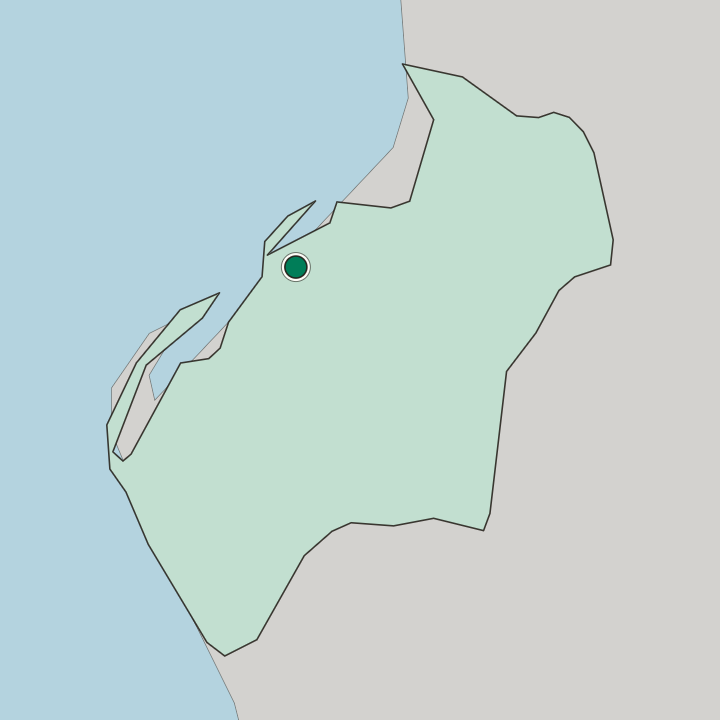
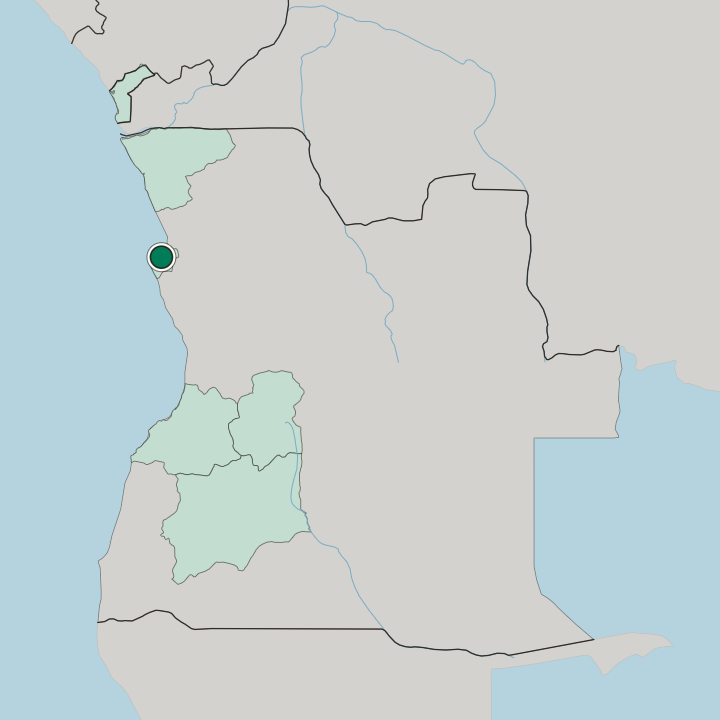
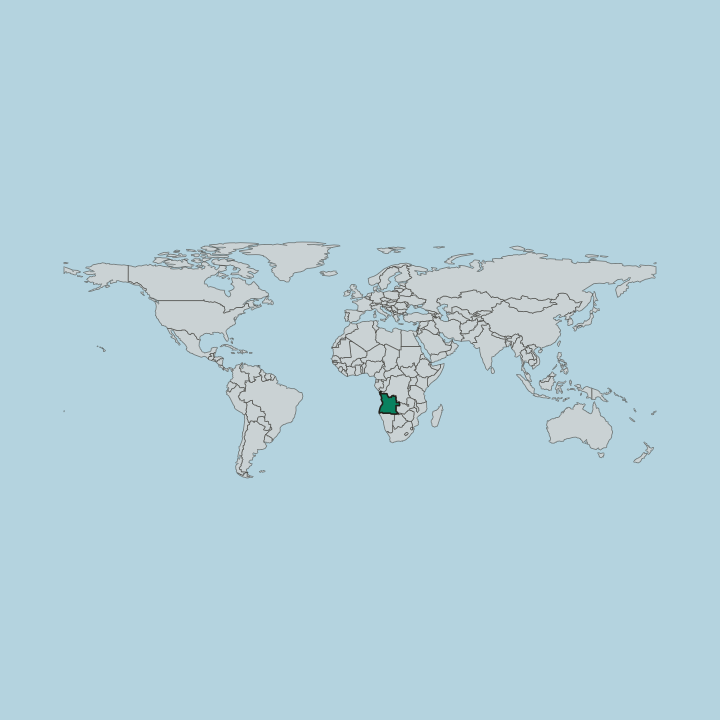
Luanda sits on Angola's northern Atlantic coast, where the mainland meets a sheltered bay. A long sandbar, the Ilha de Luanda, screens the harbour from the open ocean and gives the city its natural port. The land rises from the waterfront Baixa to higher ground inland, so the older town lies low near the water while newer districts climb the slopes above.
It is tropical and coastal. The bay defines the whole plan of the city, and the Atlantic sets its western edge.
What is the climate of Luanda?
Luanda has a tropical coastal climate, warm through the year and shaped by the Atlantic. A long dry season runs across the cooler months, when the cold Benguela influence tempers the coast, and a shorter wetter season brings the heavier rains. Humidity stays high near the bay.
The ocean keeps the swings gentle, so the city rarely turns cold. Seasons here are marked more by rain and cloud than by any sharp shift in heat.
How do you get to Luanda?
Luanda is Angola's chief seaport and its main point of entry. The city's port on the Atlantic handles the bulk of the country's shipping, and it has long been the hub from which road and rail lines run inland to the rest of Angola. Air travellers arrive through the airport that serves the capital, the country's busiest.
From the coast, highways lead out toward the interior and the neighbouring provinces. The sea route is the oldest of them all.
Common questions
What is the best area to stay in Luanda?
Baixa: First visits anchored to the Cathedral of Luanda and the colonial-era core. Ilha de Luanda: Waterfront stays facing the open Atlantic.
Good for
Updated September 2026