Australia · State of Queensland
Where to Stay in Cairns, State of Queensland
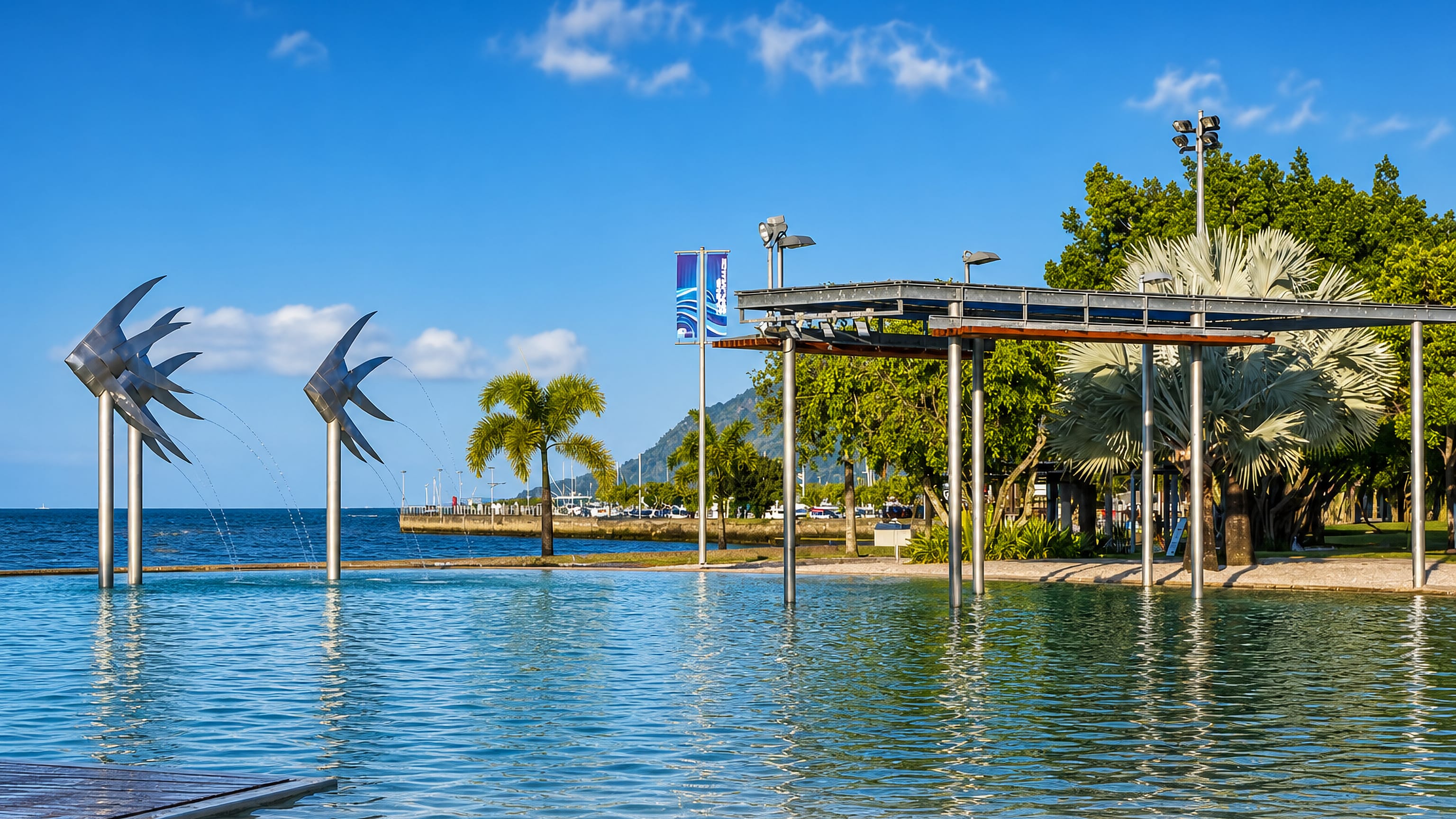
Warm tropical air settles over Cairns, a city on the northeast coast of Far North Queensland, Australia, known for St Monica's War Memorial Cathedral.
Hotel links are affiliate links: booking through them may earn us a commission, at no extra cost to you. It never affects how places are ranked. How this works


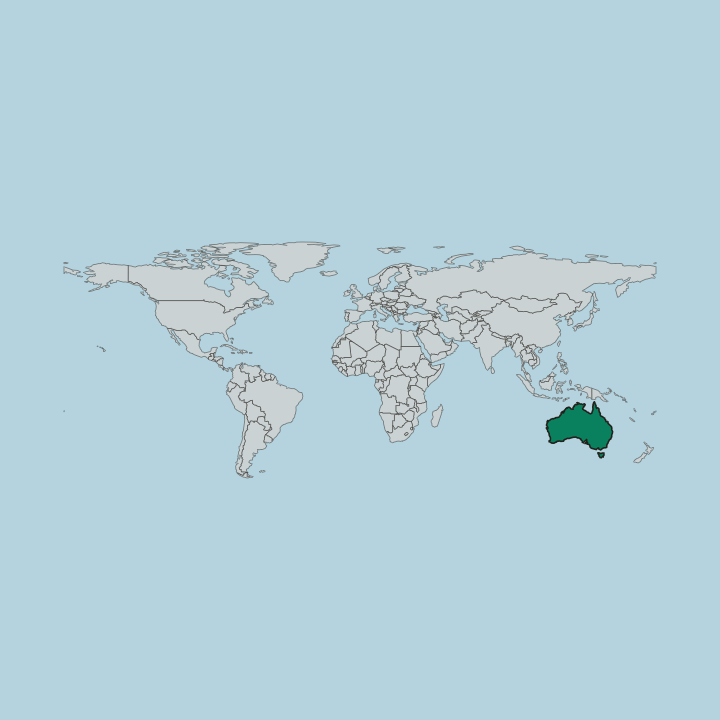
Where to stay in Cairns
Where you base yourself shapes the visit — here's the character of each area.

 CairnsAustralia
Manunda
A suburb of Cairns and nothing more formal than that, Manunda belongs to the Cairns Region in Queensland, Australia.Where to stay → CairnsAustralia
Manoora
Manoora is a suburb of Cairns in Queensland, an entry carrying its name and its place in the Cairns Region and little else.Where to stay → CairnsAustralia
Woree
Woree is a suburb of Cairns, one of the residential pockets that make up the Cairns Region in Queensland.Where to stay → CairnsAustralia
Mooroobool
Cairns runs west into Mooroobool, a residential suburb inside the Cairns Region of Queensland, Australia.Where to stay → CairnsAustralia
Brinsmead
Brinsmead dates from 1975, a northern suburb of Cairns within the Cairns Region of Far North Queensland.Where to stay → CairnsAustralia
Bentley Park
About 9 km south of the Cairns CBD, Bentley Park is a residential suburb of the Cairns Region in Queensland.Where to stay → CairnsAustralia
Edmonton
Edmonton carries two labels at once, town and suburb, inside the Cairns Region of Queensland, Australia.Where to stay → CairnsAustralia
Trinity Beach
Trinity Beach is a coastal suburb of Cairns in the Cairns Region of Queensland, Australia, with the water at the end of its streets.Where to stay → CairnsAustralia
Kewarra Beach
Kewarra Beach is a coastal suburb of Cairns, one of the shoreline addresses of the Cairns Region in Queensland, Australia.Where to stay → CairnsAustralia
Gordonvale
Gordonvale is a rural sugar-growing town on the southern side of Cairns, a locality of the Cairns Region in Queensland, Australia.Where to stay →Hotel links are affiliate links: booking through them may earn us a commission, at no extra cost to you. It never affects how places are ranked. How this works
Find hotels in Cairns
Direct booking searches for these neighbourhoods.
Heritage core
The blocks around St Monica's War Memorial Cathedral gather the older St Monica's Old Cathedral and the early Central Hotel within a few walkable streets.Find hotels in Heritage coreGuests who want the Cairns Aquarium and the tropical northeast coast at the doorWaterfront edge
Streets near the Cairns Aquarium sit on the shore edge of the tropical northeast coast of Far North Queensland.Find hotels in Waterfront edgeHotel links are affiliate links: booking through them may earn us a commission, at no extra cost to you. It never affects how places are ranked. How this works
About Cairns
What is Cairns known for?
Cairns anchors the tropical northeast coast of Far North Queensland, its centre marked by St Monica's War Memorial Cathedral and its waterfront by the Cairns Aquarium. The climate stays warm. Within the Cairns Region of Queensland, the city pairs the older St Monica's Old Cathedral with the wildlife enclosures of the Cairns Zoom and Wildlife Dome, a compact cluster of landmarks that together give the whole centre its distinct character.
What are the main landmarks in Cairns?
Cairns concentrates its landmarks across the compact centre of Far North Queensland. St Monica's War Memorial Cathedral rises over the streets. Close by stands the older St Monica's Old Cathedral, while the heritage-listed Central Hotel keeps its early frontage.
The Cairns Aquarium draws visitors to the waterfront, the Cairns Zoom and Wildlife Dome raises walkways above the city, and the (-)Glass House adds a further marker to the built fabric of the Cairns Region.
What is the history of Cairns?
Cairns was founded in 1876 on the northeast coast of Far North Queensland, Australia. The town grew slowly at first. Through the decades after that founding, a civic fabric took shape along the streets of the settlement, and long-standing buildings still mark the pattern of that early growth within the Cairns Region.
St Monica's Old Cathedral rose to serve the growing Catholic community of the young town, and the Central Hotel, later heritage-listed, dates from those early commercial streets of Queensland. St Monica's War Memorial Cathedral followed as a later landmark, its dedication tying Cairns to the memory of wartime service. The 1876 origin still frames the layout of the city.
Far North Queensland kept Cairns tied to its coastal setting as the centre spread outward from those first blocks.
Where is Cairns?
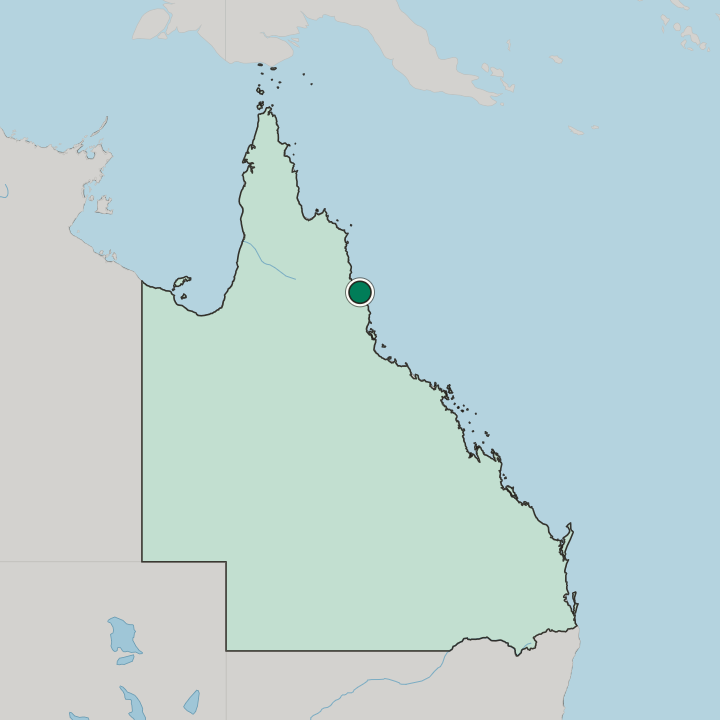
Cairns sits on the tropical northeast coast of Far North Queensland, where the land meets the sea. The city faces the water. Its built-up centre spreads inland from the shore across the coastal ground of the Cairns Region, and the warm, humid air marks the setting through the year.
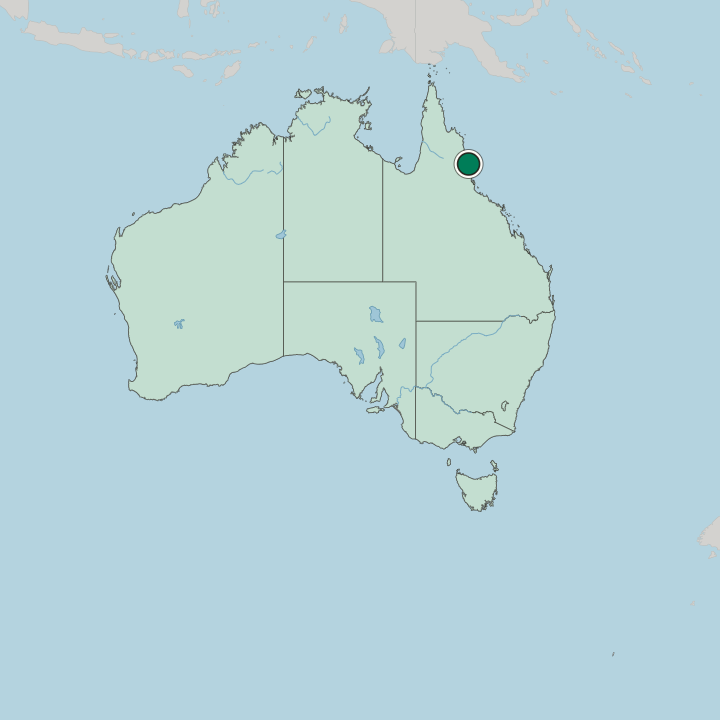
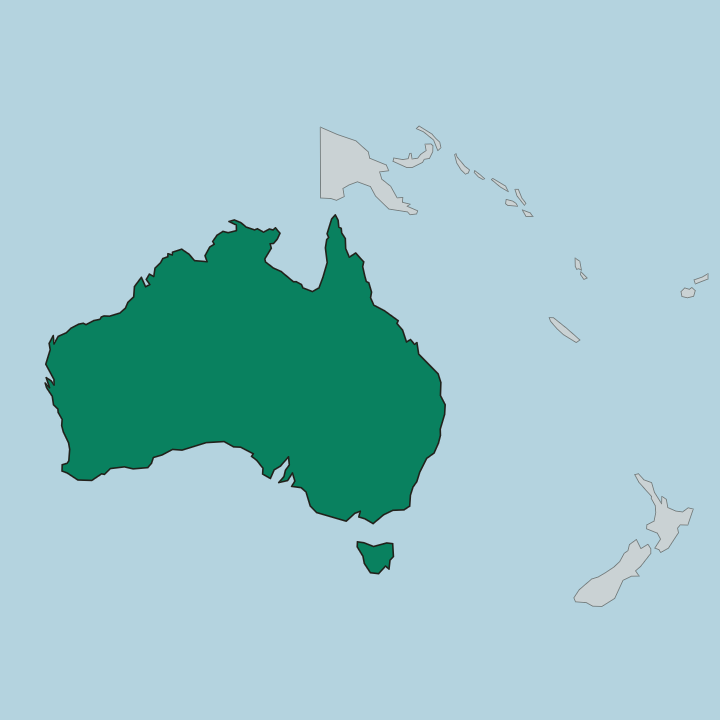
This coastal position places Cairns firmly within the tropical belt of Australia, in the Southern Hemisphere.
What is the climate of Cairns?
Cairns has a tropical climate, warm and humid through the year on the northeast coast of Far North Queensland. Summers are wet. Heavy seasonal rain and high humidity mark the warmer months, while the cooler stretch stays drier and mild across the Cairns Region.
The Southern Hemisphere calendar sets the wettest season over the summer, when the coast of Queensland draws its heaviest rainfall from the warm tropical air.
How do you get to Cairns?
Cairns lies on the northeast coast of Far North Queensland, reached by road and air within Australia. The compact centre keeps its landmarks close. Roads run north and south along the coast of Queensland to reach the city grid, and the central streets around St Monica's War Memorial Cathedral and the Cairns Aquarium sit within easy walking distance of one another once you arrive in the Cairns Region.
Common questions
What is the best area to stay in Cairns?
Heritage core: First visits centred on St Monica's War Memorial Cathedral and the Central Hotel frontage. Waterfront edge: Guests who want the Cairns Aquarium and the tropical northeast coast at the door.
Good for
More cities in State of Queensland
Updated September 2026