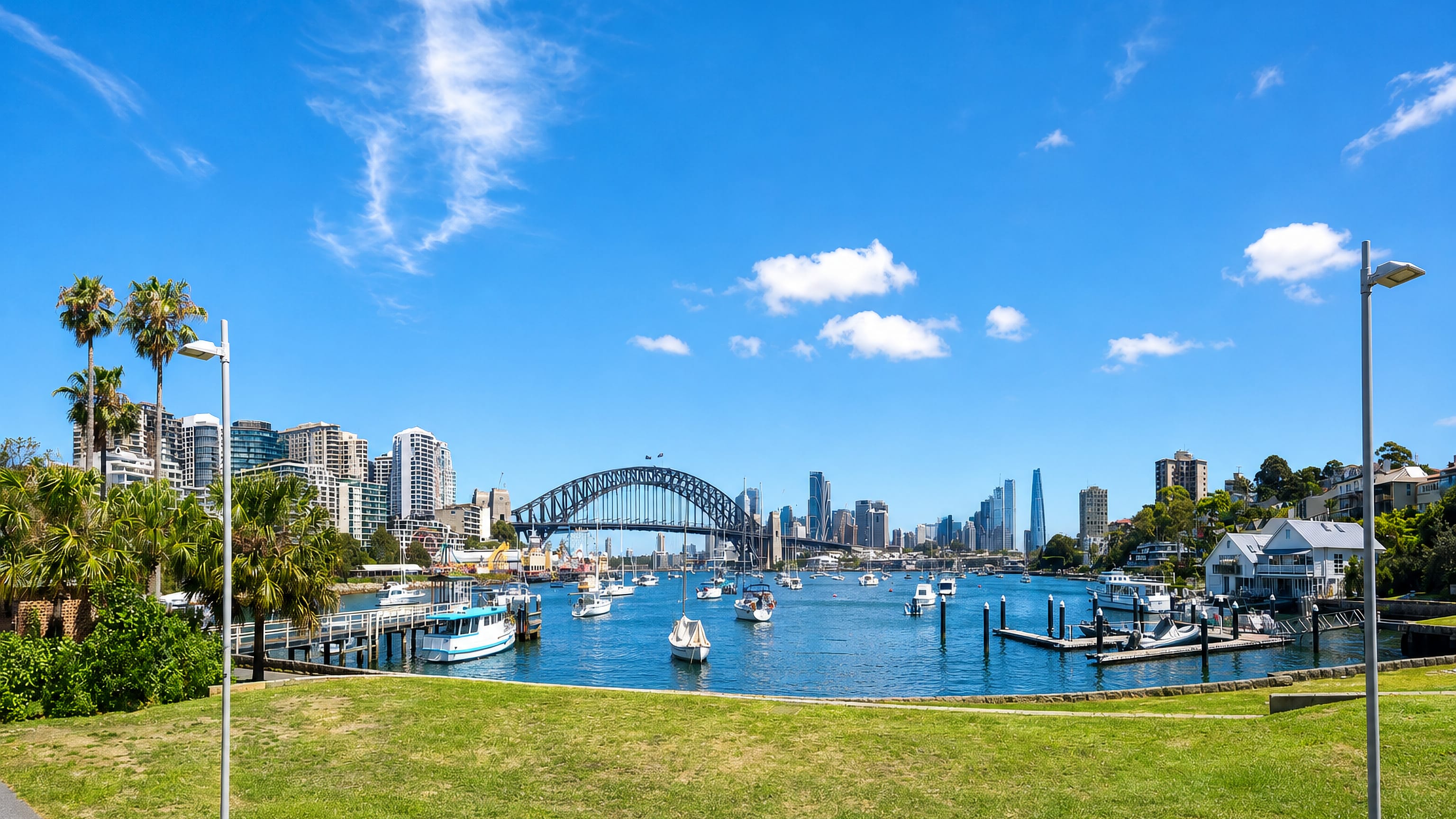
Australia: Regions, Cities & Travel Guide
Australia is an island continent ringed by ocean and cut by desert Outback, a country known for Sydney, Tasmania and the wide bush.
Hotel links are affiliate links: booking through them may earn us a commission, at no extra cost to you. It never affects how places are ranked. How this works


Top destinations in Australia
Cities to start from, then drill into areas and hotels.
 Australia
Sydney
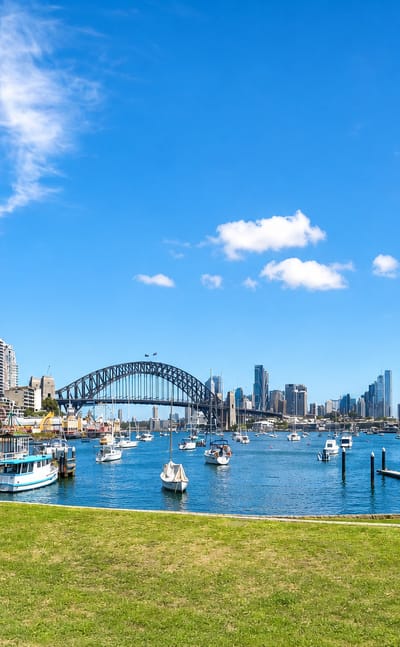
Deep water fills Sydney Harbour below the sandstone shore of Sydney, capital of New South Wales, known for the Sydney Opera House.Where to stay →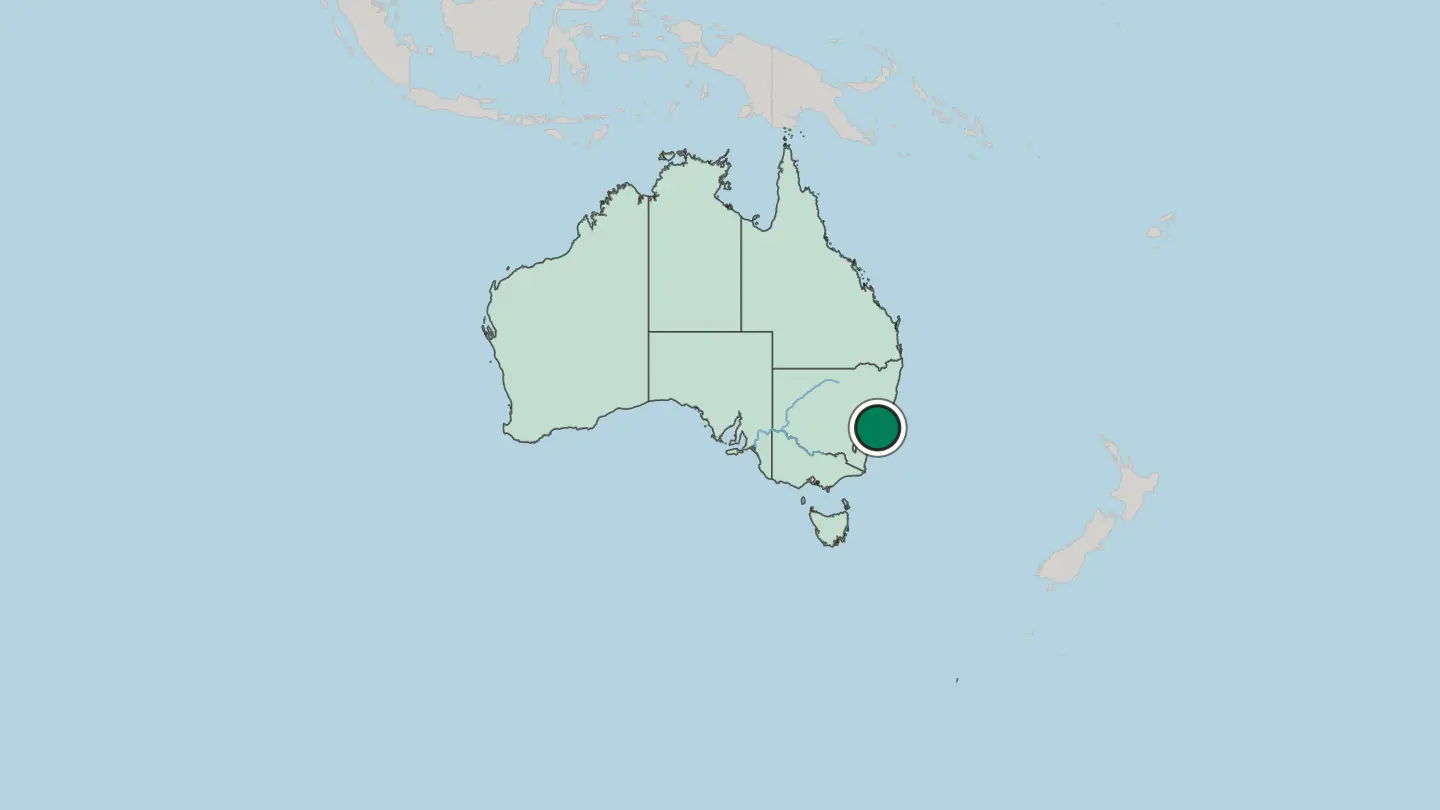
 Australia
Melbourne
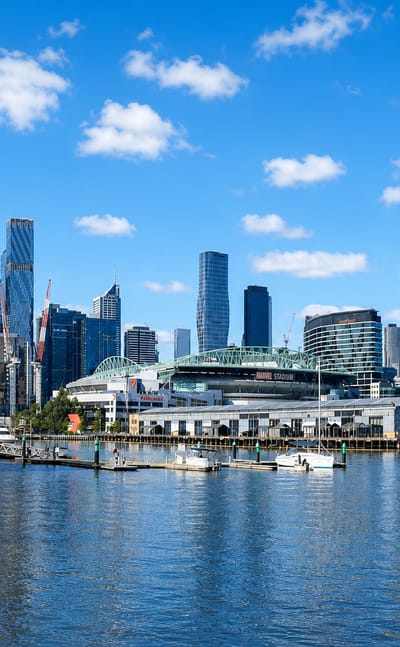
Melbourne stands at the head of Port Phillip Bay, the capital of Victoria and Australia's second-largest city, known for its Victorian-era streets.Where to stay →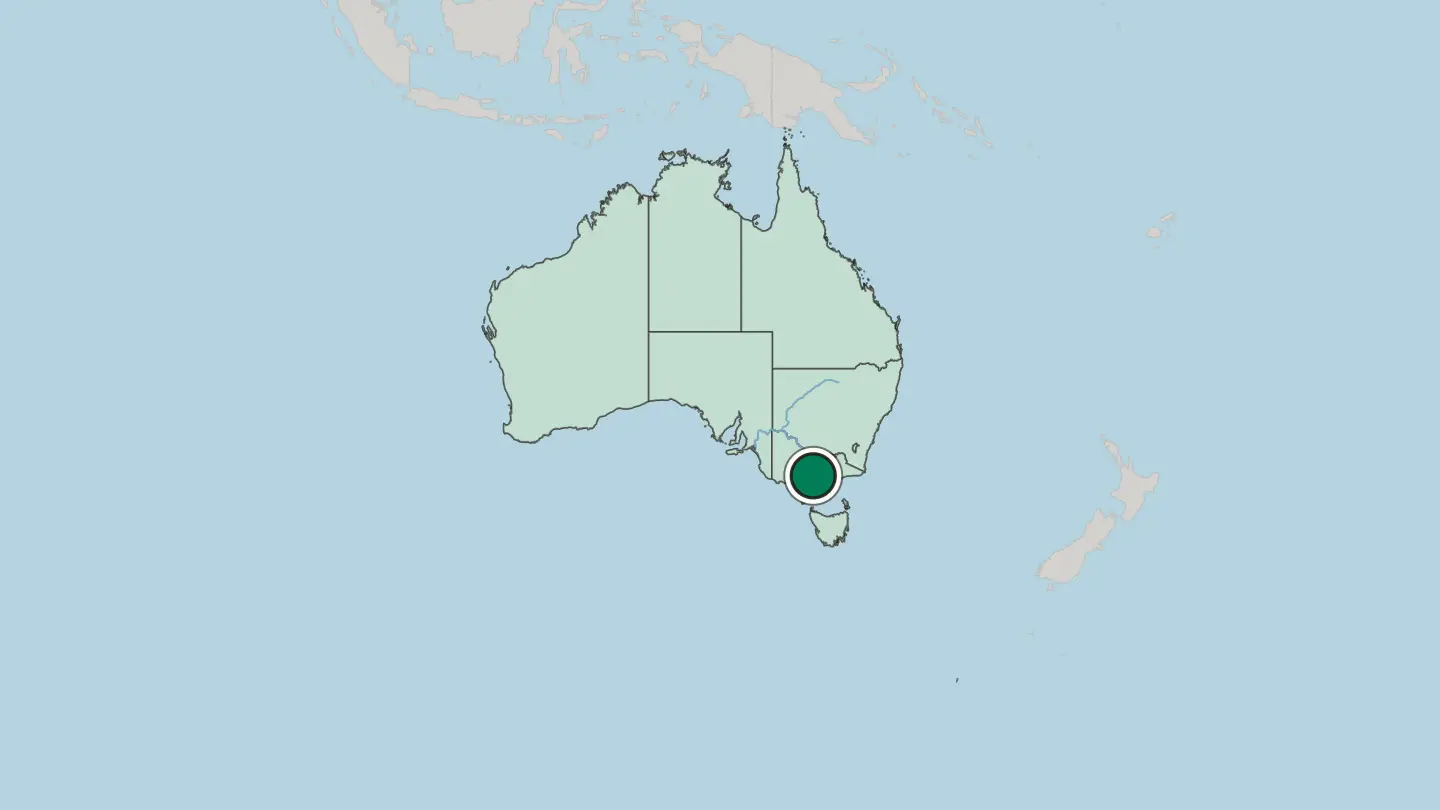
 Australia
Canberra
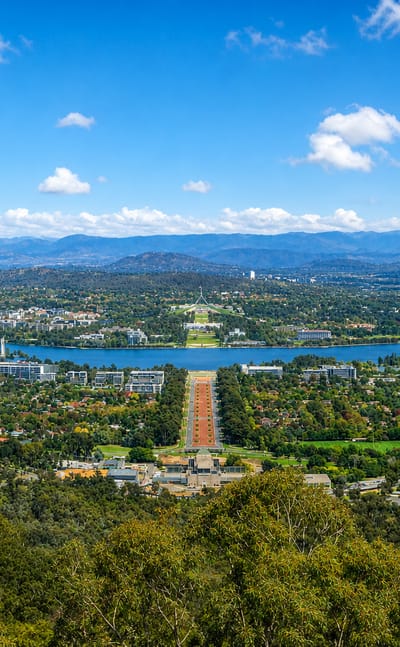
Canberra stands on the inland plain below the Brindabellas, the capital of Australia in the Australian Capital Territory, known for Parliament House.Where to stay →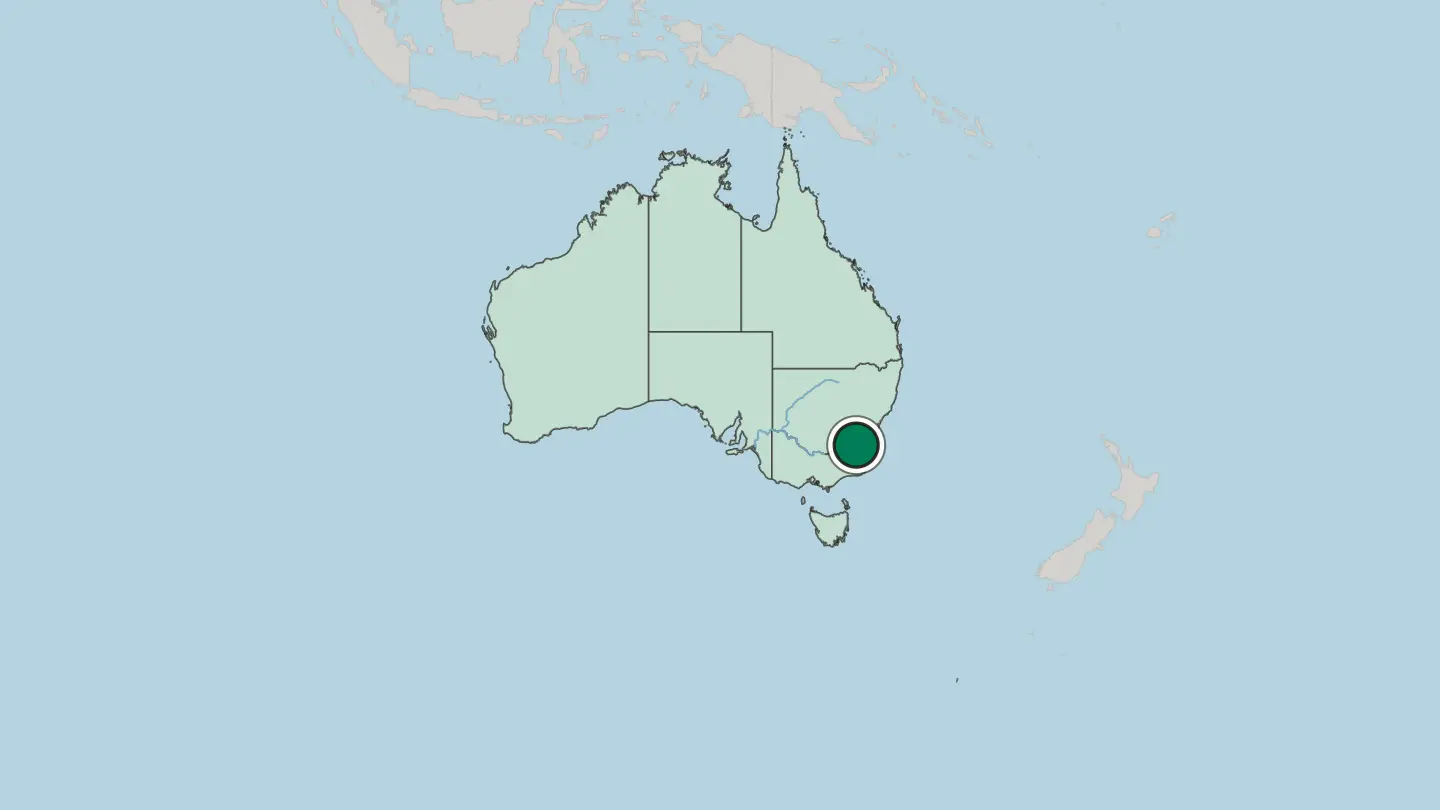
 Australia
Brisbane
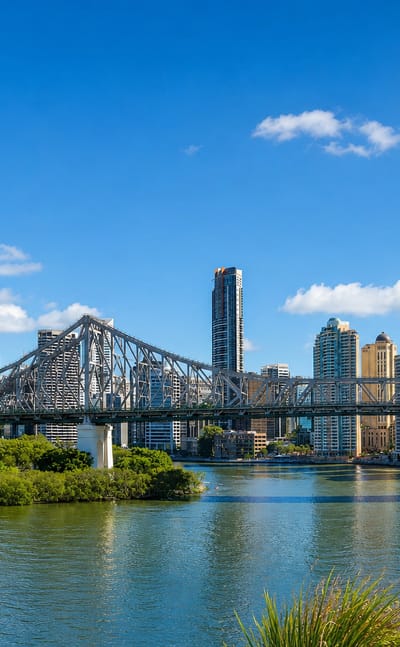
Brisbane winds along the Brisbane River near Moreton Bay, the capital and largest city of Queensland, known for its subtropical river-city setting.Where to stay →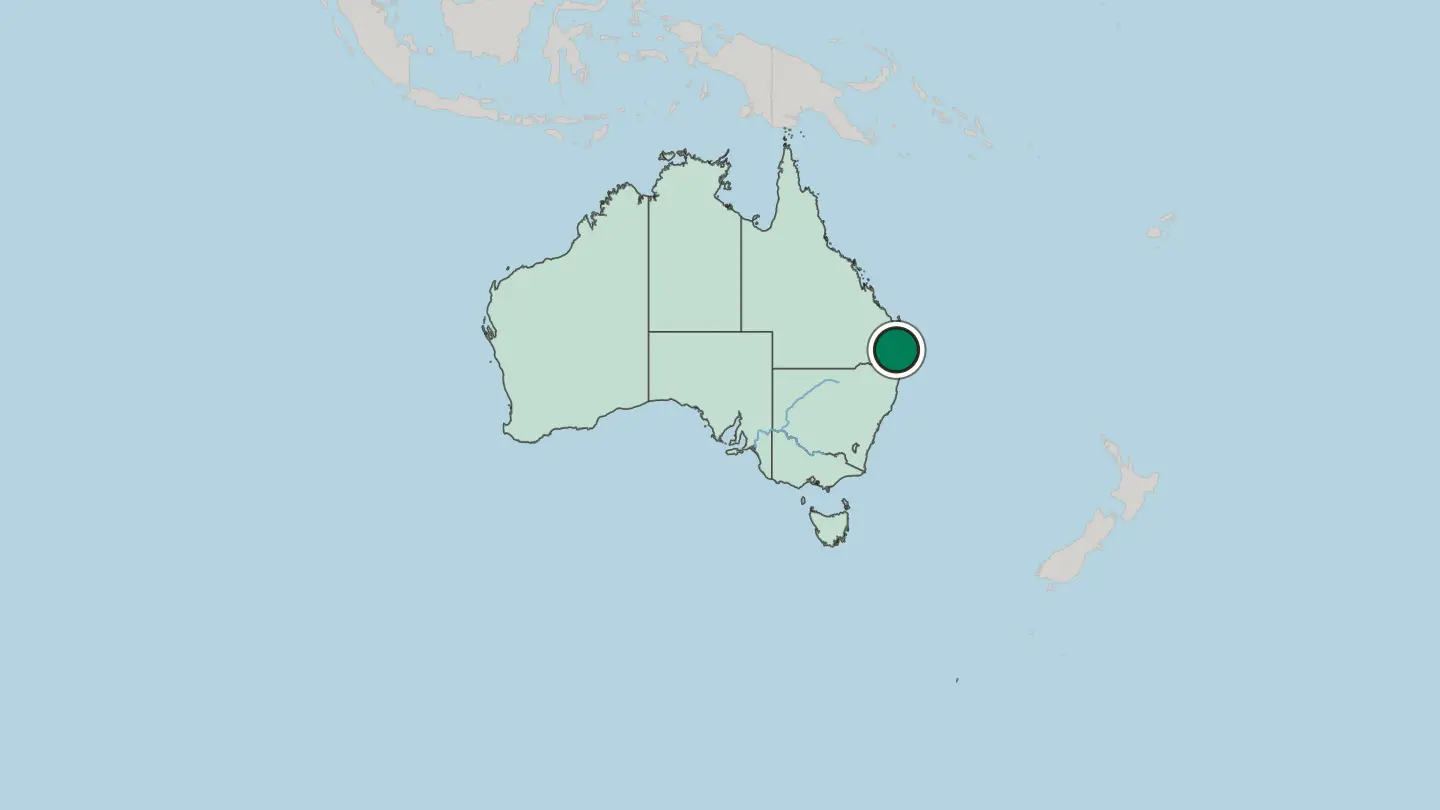
 Australia
Perth
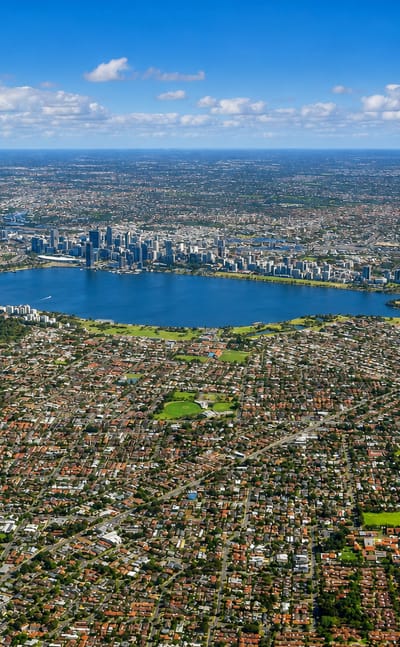
Wide water bends through Perth where the Swan River crosses the coastal plain, capital of Western Australia, known for the port of Fremantle.Where to stay →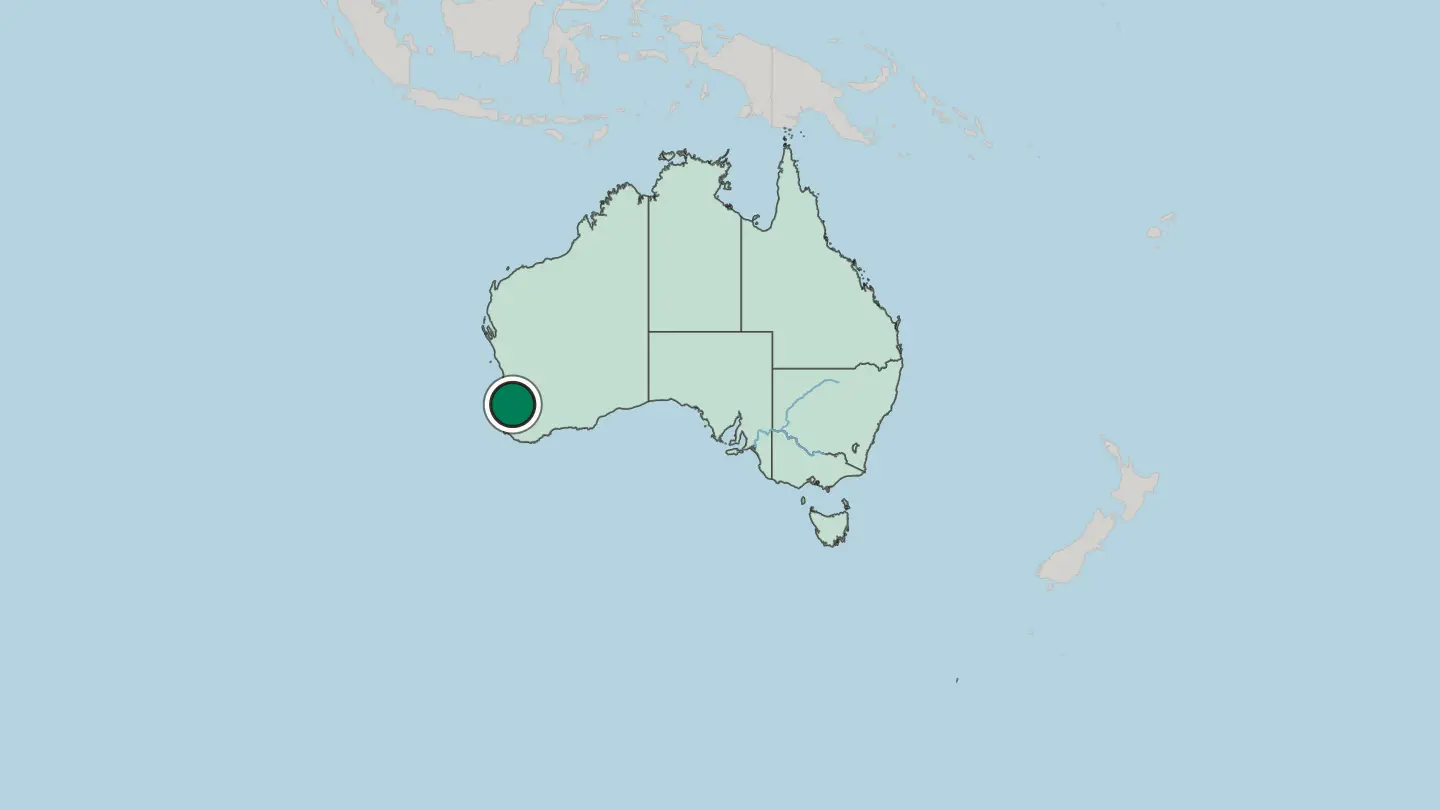
 Australia
Adelaide
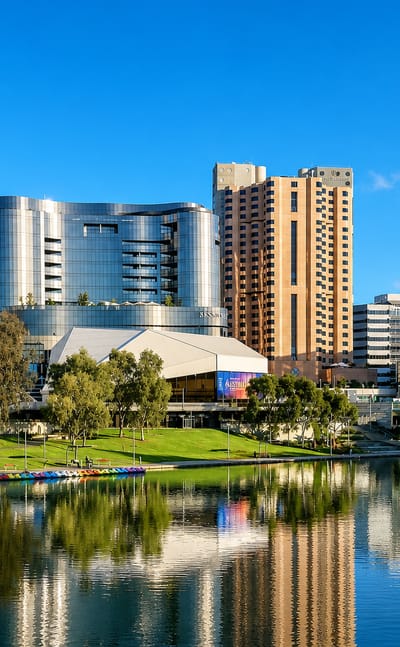
Adelaide sits on its plain below the Mount Lofty Ranges, capital of South Australia, known for its Park Lands and the Art Gallery of South Australia.Where to stay →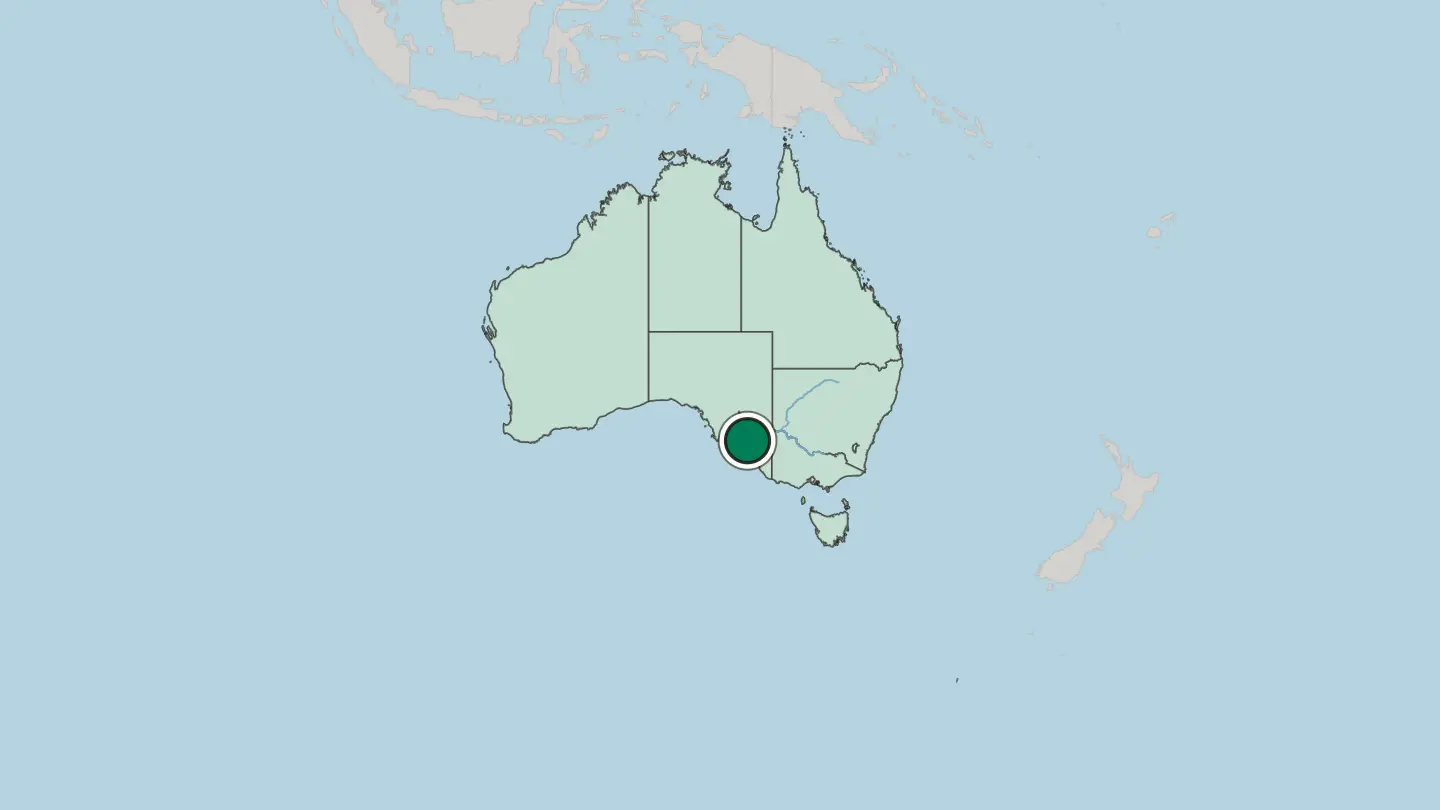
 Australia
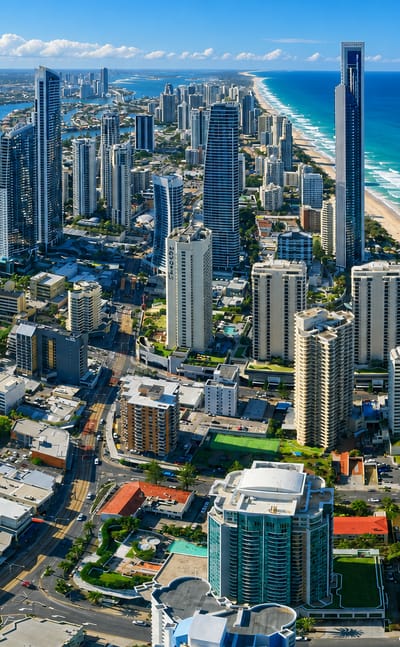
Gold Coast
Long surf beaches run the length of the Gold Coast, a coastal city in Queensland south of Brisbane, known for Surfers Paradise and its theme parks.Where to stay →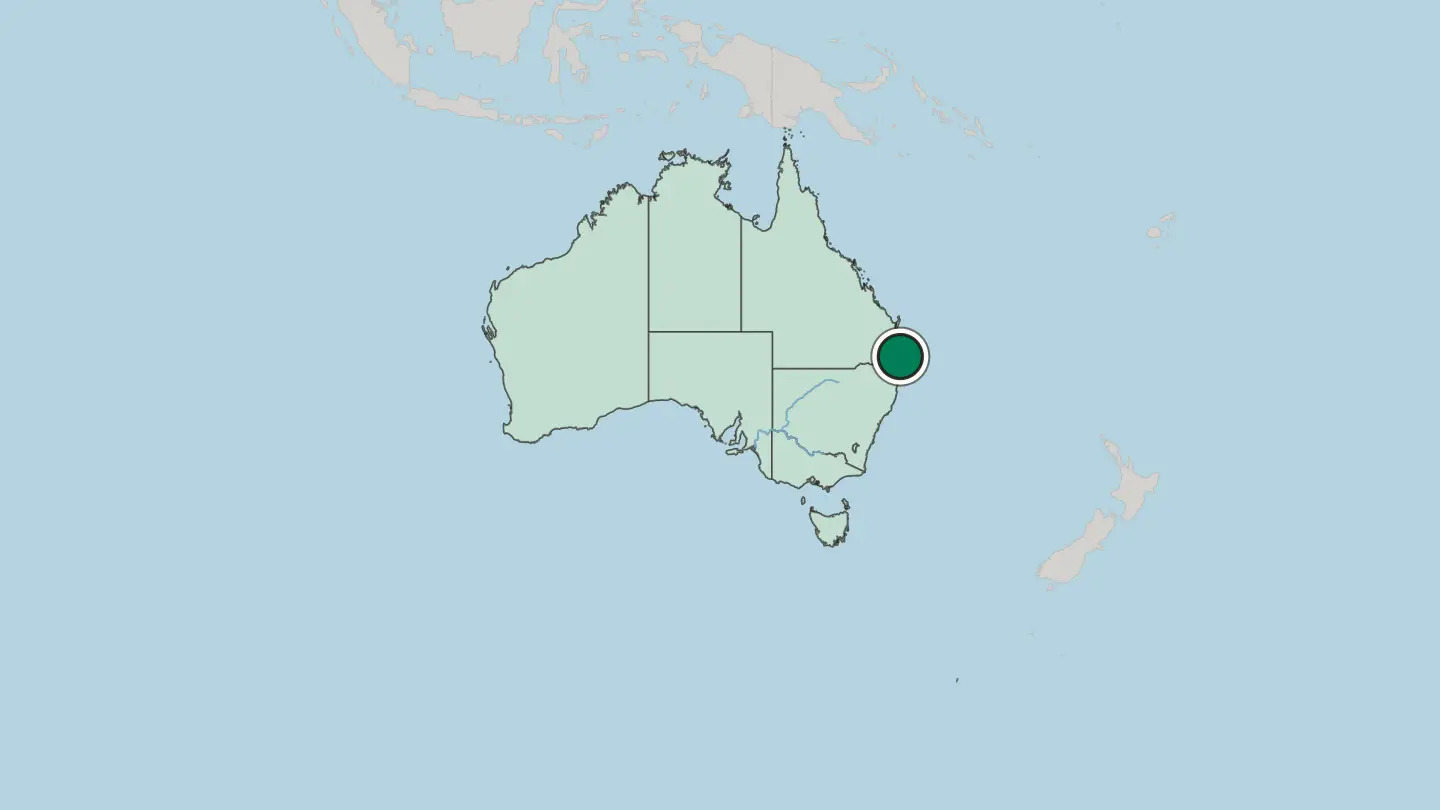
 Australia
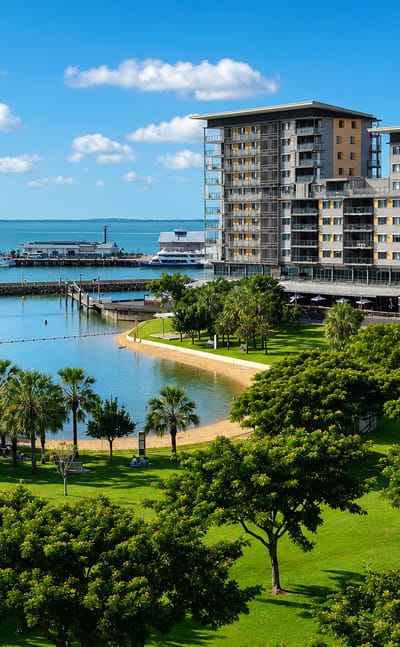
Darwin
Warm air drifts off the Timor Sea into Darwin, the tropical capital of the Northern Territory, Australia, known for St Mary's Star of the Sea Cathedral.Where to stay →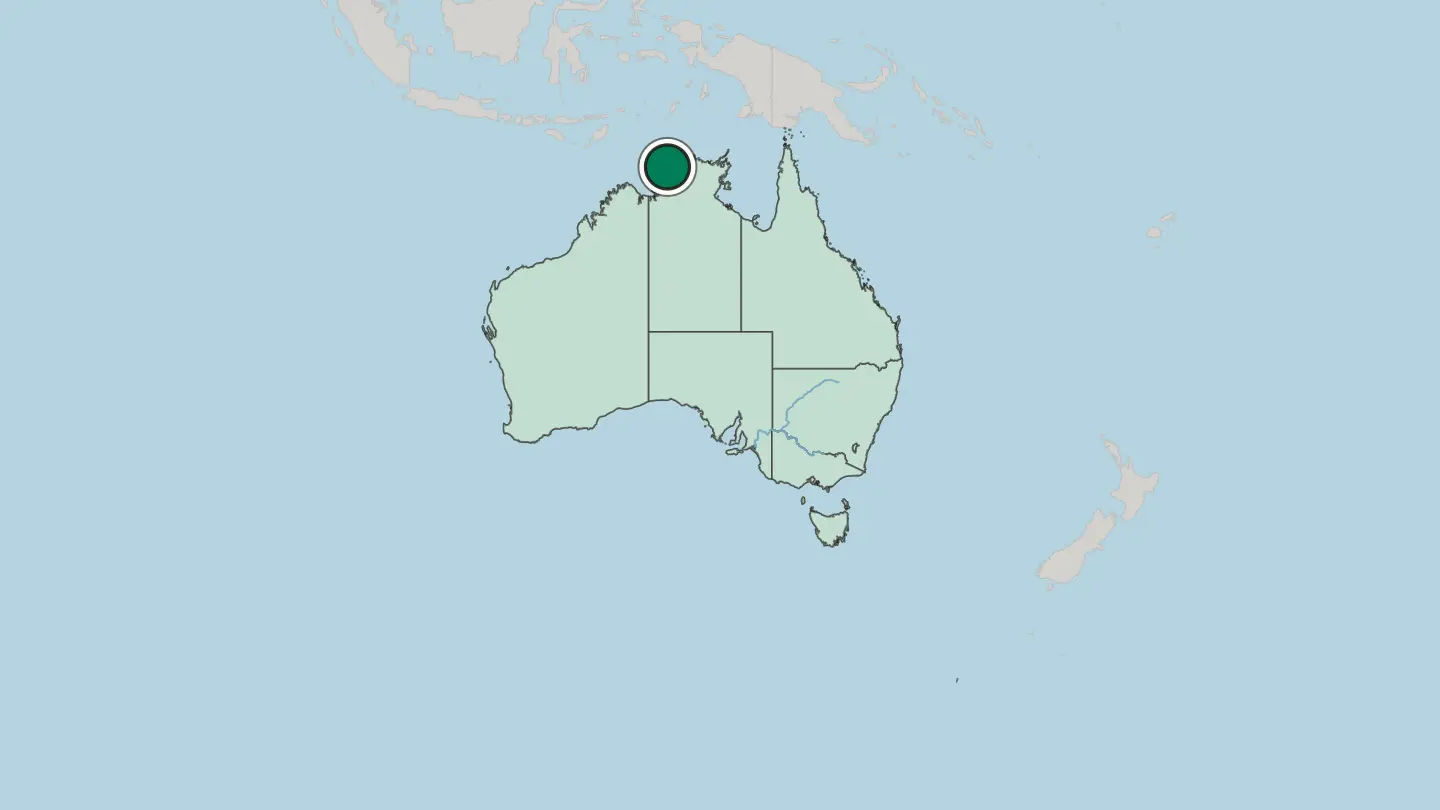
 Australia
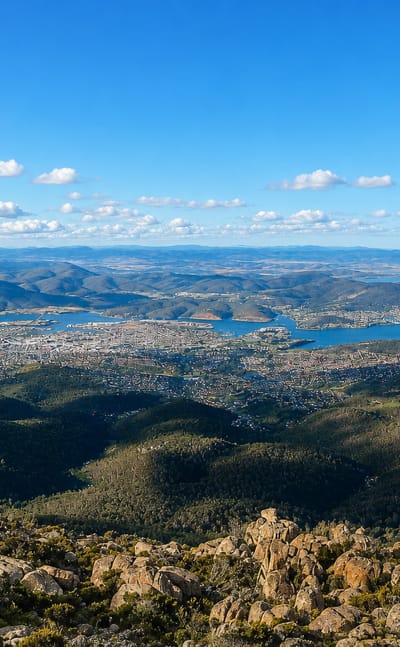
Hobart
Cool water moves down the River Derwent through Hobart, the capital of Tasmania, Australia, known for Salamanca Place beneath kunanyi / Mount Wellington.Where to stay →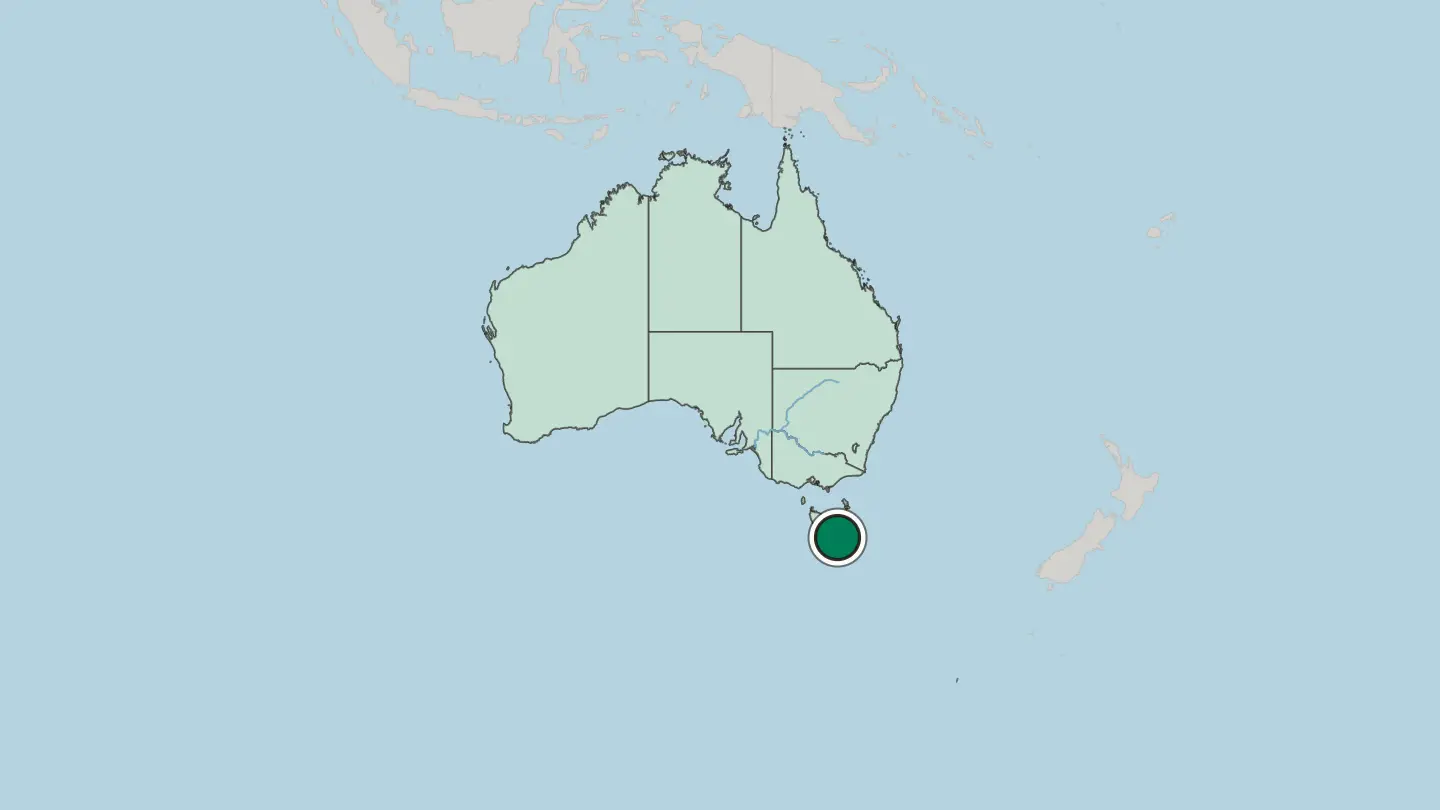
Hotel links are affiliate links: booking through them may earn us a commission, at no extra cost to you. It never affects how places are ranked. How this works
Regions of Australia
Australia
Australian Capital Territory
The Australian Capital Territory is Australia's federal enclave, a planned capital and its bushland carved from New South Wales.Towns & cities →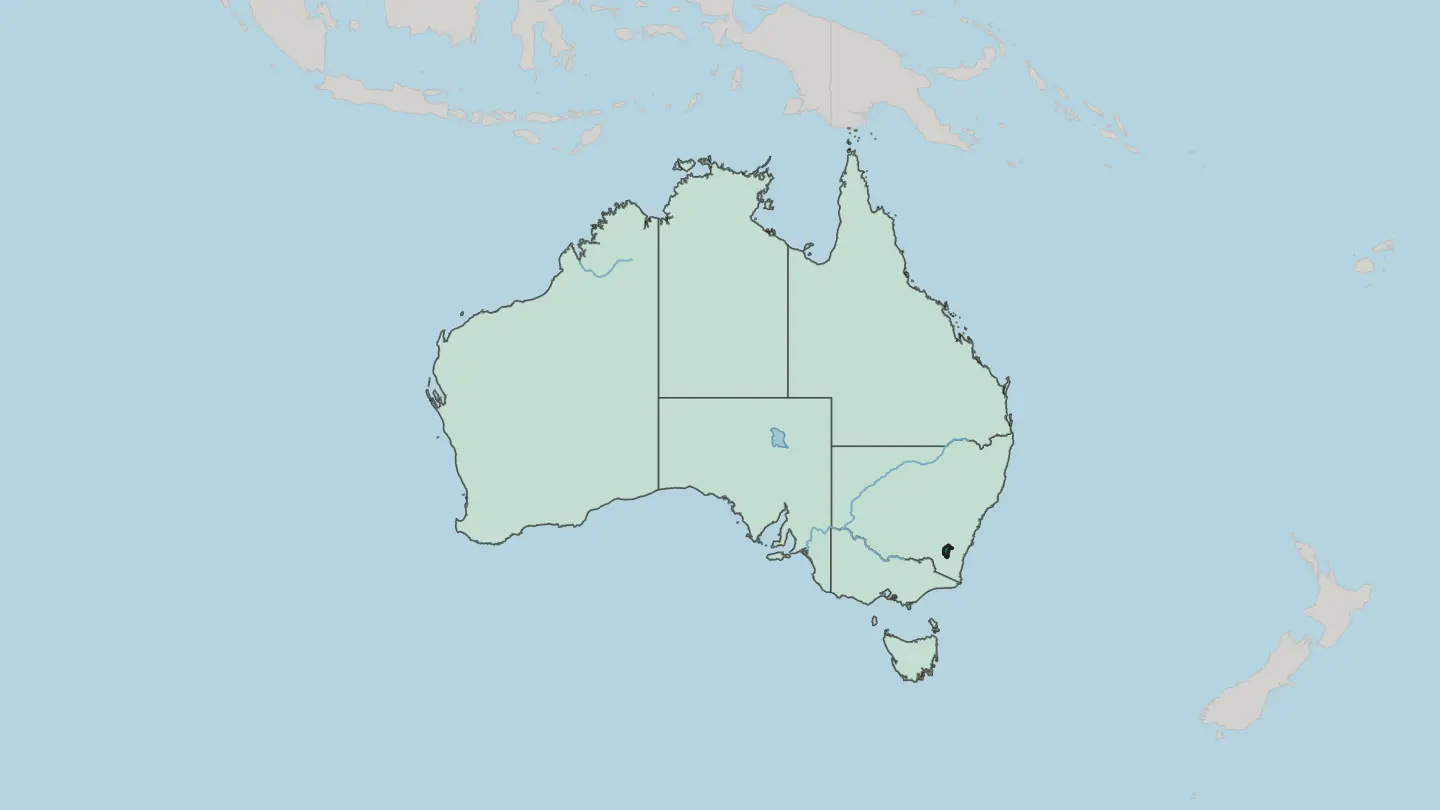 Australia
Northern Territory
The Northern Territory splits Australia's dry heart from its tropical top, holding Uluru, Kakadu and the desert town of Alice Springs.Towns & cities →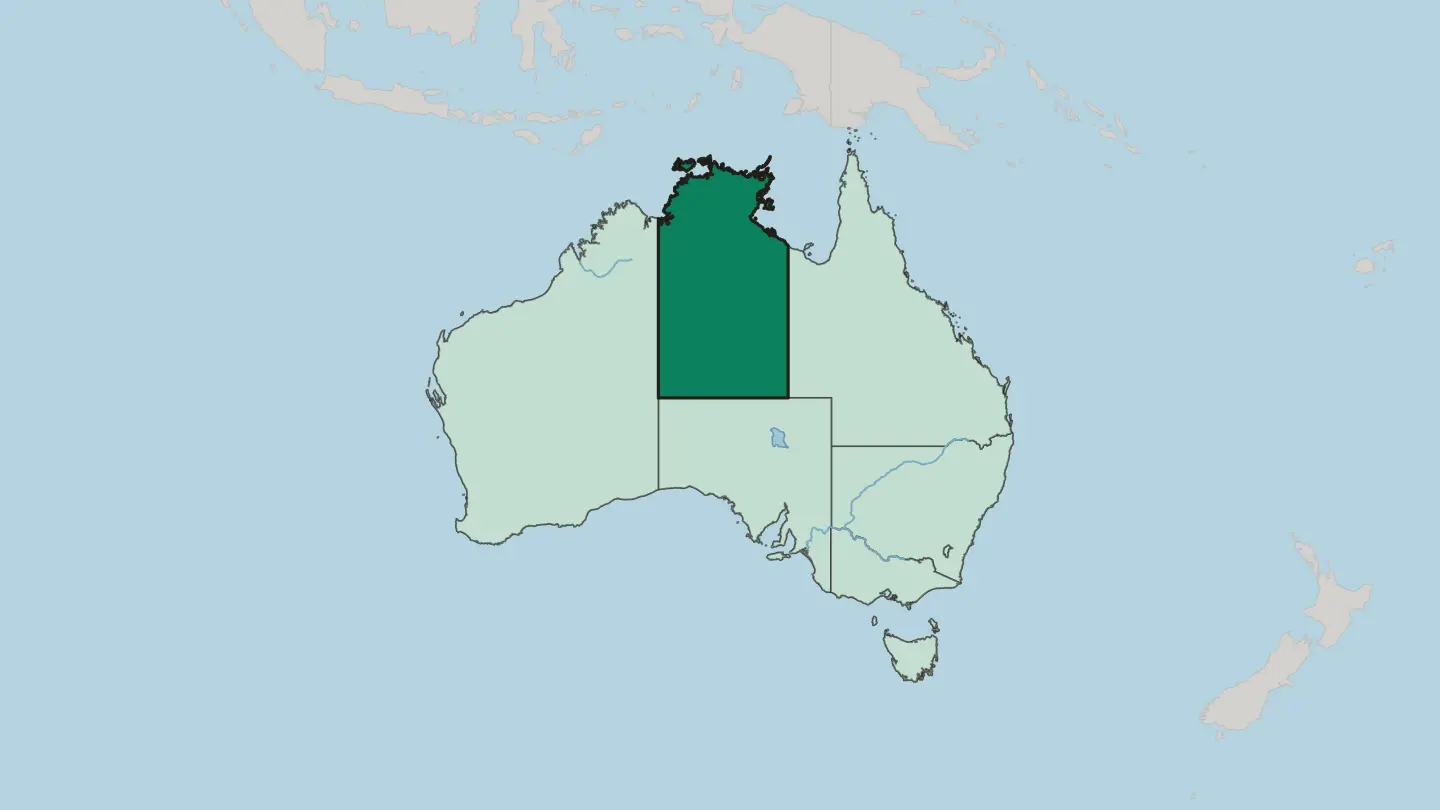 Australia
State of New South Wales
New South Wales is a state on the east coast of Australia, its coast on the Coral Sea and the Tasman Sea, with Sydney as its capital.Towns & cities →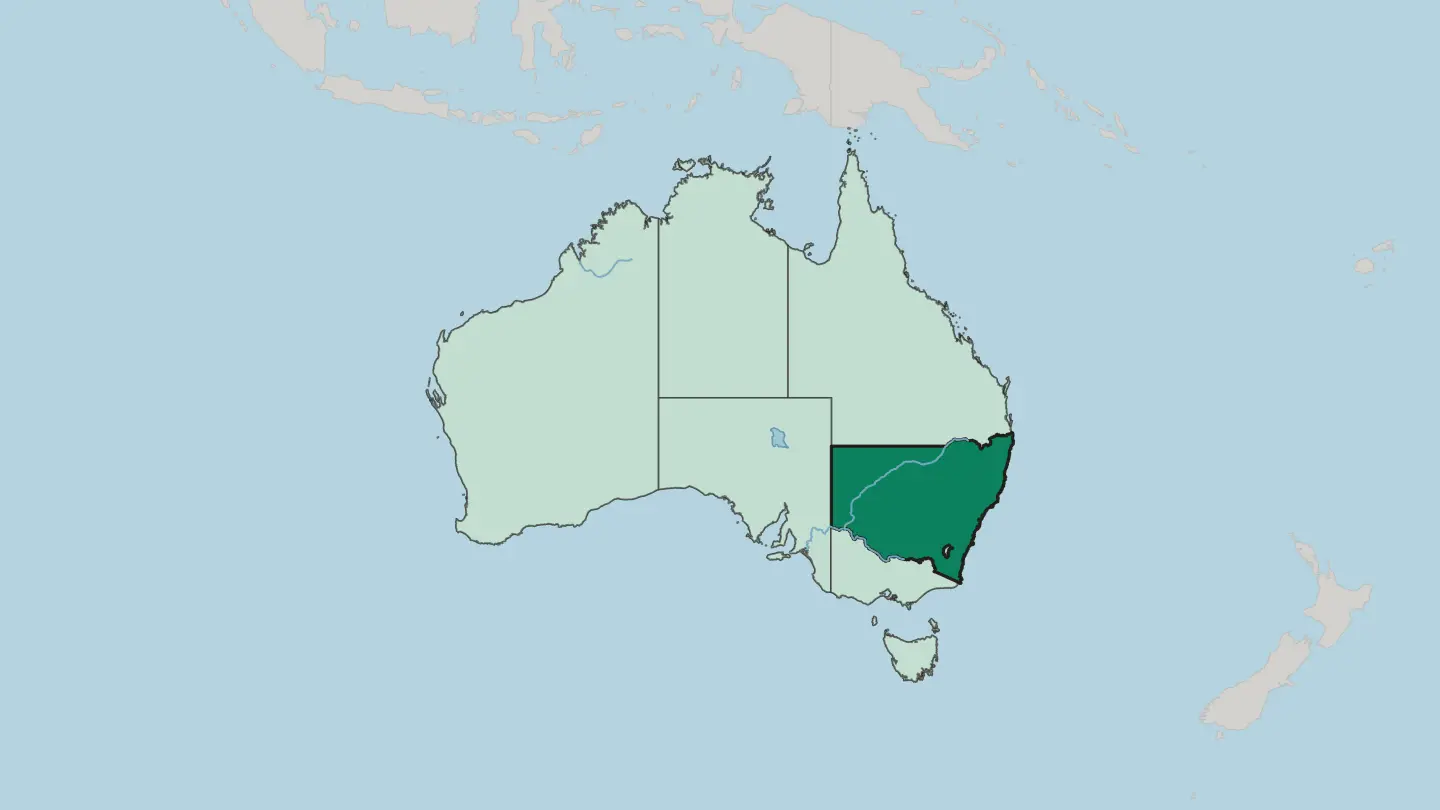 Australia
State of Queensland
Queensland is a state in Australia's north-east, facing the Coral Sea and the Pacific Ocean, with Brisbane as its capital and coral reefs offshore.Towns & cities →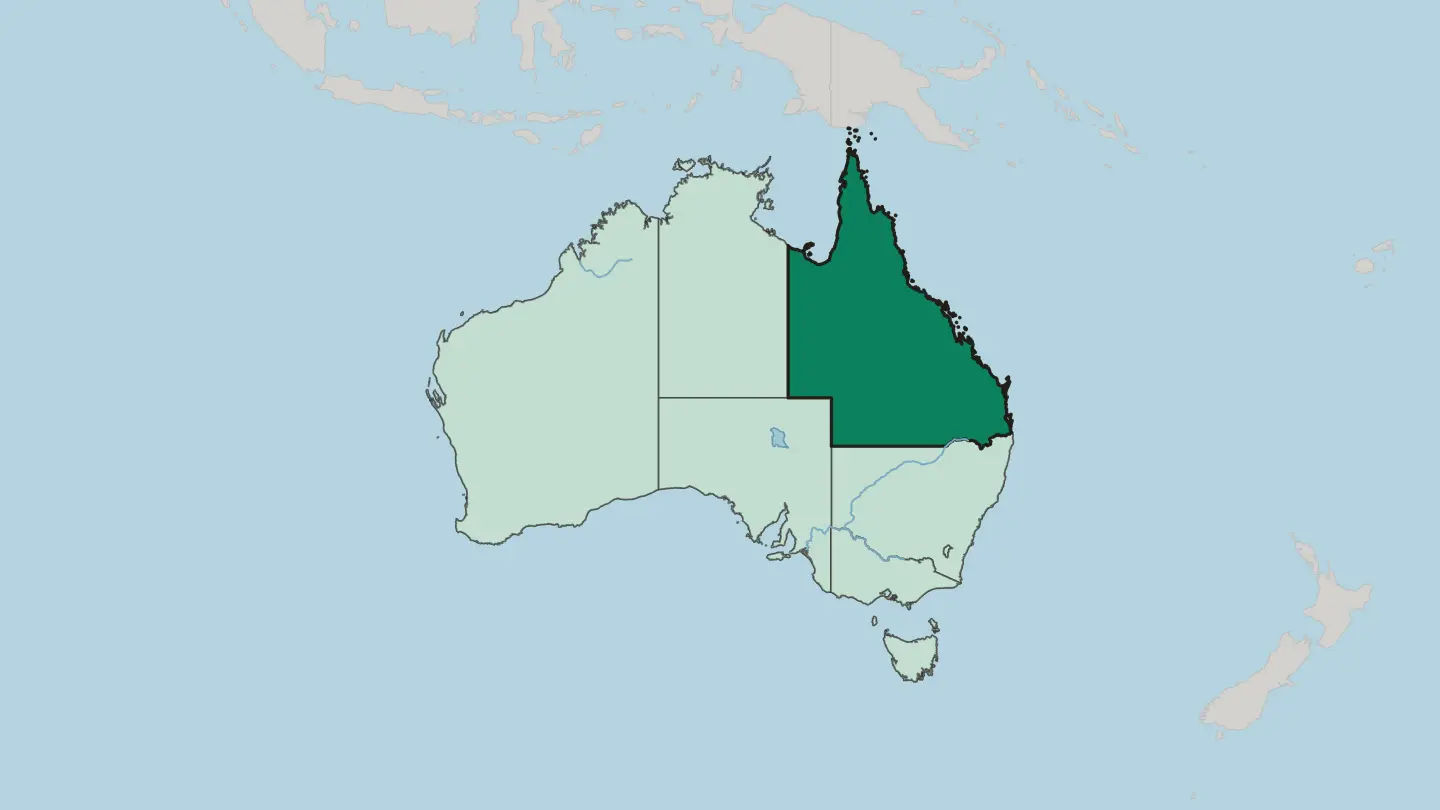 Australia
State of South Australia
South Australia is the driest state of Australia, a wine country around Adelaide that runs out into the arid Outback.Towns & cities →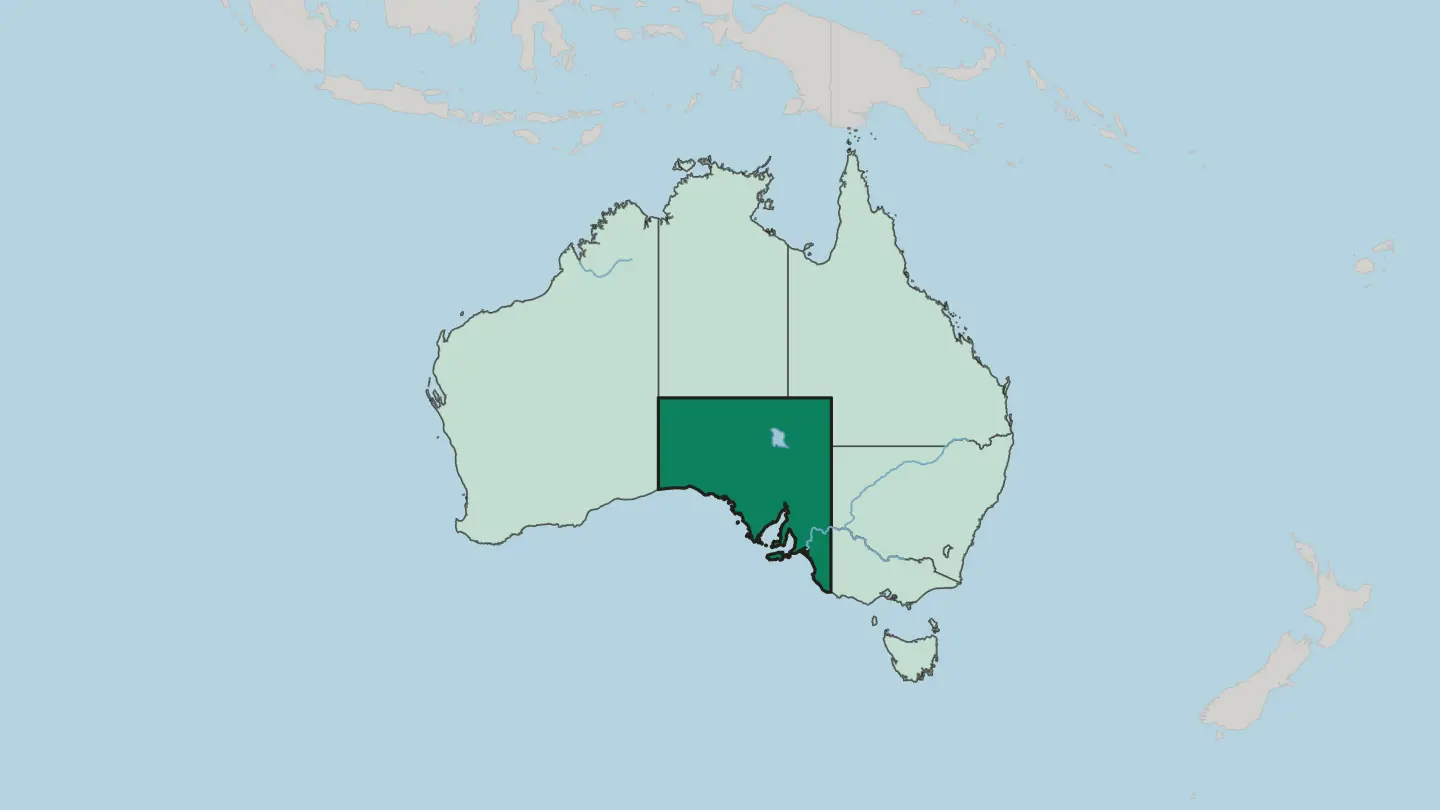 Australia
State of Tasmania
Tasmania is Australia's island state, set across Bass Strait south of the mainland, with Hobart on the Derwent as its capital.Towns & cities →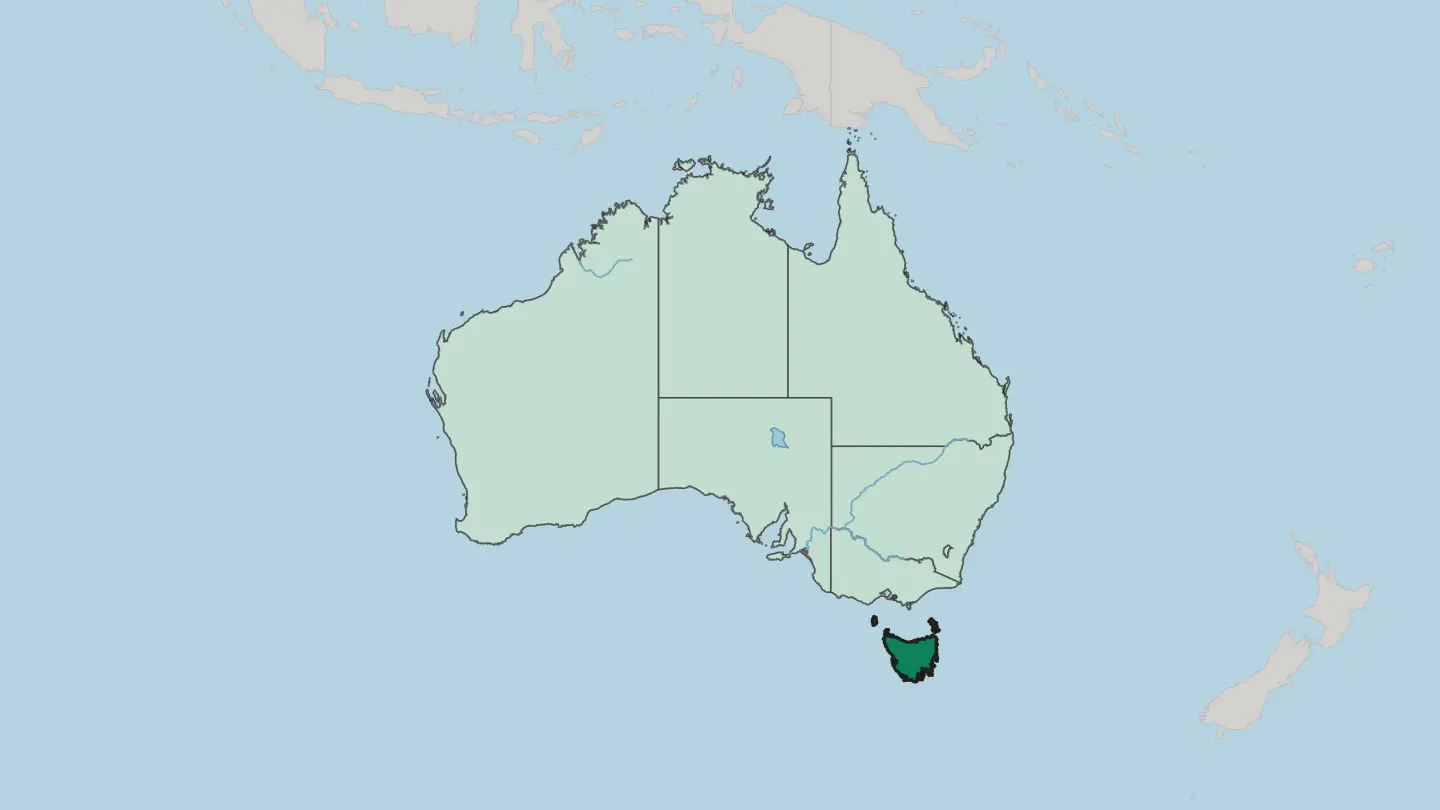 Australia
State of Victoria
Victoria is a compact state in the south-east of Australia, one of the country's smallest, with Melbourne as its capital near the southern coast.Towns & cities →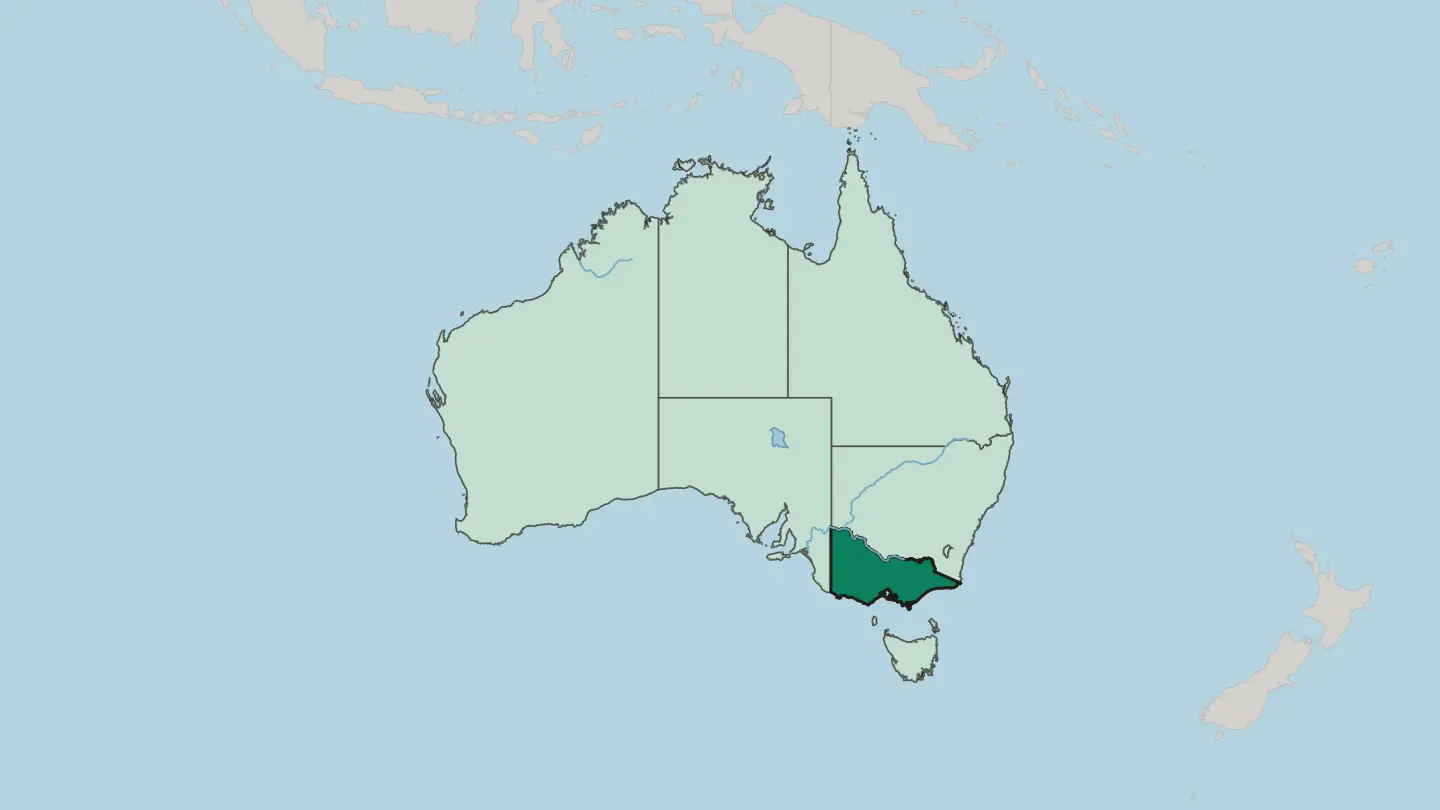 Australia
State of Western Australia
Western Australia is the country's largest state, the whole western third of the continent, with Perth on the Swan River.Towns & cities →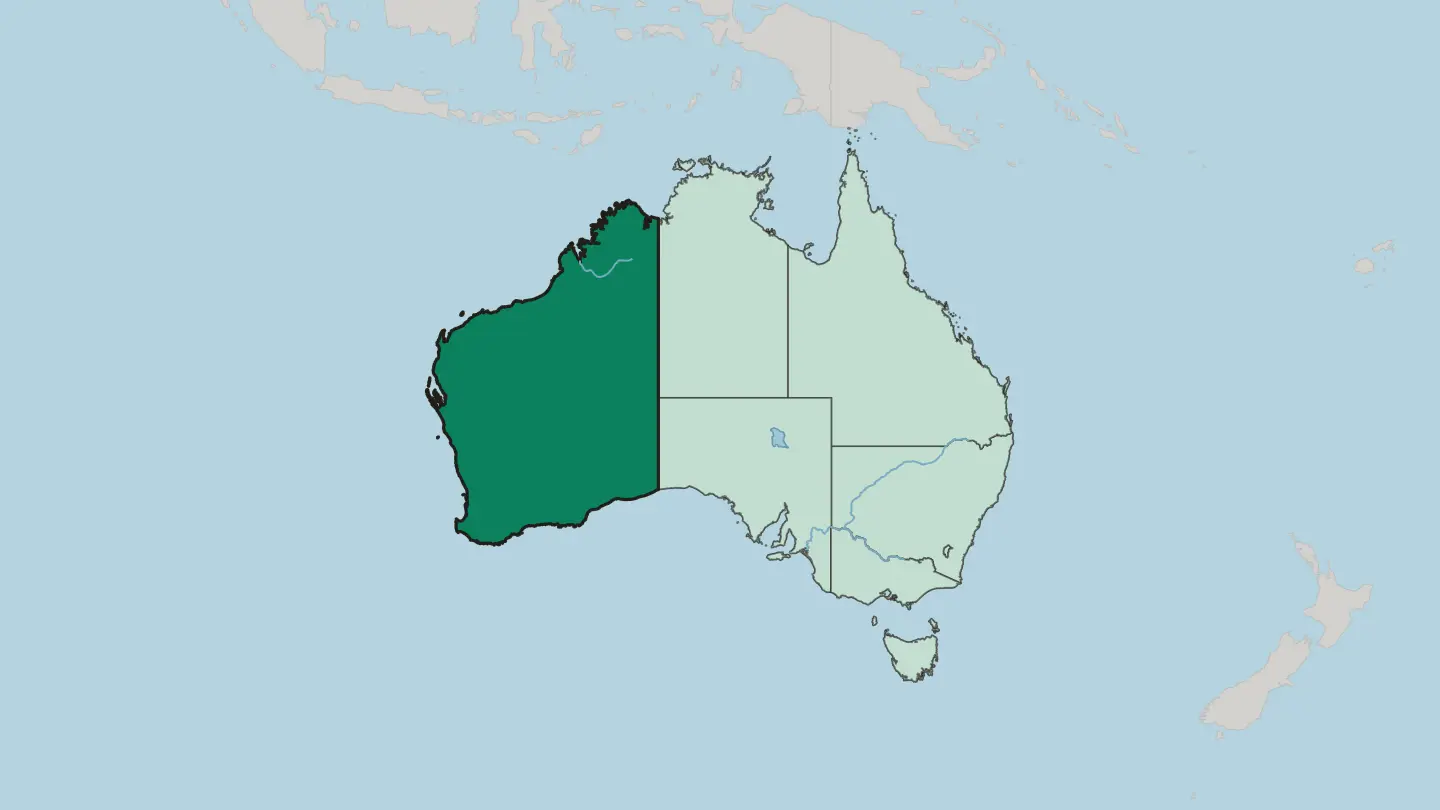
Explore by experience
Not sure which place? Start from how you want to travel.


About Australia
What is Australia known for?
Australia is famous as the only country to hold an entire continent to itself, the island nation known as the Land Down Under. Its name calls up the Outback, the bush and long open beaches, along with cities such as Sydney set on one of the world's great harbours. Indigenous cultures reach back tens of thousands of years across the continent.
Space defines it. Few countries carry so much open ground between their ocean coasts and their red interior deserts.
Where is Australia?
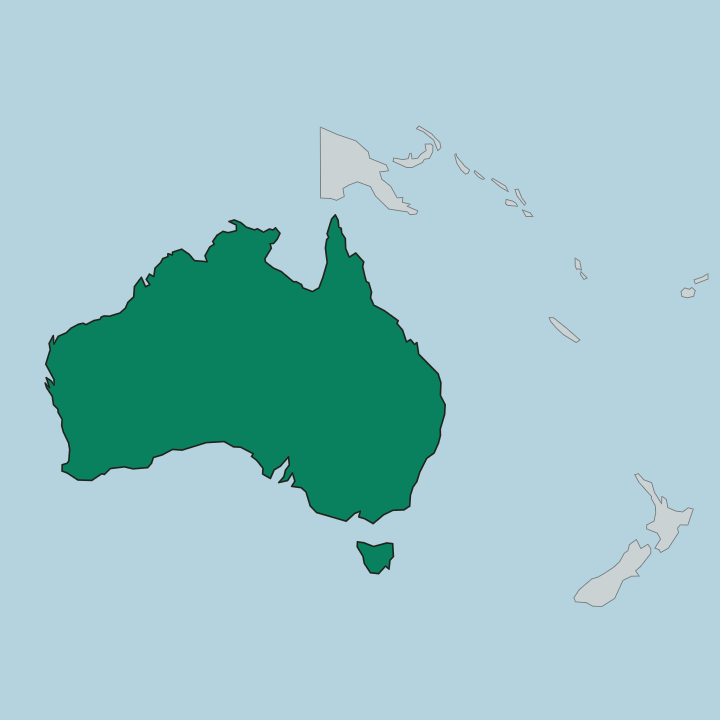
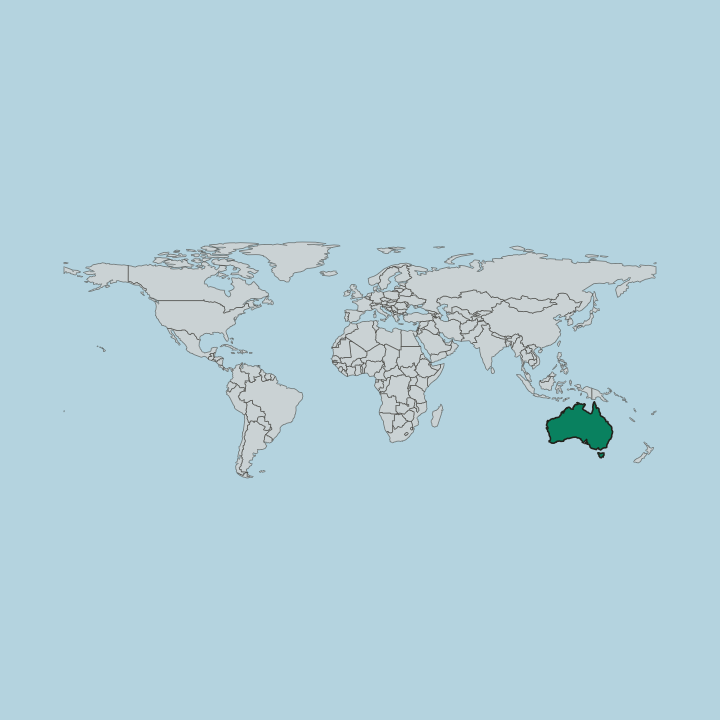
Australia is the only country to occupy a whole continent, the mainland of the Australian continent together with the island of Tasmania and many smaller islands. It is the sixth-largest country on earth. The land is also the flattest and driest inhabited continent, a vast island set alone in the Southern Hemisphere and circled on every side by ocean.
Deserts hold the interior. Tropical rainforests run in a green band along parts of the coast, while the dry red heart of the Outback stretches for enormous distances between the far edges of the country. Distance is the defining fact here.
The continent spreads across a width that dwarfs most nations, its coasts thousands of kilometres apart across the open interior. Sydney sits on the eastern seaboard, on one of the most famous harbours in the world, while the bush and the Outback fill the country behind the coastal cities. Tasmania lies off the southern edge, cut from the mainland by a strait.
Ocean frames all of it. From the tropical north to the temperate south, the Australian continent carries as wide a spread of landscapes as any country holds.
What is the history of Australia?
Australia holds one of the oldest living human histories on earth. Indigenous cultures reach back tens of thousands of years across the continent, long before any contact from outside. The modern nation is far younger.
The separate colonies federated in 1901 to form the Commonwealth of Australia, binding the mainland and the island of Tasmania into a single country. That act drew the colonies of the continent together under one government for the first time. Since then the country has been shaped by waves of immigration from around the world.
People arrived from every continent, settling the coastal cities and the ports along the seaboard, and Sydney grew into the largest of them on its harbour. The old Indigenous inheritance and the newer arrivals together define the Land Down Under. Deep time runs beneath it all.
Australia measures its human story in tens of thousands of years, even as the modern federation counts only from 1901.
What is Australia like?
Australian culture draws on two deep sources, the ancient and the arrived. Indigenous cultures stretch back tens of thousands of years, among the oldest continuous cultures anywhere, and their languages and traditions remain woven through the continent. Global immigration built the rest.
People from around the world settled the country over the modern era, making Australia one of the most multicultural nations on earth and filling its cities with many tongues and kitchens. Most of that life gathers on the coast. Australia is heavily urbanised, its people drawn to the seaboard cities such as Sydney rather than the dry interior of the Outback and the bush.
The beach and the open air run through the national character. Yet the red centre still shapes how the country sees itself, a people of the coast who know the desert at their back across the Land Down Under. Old and new hold together here.
What is the climate of Australia?
Australia spans many climates, from the tropical north to the temperate south of the continent. The interior runs hot and dry, a desert heart where the Outback bakes under long clear skies. Rain is scarce inland.
Along the coasts the weather softens, with tropical rainforests in the north and milder, wetter conditions toward Tasmania and the southern edge. The continent holds as broad a climatic range as its size suggests.
How do you get to Australia?
Australia sits far out in the Southern Hemisphere, and nearly every visitor arrives by air. The island continent shares no land border with any other country, so no road or rail reaches it from abroad. Flights land first at the coastal cities.
Sydney, on its famous harbour, is among the busiest points of entry, and from the seaboard the long internal routes fan out across the continent toward the Outback and beyond. The distances inland are vast.
Common questions
What is the best area to stay in Australia?
Sydney: first-time visitors to Australia who want the harbour city and onward links across the continent.
Good for
Updated September 2026