Azerbaijan · Baku City
Where to Stay in Baku, Baku City
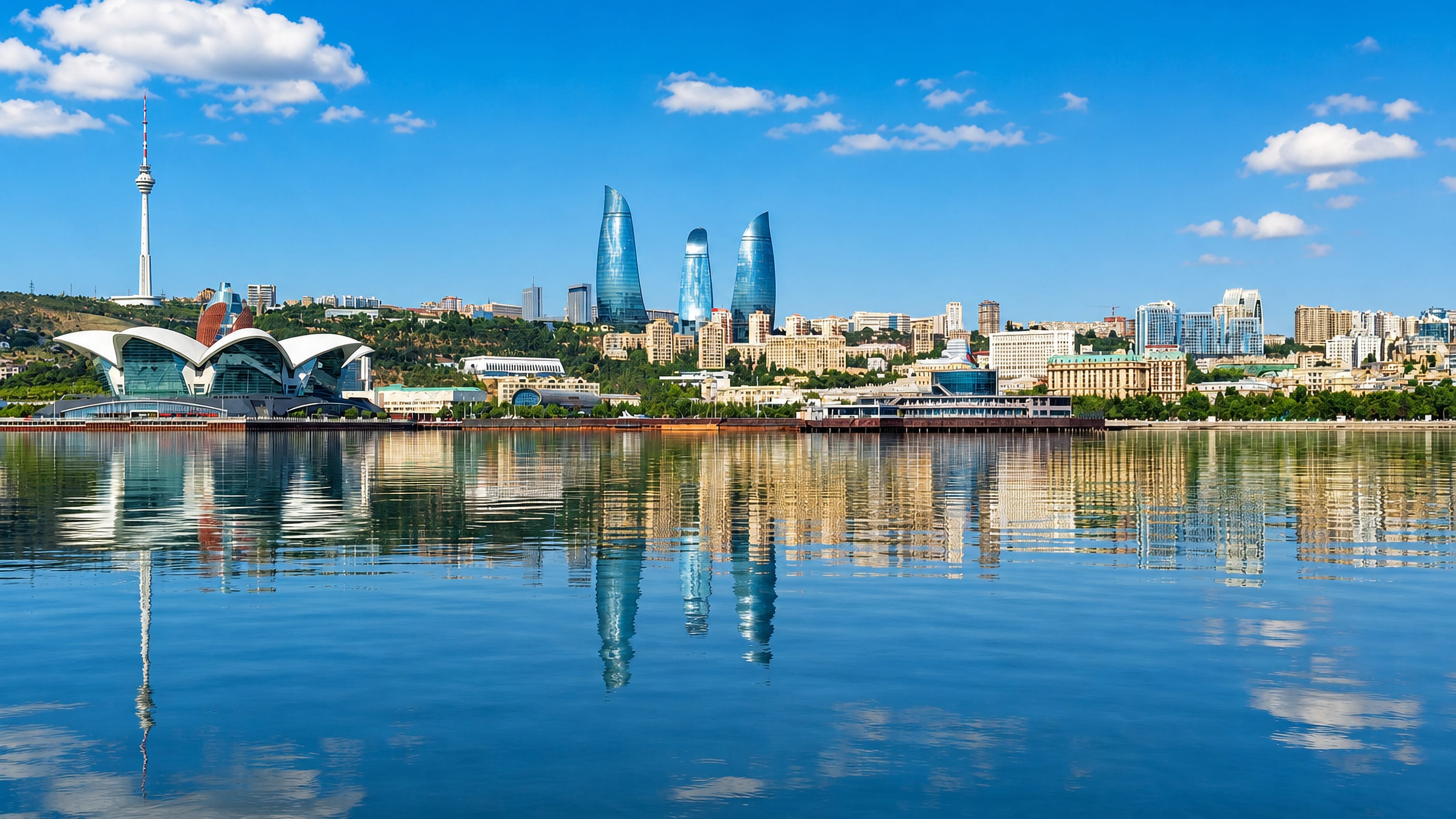
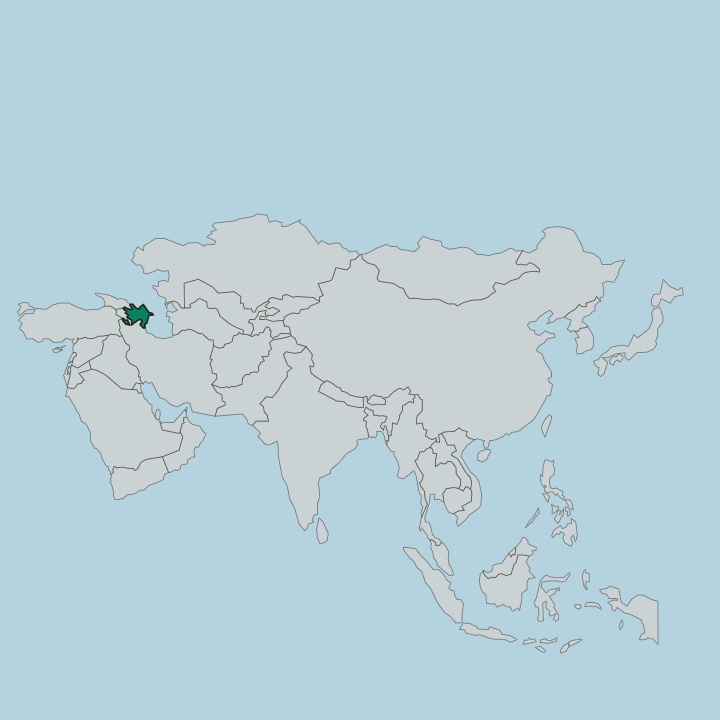
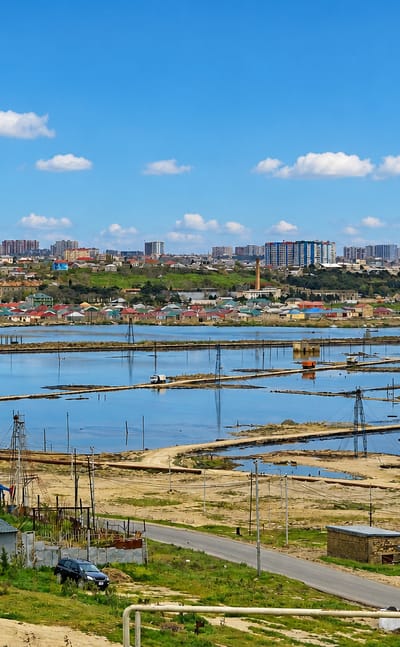
Baku is the capital of Azerbaijan on the Caspian Sea, its walled Old Town rising above the bay, the lowest-lying capital in the world.
Hotel links are affiliate links: booking through them may earn us a commission, at no extra cost to you. It never affects how places are ranked. How this works


Where to stay in Baku
One neighbourhood here has its own guide — here's what it is best for.
 BakuAzerbaijan
Ramana
Ramana is a district of Baku, in Azerbaijan, built around the old Ramana Tower and the Ramana Mosque.Ramana →Hotel links are affiliate links: booking through them may earn us a commission, at no extra cost to you. It never affects how places are ranked. How this works
Things to do in Baku
Ranked by global recognition; descriptions from Wikidata (CC0).
Museums & Galleries
6- National Art Museum of Azerbaijan Heritage
- Nizami Museum of Azerbaijani Literature Heritage
- The Museum Centre Heritage
- House-Museum of Leopold and Mstislav Rostropovich Heritage
- House-Museum of Bulbul (Baku) Heritage
Show 1 more →
- ANAS House-Museum of Huseyn Javid Heritage
Churches & Religious Sites
4- Church of the Saviour Heritage
- St. Gregory the Illuminator's Church Heritage
- Church of Michael the Archangel, Baku Heritage
- Ramana Mosque Heritage
Castles & Historic Sites
3- Sabayil Castle Heritage
- Ramana Tower Heritage
- Jafar Jabbarli Monument Heritage
Stadiums & Sports
1- Heydar Aliyev Sports and Exhibition Complex Heritage
worth knowingacross 4 categories in Baku
About Baku
What is Baku known for?
Baku is known as the capital of Azerbaijan and the largest city on the Caspian Sea. Its walled Old Town holds UNESCO World Heritage status, a maze of lanes and stone above the Bay of Baku. The city sits low against the water.
Below sea level on the Absheron Peninsula, Baku ranks as the lowest-lying capital in the world, its streets mixing Turkish-Islamic, Western European, and Russian styles along the shore.
What are the main landmarks in Baku?
Baku's landmarks begin at the Old Town. The walled medieval quarter, a UNESCO World Heritage site, anchors the city above the Bay of Baku, its lanes and old stone the oldest part of the capital. Past the walls, museums take over.
The Baku Museum of Modern Art and the Azerbaijan Railway Museum draw visitors into the modern city, while the Church of the Saviour adds a note of the mix of faiths and styles that meet across Baku.
What is the history of Baku?
Baku's history is written in its walls. The Old Town, ringed by medieval walls above the Bay of Baku, marks the ancient heart of the city, the core from which Baku grew outward across the Absheron Peninsula and down to the Caspian Sea. For centuries it stood as a walled port on the Caspian.
Powers from around the Caspian and the Caucasus held the city in turn, and each left its stamp on the streets, in the Turkish-Islamic, Western European, and Russian styles that still stand side by side. Baku rose to become the great city of the region. Growth carried it beyond the Old Town, out across the peninsula, until Baku stood as the largest city on the Caspian Sea and in the whole of the Caucasus.
Independence changed its standing. When Azerbaijan took its modern form, Baku became the national capital, the seat of the country's public life on the shore of the Caspian, below the level of the open sea. The old walls still stand at its centre.
Around them Baku keeps the layers of its past, the medieval quarter and the later city meeting along the Bay of Baku.
Where is Baku?
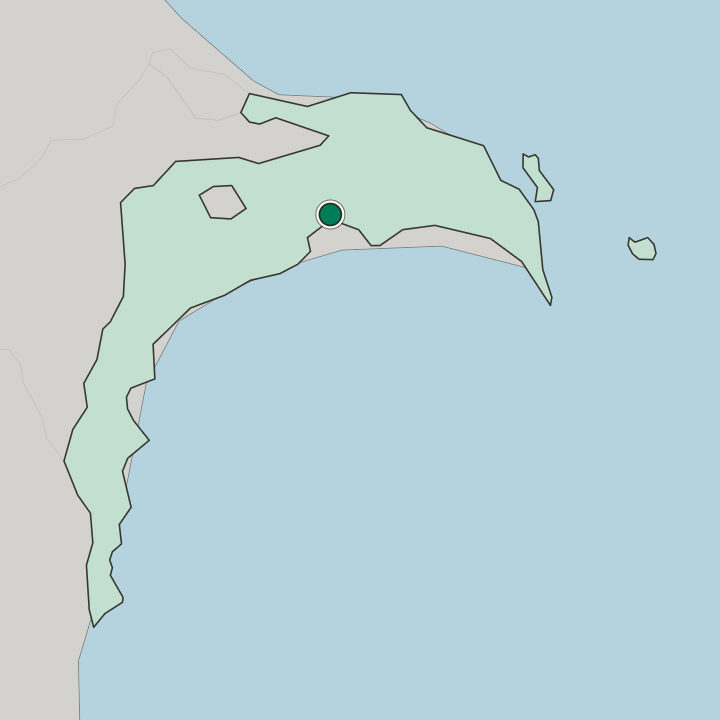
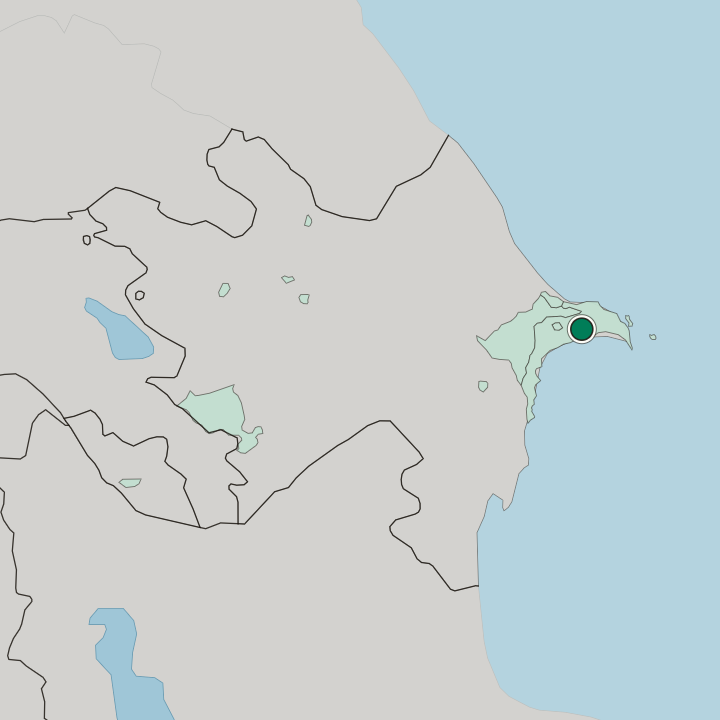
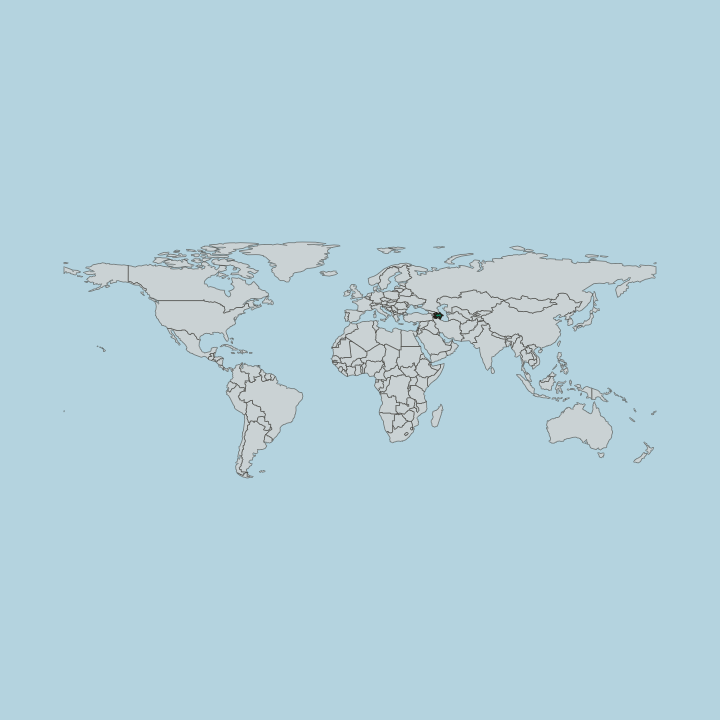
Baku lies on the southern shore of the Absheron Peninsula, along the Bay of Baku on the Caspian Sea. The city curves around the bay, its centre pressed low against the water on the eastern edge of Azerbaijan. It sits below the sea.
Baku rests below sea level, the lowest-lying capital in the world, set where the Absheron Peninsula reaches out into the Caspian at the eastern end of the Caucasus.
What is the climate of Baku?
Baku's climate is temperate, shaped by the Caspian Sea at its door. The city lies low on the Absheron Peninsula, below sea level, so the water sits close and steadies the air across the seasons. Summers are warm, winters mild.
Along the Bay of Baku the sea moderates the swing from month to month, and the seasons turn in a clear, even round through the year over the low ground of the capital.
How do you get to Baku?
Baku is the main way into Azerbaijan. As the capital on the Caspian Sea, the city draws the country's arrivals by air, road, and rail, the busiest point of entry in the Caucasus. Most routes end at the bay.
Roads and rail lines run inland from Baku across the Absheron Peninsula and out to the rest of Azerbaijan, while the Caspian Sea seals the city's eastern side.
Good for
Updated October 2026