Azerbaijan: Regions, Cities & Travel Guide
Azerbaijan is a transcontinental country in the South Caucasus, meeting the Caspian Sea to the east, between Eastern Europe and Western Asia.
Hotel links are affiliate links: booking through them may earn us a commission, at no extra cost to you. It never affects how places are ranked. How this works


Top destinations in Azerbaijan
Cities to start from, then drill into areas and hotels.
 Azerbaijan
Baku
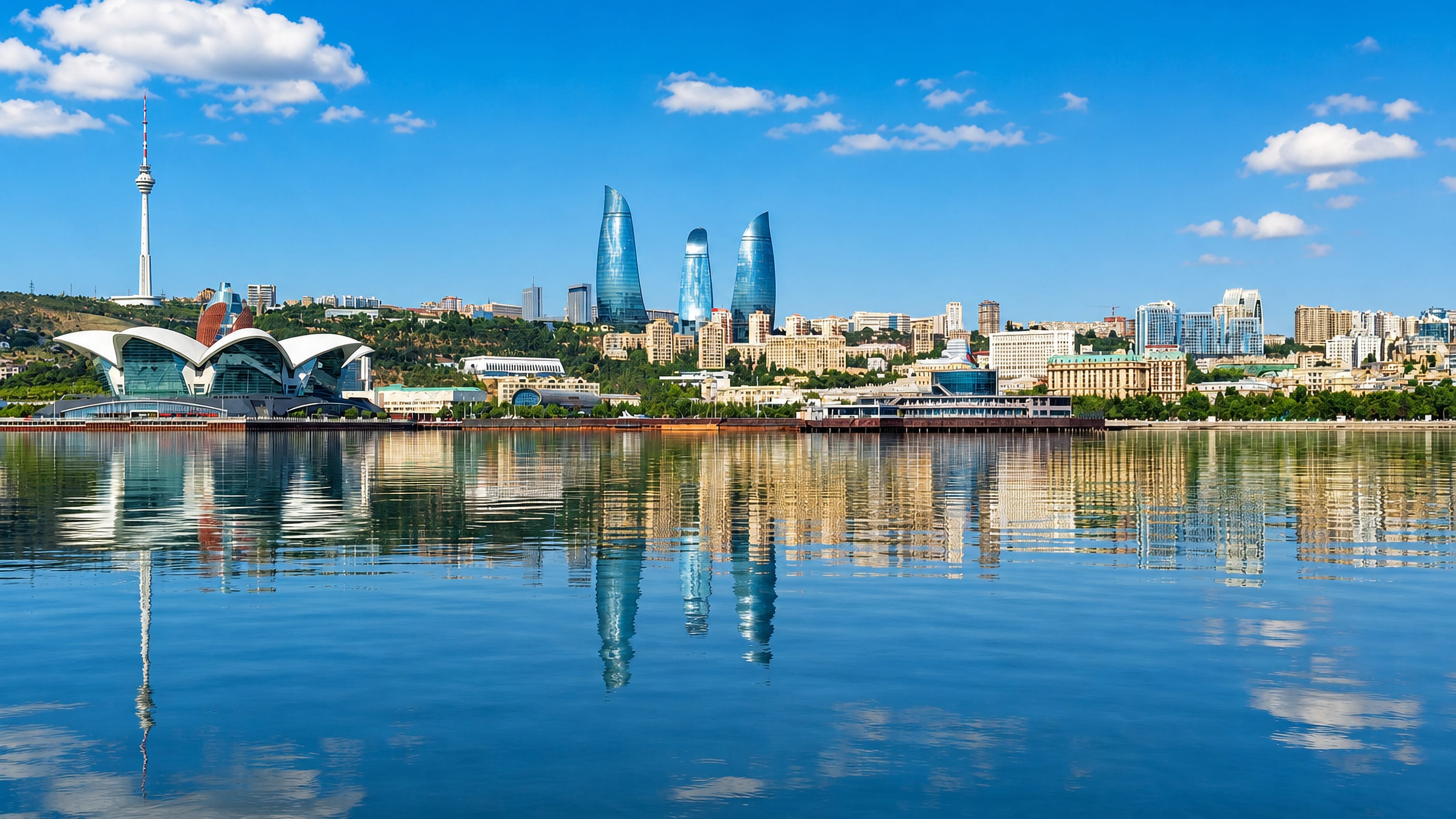
Baku is the capital of Azerbaijan on the Caspian Sea, its walled Old Town rising above the bay, the lowest-lying capital in the world.Where to stay →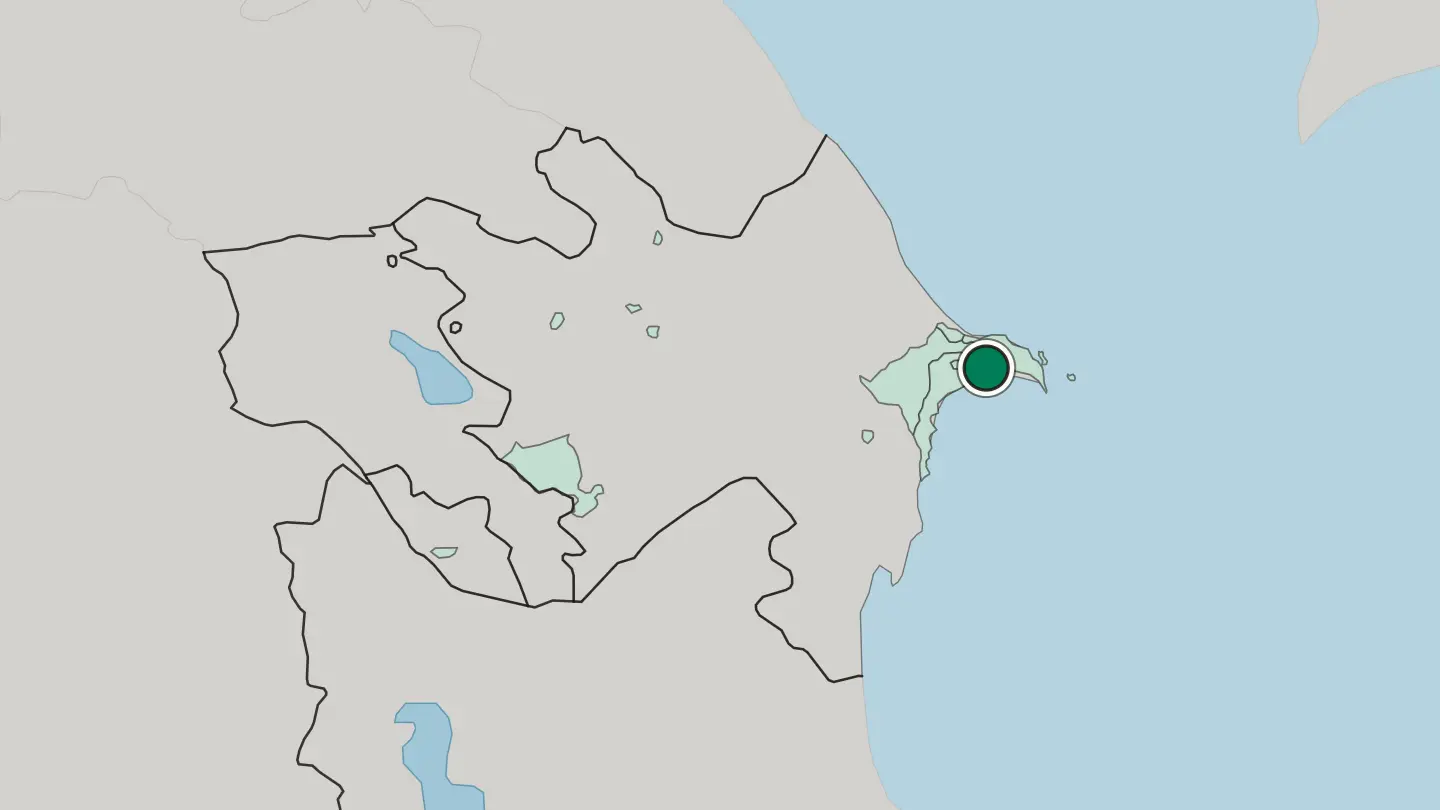 Azerbaijan
Naxçıvan
Naxçıvan is the capital of the Nakhchivan Autonomous Republic, an exclave of Azerbaijan.Where to stay →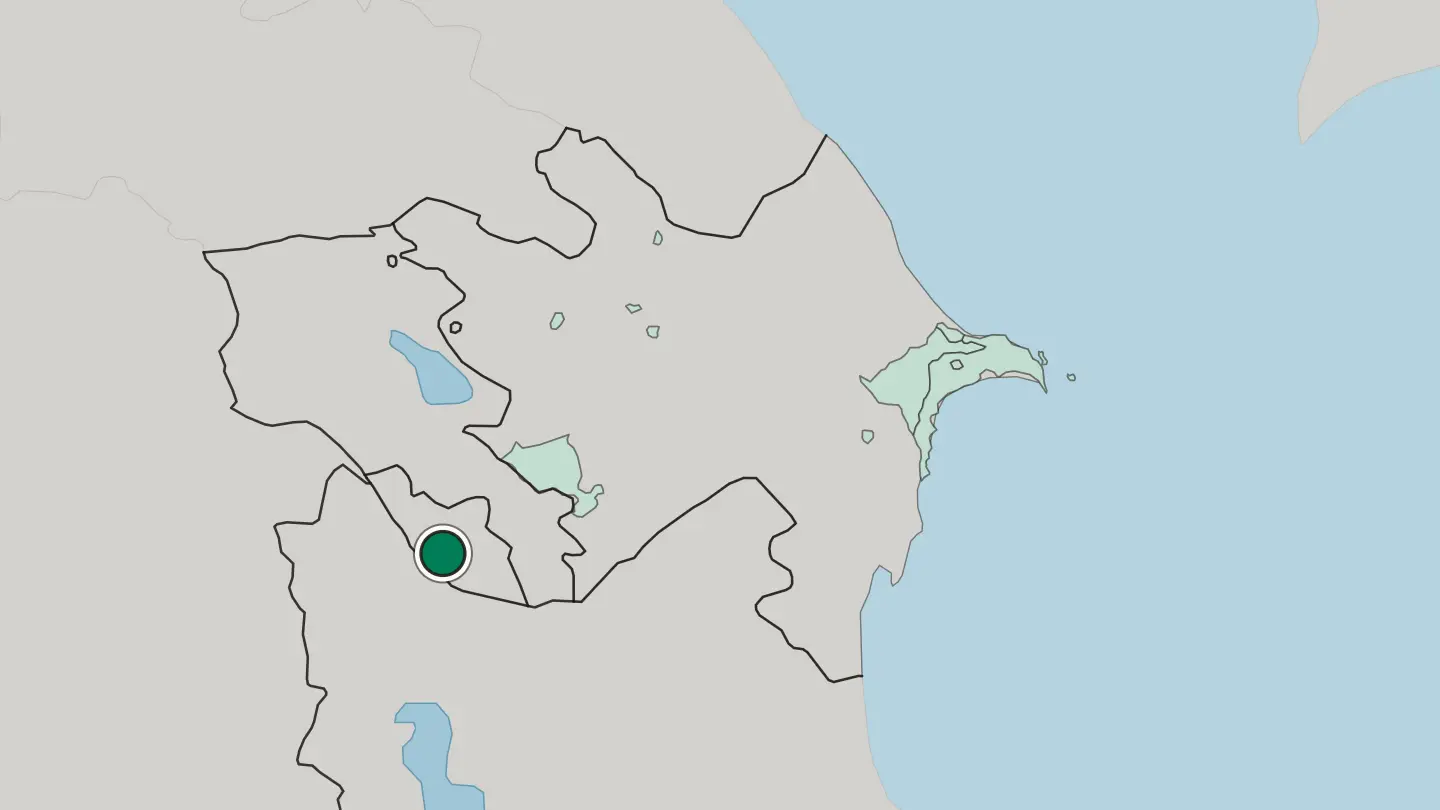
 Azerbaijan
Ganja
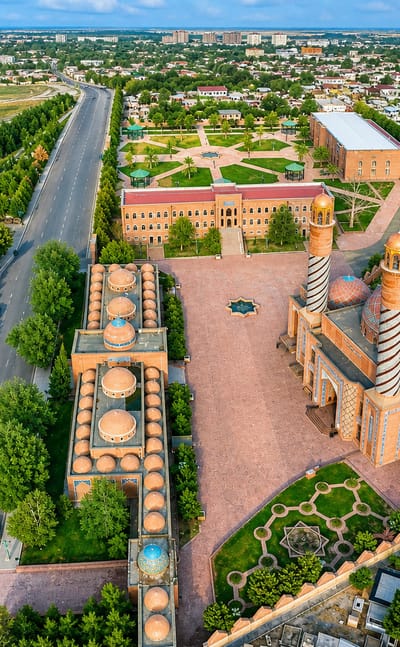
Ganja is a historic city of northwestern Azerbaijan, tied to the poet Nizami Ganjavi.Where to stay →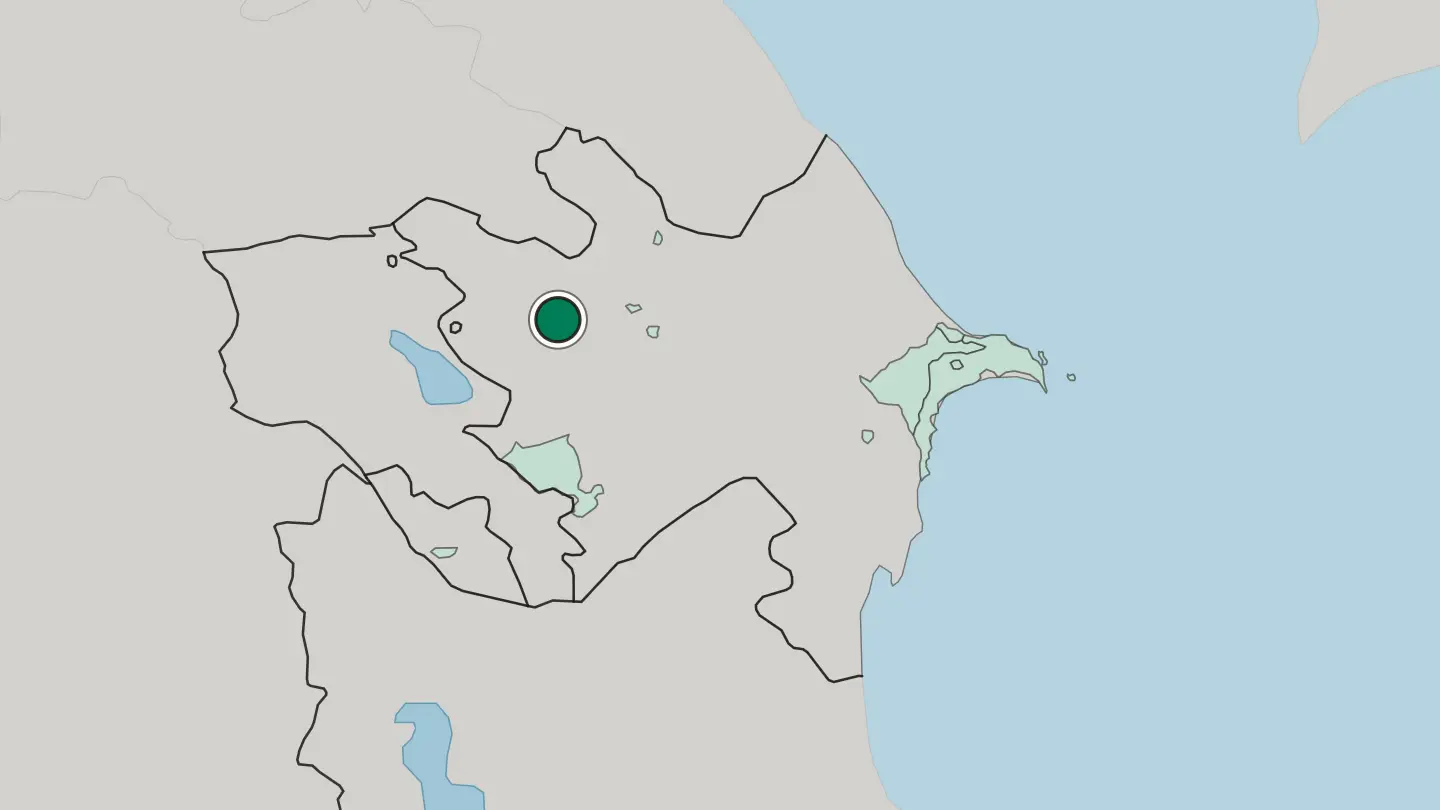
 Azerbaijan
Sheki
Sheki is a historic town in the Caucasus foothills of northwestern Azerbaijan, famed for its khans' palace and its silk.Where to stay →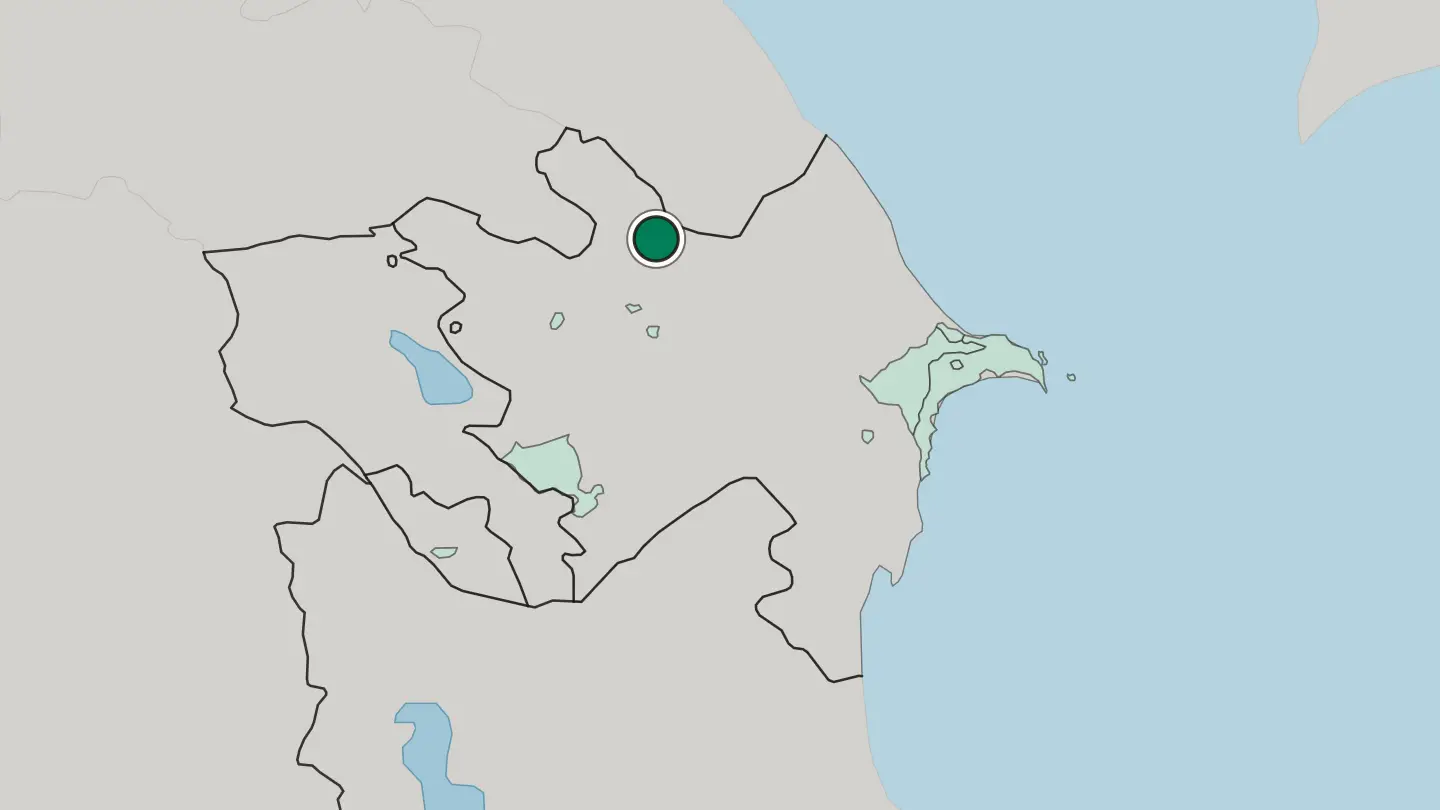
 Azerbaijan
Sumgayit
Sumgayit is the third city of Azerbaijan, a young industrial port on the Caspian coast of the Absheron peninsula north of Baku.Where to stay →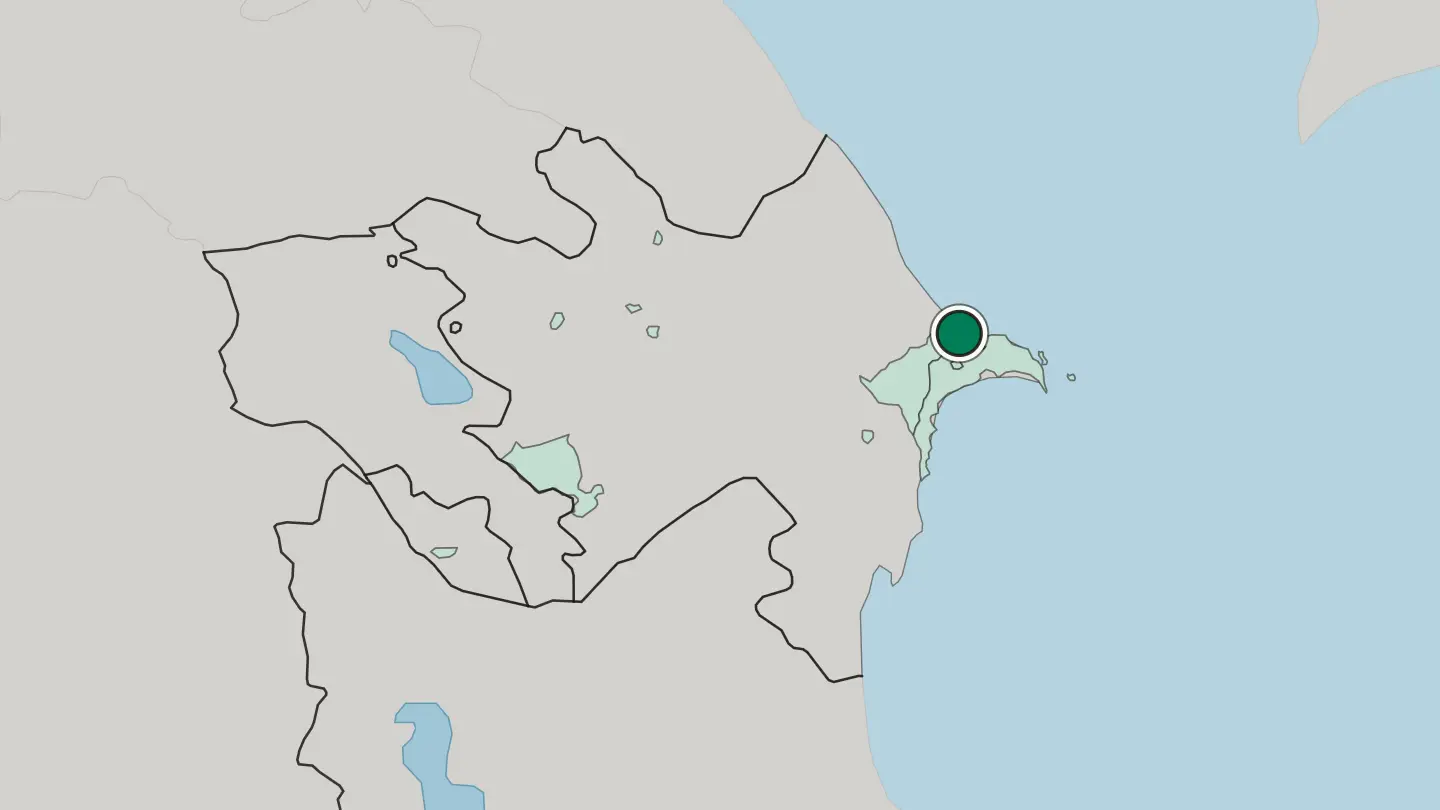 Azerbaijan
Lankaran
Lankaran is a city of far south Azerbaijan, a green subtropical corner on the Caspian coast, the land of the Talysh people and the ancient Hirkan forest.Where to stay →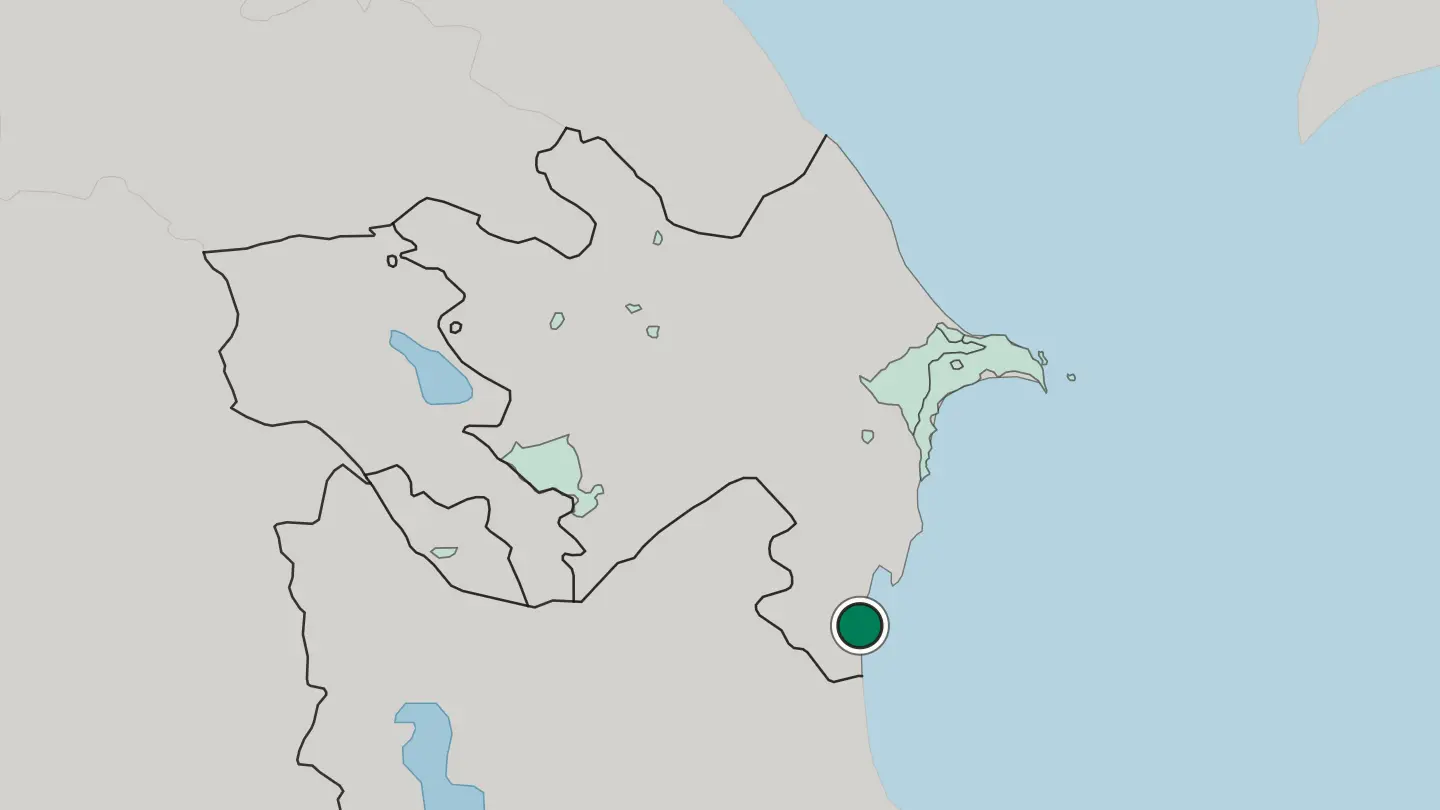
 Azerbaijan
Mingachevir
Mingachevir is a city on the Kura River in central Azerbaijan, built beside the great reservoir it dammed.Where to stay →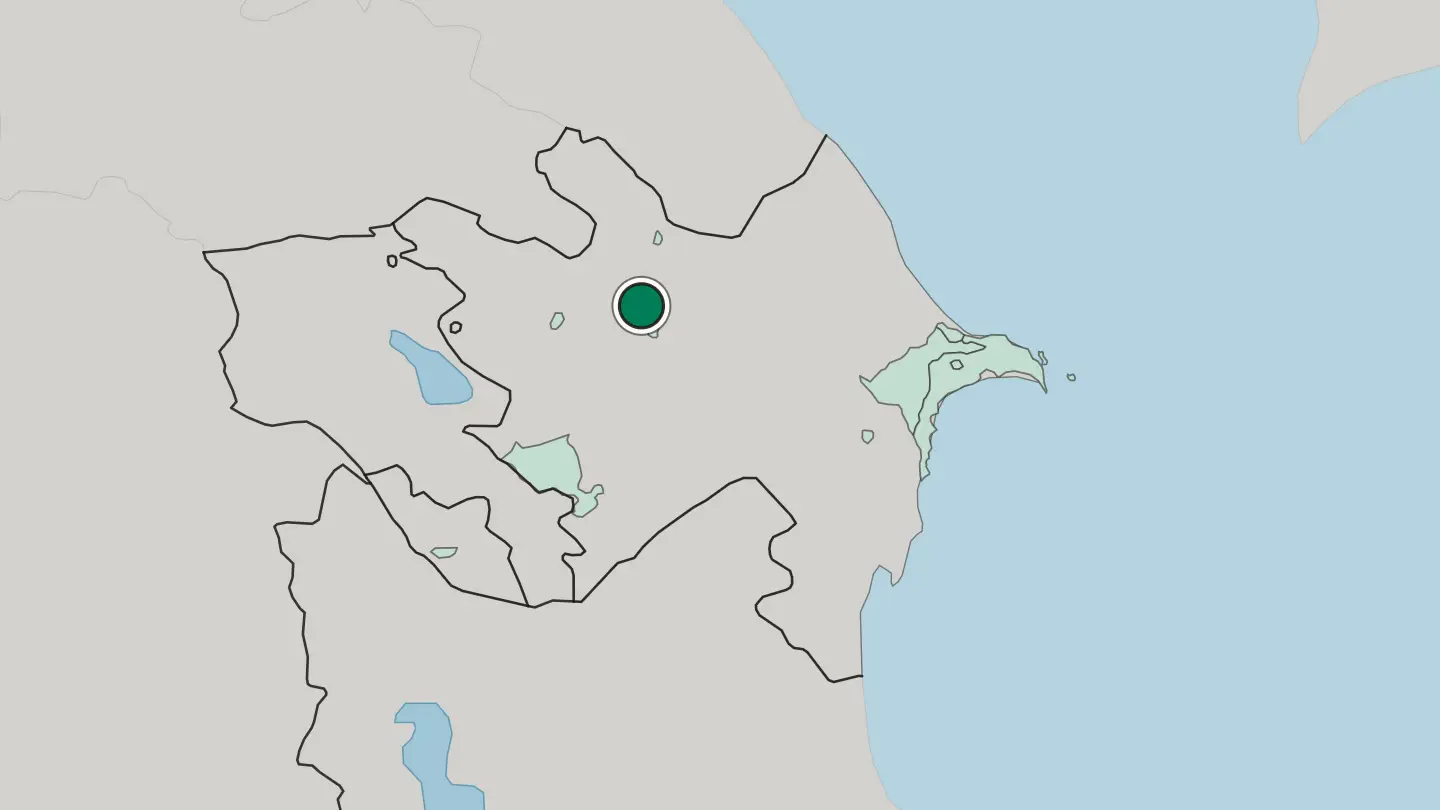
 Azerbaijan
Yevlakh
Yevlakh stands on the Kura River in Azerbaijan, west of Baku, ringed by the Yevlakh District it is administratively separate from.Where to stay →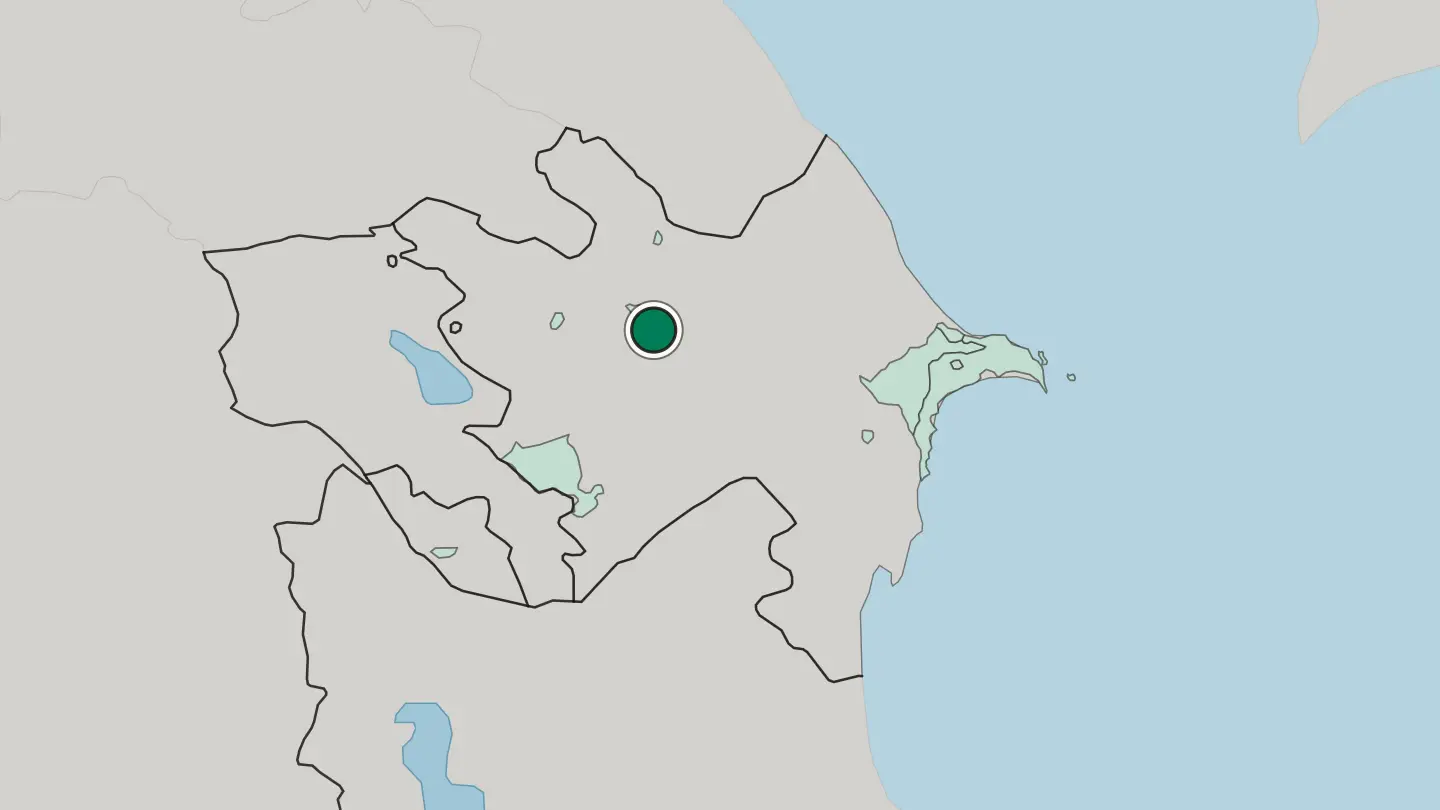 Azerbaijan
Şirvan
Şirvan stands on the Kura River in Azerbaijan, a city called Zubovka until 1938 and Ali Bayramli until 2008.Where to stay →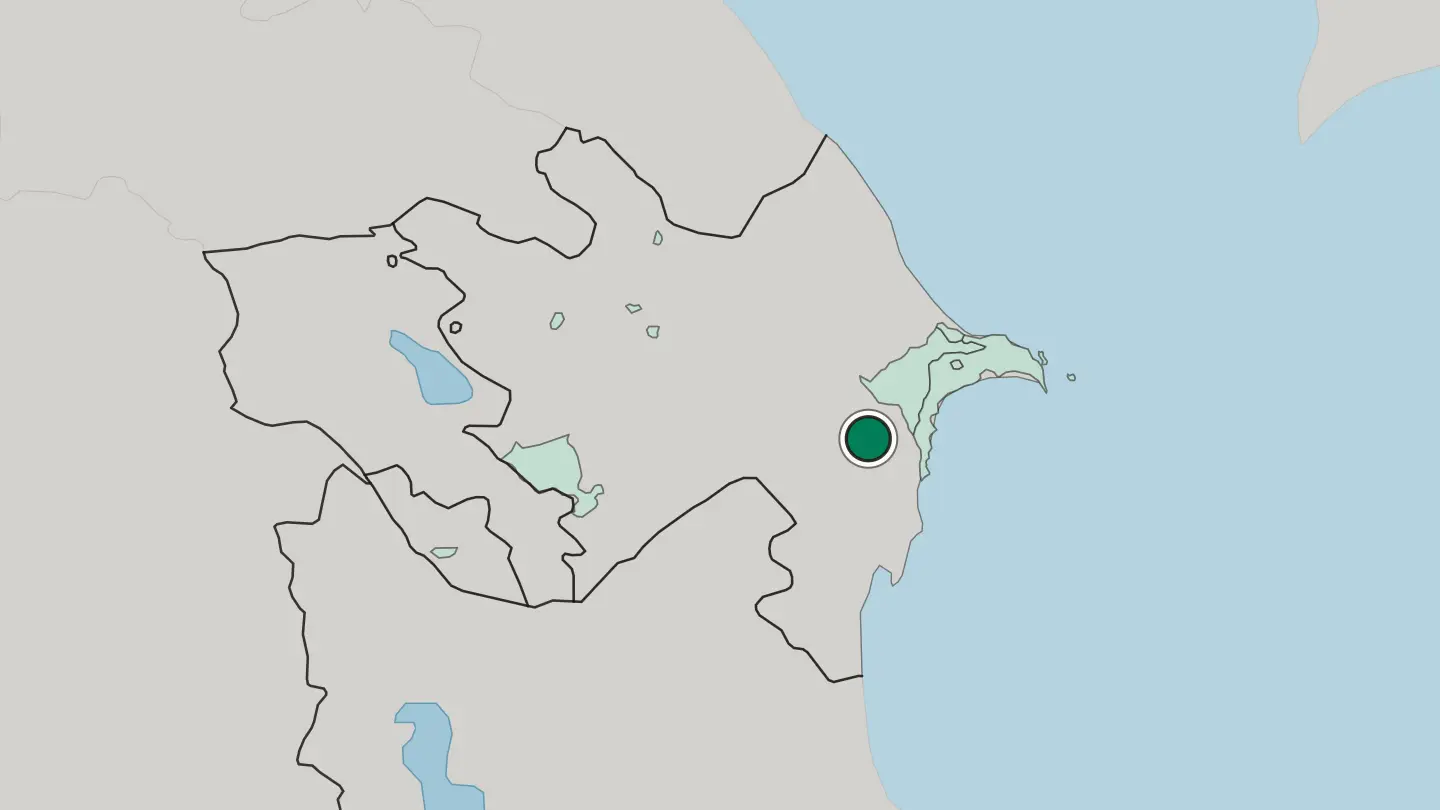
Hotel links are affiliate links: booking through them may earn us a commission, at no extra cost to you. It never affects how places are ranked. How this works
Regions of Azerbaijan
Azerbaijan
Absheron Rayon
Absheron Rayon wraps the western edge of the Caspian oil peninsula around Baku, a semi-desert of salt lakes and eternal flame.Towns & cities →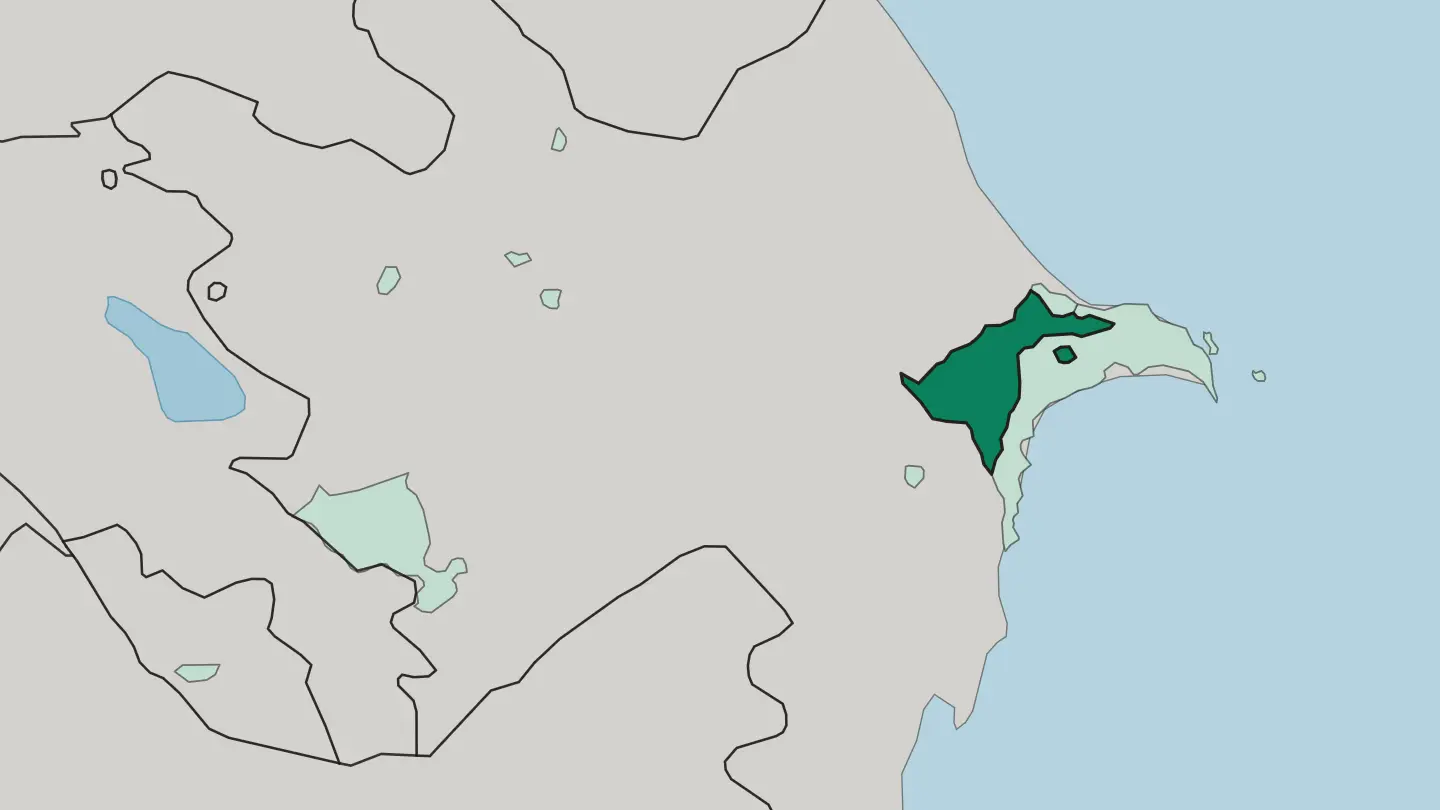 Azerbaijan
Baku City
Baku City is Azerbaijan's capital region, built around the city of Baku on the Absheron Peninsula, along the Caspian Sea.Towns & cities →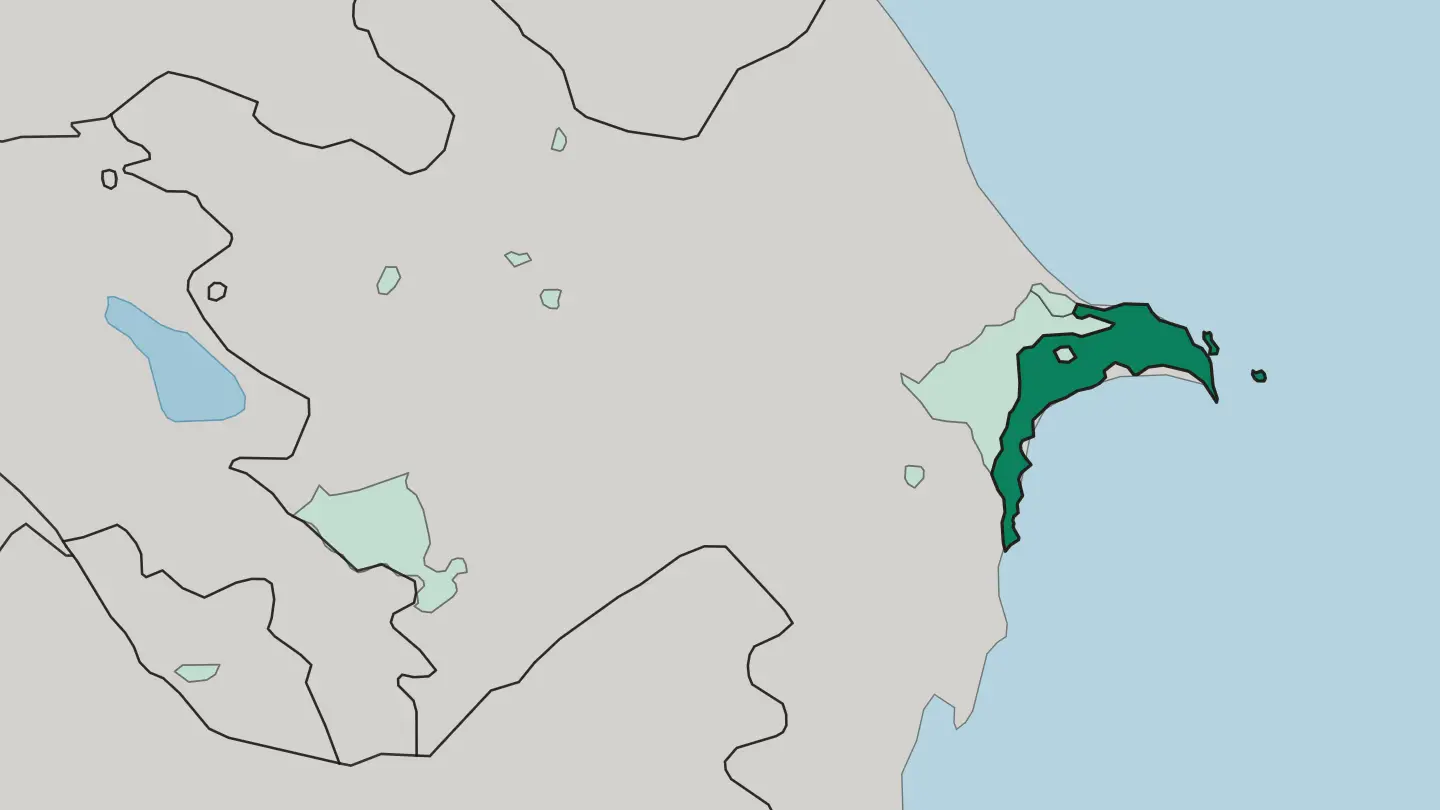 Azerbaijan
Ganja City
Ganja is Azerbaijan's second city, an old Silk Road town on the Ganja River below the Lesser Caucasus.Towns & cities →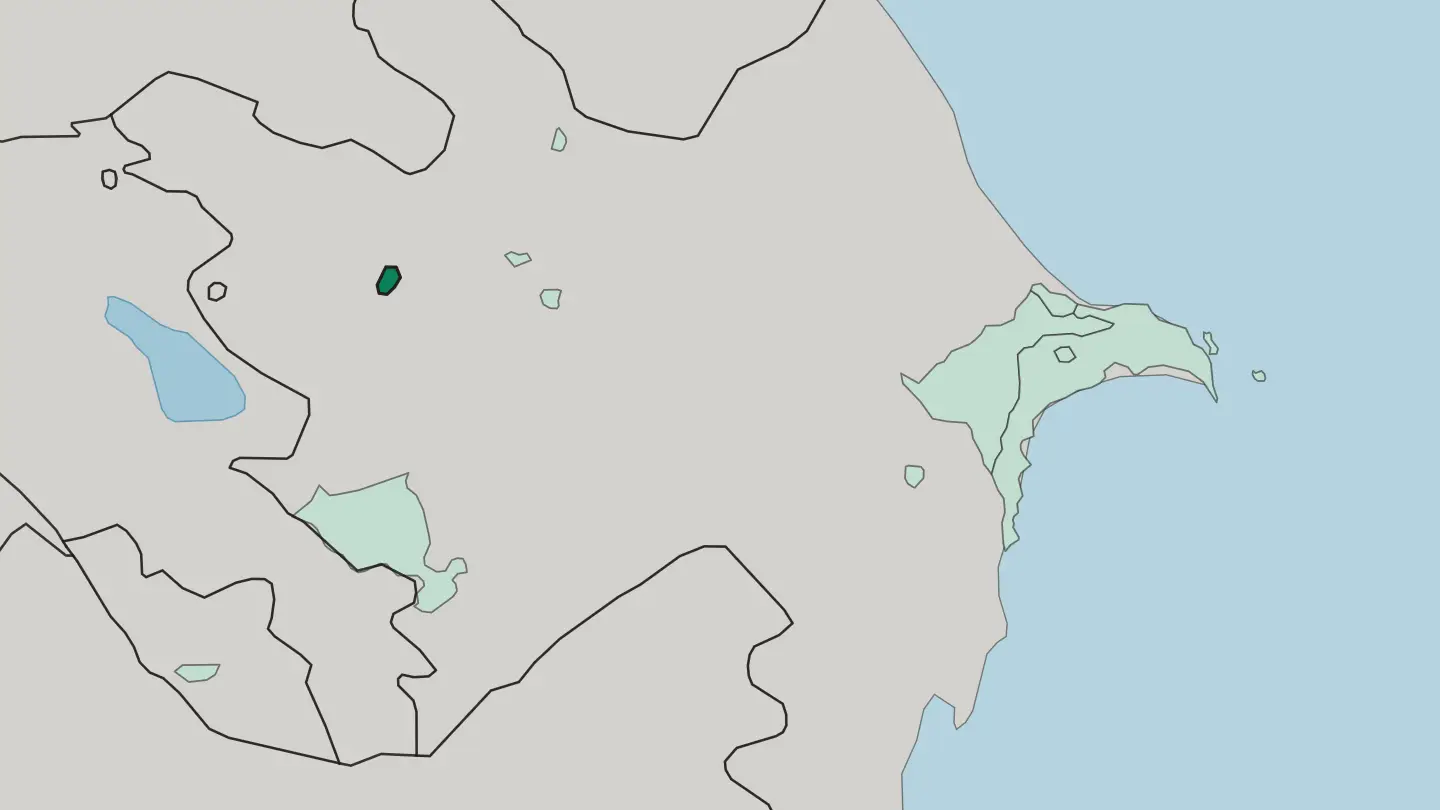 Azerbaijan
Lankaran Rayon
Lankaran Rayon is one of Azerbaijan's districts, lying in the south-east of the country around the city of Lankaran.Towns & cities →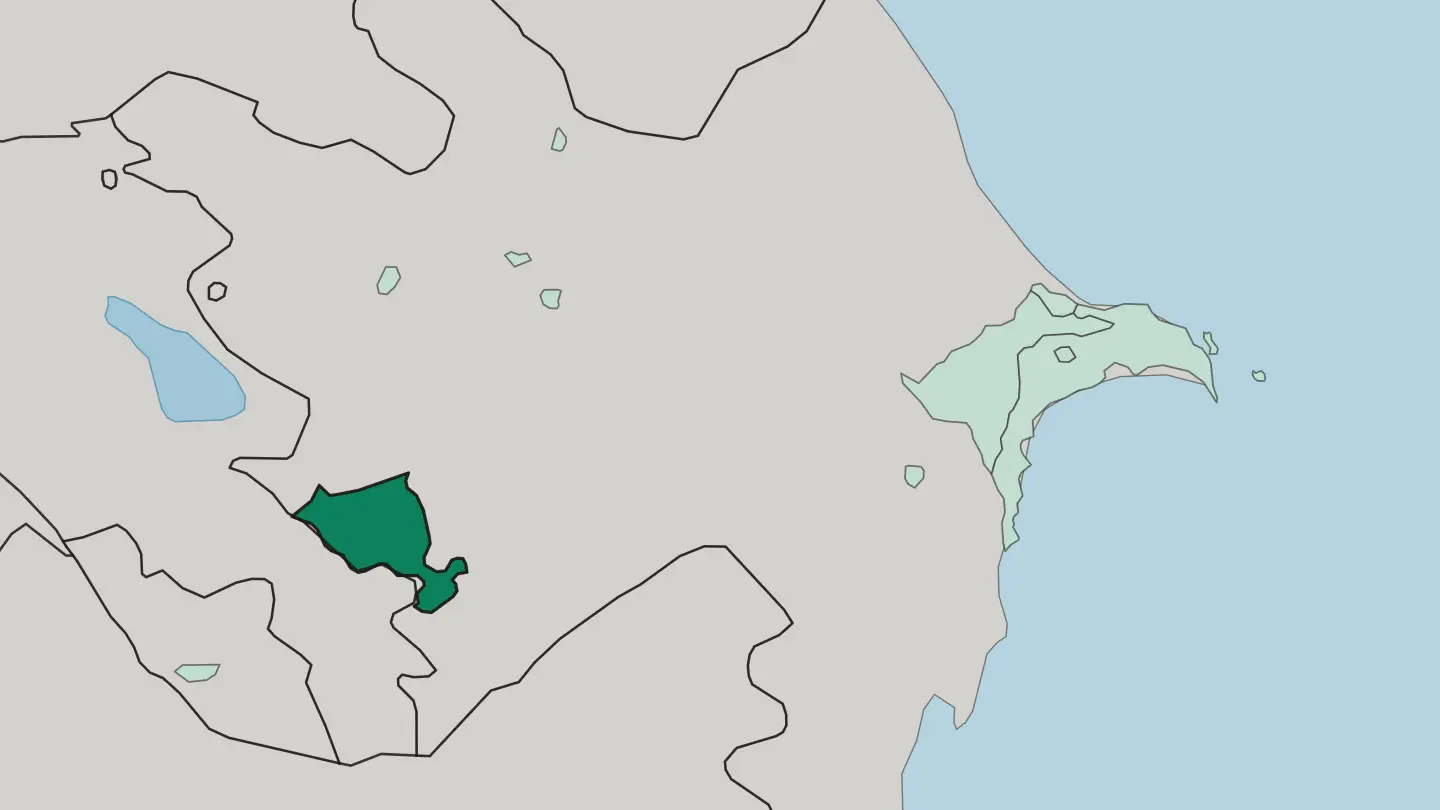 Azerbaijan
Mingacevir City
Mingacevir City is Azerbaijan's fourth largest city, split down the middle by the Kura River and known for the hydroelectric station on it.Towns & cities →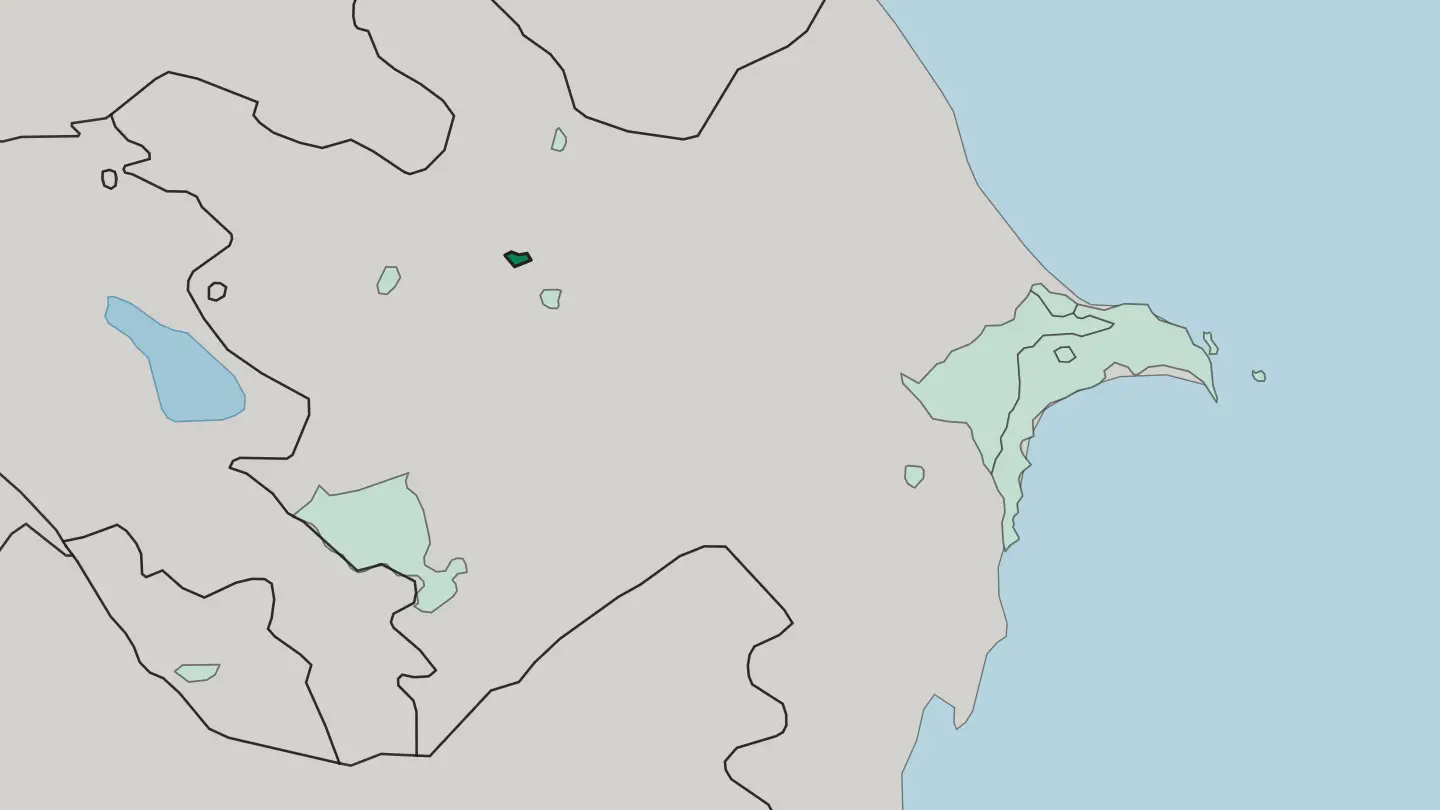 Azerbaijan
Nakhchivan Autonomous Republic
Nakhchivan is Azerbaijan's landlocked exclave, an arid mountain republic cut off from the rest of the country by Armenia.Towns & cities →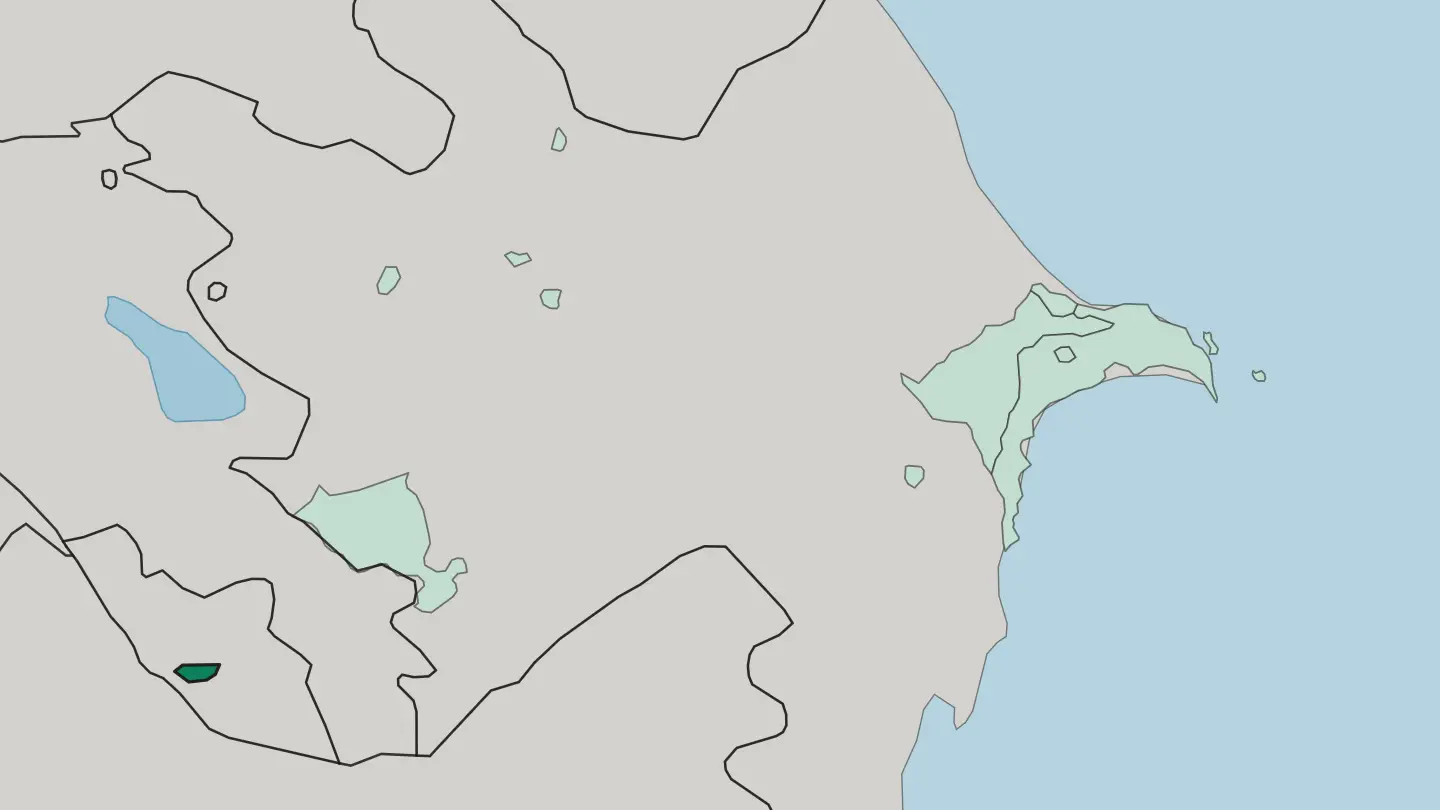 Azerbaijan
Shaki city
Shaki city sits on the forested southern slopes of the Greater Caucasus, its centre and Palace of Shaki Khans on the UNESCO World Heritage List.Towns & cities →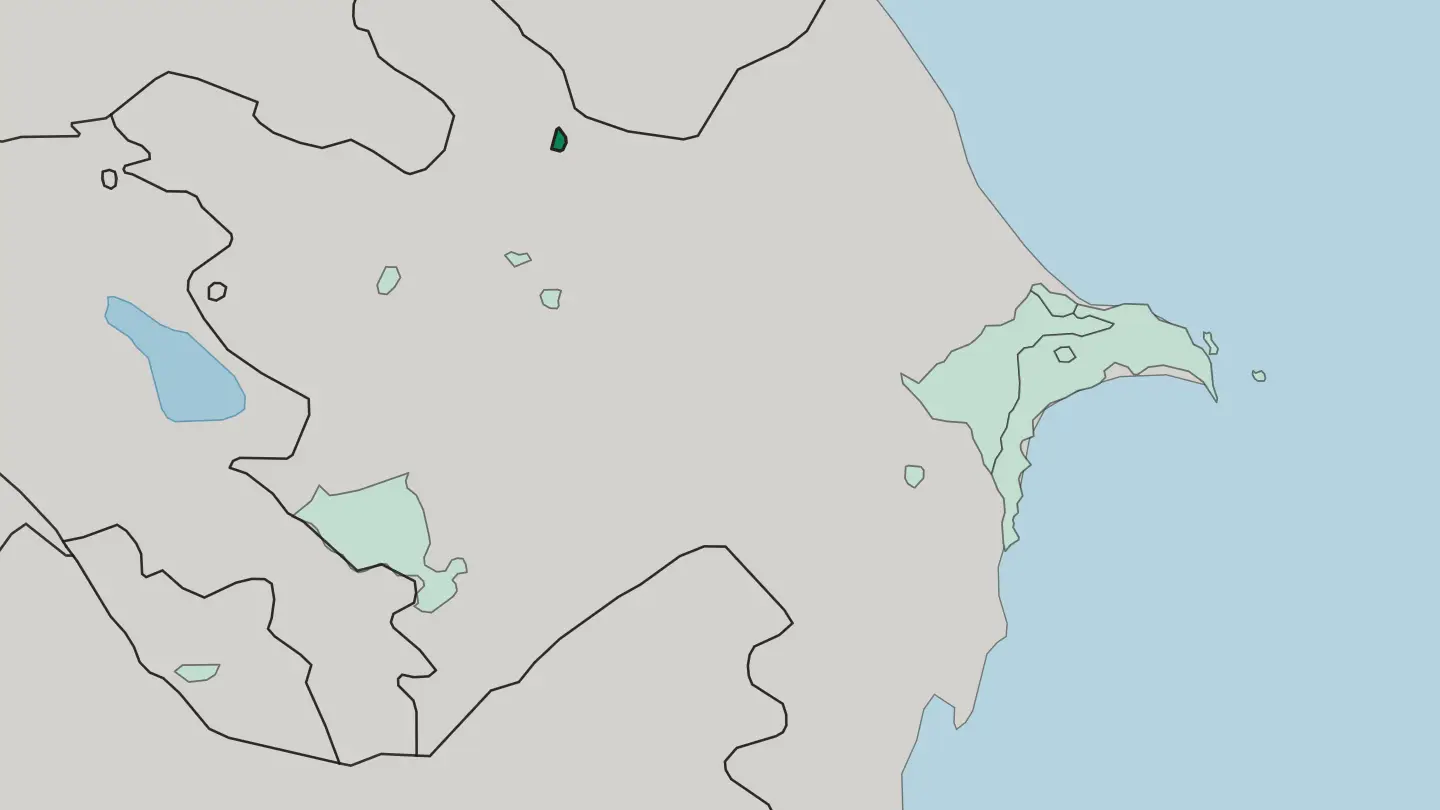 Azerbaijan
Shirvan
Shirvan is a city on the Kura River in Azerbaijan, known as Zubovka until 1938 and Ali Bayramli until 2008.Towns & cities →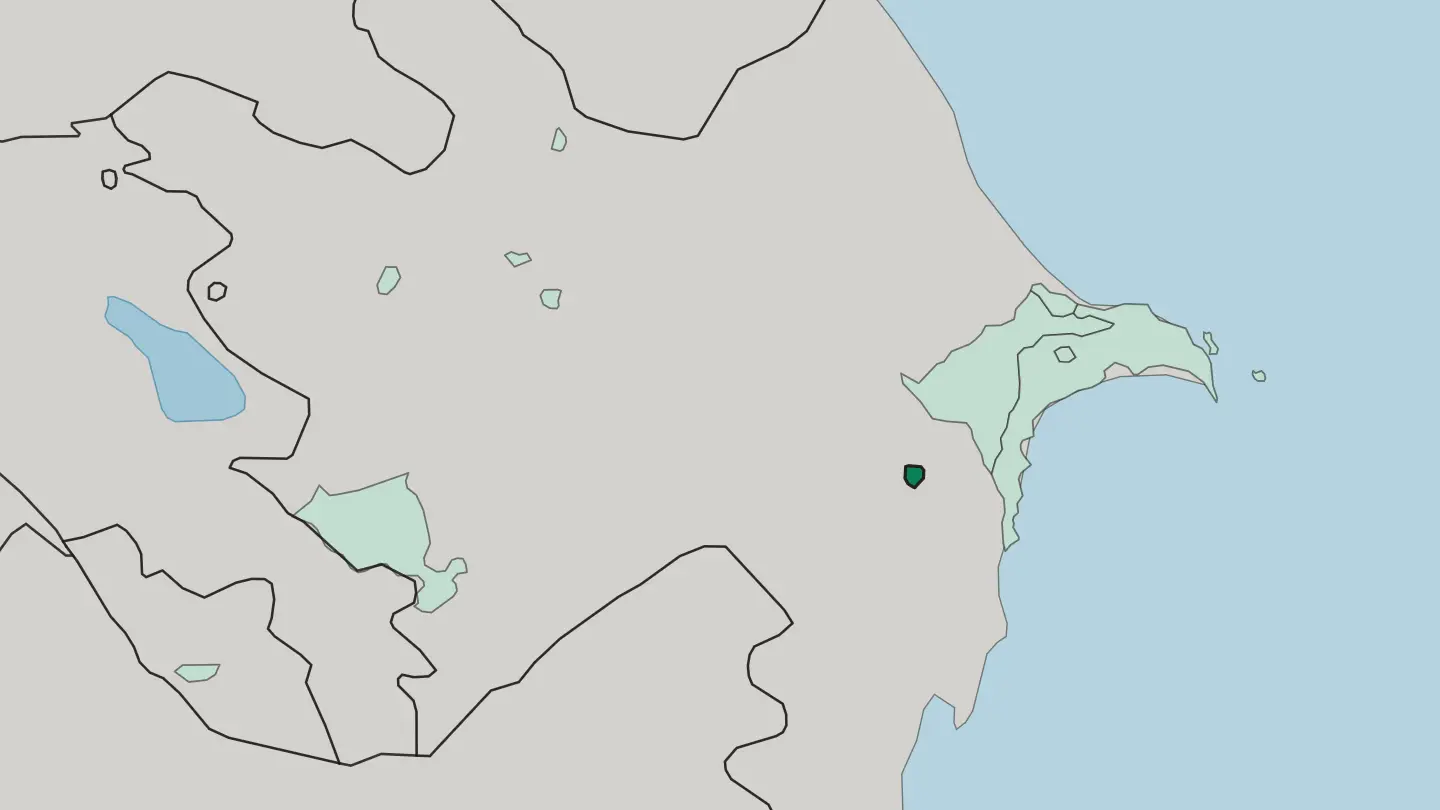 Azerbaijan
Sumqayit City
Sumqayit is Azerbaijan's second city, a planned industrial port on the Caspian Sea just north of Baku.Towns & cities →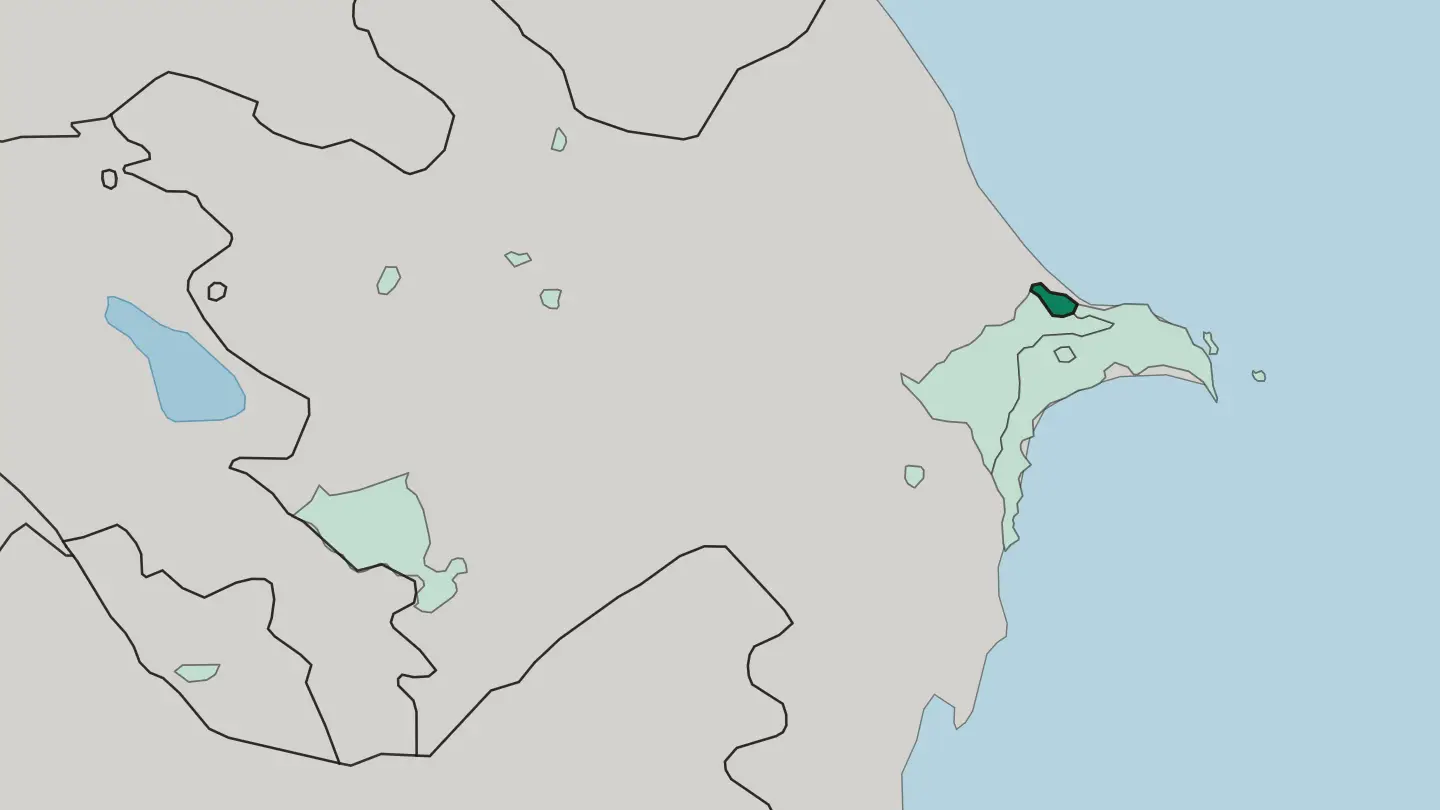 Azerbaijan
Yevlakh City
Yevlakh City stands on the Kura River in the Ganja Region of Azerbaijan, its embankments a place for evening walks.Towns & cities →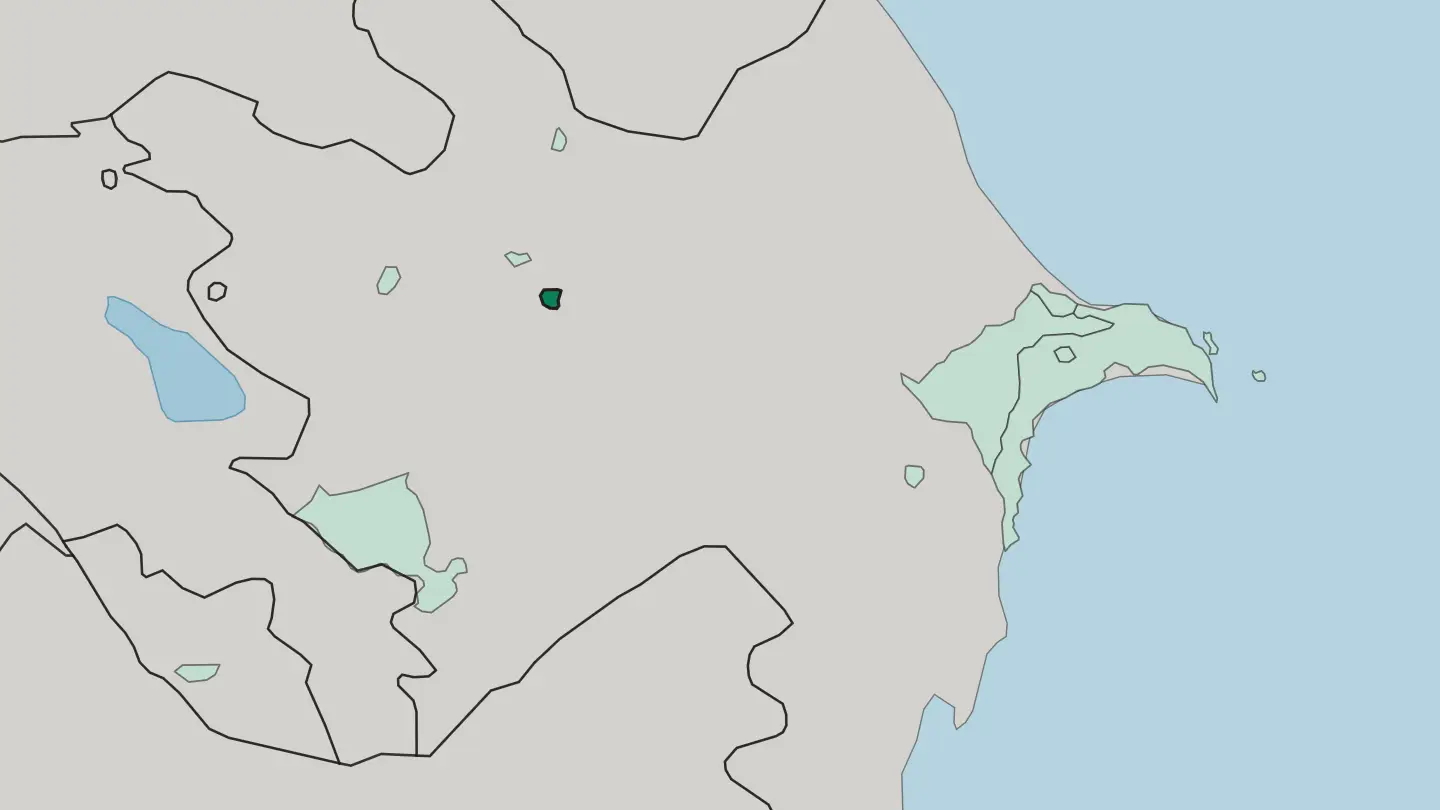
Explore by experience
Not sure which place? Start from how you want to travel.

About Azerbaijan
What is Azerbaijan known for?
Azerbaijan is known first for its position, a transcontinental country on the South Caucasus. It meets the Caspian Sea along its eastern edge and sits at the boundary between Eastern Europe and Western Asia, counted by some as European and by others as Asian. Its neighbours read like a map of the region.
Georgia, Russia, Armenia, Iran, and Turkey all border the country, and Baku stands as its capital and largest city on the Caspian shore.
Where is Azerbaijan?
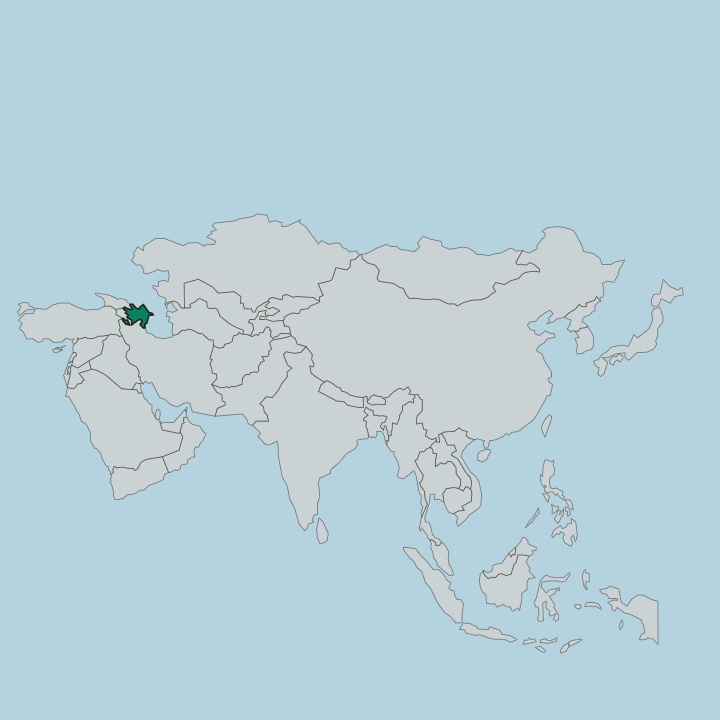
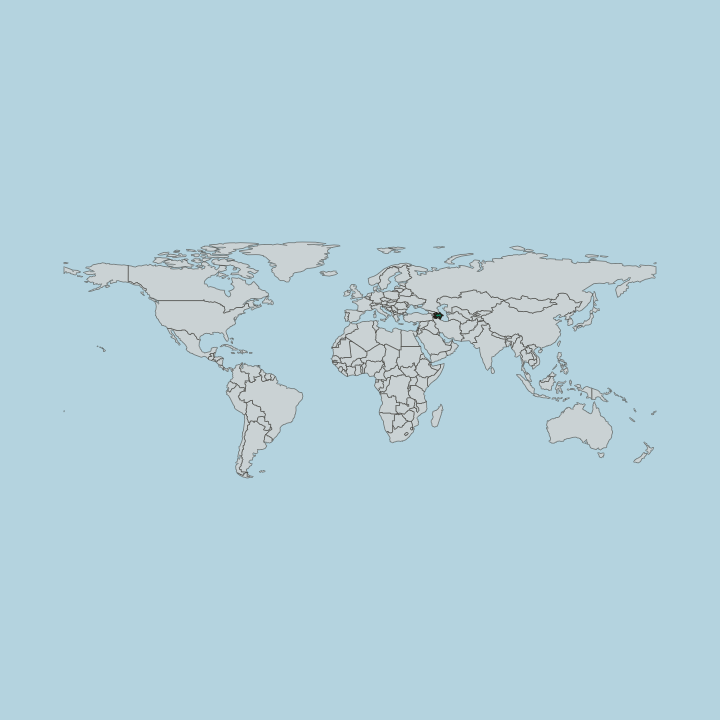
Azerbaijan lies in the South Caucasus, a transcontinental country at the boundary of Western Asia and Eastern Europe. The Caspian Sea forms its eastern edge. That shore is the country's only frontier with open water, for Azerbaijan is otherwise landlocked, ringed on every other side by neighbouring states across the South Caucasus and beyond.
Russia's republic of Dagestan lies to the north, with Georgia along the northwest. Iran runs the length of the south. Armenia bounds the west, and Turkey touches Azerbaijan only through the exclave of Nakhchivan, a piece of the country set apart from the mainland.
European and Asian influences both claim the country, a transcontinental land whose bearings are rooted on the South Caucasus between two continents. Baku, the capital, sits on the Caspian. Its lands stretch inland from the Caspian shore across the region it shares with Georgia and Armenia, reaching down toward the border with Iran.
That exclave of Nakhchivan meets Armenia, Turkey, and Iran, Azerbaijani land beyond the main body of the country. Five neighbours ring it. This web of borders places Azerbaijan among Russia, Georgia, Armenia, Iran, and Turkey at once, a country held between the Caspian and the wider Caucasus.
What is the history of Azerbaijan?
Azerbaijan's history turns on its position between Europe and Asia. On the South Caucasus, on the frontier of Western Asia and Eastern Europe, the country has long sat on the routes tying the two continents. Its story is inseparable from its neighbours.
Its place beside the Caspian Sea, among Russia, Georgia, Armenia, Iran, and Turkey, drew centuries of movement, trade, and rule across the region. Powers rose and receded. The country's past is bound up with each of the states that came to ring it.
In the twentieth century Azerbaijan became a Soviet republic, governed within a single vast state. That chapter closed in 1991. The country declared its independence and took its modern form as the Republic of Azerbaijan, a sovereign state on the South Caucasus.
Baku became the capital of the new country. Independence gave the country its own path within the South Caucasus, no longer ruled from a distant capital but standing on its own beside the Caspian Sea. The years since have set Azerbaijan among the countries of the region, holding its ground between the Caspian Sea and its five neighbours in Russia, Georgia, Armenia, Iran, and Turkey.
What is Azerbaijan like?
Azerbaijani culture reflects the country's place between Europe and Asia. The Azerbaijani language gives the country its name, set down in its own form as Azərbaycan Respublikası, and carries an identity shaped across the South Caucasus. Its bearings point two ways.
Neither fully European nor fully Asian, the country draws on both worlds, a transcontinental society rooted between the Caspian Sea and the wider Caucasus. This meeting of continents is the country's oldest inheritance, older than any of the borders drawn around it across the South Caucasus. That inheritance runs through daily life.
The country's long ties to Russia, Georgia, Armenia, Iran, and Turkey have shaped its customs and its sense of itself over generations of contact across the region. Each neighbour left a mark. Baku anchors it all.
As the capital on the Caspian shore, the city gathers the currents of the South Caucasus, a meeting point for the region and its neighbours. The Caspian Sea sets the eastern rhythm of the country, while the mountains of the Caucasus mark its northern reach, and between them the culture of Azerbaijan has taken its shape.
What is the climate of Azerbaijan?
Azerbaijan sits in a temperate band of the northern hemisphere. Its seasons turn clearly, warm through the summer months and cooler in winter, with the weather shifting between the Caspian shore and the higher ground inland. The Caspian Sea softens the eastern edge.
Along that coast around Baku, the water moderates the extremes, while the interior of the South Caucasus feels a sharper swing between the seasons across the year.
How do you get to Azerbaijan?
Most journeys to Azerbaijan begin in Baku. The capital, set on the Caspian Sea, is the main point of arrival for the country and the natural hub for onward travel across the South Caucasus. Overland routes cross the borders too.
Roads and rail lines link Azerbaijan to Georgia and Russia to the north and northwest, and to Iran along the south, while the exclave of Nakhchivan is reached separately near Turkey.
Updated September 2026