Azerbaijan · Shirvan
Where to Stay in Şirvan, Shirvan
Şirvan stands on the Kura River in Azerbaijan, a city called Zubovka until 1938 and Ali Bayramli until 2008.
Hotel links are affiliate links: booking through them may earn us a commission, at no extra cost to you. It never affects how places are ranked. How this works


Where to stay in Şirvan
Where visitors usually base themselves, and why.
The Kura River is the one fixed reference in Şirvan, and the streets worth a bed run within reach of it. Rooms concentrate in the centre. Around the Mədəniyyət və istirahət bağı the city keeps its planted ground, and a room by that park puts the walkable part of town at the door with the river lying beyond it.
The riverside is the other choice, with water rather than traffic outside the window. Two settlements come under the same city without joining its grid: Hajigarahmanly and Bairamly. Neither is a hotel quarter.
Stay in either and you trade the shops for a village morning and a drive back in. The Nekropol marks the older ground, and it is reached from the same central base as everything else in Şirvan. First-time visitors do best near the park.
That keeps the Kura, the shops and the Nekropol on one short axis, which matters in a city where the choice of area is a choice of ten minutes rather than an hour.
Find hotels in Şirvan
Direct booking searches for these neighbourhoods.
Around the Mədəniyyət və istirahət bağı
The planted centre of Şirvan, with the Mədəniyyət və istirahət bağı as the green ground the surrounding streets are laid around.Find hotels in Around the Mədəniyyət və istirahət bağıwaking up on the Kura RiverThe Kura riverside
The strip of Şirvan that faces the Kura, water on one side and the ordinary working city on the other.Find hotels in The Kura riversideseeing the settlement side of the cityHajigarahmanly
A settlement counted into Şirvan rather than part of its street grid, quiet and away from the park. Beds are limited here, so book early.Find hotels in Hajigarahmanlya village morning within the city limitsBairamly
The second settlement inside Şirvan, further from the Nekropol and the shops than any central address. Lodging is scarce in this area; reserve in advance.Find hotels in BairamlyHotel links are affiliate links: booking through them may earn us a commission, at no extra cost to you. It never affects how places are ranked. How this works
About Şirvan
The Kura River runs past.
What is Şirvan known for?
Three names have sat on the same ground: Zubovka up to 1938, Ali Bayramli for the seventy years after that, and Şirvan from 2008. City status arrived in 1963, following a spell as a village between 1938 and 1954. The Mədəniyyət və istirahət bağı and a Nekropol are the sites carried under its own name.
What are the main landmarks in Şirvan?
Two sites carry the city's own listing. The Mədəniyyət və istirahət bağı is the park kept for culture and recreation, the piece of planted ground the centre is built around. A Nekropol holds the older burials.
Beyond those two, the Kura River is the landmark that does the most work, since the whole plan of Şirvan answers to the line it draws.
What is the history of Şirvan?
The place began under the name Zubovka. In 1938 that name gave way to Ali Bayramli, and for the sixteen years that followed the settlement on the Kura River was counted as a village rather than a town. City status came on 4 January 1963.
The name Ali Bayramli then held for another forty-five years, until the change to Şirvan in 2008, so a single site has been listed under three names within one lifetime. Hajigarahmanly and Bairamly were drawn in as settlements of the city rather than separate places. The Nekropol predates every one of those names.
Azerbaijanis make up almost the whole city, with Russians, Ukrainians, Tatars and Turks among the smaller groups counted alongside them. Nothing about the site changed through any of it: the Kura River still runs where it ran under Zubovka.
Where is Şirvan?
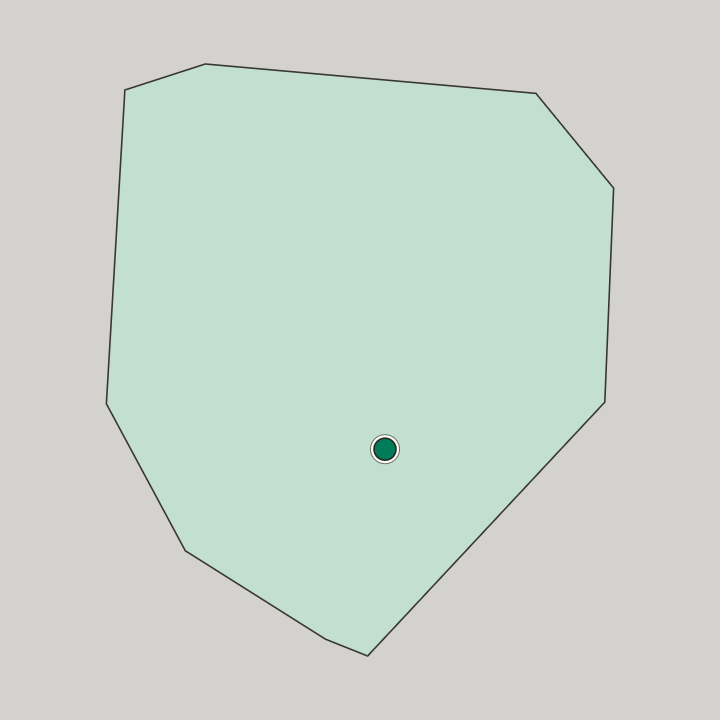
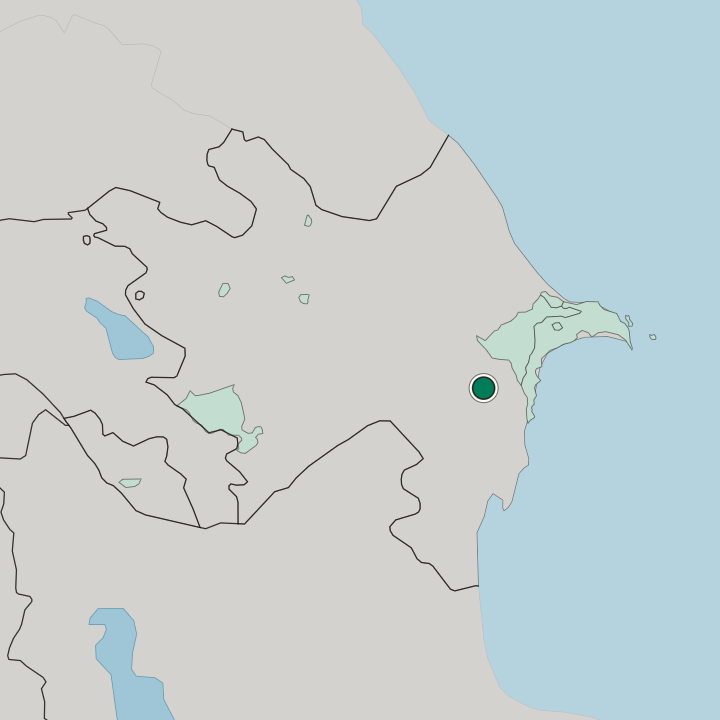
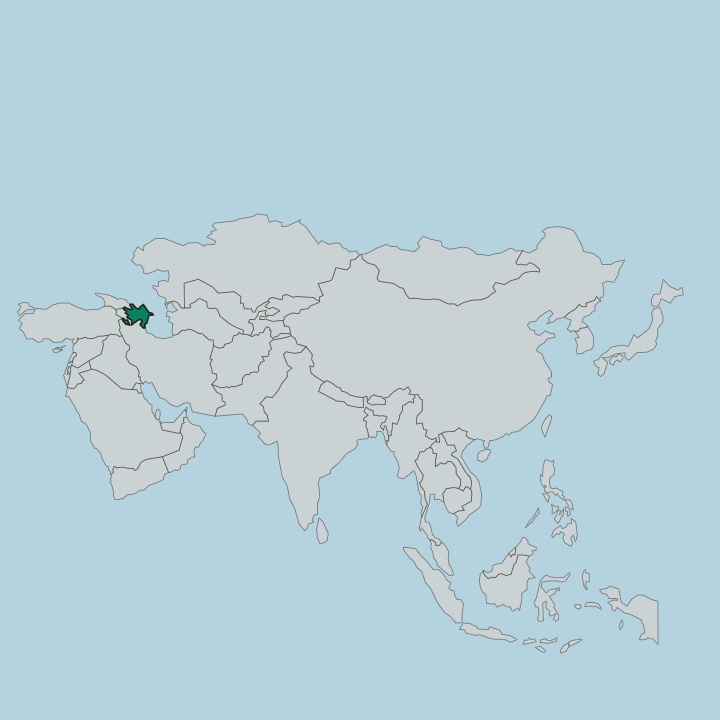
Şirvan lies on the Kura River in Azerbaijan, and that water fixes the position of the city. Shirvan is the district around it. The city territory takes in the settlements of Hajigarahmanly and Bairamly as well as the built-up streets, so the limits reach a good deal further than the grid a visitor walks.
What is the climate of Şirvan?
The Kura River is the only large water at hand, and a river does far less than a sea to take the edge off either end of the year. Seasons follow the northern calendar. Şirvan sits in the temperate band, well clear of the tropics, which puts both ends of its year within ordinary limits rather than extreme ones. Layers earn their place.
How do you get to Şirvan?
Travellers reach Şirvan by land. The city stands on the Kura River in Azerbaijan, and roads rather than water bring the traffic in. Hajigarahmanly and Bairamly are reached from the same roads, since both are counted into Şirvan while lying outside its built-up streets.
Older signage and older paperwork may still read Ali Bayramli.
Common questions
What is the best area to stay in Şirvan?
Around the Mədəniyyət və istirahət bağı: a first base beside the city park. The Kura riverside: waking up on the Kura River. Hajigarahmanly: seeing the settlement side of the city. Bairamly: a village morning within the city limits.
Updated September 2026