Burkina Faso · Centre
Where to Stay in Ouagadougou, Centre
Ouagadougou is the capital and largest city of Burkina Faso, a Mossi royal seat on the plateau of Kadiogo, known for its national museums.
Hotel links are affiliate links: booking through them may earn us a commission, at no extra cost to you. It never affects how places are ranked. How this works


Where to stay in Ouagadougou
Where visitors usually base themselves, and why.
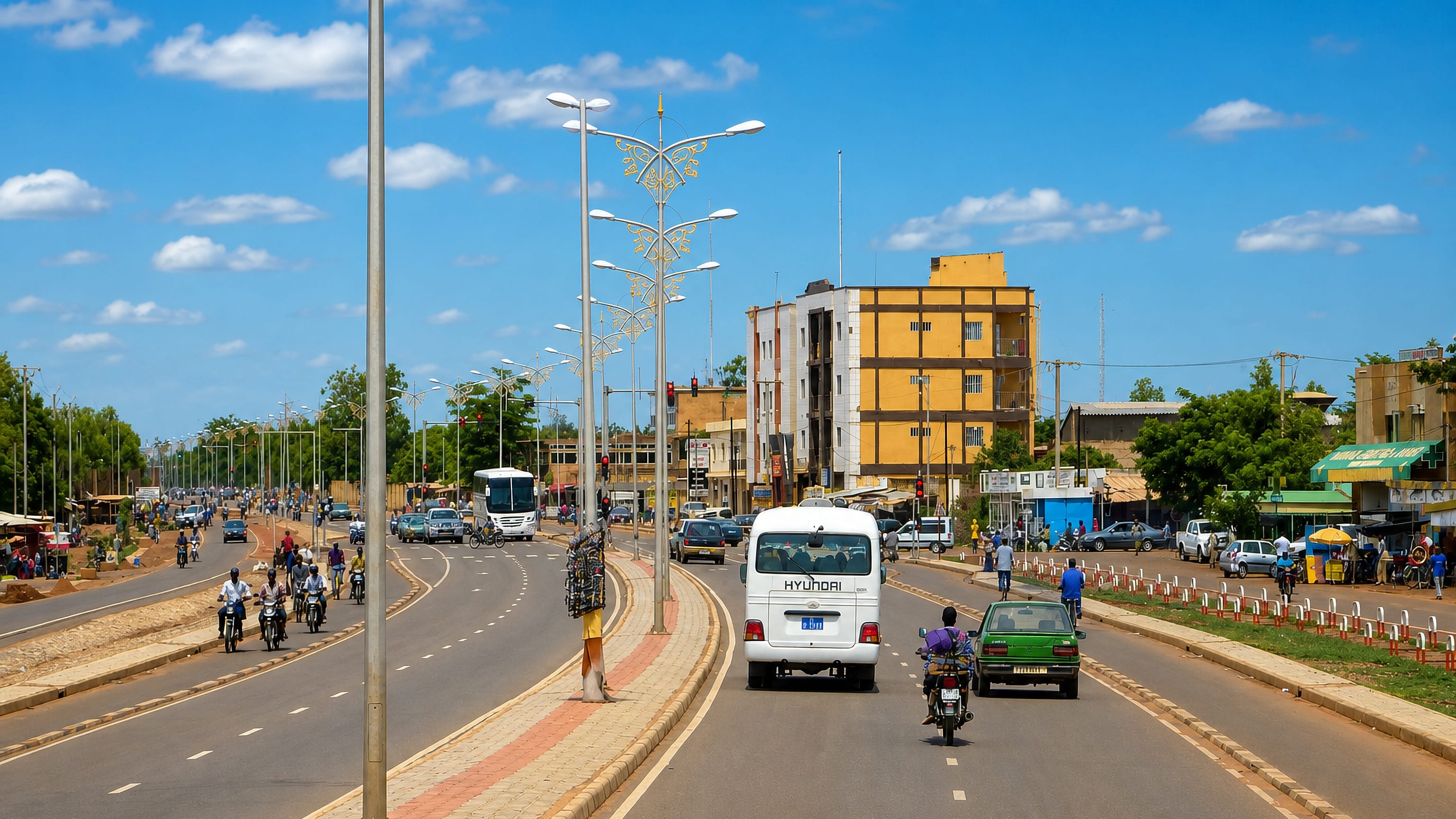
Ouagadougou spreads across a flat plateau, and its useful bases sit near the civic core rather than any coast or hill. The centre gathers the administration, the Place de la Nation, and the Monument to National Heroes, and it is the natural first choice if you want government offices, markets, and the main sights within a short ride. The museum quarter is the second draw.
Rooms near the Musée national du Burkina Faso and the Musée de la musique de Ouagadougou put you within reach of the collections and the Filmmakers' square, the plaza that records the city's long film tradition. For quieter nights on the edge of town, the ground out towards the sanctuaire marial de Yagma and the Ouagadougou New Cathedral trades bustle for space. Wherever you stay, the city is compact enough that the Kadiogo plateau roads carry you across it quickly, and one base in Ouaga covers most of what a visitor to Burkina Faso comes to see.
Find hotels in Ouagadougou
Direct booking searches for these neighbourhoods.
City centre
The administrative core gathers the Place de la Nation and the Monument to National Heroes, with the main markets and sights a short ride apart.Find hotels in City centrecollections and Ouaga's film traditionMuseum quarter
Rooms near the Musée national du Burkina Faso and the Filmmakers' square put the country's collections and cinema heritage within walking reach.Find hotels in Museum quarterquiet nights near the sanctuaire marial de YagmaYagma edge
The ground out towards the sanctuaire marial de Yagma and the Ouagadougou New Cathedral trades the busy core for open space on the plateau's rim. Beds are limited here, so book early.Find hotels in Yagma edgeHotel links are affiliate links: booking through them may earn us a commission, at no extra cost to you. It never affects how places are ranked. How this works
Things to do in Ouagadougou
Ranked by global recognition; descriptions from Wikidata (CC0).
Museums & Galleries
2- Musée national du Burkina Faso
- Musée de la musique de Ouagadougou
Churches & Religious Sites
2- sanctuaire marial de Yagma
- Ouagadougou New Cathedral
Castles & Historic Sites
2- Filmmakers’ square
- Place de la Nation ( Ouagadougou)
worth knowingacross 3 categories in Ouagadougou
About Ouagadougou
What is Ouagadougou known for?
Ouagadougou is known as the capital of Burkina Faso and the seat of its national institutions. Locals shorten the name to Ouaga. The city holds the Musée national du Burkina Faso, the Musée de la musique de Ouagadougou, and the Memorial Thomas Sankara, and it has long been the centre of the country's film life, marked by the Filmmakers' square.
It is the administrative and cultural heart of the whole nation.
What are the main landmarks in Ouagadougou?
Ouagadougou centres its landmarks on the nation's memory and faith. The Memorial Thomas Sankara and the Monument to National Heroes anchor the civic ground, while the Place de la Nation gives the capital its main public square. The Musée national du Burkina Faso and the Musée de la musique de Ouagadougou hold the country's collections and instruments, the Filmmakers' square records its cinema, and the Ouagadougou New Cathedral and the sanctuaire marial de Yagma mark its Catholic sites.
Together they map the city.
What is the history of Ouagadougou?
Ouagadougou began as a Mossi royal seat from about 1050. It grew as the residence of the Mogho Naaba, the Mossi ruler whose court gave the settlement its lasting standing, and the older forms of the name, Wagadugu among them, carry that early history. For centuries the town was the political core of the Mossi kingdoms on the plateau of Kadiogo.
Under French rule it became a colonial administrative centre, and the modern spelling of the name follows the French orthography common across the former French territories. It stayed the capital afterward. When the country took the name Burkina Faso, Ouagadougou remained its seat of government.
Much of the capital's recent memory gathers around Thomas Sankara, recorded in the Memorial Thomas Sankara, and the people of the city are called ouagalais. The Mogho Naaba's court endures alongside the offices of the modern state.
Where is Ouagadougou?
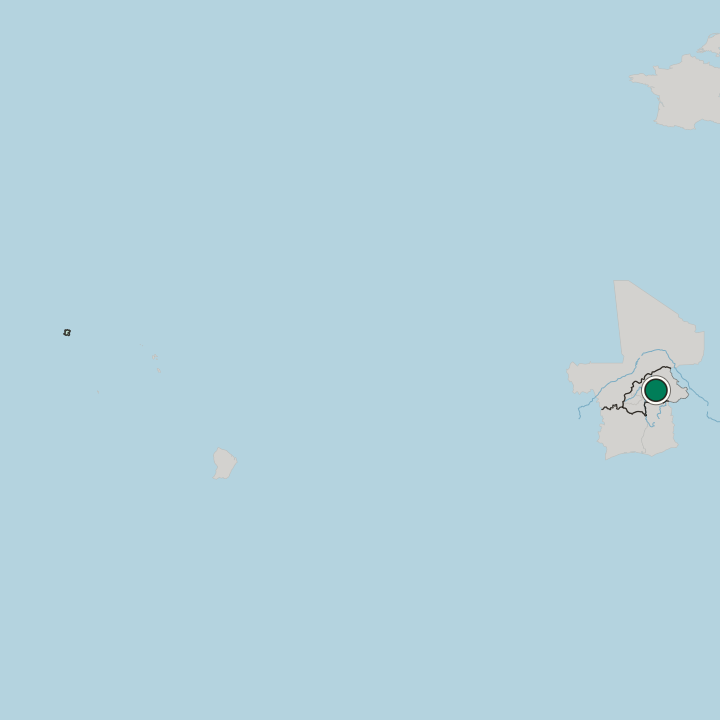
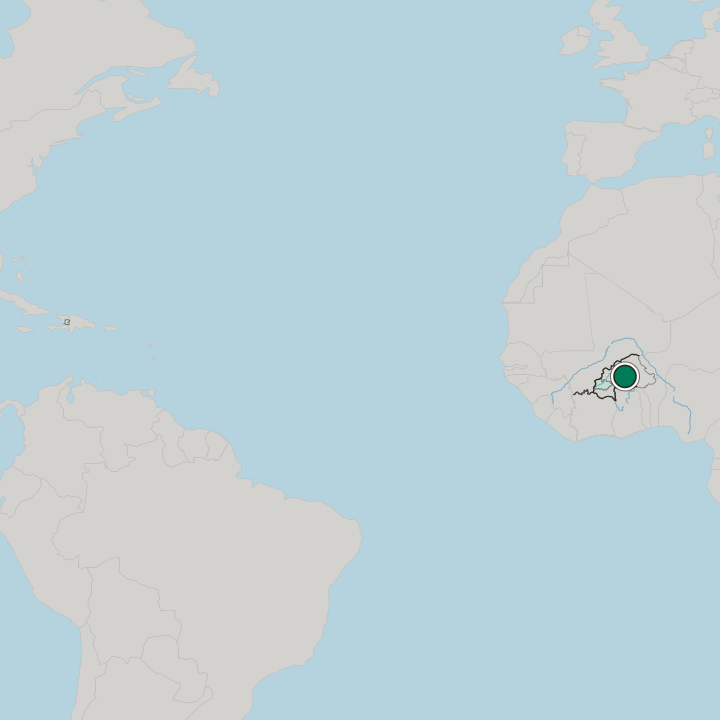
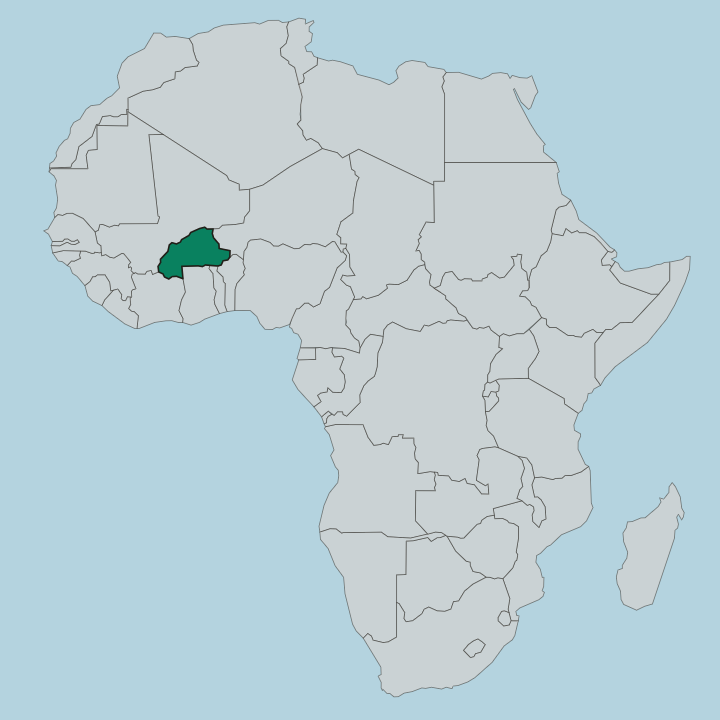
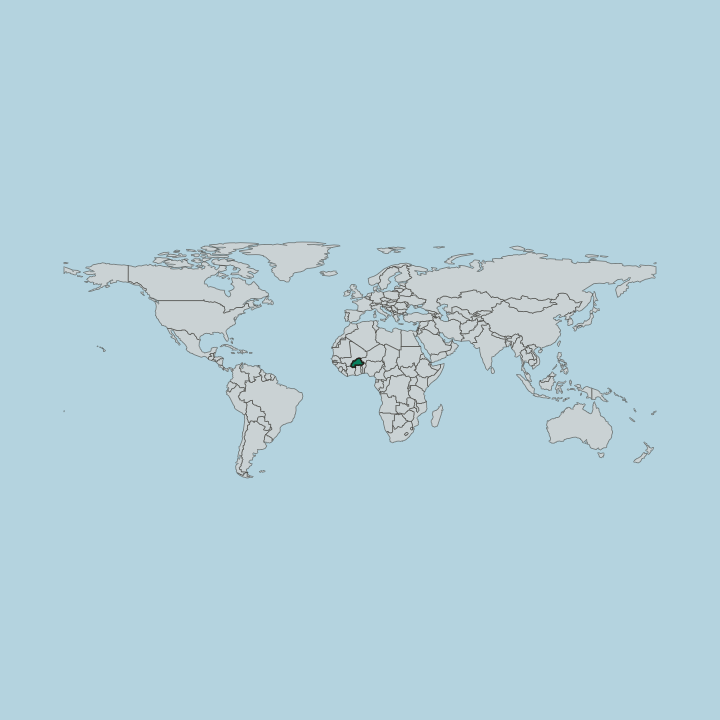
Ouagadougou stands on a flat, low plateau in the interior of Burkina Faso, at the heart of Kadiogo province and the Centre region. The city has no coast and no large river through its core; its water comes instead from seasonal streams and a string of reservoirs held on the dry tableland. Roads fan out from the capital across the plateau to the rest of the country.
It sits near the middle of the national road network.
What is the climate of Ouagadougou?
Ouagadougou has a hot tropical climate on the interior plateau of Burkina Faso. The year divides between a long dry season and a shorter rainy one. Storms gather over Kadiogo in the middle months and fill the reservoirs around the city, and the dry season that follows brings hot, dusty days as winds arrive from the north.
It stays warm all year, hottest before the rains.
How do you get to Ouagadougou?
Ouagadougou is the main gateway into Burkina Faso. The city holds the country's principal international airport and the terminus of the rail line that runs south towards the coast, and the national road network converges on it from every direction. Most arrivals land or drive straight into the capital on the Kadiogo plateau.
From there the rest of the country opens up.
Common questions
What is the best area to stay in Ouagadougou?
City centre: government, markets, and the Place de la Nation. Museum quarter: collections and Ouaga's film tradition. Yagma edge: quiet nights near the sanctuaire marial de Yagma.
Good for
Updated October 2026