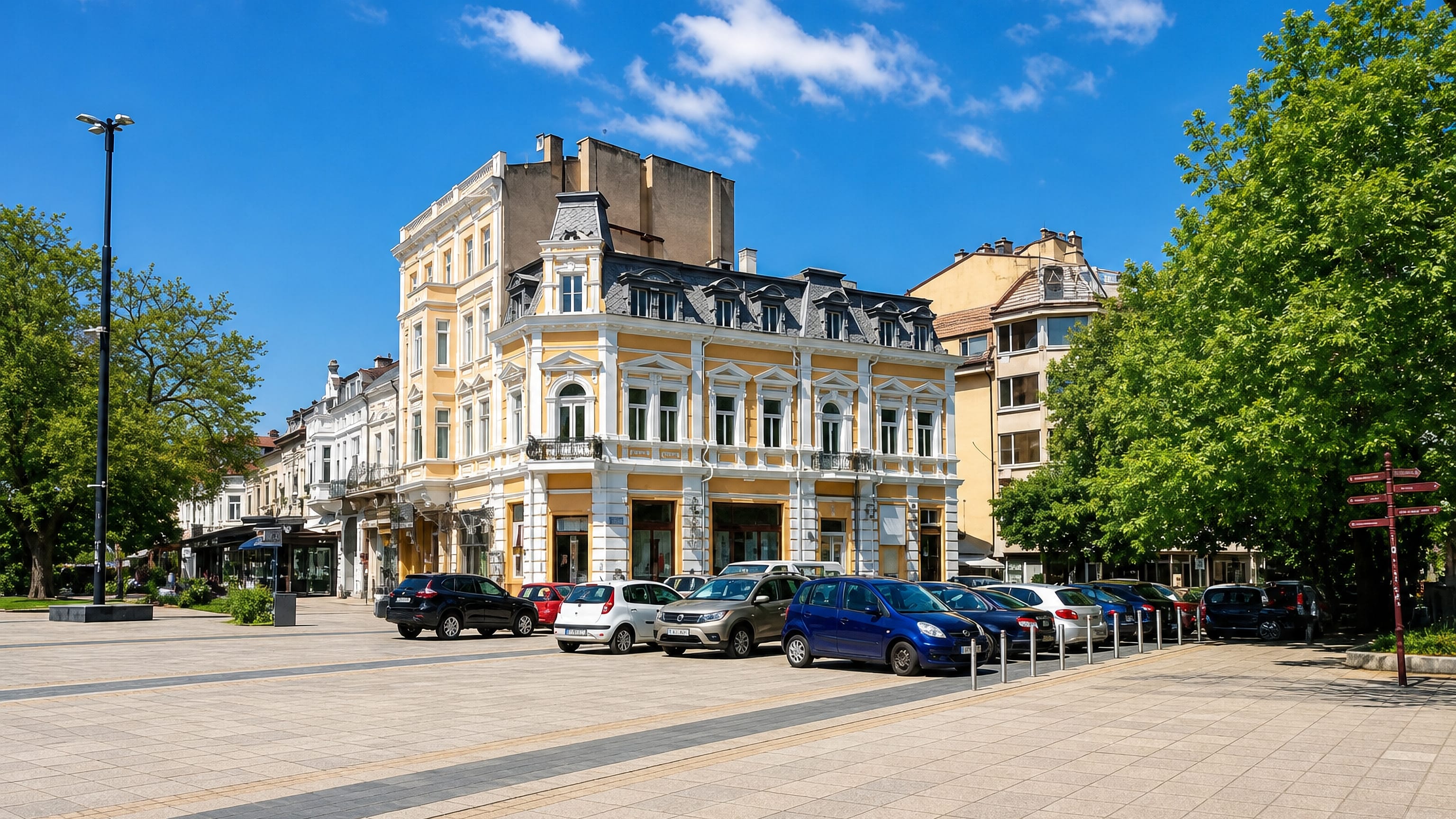
Bulgaria · Oblast Ruse
Where to Stay in Ruse, Oblast Ruse
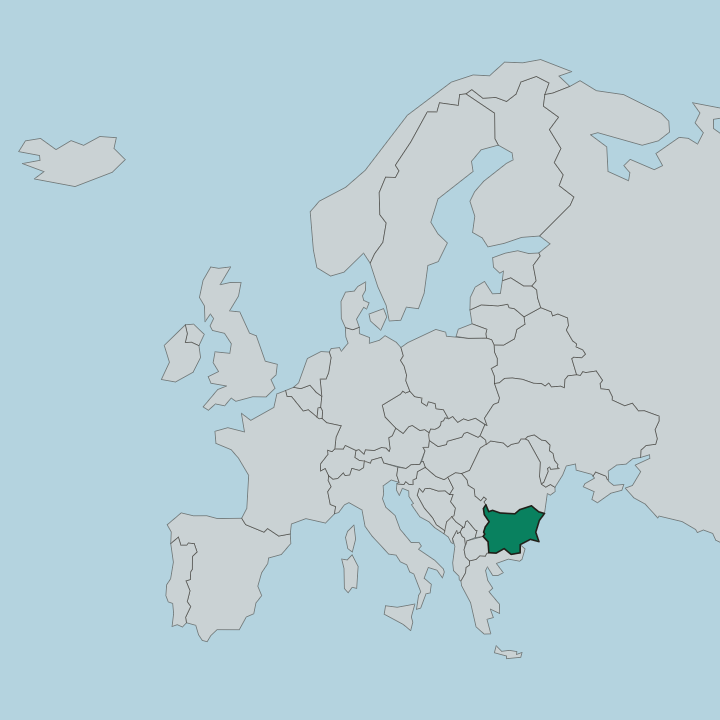
Ruse is Bulgaria's great port on the Danube, an elegant city of nineteenth-century architecture in the country's northeast.
Hotel links are affiliate links: booking through them may earn us a commission, at no extra cost to you. It never affects how places are ranked. How this works


Where to stay in Ruse
The practical side of choosing where to sleep.
In Ruse the grand central quarter decides the matter. The grand streets around the central square keep the theatres, the museums, and the cafés within a walk, and staying in the centre suits anyone here for the old elegance. The square glows under lamps at night.
Rooms sit in the fine old houses near the boulevards. Out toward the river and the edges, the town spreads into quieter streets. A room near the Danube trades the boulevards for the waterfront, the port, and a view across to Romania.
The great river runs wide below. If you want the theatres and the cafés, stay in the centre; if you want the river, take a room by the water. Either way, old Ruse is close at hand.
Find hotels in Ruse
Direct booking searches for these neighbourhoods.
The centre
Around the central square and the Monument of Liberty, within a walk of the boulevardsFind hotels in The centreStays wanting the waterfront and the portBy the river
Near the Danube on the town's edge, with the port and the view across to RomaniaFind hotels in By the riverHotel links are affiliate links: booking through them may earn us a commission, at no extra cost to you. It never affects how places are ranked. How this works
Things to do in Ruse
Ranked by global recognition; descriptions from Wikidata (CC0).
Museums & Galleries
3- Sexaginta Prista Heritage
- Rousse Regional Historical Museum Heritage
- Kaliopa House Heritage
Churches & Religious Sites
3- Holy Mother of God church Heritage
- St Paul of the Cross Cathedral
- Vseh Svyatih church, Rousse
Castles & Historic Sites
3- Monument of Liberty Heritage
- Паметник на Любен Каравелов Heritage
- 5th Danube regiment monument, Rousse
worth knowingacross 3 categories in Ruse
About Ruse
Ruse is known as Little Vienna.
What is Ruse known for?
Its grand Neo-Baroque houses and theatres line broad boulevards above the Danube, built when the port grew rich in the nineteenth century, and the tall Monument of Liberty crowns the central square. Roman ruins of Sexaginta Prista lie by the river. Grace and trade shaped the city.
What are the main landmarks in Ruse?
The Monument of Liberty crowns the heart of Ruse. Its tall column and winged figure rise over the grand central square, the emblem of the city, ringed by Neo-Baroque theatres and houses. History lines the river.
The Roman fort of Sexaginta Prista stands by the water, while the Pantheon of National Revival Heroes and the National Transport Museum keep the city's story.
What is the history of Ruse?
Ruse began as a Roman fort on the Danube. The legions built Sexaginta Prista here to guard the river frontier of the empire, and a town held the crossing long after Rome fell. The river made its fortune.
Under Ottoman rule the port grew into a great trading city, and when Bulgaria won its freedom, Ruse became the richest and most European town in the young country. Wealth built a little Vienna on the Danube. Merchants and bankers raised grand houses, theatres, and the first railway in the land, and the Monument of Liberty rose over the square to honour the fight for freedom.
Culture bloomed by the water. The writer Elias Canetti was born here, opera and trade filled the streets, and the Pantheon of National Revival Heroes gathered the memory of the nation's rebirth. Ruse still wears its old elegance above the great river.
Where is Ruse?
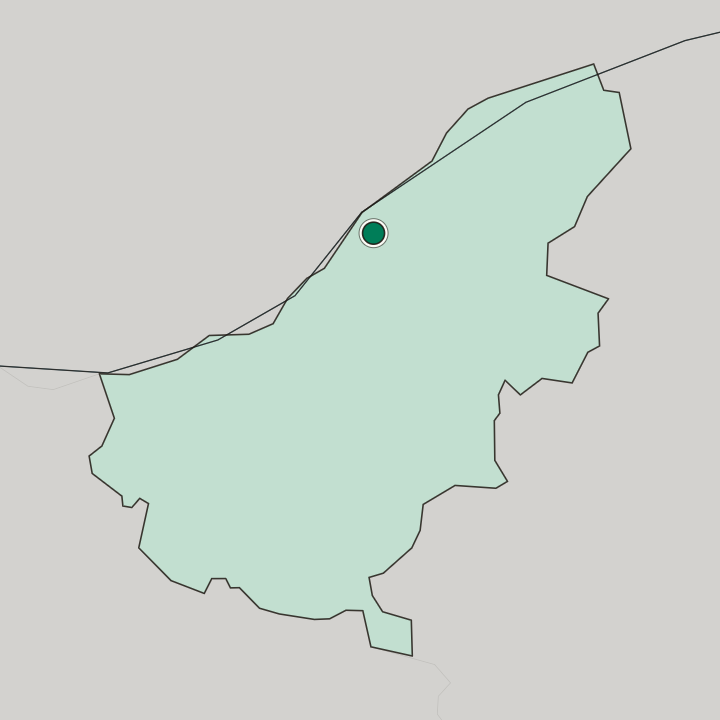
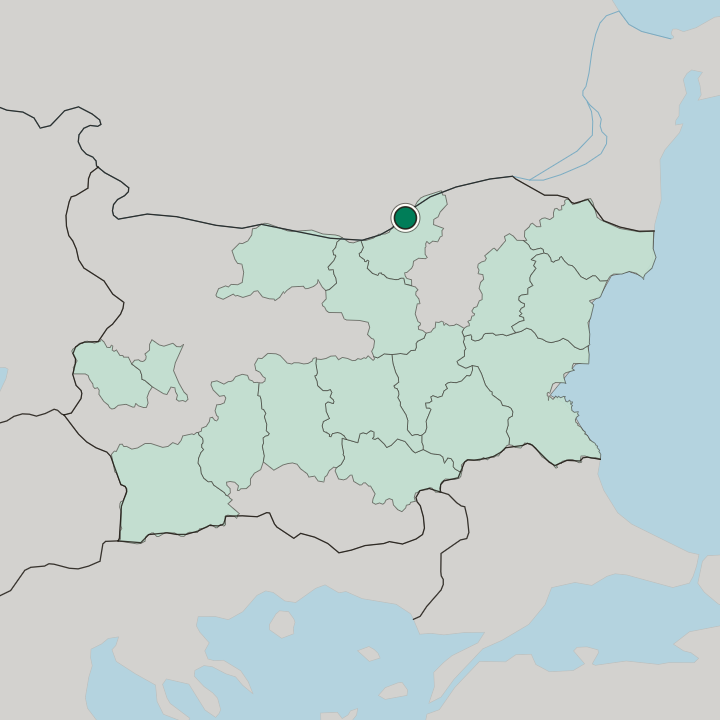
Ruse stands on the high south bank of the Danube. The city rises on bluffs above the great river in the northeast of Bulgaria, where the Danube marks the border with Romania and a long bridge crosses to the far shore. Flat farmland stretches away to the south.
The river carries the city's trade to the sea.
What is the climate of Ruse?
Ruse has a continental climate by the river. Hot, dry summers bake the Danube plain, and the winters turn cold and grey, with fog rising often off the great river. Snow falls on the bluffs in winter.
The seasons swing wide on the plain.
How do you get to Ruse?
Ruse sits on the Danube border of Bulgaria. Roads and rail run to it from Sofia and across the great bridge to Romania and Bucharest, and river boats call at the port. Buses reach the towns along the Danube.
Most arrive by road from Sofia or Bucharest.
Common questions
What is the best area to stay in Ruse?
The centre: Visitors here for the theatres, museums, and cafés. By the river: Stays wanting the waterfront and the port.
Good for
Updated October 2026