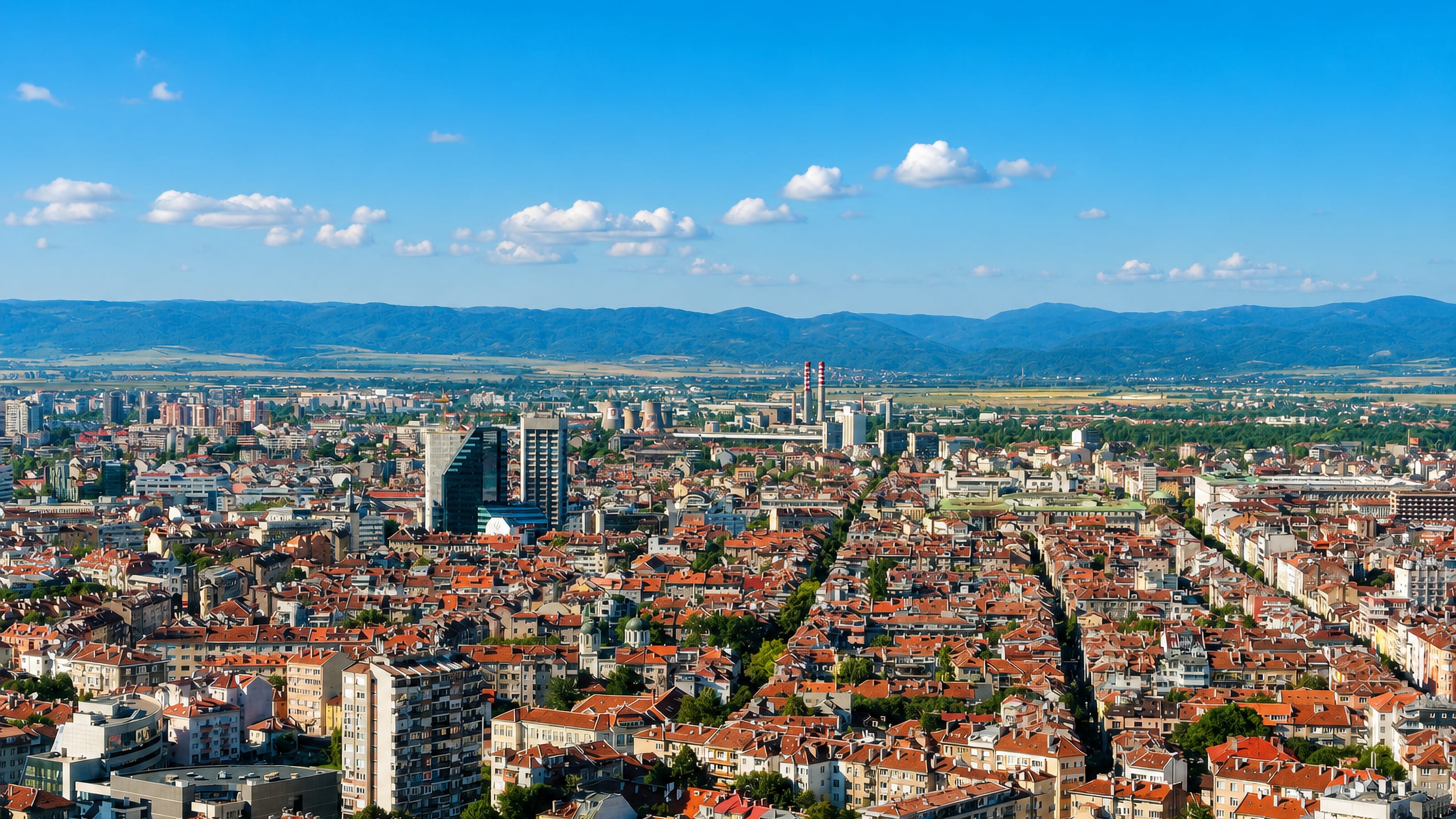
Bulgaria: Regions, Cities & Travel Guide
Bulgaria is a country in Southeast Europe, between the Danube and the Black Sea on the eastern Balkans, with Sofia as its capital and largest city.
Hotel links are affiliate links: booking through them may earn us a commission, at no extra cost to you. It never affects how places are ranked. How this works


Top destinations in Bulgaria
Cities to start from, then drill into areas and hotels.
 Bulgaria
Sofia
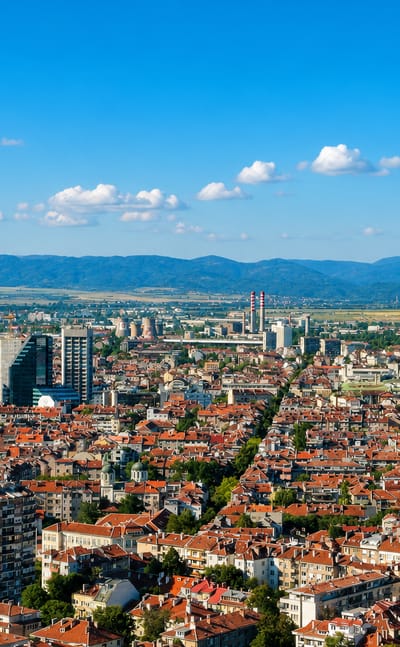
Sofia is the capital of Bulgaria, set in the Sofia Valley below Vitosha mountain, known for the Alexander Nevsky Cathedral and its mineral springs.Where to stay →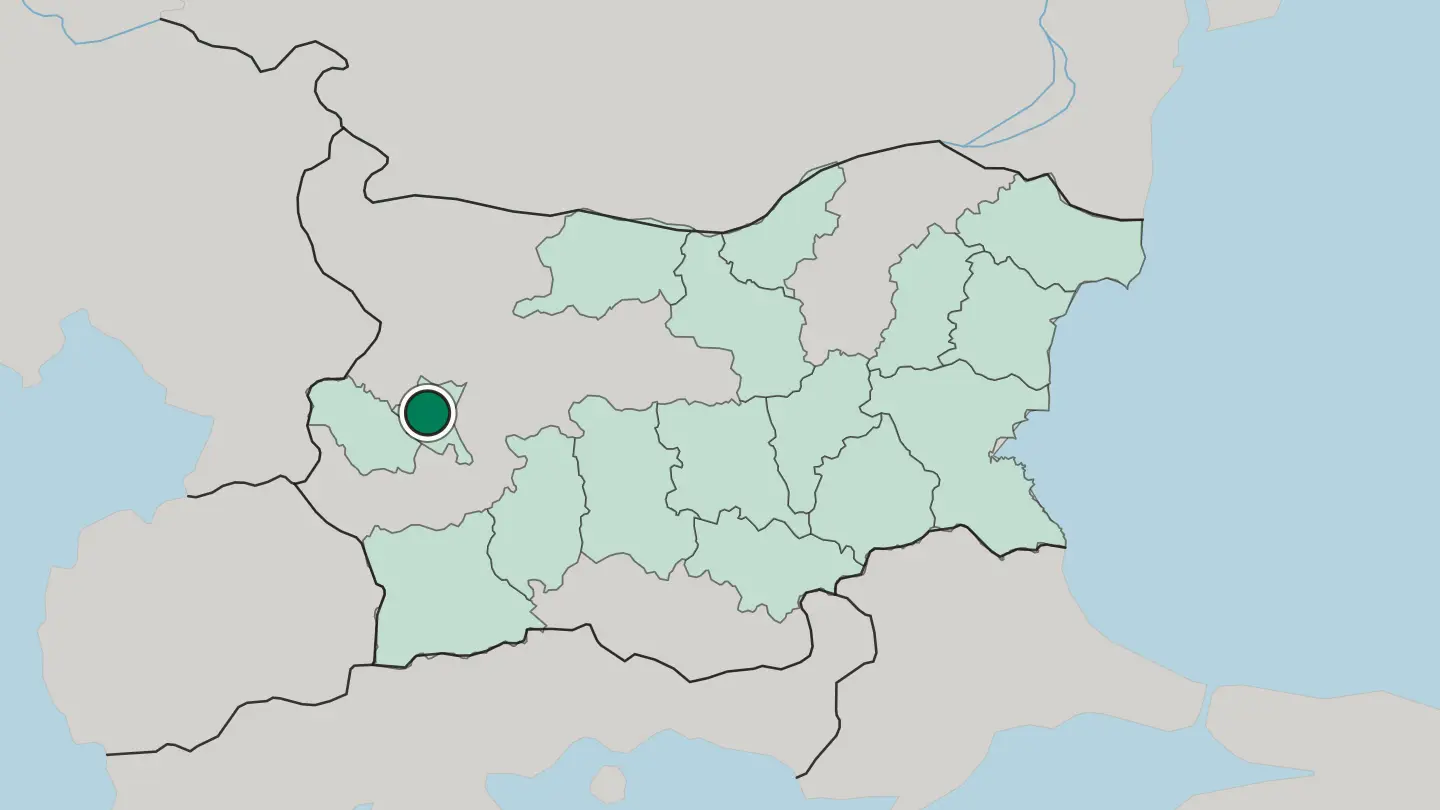
 Bulgaria
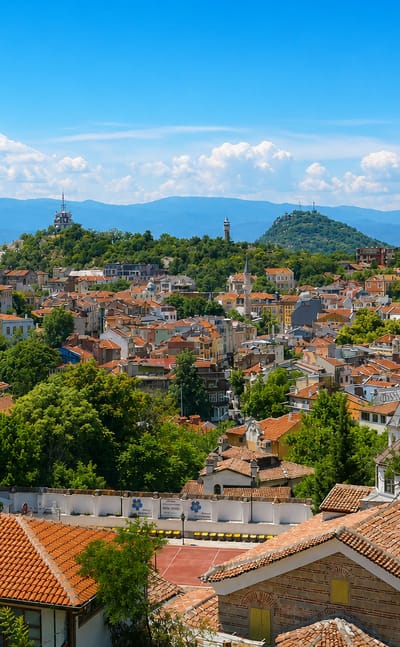
Plovdiv
Cobbled lanes climb the old hills of Plovdiv, the second-largest city of Bulgaria, in Thrace, known for its Roman stadium and painted revival houses.Where to stay →
 Bulgaria
Varna
The Black Sea opens wide at Varna, the sea capital of Bulgaria and its largest port, known for the gold of the Varna Necropolis.Where to stay →
 Bulgaria
Burgas
Burgas is a port city on Bulgaria's Black Sea coast, capital of Burgas Province, known for its harbour, seaside parks, and the resorts of the south coast.Where to stay →
 Bulgaria
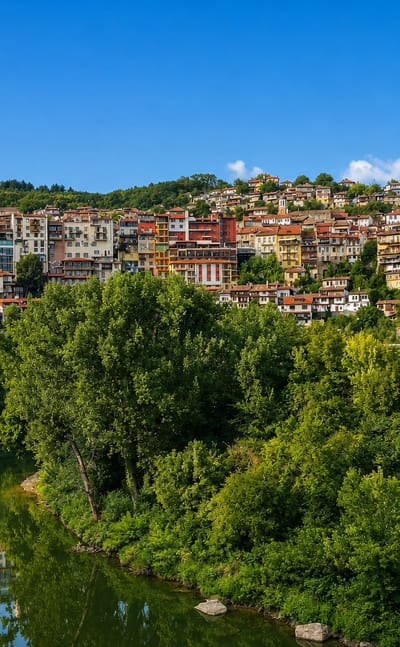
Veliko Tŭrnovo
Veliko Tŭrnovo climbs the gorge of the Yantra in north-central Bulgaria, a medieval city known for the Tsarevets Fortress and its houses above the river.Where to stay →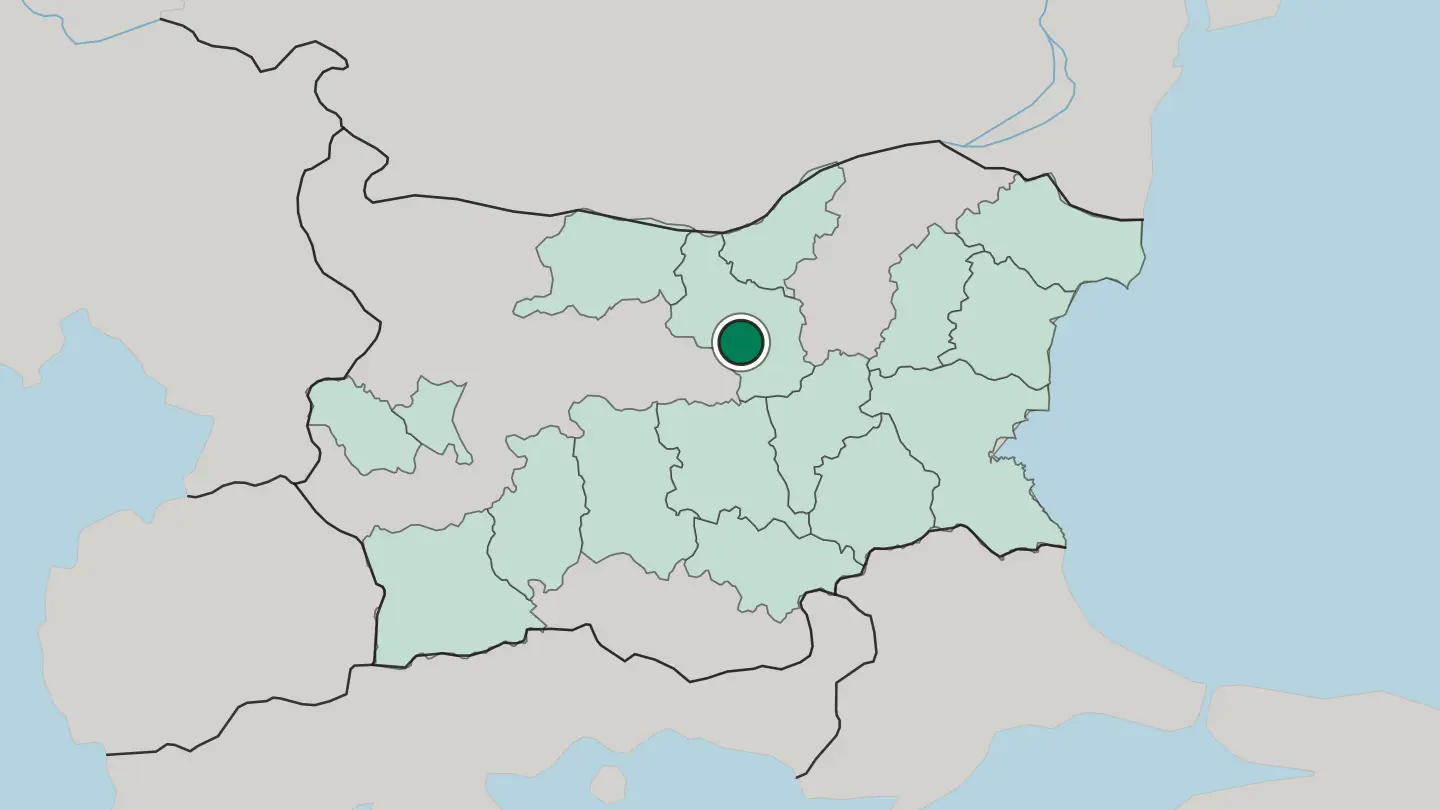
 Bulgaria
Ruse
Ruse is Bulgaria's great port on the Danube, an elegant city of nineteenth-century architecture in the country's northeast.Where to stay →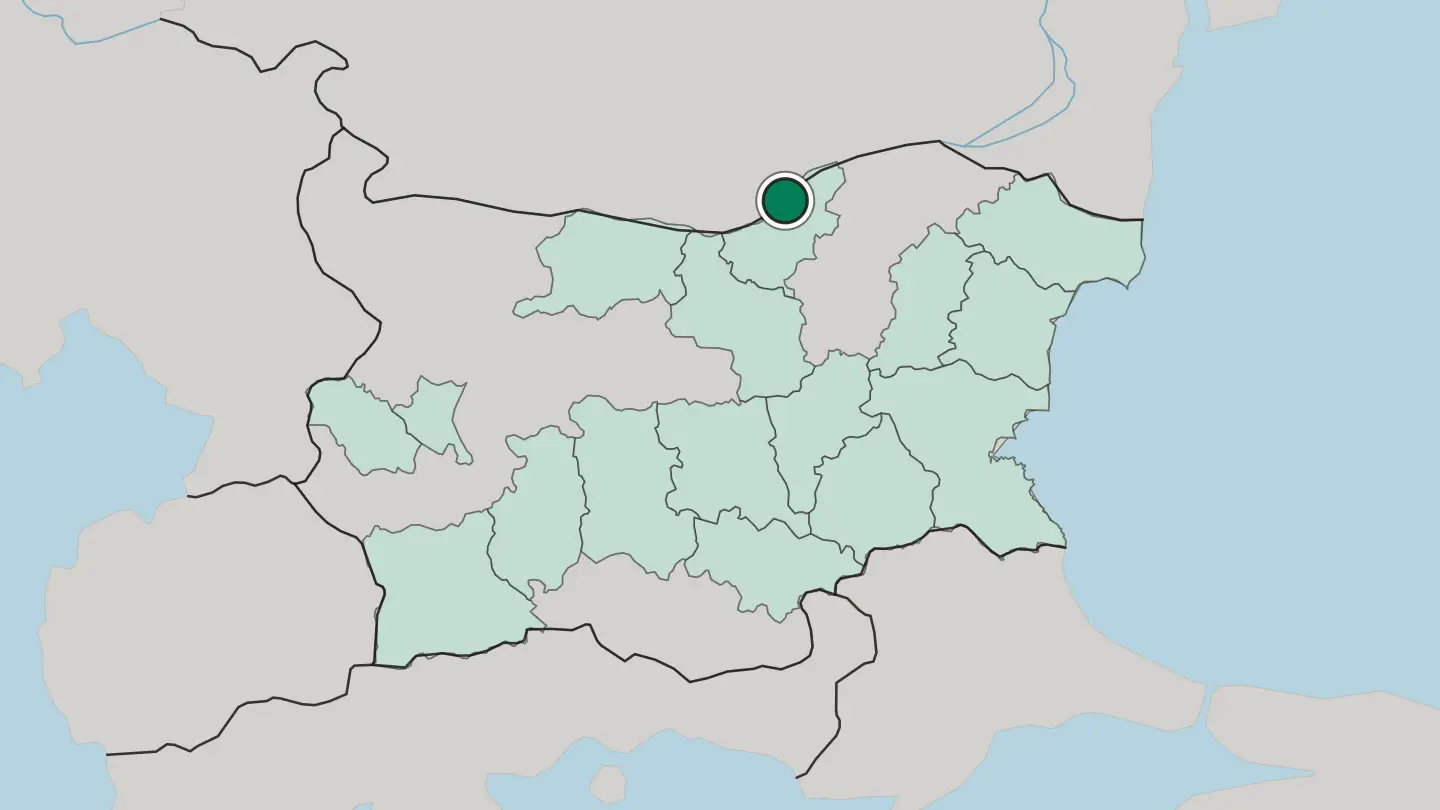
 Bulgaria
Stara Zagora
Stara Zagora is one of the oldest cities in Europe, a city of straight streets and lindens on the Thracian plain of Bulgaria.Where to stay →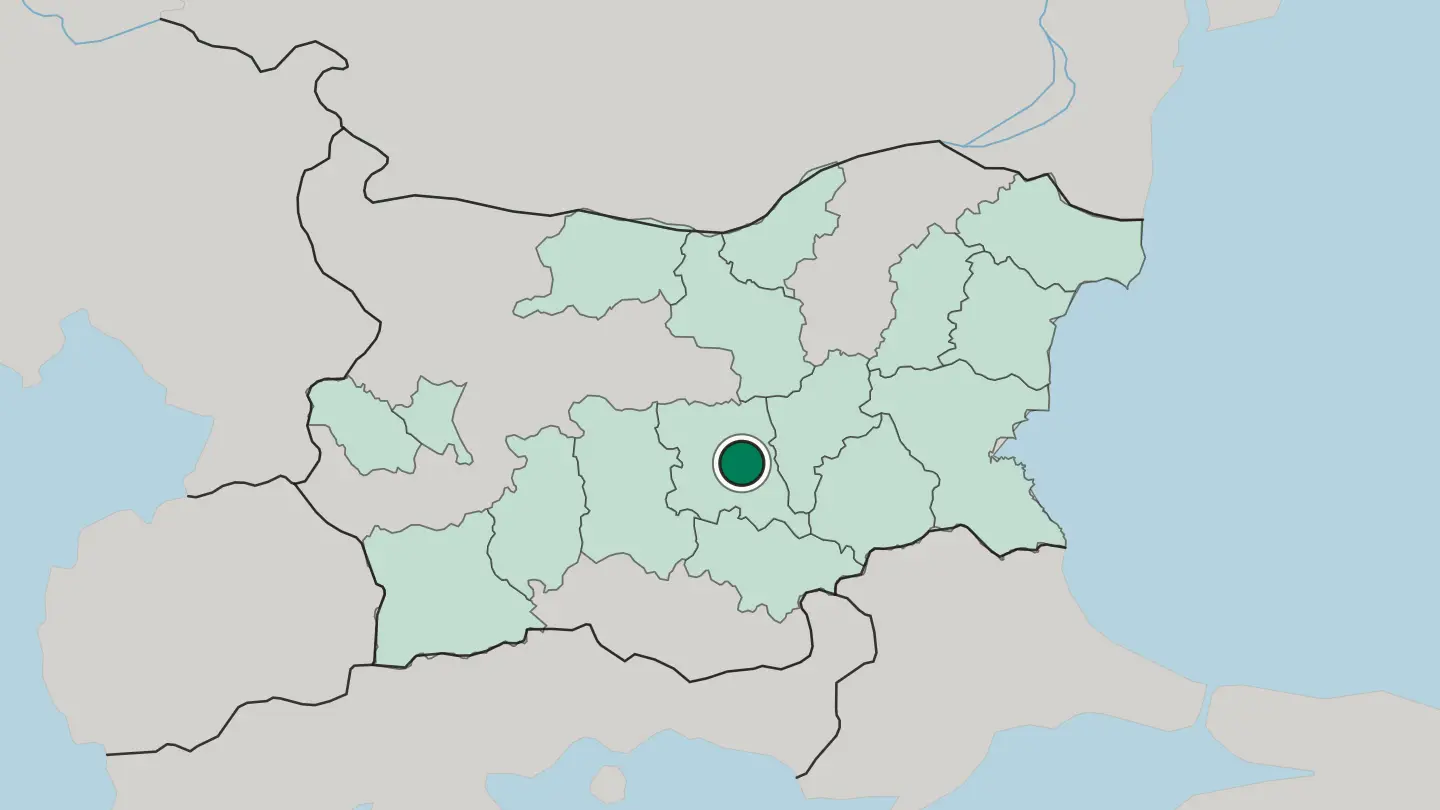 Bulgaria
Pleven
Pleven is a historic city of northern Bulgaria, famed for the great siege of 1877 and its memorial park.Where to stay →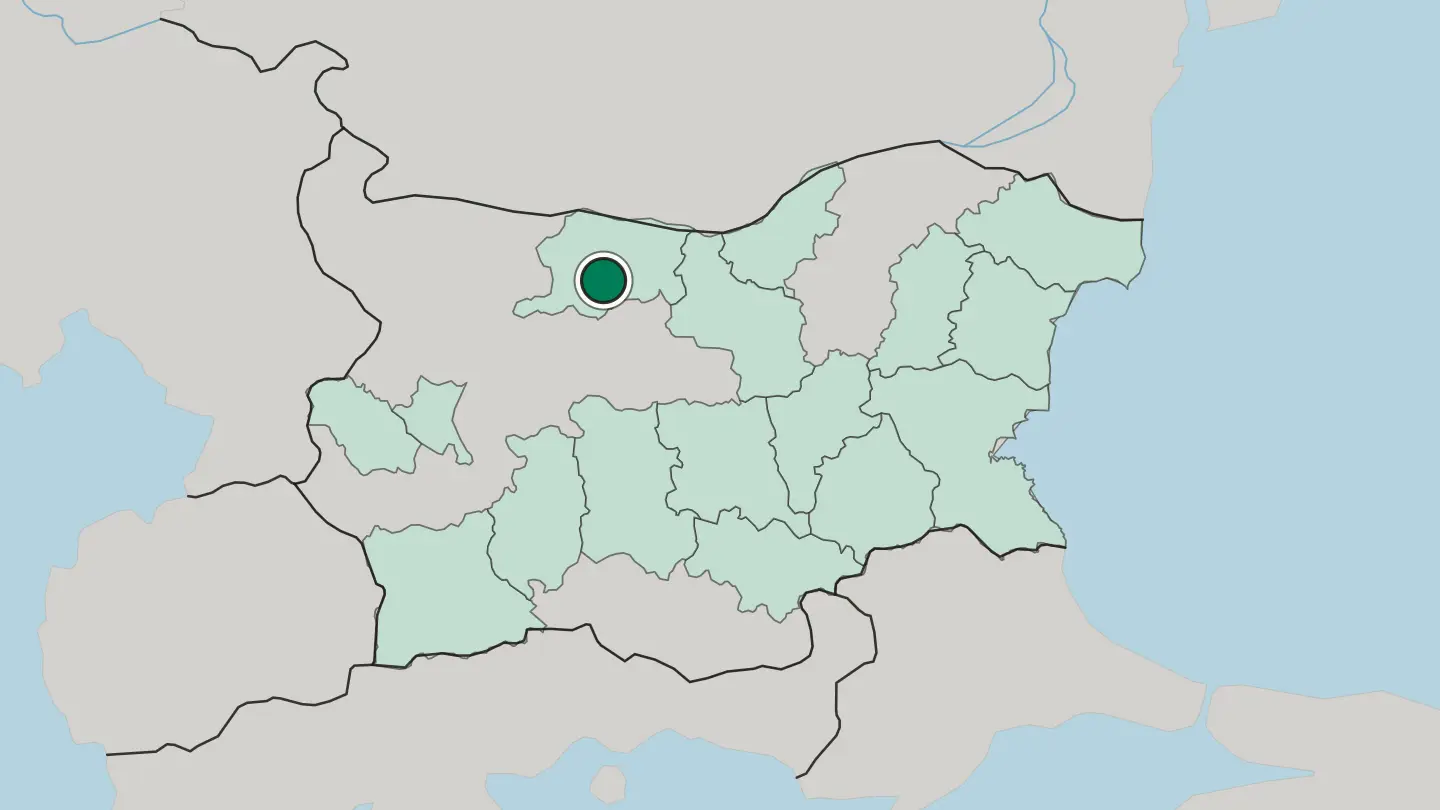
 Bulgaria
Dobrich
Dobrich stands on the fertile Southern Dobruja inland of the Black Sea, the administrative centre of Bulgaria's main grain country.Where to stay →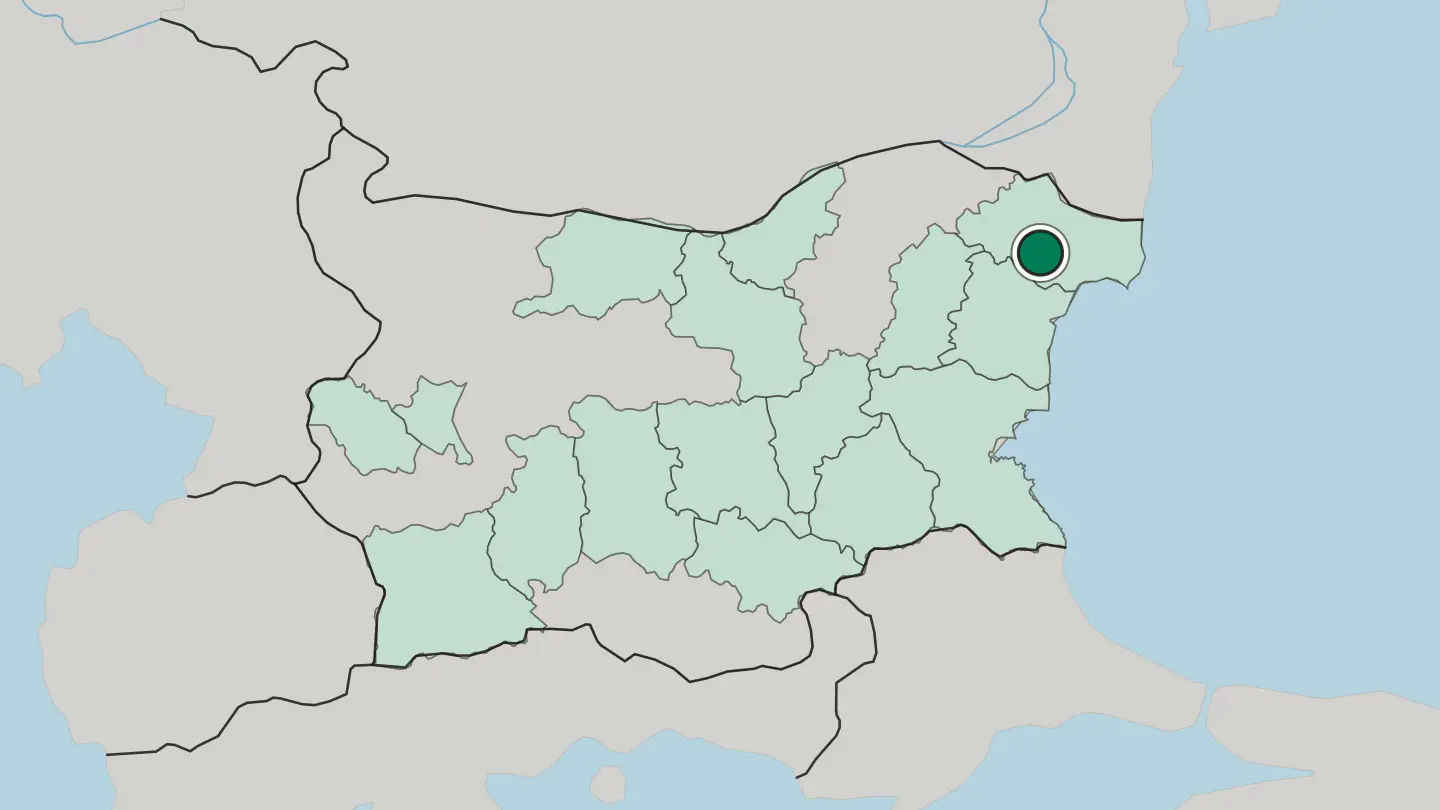
Hotel links are affiliate links: booking through them may earn us a commission, at no extra cost to you. It never affects how places are ranked. How this works
Regions of Bulgaria
Bulgaria
Blagoevgrad
Blagoevgrad Province, known also as Pirin Macedonia, fills the south-western corner of Bulgaria around the valley of the Struma river.Towns & cities →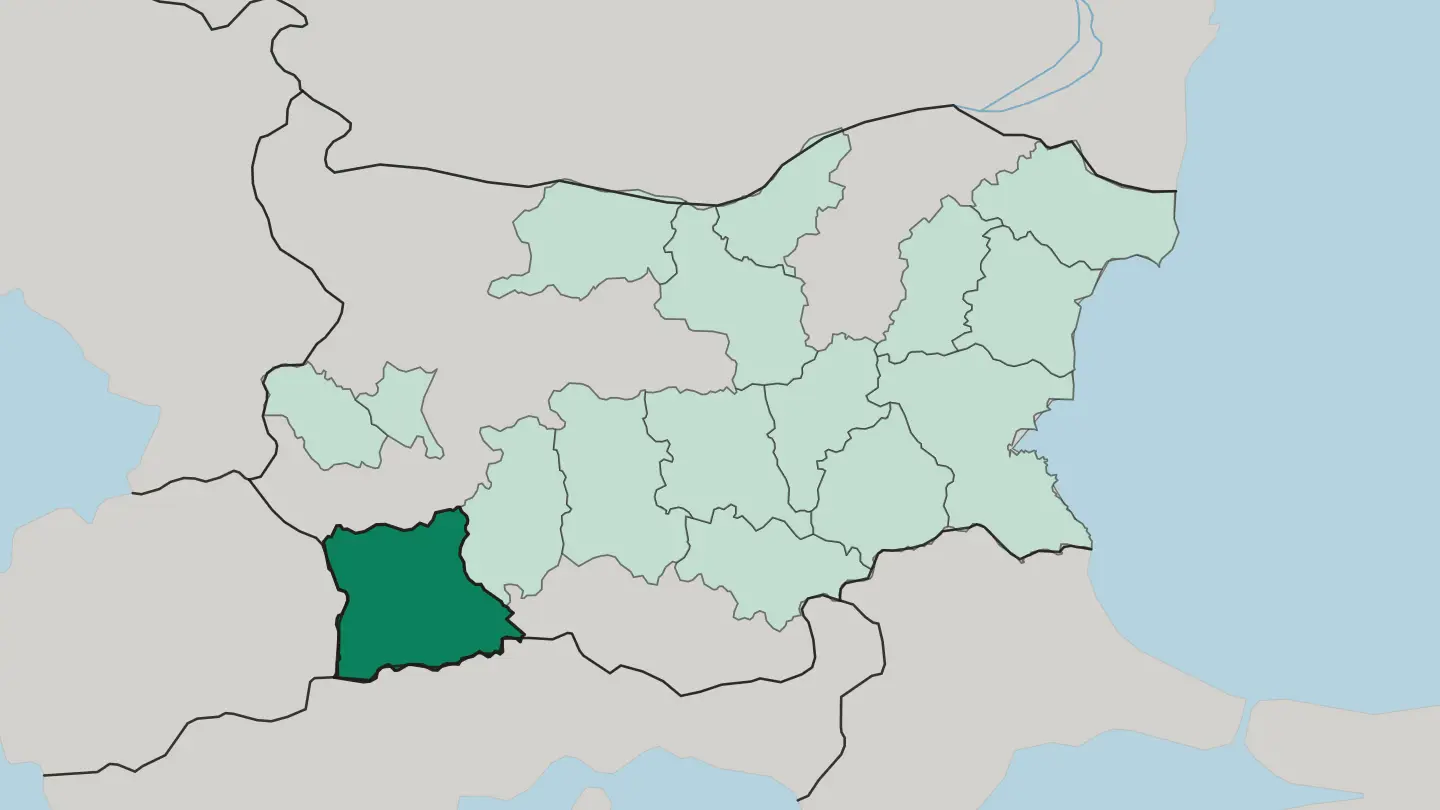 Bulgaria
Burgas
Burgas is Bulgaria's largest province by area, spread down the southern Black Sea coast around its port city and ancient Greek colonies.Towns & cities →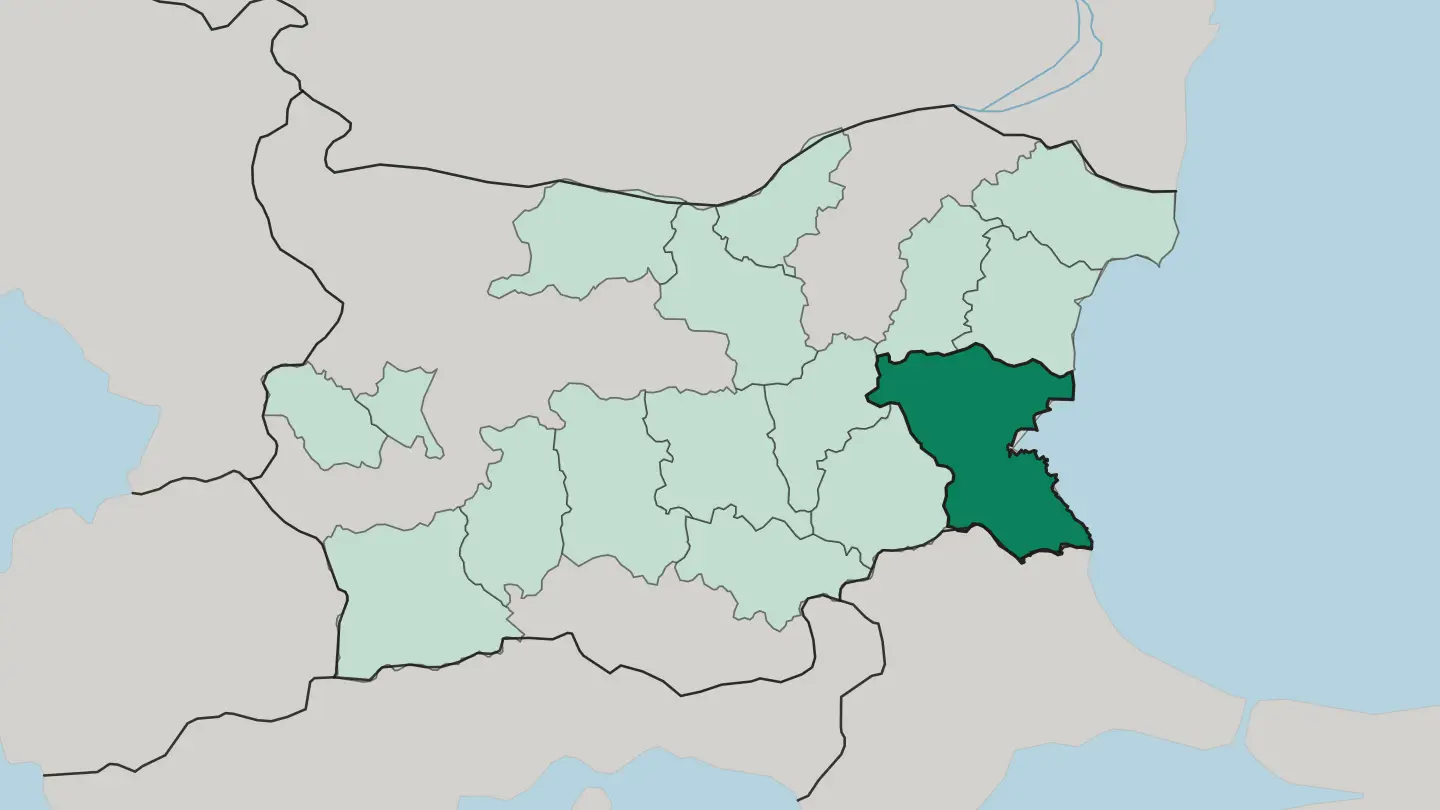
 Bulgaria
Haskovo
Haskovo Province spreads over the Upper Thracian Plain along the Maritsa, reaching Bulgaria's borders with Greece and Turkey.Towns & cities →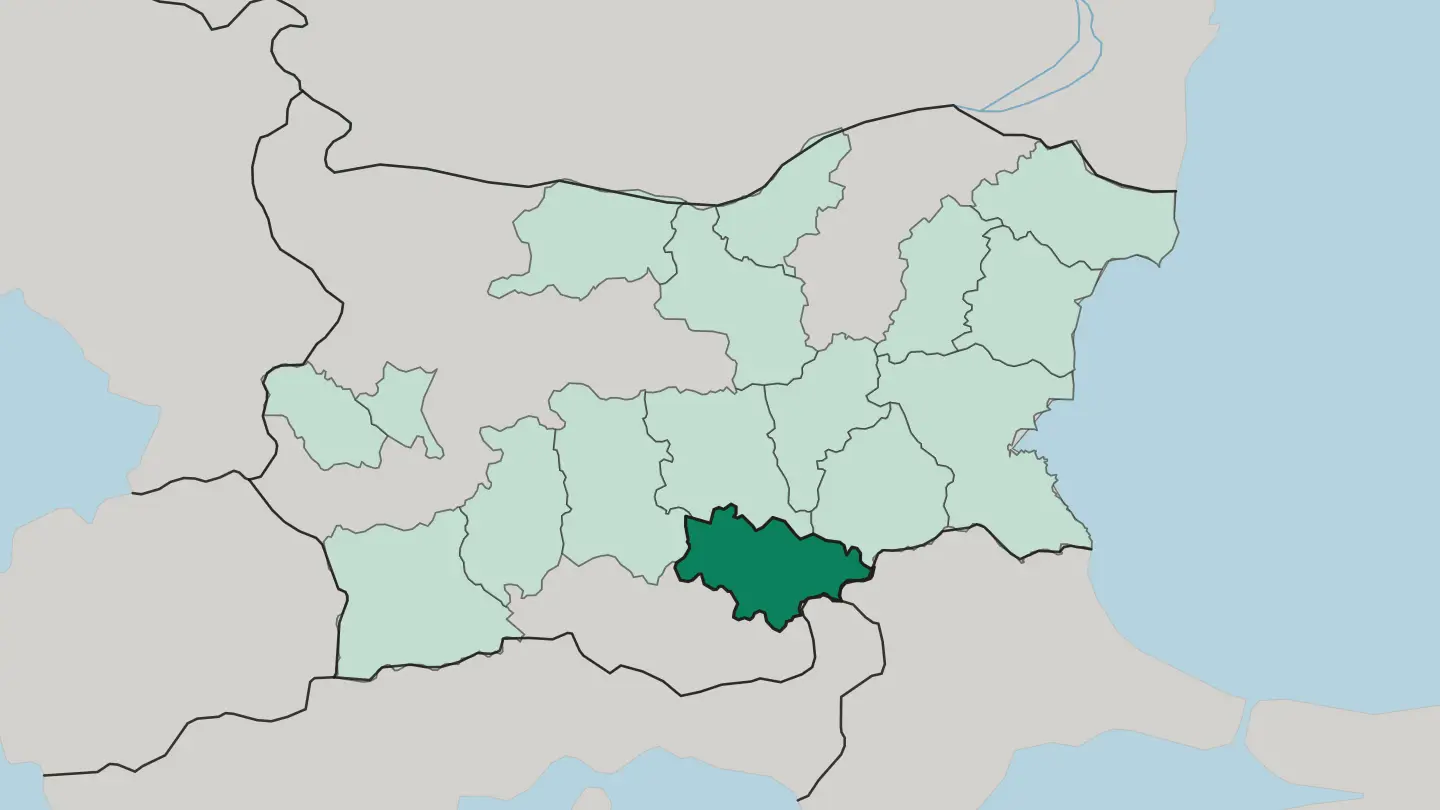 Bulgaria
Oblast Dobrich
Southern Dobruja fills Dobrich Province, grain country running from the Romanian border down to the Black Sea at Balchik and Kavarna.Towns & cities →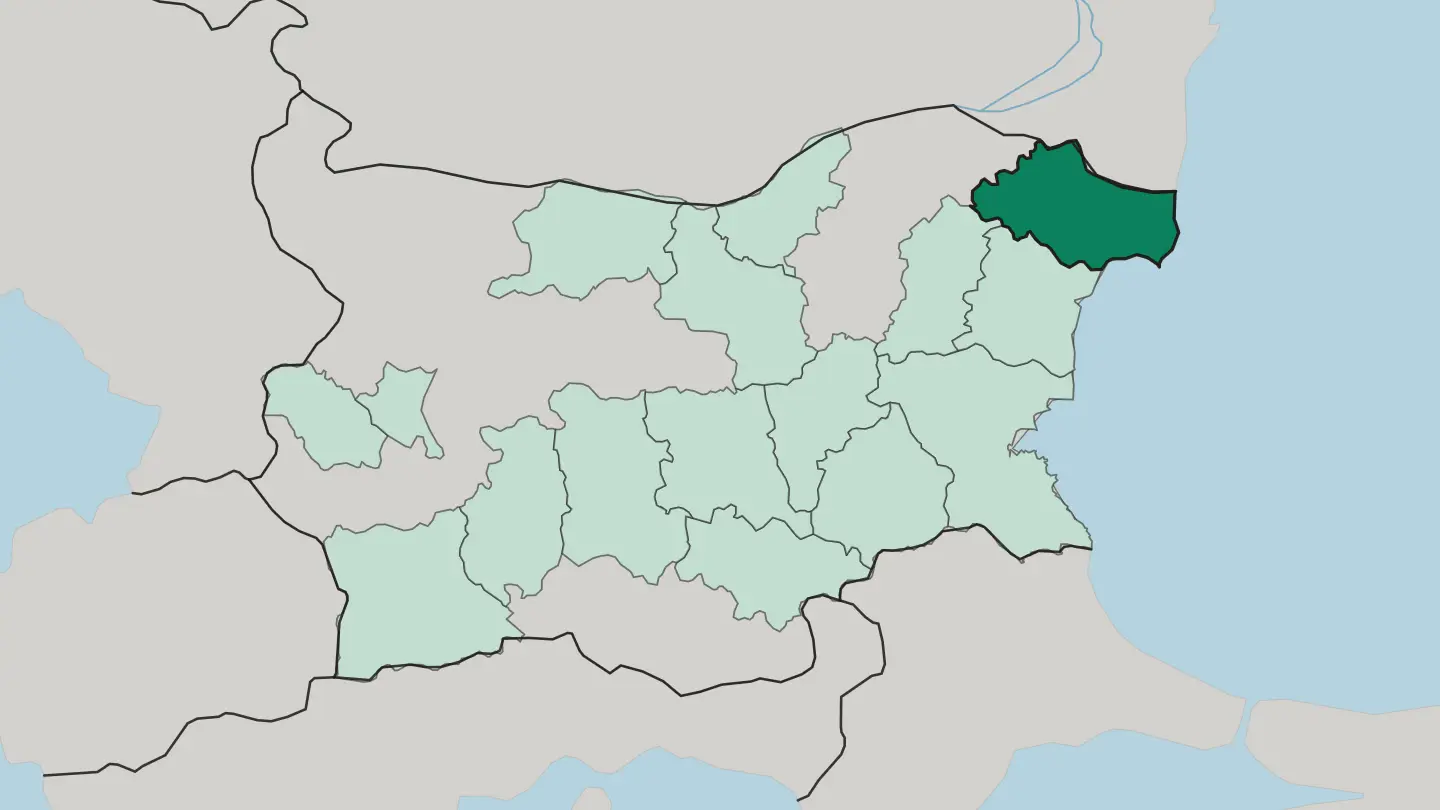 Bulgaria
Oblast Pleven
Pleven Province runs from the Danube inland to the borders of Vratsa, Lovech and Veliko Tarnovo, taking its name from the city of Pleven.Towns & cities →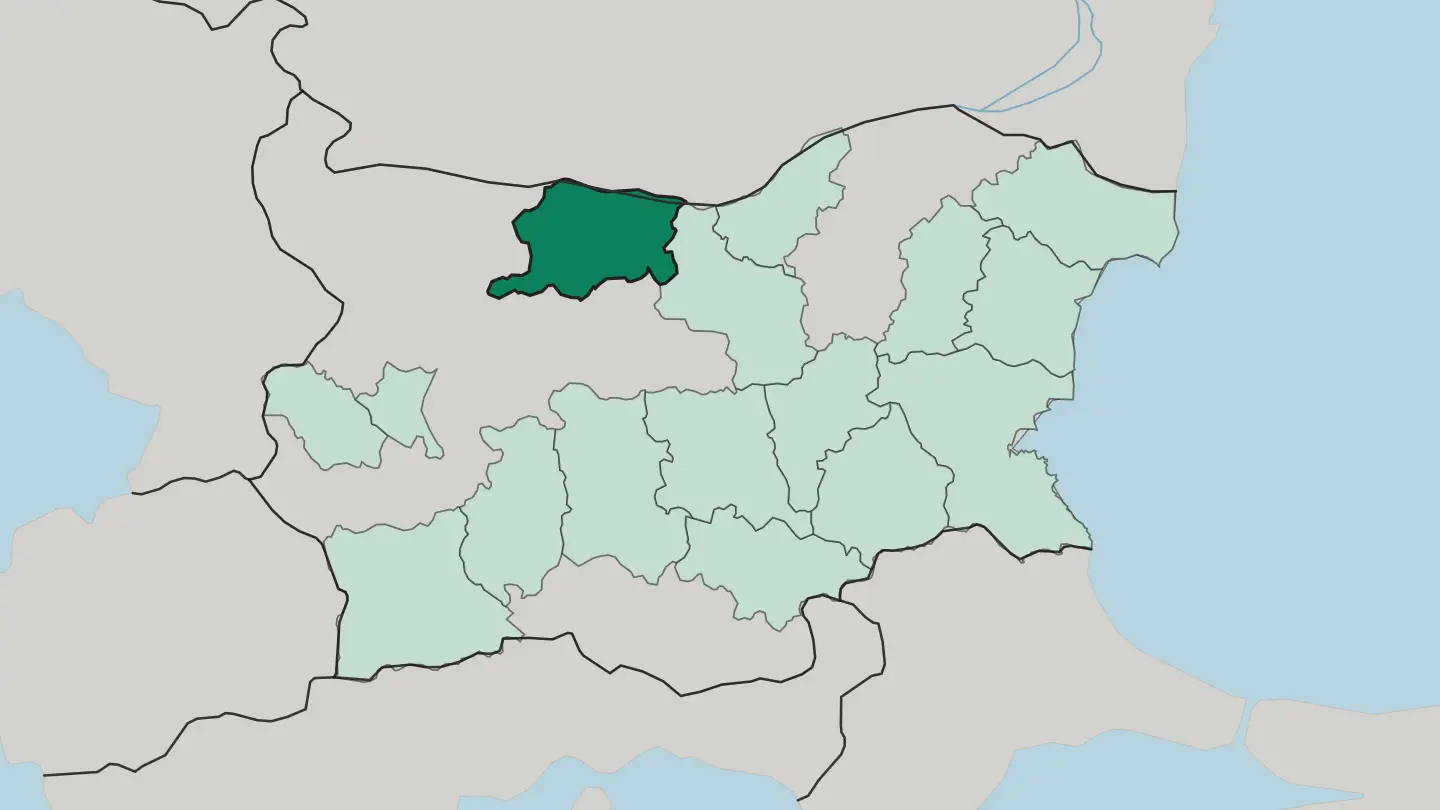 Bulgaria
Oblast Ruse
Ruse Province follows the Danube where it divides Bulgaria from Romania, with the port city of Ruse and its fin-de-siècle streets at the centre.Towns & cities →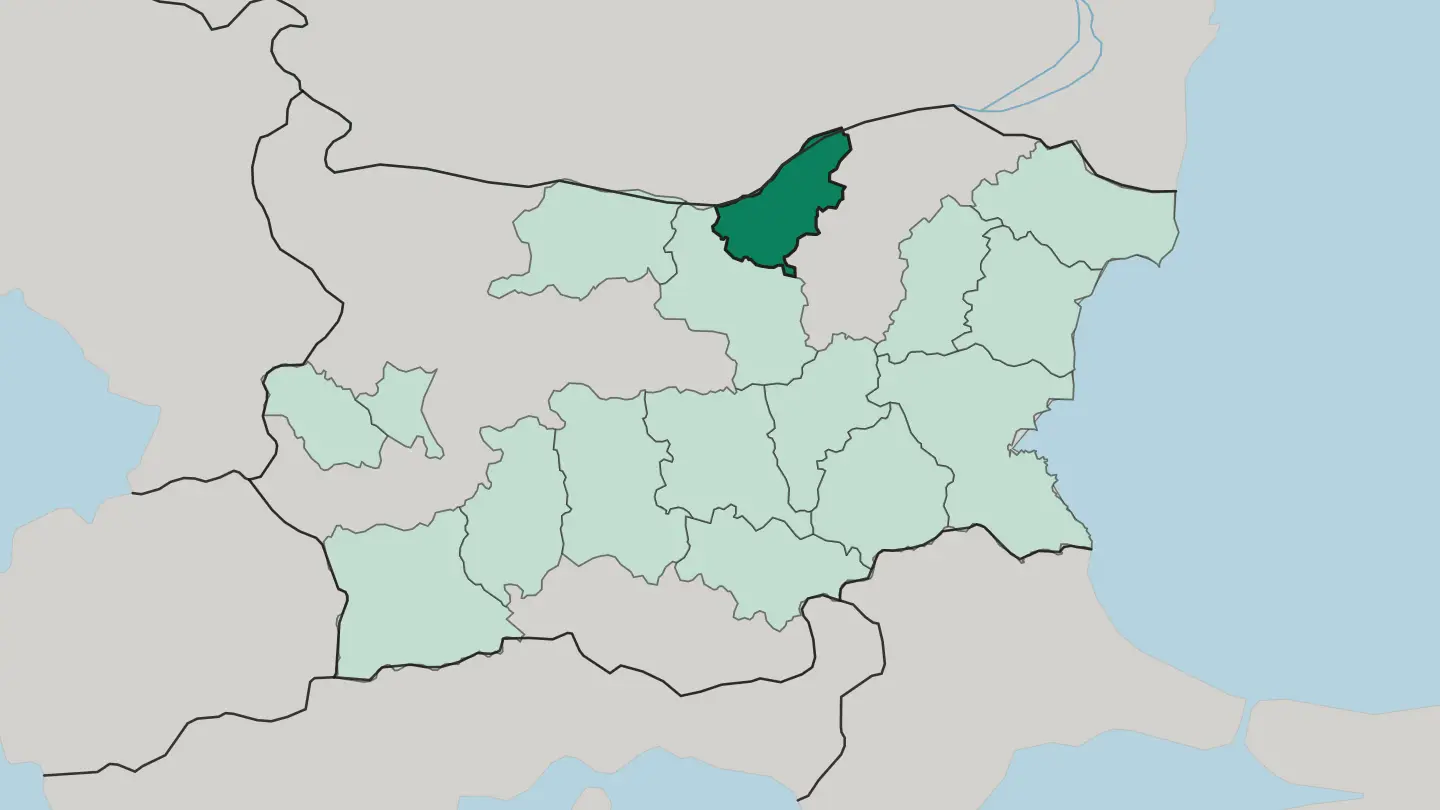
 Bulgaria
Oblast Shumen
Shumen Province is a Bulgarian province of ten municipalities, named for the city of Shumen at its centre.Towns & cities →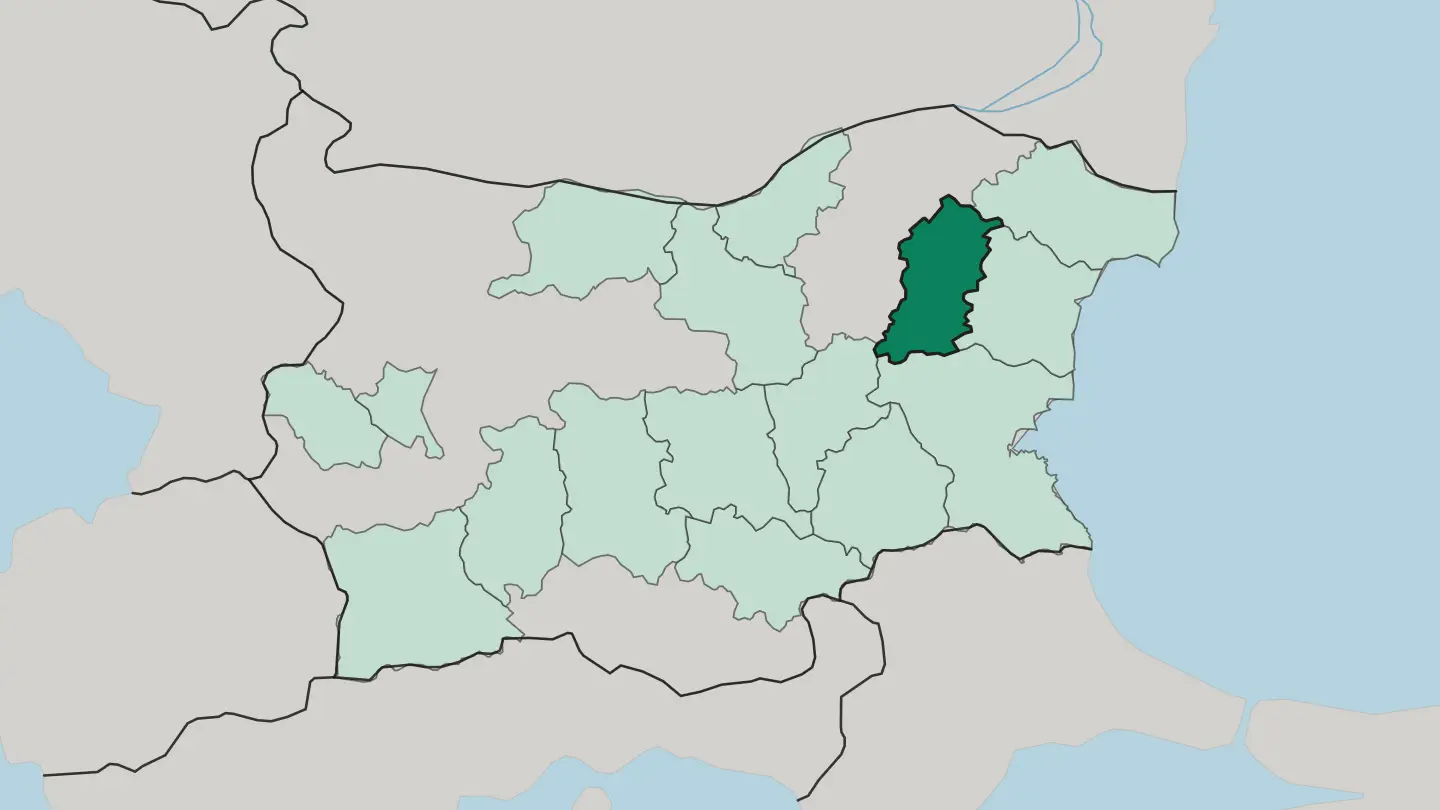
 Bulgaria
Oblast Sliven
Four municipalities make up Sliven Province, which takes its name from Sliven, the industrial and administrative centre at its heart.Towns & cities →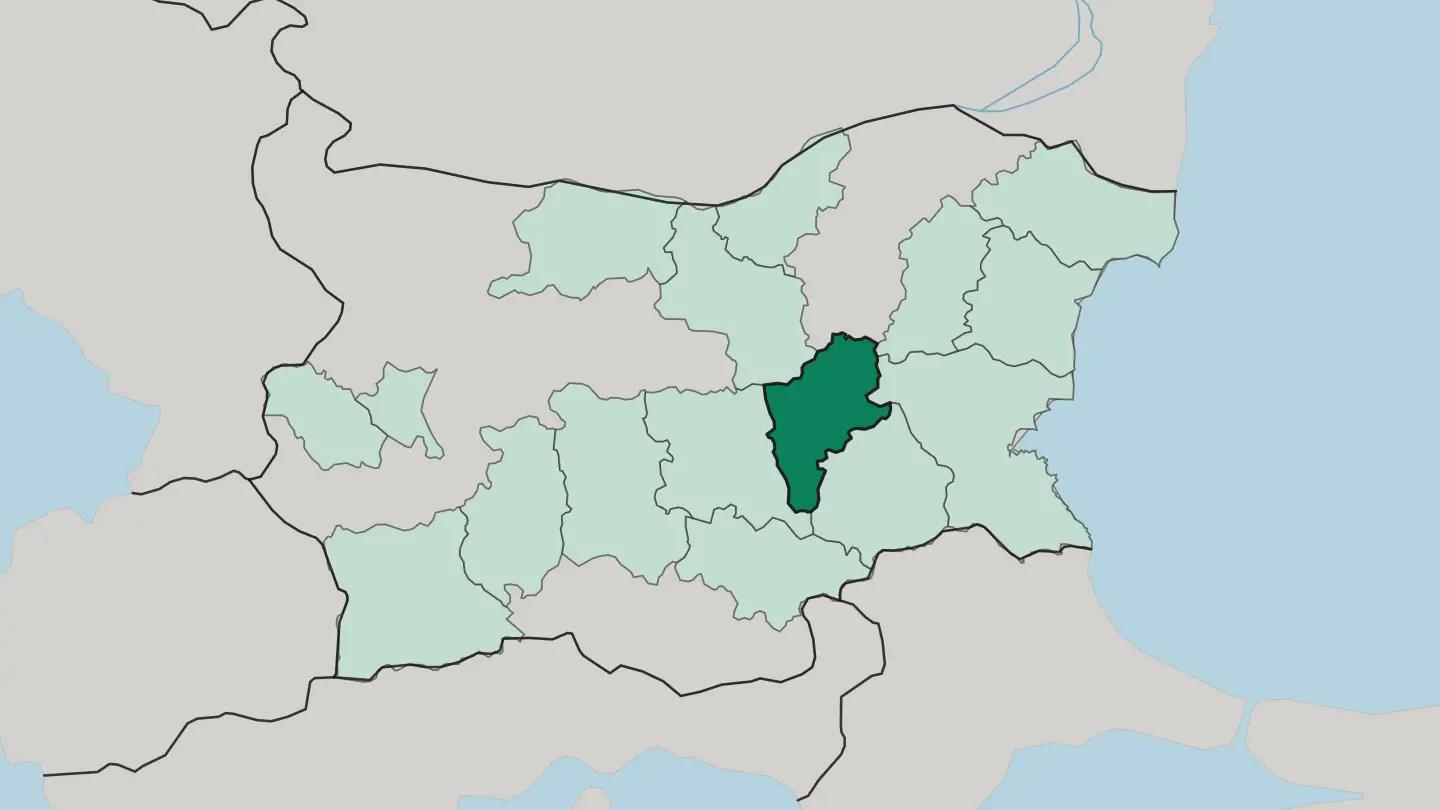 Bulgaria
Oblast Stara Zagora
Oblast Stara Zagora is a province of south-central Bulgaria, named for the city of Stara Zagora and divided into eleven municipalities.Towns & cities →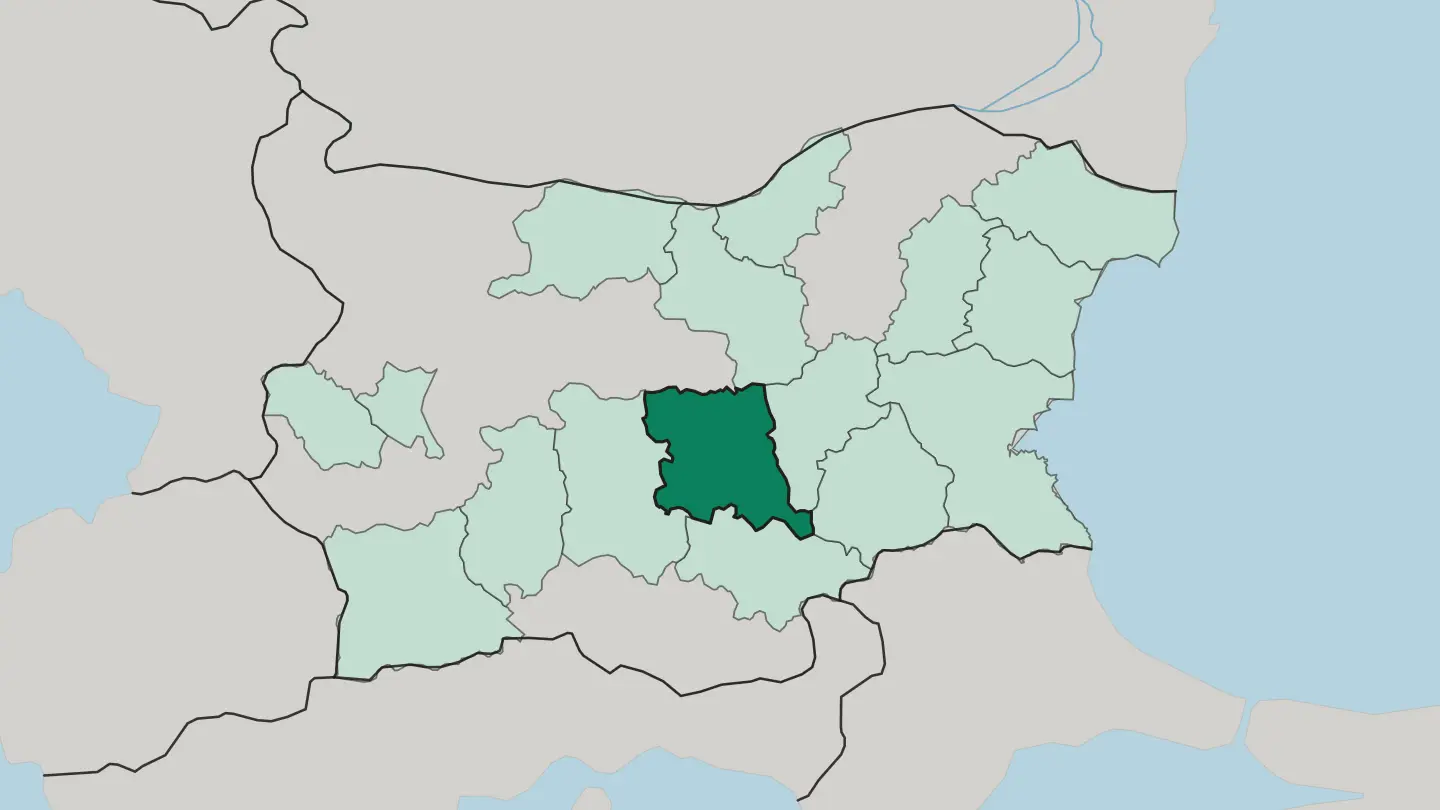 Bulgaria
Oblast Veliko Tarnovo
The Veliko Tarnovo region spreads across north-central Bulgaria, a province of the Yantra valley and Balkan foothills around its medieval city.Towns & cities →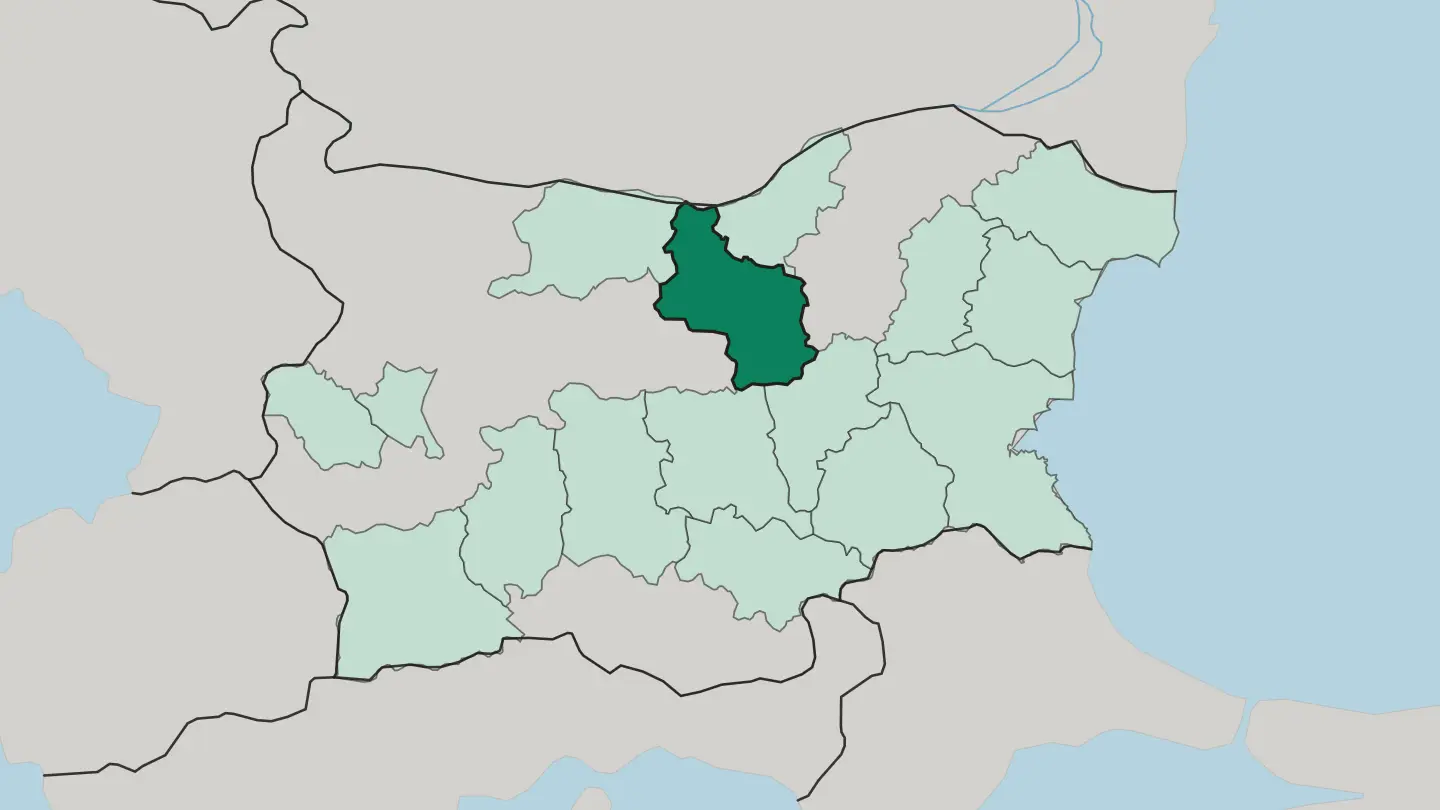
 Bulgaria
Oblast Yambol
Oblast Yambol is a province of southeastern Bulgaria bordering Turkey, with Yambol its main city and Straldzha, Bolyarovo and Elhovo alongside.Towns & cities →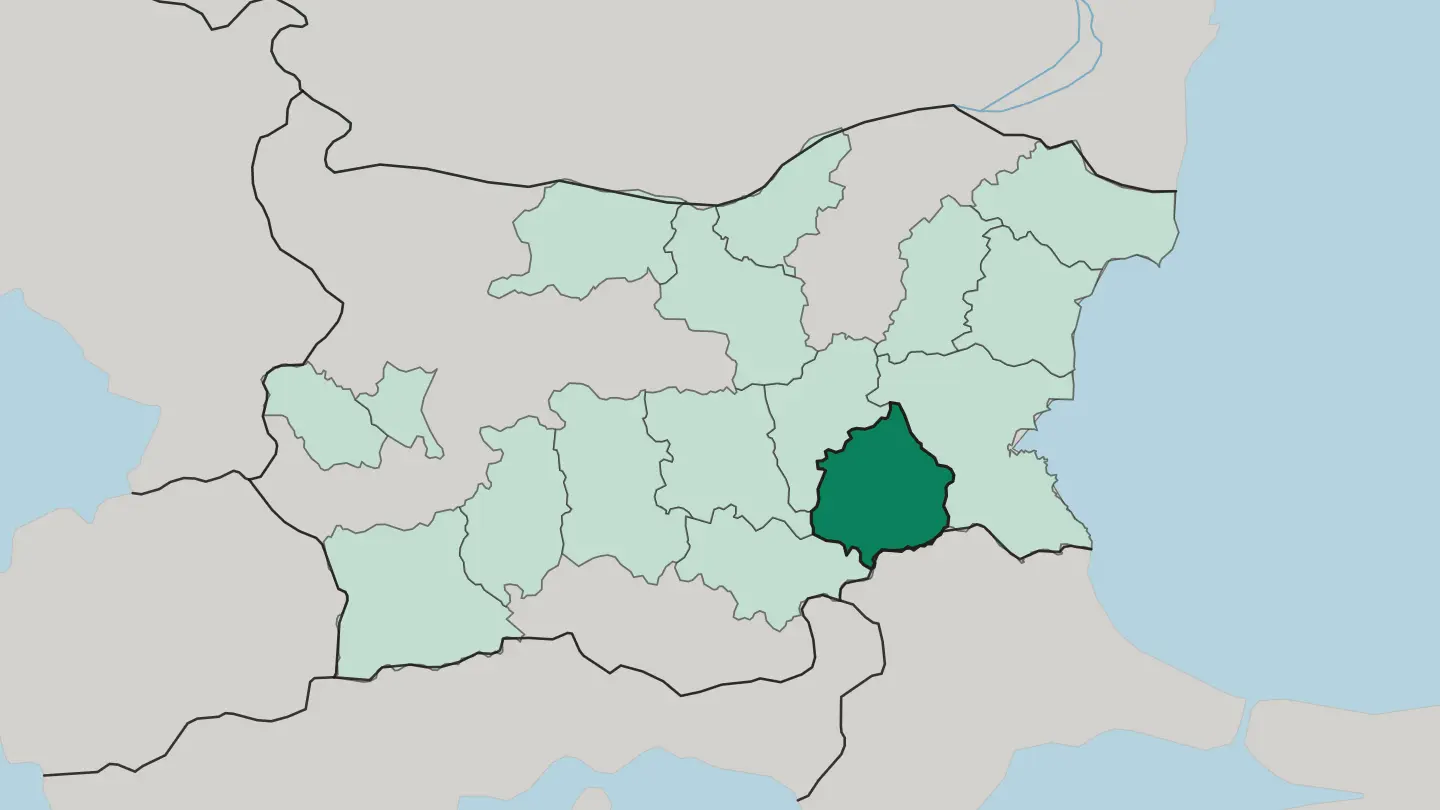
 Bulgaria
Pazardzhik
Pazardzhik Province spreads across Southern Bulgaria on the Maritsa River, near the Rhodope Mountains and the Sredna Gora range.Towns & cities →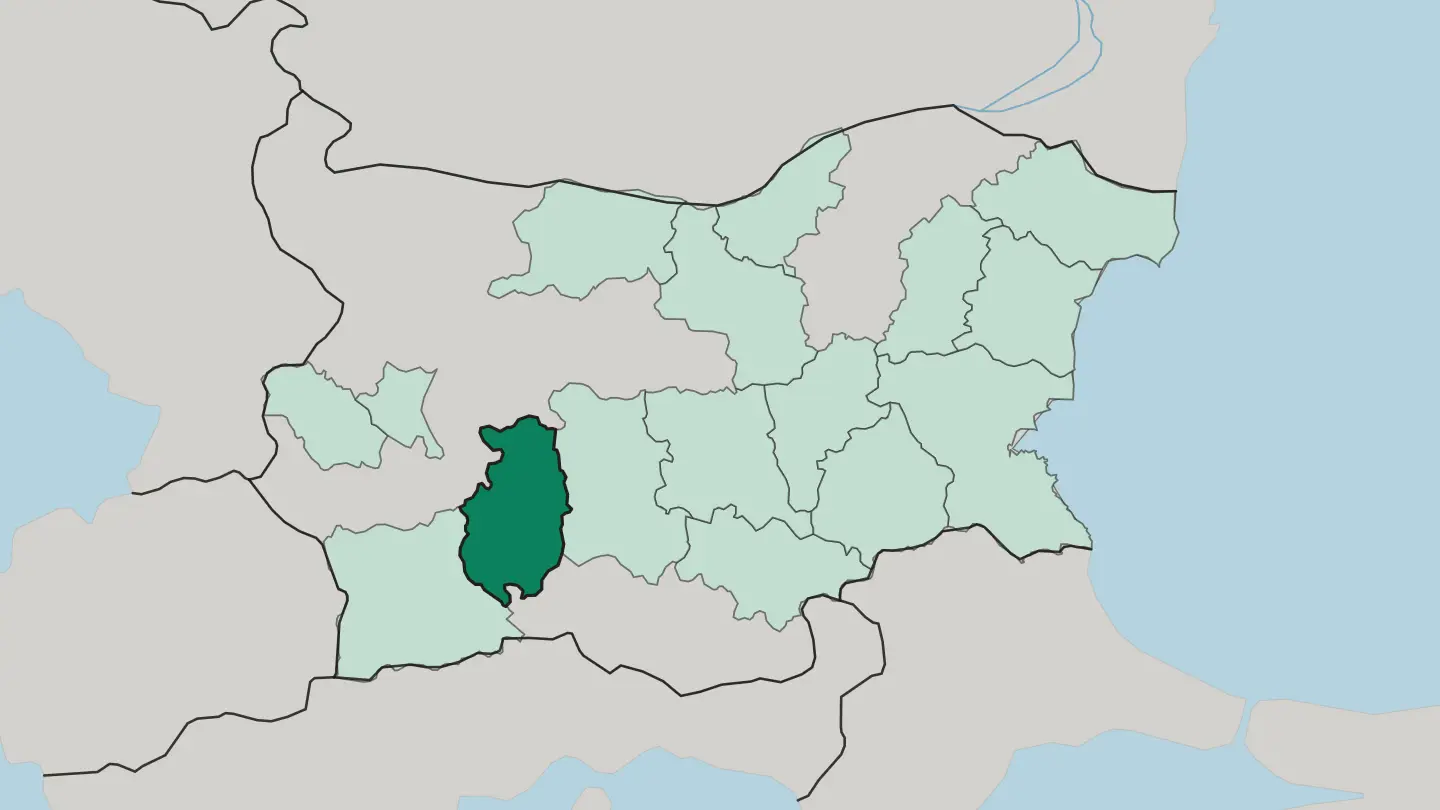
 Bulgaria
Pernik
Pernik Province sits in western Bulgaria alongside Serbia, an industrial area near Sofia with an underground Museum of Mining at its centre.Towns & cities →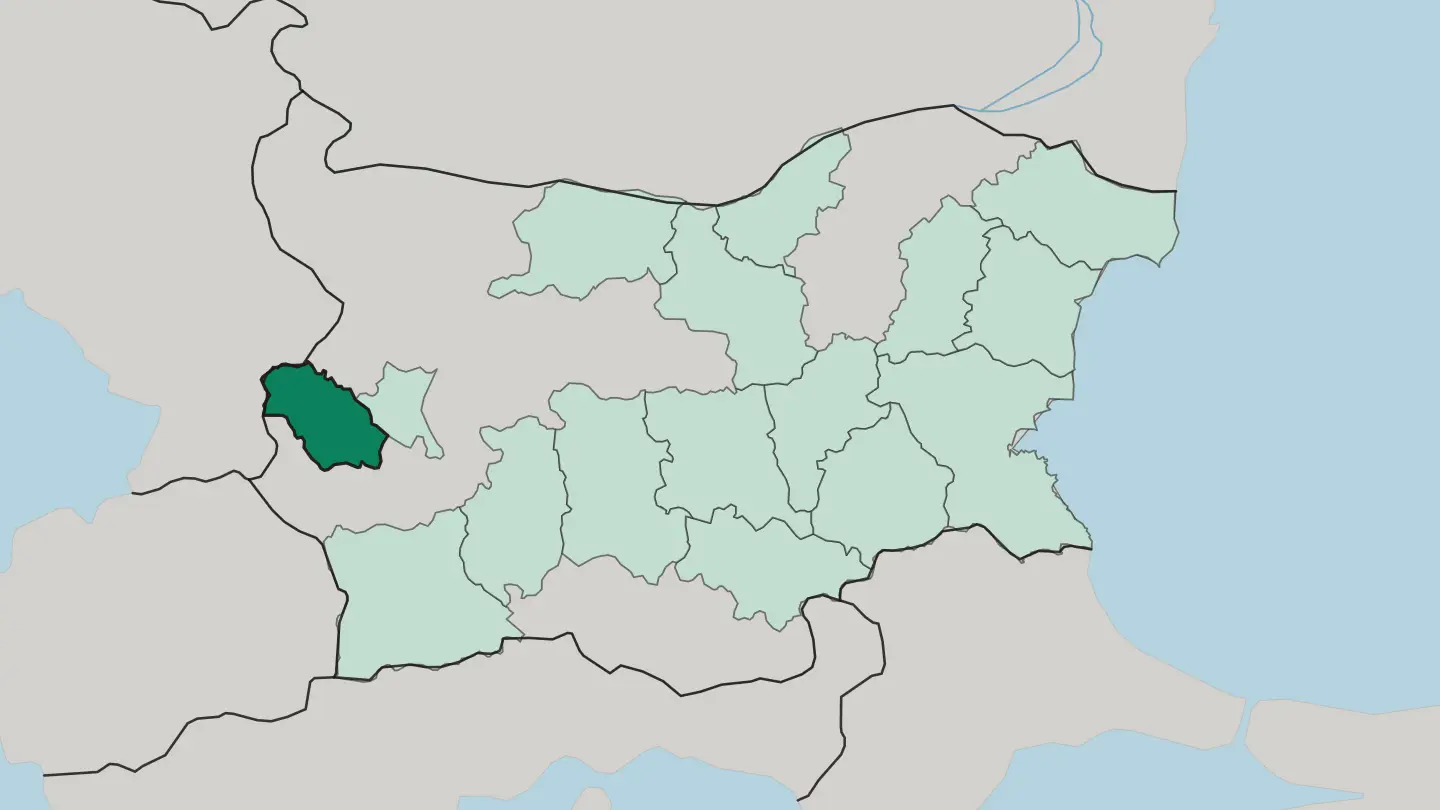 Bulgaria
Plovdiv
Plovdiv is a province of south-central Bulgaria, built around one of Europe's oldest cities on the Maritsa.Towns & cities →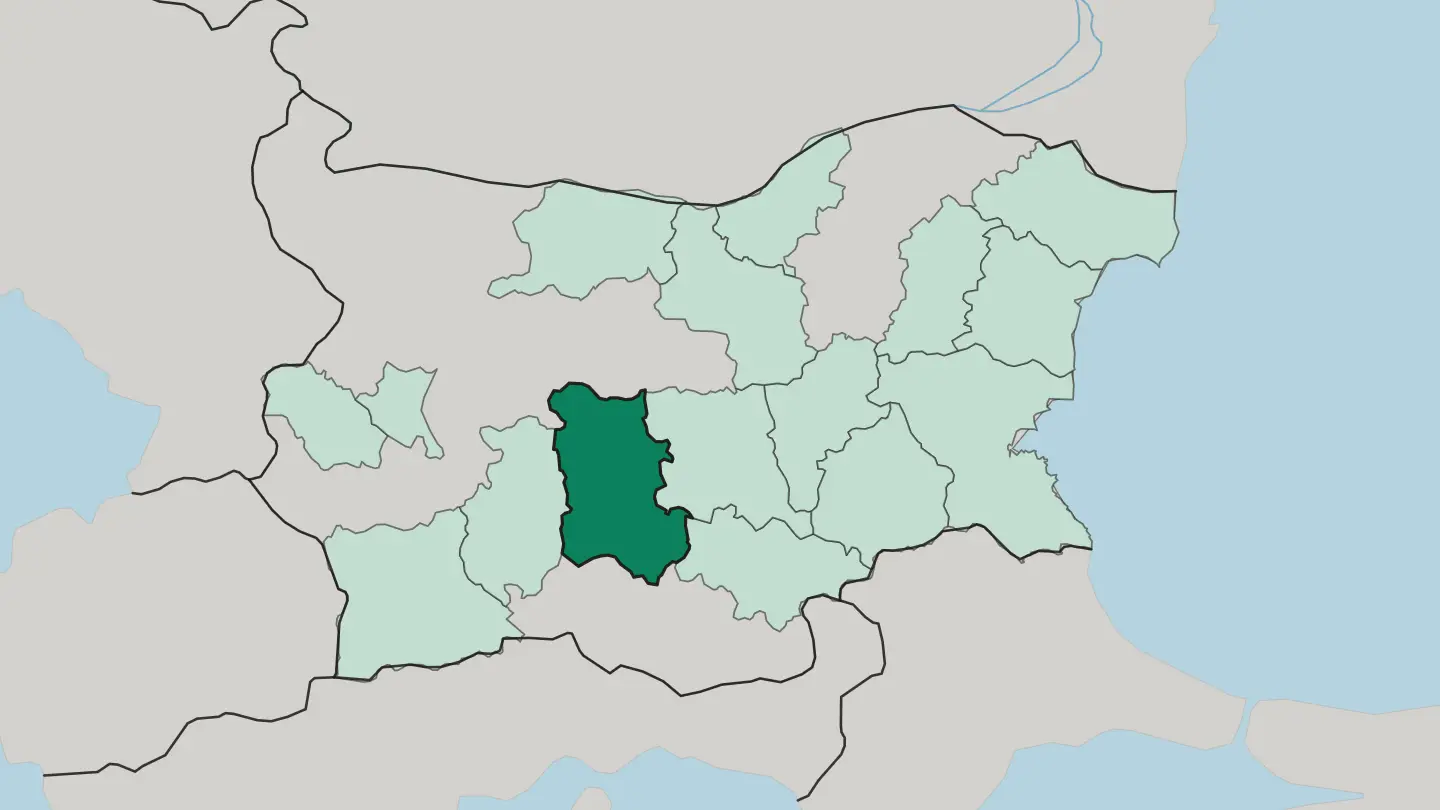 Bulgaria
Sofia-Grad
Sofia City Province is the capital province of western Bulgaria, built around Sofia and formed from the single Sofia Capital Municipality.Towns & cities →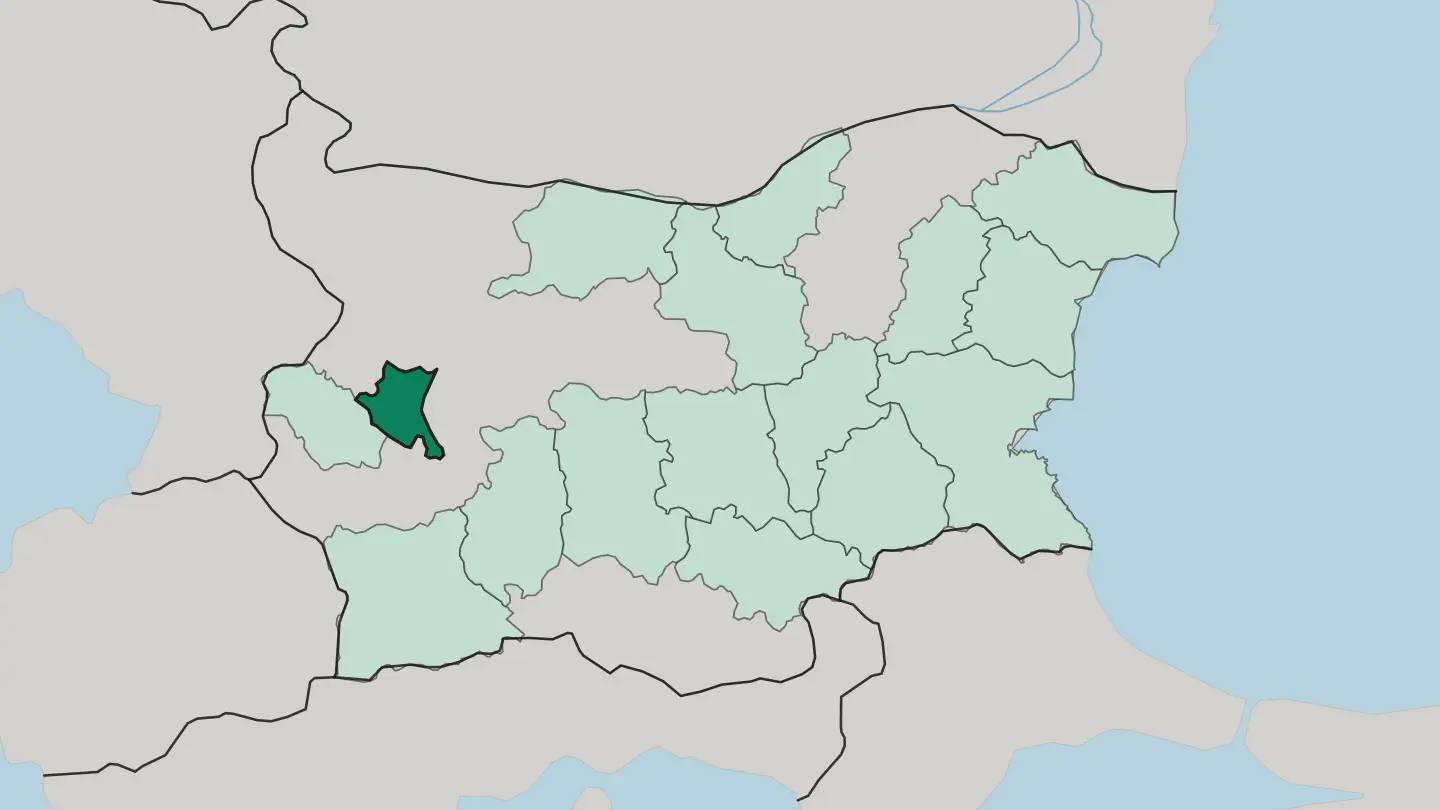 Bulgaria
Varna
Varna Province lines Bulgaria's northern Black Sea coast, built around the port city of Varna, the country's sea capital.Towns & cities →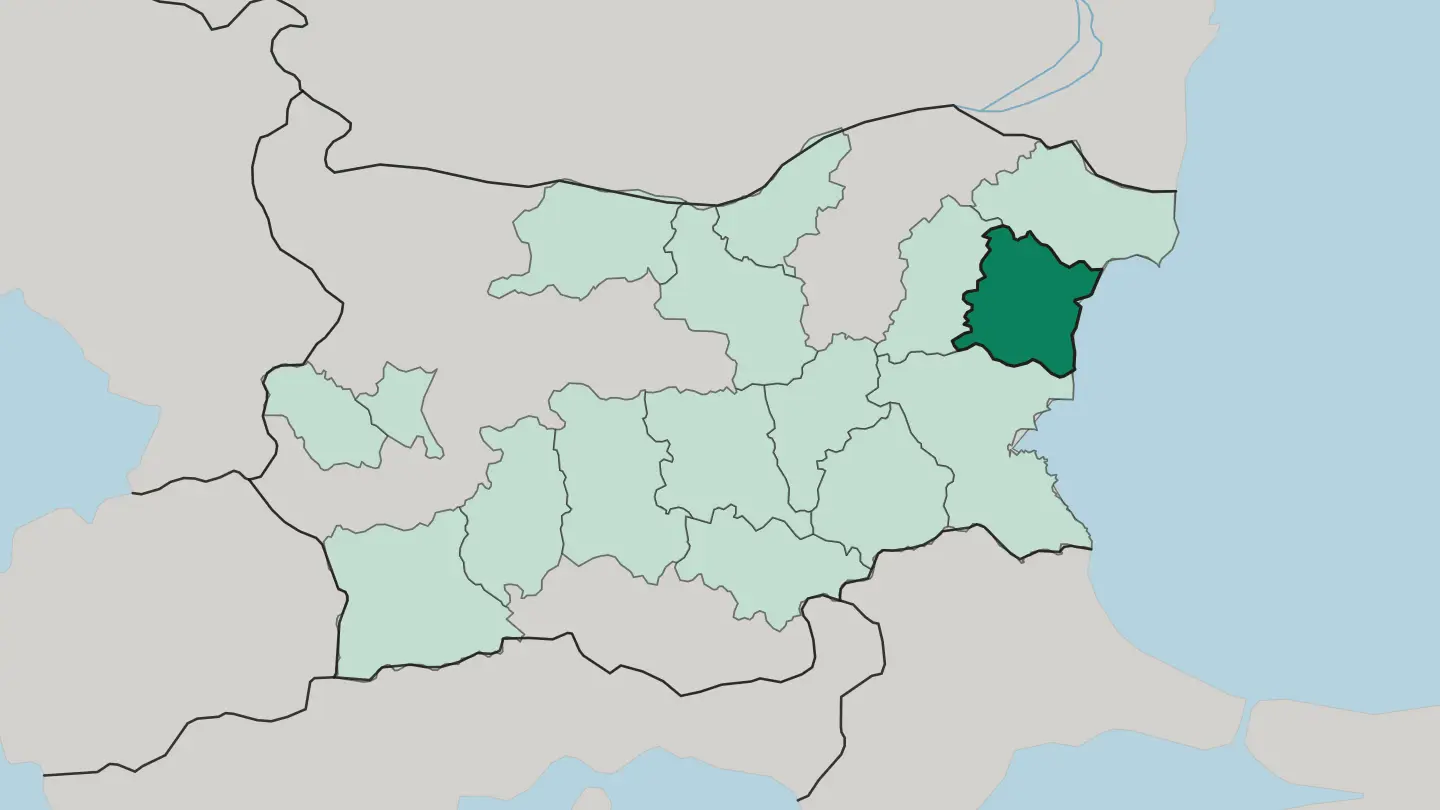
Explore by experience
Not sure which place? Start from how you want to travel.
About Bulgaria
What is Bulgaria known for?
Bulgaria is a country in Southeast Europe, on the eastern side of the Balkans. It is known for its position between the Danube in the north and the Black Sea to the east, and for a coastline that has drawn people to the water for centuries. Sofia is the capital and largest city.
Plovdiv, Varna, and Burgas follow as the other major centres, Varna and Burgas facing the Black Sea. The country is one of the older states of Europe, tracing its founding to 681.
Where is Bulgaria?
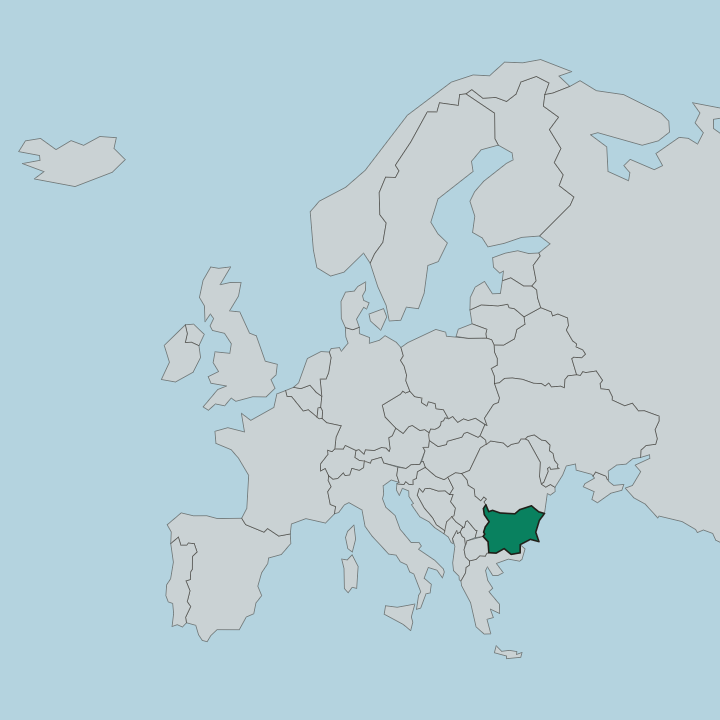
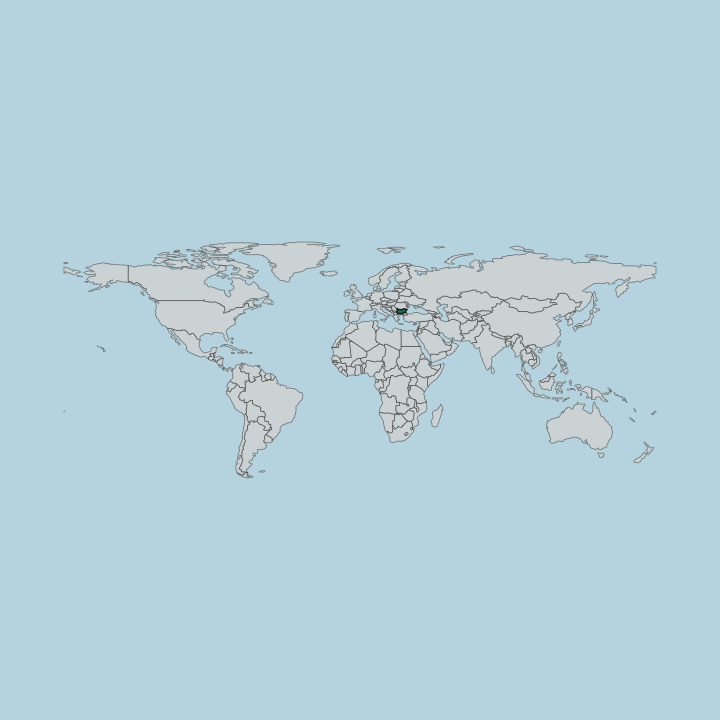
Bulgaria lies in Southeast Europe, along the eastern side of the Balkans. The Danube runs along much of its northern edge, dividing it from Romania, while the Black Sea forms the country's whole eastern shore. Five countries ring the land.
Greece and Turkey border it to the south, Serbia and North Macedonia to the west, and Romania across the Danube to the north. It ranks among the larger countries of Europe by area, and is the tenth-largest within the European Union. Inside those borders the land is high and varied.
Mountains run through the Balkans across the country, and between the ranges lie plains and river valleys that open toward the Danube and the sea. Sofia stands well inland in the west, the capital set among the hills. Plovdiv sits on the southern plain, while Varna and Burgas hold the country's Black Sea coast.
The long coastline on the Black Sea is the country's window on the wider world. From the Danube in the north to the Black Sea in the east, Bulgaria gathers mountain, plain, and shore into one compact country.
What is the history of Bulgaria?
Bulgaria counts among the oldest states of Europe. Its name traces back to 681, when a Bulgarian state first took shape in the eastern Balkans, and the country has carried that name through the long centuries since. The land between the Danube and the Black Sea has always been a crossing place for the peoples of Europe.
Peoples and powers moved along the great river and the sea coast alike, and the country grew where those routes met. Few European names have endured as long. Rulers came and went.
Through those long centuries the Balkans passed under many powers, yet Bulgaria endured as an idea and a name even when its own strength waned. Sofia rose over time into the settled capital, an inland seat well away from the frontier river and the sea. The other cities each grew in their own settings, with Plovdiv on the southern plain, and Varna and Burgas on the Black Sea coast.
From its founding in 681 to the modern republic, Bulgaria has kept a place among the enduring nations of Southeast Europe.
What is Bulgaria like?
Bulgarian is the language that carries the country's culture. It is spoken from Sofia in the interior to the towns of the Black Sea coast, and it binds the nation together across mountain and plain. Bulgaria's place in the Balkans has shaped it deeply.
The country stands between the Danube, the Black Sea, and the ranges of Southeast Europe, and it has long been a meeting point of peoples whose cultures crossed here. Few parts of Europe have seen more come and go. Everyday life divides between the inland and the shore.
Sofia and Plovdiv keep the rhythm of the interior, cities of the plain and the hills, while Varna and Burgas live by the Black Sea. The seasons order much of it. In the warm months the coast fills, while the inland cities keep a steadier pace across the year.
The mountains of the Balkans hold older village traditions, and the long coast looks outward to the sea. Food, language, and custom all carry the marks of a long history in Southeast Europe. From the Danube to the Black Sea, Bulgarian life stays tied to the land it grew from.
What is the climate of Bulgaria?
Bulgaria has a temperate climate with four clear seasons. Summers turn warm, and along the Black Sea coast they draw crowds to the water through the warm months. Winters bring cold and snow, hardest up in the mountains of the Balkans.
Spring and autumn are mild. The coast stays gentler than the interior, warmed by the sea, while the inland plains and highlands swing further between hot and cold.
How do you get to Bulgaria?
Bulgaria is reached by land, air, and sea. Five countries border it: Greece and Turkey in the south, Serbia and North Macedonia in the west, and Romania across the Danube in the north. Road and rail cross those borders into Europe.
Most travellers from far off fly into Sofia, the capital and the country's main hub. The Black Sea gives a fourth way in, through the ports of Varna and Burgas on the coast.
Common questions
What is the best area to stay in Bulgaria?
Sofia: a first inland base for transport and culture. Plovdiv: an old inland city on the plain south-east of the capital. Varna: a Black Sea base through the warm season. Burgas: the southern stretch of the Black Sea coast.
Good for
Updated September 2026