Bulgaria · Oblast Shumen
Where to Stay in Shumen, Oblast Shumen
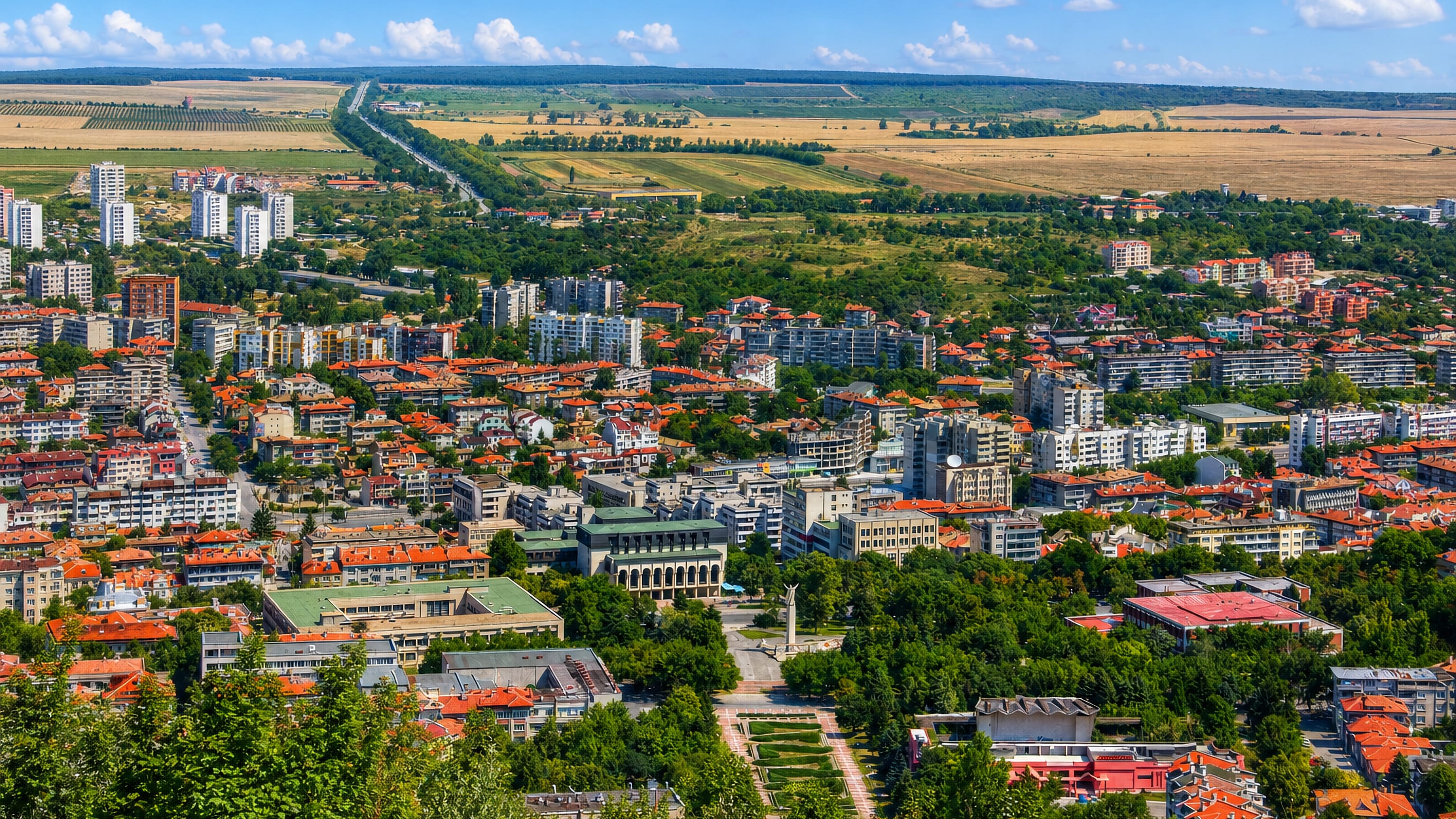
Shumen is a historic city of northeastern Bulgaria, spread below a great plateau near the first capitals of the medieval Bulgarian state.
Hotel links are affiliate links: booking through them may earn us a commission, at no extra cost to you. It never affects how places are ranked. How this works


Where to stay in Shumen
The practical side of choosing where to sleep.
Where you stay in Shumen turns on the old town or the plateau. The streets around the centre keep the mosque, the museum, and the market within a walk, and staying downtown suits anyone here for the city. The plateau rises over the roofs.
Old houses climb the slope. Up on the plateau and out toward the ruins, the town gives way to woods, the great monument, and the old capitals. A room by the heights trades the centre for the monument, the fortress, and the forest walks of the plateau park.
The plain opens far below. Stay downtown for the mosque, or on the heights for the monument. The old town lies a climb below.
Find hotels in Shumen
Direct booking searches for these neighbourhoods.
The old town
Around the centre below the plateauFind hotels in The old townStays wanting the monument and fortressThe plateau
Up on the heights among the woodsFind hotels in The plateauHotel links are affiliate links: booking through them may earn us a commission, at no extra cost to you. It never affects how places are ranked. How this works
Things to do in Shumen
Ranked by global recognition; descriptions from Wikidata (CC0).
Museums & Galleries
3- Avsharyan Complex Heritage
- Къща музей „Панайот Волов“
- Къща музей „Лайош Кошут“ Шумен
Churches & Religious Sites
3- Holy Mother of God church Heritage
- Church of the Three Holy Hierarchs
- Света Анна
Castles & Historic Sites
2- Monument to 1300 Years of Bulgaria
- Shumen Fortress
worth knowingacross 3 categories in Shumen
About Shumen
Shumen is the old city of the first Bulgarian tsars.
What is Shumen known for?
Below a high wooded plateau on the Danubian plain, it lies near Pliska and Preslav, the first capitals of the medieval state, and it keeps the great monument to the founders of Bulgaria on the heights, an old hilltop fortress, the largest mosque in the land, and the Madara Rider carved in a cliff nearby. The plateau walls the town. Old streets climb the slope.
What are the main landmarks in Shumen?
The monument to the founders of Bulgaria towers over Shumen. The huge stone monument on the plateau, raised for thirteen centuries of the Bulgarian state, looms above the city, the emblem of the town, on the heights. A great mosque stands below.
The Tombul Mosque, the largest in Bulgaria, rises in the old town, while the hilltop fortress, the history museum, and the Madara Rider in its cliff nearby mark the country around Shumen.
What is the history of Shumen?
This was the cradle of the Bulgarian state. When the Bulgars crossed the Danube in the seventh century they raised their first capitals nearby at Pliska and then Preslav, and Christian churches and palaces of stone rose on the plain. The first tsars ruled here.
From Pliska and Preslav the early Bulgarian rulers governed a great realm, and the rock relief of the Madara Rider was cut to mark their power. Shumen itself grew below its fortress hill. A town gathered under the old stronghold on the plateau, and under Ottoman rule it became a strong garrison and a place of mosques and markets, with the largest mosque in Bulgaria at its heart.
Exiles found refuge here too. The Hungarian patriot Kossuth lived in Shumen after his failed revolt, and in the modern age the city raised a vast monument on the heights to a thousand years of the Bulgarian state. The plateau still guards the town.
Shumen keeps its fortress and its monument above the plain.
Where is Shumen?
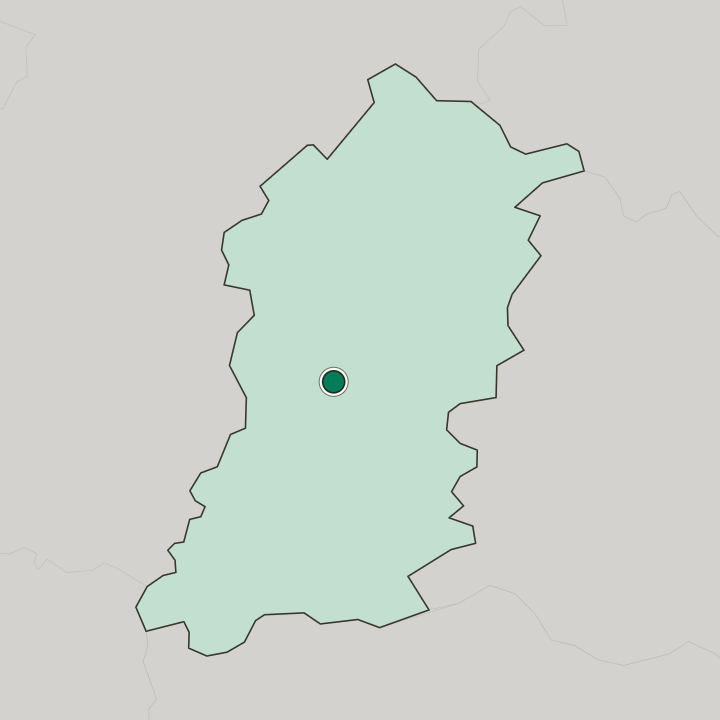
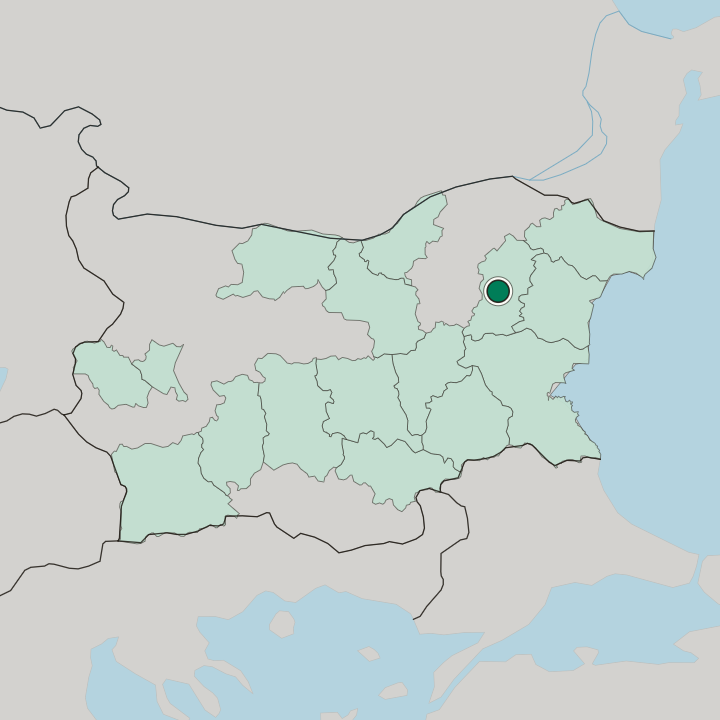
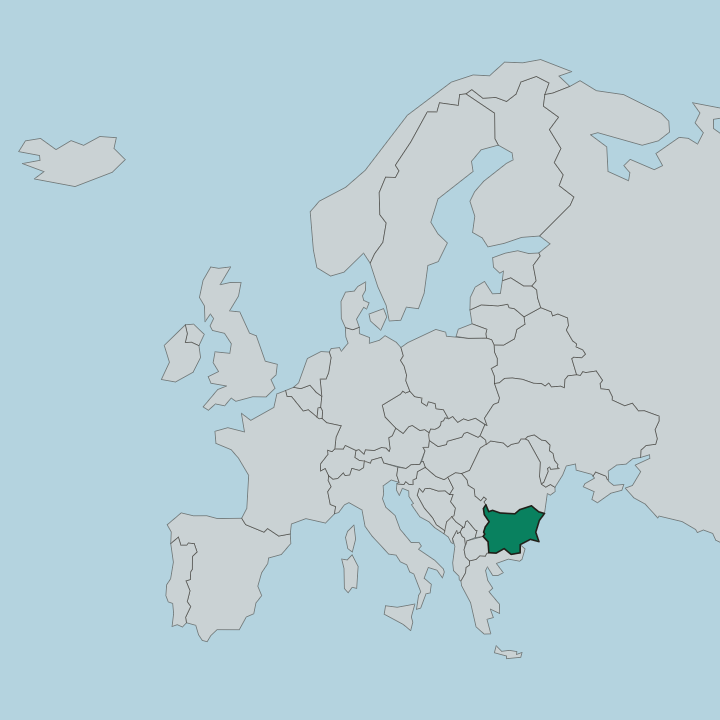
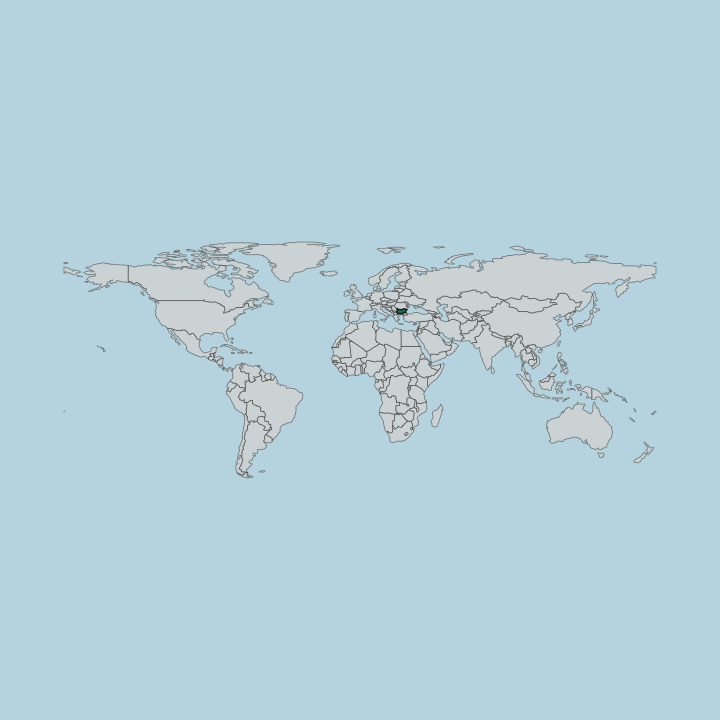
Shumen lies in the northeast of Bulgaria, on the edge of the Danubian plain below the Shumen Plateau. The city sits at the foot of a high limestone tableland cut with wooded gorges, where the plain of the lower Danube rises into the first hills of the east, with vineyards and fields spreading around. Wooded ridges rise sheer above.
The plain runs flat to the north.
What is the climate of Shumen?
The seasons at Shumen follow a temperate continental pattern. Warm summers and cold, snowy winters cross the plain, with rain spread through the year and hot, dry spells in high summer. Snow lies on the plateau in winter.
Mist fills the gorges in autumn.
How do you get to Shumen?
Shumen lies in northeastern Bulgaria, on the road and rail between Varna and the capital. Trains and buses run to it across the Danubian plain from Sofia and the coast, and the sea lies not far east. Roads run out to Pliska and Preslav.
Varna lies east on the sea.
Common questions
What is the best area to stay in Shumen?
The old town: Visitors here for the mosque, museum, and market. The plateau: Stays wanting the monument and fortress.
Good for
Updated October 2026