Bulgaria · Oblast Stara Zagora
Where to Stay in Stara Zagora, Oblast Stara Zagora
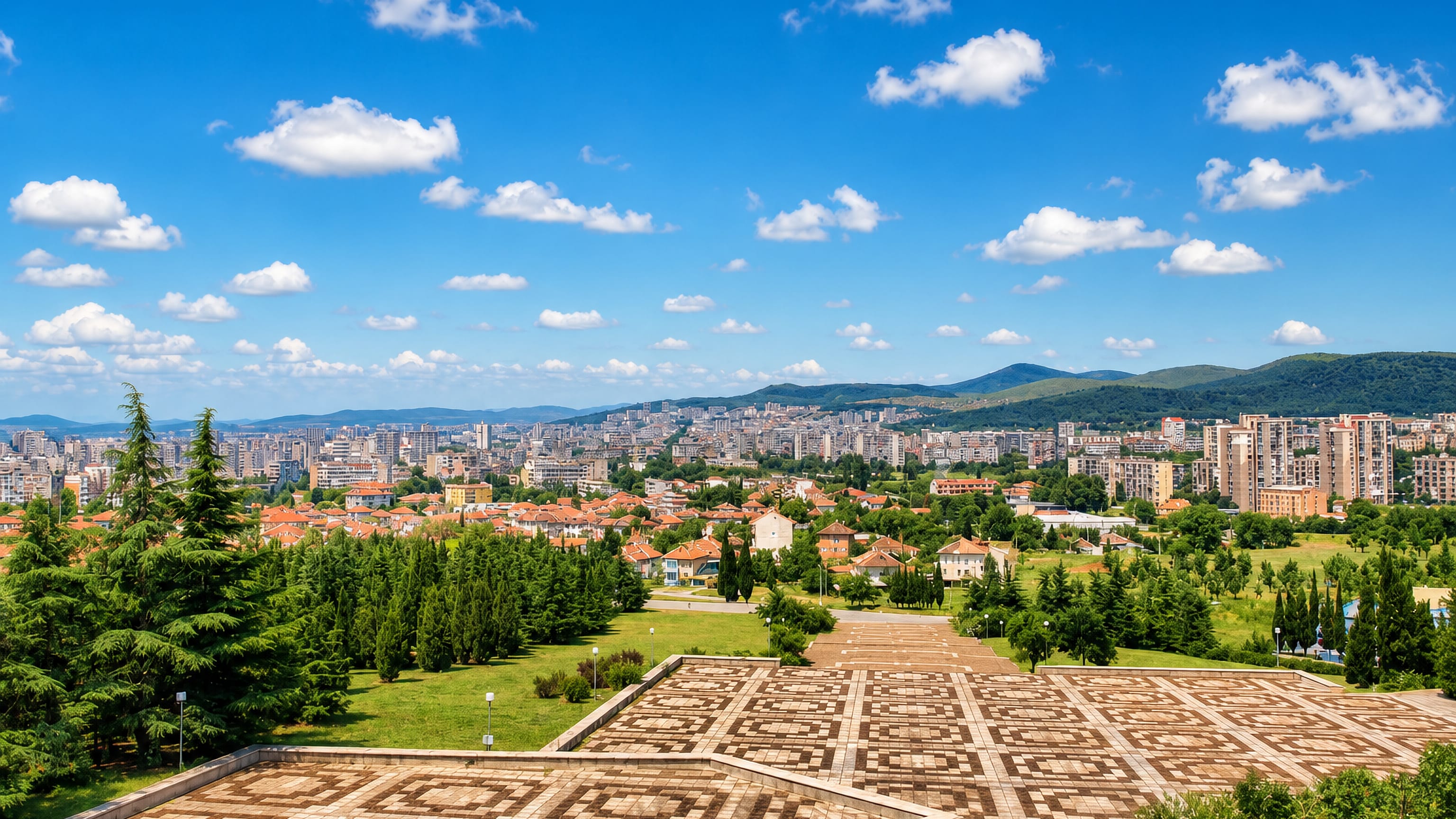
Stara Zagora is one of the oldest cities in Europe, a city of straight streets and lindens on the Thracian plain of Bulgaria.
Hotel links are affiliate links: booking through them may earn us a commission, at no extra cost to you. It never affects how places are ranked. How this works


Where to stay in Stara Zagora
Where visitors usually base themselves, and why.
In Stara Zagora the choice comes down to the centre or the edges. The wide streets around the main square and the Roman forum keep the museums, the churches, and the shops within a walk, and staying downtown suits anyone here for the old city. The lindens shade the boulevards.
Rooms sit near the square and the ruins. Out toward the hills and the newer edges, the town spreads into greener suburbs. A room away from the centre trades the busy streets for parks, space, and an easy road out to the plain.
The green Sredna Gora rises past the edge. If you want the ruins and the museums, stay in the centre; if you want the quiet, take a room outside. Both bases leave the old core within reach.
Find hotels in Stara Zagora
Direct booking searches for these neighbourhoods.
The centre
Around the main square and the Augusta Traiana forum, within a walk of the museumsFind hotels in The centreStays wanting parks, space, and the road outThe newer edges
Toward the hills and the suburbs, an easy road out to the plainFind hotels in The newer edgesHotel links are affiliate links: booking through them may earn us a commission, at no extra cost to you. It never affects how places are ranked. How this works
Things to do in Stara Zagora
Ranked by global recognition; descriptions from Wikidata (CC0).
Museums & Galleries
3- Neolithic Dwellings Museum Heritage
- Augusta Traiana forum
- Stara Zagora art gallery
Churches & Religious Sites
3- Old Mosque
- Saint Demetrius Church
- Свети Кирил и Методий
Castles & Historic Sites
3- Defenders of Stara Zagora Memorial Complex
- Augusta Traiana
- Memorial of the fallen on 19.07.1877, Stara Zagora
Landmarks & Notable Places
3- Liliev house Heritage
- Bunardzhievi House Heritage
- Salabasheva House
worth knowingacross 4 categories in Stara Zagora
About Stara Zagora
Stara Zagora is an ancient city rebuilt anew.
What is Stara Zagora known for?
Its land has been settled for eight thousand years, since the Neolithic dwellings that still stand under a museum roof, and Roman ruins lie in its heart, yet the modern town is laid out in broad, straight streets lined with linden trees. War once burned it to the ground. Old and new mark the city.
What are the main landmarks in Stara Zagora?
The Neolithic Dwellings are the oldest wonder of Stara Zagora. Two clay houses of eight thousand years ago, among the best kept in Europe, stand under a museum roof, the emblem of the town, near the centre. Roman stones lie nearby.
The forum of Augusta Traiana rises among the streets, while the Old Mosque and the Regional History Museum keep the story of the plain.
What is the history of Stara Zagora?
Stara Zagora rose on one of the oldest inhabited spots in Europe. People built houses here eight thousand years ago, in the Neolithic age, and their dwellings survive so well that a museum was raised over them. The Romans built a fine city.
Under the empire the town of Augusta Traiana spread with a forum, streets, and walls on the Thracian plain, and it flourished for centuries as a Roman and later Byzantine city. The town met a terrible end in war. In 1877, during the Russo-Turkish war, Stara Zagora was burned to the ground and its people scattered, and only ruins were left on the plain.
It rose again from the ashes. Planners rebuilt the town on a bold grid of wide, straight streets lined with lindens, so that it became known as the city of the lindens and the poets. The old Roman stones still lie in the centre.
Stara Zagora guards its ancient past on the Thracian plain.
Where is Stara Zagora?
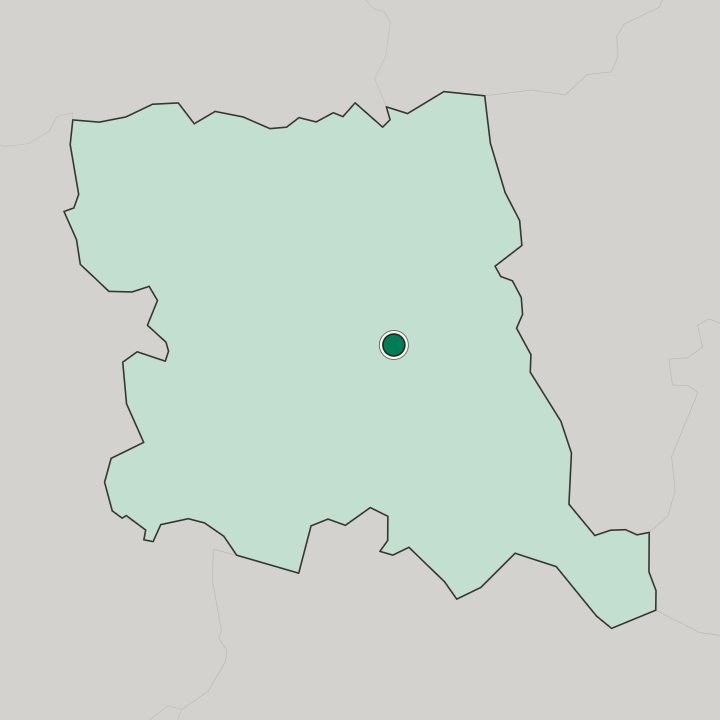
Stara Zagora lies on the wide Thracian plain of central Bulgaria. The city sits at the foot of a low green range, the Sredna Gora, where the hills meet the fertile lowland, in a warm land of orchards, vineyards, and rose fields. Wooded hills rise to the north.
The broad plain stretches south for miles.
What is the climate of Stara Zagora?
A mild continental climate settles over the plain here. Hot, dry summers ripen the vines and roses on the plain, and the winters turn cold and grey at the foot of the hills, with rain in spring and autumn. Warm winds cross the lowland in summer.
The plain stays green in the mild seasons.
How do you get to Stara Zagora?
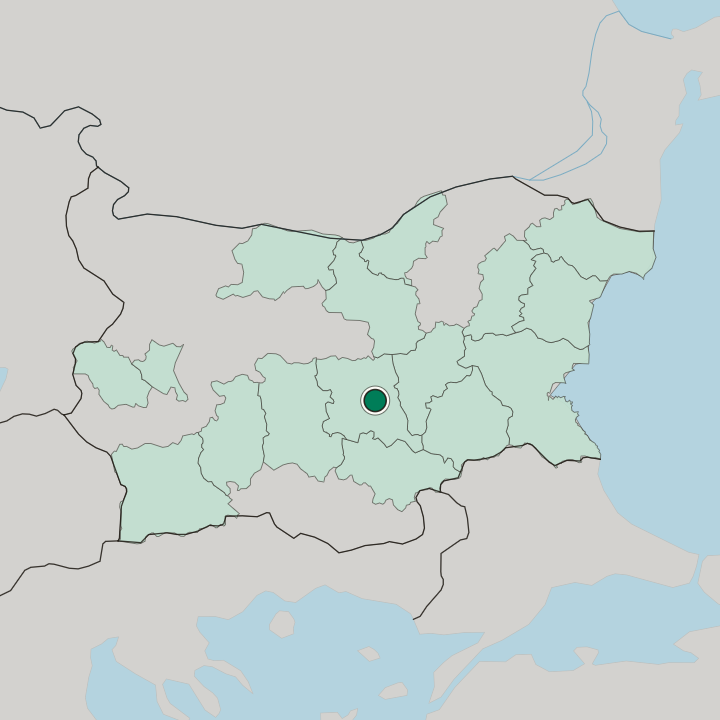
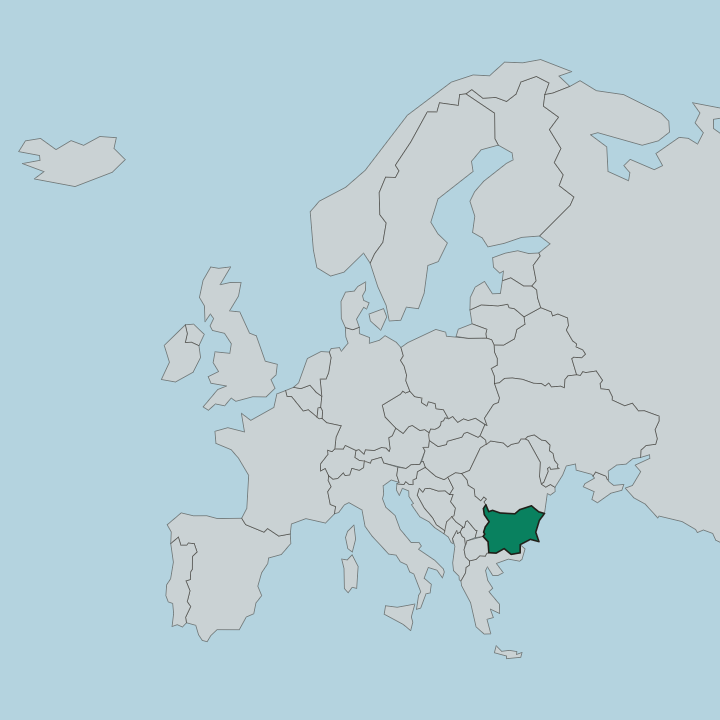
Stara Zagora lies at the heart of central Bulgaria. The main road and rail line cross the plain to it from Sofia and Plovdiv in the west and the coast in the east. Buses reach the plain towns around.
Most arrive by road across the lowland.
Common questions
What is the best area to stay in Stara Zagora?
The centre: Visitors here for the ruins, museums, and churches. The newer edges: Stays wanting parks, space, and the road out.
Good for
Updated October 2026