Bahrain · Capital Governorate
Where to Stay in Manama, Capital Governorate
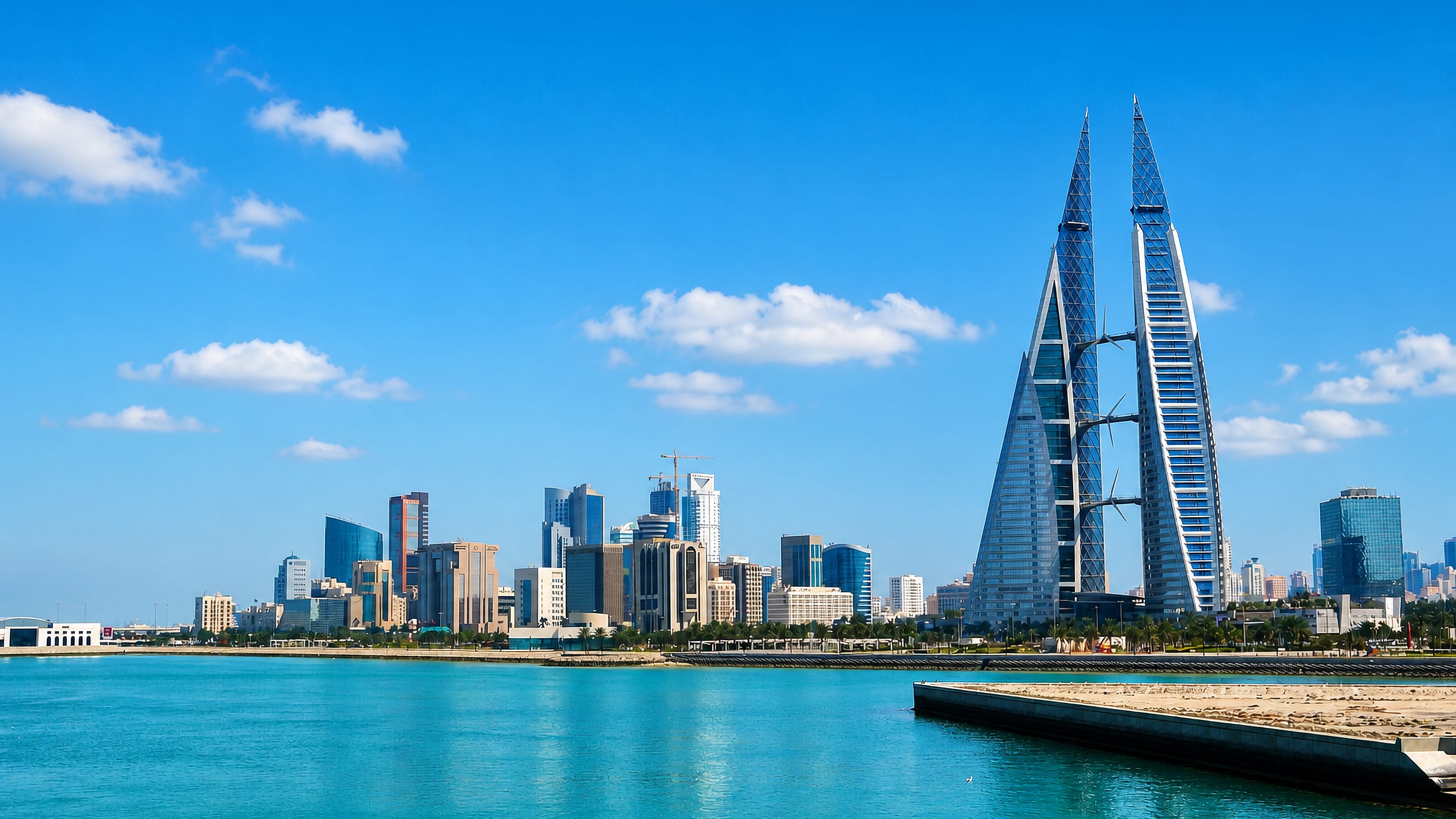
Manama is the capital and largest city of Bahrain, a Persian Gulf trading port known for Bab Al Bahrain and the Bahrain National Museum.
Hotel links are affiliate links: booking through them may earn us a commission, at no extra cost to you. It never affects how places are ranked. How this works


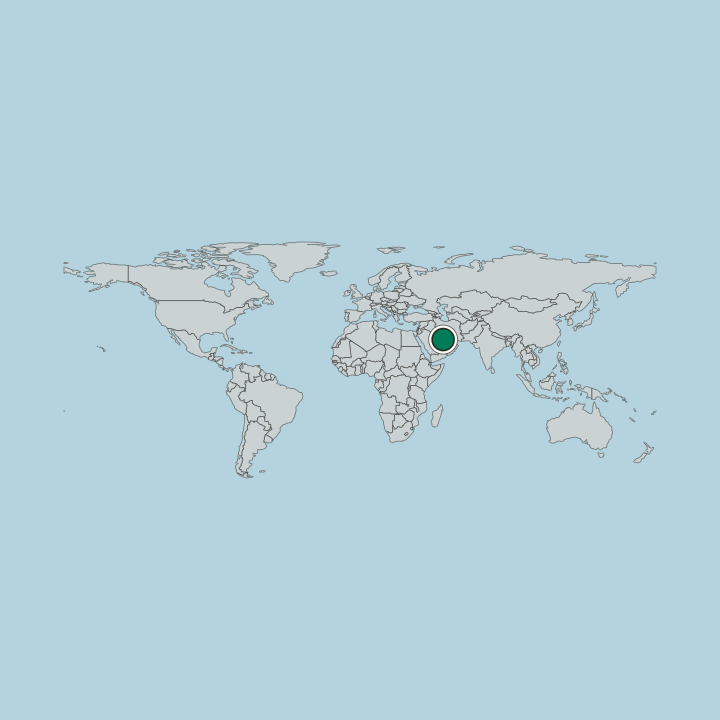
Where to stay in Manama
Where visitors usually base themselves, and why.
Manama spreads its lodging across the central districts around the old souk and the waterfront, where the Bab Al Bahrain marks the way into the historic market. The old souk makes the obvious base. From the streets behind the Bab Al Bahrain the souk, the Sacred Heart Church, and the shops of the old quarter lie within an easy walk, and the corniche opens onto the Persian Gulf a short way off.
Stay here to reach the market and the seafront of the capital of Bahrain on foot. The newer diplomatic and financial districts along the shore suit visitors who want the modern city, set among the towers that line the reclaimed waterfront a little apart from the old souk. These blocks trade the market bustle for sea views.
Travellers drawn by the museums find the streets near the Bahrain National Museum and Beit Al Quran practical, close to the corniche and the causeway roads. Wherever you settle in Manama, the flat coastal ground and the wide reach of the Persian Gulf frame the seaward edge of the Capital Governorate.
Find hotels in Manama
Direct booking searches for these neighbourhoods.
Old souk and Bab Al Bahrain
The central lanes of Manama behind the Bab Al Bahrain, within a walk of the old souk and the Sacred Heart Church.Find hotels in Old souk and Bab Al Bahrainmodern seafront stays on the Persian Gulf cornicheWaterfront towers
The reclaimed shore district of Manama lined with towers above the Persian Gulf, apart from the old souk with open sea views.Find hotels in Waterfront towersthe Bahrain National Museum and Beit Al QuranMuseum district
The corniche blocks of Manama near the Bahrain National Museum and Beit Al Quran, handy for the causeway roads out of the city.Find hotels in Museum districtHotel links are affiliate links: booking through them may earn us a commission, at no extra cost to you. It never affects how places are ranked. How this works
Things to do in Manama
Ranked by global recognition; descriptions from Wikidata (CC0).
Museums & Galleries
3- Bahrain National Museum
- Beit Al Quran
- متحف بيت القران
Churches & Religious Sites
1- Sacred Heart Church
Stadiums & Sports
2- Bahrain Keraleeya Samajam DJ Hall
- India Club Bahrain
Landmarks & Notable Places
1- Bab Al Bahrain
worth knowingacross 4 categories in Manama
About Manama
What is Manama known for?
Manama is known above all as the capital and largest city of Bahrain, a long-standing trading port on the Persian Gulf. Commerce has always been its lifeblood. The Bab Al Bahrain marks the entrance to the old souk at the city's heart, the Bahrain National Museum tells the country's long story, and Beit Al Quran holds one of the region's notable collections of Islamic manuscripts.
Trade, faith, and government together define the capital of the Capital Governorate.
What are the main landmarks in Manama?
Manama's landmarks gather around the old souk and the waterfront. The Bab Al Bahrain, a stone gateway arch, opens the way into the historic market at the city's core. Culture lines the shore nearby.
The Bahrain National Museum sets out the country's archaeology and traditions, Beit Al Quran preserves rare copies of the Quran, and the Sacred Heart Church and the India Club Bahrain mark the mix of communities that trade and settle in the capital of Bahrain.
What is the history of Manama?
Manama is first recorded in 1345, an old trading town on the Persian Gulf long before it became the capital of Bahrain. The sea made its fortune. Standing on one of the Gulf's great pearling and trading routes, the port drew merchants from across the region, and over the centuries it passed under Portuguese, Persian, and Omani control, each leaving a mark on the town whose harbour and market kept drawing traders regardless of who ruled.
The Bab Al Bahrain still frames the entrance to that old commercial heart. The modern city rose with the country around it. Bahrain came to independence in 1971 after a period of British influence, and Manama grew into the seat of the new nation and the hub of the Capital Governorate, its waterfront reshaped by reclamation and new districts.
The old town endured through it all. The Bahrain National Museum and Beit Al Quran now hold the record of a history stretching from the pearl beds of the Persian Gulf to the capital of a modern state.
Where is Manama?
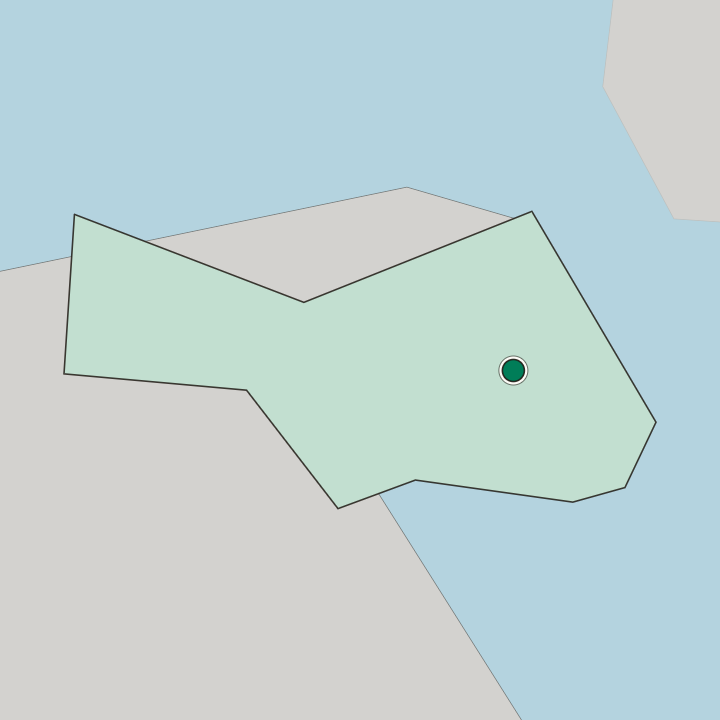
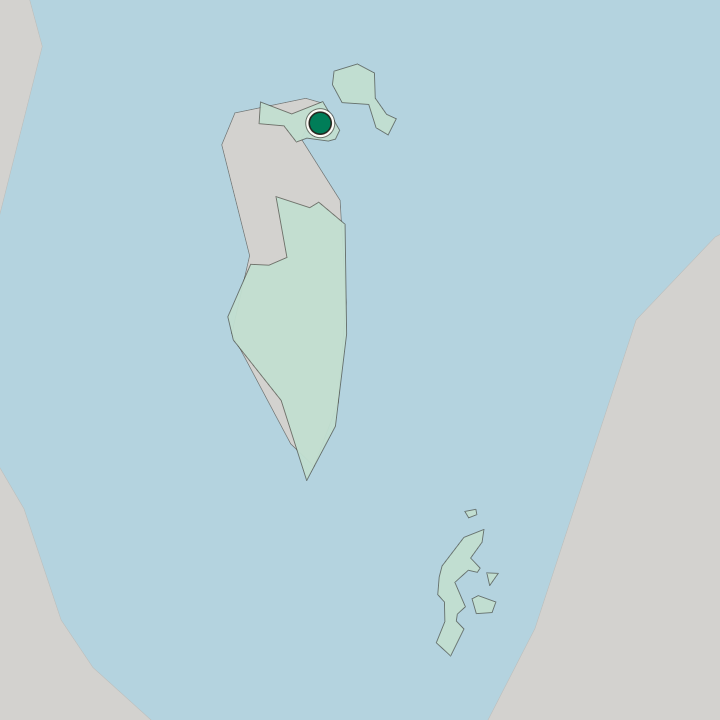
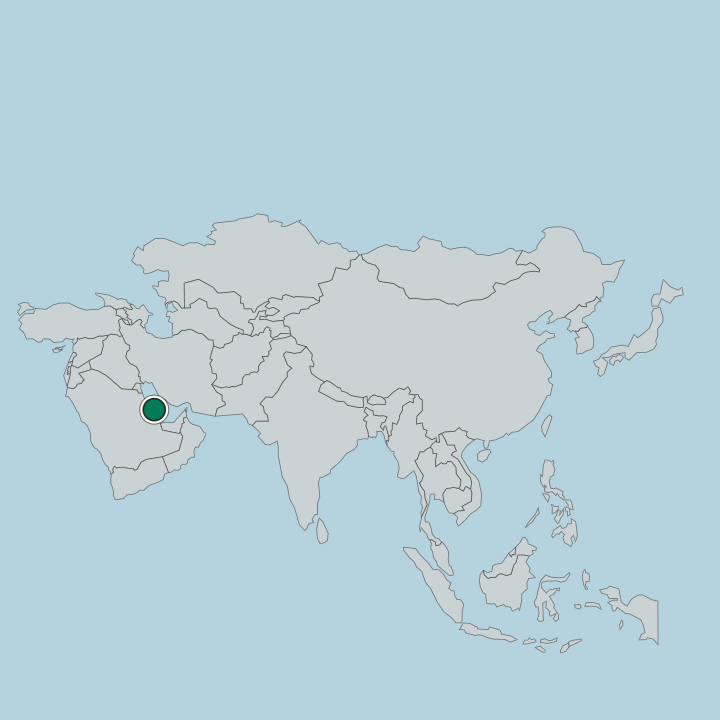
Manama sits on the shore of the Persian Gulf, on flat, low-lying land at the northern edge of Bahrain. The sea rings its setting. Behind the waterfront near the Bab Al Bahrain the old town gathers, while newer districts spread across reclaimed ground pushed out into the shallow Gulf waters, so the city grows seaward as much as inland.
Everything here lies nearly level. The built-up area of the Capital Governorate covers most of the ground around the capital, with little open country between its quarters.
What is the climate of Manama?
Manama has a hot desert climate, softened only a little by the Persian Gulf on its shore. The summer heat runs long and punishing, thickened by the Gulf. Heat and high humidity settle over the capital of Bahrain for much of the year, drawing life indoors during the hottest months, while the short winter brings mild, pleasant days along the coast.
Rain hardly comes at all. The few showers that reach the Capital Governorate fall in the cooler season, leaving the city dry and bright the rest of the year.
How do you get to Manama?
Manama is the main point of arrival in Bahrain, reached by air, road, and causeway. An international airport serves the capital from a neighbouring island close offshore. Causeways and highways link Manama across the water to the rest of the country and to the mainland beyond, carrying much of the traffic of the Persian Gulf region, and roads fan out from the city into the districts of the Capital Governorate.
The sea route matters too. The old harbour that first built the port still lies at the city's heart near the Bab Al Bahrain.
Common questions
What is the best area to stay in Manama?
Old souk and Bab Al Bahrain: market walks from the historic gateway arch. Waterfront towers: modern seafront stays on the Persian Gulf corniche. Museum district: the Bahrain National Museum and Beit Al Quran.
Good for
Updated October 2026