Burundi: Regions, Cities & Travel Guide
Burundi is a landlocked country in East Africa, set in the Great Rift Valley, with Gitega as its capital.
Hotel links are affiliate links: booking through them may earn us a commission, at no extra cost to you. It never affects how places are ranked. How this works


Top destinations in Burundi
Cities to start from, then drill into areas and hotels.

 Burundi
Bujumbura
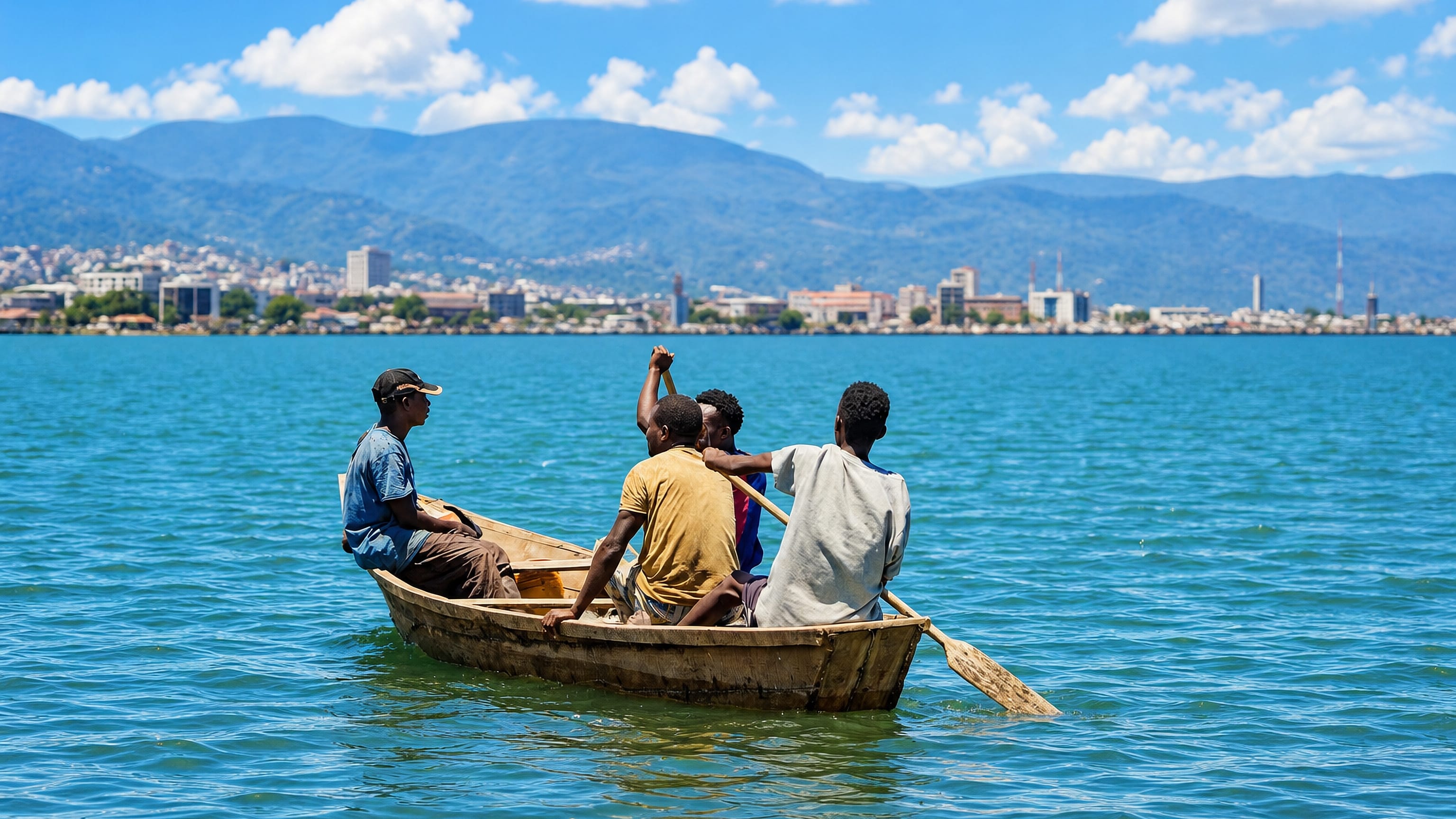
Burundi's largest city and main port, Bujumbura stands on the north-eastern shore of Lake Tanganyika and ships the country's coffee from there.Where to stay →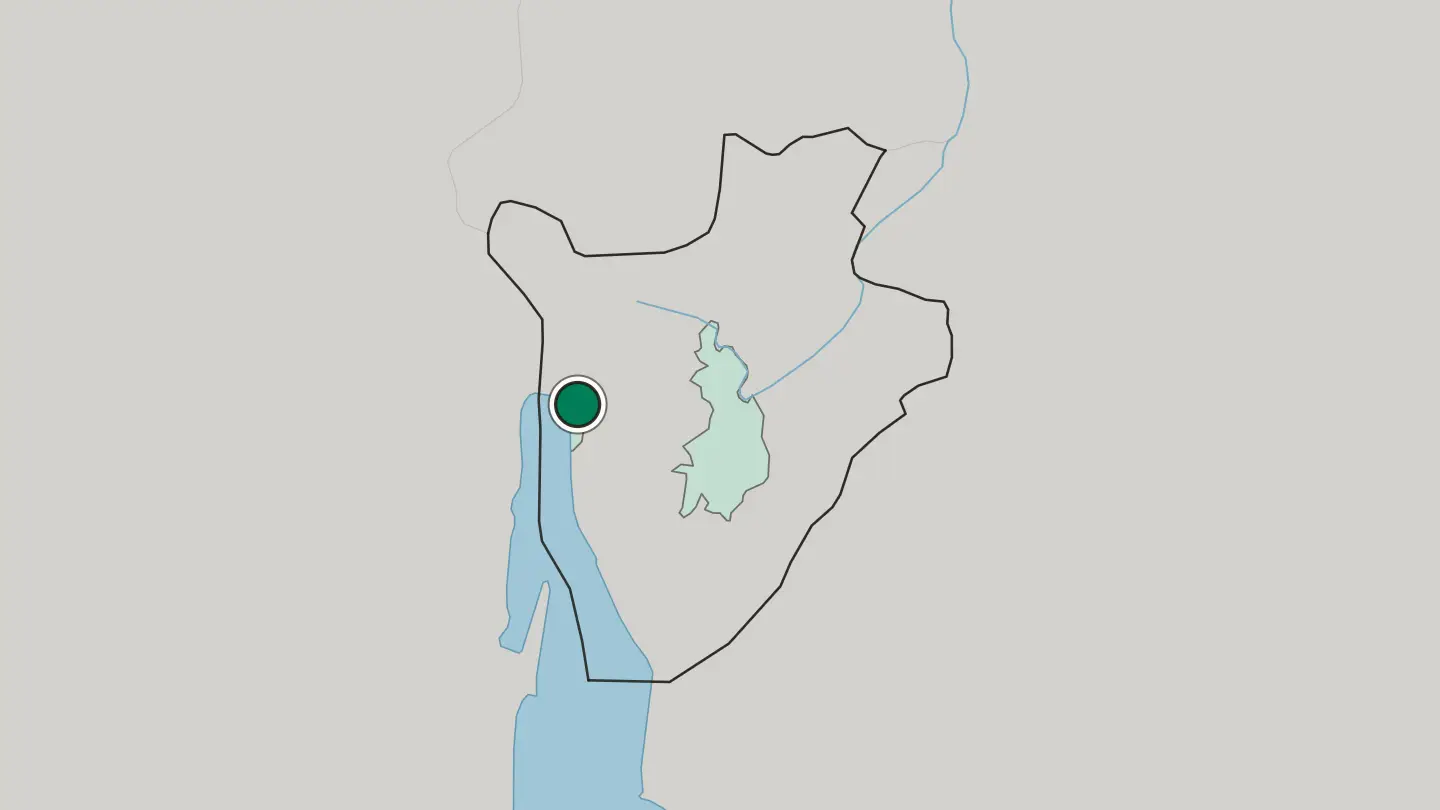
 Burundi
Gitega
Gitega is the political capital of Burundi, a plateau city east of Bujumbura that held the royal court of the Kingdom of Burundi until 1966.Where to stay →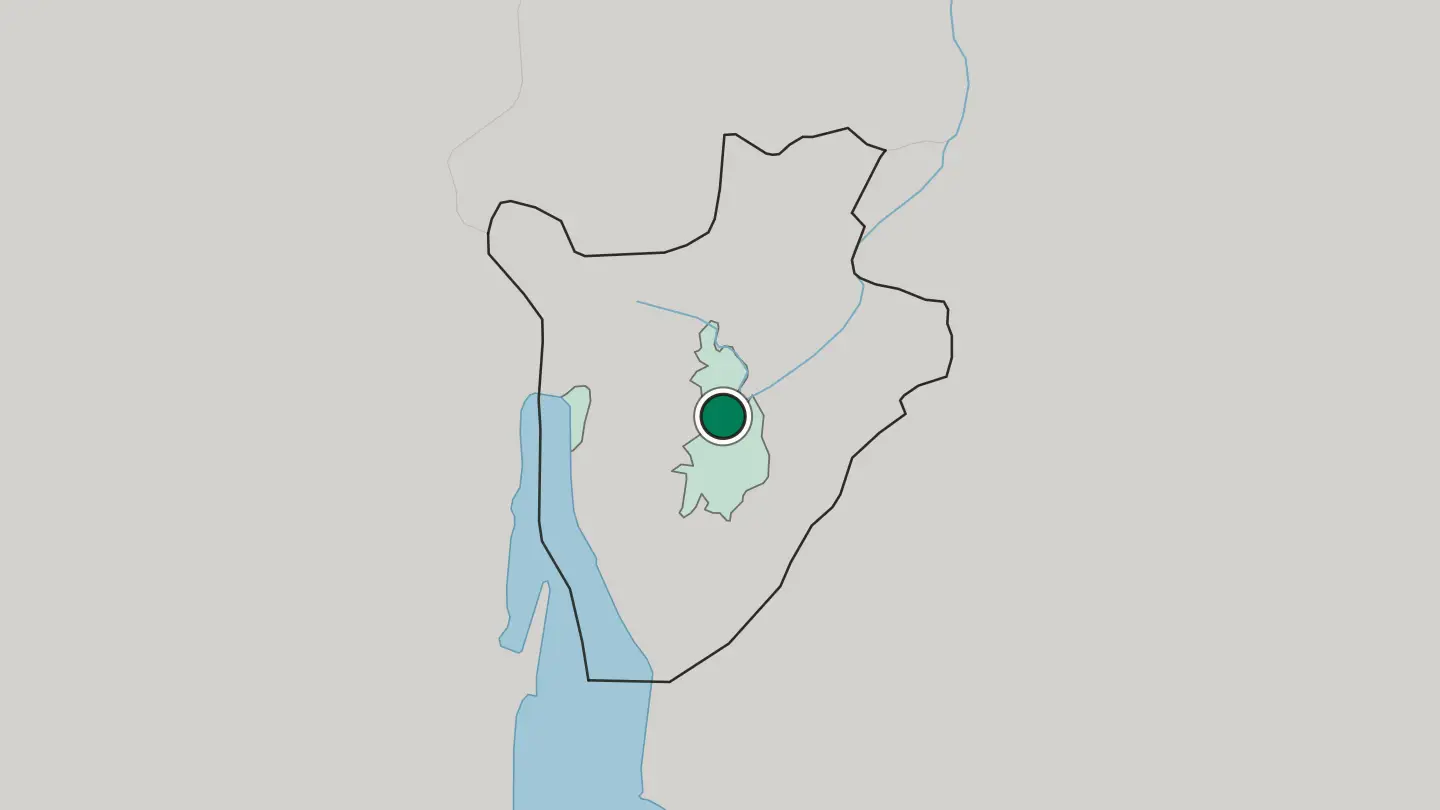
Hotel links are affiliate links: booking through them may earn us a commission, at no extra cost to you. It never affects how places are ranked. How this works
Regions of Burundi
Burundi
Bujumbura Mairie Province
Bujumbura Mairie Province, created in 1991, was the Burundian province made up entirely of Bujumbura, the country's largest city.Towns & cities →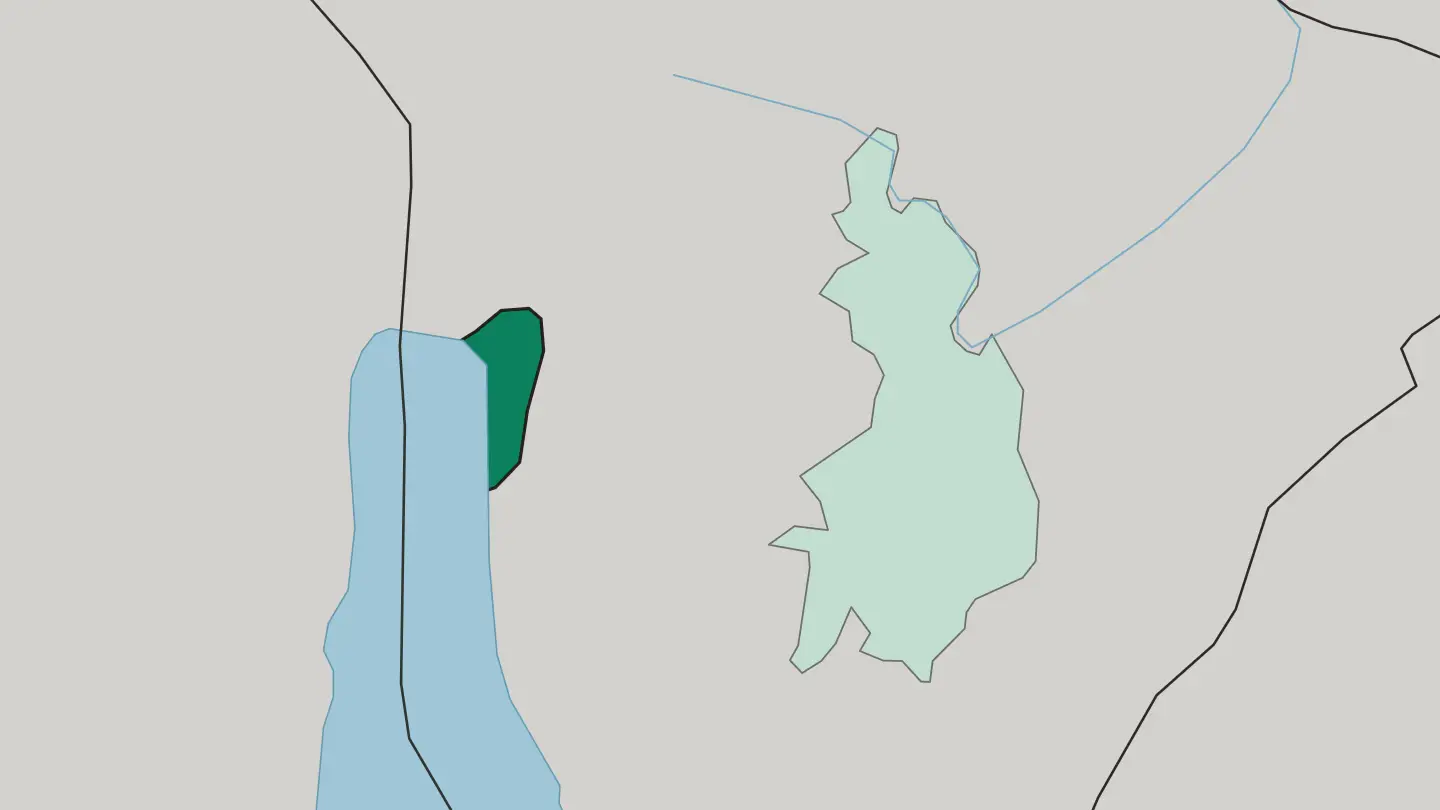 Burundi
Gitega Province
Gitega Province takes its name from Gitega, its capital and the political capital of Burundi, and is one of the country's five provinces.Towns & cities →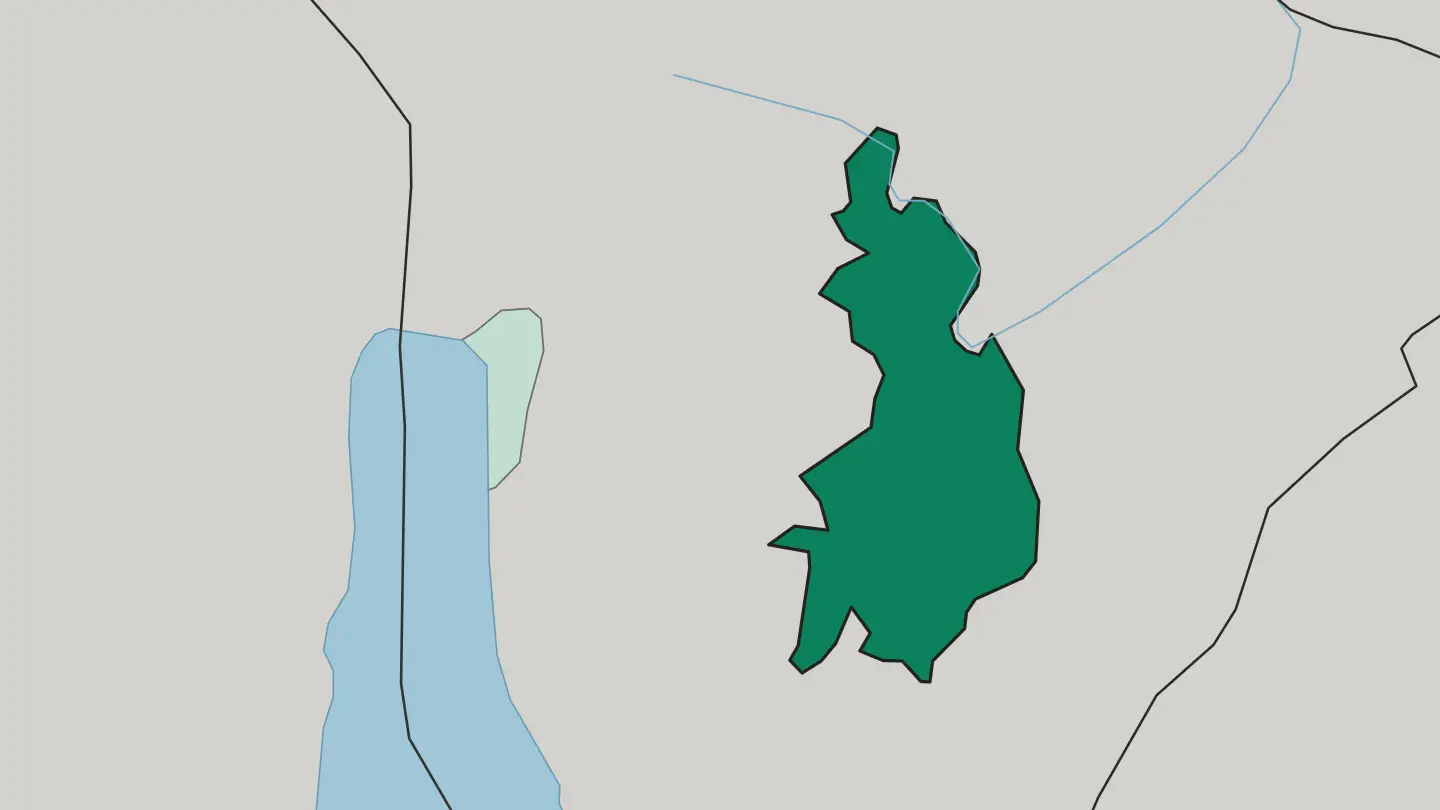
About Burundi
What is Burundi known for?
Burundi is a country of steep green hills and one very deep lake. Its western edge drops to Lake Tanganyika, where Bujumbura, the largest city and old capital, sits at the mouth of the Ruzizi River. Drumming is the national art here.
The royal ingoma tradition, still taught at the Gishora sanctuary near Gitega, was inscribed by UNESCO. Inland, montane rainforest survives in the Kibira highlands along the Congo-Nile watershed.
Where is Burundi?
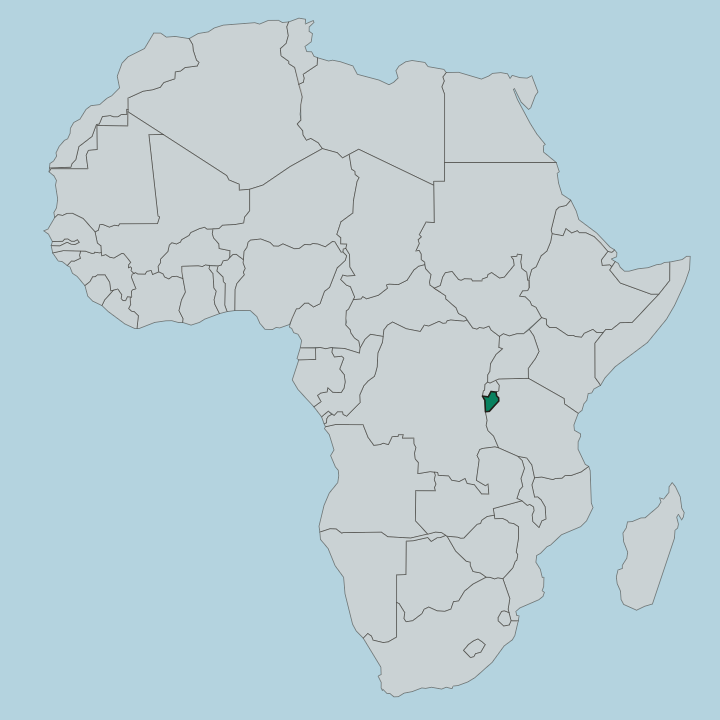
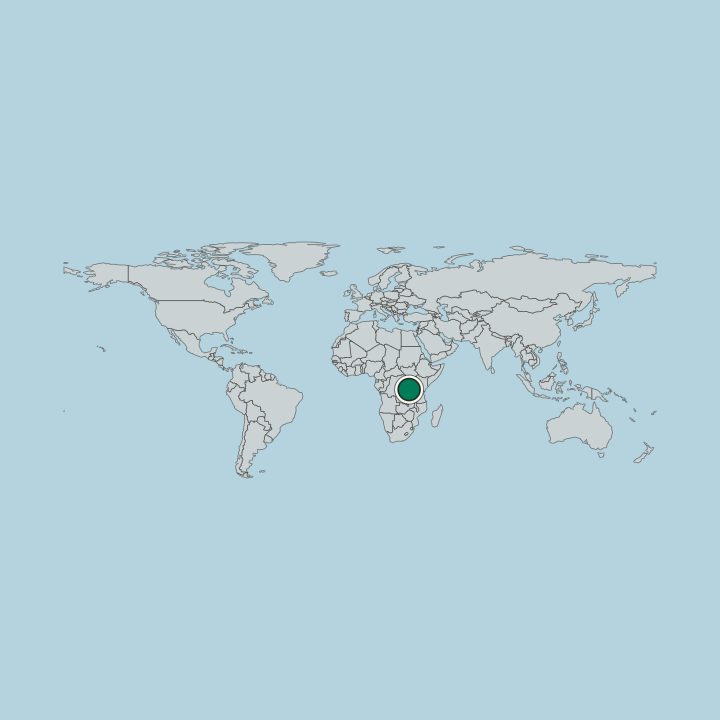
Burundi occupies a small, densely folded stretch of highland at the junction of the African Great Lakes region and the wider East Africa. It is landlocked, bordered by Rwanda in the north, Tanzania in the east and south-east, and the Democratic Republic of the Congo across the west. The land is nearly all hills.
Most of the country rides a plateau that runs between roughly 1,400 and 1,800 metres, ridge after ridge of cultivated slope, which is why Burundi is often described by its own people through the hills a family farms. The western frame is different. There the ground falls sharply to the floor of the Great Rift Valley and to Lake Tanganyika, the second-deepest lake on earth, whose long trench carries the border with the Congo.
Bujumbura sits on that shore where the Ruzizi River, draining down from Lake Kivu, empties into the lake. Water divides the interior in two. A high crest, the Congo-Nile watershed, runs down the west of the country and sends rivers either toward the Congo basin or toward the Nile.
The Ruvubu River rises in the northern hills near Kayanza and gathers the most distant headwaters of the Nile, threading north-east through the savanna of Ruvubu National Park. From lakeshore to plateau, the country climbs fast.
What is the history of Burundi?
Burundi grew out of an old kingdom rather than a colonial line on a map. For centuries a Burundian monarchy ruled these hills under a mwami, or king, whose authority was bound up with the sacred karyenda drum; the ruler was said to read the kingdom's law in the drum's beat. The court left deep marks.
Sanctuaries such as Gishora, founded by King Mwezi Gisabo in the nineteenth century, kept the ritual drumming that came to stand for the whole nation. Germany claimed the territory in the late nineteenth century and Belgium took it after the First World War, ruling Burundi together with neighbouring Rwanda. The kingdom survived on paper through all of it.
Independence came on 1 July 1962, at first under the mwami, before the monarchy was abolished and a republic declared in 1966. The decades that followed were violent. Cycles of conflict between Hutu and Tutsi communities culminated in a long civil war through the 1990s, which a negotiated settlement finally brought toward an end.
In 2019 the seat of government moved inland from Bujumbura to Gitega, the historic heart of the old kingdom. The drum outlasted every ruler.
What is Burundi like?
Burundian culture turns on the drum. The ingoma is far more than an instrument; it carries memory, marks births and harvests, and once beat only for the king, and the royal drumming preserved at Gishora near Gitega was inscribed by UNESCO as intangible heritage of humanity. Performances are physical and communal.
A line of drummers balances the heavy drums on their heads, then takes turns leaping to the central instrument to strike it, chanting and dancing as they go. Language binds the country tightly. Almost everyone speaks Kirundi as a mother tongue, a rarity on the continent, with French and some Swahili used alongside it in towns and along the Tanzanian side.
Cattle sit at the centre of older custom, treated as wealth and honour, and a family will sometimes plant a dead cow's horns by the house for luck. Meals stay simple. Beans are stewed slowly in most homes, cassava is pounded into the firm porridge called ubugali, and fish comes fresh from Lake Tanganyika.
Sorghum beer once poured at the royal umuganuro festival still marks celebrations. Hospitality is a duty here. A guest is fed first, always.
What is the climate of Burundi?
Burundi has an equatorial climate tempered by height. The hill plateau stays mild and green through the year, cooler than its position suggests because most of it lies well above the lowlands, while the shore of Lake Tanganyika around Bujumbura runs warm and humid. Rain falls in two wet spells, roughly February to May and again from September into November, split by drier stretches.
The long dry season through the middle of the year is the easiest time to travel the hill roads. Highland nights can turn genuinely cold.
How do you get to Burundi?
Nearly everyone arrives by air into Bujumbura. The airport on the edge of the lakeside city is the country's only significant international gateway, reached mainly on connecting flights through Nairobi, Addis Ababa, and other regional hubs rather than direct from Europe. Overland routes cross in from Rwanda, Tanzania, and the Congo, and a lake port at Bujumbura still handles most of Burundi's trade across Lake Tanganyika.
From the city, roads climb inland to Gitega and the hills. Distances are short but slow.
Good for
Updated September 2026