Burundi · Bujumbura Mairie Province
Where to Stay in Bujumbura, Bujumbura Mairie Province
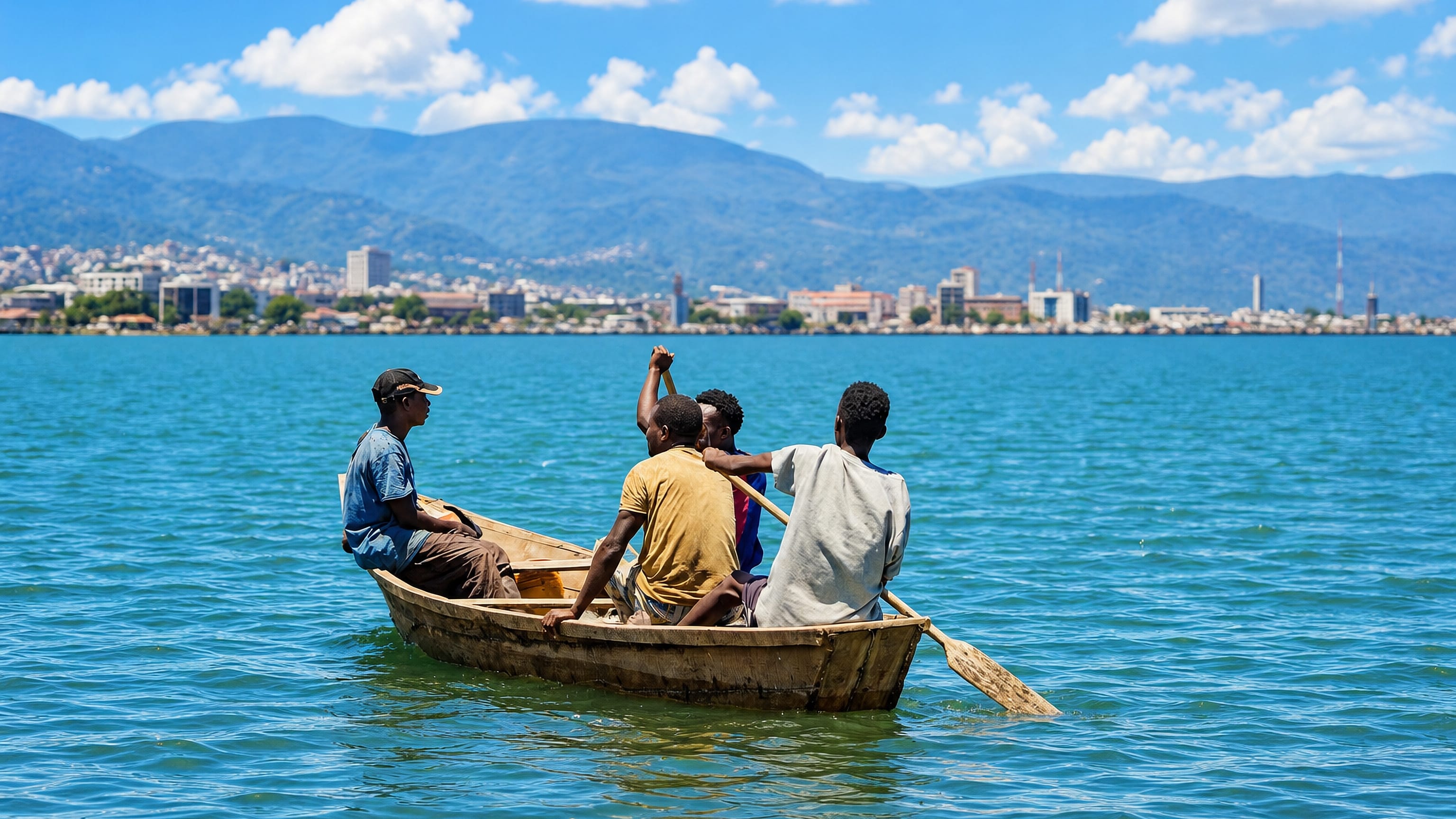
Burundi's largest city and main port, Bujumbura stands on the north-eastern shore of Lake Tanganyika and ships the country's coffee from there.
Hotel links are affiliate links: booking through them may earn us a commission, at no extra cost to you. It never affects how places are ranked. How this works


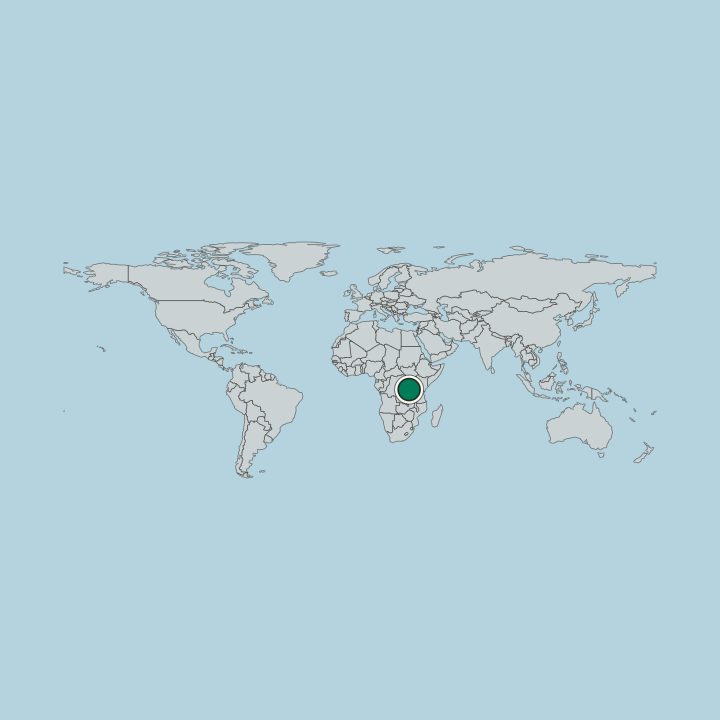
Where to stay in Bujumbura
Each area has its own feel; here's who each one suits.

 BujumburaBurundi
Bwiza
Bwiza is a zone of Bujumbura, the largest city and main port of Burundi, which stands on the shore of Lake Tanganyika.Where to stay →BujumburaBurundiBuyenzi
Buyenzi is a historic commune of Bujumbura, laid out on a grid of numbered streets and known for its Swahili heritage.Where to stay →BujumburaBurundiNyakabiga
Nyakabiga is a zone of Bujumbura, the economic capital of Burundi, sharing the city with Bwiza and Buyenzi.Where to stay →Hotel links are affiliate links: booking through them may earn us a commission, at no extra cost to you. It never affects how places are ranked. How this works
Find hotels in Bujumbura
Direct booking searches for these neighbourhoods.
The Lake Tanganyika shore
The Livingstone–Stanley Monument stands on the same Lake Tanganyika shore the city occupies, and rooms facing that water trade the noise of the quays for depth no lake but Lake Baikal can match.Find hotels in The Lake Tanganyika shorecargo business at the main port of BurundiThe port quarter
Coffee, cotton and tin ore all leave Burundi through the quays of Bujumbura, and the streets behind them keep a working timetable rather than a visitor's one.Find hotels in The port quartera landmark other than the harbour at the end of the streetMont Sion Gikungu and Saint-Michel
Mont Sion Gikungu and the Paroisse saint Michel de Bujumbura are the two named sites of this part of the city, well back from anything to do with shipping. Rooms are few around here — worth securing early.Find hotels in Mont Sion Gikungu and Saint-MichelHotel links are affiliate links: booking through them may earn us a commission, at no extra cost to you. It never affects how places are ranked. How this works
Things to do in Bujumbura
Ranked by global recognition; descriptions from Wikidata (CC0).
Museums & Galleries
1- Living Museum of Bujumbura
Churches & Religious Sites
2- Mont Sion Gikungu
- Paroisse saint Michel de Bujumbura
Castles & Historic Sites
2- Livingstone–Stanley Monument
- Monument of Unity
worth knowingacross 3 categories in Bujumbura
About Bujumbura
Coffee leaves through here.
What is Bujumbura known for?
Bujumbura is the main port of Burundi and ships most of the country's chief export, along with cotton and tin ore, from a quay on Lake Tanganyika. Depth sets the lake apart. Only Lake Baikal runs deeper, and the Living Museum of Bujumbura and the Livingstone-Stanley Monument give the shore a pair of fixed points that have nothing to do with trade.
What are the main landmarks in Bujumbura?
Bujumbura's landmark list runs to five. The Livingstone-Stanley Monument, the Monument of Unity, the Living Museum of Bujumbura, Mont Sion Gikungu and the Paroisse saint Michel de Bujumbura are the sites a visitor is sent to, and no two of them tell the same story. The lake outranks all of them.
Lake Tanganyika is deeper than every lake but Lake Baikal, and the shore Bujumbura occupies is the reason the rest stand where they do.
What is the history of Bujumbura?
Usumbura came first. The city carried that name before Bujumbura replaced it, and 1871 stands as the founding year, well before either the port trade or the political role that came after. Two names sit on one monument.
The Livingstone-Stanley Monument keeps them joined beside Lake Tanganyika, and the Living Museum of Bujumbura holds the wider record of a city that grew into the country's main port. Trade made the case for it. Coffee is the chief export of Burundi, and it leaves through Bujumbura along with cotton and tin ore, which is the plainest reason the city held the country's political weight for as long as it did.
Then the seat moved. Pierre Nkurunziza announced in late December 2018 that he would act on a promise from 2007 to return Gitega to its former status, and the Parliament of Burundi made the change official on 16 January 2019. The transition took years.
Branches of government were expected to complete the move by 2022, a schedule that ran on longer than that, while the quays and the lake front carried on as before. Commerce stayed put. Bujumbura kept the economic role, the port and the shore of Lake Tanganyika, while the Monument of Unity, Mont Sion Gikungu and the Paroisse saint Michel de Bujumbura remained where they were.
Where is Bujumbura?
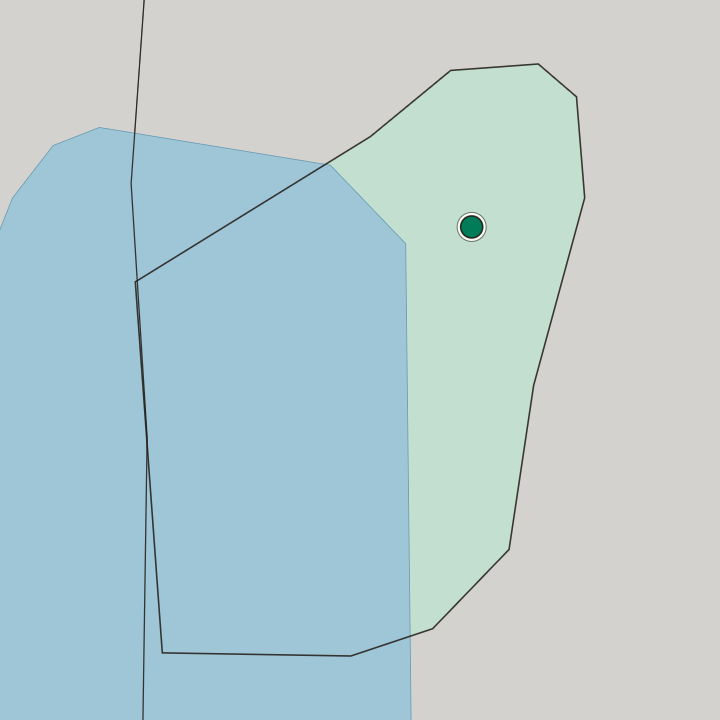
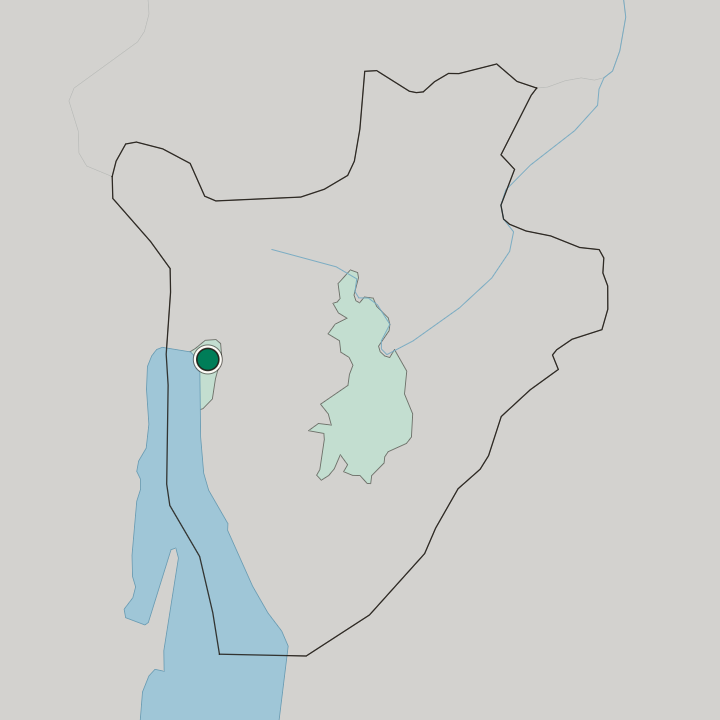
Lake Tanganyika sets the edge. Bujumbura occupies the north-eastern shore of a lake that only Lake Baikal exceeds for depth, and the built-up ground runs back from that water across roughly 87 square kilometres. Everything ships from here.
Coffee, cotton and tin ore all converge on this one shore, because Bujumbura is the main port of Burundi and the water is the route out.
What is the climate of Bujumbura?
Lake Tanganyika does the moderating. Water of that depth is slow to change, so the tropical heat along the north-eastern shore arrives evened out rather than sharpened, and the difference is felt through the whole run of the year. Rain divides the year.
The wet months and the dry ones are the division that counts, and Bujumbura takes its cue from the lake as much as from the sky.
How do you get to Bujumbura?
The port is the oldest way in. Bujumbura handles the shipping of Burundi from the north-eastern shore of Lake Tanganyika, and coffee, cotton and tin ore all leave the country by that route. Gitega lies inland.
The road to the political capital is the journey most official traffic makes, while visitors arriving for the Living Museum of Bujumbura or the lake itself rarely need to leave the city at all.
Common questions
What is the best area to stay in Bujumbura?
The Lake Tanganyika shore: open water and the Livingstone–Stanley Monument at the end of the day. The port quarter: cargo business at the main port of Burundi. Mont Sion Gikungu and Saint-Michel: a landmark other than the harbour at the end of the street.
Good for
Updated September 2026