Benin · Département de l’Ouémé
Where to Stay in Porto-Novo, Département de l’Ouémé
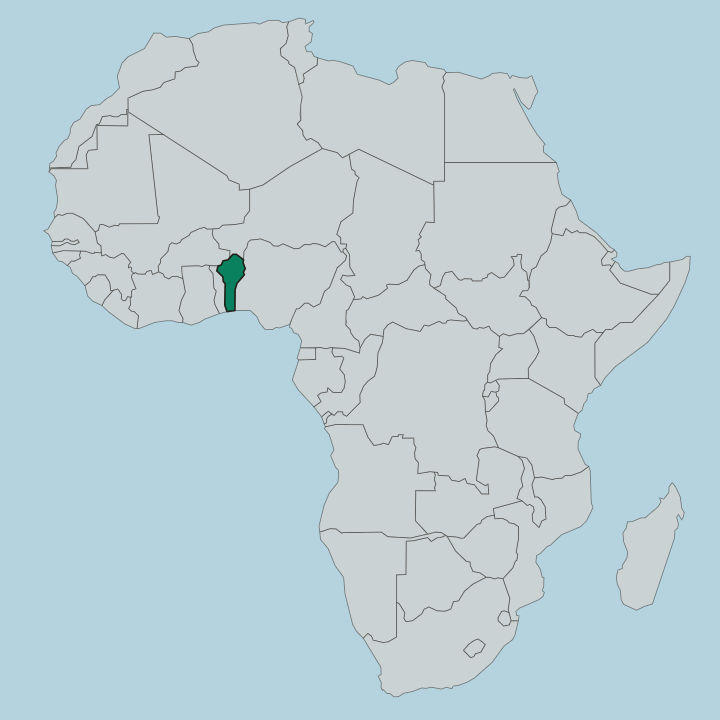
Porto-Novo is the capital of Benin in West Africa, an old town on a lagoon, known for its Afro-Brazilian houses and a great mosque built like a church.
Hotel links are affiliate links: booking through them may earn us a commission, at no extra cost to you. It never affects how places are ranked. How this works


Where to stay in Porto-Novo
Where the beds are, and what that means for the visit.
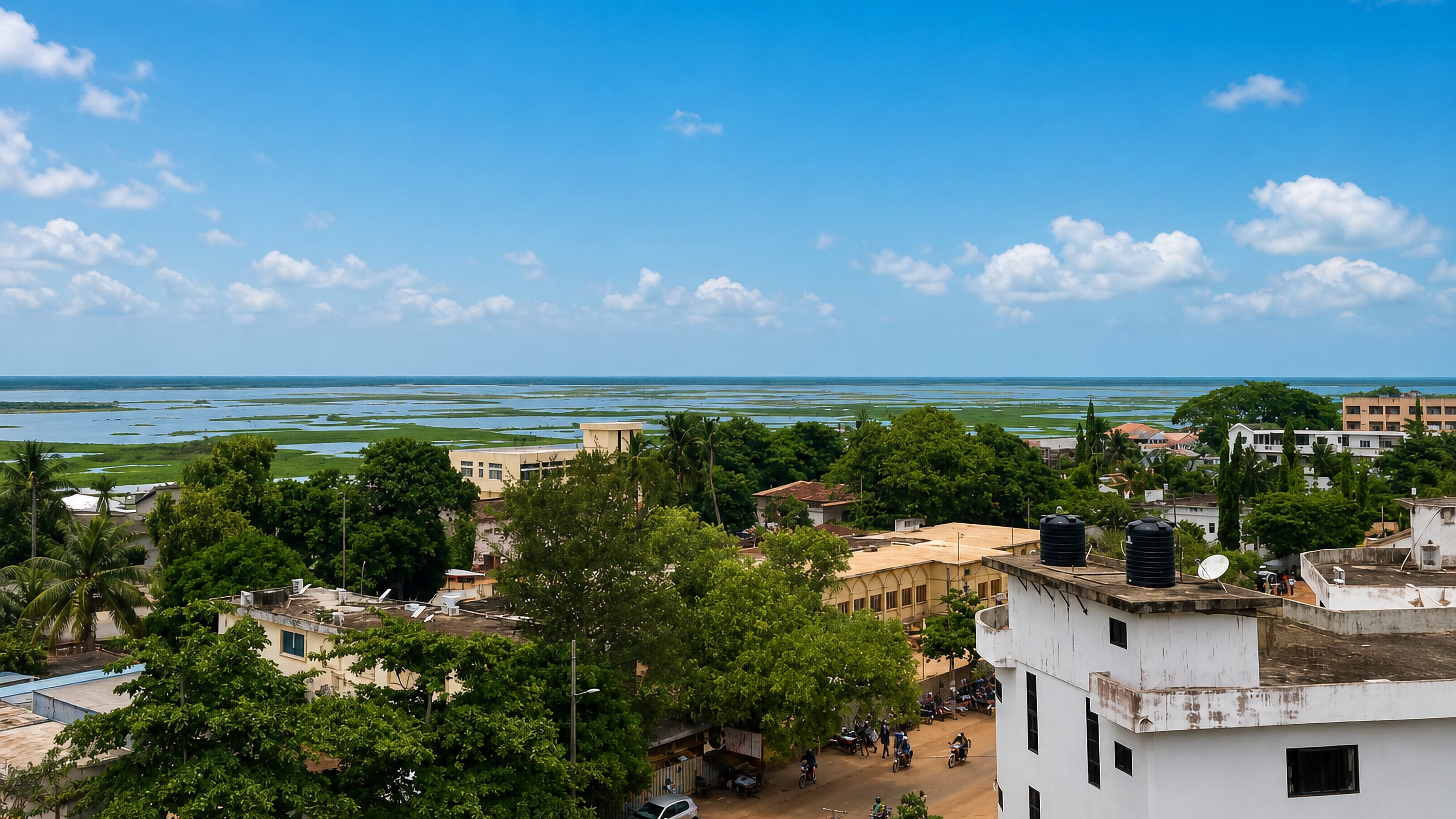
Where you stay in Porto-Novo turns on the old town or the lagoon. The centre keeps the mosque, the palace, and the museums within a walk, and staying downtown suits anyone here for the history. The lagoon lies just south.
Boats drift on the water. Out toward the water and the coast, the town gives way to the lagoon villages, the fishing stilts, and the road down to Cotonou. A room by the lagoon trades the streets for the quiet water, the palm shade, and the long line of the shore.
The lagoon runs to the sea. Stay downtown for the old town, or out for the water. The great mosque and the still lagoon hold the royal town.
Find hotels in Porto-Novo
Direct booking searches for these neighbourhoods.
The old town
In the centreFind hotels in The old townStays wanting the water and villagesBy the lagoon
Toward the coastFind hotels in By the lagoonHotel links are affiliate links: booking through them may earn us a commission, at no extra cost to you. It never affects how places are ranked. How this works
Things to do in Porto-Novo
Ranked by global recognition; descriptions from Wikidata (CC0).
Museums & Galleries
3- Royal Palace Museum UNESCO
- Alexandre Sènou Adandé Ethnographic Museum
- Jardin des plantes et de la nature
Churches & Religious Sites
1- cathedrale Notre Dame de l'Immaculée Conception in Porto-Novo
Castles & Historic Sites
1- place Toffa
worth knowingacross 3 categories in Porto-Novo
About Porto-Novo
Porto-Novo is the old capital of Benin.
What is Porto-Novo known for?
On a lagoon near the coast in the south of West Africa, it grew as a royal town and a port, and it keeps the great mosque built in the style of a Brazilian church, the Afro-Brazilian houses of the returned families, the royal palace of the old kings, and the Vodun shrines of its quarters. The still lagoon lies below the town. Palm roofs spread to the water.
What are the main landmarks in Porto-Novo?
The great mosque is the pride of Porto-Novo. The old mosque built like a Brazilian church, all pastel walls and towers, is the emblem of the town, downtown. A royal palace holds the past.
The old palace of the Porto-Novo kings stands as a museum nearby, while the Afro-Brazilian houses, the cathedral, and the lagoon shore mark the country around Porto-Novo.
What is the history of Porto-Novo?
Porto-Novo was a kingdom by the lagoon. The Gun kings ruled a town on the water here, and the Portuguese who came to trade gave it the name of the new port. The freed came back from Brazil.
In the eighteen-hundreds families of freed Africans returned from Brazil to this coast, and they built fine houses and a great mosque in the Brazilian style. The French made it a capital. Under colonial rule Porto-Novo became the seat of the territory, and its palaces and churches stood among the older shrines.
The old faith held on. In the quarters the people kept the Vodun of their fathers and the crafts of the Yoruba and the Gun, and Porto-Novo grew as the capital of Benin, keeping its lagoon, its palaces, and its shrines. The lagoon still lies below the town.
Porto-Novo keeps its royal city on the water.
Where is Porto-Novo?
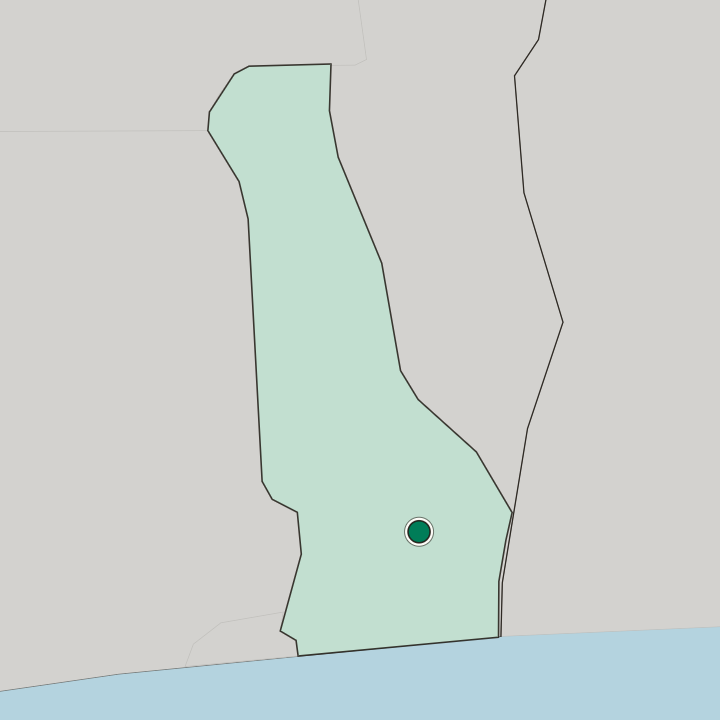
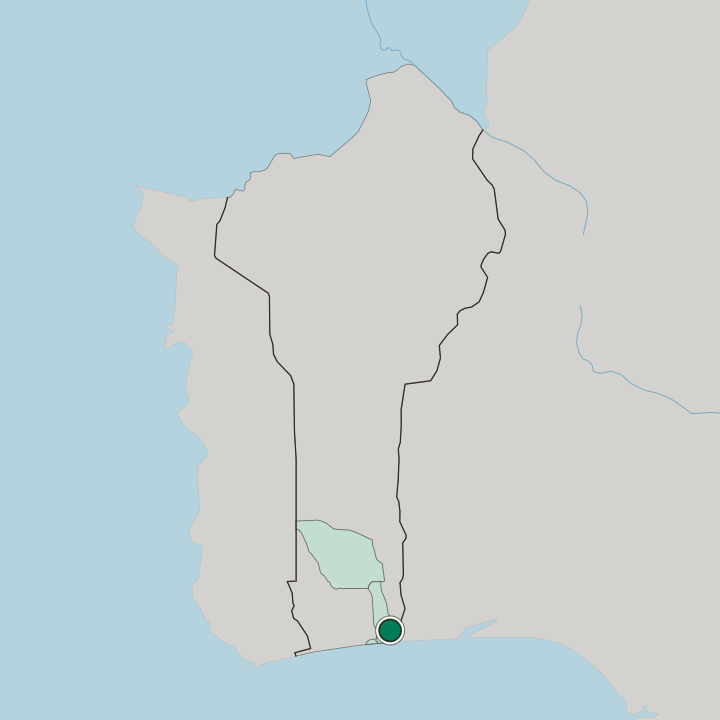
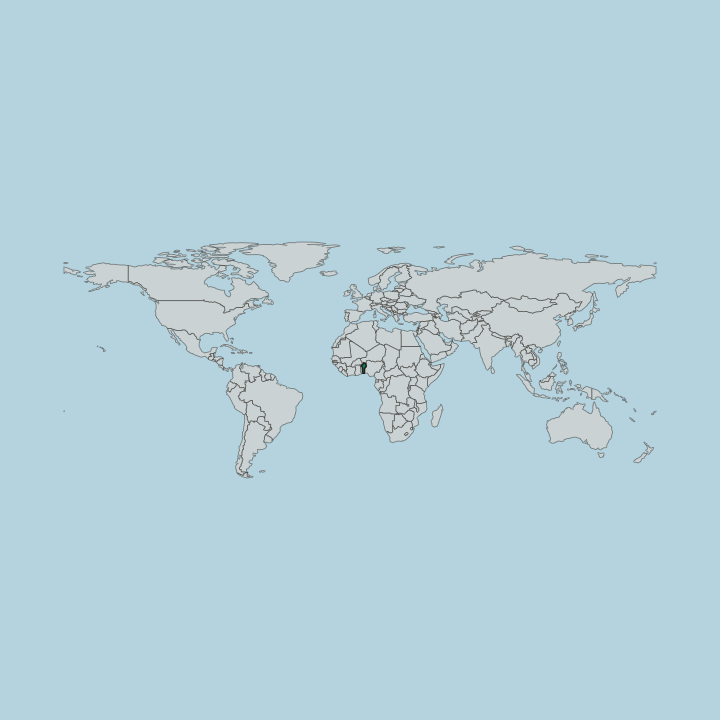
Porto-Novo lies in the far south of Benin, on a lagoon behind the coast. The city sits on the north shore of the Porto-Novo lagoon, a little inland from the sea, on the low wet coastal plain of West Africa, with the lagoon and the ocean to the south and the red-earth country rising inland to the north. The lagoon lies flat and still.
Palms cover the low country.
What is the climate of Porto-Novo?
Porto-Novo has a hot, humid equatorial climate. Warm damp weather holds all year on the coast, with two wet seasons and a dusty harmattan wind from the north. Heavy rains fall in summer.
The harmattan hazes the winter.
How do you get to Porto-Novo?
Porto-Novo lies in the far south of Benin, near the border with Nigeria. The coast road runs to it from Cotonou along the lagoon, and boats work the water. Cars come from Cotonou.
Cotonou lies west down the coast.
Common questions
What is the best area to stay in Porto-Novo?
The old town: Visitors here for the Afro-Brazilian mosque and the old palace. By the lagoon: Stays wanting the water and villages.
Good for
Updated September 2026