Benin · Littoral
Where to Stay in Cotonou, Littoral
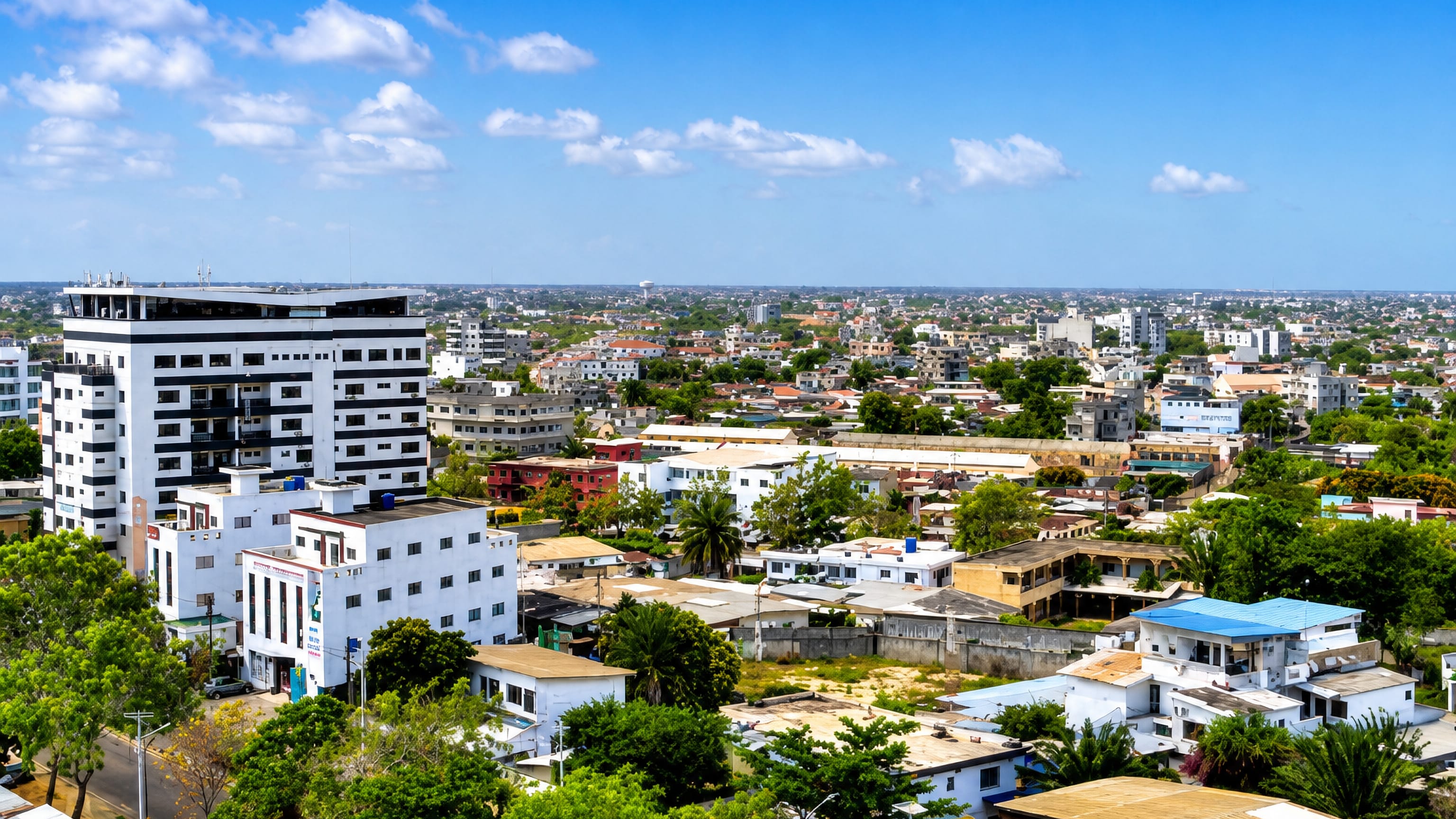
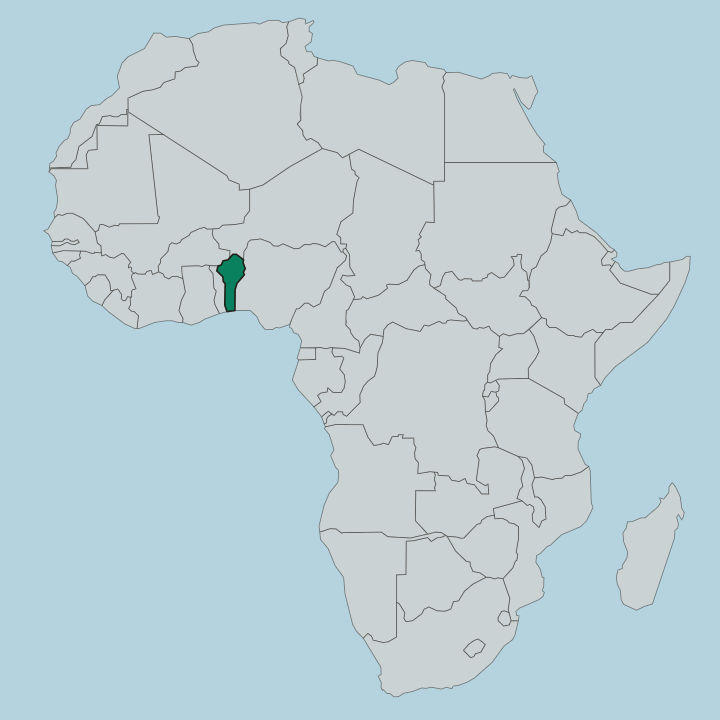
Cotonou is the largest city of Benin, a busy port on the West African coast between the Atlantic and the lagoon of Lake Nokoué.
Hotel links are affiliate links: booking through them may earn us a commission, at no extra cost to you. It never affects how places are ranked. How this works


Where to stay in Cotonou
How the choice of base plays out on the ground.
Where you stay in Cotonou turns on the shore or the centre. Along the beachfront, hotels face the Atlantic surf and the sea breeze, a calmer base away from the crush, good for anyone here to rest by the water. The waves pound the sand all night.
Rooms line the coast road east of the channel. In the centre, near the port and the markets, the city runs at full roar. A room downtown puts Dantokpa, the Amazon Monument, and the government quarters at hand, better for business and the markets than for quiet.
The streets never truly still. If you want the sea and calm, stay on the beachfront; if you want the markets and the port, take a room downtown. Either way, the traffic of Cotonou is never far.
Find hotels in Cotonou
Direct booking searches for these neighbourhoods.
The beachfront
Along the coast road facing the Atlantic east of the channel, a quieter base by the waterFind hotels in The beachfrontVisitors here for the markets, port, and monumentsDowntown
Near the port and Dantokpa Market, close to the Amazon Monument and the government quartersFind hotels in DowntownHotel links are affiliate links: booking through them may earn us a commission, at no extra cost to you. It never affects how places are ranked. How this works
Things to do in Cotonou
Ranked by global recognition; descriptions from Wikidata (CC0).
Museums & Galleries
1- Galerie nationale du Bénin
Churches & Religious Sites
2- Saint Michel Church, Benin
- église Saint Michel Gbeto de Cotonou
Castles & Historic Sites
3- Amazon Monument
- Red Star Square
- Place du Souvenir
Stadiums & Sports
1- Hall des arts, Loisirs et Sports de Cotonou
worth knowingacross 4 categories in Cotonou
About Cotonou
Cotonou is the beating heart of Benin.
What is Cotonou known for?
Though not the official capital, it holds the country's great port, its government, and its vast Dantokpa Market, one of the largest in West Africa. The towering Amazon Monument honours the warrior women of Dahomey. Trade and traffic fill its streets.
What are the main landmarks in Cotonou?
The Amazon Monument towers over Cotonou. The giant bronze woman warrior honours the soldiers of old Dahomey, the boldest sight in the city, and Red Star Square keeps its monument from the revolutionary years nearby. Markets and art fill the centre.
The vast Dantokpa Market sprawls along the lagoon, while the Galerie nationale du Bénin and Saint Michel Church stand among the streets.
What is the history of Cotonou?
Cotonou began as a fishing village on the lagoon. In the nineteenth century the kings of Dahomey and then French traders turned the strip of sand into a port, and a channel was cut to link the sea with Lake Nokoué. The harbour made the town.
Under French rule Cotonou grew into the colony's chief port, and after Benin won its freedom in 1960 the city became the true engine of the nation, though the capital stayed at Porto-Novo. Revolution and trade left their mark. In the Marxist years the state raised monuments like Red Star Square in the heart of the city, and later the huge Amazon Monument rose to honour the woman soldiers of old Dahomey.
Markets grew into a world of their own. Dantokpa spread along the lagoon into a vast bazaar, while the Galerie nationale du Bénin and Saint Michel Church stood among the crowded streets. Now Cotonou drives the whole life of Benin.
Where is Cotonou?
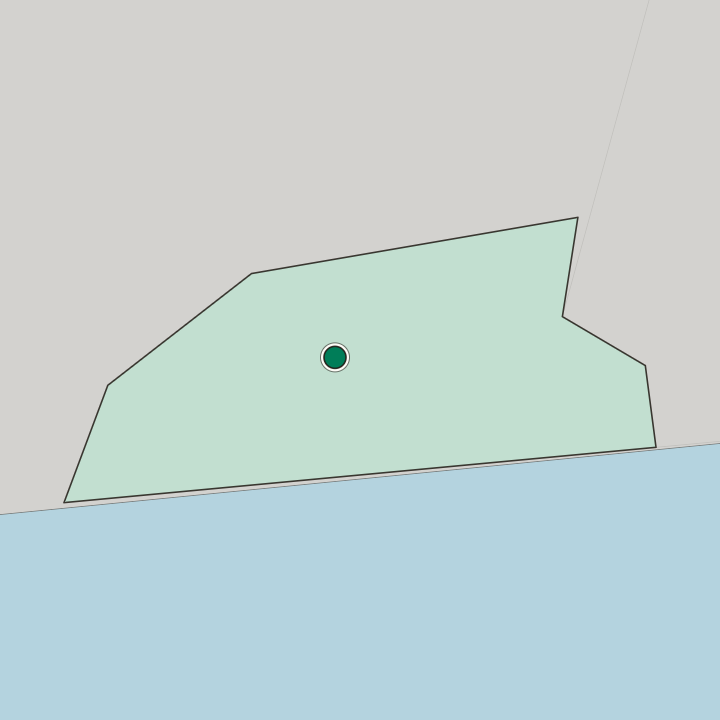
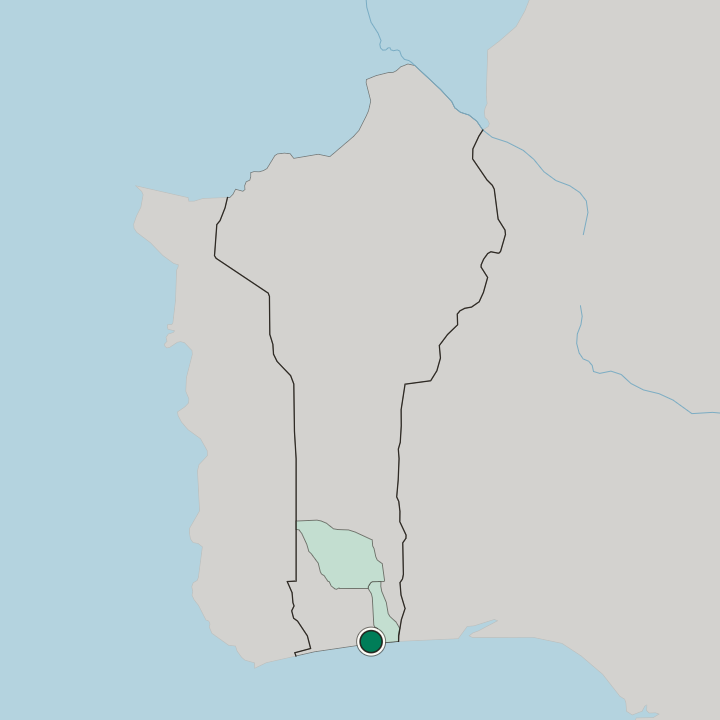
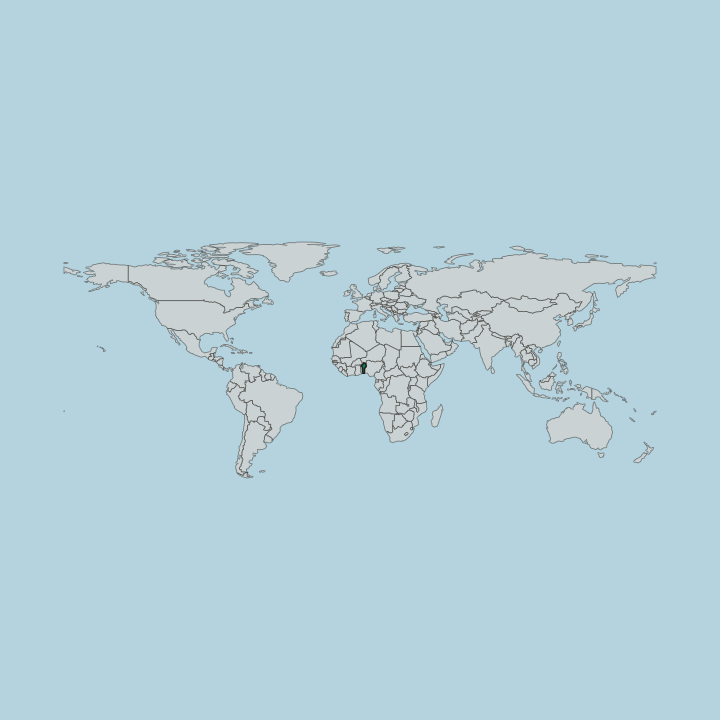
Cotonou lies on a narrow coastal strip. The city is squeezed between the Atlantic surf to the south and the wide lagoon of Lake Nokoué to the north, cut through by a channel that joins the two. Sandbars and palms line the shore.
Water hems the city on both sides.
What is the climate of Cotonou?
Cotonou lies under a hot tropical sky. The heat holds heavy all year, split between rainy seasons that soak the coast and drier spells swept by the sea wind. Great storms roll in off the Atlantic.
The damp heat never really lifts.
How do you get to Cotonou?
Cotonou holds the country's main links to the outside. Its international airport and its deep-water port join Benin to the world, and roads run east to Porto-Novo and Lagos and north into the interior. Motorbike taxis swarm the streets.
Most arrive by air or over the coast road.
Common questions
What is the best area to stay in Cotonou?
The beachfront: Stays wanting calm by the sea, away from the crush. Downtown: Visitors here for the markets, port, and monuments.
Good for
Updated September 2026