Brunei
Daerah Brunei dan Muara, Brunei — Towns & Travel Guide
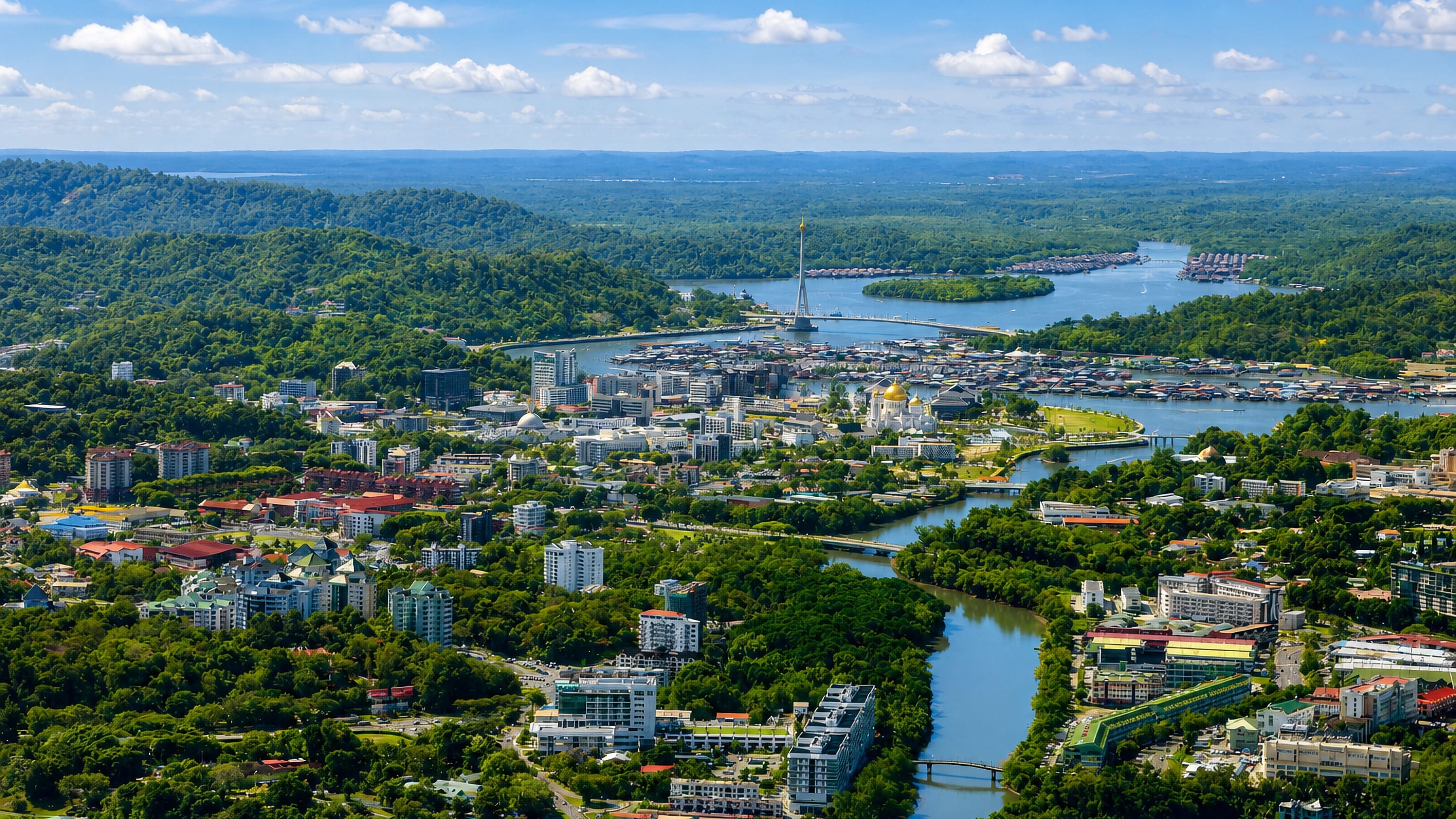
The Brunei River winds through Brunei-Muara, the small northern district of Brunei that holds the capital, the airport, and the country's deep-water port.
Hotel links are affiliate links: booking through them may earn us a commission, at no extra cost to you. It never affects how places are ranked. How this works


Towns & cities in Daerah Brunei dan Muara
One town here has its own guide — it links to where to stay.
 Brunei
Bandar Seri Begawan
Gilded domes rise over Bandar Seri Begawan, the capital of Brunei and seat of the Sultan, known for the Royal Regalia Museum and its ceremonial Old Lapau.Where to stay →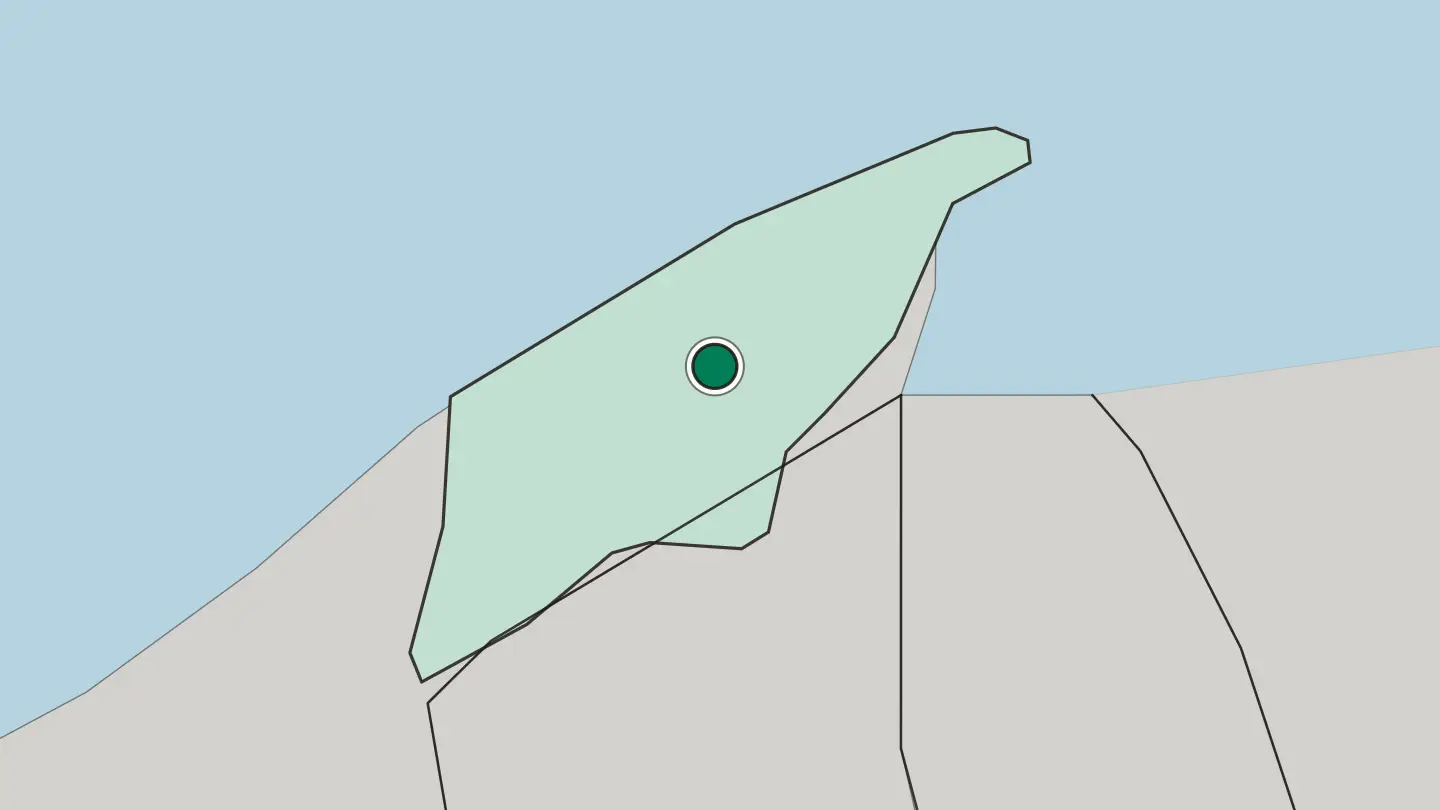
Hotel links are affiliate links: booking through them may earn us a commission, at no extra cost to you. It never affects how places are ranked. How this works
About Daerah Brunei dan Muara
What is Daerah Brunei dan Muara known for?
Brunei-Muara is Brunei's administrative core. It is the smallest of the country's four districts, yet it carries the seat of government at Bandar Seri Begawan and most of the national infrastructure. The Brunei River threads through it to the sea, and along the water sits Kampong Ayer, the old stilt settlement built out over the tide.
Brunei International Airport and the deep-water Muara Port both stand in the district, the only ones of their kind in the country.
Where is Daerah Brunei dan Muara?
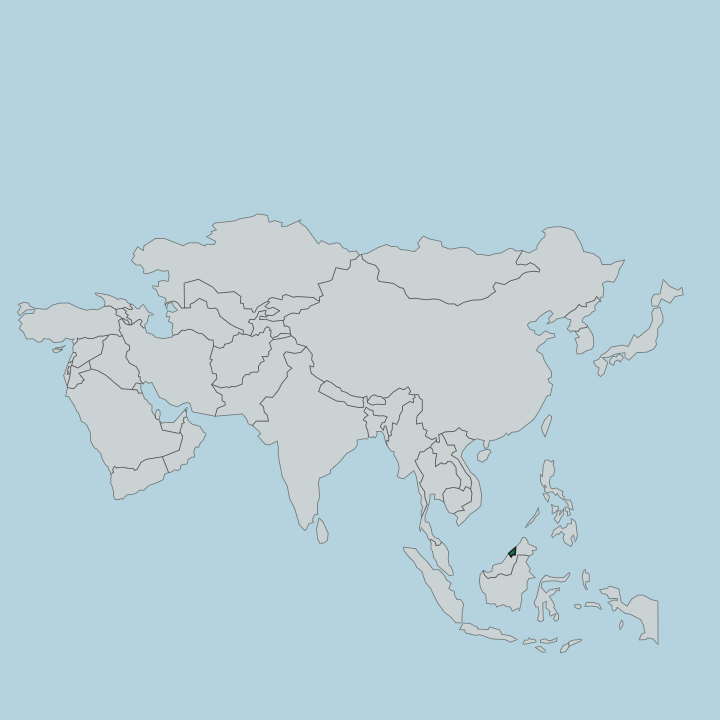
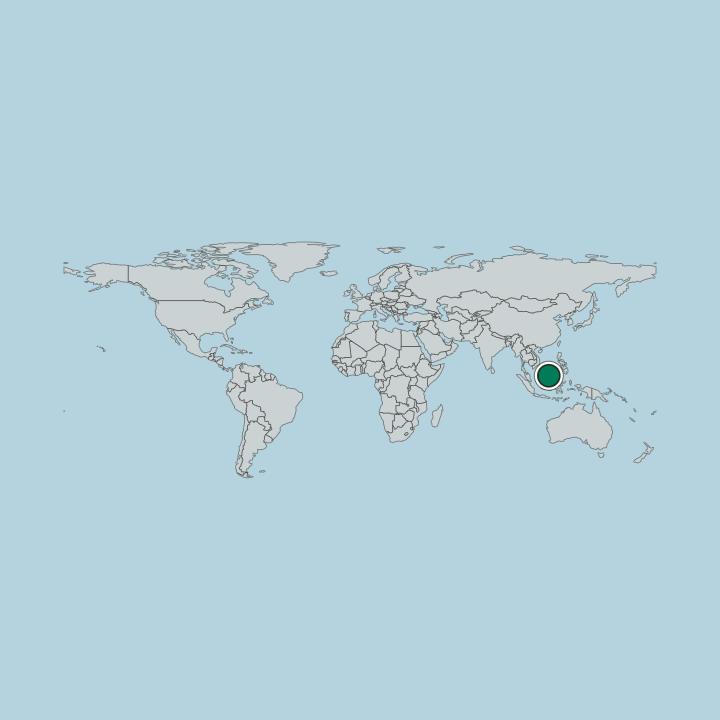
Brunei-Muara occupies the north-eastern corner of Brunei, on the island of Borneo where the country meets the South China Sea. It is the smallest district. Its area covers only about 571 square kilometres, a fraction of the country, yet it is the most built-up ground Brunei has.
The Brunei River is the spine of the place, running down from the interior and widening into an estuary before it reaches the coast, and the capital of Bandar Seri Begawan grew up along its banks. Out on the water, reached by boat from the town, stands Kampong Ayer, a village of houses raised on stilts above the tidal river. The coast defines the district's edge.
To the north the land narrows toward Muara, the headland that gives the district half its name and holds the country's deep-water port on the South China Sea. Beaches line this northern shore, and beyond the built-up capital the ground stays low and green, laced with mangrove where the river channels meet the tide. Brunei International Airport sits inland from the water, the single gateway by air for the whole country.
Small as it is, this district gathers the capital, the port, and the airport into one compact stretch of Borneo coast.
What is Daerah Brunei dan Muara like?
Brunei-Muara is the settled heart of a Malay sultanate. The district gathers the capital and the court, and its life turns on the institutions of the state and on the faith that shapes them. Malay is the language of the streets and the offices, and the rhythm of the district follows the calls to prayer from the mosques of Bandar Seri Begawan.
Life along the Brunei River has always been amphibious here. Kampong Ayer, the water village, has stood on its stilts for centuries, its wooden houses and walkways reached by the small boats that dart across the estuary, and it remains a living quarter rather than a relic. The capital carries the national ceremony.
Royal occasions, the great mosques, and the government offices all sit within the district, giving it a formal and orderly character that the rest of Brunei looks to. Food follows the Malay tradition of rice, fish from the river and the South China Sea, and dishes flavoured for the tropics. Away from the offices the district keeps a quiet, green feel, low houses among palms and mangrove, the pace slow between the river and the coast.
It is small ground, but it is where the country's public life is concentrated.
What is the history of Daerah Brunei dan Muara?
Brunei-Muara has been the country's centre for as long as Brunei has existed. The settlement on the Brunei River gave the sultanate its name, and Kampong Ayer, the water village, was already a substantial town when European visitors first described it in the sixteenth century. The river ruled.
From these banks the Bruneian sultans once held sway over much of Borneo's coast. The district later took in Muara as its deep-water outlet to the South China Sea, and the modern capital of Bandar Seri Begawan grew on the river to house the government of the small state that remained.
What is the climate of Daerah Brunei dan Muara?
Brunei-Muara has a hot, wet tropical climate. It lies close to the equator on the Borneo coast, so temperatures stay warm and humid across the whole year, with little swing between the seasons. Rain is the real variable.
Heavy tropical downpours can fall in any month, and the wetter stretches bring frequent afternoon storms off the South China Sea. The Brunei River and its mangrove channels carry the runoff to the coast. Skies clear quickly between showers, and the district rarely sees the long dry spells of higher latitudes.
How do you get to Daerah Brunei dan Muara?
Almost everyone arrives through Brunei International Airport. The country's only airport sits within the district, a short drive from the capital, and it carries every scheduled flight into Brunei. By sea the deep-water Muara Port handles the cargo and the occasional cruise call on the South China Sea.
Roads then knit the district together. Highways run from the airport into Bandar Seri Begawan and out to Muara, and small boats still cross the Brunei River to Kampong Ayer, the old way of reaching the houses on the water.
Common questions
What is the best area to stay in Daerah Brunei dan Muara?
Bandar Seri Begawan waterfront: the capital's mosques and the water village. Muara and the coast: the coast and the port town.
Good for
Updated September 2026