Brunei: Regions, Cities & Travel Guide
Brunei Darussalam is a sultanate on the northern coast of Borneo, wrapped by Malaysian Sarawak, with its capital at Bandar Seri Begawan.
Hotel links are affiliate links: booking through them may earn us a commission, at no extra cost to you. It never affects how places are ranked. How this works


Top destinations in Brunei
One city to start from, then drill into its areas and hotels.
 Brunei
Bandar Seri Begawan
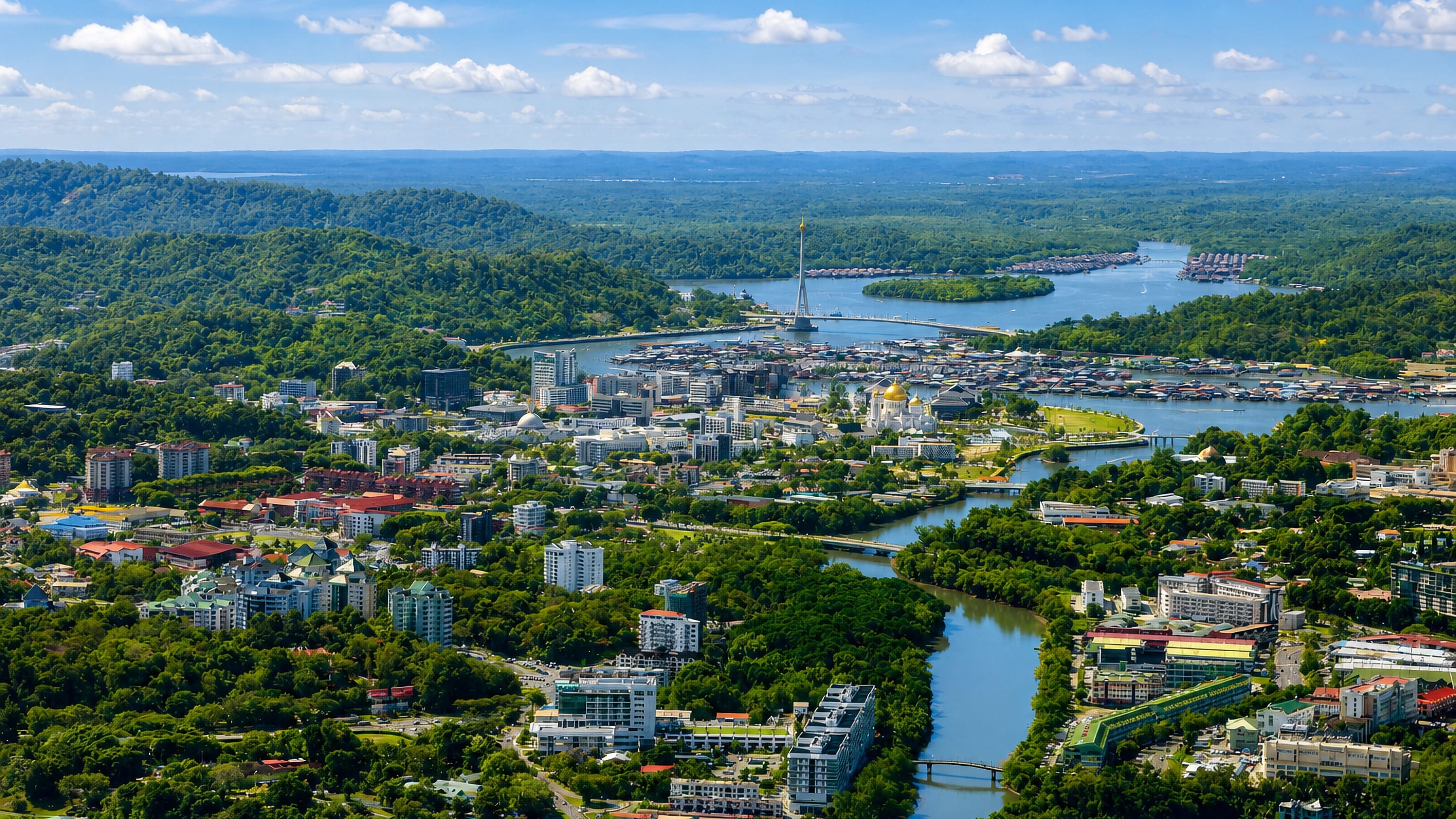
Gilded domes rise over Bandar Seri Begawan, the capital of Brunei and seat of the Sultan, known for the Royal Regalia Museum and its ceremonial Old Lapau.Where to stay →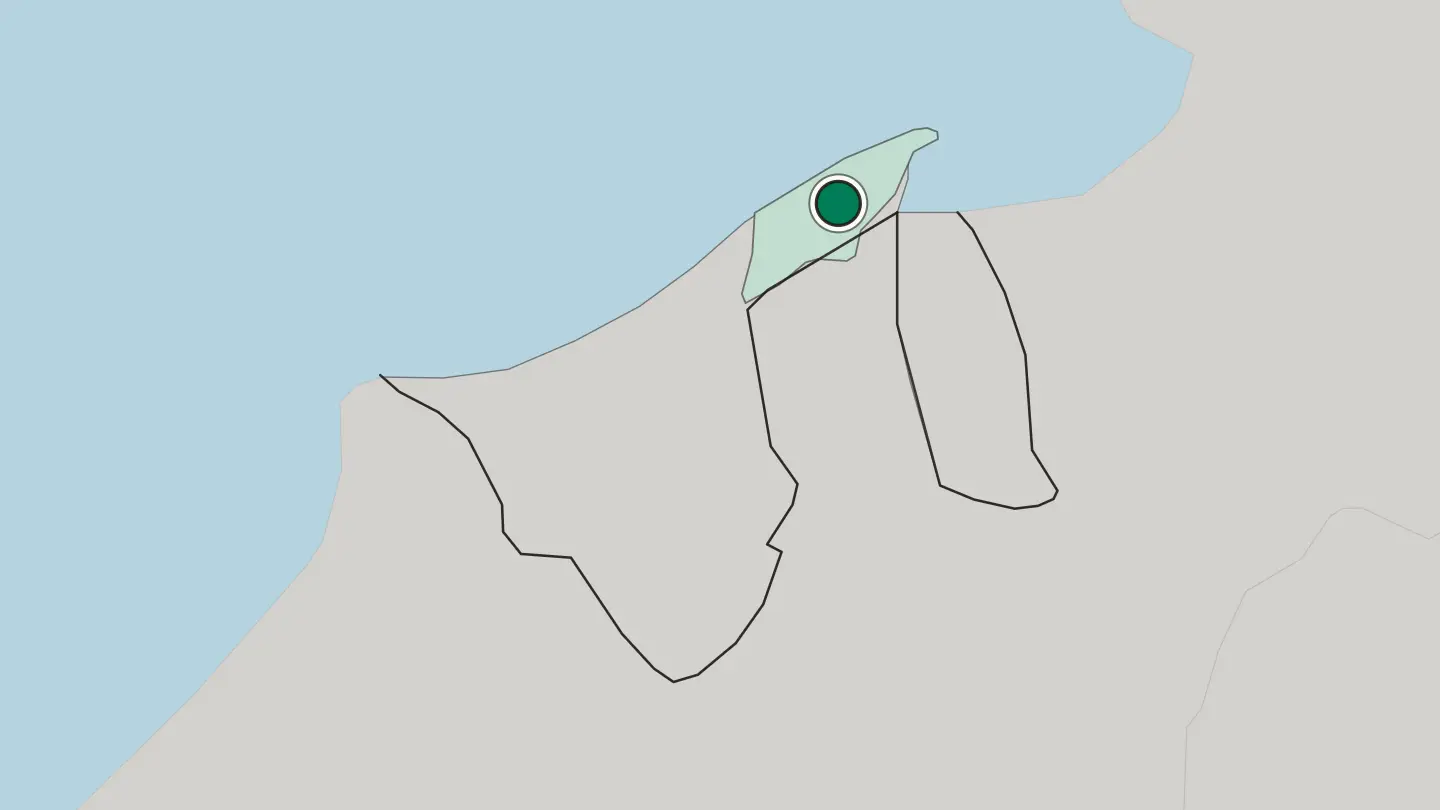
Hotel links are affiliate links: booking through them may earn us a commission, at no extra cost to you. It never affects how places are ranked. How this works
Browse by region
One region so far — open it to see its cities and towns.
About Brunei
What is Brunei known for?
Oil and gas made Brunei one of Asia's wealthiest small states, and that wealth shows in its gilded mosques. The Omar Ali Saifuddien Mosque rises over a lagoon in Bandar Seri Begawan, its dome sheeted in gold. Nearby floats Kampong Ayer, a settlement of stilt houses over the Brunei River.
Most of the land stays jungle. Across Brunei Bay in Temburong District, the canopy of Ulu Temburong National Park stands almost untouched, threaded by clear rivers and reached only by longboat.
Where is Brunei?
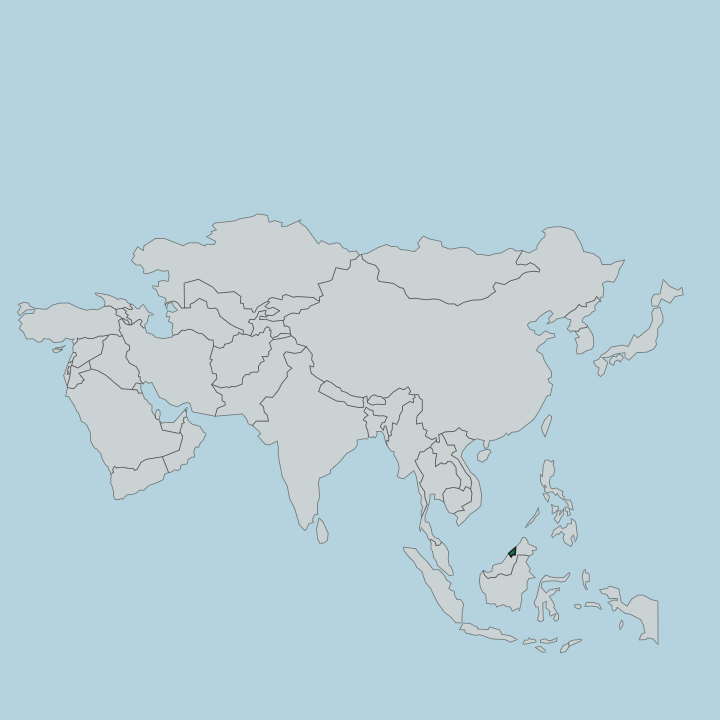
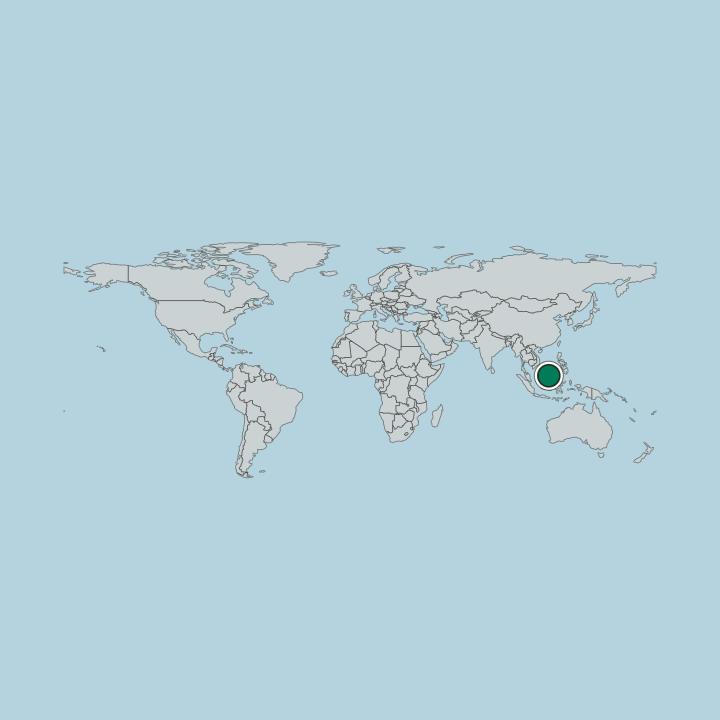
Brunei sits on the northern coast of Borneo, facing the South China Sea, and is otherwise ringed entirely by the Malaysian state of Sarawak. The country is tiny. It splits into two pieces: the main western block holding three districts, and the eastern exclave of Temburong District, cut off by the Sarawak district of Limbang and the waters of Brunei Bay.
Four districts organise the land. Brunei-Muara District is the smallest but holds the capital and most of the people, while Belait District spreads west across the oilfields and the country's longest river, the Belait, which reaches the sea at Kuala Belait. Between them lies Tutong District, drained by the Tutong River as it runs down from the interior to the coast.
The far interior is different country altogether. In Temburong District the ground rises into forested hills, and the Temburong River carries visitors up into the reserve at Ulu Temburong National Park. Mangrove and swamp forest line much of the shore near Bandar Seri Begawan, where the Brunei River widens into the bay.
Only a narrow coastal strip is settled. Behind it, the rainforest still covers most of the map.
What is the history of Brunei?
Brunei was once the master of Borneo. From the 15th to the 17th centuries the sultanate ruled the whole island's coast and pushed north into the Philippines, its power peaking under Sultan Bolkiah, the fifth sultan, whose fleets reached as far as Manila. Camphor, gold, and pearls flowed out through the mouth of the Brunei River toward China and India.
Then the empire shrank. Rival powers, European traders, and the rise of the Brooke rajahs in Sarawak whittled the territory down until, by the late 19th century, only the present coastal remnant survived. Britain stepped in as protector.
A treaty in 1888 kept Brunei from being swallowed whole by its neighbours, and the discovery of oil at Seria in the Belait District early in the 20th century transformed a poor sultanate into a rich one. The stilt city of Kampong Ayer had been the seat of the court for centuries before the capital moved onto dry land at Bandar Seri Begawan. Full independence came on the first day of 1984.
The dynasty of Sultan Bolkiah still rules, one of the oldest continuous monarchies on earth.
What is Brunei like?
Brunei runs on a national creed called Melayu Islam Beraja, the fusion of Malay custom, Islamic faith, and the monarchy that shapes daily life. Islam sets the rhythm. Friday prayers empty the streets of Bandar Seri Begawan, alcohol is not sold, and the call to prayer carries from the Omar Ali Saifuddien Mosque across the water of Kampong Ayer.
The Malay language is official, and the Sultan is both head of state and defender of the faith. Ceremony matters here in a way it rarely does elsewhere. At the table the mood loosens.
The signature dish is ambuyat, a sticky starch pulled from the sago palm and twirled onto bamboo forks, dipped in a sour fruit sauce and shared from a common pot. Markets along the Brunei River sell grilled fish, kuih sweets, and fruit hauled down from the forested interior. Craft runs to gold thread weaving and silverwork, skills once reserved for the royal court, and both still command respect.
Life in the water village of Kampong Ayer turns on the tide and the longboat. Old and courtly, the culture wears its wealth quietly.
What is the climate of Brunei?
Brunei is hot, humid, and wet the whole year through. Sitting close to the equator on Borneo, it keeps warm days and warm nights with little seasonal swing. Rain is the real variable.
The heaviest downpours arrive with the northeast monsoon late in the year, when storms sweep in off the South China Sea and the rivers of Temburong District run high. Even the drier stretch stays green and steamy. Pack for sudden tropical showers.
How do you get to Brunei?
Almost everyone arrives by air at Brunei International Airport, just outside Bandar Seri Begawan. Royal Brunei Airlines links the capital to Singapore, Kuala Lumpur, and other regional hubs, and budget carriers add cheaper hops. Overland is possible too.
Buses and shared cars cross the land borders with Sarawak, though the Temburong District exclave means the eastern road passes through Malaysian territory twice. A newer bridge over Brunei Bay now spares that detour. Once here, distances are short.
Good for
Updated September 2026