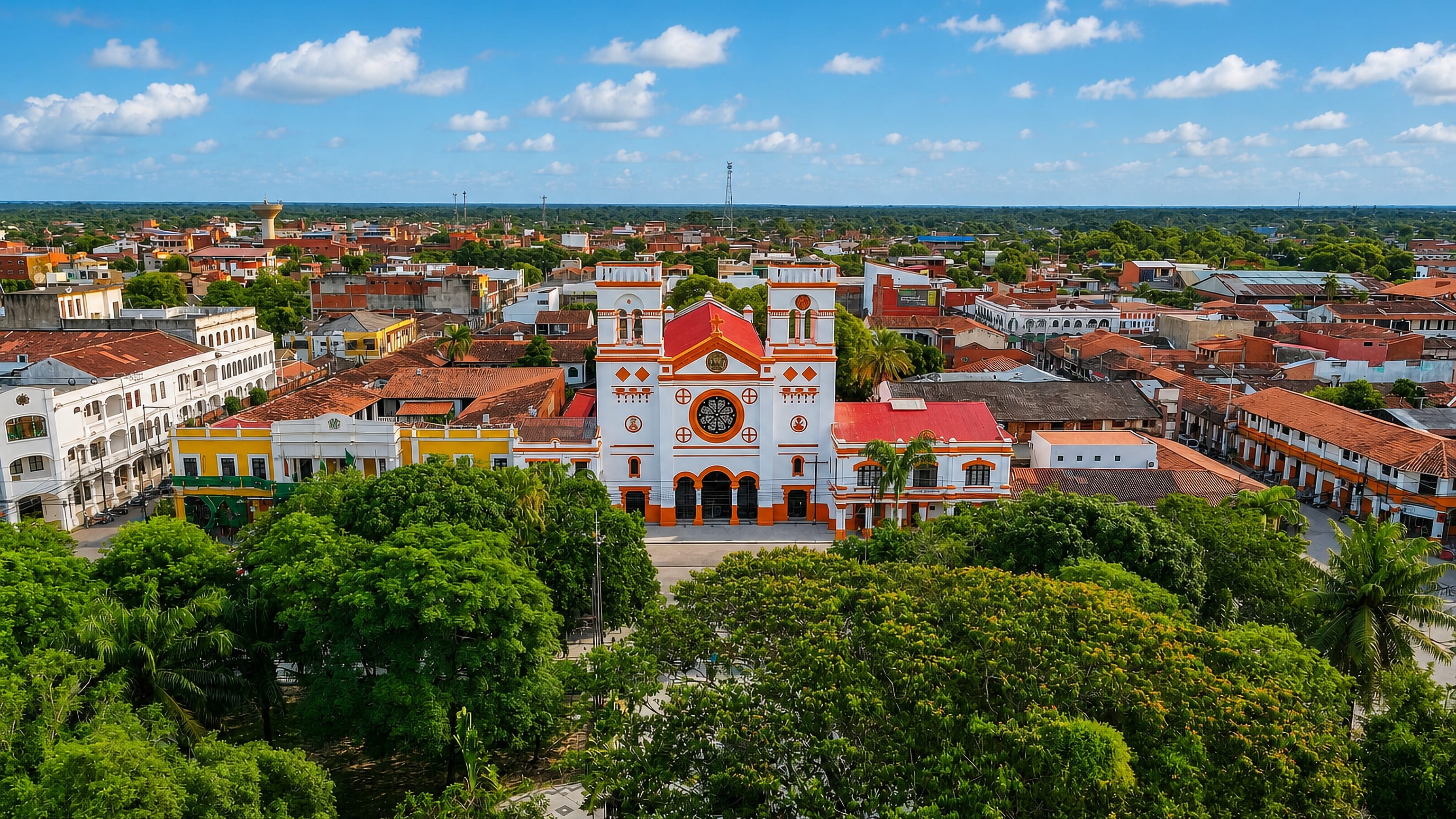
Bolivia · El Beni
Where to Stay in Trinidad, El Beni
Trinidad is a city of northern Bolivia in the Amazon lowlands, capital of the Beni, an old mission town on the flooded plains of Moxos and its cattle.
Hotel links are affiliate links: booking through them may earn us a commission, at no extra cost to you. It never affects how places are ranked. How this works


Where to stay in Trinidad
The practical side of choosing where to sleep.
Where you stay in Trinidad turns on the plaza or the river. The streets around the main square keep the church, the museum, and the markets within a walk, and staying downtown suits anyone here for the city. Motorbikes circle the plaza.
The flat savanna lies beyond. Out toward the Mamoré and the ranches, the town gives way to the cattle stations, the gallery forest, and the wide river ports. A room by the river trades the streets for the slow Mamoré, the green savanna, and the wildlife of the plains.
The river winds through the forest. Stay downtown for the plaza, or by the river for the wild. The flooded plains of Moxos ring the town.
Find hotels in Trinidad
Direct booking searches for these neighbourhoods.
The plaza
Around the plaza of the old Jesuit missionFind hotels in The plazaStays wanting the Mamoré and wildlifeThe river
Out toward the MamoréFind hotels in The riverHotel links are affiliate links: booking through them may earn us a commission, at no extra cost to you. It never affects how places are ranked. How this works
About Trinidad
Trinidad is the cattle city of the Beni.
What is Trinidad known for?
On the great flooded plains of Moxos in the Amazon lowlands of northern Bolivia, it grew from an old Jesuit mission, and it keeps the vast cattle ranches of the savanna, the ancient earthworks of the Moxos people on the plain, the wide Mamoré river nearby, and the motorbikes that swarm around its plaza. The flat plain runs to the sky. Cattle graze the wide savanna.
What are the main landmarks in Trinidad?
The Moxos earthworks are the pride of the Beni around Trinidad. The ancient raised fields, causeways, and forest islands built across the plains, the work of a lost people, are the emblem of the region, out of downtown. A museum tells their story.
The Kenneth Lee museum lays out the earthworks and the life of the Moxos in town, while the Mamoré river, the cattle ranches, and the flooded savanna mark the country around Trinidad.
What is the history of Trinidad?
Trinidad began as a jungle mission. Long before, the Moxos people had tamed these plains, raising fields and causeways above the floods and building islands of earth in the swamp. The Jesuits came in the sixteen-hundreds.
They founded the mission of the Trinity on the plain and gathered the Moxos into it, and the town grew slowly on its rise above the flooded savanna. The plains became cattle country. On the wide savanna of the Beni the ranchers ran great herds, and Trinidad grew as the capital and market of the cattle land, its plaza loud with motorbikes and trade.
The old earthworks were rediscovered. Scholars found in the plains the works of the Moxos, whole systems of raised fields and canals lost under the grass, and Trinidad kept the memory of that ancient world, keeping its ranches, its river, and its plains. The floods still come each year to the savanna.
Trinidad keeps its cattle city on the plains of Moxos.
Where is Trinidad?
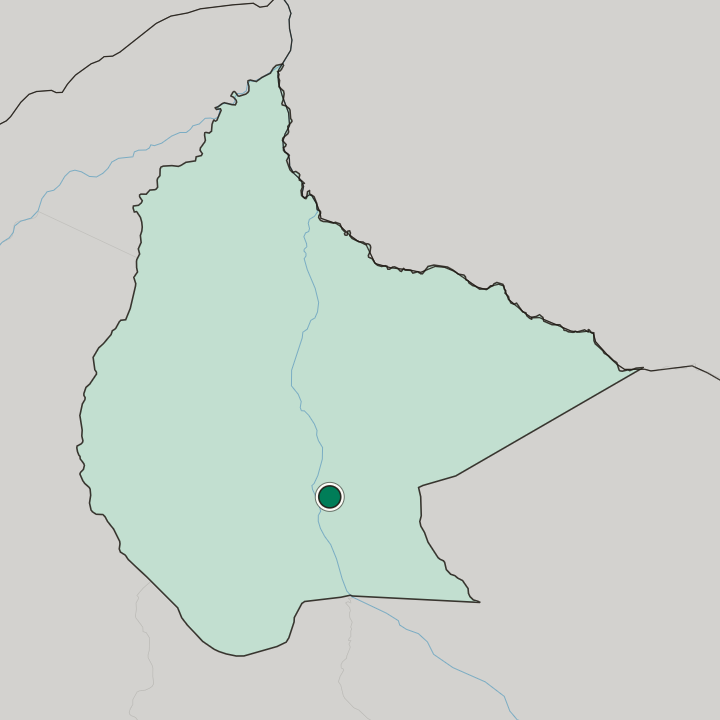
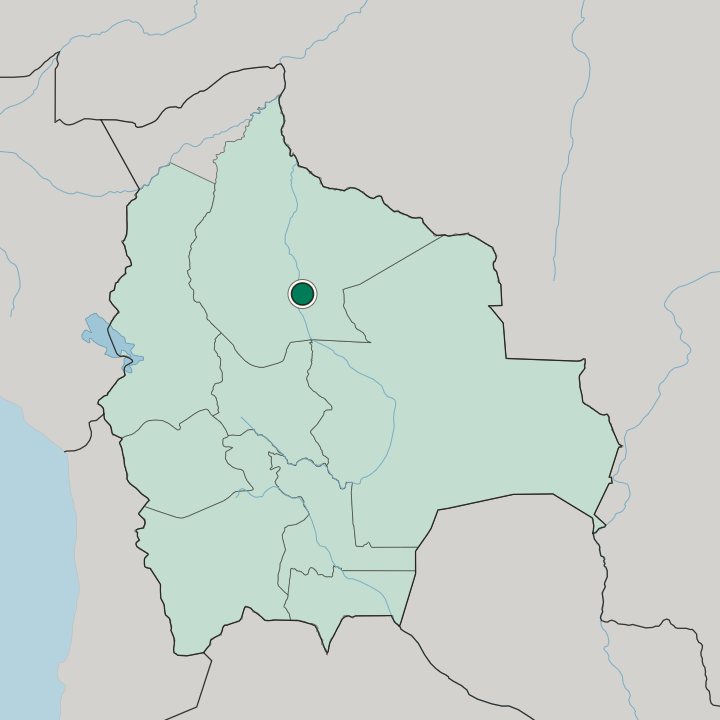
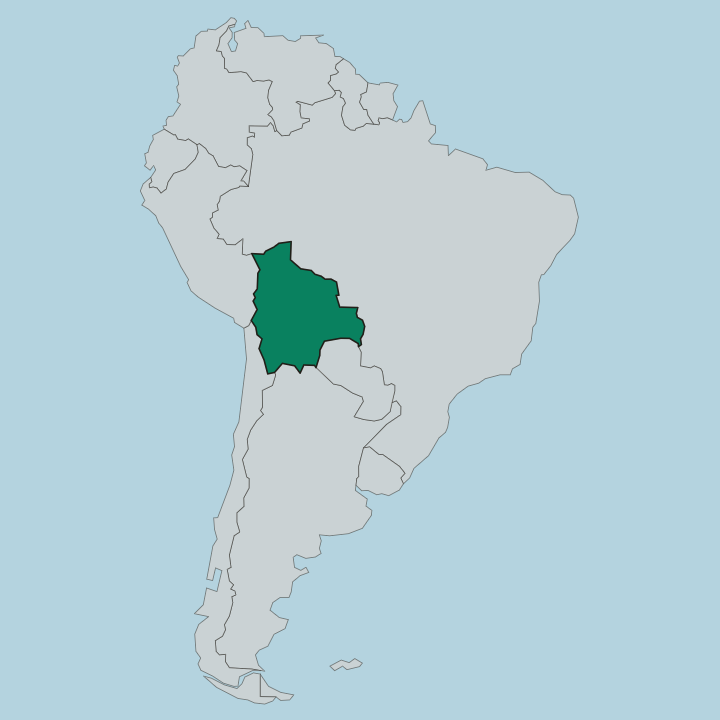
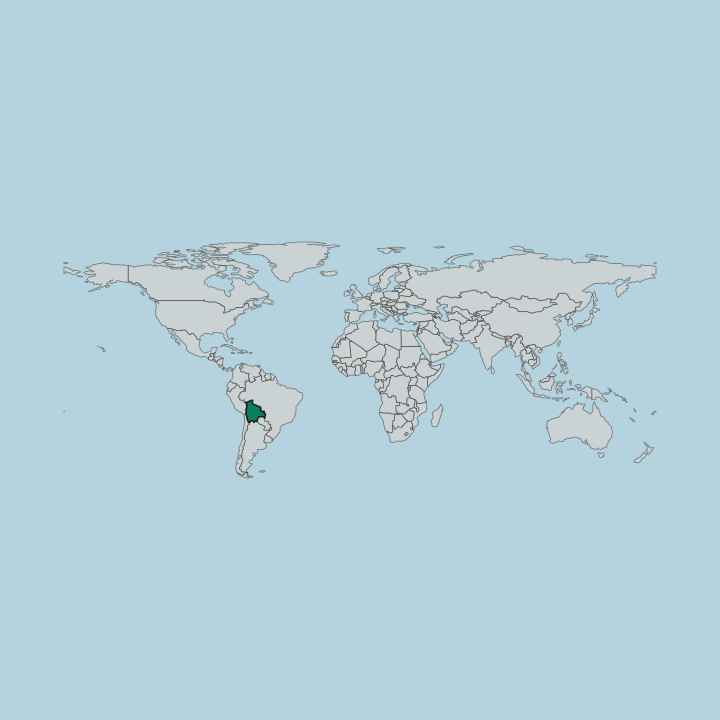
Trinidad lies in the north of Bolivia, on the plains of Moxos in the Amazon lowlands. The city sits on a low rise above the flat savanna, in a hot green land of grass and gallery forest that floods in the rains, with the Mamoré river winding to the west and the wetlands spreading out on every side. The plain floods each wet season.
Cattle dot the green savanna.
What is the climate of Trinidad?
Trinidad has a hot, humid tropical climate. Warm wet weather holds all year on the plains, with heavy rains that flood the savanna and warm dry spells between, broken now and then by cold southern winds. The rains drown the low plains.
Cold surazo winds blow up from the south.
How do you get to Trinidad?
Trinidad lies deep in the Beni of northern Bolivia, far from the highlands. Flights and the long road run to it over the plains from La Paz and Santa Cruz, and boats work the Mamoré nearby. Ferries cross the river.
Santa Cruz lies south over the plains.
Common questions
What is the best area to stay in Trinidad?
The plaza: Visitors here for the Jesuit church and the Kenneth Lee museum. The river: Stays wanting the Mamoré and wildlife.
Good for
Updated September 2026