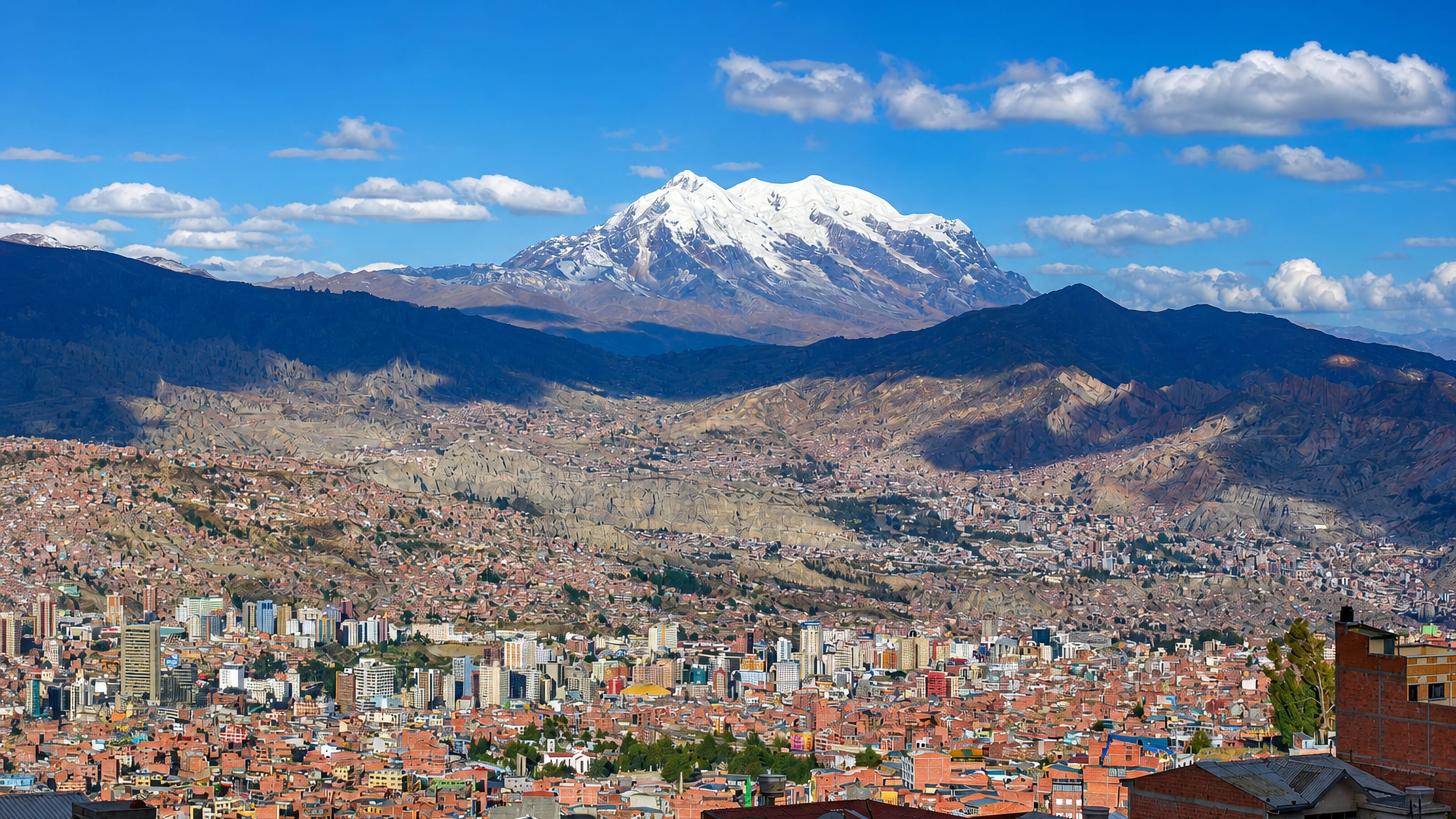
Bolivia: Regions, Cities & Travel Guide
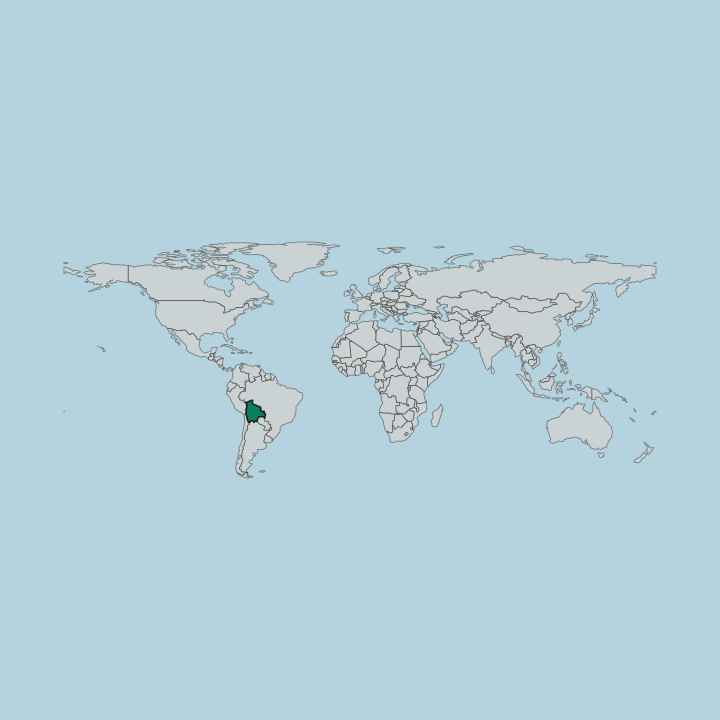
Bolivia is a landlocked country in central South America, spanning the high Andes and the tropical lowlands.
Hotel links are affiliate links: booking through them may earn us a commission, at no extra cost to you. It never affects how places are ranked. How this works


Top destinations in Bolivia
Cities to start from, then drill into areas and hotels.
 Bolivia
La Paz
La Paz is the seat of government of Bolivia, a high city of steep streets in Departamento de La Paz, known for the Basilica of San Francisco.Where to stay →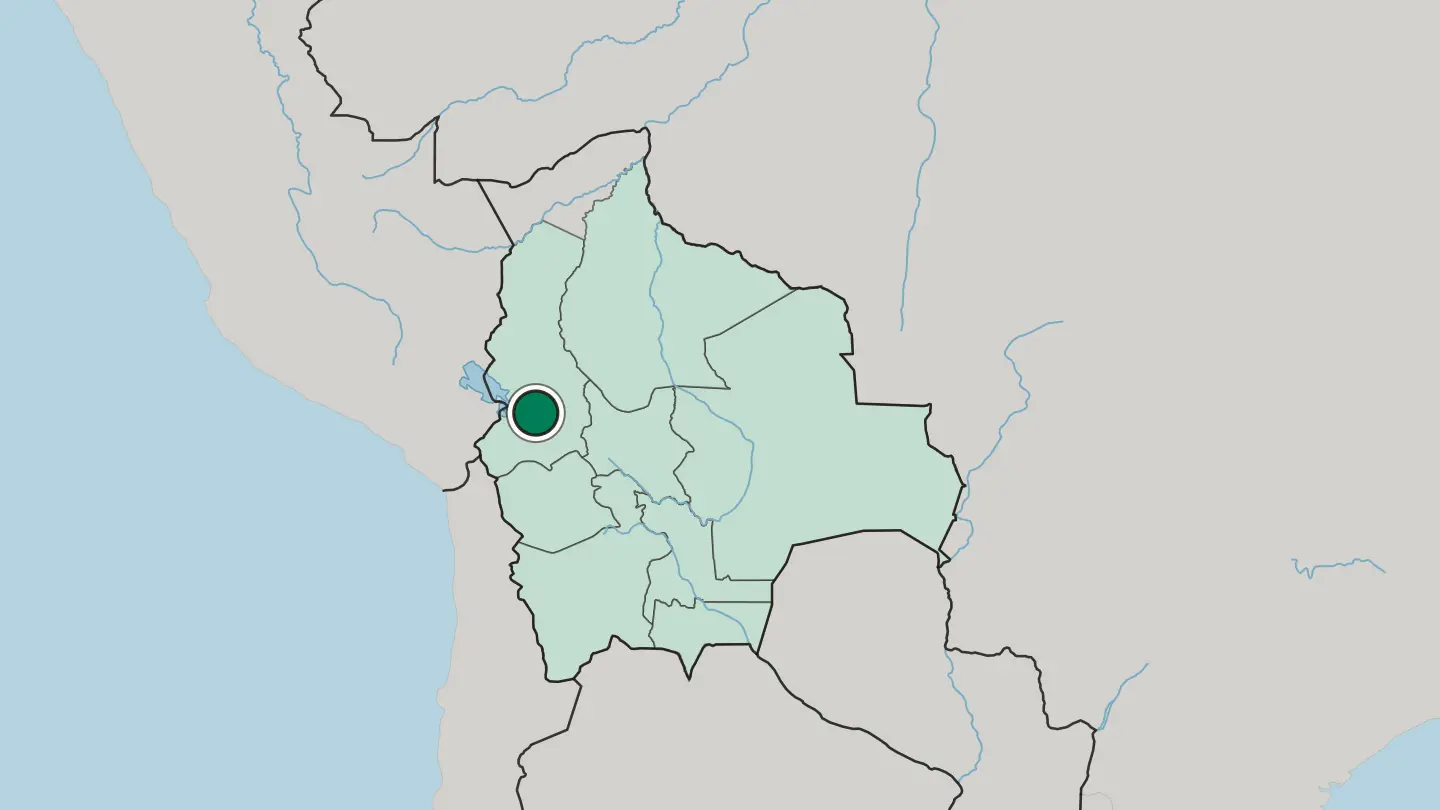
 Bolivia
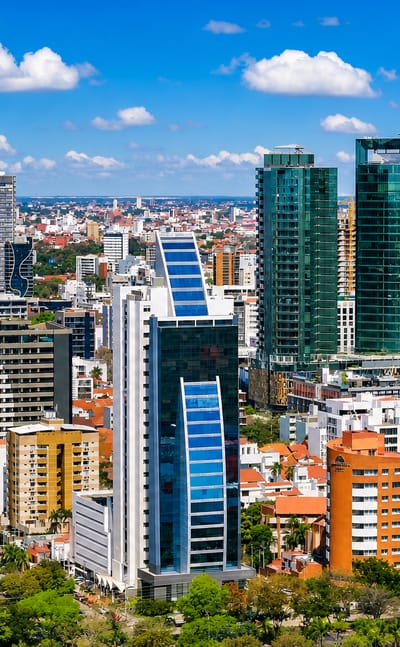
Santa Cruz de la Sierra
Heat rises off the plains at Santa Cruz de la Sierra, the largest city in Bolivia and capital of the Santa Cruz department, known for the Cristo Redentor.Where to stay →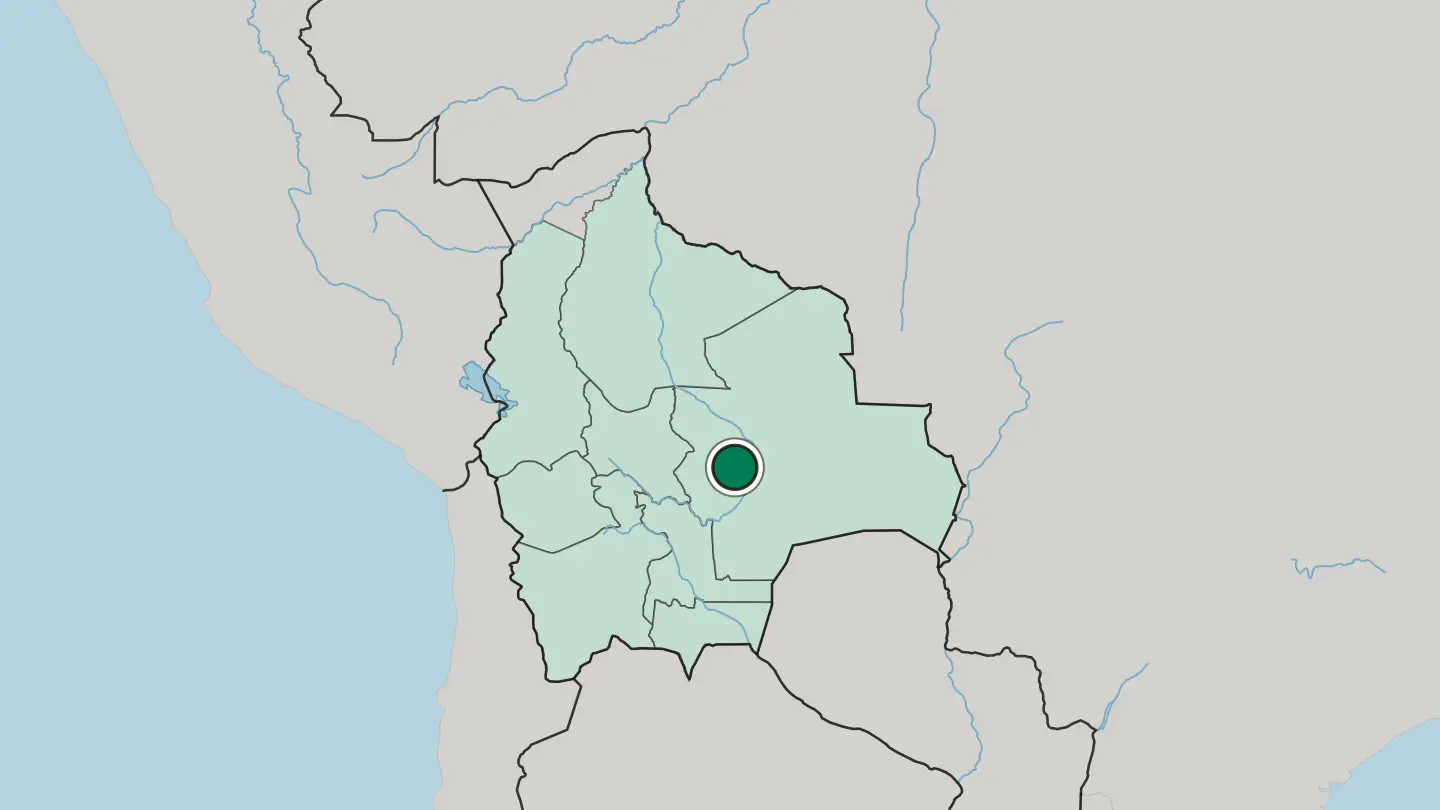
 Bolivia
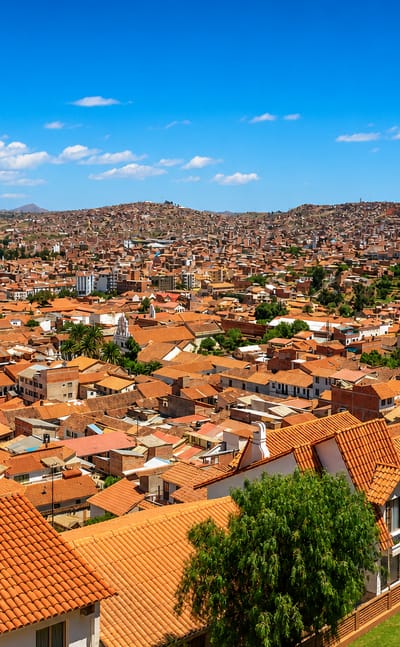
Sucre
Whitewashed walls climb the hills at Sucre, the constitutional capital of Bolivia and seat of Chuquisaca, known for its UNESCO colonial centre.Where to stay →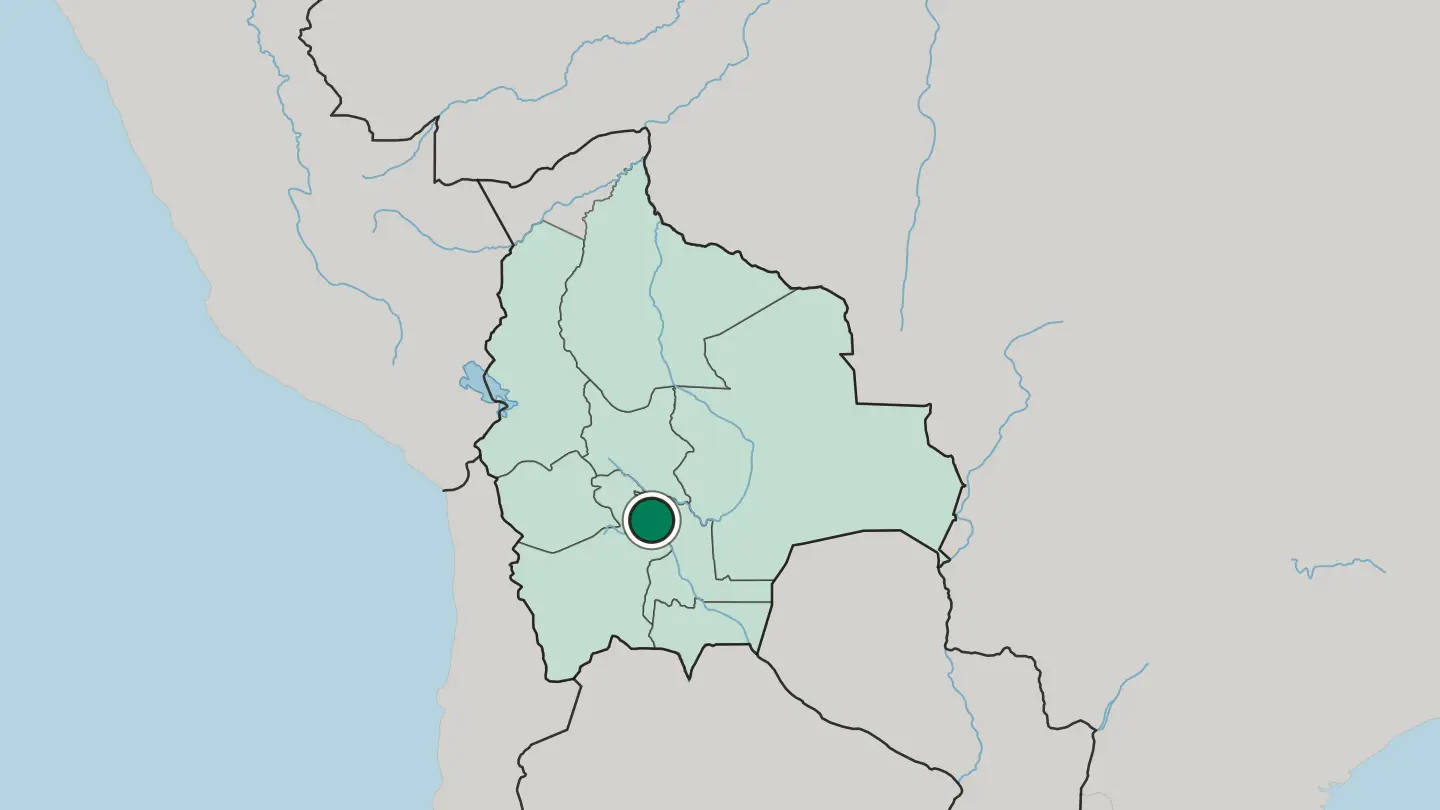
 Bolivia
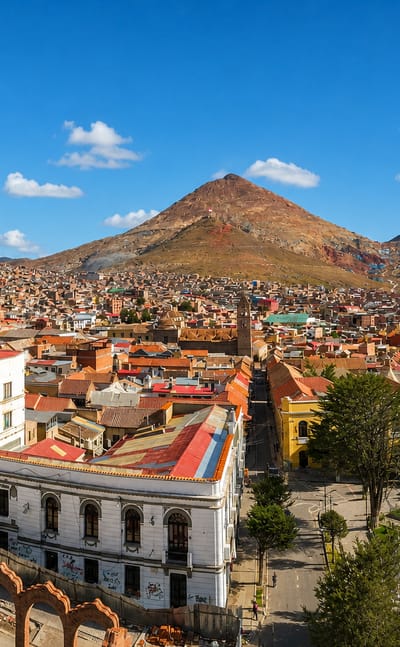
Potosí
Silver made Potosí, a high Andean city in the Potosí department of Bolivia, known for the National Mint and its colonial churches.Where to stay →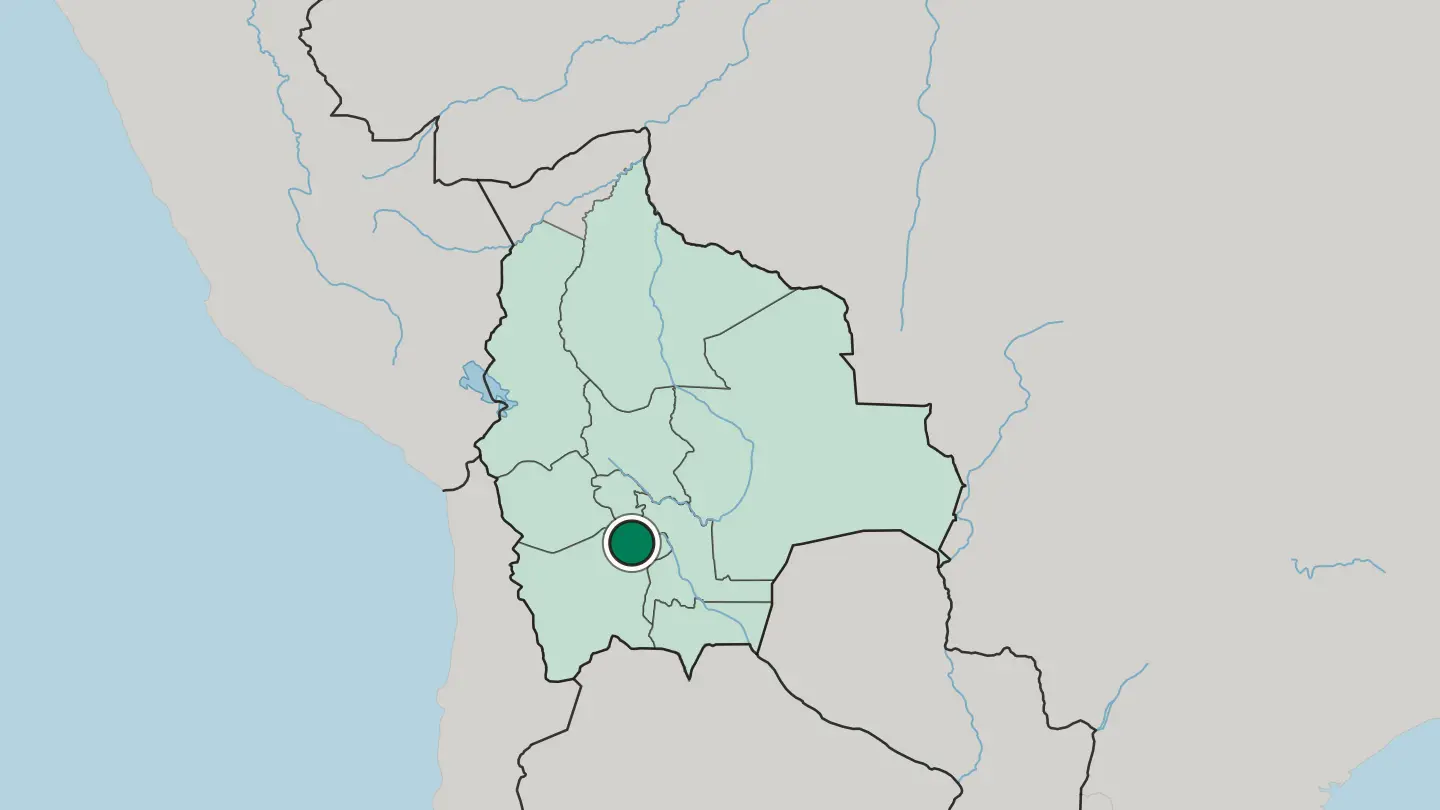
 Bolivia
Cochabamba
Cochabamba fills a valley of the Andes in central Bolivia, capital of its department and watched over by the Cristo de la Concordia.Where to stay →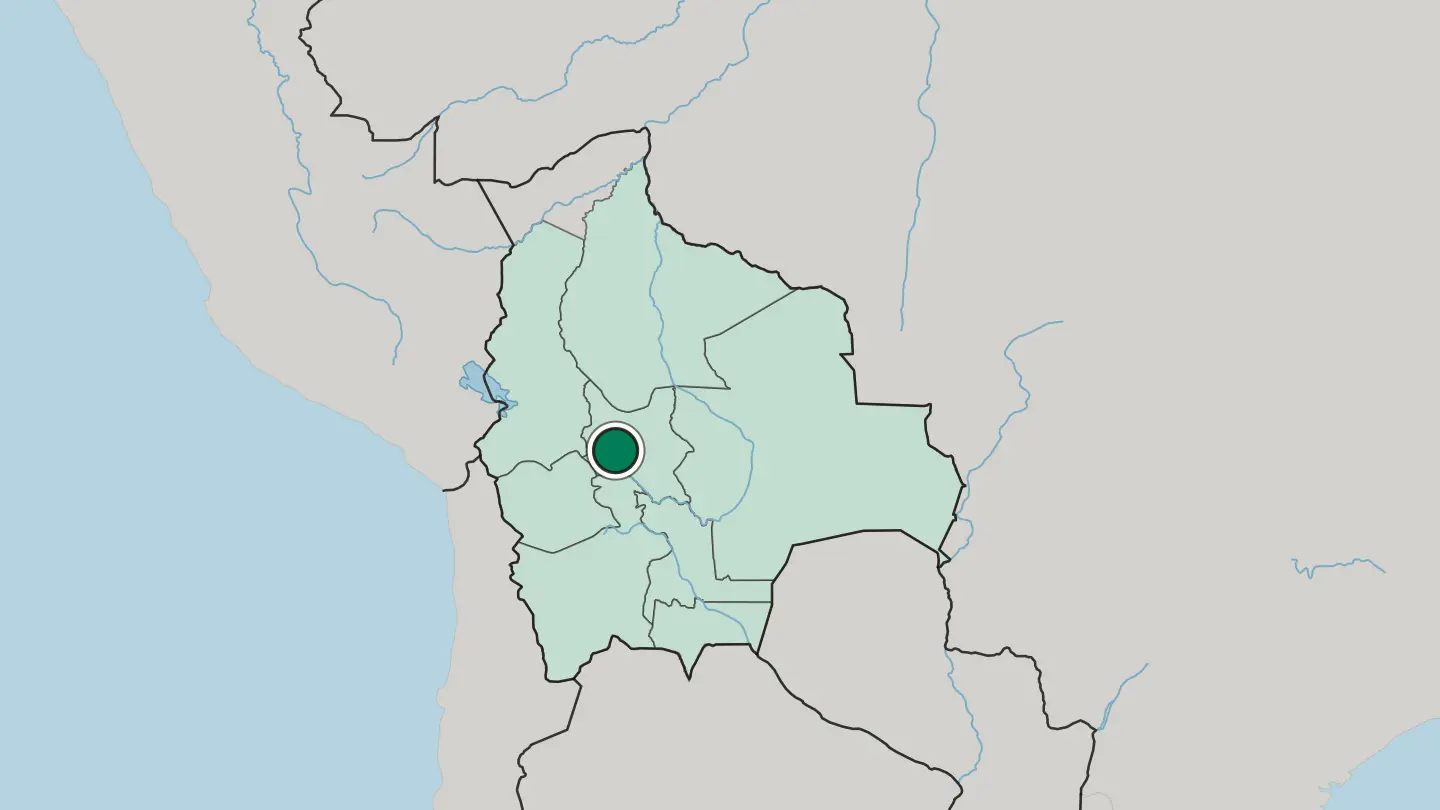
 Bolivia
Oruro
Oruro is a mining city high on the Bolivian Altiplano, famous for a great carnival of dancing devils.Where to stay →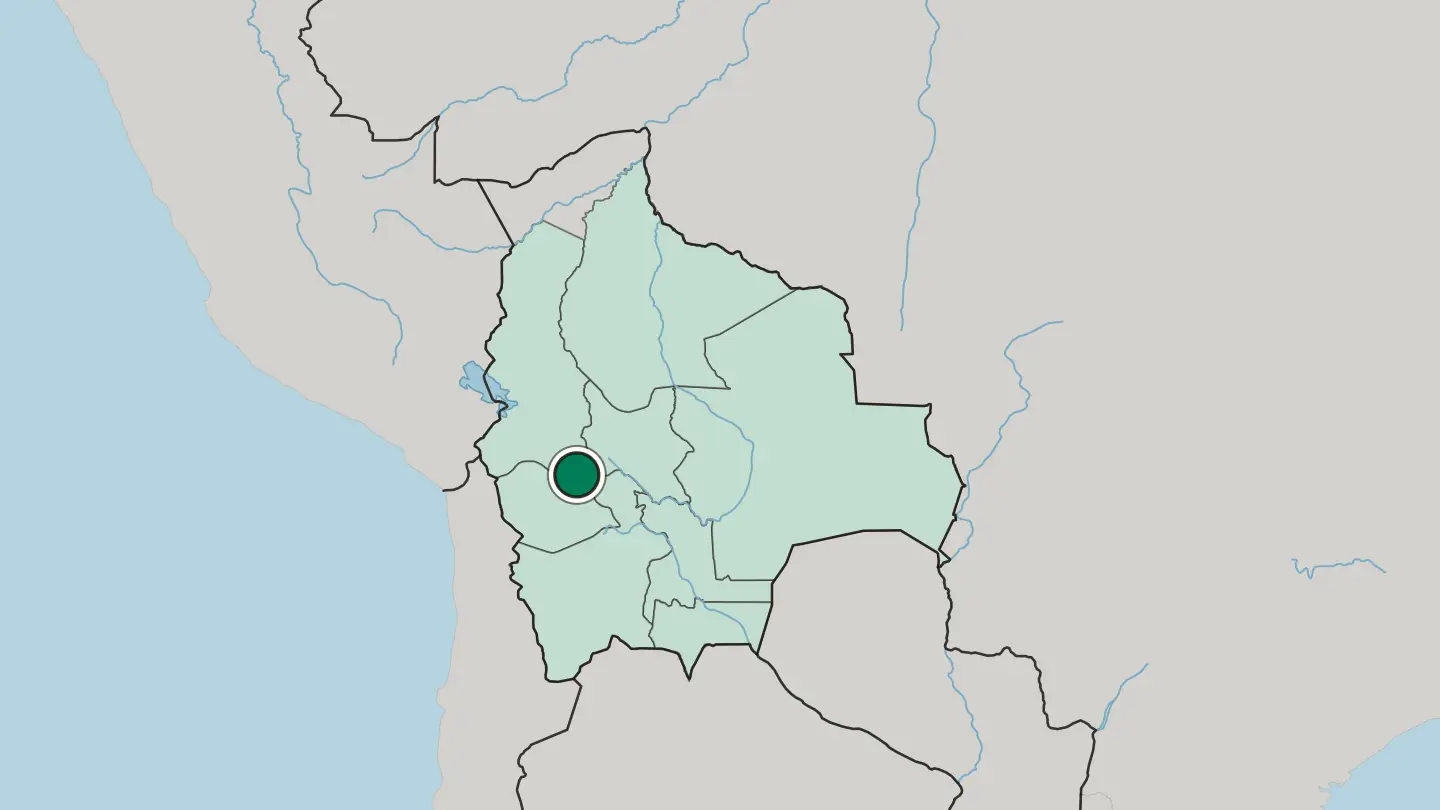
 Bolivia
Tarija
Tarija is a valley city of southern Bolivia, the country's wine capital, an easygoing town of vineyards and old mansions called the Andalusia of Bolivia.Where to stay →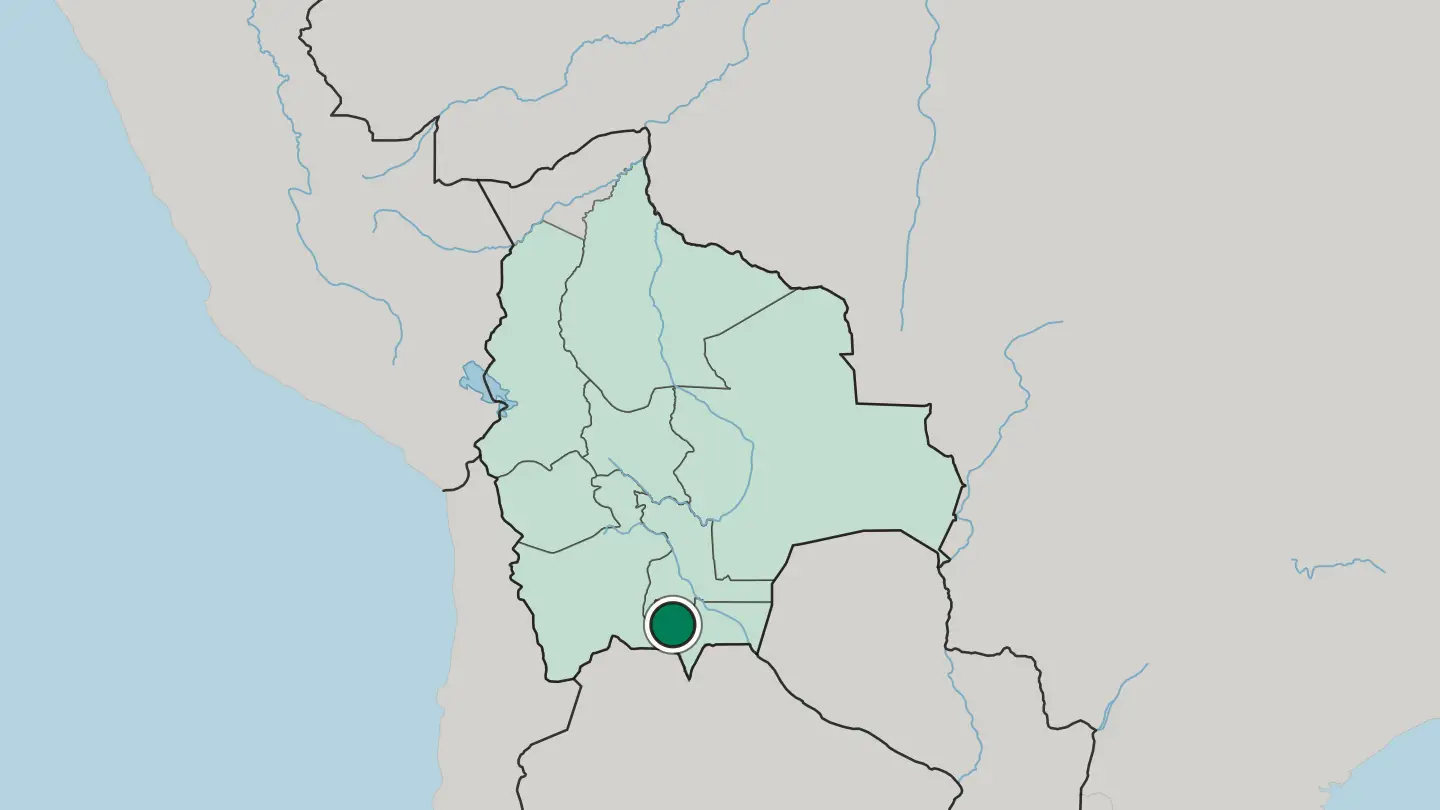
 Bolivia
Trinidad
Trinidad is a city of northern Bolivia in the Amazon lowlands, capital of the Beni, an old mission town on the flooded plains of Moxos and its cattle.Where to stay →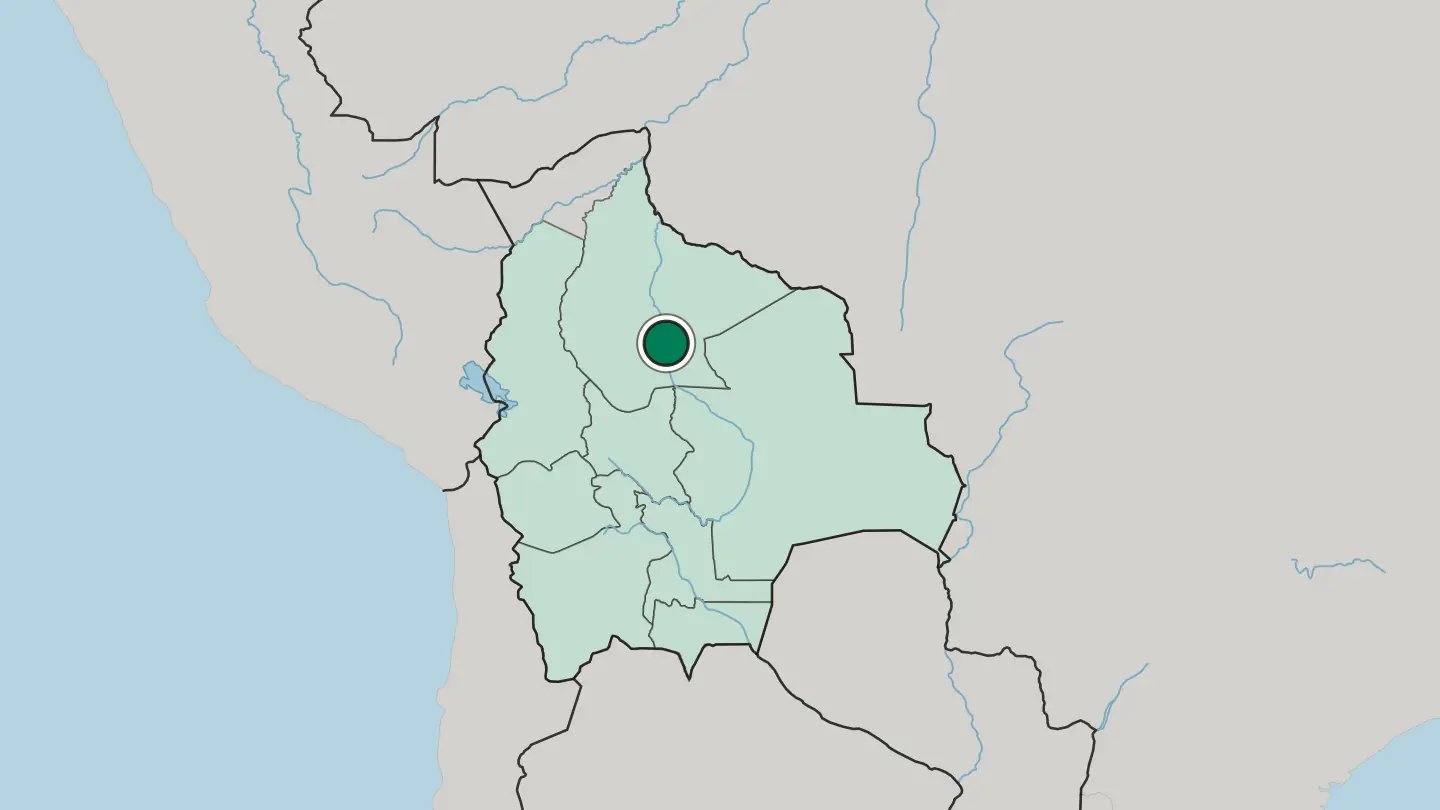
Hotel links are affiliate links: booking through them may earn us a commission, at no extra cost to you. It never affects how places are ranked. How this works
Regions of Bolivia
Bolivia
Departamento de Chuquisaca
Chuquisaca is a highland department of Bolivia, built around Sucre, the country's constitutional capital and a Quechua heartland.Towns & cities →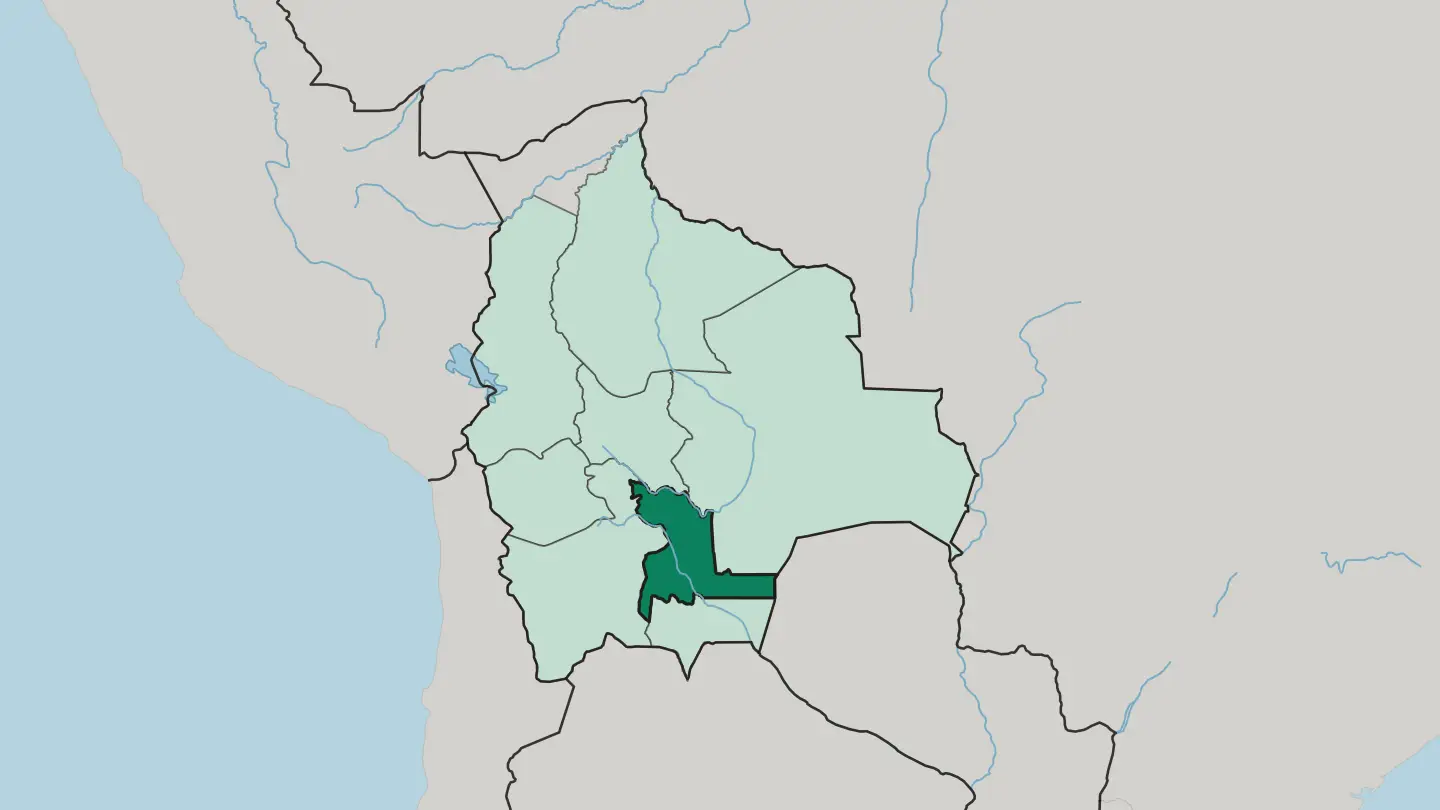 Bolivia
Departamento de Cochabamba
Cochabamba is a department in the Sub-Andean region of Bolivia, the country's breadbasket, its capital known as the City of Eternal Spring.Towns & cities →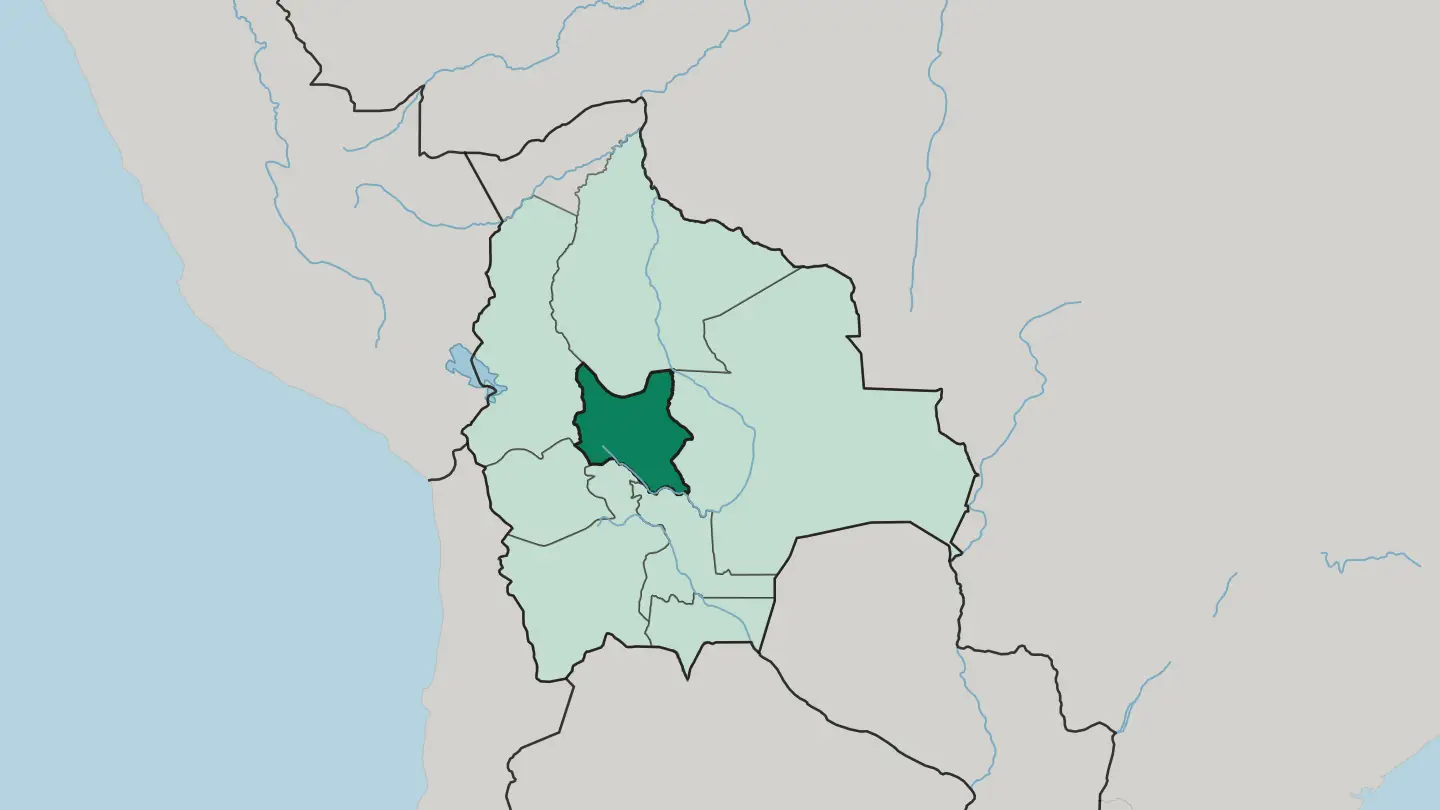 Bolivia
Departamento de La Paz
Departamento de La Paz is a large tropical department of Bolivia, wrapped around the city of La Paz that gives the department its name.Towns & cities →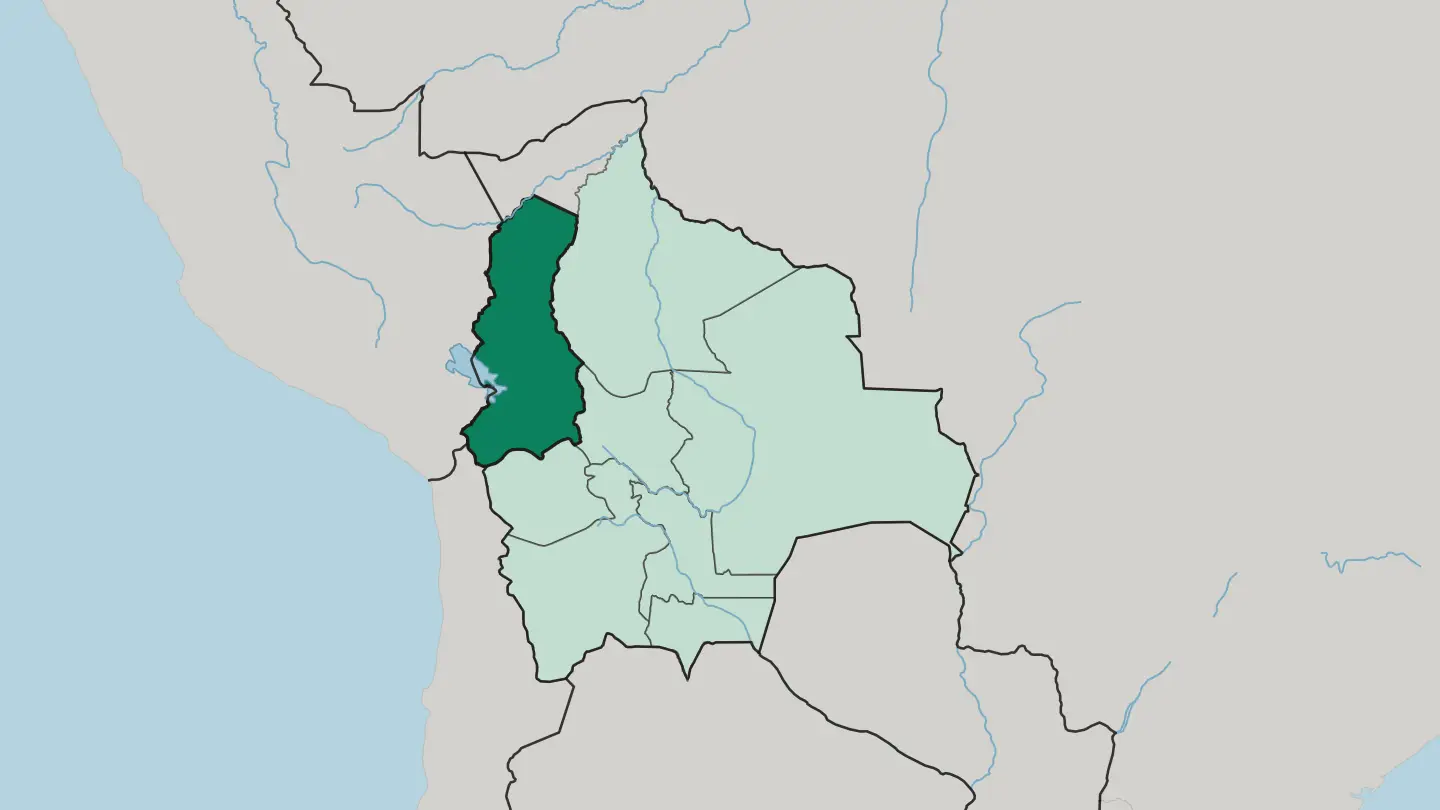 Bolivia
Departamento de Oruro
Oruro is a department of the Bolivian Altiplano, a high open plain in Bolivia, and its capital city carries the same name.Towns & cities →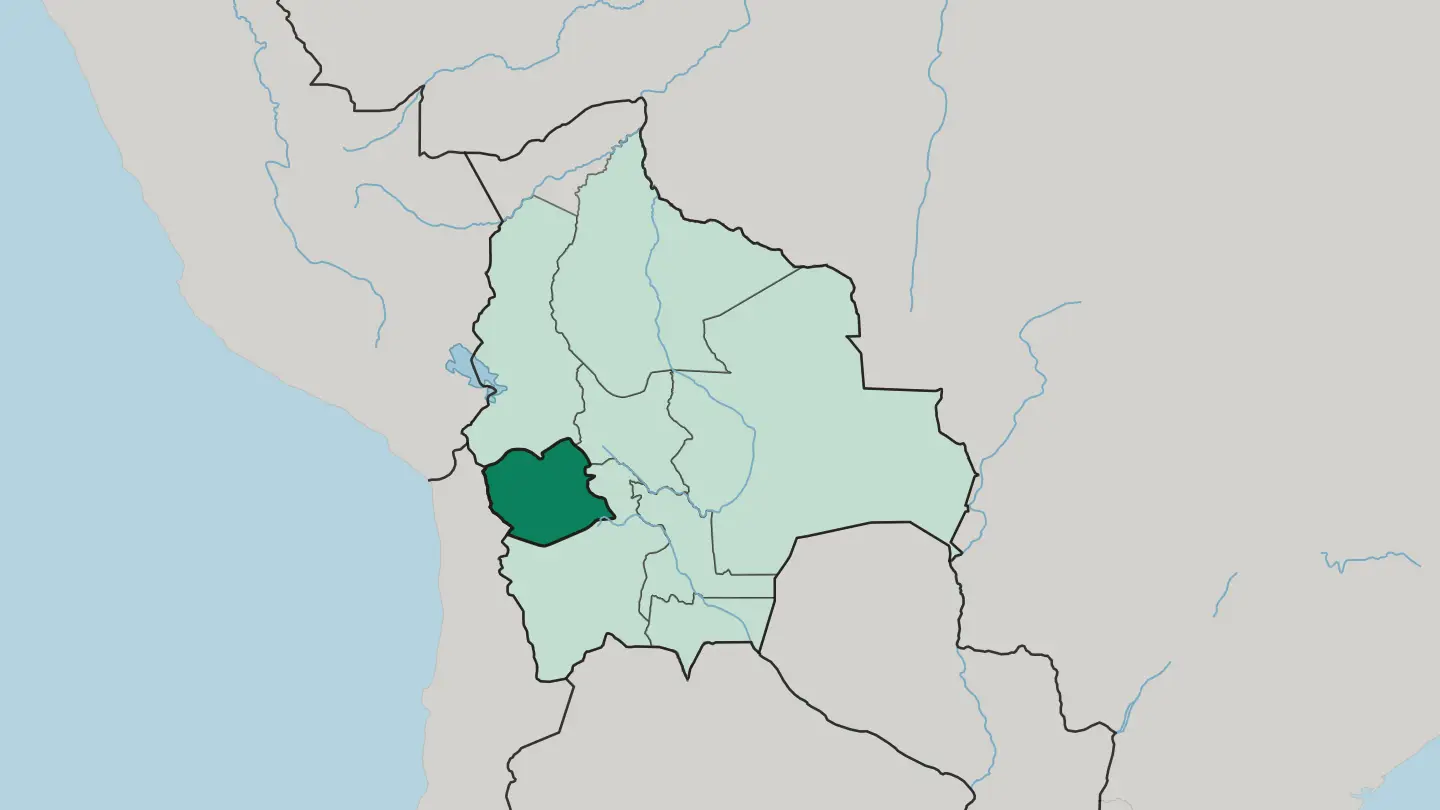 Bolivia
Departamento de Potosí
Potosí is a high Andean department of Bolivia, built around the silver city of Potosí and its National Mint.Towns & cities →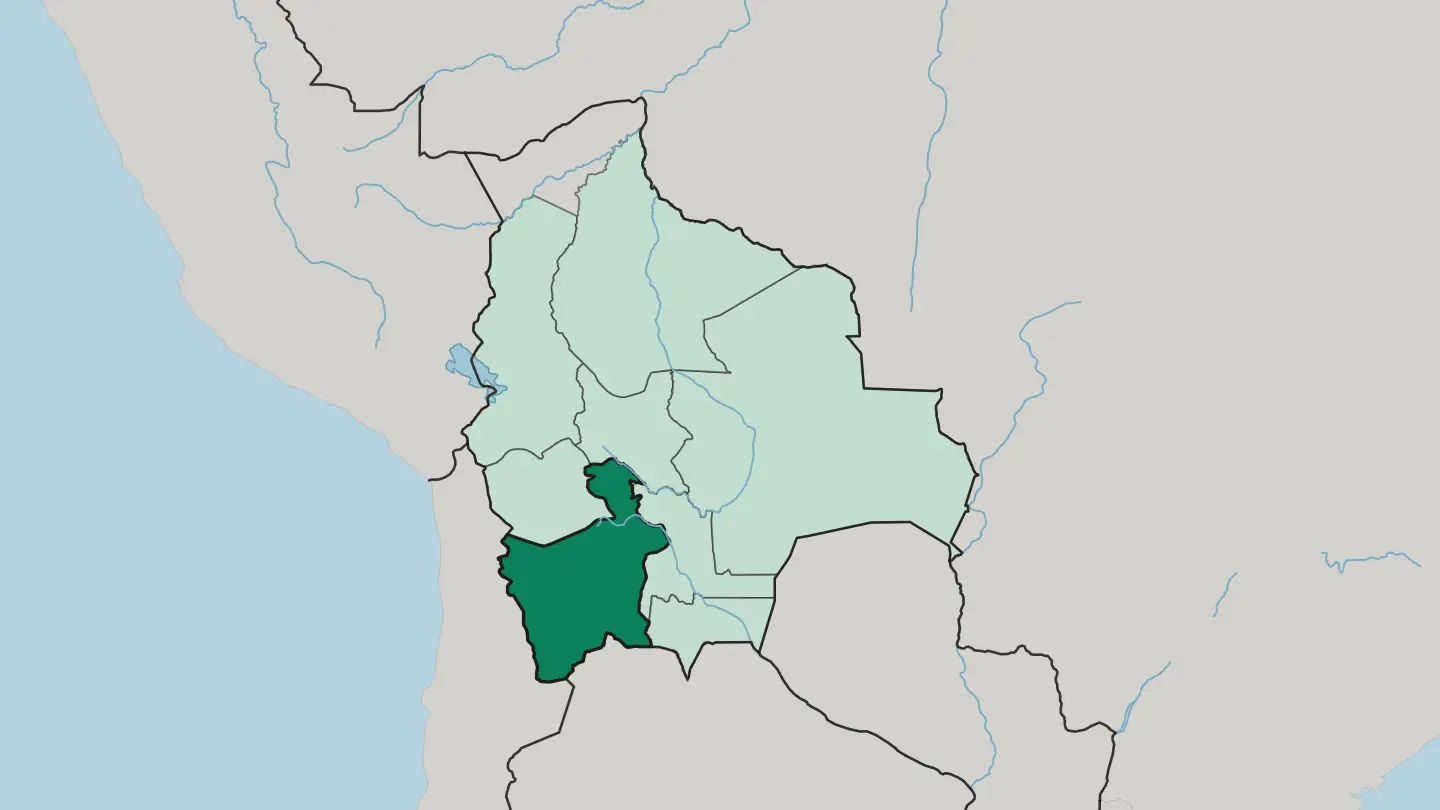 Bolivia
Departamento de Santa Cruz
Santa Cruz is the largest department of Bolivia, a lowland expanse in the east built around the city of Santa Cruz de la Sierra.Towns & cities →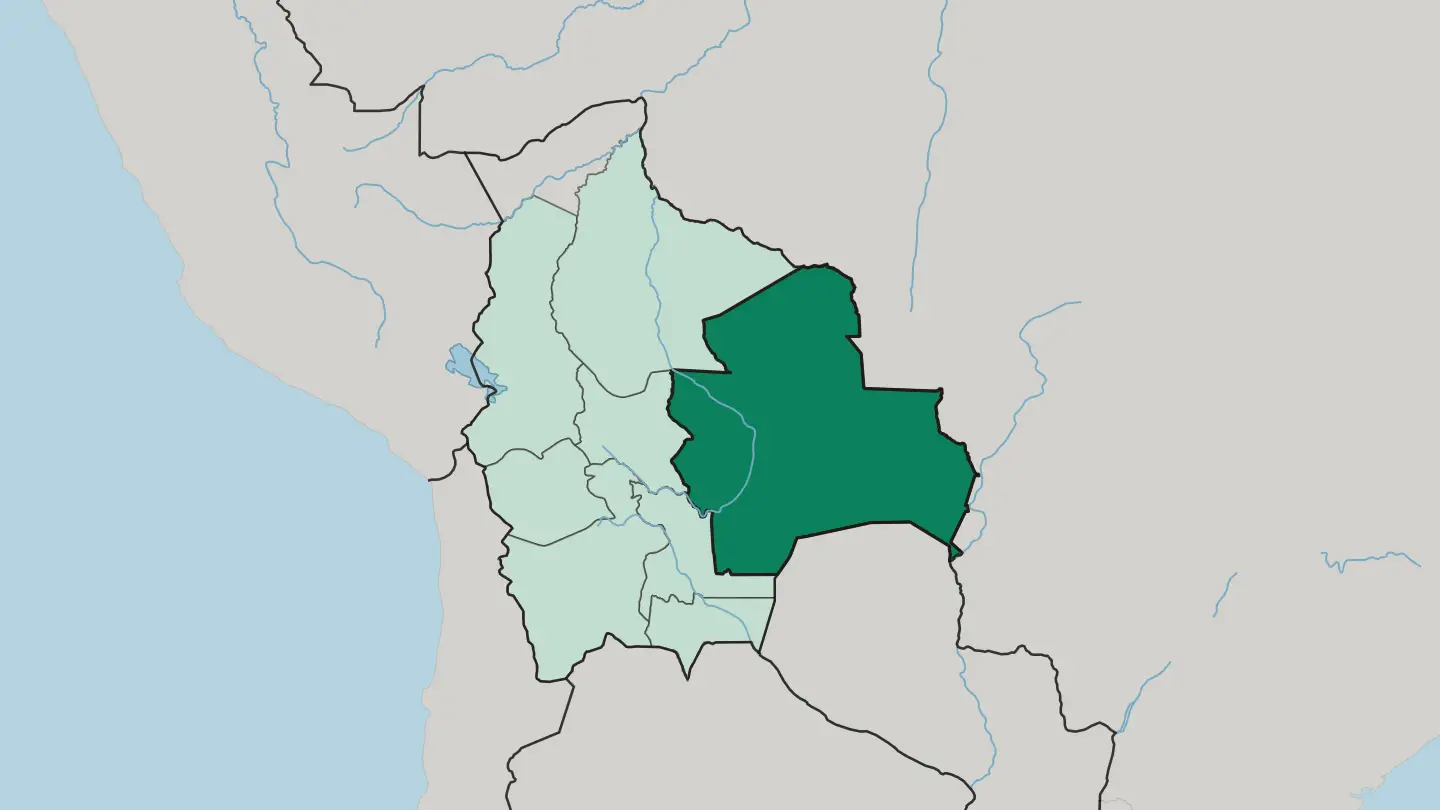 Bolivia
Departamento de Tarija
Tarija is a Bolivian department dating from 1574, bordering Argentina and Paraguay, its capital set in the broad Central Valley of Tarija.Towns & cities →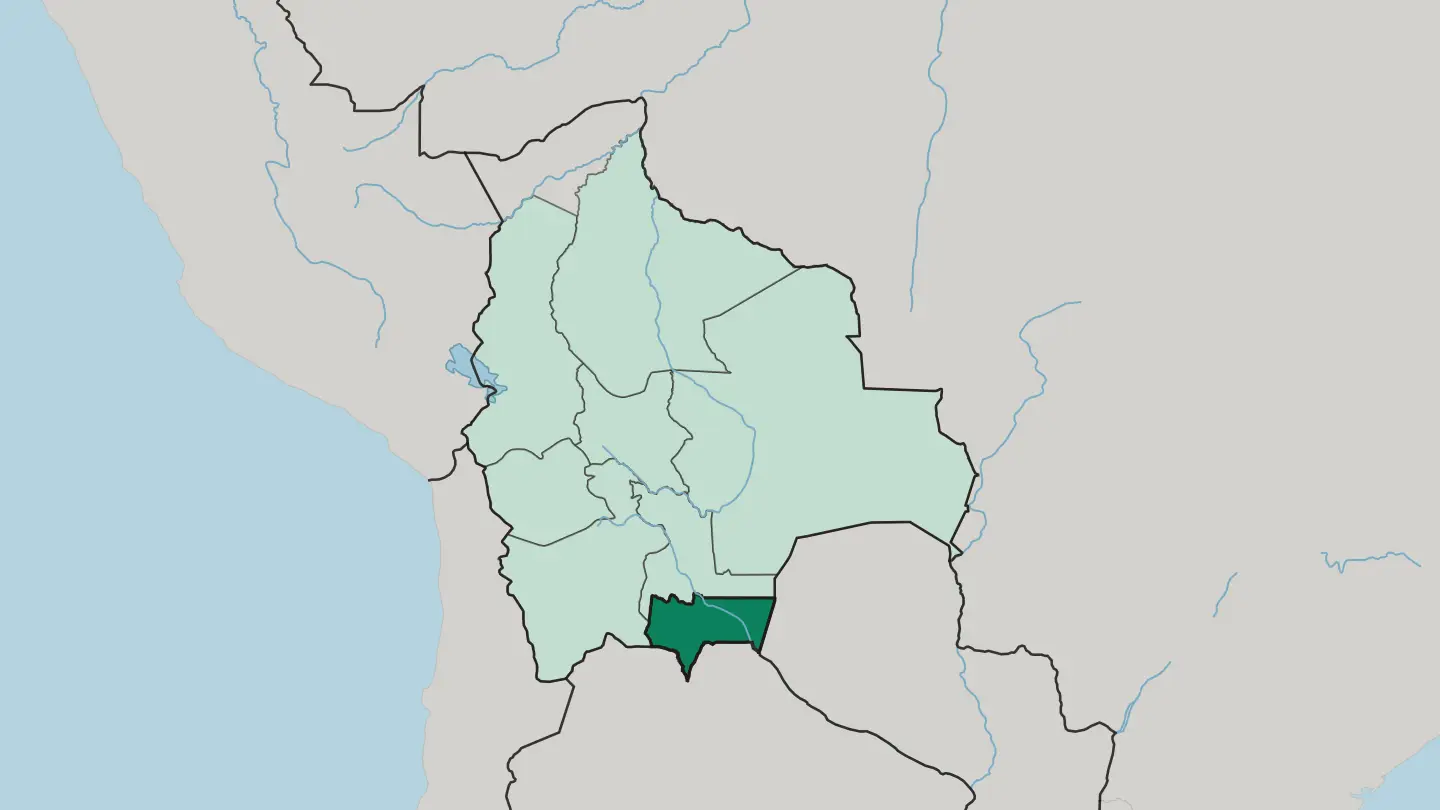 Bolivia
El Beni
El Beni, or Beni, is a department in the Tropical Lowlands of Bolivia, created by supreme decree in 1842, with Trinidad as its capital.Towns & cities →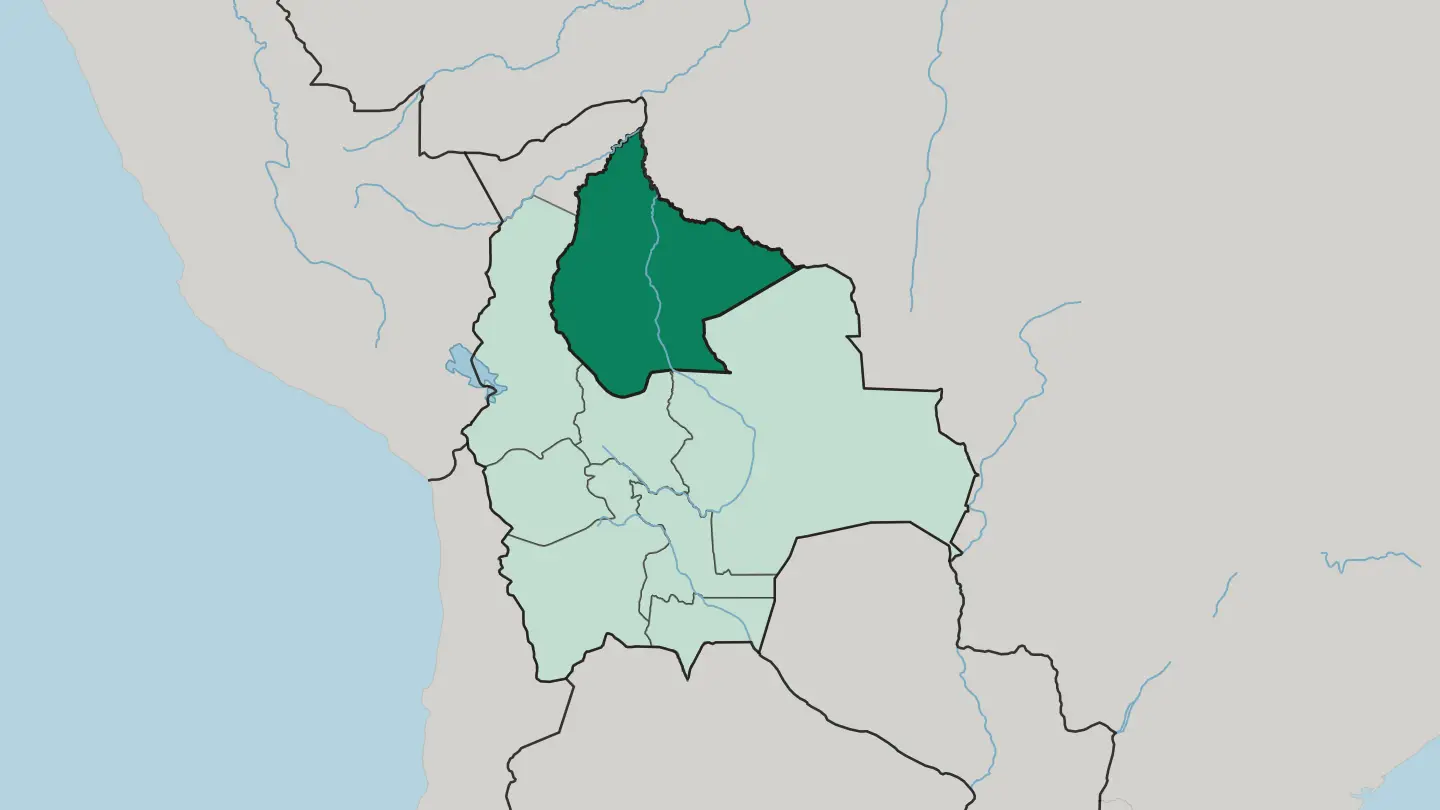
Explore by experience
Not sure which place? Start from how you want to travel.

About Bolivia
What is Bolivia known for?
Bolivia is known above all for the Salar de Uyuni, the largest salt flat on earth, which turns to a sheet of mirror in the rains. It splits its capital duties. La Paz holds the government from a canyon below the Altiplano, while Sucre keeps the courts and the colonial old town in the southern valleys. Lake Titicaca, shared with Peru, spreads across the high plateau and holds the terraced slopes of Isla del Sol.
Deep silver made Potosí one of the richest cities of the Spanish empire. The country is Andean and Amazonian at once.
Where is Bolivia?
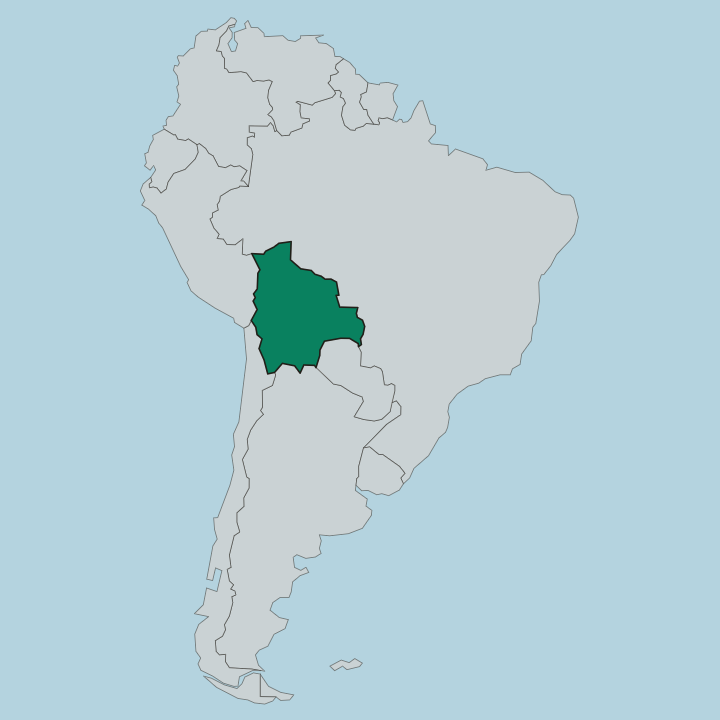
Bolivia sits in the heart of South America without a coast, bordered by Brazil to the north and east, Paraguay to the south-east, Argentina to the south, Chile to the south-west, and Peru to the west. Its western third rides high on the Altiplano, the cold plateau pinned between two ranges of the Andes, where the plain runs treeless toward Lake Titicaca and the white expanse of the Salar de Uyuni. The land does not stay high for long.
Off the eastern flank of the mountains the ground drops through the Yungas, the steep humid slopes where the Andes fall away into cloud forest and coca terraces. Below that the country opens out. More than half of Bolivia is lowland: the Amazon basin spreads across the north in rivers, swamp, and rainforest, the Gran Chaco runs dry and thorny to the south-east, and part of the Pantanal, the largest tropical wetland on earth, laps the border with Brazil.
La Paz sits in a bowl carved below the plateau, with El Alto spilling over the rim above it. Sucre and Cochabamba lie lower still, in the temperate valleys that break the western highlands. Farthest east, out on the warm plains, Santa Cruz de la Sierra has grown into the largest city and the industrial engine of the country.
From the salt flats to the rainforest the drop is enormous.
What is the history of Bolivia?
Bolivia's past begins on the shores of Lake Titicaca, where the Tiwanaku culture raised a stone city and a plateau empire that peaked long before the Inca. Its power faded around the thirteenth century. The Aymara kingdoms that followed held the high plain until the Inca absorbed them in the fifteenth century, and their two tongues, Aymara and Quechua, are still spoken across the highlands.
The Spanish arrived in 1538 and made the territory the Audiencia of Charcas. Then came the silver. In 1545 a mountain of ore was found at Potosí, and the mines there financed much of the Spanish empire while consuming the forced labour of countless Andean and enslaved workers under the mita.
Wealth flowed out; the mountain was hollowed. The long fight for independence took sixteen years and ended on 6 August 1825, when the republic was proclaimed and named for Simón Bolívar, who became its first president. The young country then lost ground repeatedly.
War with Chile in the nineteenth century stripped away its Pacific coast and left it landlocked, and the Chaco War with Paraguay in the twentieth cost it more of the south-east. A 2009 constitution refounded the state as plurinational, naming its indigenous nations as constituent peoples. The line from Tiwanaku onward never really broke.
What is Bolivia like?
Bolivia holds the strongest indigenous presence of any country in South America, and its culture is shaped from the ground up by that inheritance. Aymara and Quechua are spoken daily on the Altiplano, Guaraní down in the eastern lowlands, and the state recognises dozens of indigenous nations by name. Belief runs old and doubled.
Catholic saints share the calendar with Pachamama, the earth mother honoured with offerings at planting and mining alike, and the two traditions meet head-on at the Carnaval de Oruro, a UNESCO-listed festival where thousands of masked dancers wind up to the shrine of the miners' Virgin in the costumes of the Diablada. Food shifts with the land. On the cold plateau it leans to potatoes, quinoa, and llama; in the warm valleys and the Santa Cruz plains it turns to maize, beef, and yuca, and everywhere the salteña, a juicy baked pastry, is eaten mid-morning.
Weaving carries meaning as much as pattern, its colours and motifs marking home region and community. Markets are the living centre of town life, from La Paz to Cochabamba, stacked with herbs, textiles, and produce carried down from every altitude. This is a country of many peoples at once.
What is the climate of Bolivia?
Bolivia's climate answers to altitude more than to season. The Altiplano around La Paz and Oruro stays cold and thin-aired all year, with bright dry days and hard frosts by night, while the valleys of Sucre and Cochabamba hold a mild temperate spring most of the time. Down east it changes entirely.
The lowlands around Santa Cruz de la Sierra and the Amazon run hot and humid, drenched in the November-to-March wet season that also floods the Salar de Uyuni into a mirror. One country, every zone.
How do you get to Bolivia?
Bolivia has two main air gateways. Viru Viru International Airport at Santa Cruz de la Sierra, out on the warm eastern plains, handles the most long-haul traffic and the largest aircraft. El Alto International Airport, perched on the plateau rim above La Paz, is the highest international airport on earth, and arrivals feel the thin air within minutes.
Sucre, Cochabamba, and Uyuni take domestic flights onward. Long-distance buses climb between the regions overland, though the drops in altitude are steep.
Good for
Updated September 2026