The Bahamas: Regions, Cities & Travel Guide
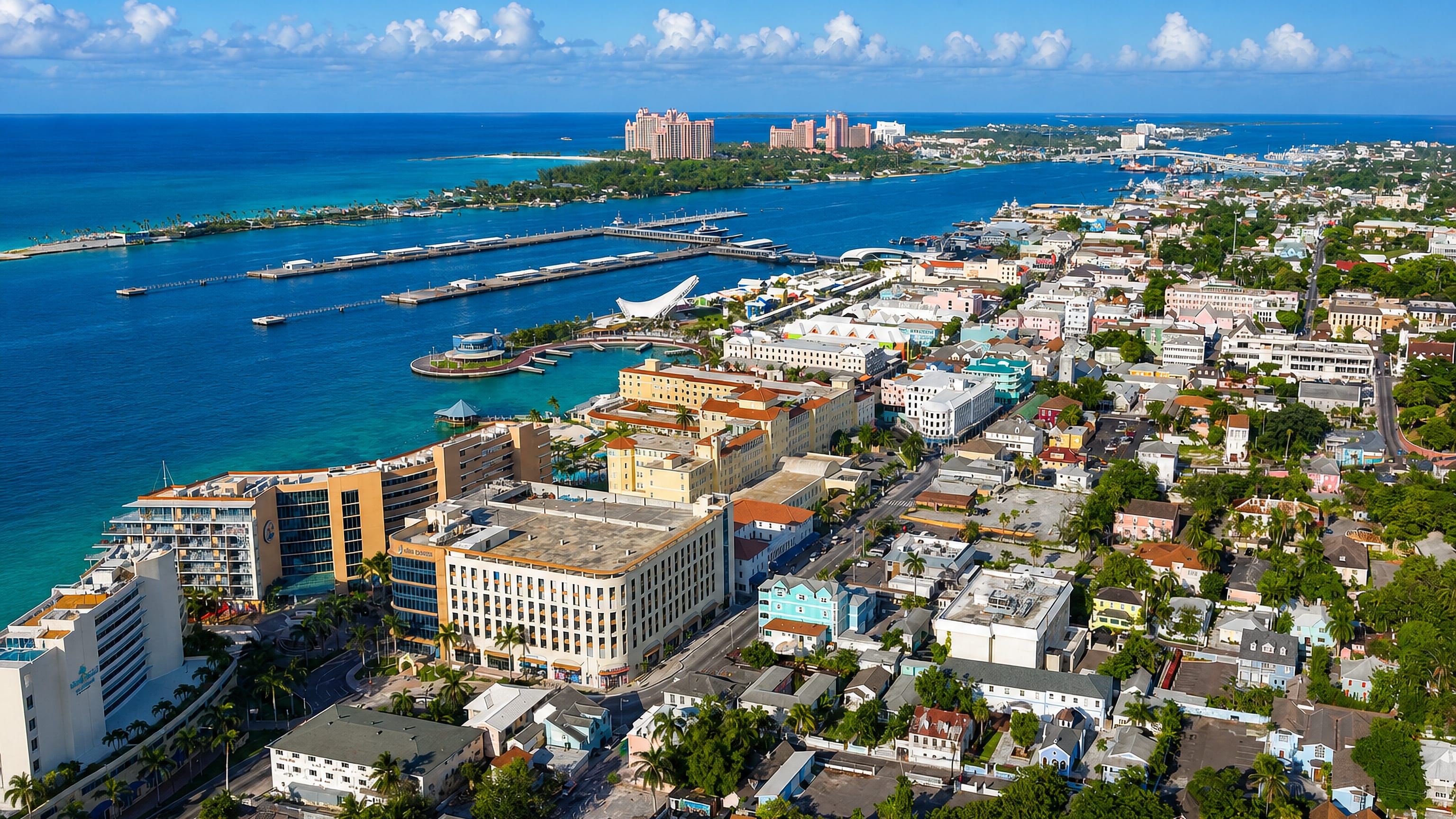
The Bahamas is an Atlantic archipelago southeast of Florida, its 700 islands and countless cays strung across the sea from Nassau outward.
Hotel links are affiliate links: booking through them may earn us a commission, at no extra cost to you. It never affects how places are ranked. How this works


Top destinations in The Bahamas
One city to start from, then drill into its areas and hotels.
 The Bahamas
Nassau
Nassau is the capital of The Bahamas, the largest city in the country, spread across the eastern half of New Providence Island.Where to stay →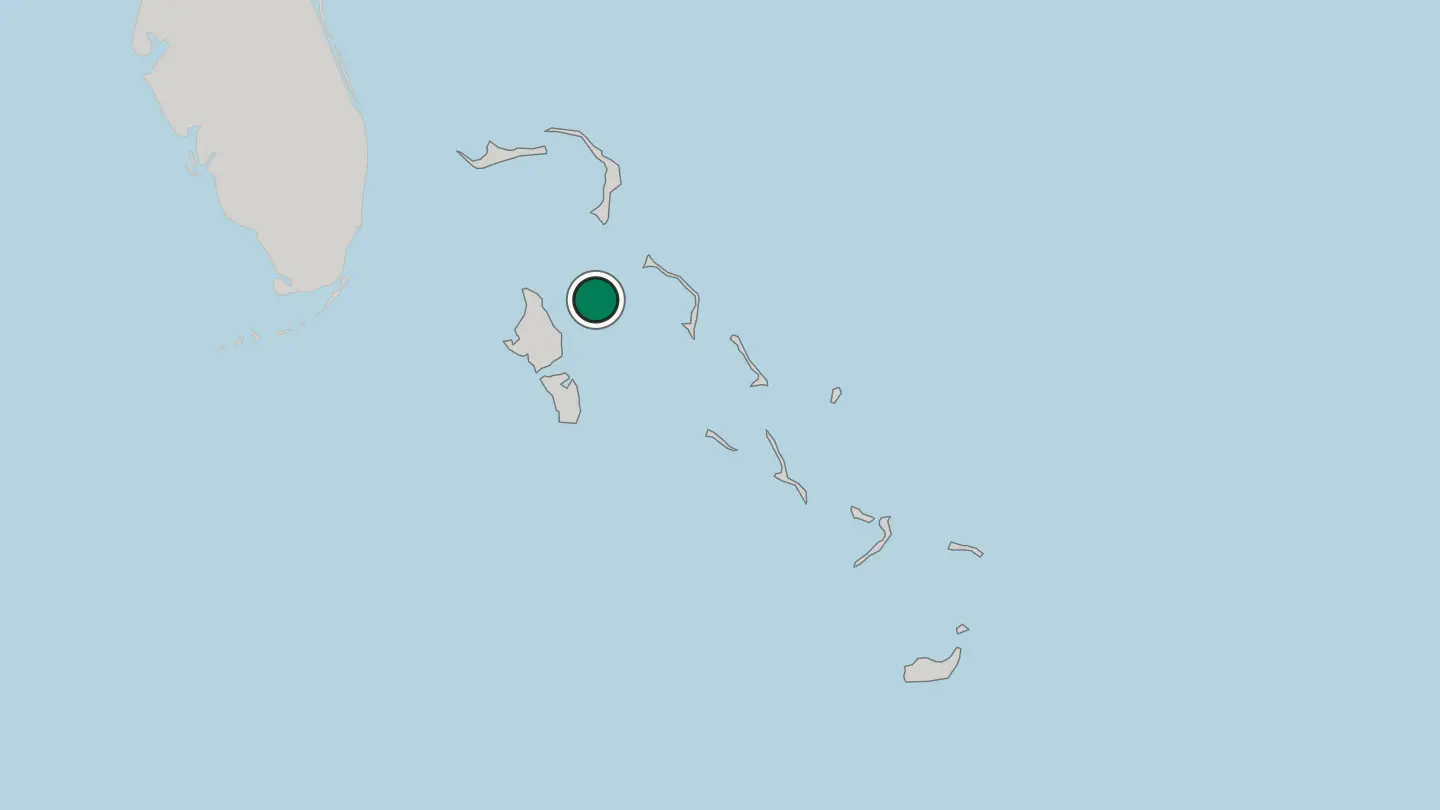
Hotel links are affiliate links: booking through them may earn us a commission, at no extra cost to you. It never affects how places are ranked. How this works
Browse by region
One region so far — open it to see its cities and towns.
About The Bahamas
What is The Bahamas known for?
Turquoise shallows and white sand define the country's image, but the reach of the islands is what surprises visitors. Nassau, the capital on New Providence, holds most of the population and the colonial core. Beyond it the Out Islands scatter for hundreds of miles.
Reefs ring the cays. Andros guards the third-largest barrier reef on earth, Exuma keeps its swimming pigs and cays, and Eleuthera and Grand Bahama pull travellers toward pink beaches and pine forest. Across the Bahamas, the water is always close at hand.
Where is The Bahamas?
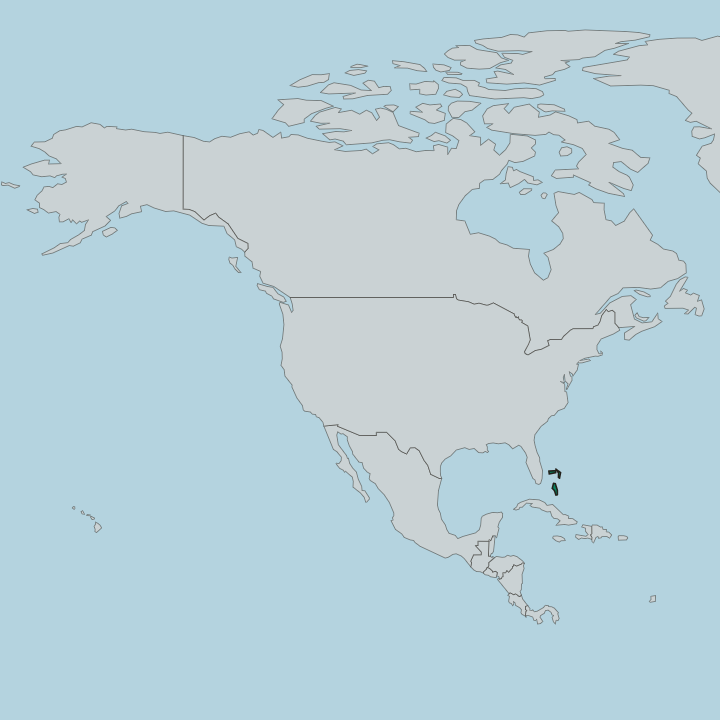
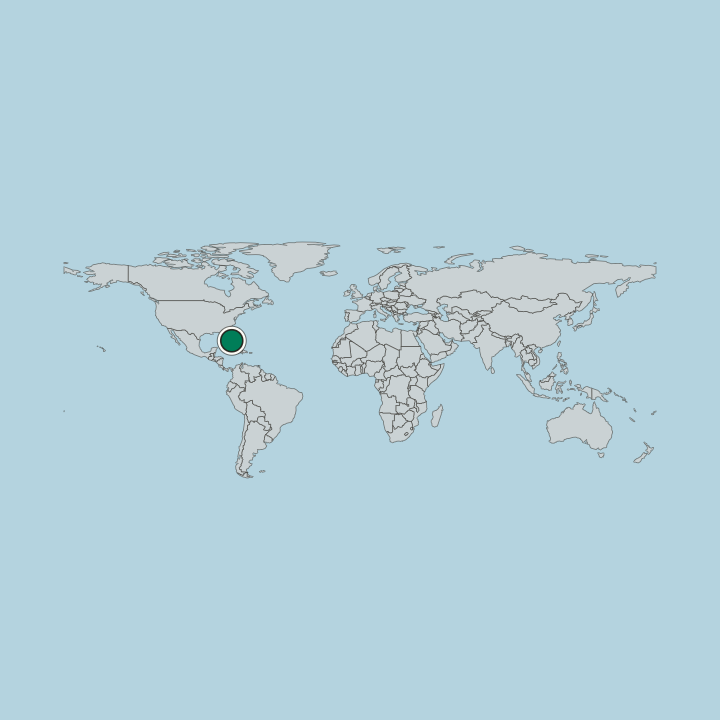
The Bahamas is a low archipelago in the western Atlantic, strung along the Lucayan carbonate banks that also hold the Turks and Caicos to the southeast. Its islands run more than 500 miles from Grand Bahama, close to the Florida coast, down to Great Inagua near the eastern tip of Cuba. Nothing here rises high.
The land is coral limestone and sand, and the highest ground, on Cat Island, reaches barely more than 200 feet. What gives the country its scale is water rather than relief. Vast shallow banks the colour of glass surround the islands, dropping suddenly at their edges into the deep blue of the Tongue of the Ocean and other channels.
Andros, the largest island, is threaded with tidal creeks and inland blue holes, and its eastern shore fronts one of the longest barrier reefs anywhere. To the east, Eleuthera and Harbour Island edge Atlantic swells with pink-tinged sand, while Exuma's chain of cays curves through some of the clearest water in the hemisphere. Grand Bahama in the north carries pine forest and mangrove alongside the built-up district around Freeport.
The islands are many; the pattern is one.
What is the history of The Bahamas?
The first Bahamians were the Lucayans, an Arawak-speaking Taíno people who reached the islands from the southern Caribbean more than a thousand years ago. Their world ended fast. When Christopher Columbus made his first Atlantic landfall on a Bahamian island in 1492, tens of thousands of Lucayans lived across the archipelago; within a generation Spanish slaving and disease had emptied it almost entirely.
The islands then sat largely unpeopled until English settlers came. In 1648 a group called the Eleutheran Adventurers founded a colony on Eleuthera, and Nassau grew on New Providence as the main town. For a stretch of the early eighteenth century Nassau slid beyond any government's control.
Pirates including Blackbeard and Benjamin Hornigold used its harbour as a base, and the port earned its name as a republic of pirates until a royal governor broke their hold after 1718. British rule settled in. Loyalists fleeing the American Revolution arrived with enslaved Africans and cotton plantations, and after emancipation their descendants became the country's Black majority.
The Bahamas gained full independence within the Commonwealth in 1973. From wrecking and rum-running to tourism, the sea shaped every era.
What is The Bahamas like?
Bahamian culture grew from African, British, and Caribbean roots, and it is loudest at Junkanoo. Twice each year, before dawn on Boxing Day and again on New Year's Day, dancers in towering crepe-paper costumes rush through Nassau to goatskin drums, cowbells, brass, and whistles. The parade is the country's heartbeat.
Music runs deeper still in rake 'n' scrape, the older island sound built from an accordion, a goatskin drum, and a carpenter's saw scraped with a screwdriver, born on Cat Island and kept alive at festivals across the Out Islands. Food carries the same island logic. Conch is the national ingredient, eaten raw in a lime-and-pepper salad, cracked and fried, or simmered into chowder, and it turns up beside peas 'n' rice and fresh-caught grouper on tables from Nassau to the smallest cay.
Everyday speech has its own colour too, a Bahamian dialect thick with proverbs and turns of phrase that mark a speaker as home-grown. Each spring, hand-built wooden sloops race in the regattas that fill the harbour at George Town in Exuma. Faith, family, and the sea anchor daily life.
The culture carries far.
What is the climate of The Bahamas?
The climate is tropical and steadied by the sea. Warm easterly trade winds temper the heat, so the year splits into a drier, milder stretch from late autumn into spring and a hotter, wetter one from May onward. Rain arrives in short afternoon bursts more than long grey spells.
The Atlantic hurricane season runs from June into November, with the greatest risk from late summer to mid-autumn, and storms have struck the northern islands hard. Water temperatures stay warm around the year.
How do you get to The Bahamas?
Most travellers arrive by air into Nassau. Lynden Pindling International Airport on New Providence is the country's main gateway, with direct flights from cities across the United States, Canada, and Europe, and it offers United States preclearance for the flight home. Grand Bahama's airport at Freeport handles a second stream of arrivals.
From either hub, small regional planes and mail boats fan out to the Out Islands. Cruise ships dock in Nassau and Freeport in large numbers. Onward, the sea does the connecting.
Good for
Updated September 2026