The Bahamas · New Providence District
Where to Stay in Nassau, New Providence District
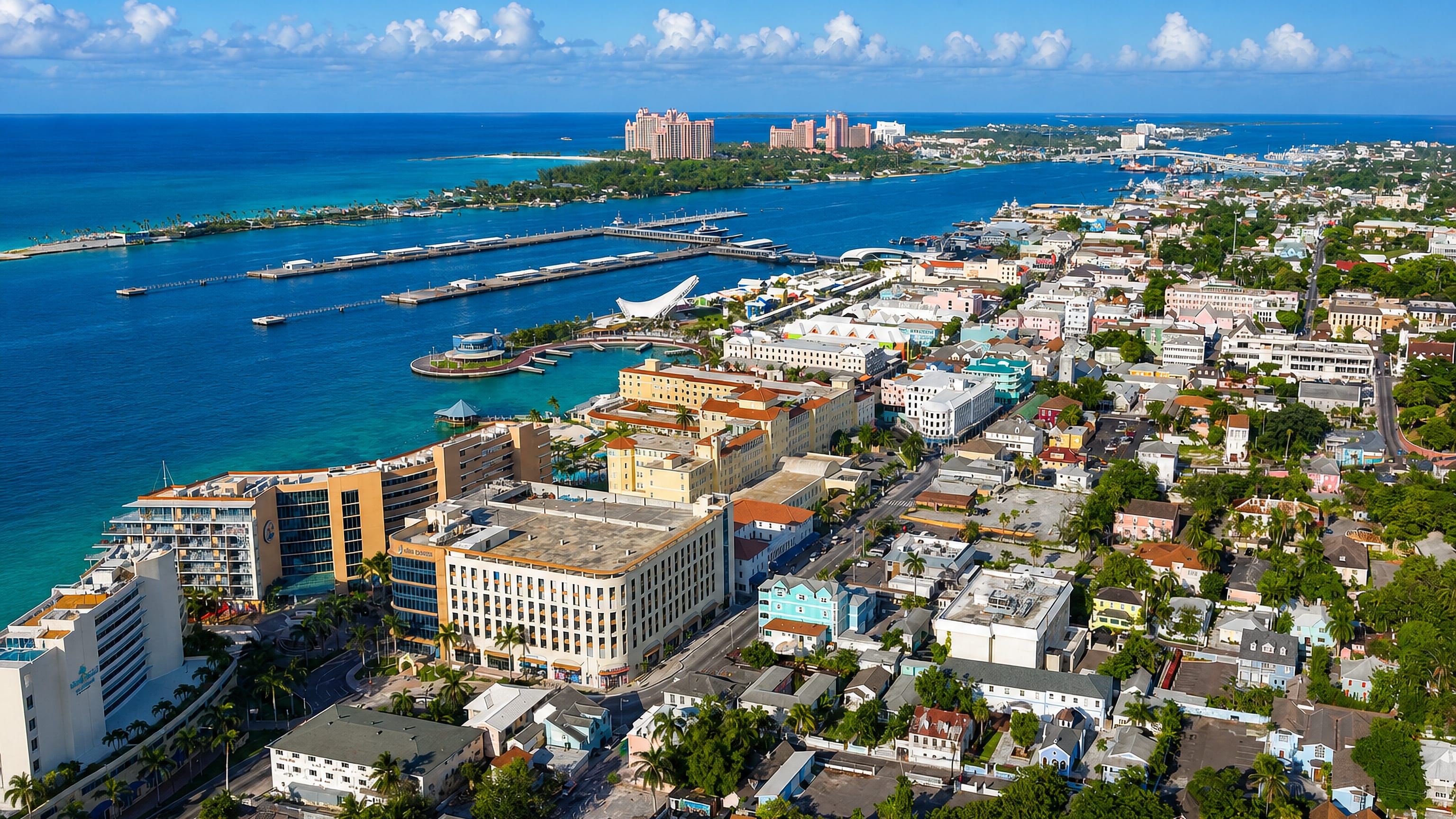
Nassau is the capital of The Bahamas, the largest city in the country, spread across the eastern half of New Providence Island.
Hotel links are affiliate links: booking through them may earn us a commission, at no extra cost to you. It never affects how places are ranked. How this works


Where to stay in Nassau
How the choice of base plays out on the ground.
Nassau spreads its lodging across the eastern half of New Providence Island, from the working harbour front to the quieter garden districts inland. The old core hugs the water. Here the streets run past Christ Church Cathedral, the pastel Balcony House, and the stone span of Gregory's Arch, so a room in this quarter puts the museums and the cathedral within an easy walk.
If you want the parades and the port at your door, this is the district to choose, though it fills and quietens with the rhythm of the harbour. Inland, the ground rises toward calmer residential streets where the Ardastra Gardens, Zoo and Conservation Centre and St. Andrew's Presbyterian Kirk stand among older houses. A stay here trades the harbour bustle for shade and birdsong.
Families and slower travellers tend to settle in these blocks. The heritage streets around the Pompey Museum of Slavery and Emancipation and Bethel Baptist Church anchor the city's older neighbourhoods, and they give a base that is central yet a step back from the cruise-lined waterfront where the crowds thin after dark.
Find hotels in Nassau
Direct booking searches for these neighbourhoods.
Old harbour core
The stone span of Gregory's Arch and Christ Church Cathedral frame the old core, with Balcony House and the harbour parades a short walk on.Find hotels in Old harbour coreFamilies and slower travellers after shade and quietInland garden streets
The residential blocks around the Ardastra Gardens, Zoo and Conservation Centre and St. Andrew's Presbyterian Kirk trade harbour bustle for birdsong.Find hotels in Inland garden streetsHotel links are affiliate links: booking through them may earn us a commission, at no extra cost to you. It never affects how places are ranked. How this works
Things to do in Nassau
Ranked by global recognition; descriptions from Wikidata (CC0).
Museums & Galleries
3- National Art Gallery of The Bahamas
- Nassau Public Library
- Pirates of Nassau
Churches & Religious Sites
3- St. Andrew's Presbyterian Kirk
- St. Matthew's Anglican Church
- Christ Church Cathedral
Stadiums & Sports
1- Roscow A. L. Davies Soccer Field
Landmarks & Notable Places
1- Gregory's Arch
worth knowingacross 4 categories in Nassau
About Nassau
What is Nassau known for?
Nassau is known as the seat of government and cultural heart of The Bahamas, a low-rise city whose sprawl fills the eastern half of New Providence Island. Its harbour front carries the National Art Gallery of The Bahamas and the colonnaded Nassau Public Library, once a colonial gaol. Junkanoo, the country's masked street parade, has its own dedicated home at the Museum of Junkanoo.
Pirate history draws visitors too. The Pirates of Nassau attraction and the story of the old port keep that era in view.
What are the main landmarks in Nassau?
Nassau gathers its landmarks along the harbour and the old streets behind it. Christ Church Cathedral and St. Matthew's Anglican Church mark the city's older worship sites, while the colonnaded Nassau Public Library and the pastel Balcony House survive from the colonial town. Museums carry the deeper story.
The Pompey Museum of Slavery and Emancipation, the Heritage Museum of The Bahamas, and the Museum of Junkanoo each hold a strand of it, and Gregory's Arch still frames the climb out of the old quarter.
What is the history of Nassau?
Nassau grew from a settlement founded on New Providence Island and took its lasting shape as a colonial port. It was laid out in 1695 and named for the ruling house of the day. The harbour drew ships.
Its sheltered anchorage behind the island also drew pirates, and for a spell the port stood as a byword for the freebooters who worked the surrounding waters, a chapter the Pirates of Nassau attraction now retells. The colonial town that followed left the streets their enduring form, with Christ Church Cathedral, the gaol that became the Nassau Public Library, and the merchant houses like Balcony House rising around the harbour. Slavery shaped the town as deeply as trade.
That history is held in the Pompey Museum of Slavery and Emancipation, which stands on the site of a former market. Bethel Baptist Church and the older congregations grew with the freed community, and the masked Junkanoo parade, remembered at the Museum of Junkanoo, carries the same roots into the streets each year.
Where is Nassau?
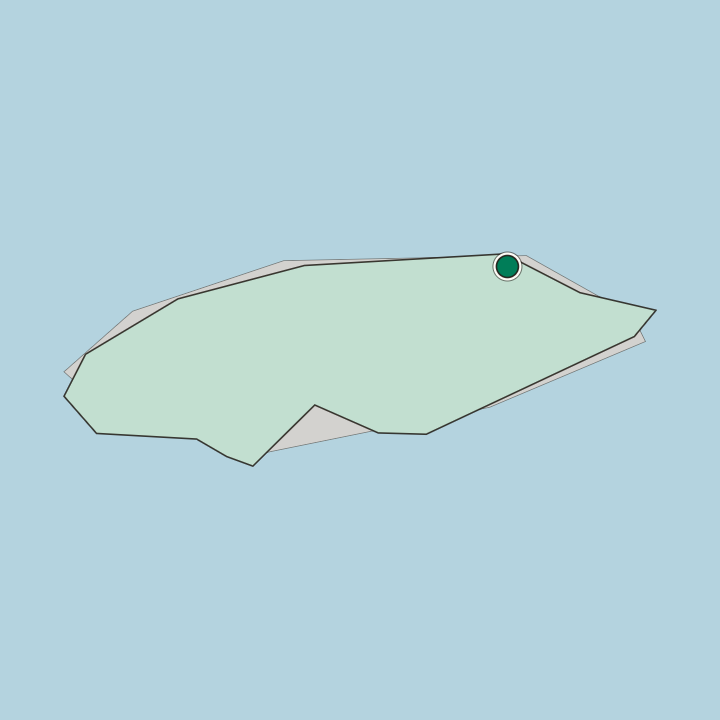
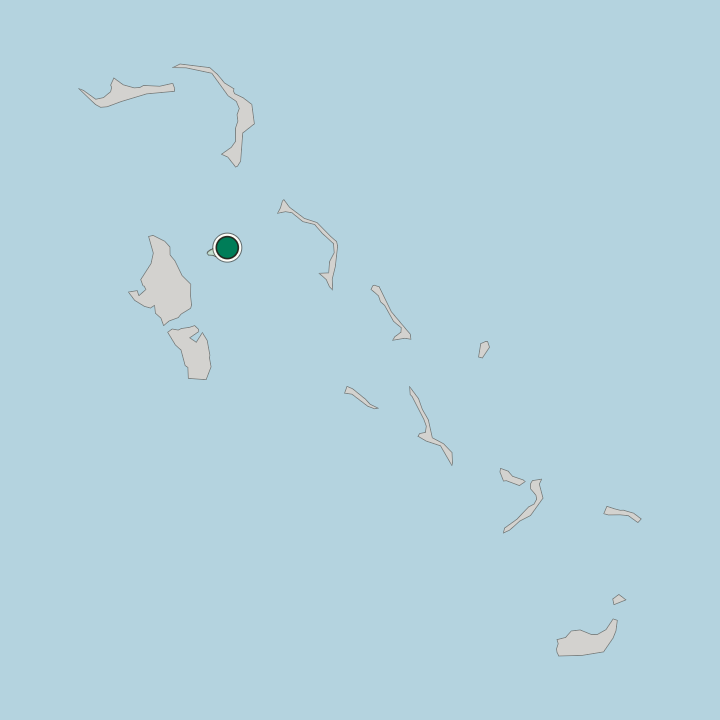
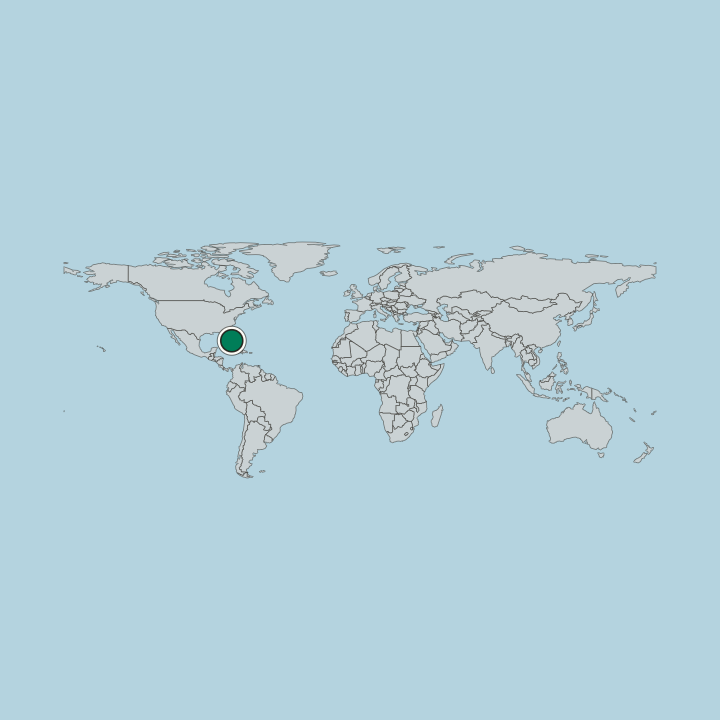
Nassau occupies the eastern half of New Providence Island, a low limestone island in The Bahamas. The city faces a sheltered harbour on its northern edge, guarded by a narrow barrier island across the water, and its ground is flat and close to the sea. Low ridges rise inland.
Gregory's Arch cuts through one such rise between the old quarter and the streets behind it, while the Ardastra Gardens, Zoo and Conservation Centre sit on the greener ground away from the shore.
What is the climate of Nassau?
Nassau has a warm subtropical climate shaped by its place on New Providence Island in The Bahamas. Summers are hot and humid, cooled by trade winds off the surrounding water, and the wetter months bring heavy afternoon rain and the risk of tropical storms. Winters stay mild and dry.
The sea moderates the heat year-round, and the gardens of the Ardastra Gardens, Zoo and Conservation Centre stay green through the season.
How do you get to Nassau?
Nassau is the busiest point of arrival in The Bahamas, reached most often by air or by sea to New Providence Island. Its international airport lies on the western side of the island, a road drive from the harbour and the old town around Christ Church Cathedral. Cruise ships tie up downtown.
From the quay the museums and the colonnaded Nassau Public Library sit within a short walk, and roads run east and west across the island to the residential districts and the gardens inland.
Common questions
What is the best area to stay in Nassau?
Old harbour core: Walkers who want the cathedral, museums and Junkanoo at the door. Inland garden streets: Families and slower travellers after shade and quiet.
Good for
Updated September 2026