Belarus · Horad Minsk
Where to Stay in Minsk, Horad Minsk
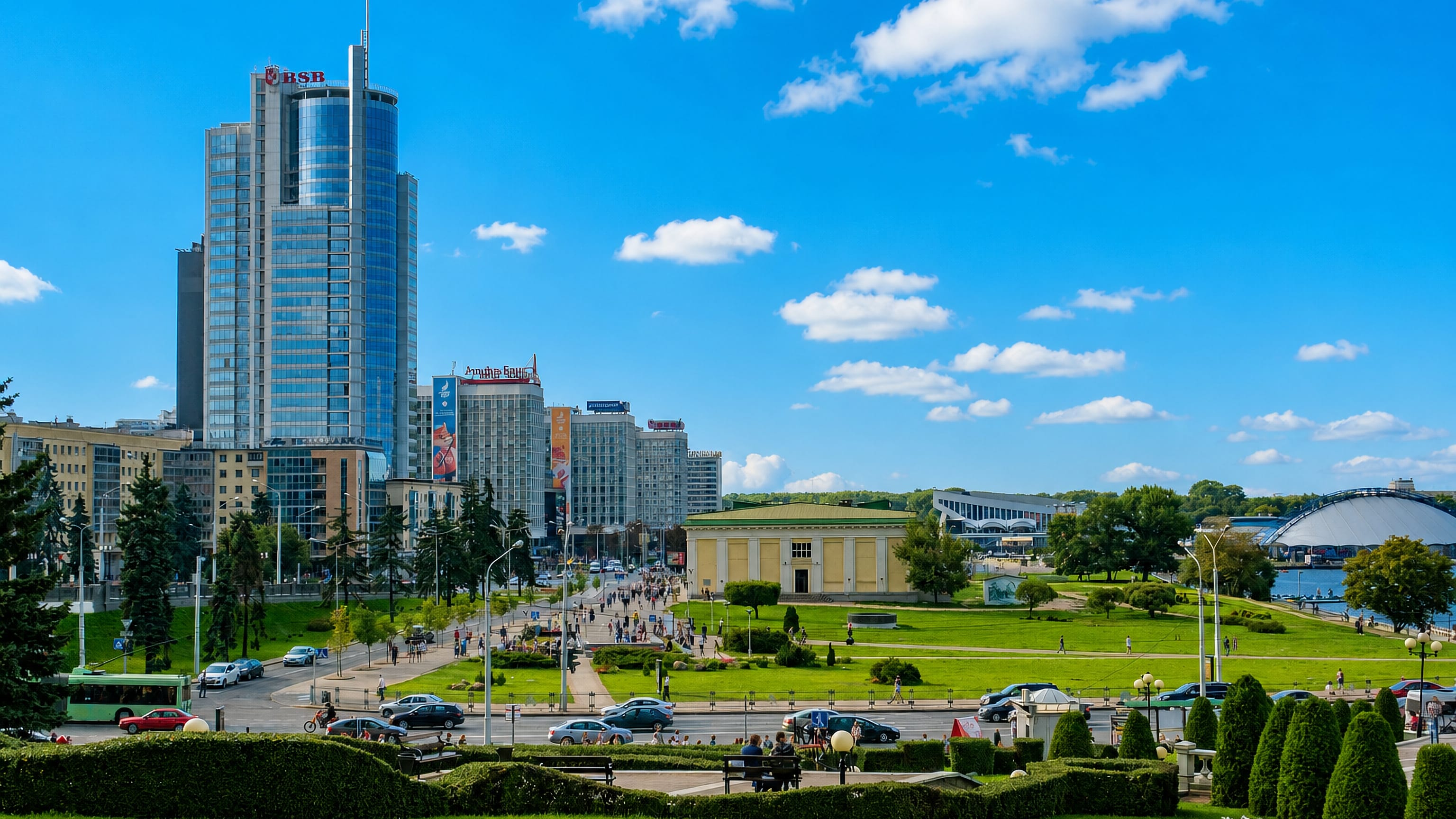
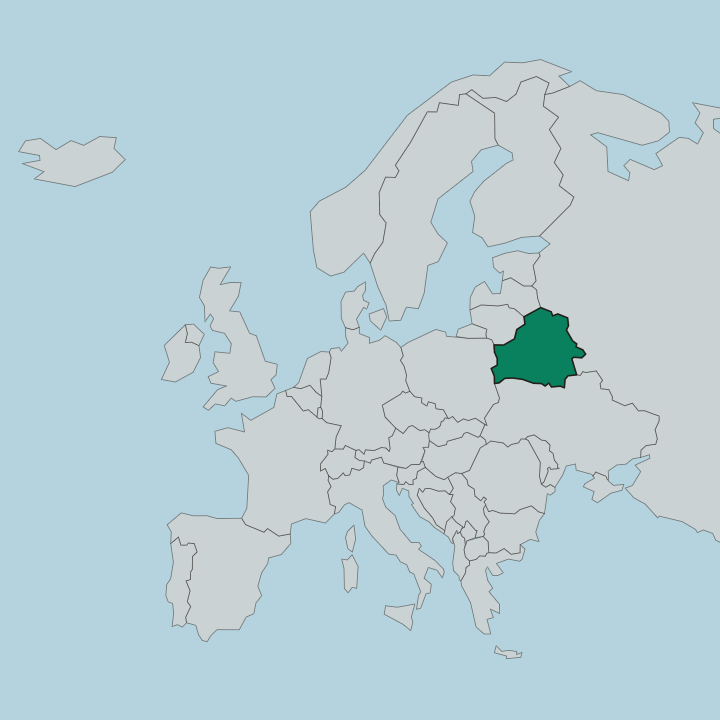
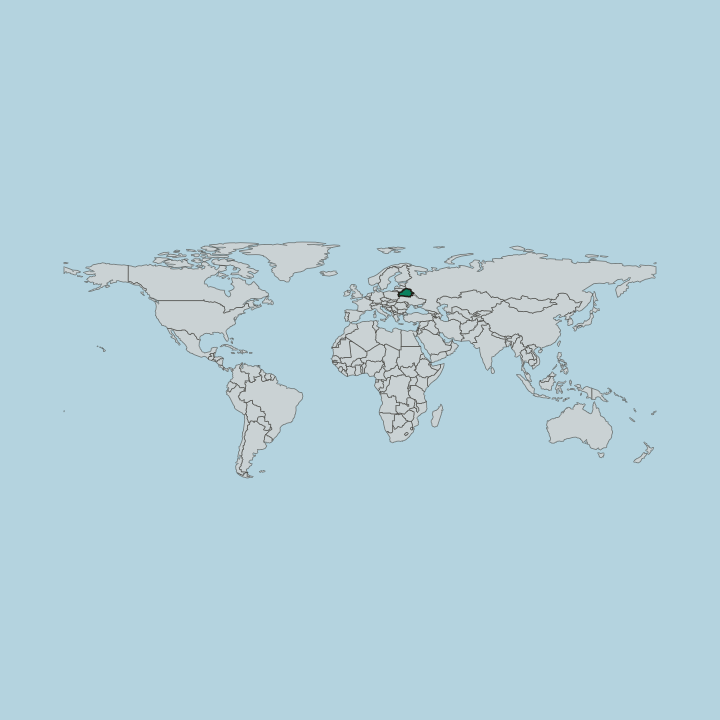
Minsk is the capital of Belarus, set on the Svislach and the now-buried Nyamiha at the country's centre.
Find your area →


Where to stay in Minsk
The right area depends on your trip — here's what each neighbourhood is best for.
 MinskBelarus
Lyeninski District
Lyeninski District is a borough of Minsk, laid out in 1951 and named for Vladimir Lenin.Lyeninski District →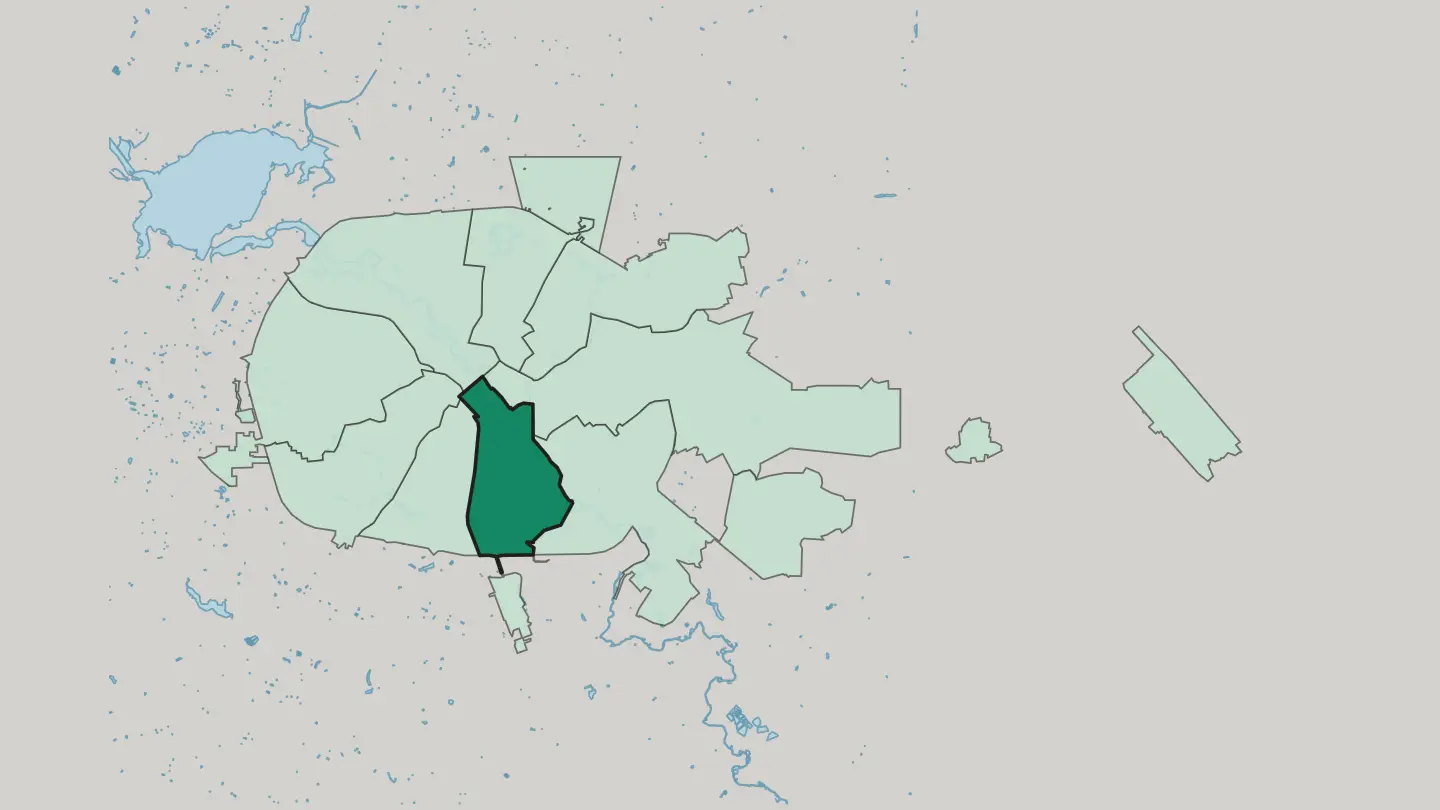 MinskBelarus
Savyetski District
Savyetski District is the smallest borough of Minsk, set near the Academy of Sciences.Savyetski District →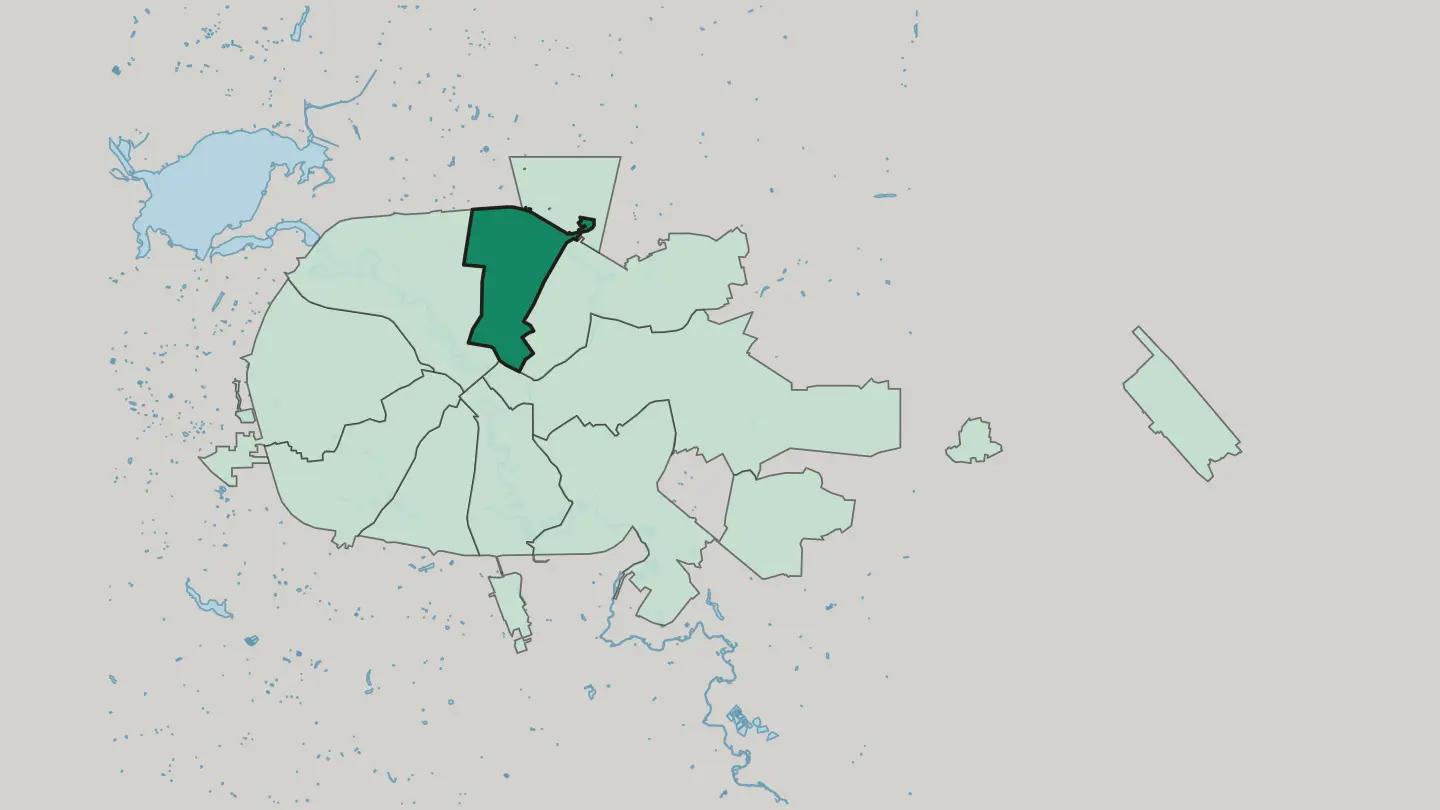
 MinskBelarus
Frunzyenski District
Frunzyenski District is the most populated district of Minsk, named after the commander Mikhail Frunze.Frunzyenski District →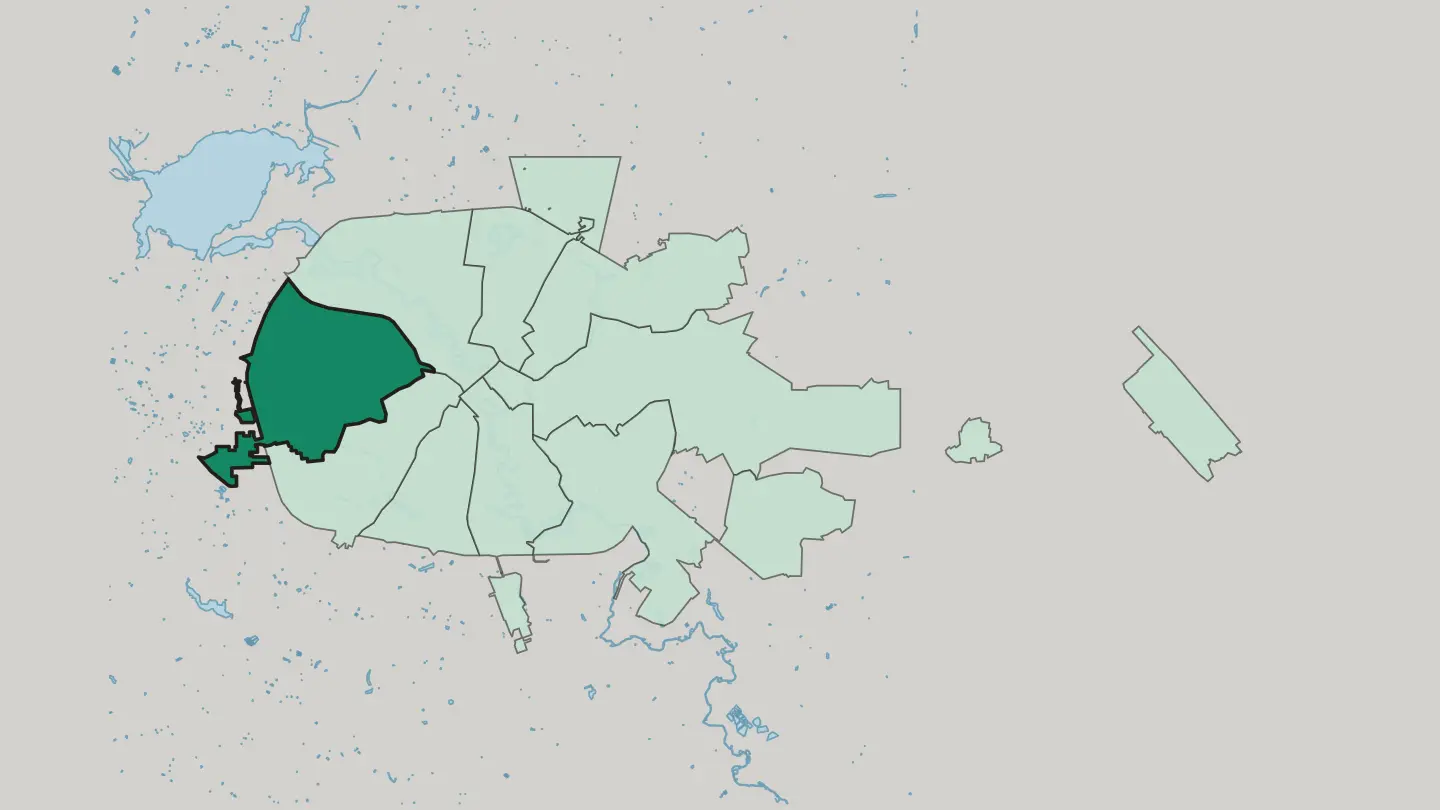 MinskBelarus
Maskowski District
Maskowski District is a raion of Minsk in Belarus, laid out from 1977 and marked by the Zhukov monument and the Pamiać memorial.Maskowski District →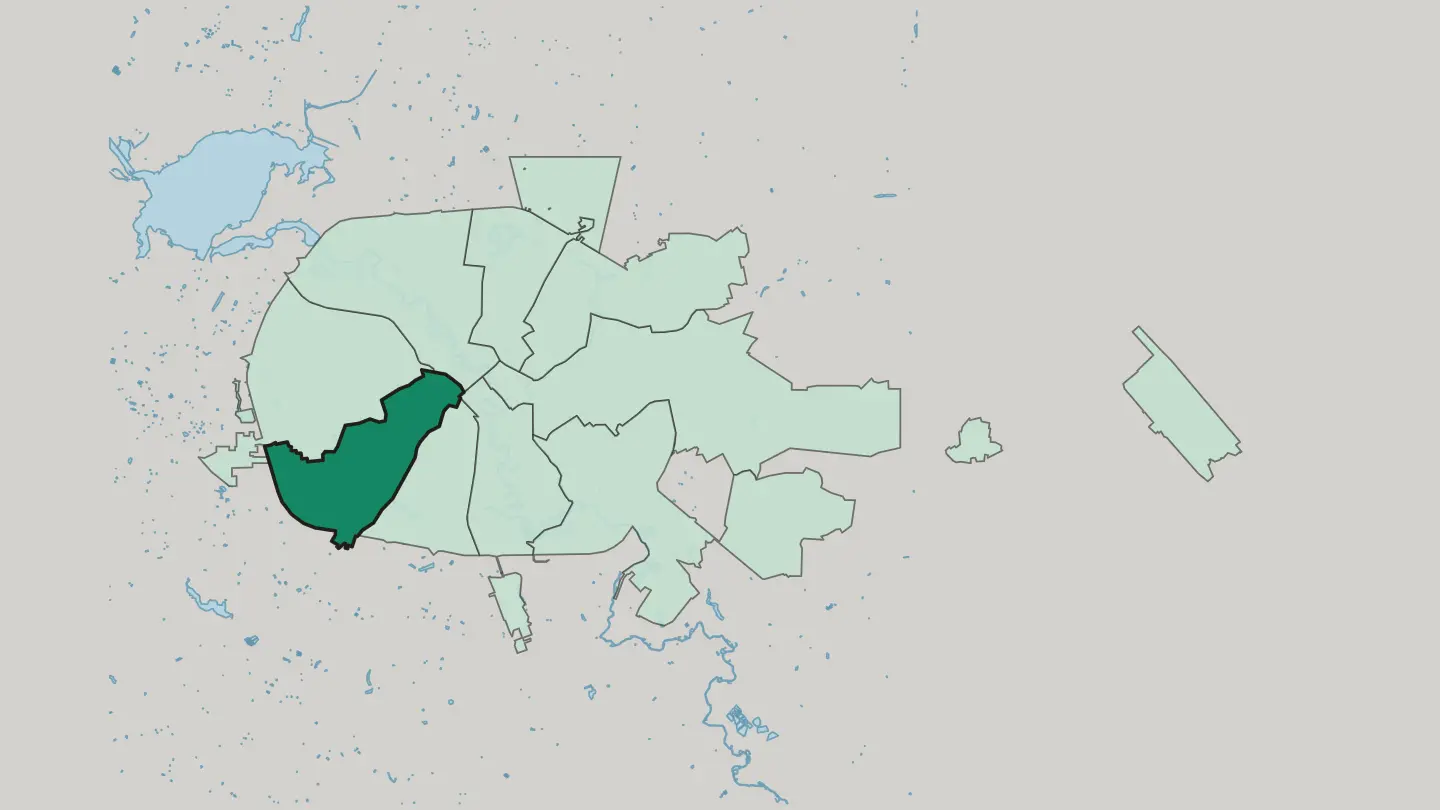 MinskBelarus
Kastrychnitski District
Kastrychnitski District is one of the districts of Minsk, the capital of Belarus, named for the October Revolution.Kastrychnitski District →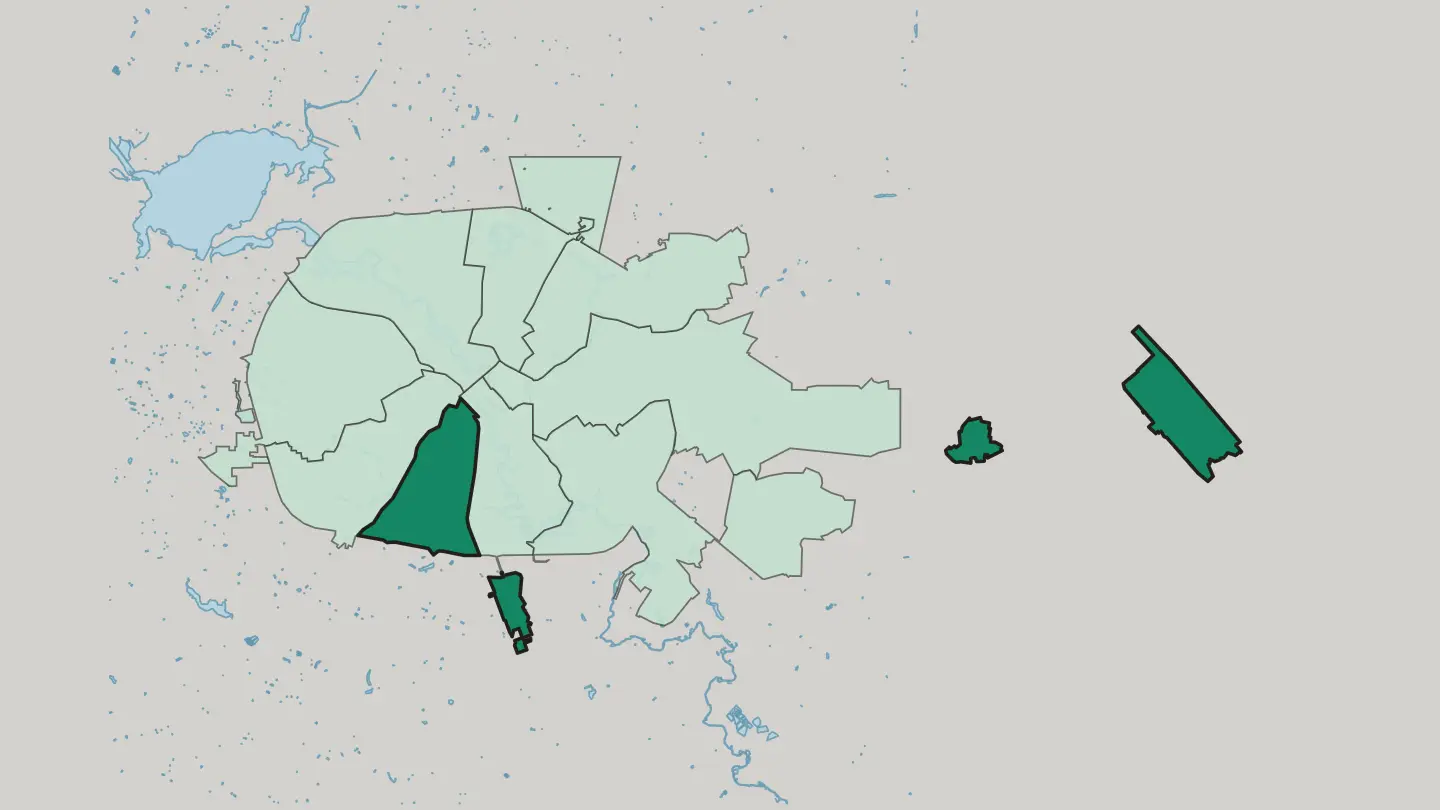 MinskBelarus
Drazdy
Drazdy is a district of Minsk, home to the Convent of Saint Elisabeth and the Falcon Club arena.Drazdy → MinskBelarus
Tsentralny District
Tsentralny District is the central borough of Minsk, a compact quarter drawn in 1969 around convents and sports arenas.Tsentralny District →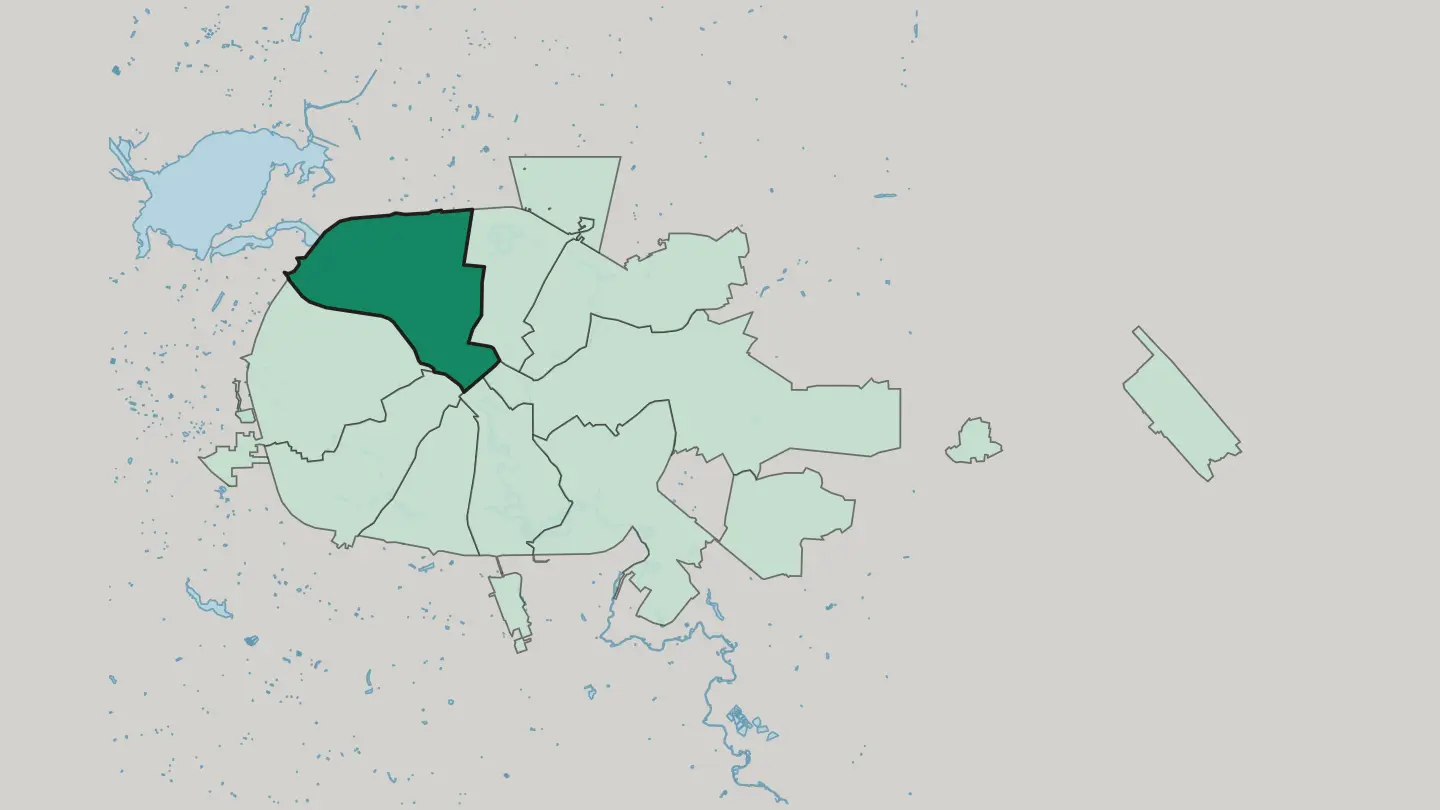 MinskBelarus
Zialiony Luh
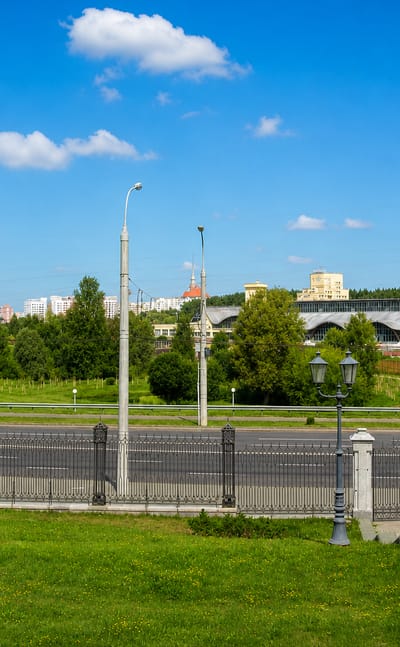
Zialiony Luh is a residential microdistrict of Minsk, laid out from 1962 and home to the city's Aviation Museum.Zialiony Luh →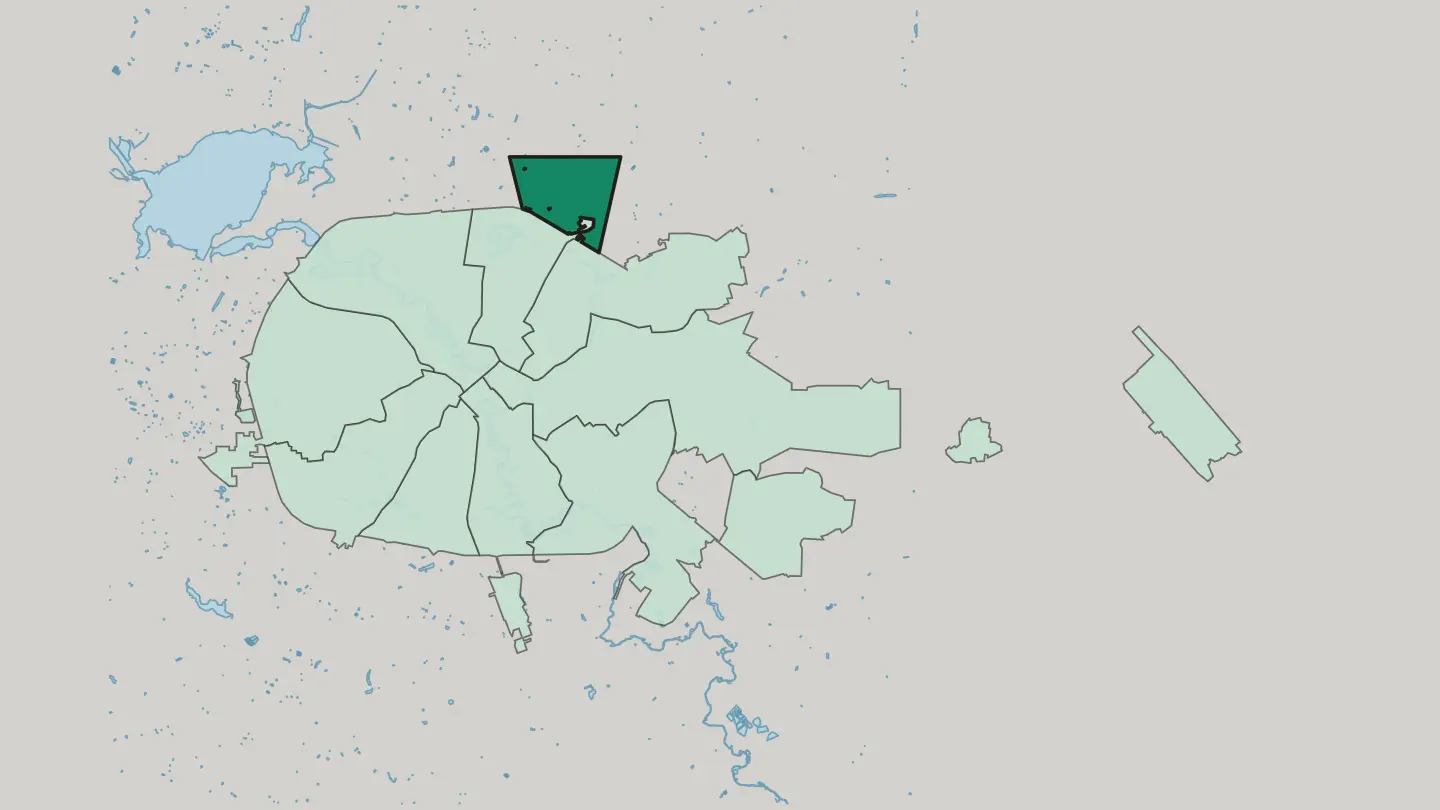
 MinskBelarus
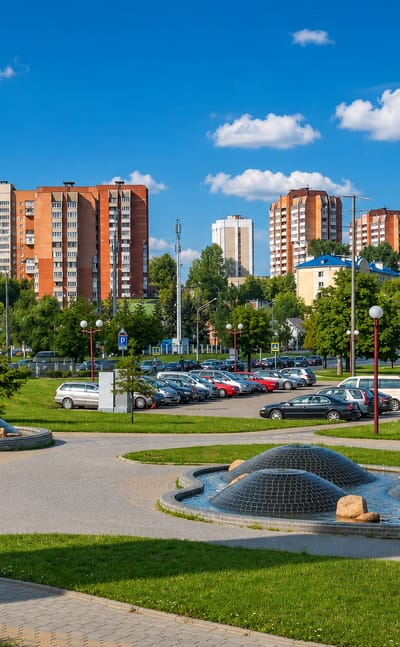
Pyershamayski District
Pyershamayski District is an eastern borough of Minsk, Belarus, holding the Aviation Museum and the Museum of boulders.Pyershamayski District →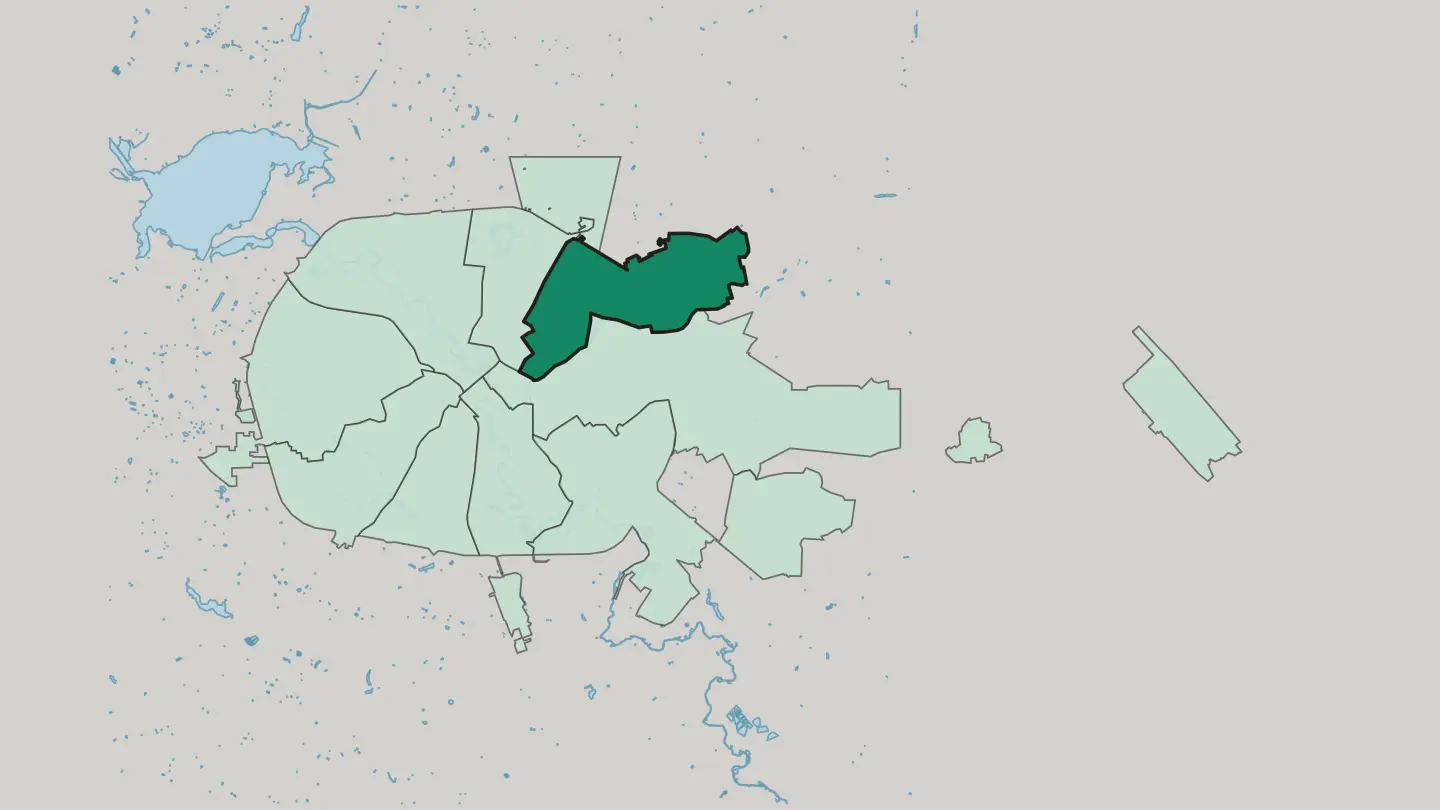
 MinskBelarus
Zavodski District
Zavodski District is one of the industrial boroughs of Minsk, a factory quarter of Belarus's capital laid out around its plants and rail yards.Zavodski District →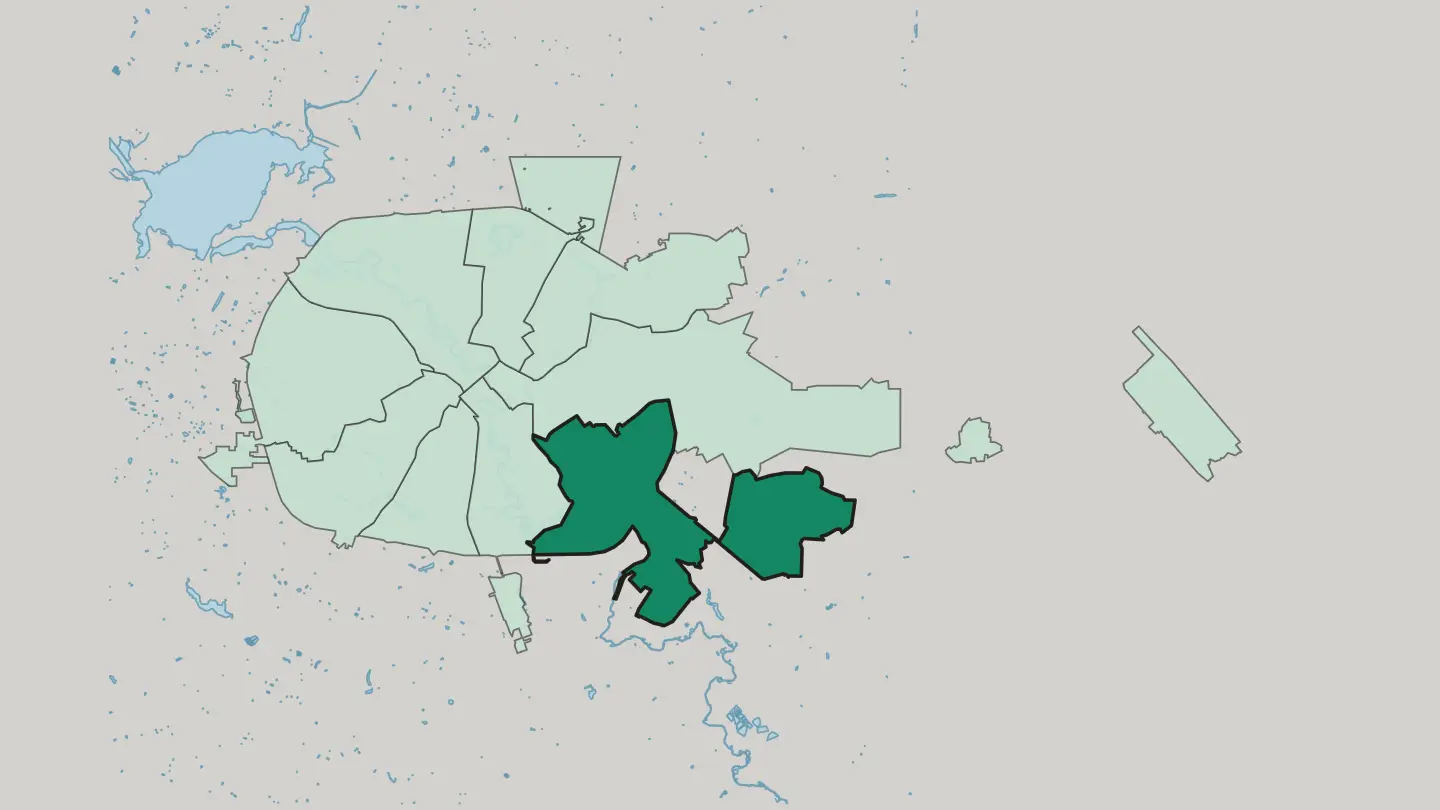 MinskBelarus
Partyzanski District
Partyzanski District is one of the boroughs of Minsk, named after the Soviet partisans of Belarus.Partyzanski District →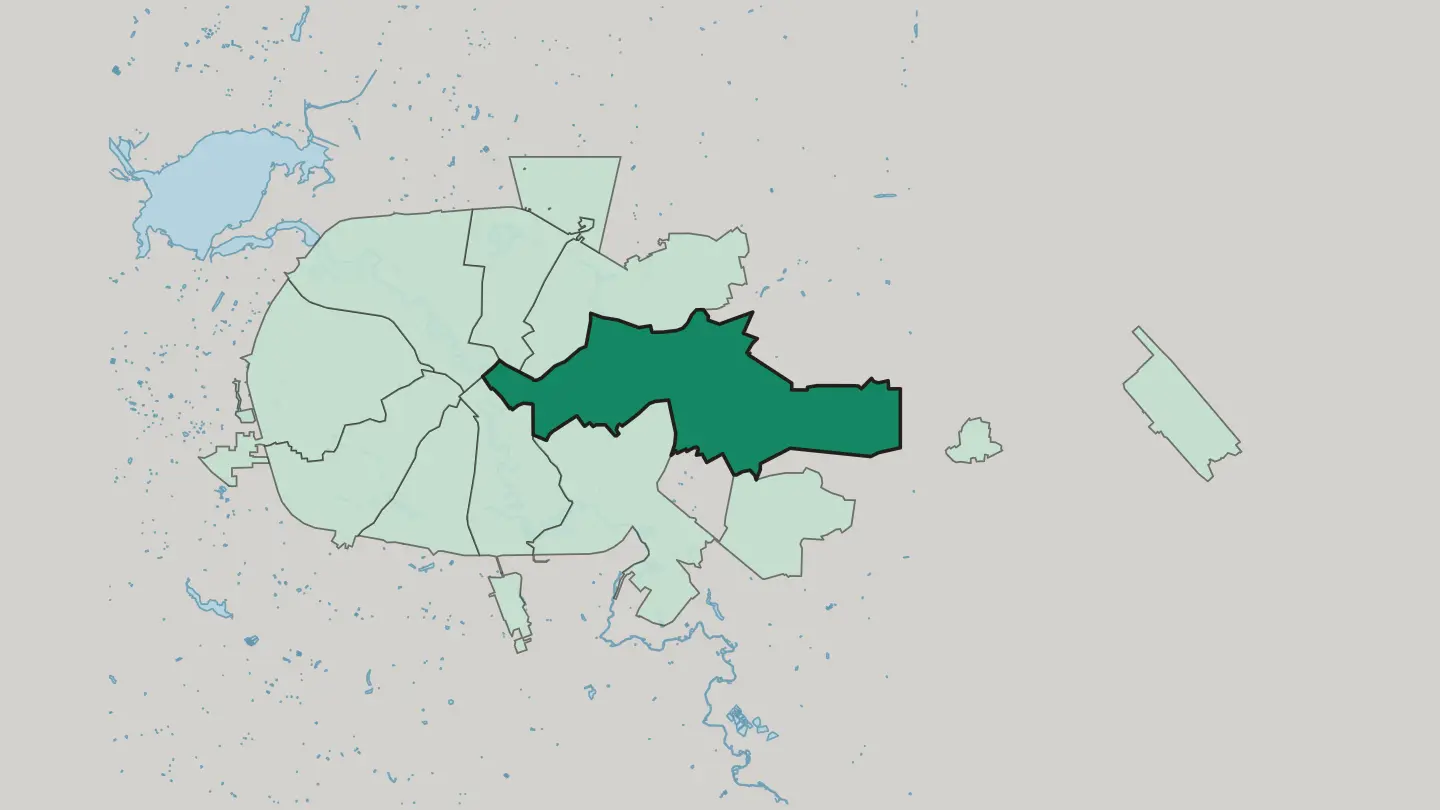
Things to do in Minsk
Ranked by global recognition; descriptions from Wikidata (CC0).
Museums & Galleries
5- Belarusian National Arts Museum Heritage
- Belarusian Great Patriotic War Museum Heritage
- Maksim Bahdanovič Literary Museum, Minsk Heritage
- State Literary Museum of Janka Kupala Heritage
- Minsk Museum of Modern Fine Art Heritage
Churches & Religious Sites
5- Church of Saints Simon and Helena Heritage
- Cathedral of the Holy Name of Saint Virgin Mary Heritage
- Church of Holy Trinity Heritage
- Church of Holy Spirit in Minsk Heritage
- Church of the Exaltation of the Holy Cross, Minsk Heritage
Castles & Historic Sites
3- Pischalauski Castle Heritage
- Yama Heritage
- Minsk Hero City Obelisk Heritage
Stadiums & Sports
3- Football Manege
- Minsk Ice Palace
- Канькабежны стадыён
Landmarks & Notable Places
2- Governor House Heritage
- Abrampoĺski House Heritage
worth knowingacross 5 categories in Minsk
About Minsk
Minsk is known first as a capital.
What is Minsk known for?
It is the seat of Belarus and one of the administrative centres of the Commonwealth of Independent States and the Eurasian Economic Union, a city built around government, memory, and broad avenues. War memory runs deep here. Museums and monuments, among them the Belarusian Great Patriotic War Museum and the Island of Tears, mark the losses of the past century, while red-brick churches like the Church of Saints Simon and Helena hold the older city.
What are the main landmarks in Minsk?
Minsk carries its landmarks in layers. The oldest are its churches: the red Church of Saints Simon and Helena, the Cathedral of the Holy Name of Saint Virgin Mary, and the Church of Holy Spirit above the old town. Memory is the other thread.
The Belarusian Great Patriotic War Museum, the Island of Tears, and Yama each hold the losses of war and the vanished Jewish quarter, while Pischalauski Castle and Minsk Castle mark where the city began.
What is the history of Minsk?
Minsk begins in 1067. The earliest record places a settlement where the Nyamiha flowed into the Svislach, and from that river meeting the town spread across the surrounding ground over the centuries. It grew over the centuries from a small river settlement into the administrative seat it is now.
The medieval core, marked by Pischalauski Castle and the site of Minsk Castle, still fixes where the story started. War pressed hardest in the twentieth century. Its memorials carry that weight: the Belarusian Great Patriotic War Museum and the Minsk Hero City Obelisk to the war dead, Yama to the Jewish community lost in the ghetto, the Island of Tears to soldiers who did not return.
The Museum of Jewish History and Culture in Belarus keeps that same memory indoors. Wide avenues and open squares run through much of the centre. In the decades since, Minsk has taken on a wider role, standing as one of the administrative capitals of the Commonwealth of Independent States and the Eurasian Economic Union.
History here is commemorated in stone, out in the open, on nearly every central square.
Where is Minsk?
Two rivers made Minsk. The Svislach winds through the middle of the city, while the Nyamiha, once its companion, now runs underground, its old channel buried beneath the central streets. Its built-up blocks spread out from where the waters met.
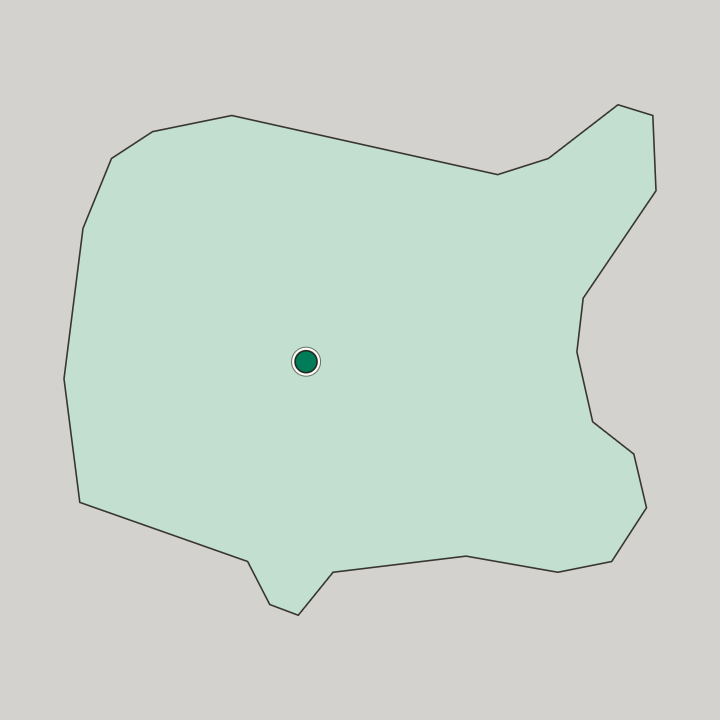
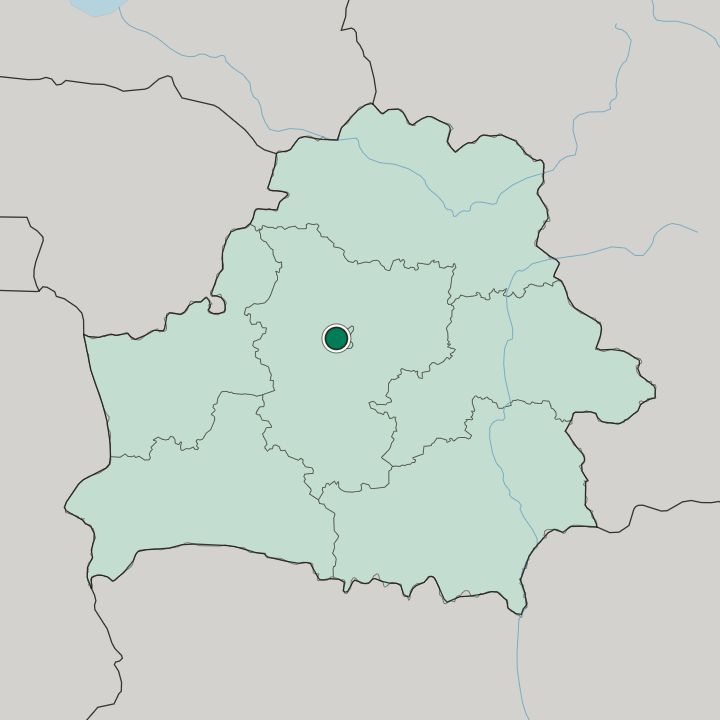
Sitting near the centre of Belarus, well inland, it stands at the meeting point of the country's roads.
What is the climate of Minsk?
Minsk has a temperate, continental climate, shaped by its position deep inside the continent. Winters are long and cold, with snow lying over the city for much of the season, and summers are warm and fairly short. The changeovers are quick.
Rain and cloud are spread through the year, and the Svislach freezes at the edges when the cold sets in hardest.
How do you get to Minsk?
Minsk is the country's transport knot. Rail lines and highways converge on the capital from every part of Belarus, so most journeys across the country pass through it. Within the city, public transport and a compact centre make it easy to get around.
The centre, close to the Svislach, is compact enough to cross on foot. From here the rest of Belarus opens outward.
Good for
Updated October 2026