
Ivory Coast · Bas-Sassandra
Where to Stay in San-Pédro, Bas-Sassandra
San-Pédro is a city of the southwest coast of Ivory Coast on the Atlantic, the country's second port, the harbour that ships the world's cocoa to the sea.
Hotel links are affiliate links: booking through them may earn us a commission, at no extra cost to you. It never affects how places are ranked. How this works


Where to stay in San-Pédro
Where visitors usually base themselves, and why.
Staying in San-Pédro means picking the port town or the beach. The centre near the port keeps the market, the harbour, and the offices within a walk, and staying downtown suits anyone here for the town. The sea lies just south.
Cranes swing over the docks. Out along the coast, the town gives way to the beach resorts, the fishing villages, and the road north to the Taï forest. A room by the sea trades the streets for the open sand, the warm surf, and the palms above the shore.
The coast runs east for miles. Stay downtown for the port, or out for the beach. The great port and the wide forest hold the coast city.
Find hotels in San-Pédro
Direct booking searches for these neighbourhoods.
The town centre
Close to the port and the market lanesFind hotels in The town centreStays wanting the Atlantic sand and surfThe beach
Along the coastFind hotels in The beachHotel links are affiliate links: booking through them may earn us a commission, at no extra cost to you. It never affects how places are ranked. How this works
About San-Pédro
San-Pédro is the cocoa port of the Ivorian coast.
What is San-Pédro known for?
On the Atlantic in the southwest of Ivory Coast, it grew as a planned harbour town, and it keeps the busy port that ships cocoa and timber, the long ocean beaches of the coast, the wet forests of the interior, and the great Taï rainforest not far to the north. The warm sea breaks on the sand. Ships load cocoa at the quays.
What are the main landmarks in San-Pédro?
The port is the pride of San-Pédro. The great harbour that ships the cocoa of the west, the second port of the country, is the emblem of the town, downtown. A forest lies to the north.
The great Taï rainforest, a refuge of rare beasts, spreads in the hills inland nearby, while the ocean beaches, the timber yards, and the coastal lagoons mark the country around San-Pédro.
What is the history of San-Pédro?
San-Pédro is a young city of the coast. Where once only fishing villages stood on the shore, the country built a great new port in the nineteen-seventies. Cocoa built the harbour.
The port was made to ship the cocoa and timber of the west, and San-Pédro grew fast into the second harbour of the land. The town drew people from afar. Workers came from across the country and beyond to the docks and the mills, and the city spread along the coast.
The forest lay close behind. Inland stood the great Taï rainforest, one of the last old forests of West Africa, full of rare beasts, and San-Pédro grew as the cocoa port of the coast, keeping its harbour, its beaches, and its trade. The ships still load at the quays.
San-Pédro keeps its port city on the Atlantic.
Where is San-Pédro?
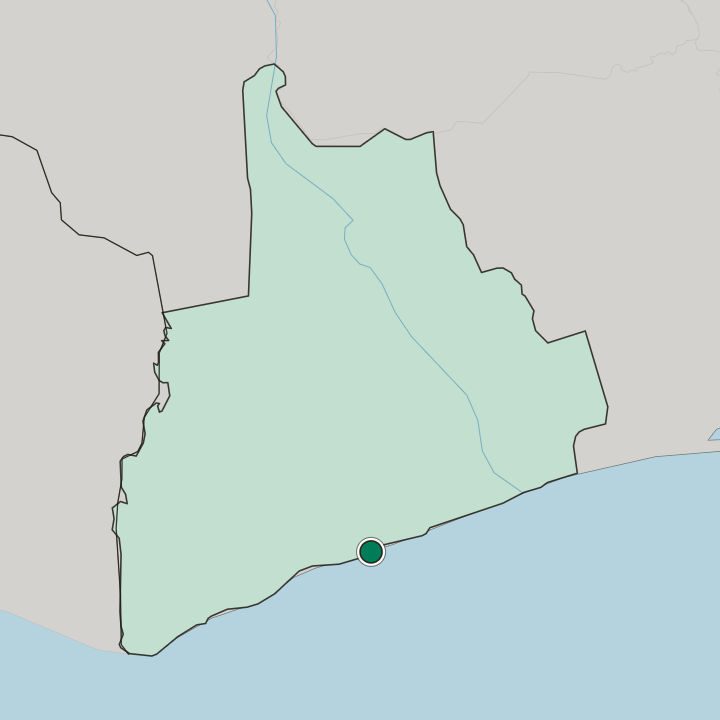
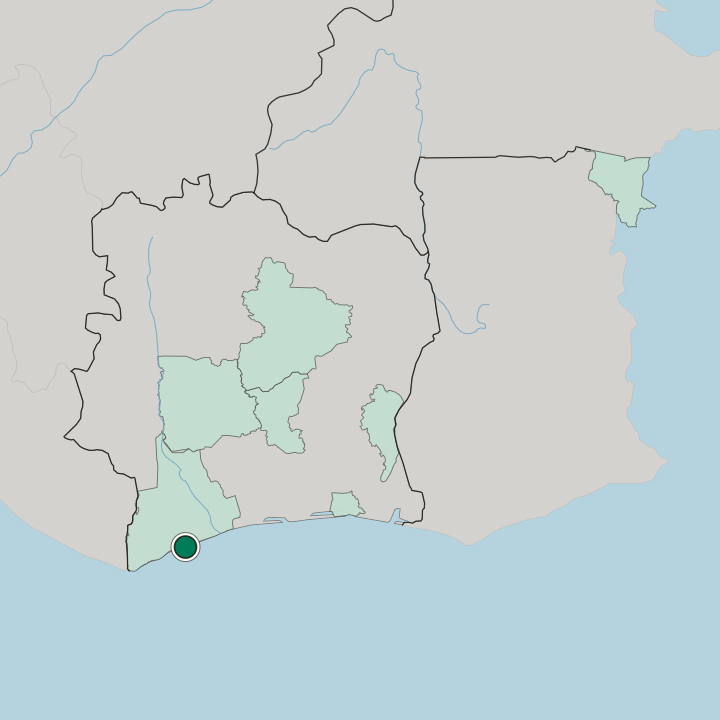
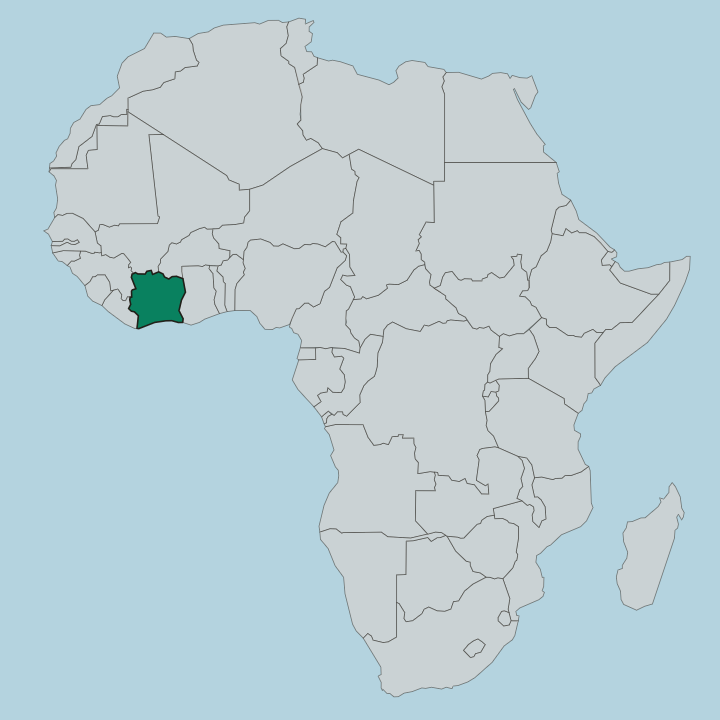
San-Pédro lies in the far southwest of Ivory Coast, on the Atlantic coast. The city sits on a low green coast by the ocean, where lagoons and rivers reach the sea, on the wet forest belt of the south, with the ocean and its beaches to the south and the deep rainforest rising inland to the north. Warm Atlantic water washes the sand below the town.
Green forest walls the coast.
What is the climate of San-Pédro?
San-Pédro has a hot, wet equatorial climate. Warm damp weather holds all year on the coast, with heavy rains for much of the year and warm sea air the year round. The rains soak the forest.
Surf breaks on the shore.
How do you get to San-Pédro?
San-Pédro lies on the southwest coast of Ivory Coast, far from the capital. The coast road runs to it from Abidjan along the shore, and ships call at its great port. Flights land from Abidjan.
Abidjan lies east up the coast.
Common questions
What is the best area to stay in San-Pédro?
The town centre: Visitors here for the cocoa port and the Taï forest. The beach: Stays wanting the Atlantic sand and surf.
Good for
Updated September 2026