Colombia · Providencia y Santa Catalina, Departamento de Archipiélago de San Andrés
Where to Stay in San Andrés, Providencia y Santa Catalina, Departamento de Archipiélago de San Andrés
San Andrés is capital of Colombia's department of San Andrés, Providencia and Santa Catalina, at the island's north end, known locally as North End.
Hotel links are affiliate links: booking through them may earn us a commission, at no extra cost to you. It never affects how places are ranked. How this works


Where to stay in San Andrés
How the choice of base plays out on the ground.
San Andrés is compact enough that the choice is about character, not distance. North End is the town proper, with the duty-free shops and the Avenida Francisco Newball running along the water. Coral Palace anchors the official quarter, since the department is run from here rather than by a mayor.
Fisherman's Place is where the boats land. The Path Way walking route ties the three together.
Find hotels in San Andrés
Direct booking searches for these neighbourhoods.
North End
The local name for San Andrés itself, at the island's northern tip, holding the duty-free district and the Avenida Francisco Newball seafront.Find hotels in North EndThe administrative centre and the Plaza MarinaAround Coral Palace
The seat of the department's government, where Coral Palace and the Plaza Marina beside it anchor the civic side of the town.Find hotels in Around Coral PalaceBuying the day's catch where the island's fishermen land itFisherman's Place
The meeting point of the island's fishermen, who sell their catch here, and the most direct way into the working half of the local economy.Find hotels in Fisherman's PlaceHotel links are affiliate links: booking through them may earn us a commission, at no extra cost to you. It never affects how places are ranked. How this works
About San Andrés
Reefs and duty-free shopping carry this town.
What is San Andrés known for?
San Andrés lives on tourism and commercial fishing, and the free-port status it once held still leaves a busy commercial district selling gold, Colombian emeralds, and leather. The sea is the other half. The island sits inside the Seaflower marine reserve, with coral reefs and protected water around it that are the reason most visitors come at all.
What are the main landmarks in San Andrés?
Coral Palace is the seat of the departmental government and the town's set piece, with the Plaza Marina laid out beside it. Fisherman's Place is where the island's fishermen sell what they land. The Casa de la Cultura holds the cultural programme, the Avenida Francisco Newball runs the seafront, and the Path Way threads a walking route between them.
Reefs are the real attraction, though.
What is the history of San Andrés?
Europeans reached these islands in the seventeenth century and then spent two hundred years passing them back and forth. England and Spain fought over San Andrés until the Peace of Paris and the Convention of London settled it, and England recognised Spanish sovereignty in 1786. Colombia occupied the islands in 1822 and brought them under the central government in 1866, and in 1868 they became the territory of San Andrés, Providencia and Santa Catalina, with this town made its capital in 1912.
The last change was constitutional. Reforms to the Constitution of Colombia created the present department in 1991, and San Andrés became its capital.
Where is San Andrés?
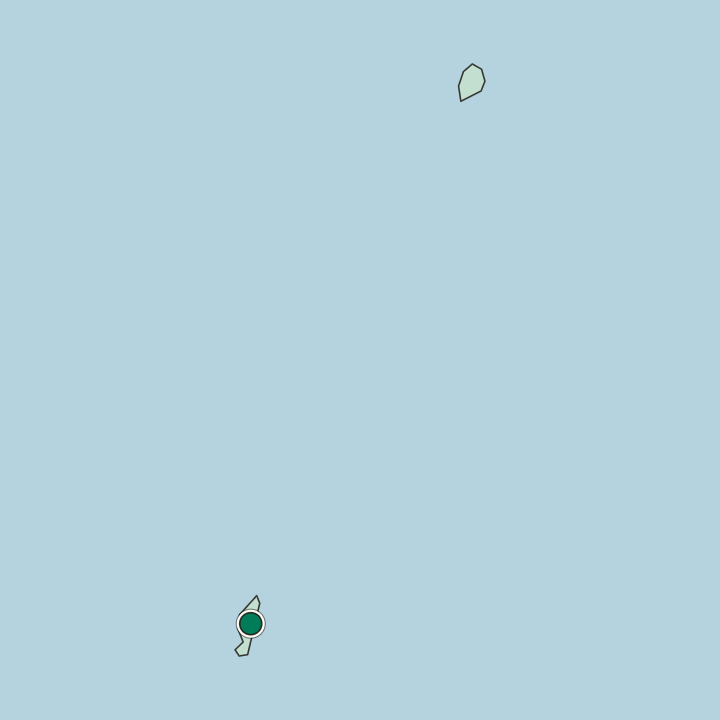
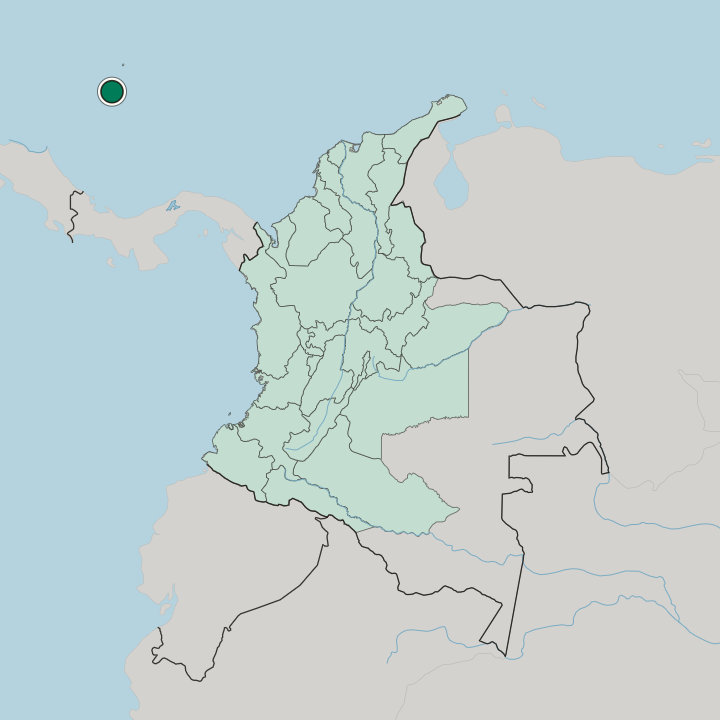
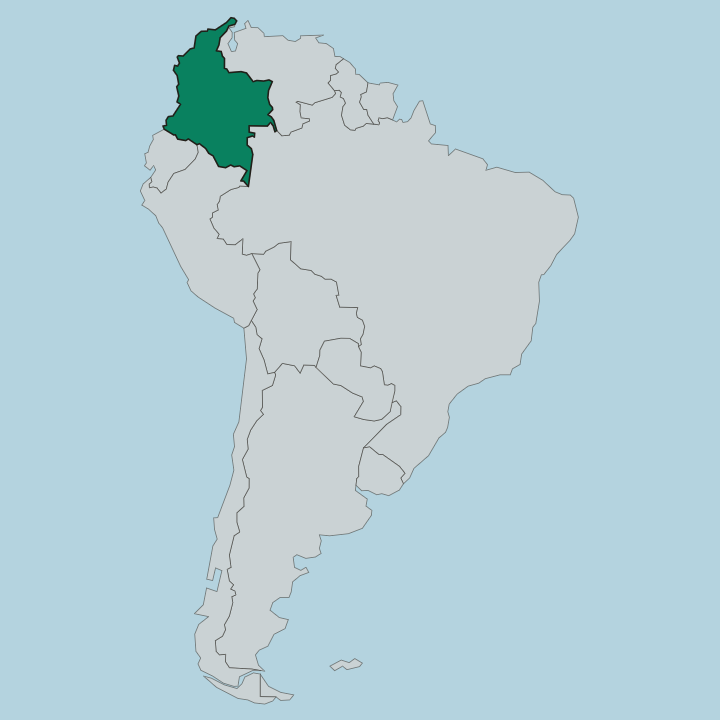
The town occupies the northern end of San Andrés Island in the Caribbean Sea, far out from mainland Colombia and much closer to the coast of Nicaragua. The island is low. Coastal lowlands give way to central plains with no real height anywhere, evergreen forest covers most of it, and the coral reefs of the Seaflower reserve ring the shore.
What is the climate of San Andrés?
San Andrés has a tropical monsoon climate that shades towards savanna, which in practice means heat, humidity, and heavy rain for most of the year. A short dry season breaks it. The rains return when the prevailing winds reverse, and that seasonal turn is the main thing separating one part of the year from another on an island this close to the equator.
How do you get to San Andrés?
Everything arrives by air or sea. San Andrés Island lies a long way off mainland Colombia, and far closer to Nicaragua than to the country that governs it, so flights carry both the tourists and the trade that the free-port district depends on. The town sits at the island's northern tip.
Once there, North End is walkable.
Common questions
What is the best area to stay in San Andrés?
North End: The commercial centre, the shops, and the seafront walk. Around Coral Palace: The administrative centre and the Plaza Marina. Fisherman's Place: Buying the day's catch where the island's fishermen land it.
Good for
Updated September 2026