Costa Rica · Provincia de Limón
Where to Stay in Limón, Provincia de Limón
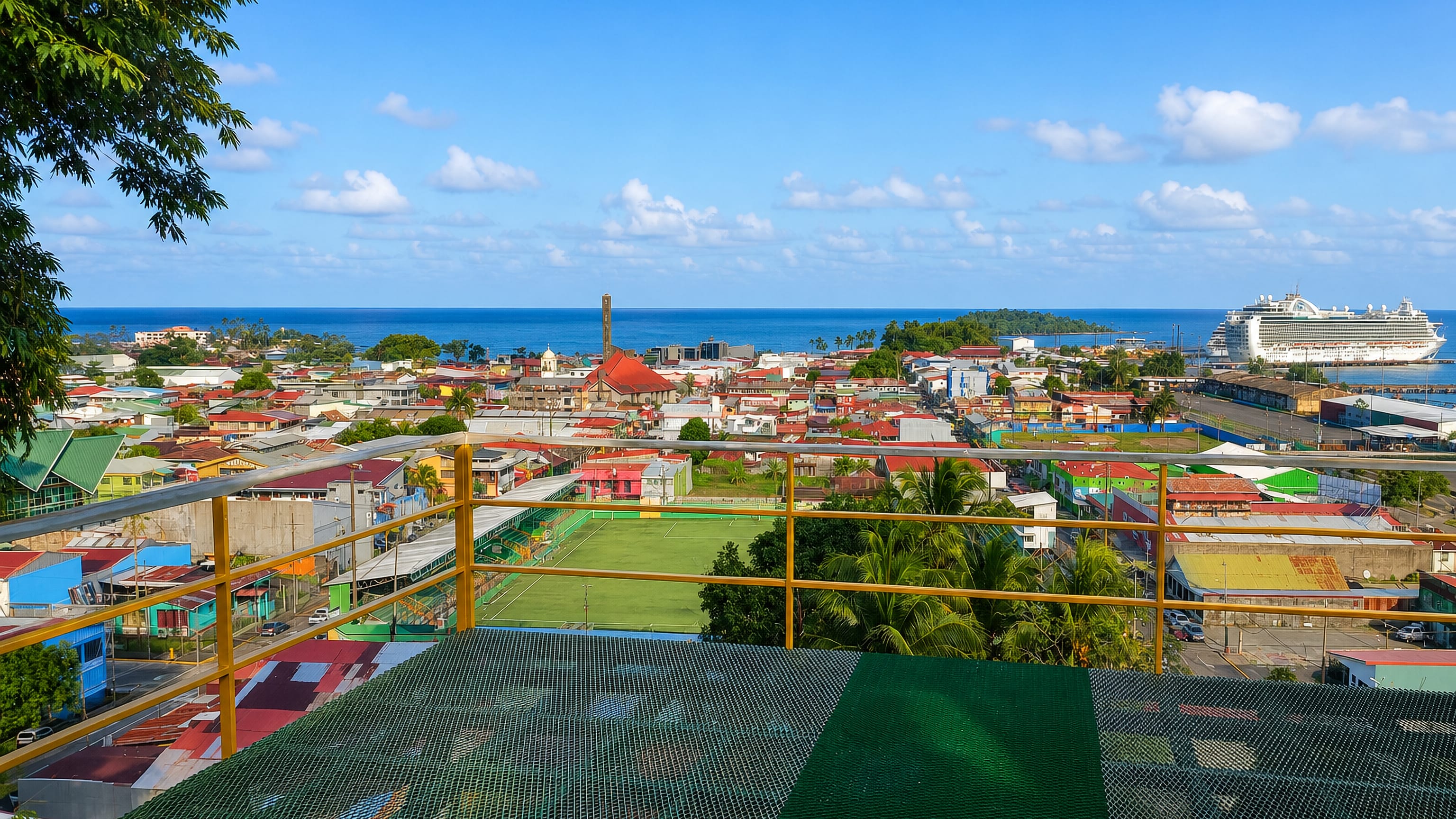
Puerto Limón is the capital of Limón province and canton in Costa Rica, a cruise port and the boat route to Tortuguero by way of Moín.
Hotel links are affiliate links: booking through them may earn us a commission, at no extra cost to you. It never affects how places are ranked. How this works


Where to stay in Limón
The practical side of choosing where to sleep.
Beds in Limón gather near the cruise berth. Rooms in the middle of Puerto Limón put the quay, the province offices, and the short grid of streets behind the waterfront within walking reach, which matters in a city whose visitors mostly arrive by hull rather than by road. The port sets the hours.
A room here trades quiet for the plain convenience of standing minutes from the water, which suits you if the ship, the quay, and the town centre are the whole of the visit. Costa Rica keeps no larger city beyond the Greater Metropolitan Area, so the range of beds is wider than the map suggests. Moín is the other pole.
The cargo and boat port lies a quarter-hour out by bus, and rooms taken near it are chosen for one reason: the Tortuguero boats leave from its docks and the departure sets the morning. Staying out there suits you if the waterways come first and the city second. The canton of Limón is compact enough that neither choice strands anyone, and the same buses that shuttle between the two ends carry travellers on through the province during the day.
Find hotels in Limón
Direct booking searches for these neighbourhoods.
Puerto Limón centre
The grid behind the cruise berth, minutes from the waterFind hotels in Puerto Limón centreEarly departures on the Tortuguero boatsMoín
Beside the docks at Moín where the canal boats load. Few places to stay nearby — book ahead.Find hotels in MoínHotel links are affiliate links: booking through them may earn us a commission, at no extra cost to you. It never affects how places are ranked. How this works
About Limón
Cruise ships know Limón.
What is Limón known for?
Vessels running Panama Canal itineraries call at the quay, and the city stands as the largest in Costa Rica outside the Greater Metropolitan Area, one of the seven middle cities the country counts. The canton borrows its name. Travellers bound for Tortuguero pass through as well, taking a boat at Moín, a quarter-hour by bus from the streets of Puerto Limón.
What are the main landmarks in Limón?
The quay carries the city outward. Cruise ships on Panama Canal itineraries berth at Puerto Limón, and their arrival is the event that orders a waterfront day, pulling traffic and trade toward the water for as long as the hulls stay tied. Moín stands a bus ride out.
From its docks the boats leave for Tortuguero, so the run inland through the waterways counts for more here than any single building.
What is the history of Limón?
The year 1854 fixes the start. Limón begins as a port on an open coast, and the harbour, rather than any inland crossroads, explains why a settlement took hold and why it grew into the seat of a province and a canton that carry its name. Cargo came before everything else.
The quay set the pattern early: goods moved through, boats worked out toward Tortuguero, and the streets behind the water filled in around that traffic. Costa Rica later counted Limón among its seven middle cities, the tier below the capital region, and the port stayed the reason, since nothing else beyond the Greater Metropolitan Area gathered so much life around a working waterfront. Moín took the heavier work.
Cargo and the Tortuguero boats shifted to that port, a quarter-hour from Puerto Limón by bus, while the older quay turned toward passengers and the cruise ships on Panama Canal itineraries. The canton kept the city as its seat and the province did the same, so the offices that come with both anchored a place otherwise read as a harbour. Both ports still answer to one city.
Where is Limón?
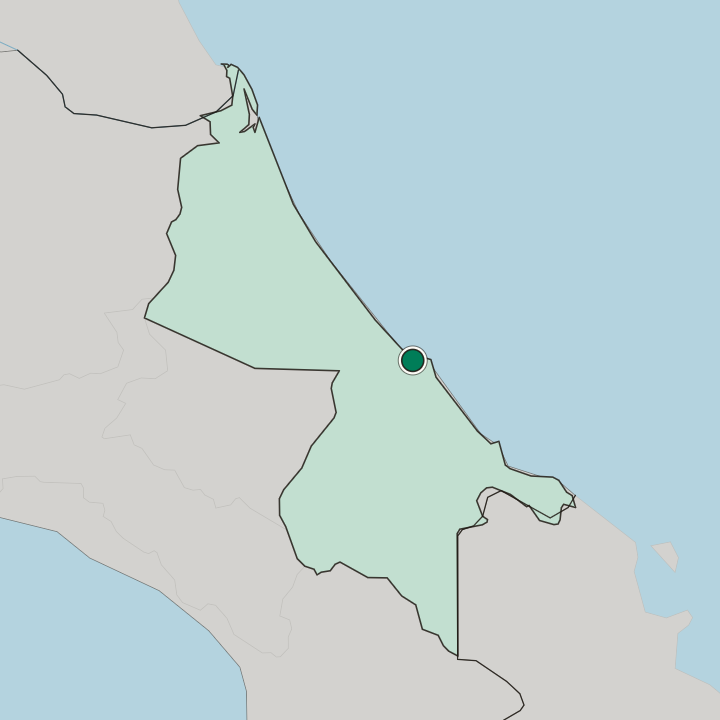
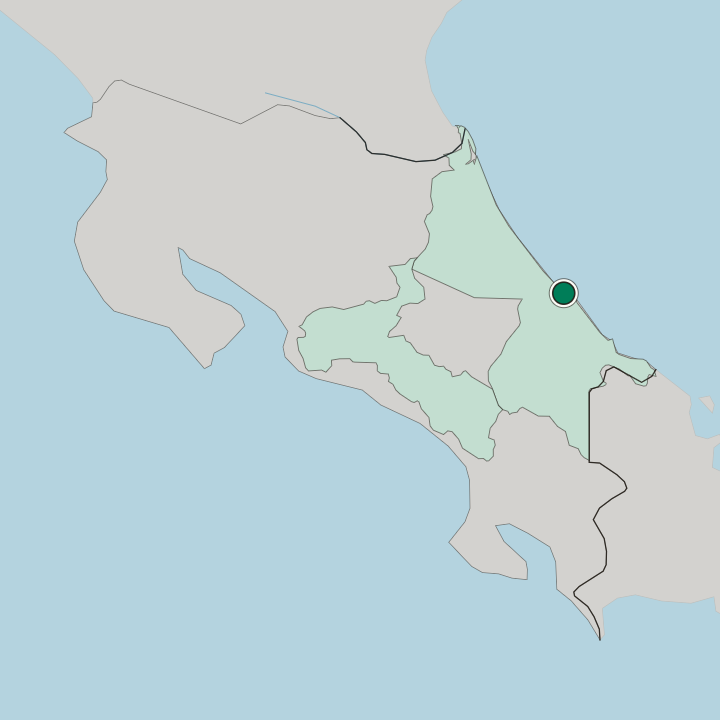
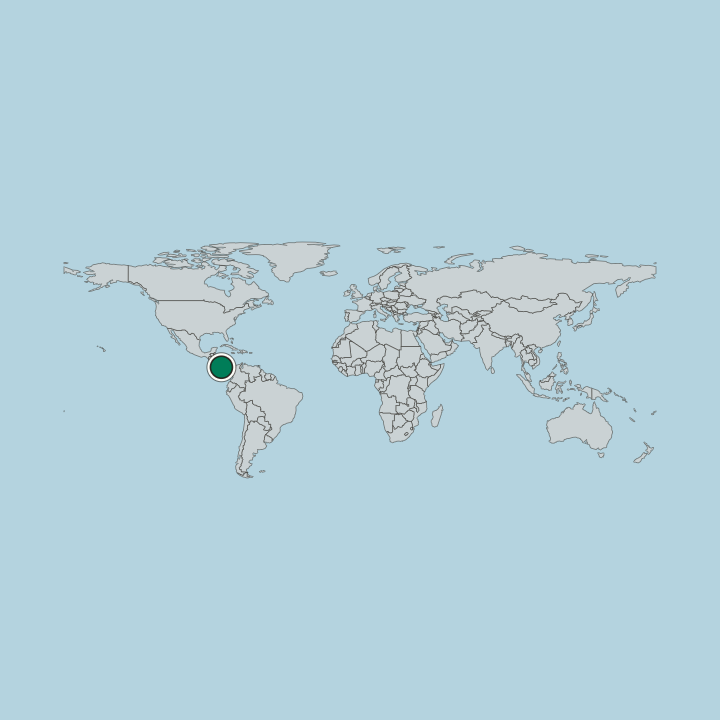
Limón fronts open water. The city takes in roughly 59 square kilometres between the harbour and the ground running inland, with Moín along the same shore, near enough that a bus covers the gap in about a quarter of an hour. Tortuguero lies past the reach of any road, and boats through the waterways are the only way in from this side of the province.
Water first, then ground.
What is the climate of Limón?
Warm sea sets the terms. Limón lies in the tropics, and the water off Moín and the quay holds the air heavy through the year, so the greens stay deep and the rain arrives often enough that shelter counts for more than a plan. Showers come hard and pass.
Seasons shift little in the heat of the Costa Rican coast.
How do you get to Limón?
Most arrivals come by water. Cruise ships on Panama Canal itineraries tie up at Puerto Limón, and buses run the quarter-hour link out to Moín, where the boats for Tortuguero load at the docks and passengers trade wheels for water. The same buses return through the day.
Roads bring the rest, carrying traffic in from Costa Rica beyond the province.
Common questions
What is the best area to stay in Limón?
Puerto Limón centre: Cruise arrivals walking in from the Limón quay. Moín: Early departures on the Tortuguero boats.
Updated September 2026