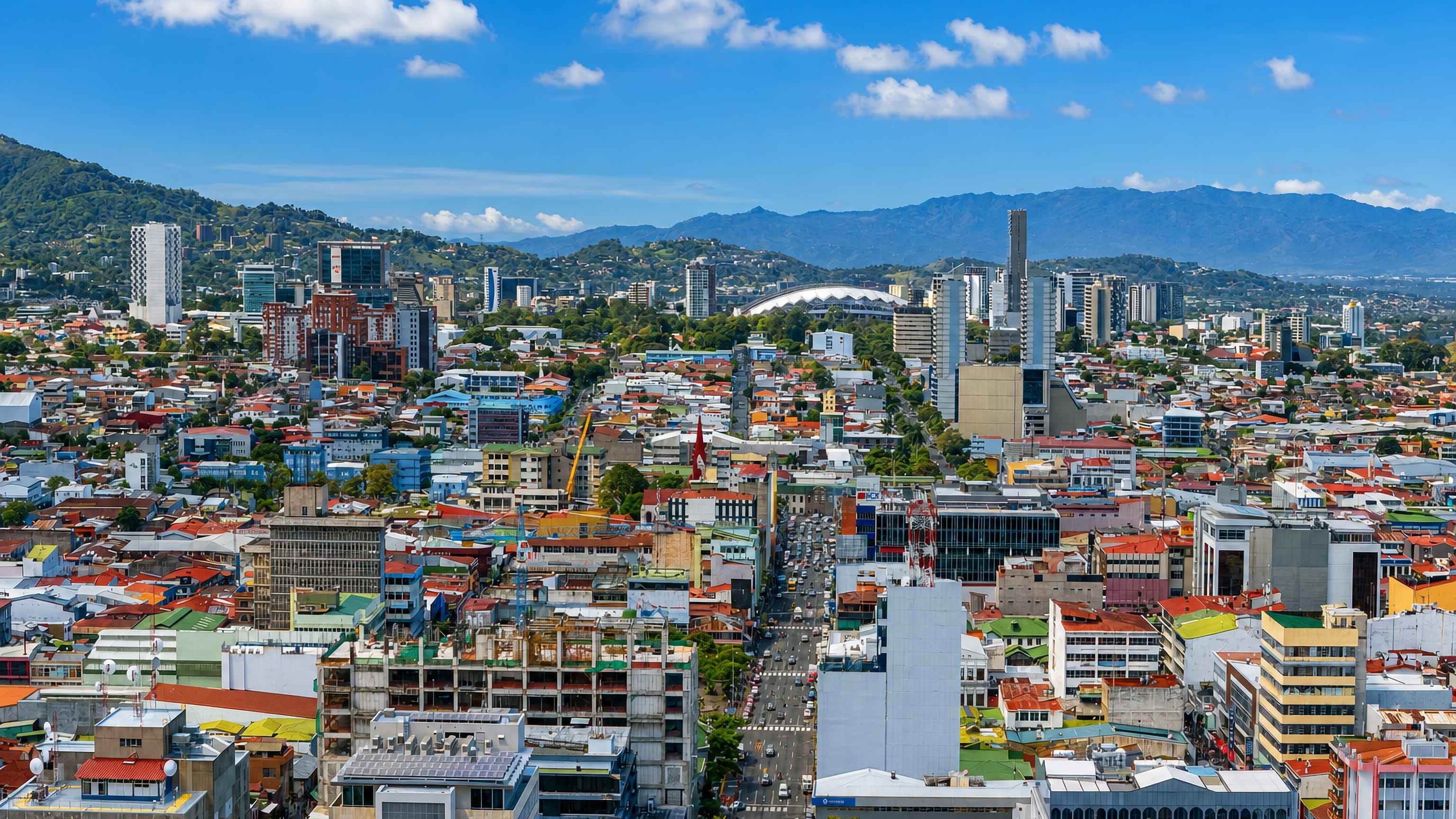
Costa Rica: Regions, Cities & Travel Guide
Costa Rica is a Central American country between two oceans, its capital San José set in the Central Valley.
Hotel links are affiliate links: booking through them may earn us a commission, at no extra cost to you. It never affects how places are ranked. How this works


Top destinations in Costa Rica
Cities to start from, then drill into areas and hotels.
 Costa Rica
San José
San José fills the Central Valley floor as the capital of Costa Rica and of Provincia de San José, known for its Gold Museum and Metropolitan Cathedral.Where to stay →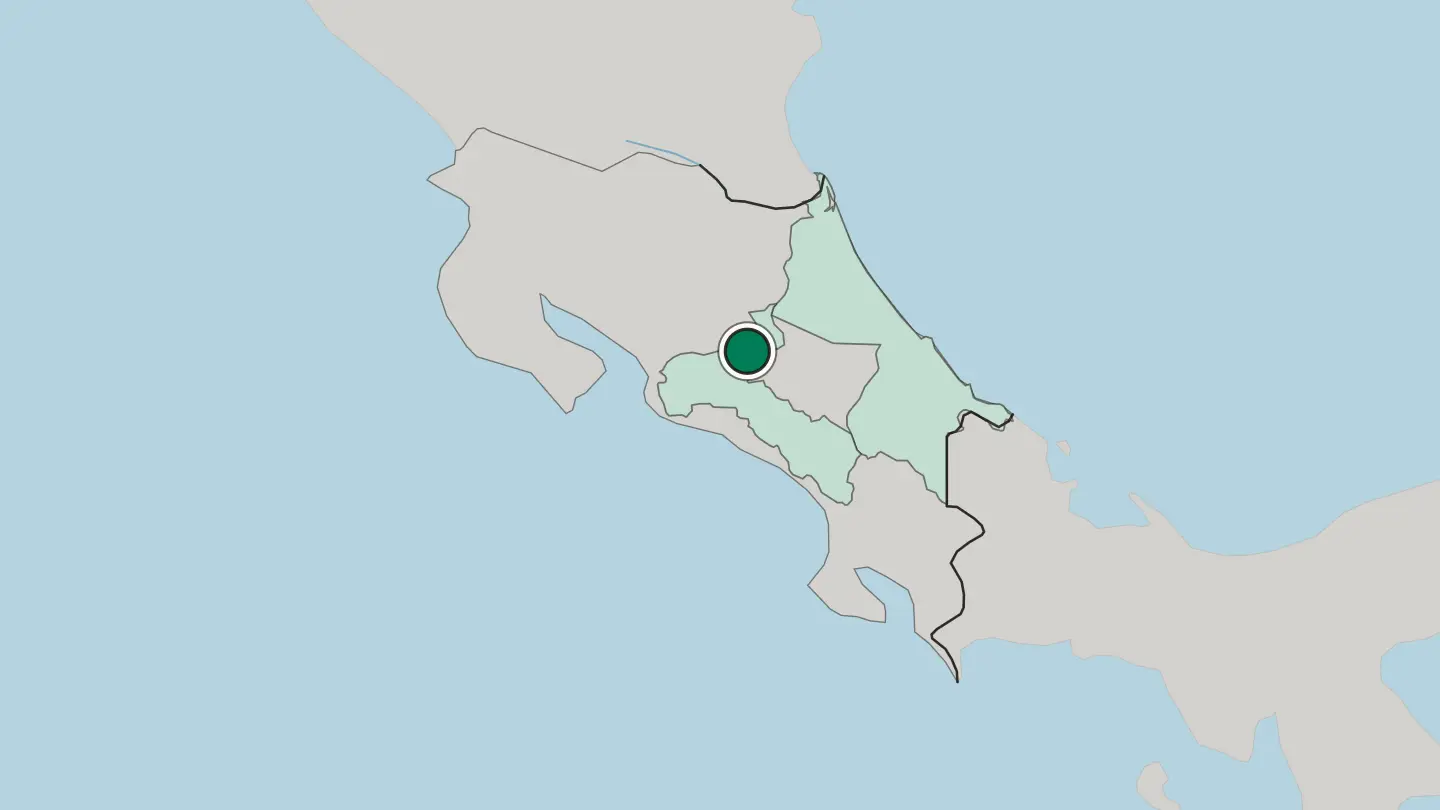
 Costa Rica
Limón
Puerto Limón is the capital of Limón province and canton in Costa Rica, a cruise port and the boat route to Tortuguero by way of Moín.Where to stay →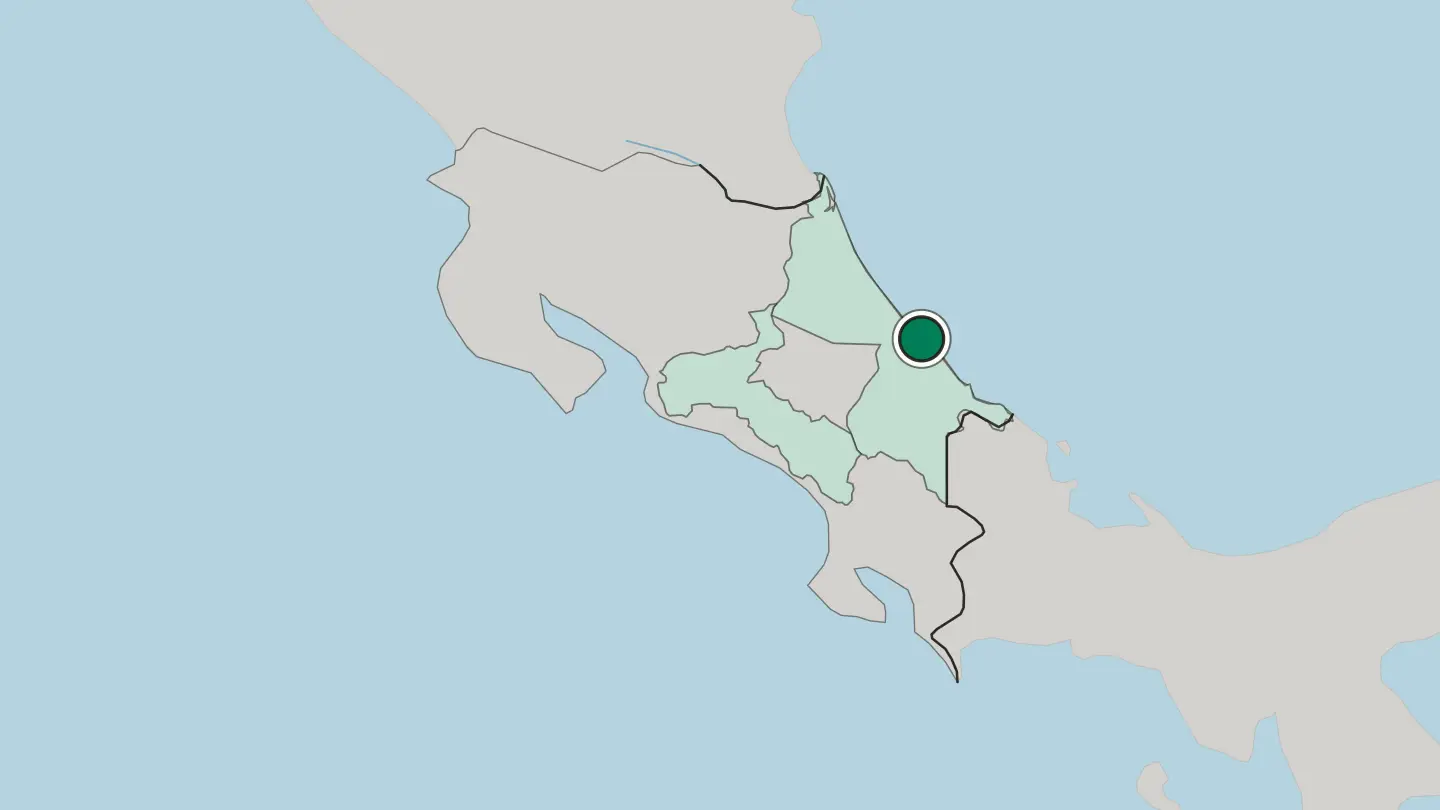
Hotel links are affiliate links: booking through them may earn us a commission, at no extra cost to you. It never affects how places are ranked. How this works
Regions of Costa Rica
Costa Rica
Provincia de Limón
Provincia de Limón is the easternmost province of Costa Rica, a stretch of Caribbean lowlands where the country's Caribbean culture is centred.Towns & cities →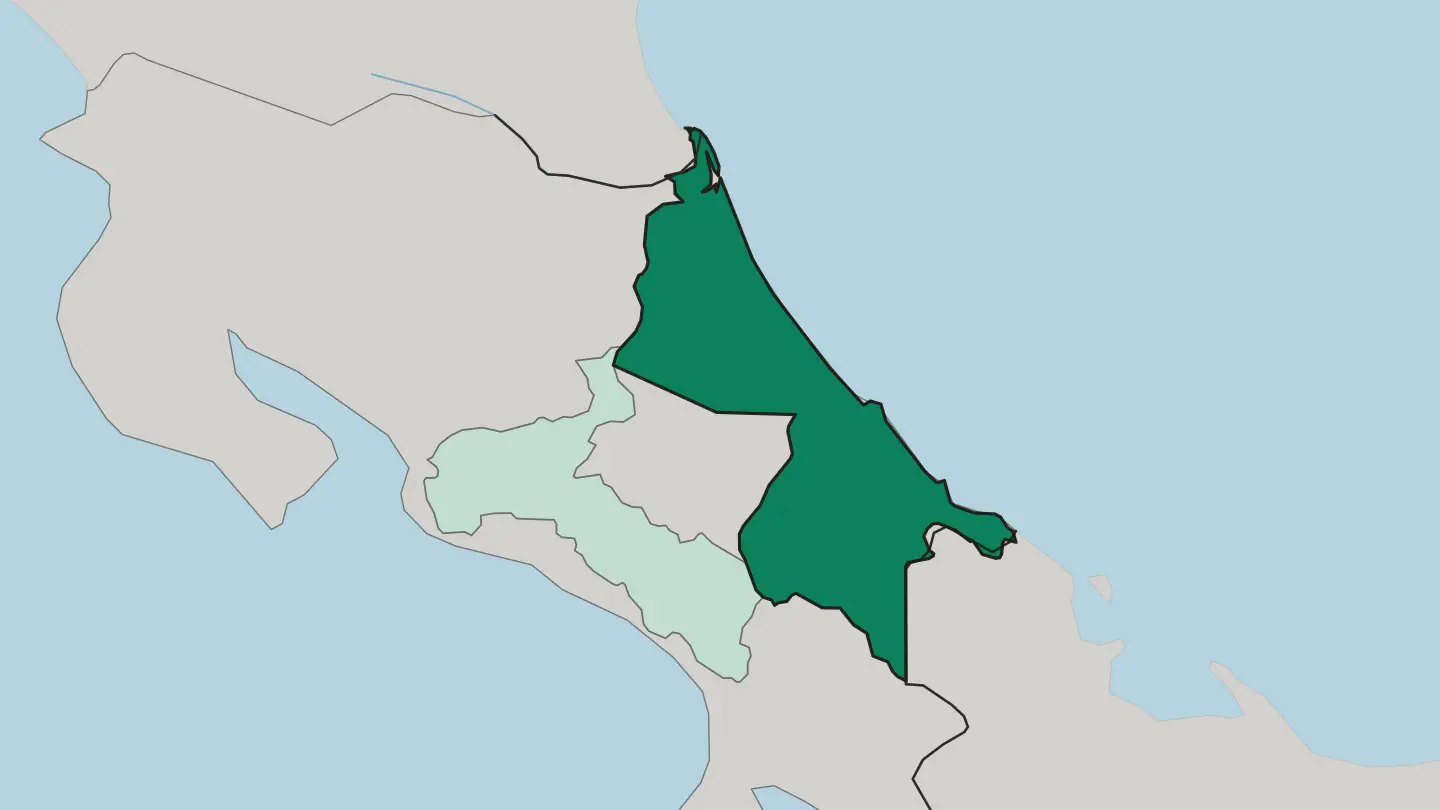 Costa Rica
Provincia de San José
San José Province holds the heart of Costa Rica, a central highland region ringed by Cartago, Alajuela and Heredia and centred on the capital, San José.Towns & cities →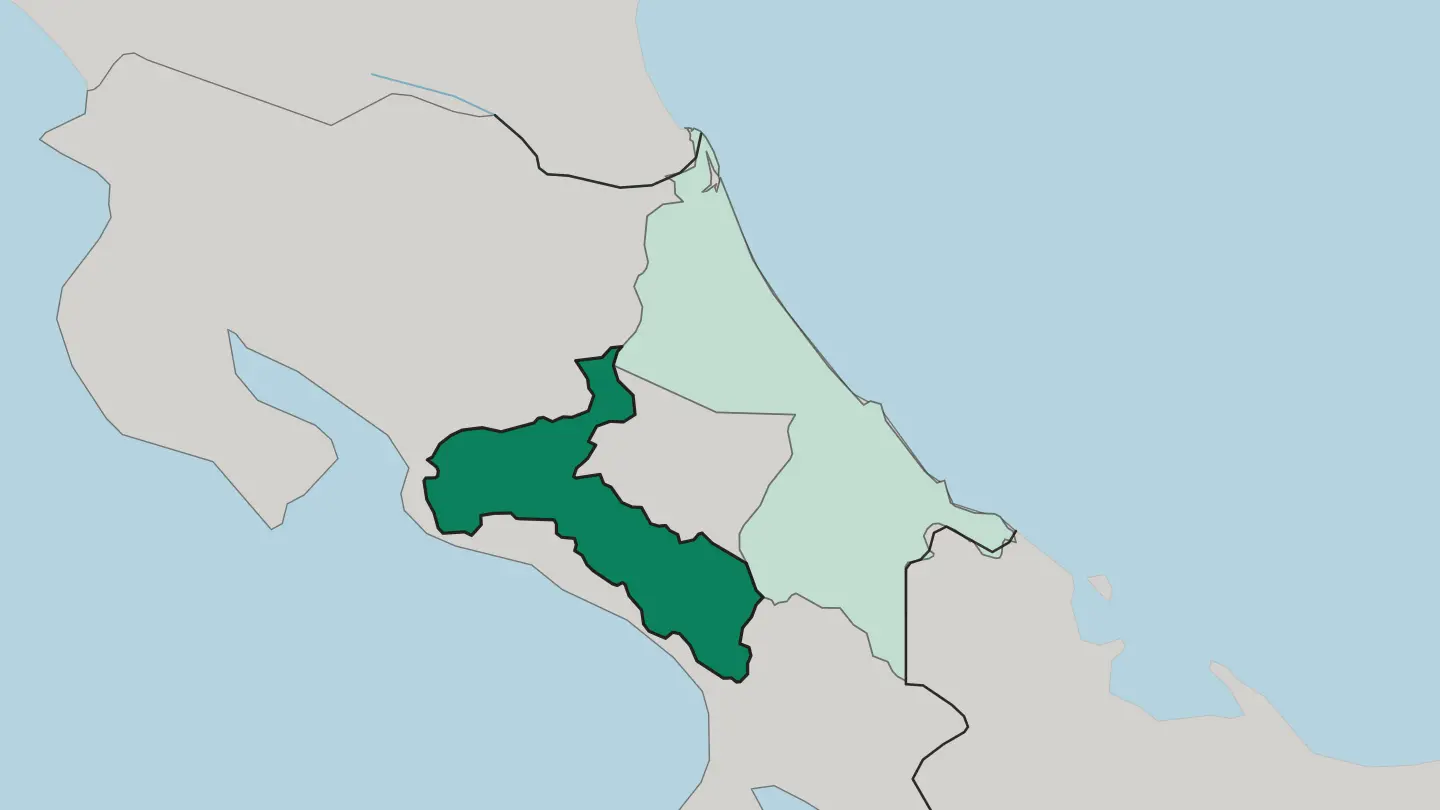
About Costa Rica
Few countries pack so much into so little ground.
What is Costa Rica known for?
Costa Rica trades on volcanoes, cloud forest, and two very different coastlines. The Arenal Volcano rises above hot springs in the north, while the Monteverde Cloud Forest Reserve draws hikers into perpetual mist. Down south the Osa Peninsula shelters some of the wildest rainforest in the tropics, and the Pacific beaches of Guanacaste pull sun-seekers the other way.
Wildlife is the real headline. Sloths, quetzals, and sea turtles make the country a byword for nature travel.
Where is Costa Rica?
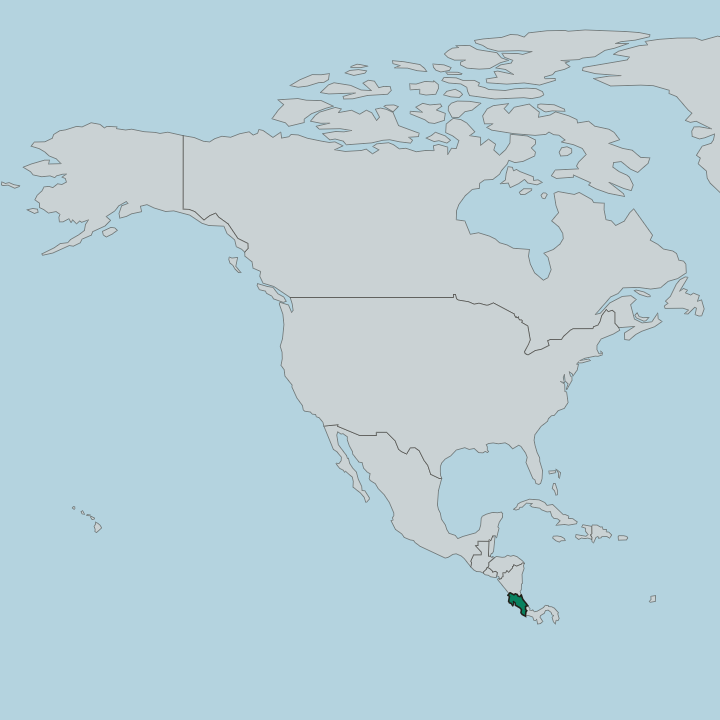
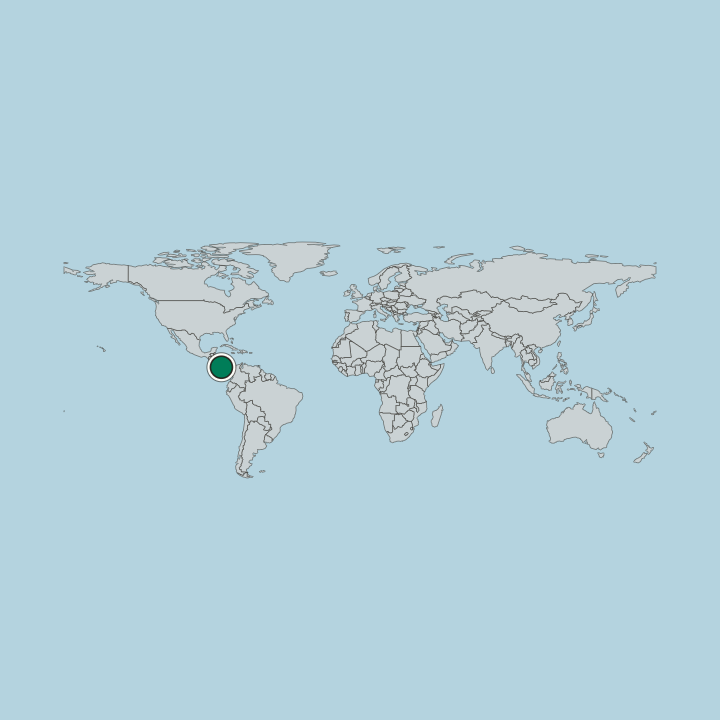
Costa Rica occupies a narrow bridge of land in Central America, borders Nicaragua in the north and Panama in the south-east, and faces the Caribbean Sea on one flank and the Pacific Ocean on the other. A spine of mountains runs the length of the country from the volcanic ranges of the north to the granite bulk of the Cordillera de Talamanca in the south. That divide orders everything.
Rivers run short and steep off the ridges to reach either coast, and the two shorelines could hardly differ more. The Talamanca range holds the country's roof. Cerro Chirripó crowns it, the highest point in the country, its bare summit cold enough for frost above the forest.
North of there the land is younger and still restless, studded with cones like the Arenal Volcano. Between the ranges sits the Central Valley, a temperate upland basin where coffee grows and where most Costa Ricans live. West of the Pacific shore the Nicoya Peninsula and the Osa Peninsula reach into the sea.
From misty ridgeline to mangrove coast, the terrain shifts within a single afternoon's drive.
What is the history of Costa Rica?
Costa Rica sat on the poor edge of Spain's American empire, far from the silver and dense populations that drew the crown's attention elsewhere. Colonists in the Central Valley worked their own land for want of labour, and that small-farmer pattern shaped a society with fewer of the sharp divides seen across the region. Independence came in 1821, when the whole of Central America broke from Spain.
Word reached the isolated province weeks late. For a time Costa Rica joined a short-lived federation of Central American states before going its own way. Coffee changed the fortune of the place.
Planted through the Central Valley in the nineteenth century, it built the roads, the wealth, and the first ties to distant markets. The defining turn came in 1948. A disputed election broke into a brief civil war, and its victor, José Figueres Ferrer, pushed through a new constitution the next year that abolished the army outright.
That decision still sets the country apart. Costa Rica has run as a stable democracy without a standing military ever since, an unusual course in a region long troubled by coups.
What is Costa Rica like?
Costa Ricans call themselves Ticos, and they call their outlook pura vida. The phrase means pure life, and it runs through daily speech as greeting, thanks, and a whole attitude toward slowing down. That ease traces partly to the old smallholder valleys, where independence and neighbourliness went together, and partly to the long peace the country has kept.
The result is a culture that prizes the ordinary good day. A cafecito shared slowly over unhurried talk with neighbours or family matters far more here than any rush to be somewhere else. Food keeps to the same unfussy line.
Gallo pinto, a skillet of rice and black beans, starts most mornings, and the midday casado gathers rice, beans, plantain, salad, and a piece of meat on one plate. Coffee sits at the centre of it all, grown on the volcanic slopes of the Central Valley and poured through the day. Older folk traditions survive strongest in Guanacaste, where the marimba and cattle-country dances carry the sound of the dry Pacific plains.
Music, food, and easy talk hold the thread. Costa Rica wears its identity lightly.
What is the climate of Costa Rica?
Costa Rica is tropical, but altitude and the mountain divide split it into distinct climates. The year turns on two seasons rather than four: a drier stretch from December to April, and a green season of afternoon rains from May to November. The Pacific side keeps that pattern sharply, while the Caribbean flank stays wet and warm through most of the year with no clean dry spell.
Up in the Central Valley the air runs mild and spring-like, cooler than either coast. Heat belongs to the lowlands.
How do you get to Costa Rica?
Most travellers arrive through San José, whose international airport in the Central Valley sits central to the whole country and lets you head in any direction. A second gateway near Liberia serves the beaches of Guanacaste in the dry north-west, handy for anyone skipping the capital. Roads climb and wind once you leave the valley, so distances that look short can eat an afternoon.
Many hop domestic flights to reach the far Osa Peninsula. Judge the trip by hours.
Good for
Updated September 2026