Cuba · Provincia de Pinar del Río
Where to Stay in Pinar del Río, Provincia de Pinar del Río
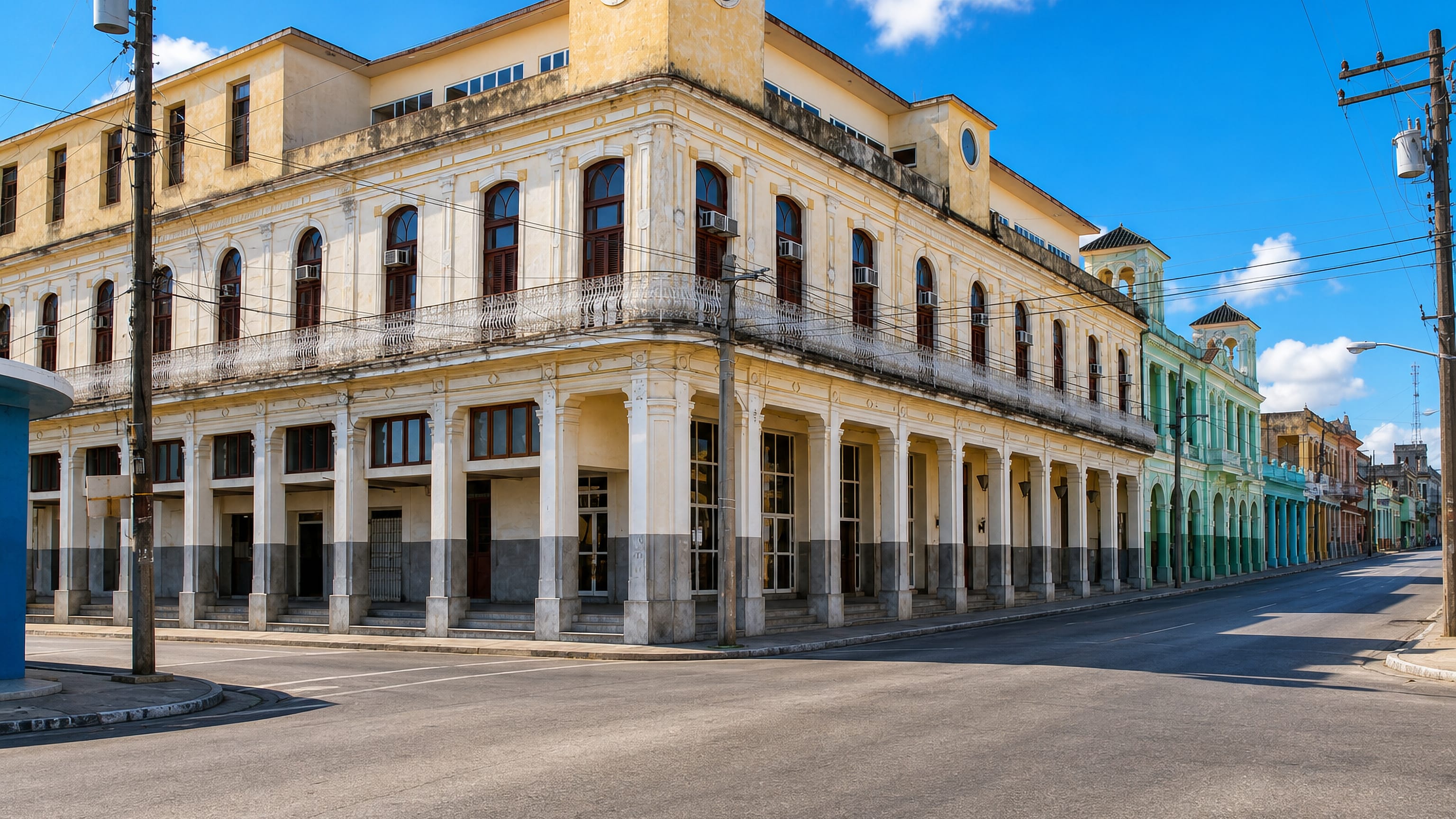
Pinar del Río, capital of the Cuban province of the same name, dates from 1669 and centres on the Catedral de San Rosendo.
Find your area →


Where to stay in Pinar del Río
The practical side of choosing where to sleep.
The Catedral de San Rosendo marks the middle of things. Beds in the surrounding streets keep the cathedral and the Museo de Arte Pinar del Río inside a short walk, along with the offices and market trade a provincial capital runs on, which makes the centre the sensible first choice for anyone without a car. The grid is small.
A room here suits you if the art museum, the church, and the walk between them are what the stay is for. The cathedral doubles as the reference point for directions. Away from the middle, the municipality opens out across roughly 691 square kilometres, and rooms in that outer ring trade walking distance for quiet, garden space, and easy parking.
Fields begin quickly. Pinar del Río is a working provincial capital rather than a resort, so plenty of stays here are single nights on a longer route, and a bed near the roads out can matter more than a bed near the cathedral. Distances inside the built city stay short either way, and nothing else in the province gathers as many rooms as these streets.
About Pinar del Río
The cathedral names the centre.
What is Pinar del Río known for?
Catedral de San Rosendo gives Pinar del Río its principal church, and the Museo de Arte Pinar del Río puts the city's art collection a short distance off, the two of them accounting for most of what brings a visitor into these streets. The province carries the same name. Its capital serves a municipality of roughly 691 square kilometres, the greater part of it well beyond the built-up grid.
What are the main landmarks in Pinar del Río?
Two buildings carry the list. Catedral de San Rosendo is the older claim, seat of the church in Pinar del Río and the building most likely to fix a visitor's sense of where the centre lies. The Museo de Arte Pinar del Río answers it.
Its rooms hold the city's art collection, and between church and museum a walk of a few streets covers what the municipality has chosen to keep on show.
What is the history of Pinar del Río?
The record starts in 1669. Pinar del Río is a foundation of the seventeenth century, and the long stretch between that date and the buildings that define its centre is the ordinary shape of a provincial town's growth, administrative and slow rather than sudden. Nothing here rose overnight.
The city gave its name to the province around it, or drew it from the same source, and the two have been bound as capital and territory since. The church came with the settlement. Catedral de San Rosendo holds the longest continuous claim on the centre, the point around which the civic buildings of a capital accumulated.
Art followed much later. The Museo de Arte Pinar del Río gathers what the city produced and acquired, and a museum of that kind belongs to a stage of civic life well after any founding, once a capital has the standing to collect and display. Provincial administration has been the constant.
Whatever else shifted, the city carries the role of capital for the territory that shares its name, and that role explains the scale of its centre better than any single event in Cuba's past.
Where is Pinar del Río?
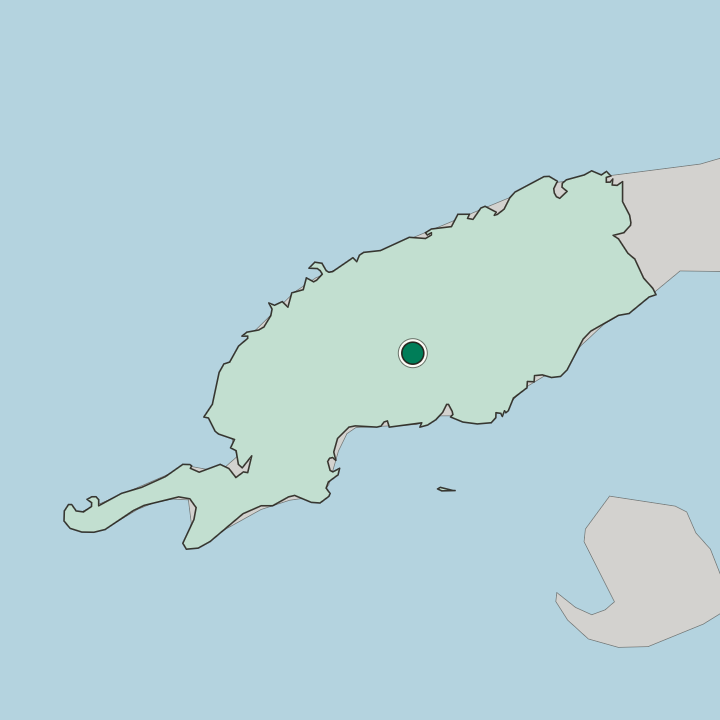
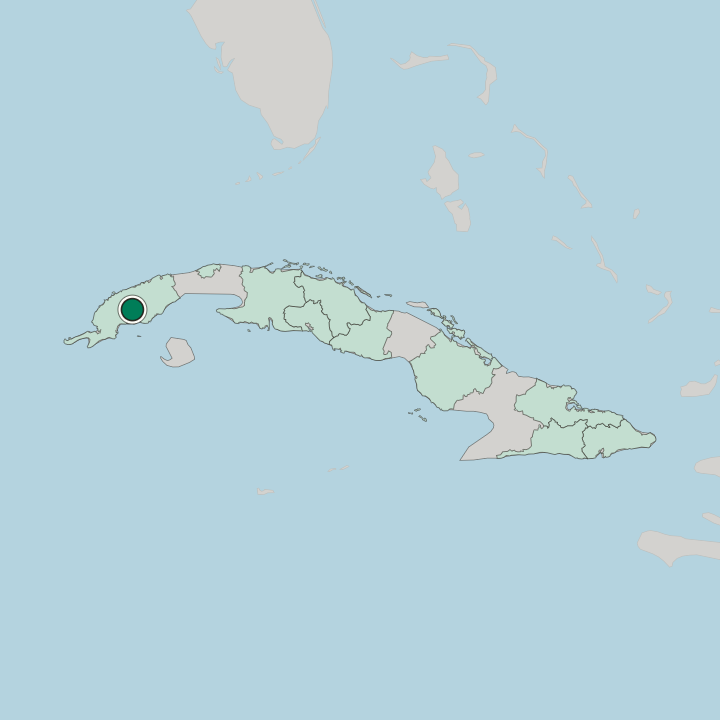
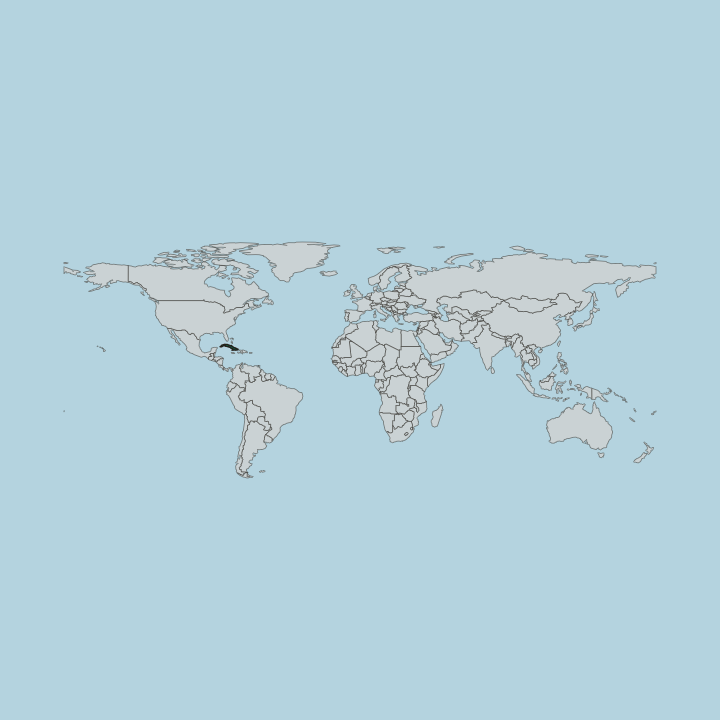
The municipality runs to roughly 691 square kilometres. Pinar del Río is the capital of the province that shares its name, and the built city takes up only a small share of that ground, with farmland and open country holding the rest out toward the provincial boundary. The tropics set the season.
Green country begins at the edge of the streets.
What is the climate of Pinar del Río?
Watch the rain, not the thermometer. Pinar del Río lies in the tropics, where the year divides into wetter and drier stretches rather than into cold and warm ones, and what a visitor notices is how heavy the afternoons feel. The heat holds steady.
Shade in the streets around the Catedral de San Rosendo is worth more than a hat.
How do you get to Pinar del Río?
Only highways serve Pinar del Río. Pinar del Río is where the province's traffic converges, and arriving means a drive or a bus into a compact centre where the Catedral de San Rosendo and the Museo de Arte Pinar del Río sit within a few streets of one another. The roads of Cuba do the rest.
Once in the middle, walking beats every other way of getting about.
Good for
Updated September 2026