Cuba: Regions, Cities & Travel Guide
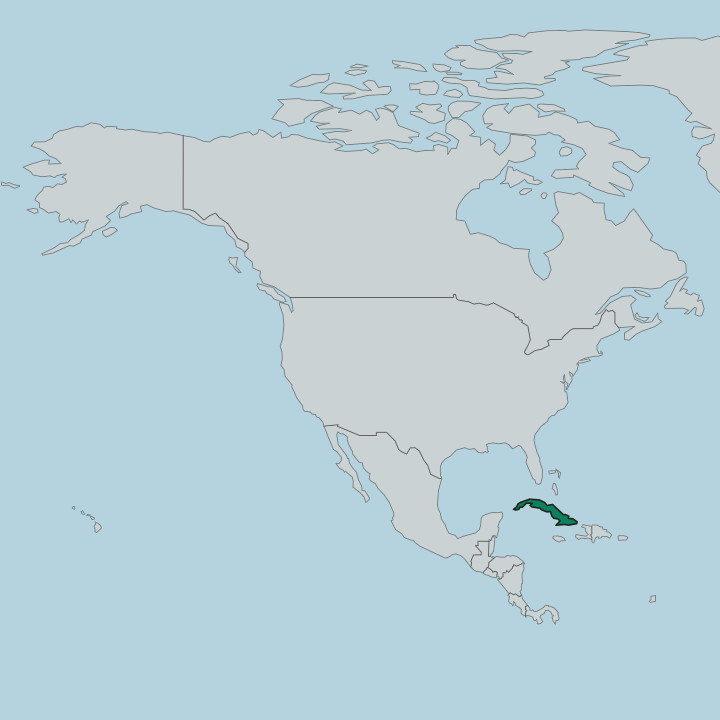
Cuba is the largest Caribbean island, running from the tobacco valleys of the west to the Sierra Maestra in the east, with Havana as its capital.
Top destinations →

Top destinations in Cuba
Cities to start from, then drill into areas and hotels.
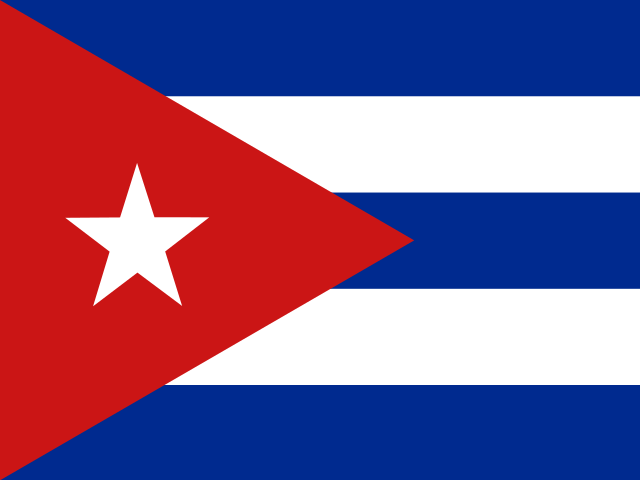 Cuba
Cuba
Havana
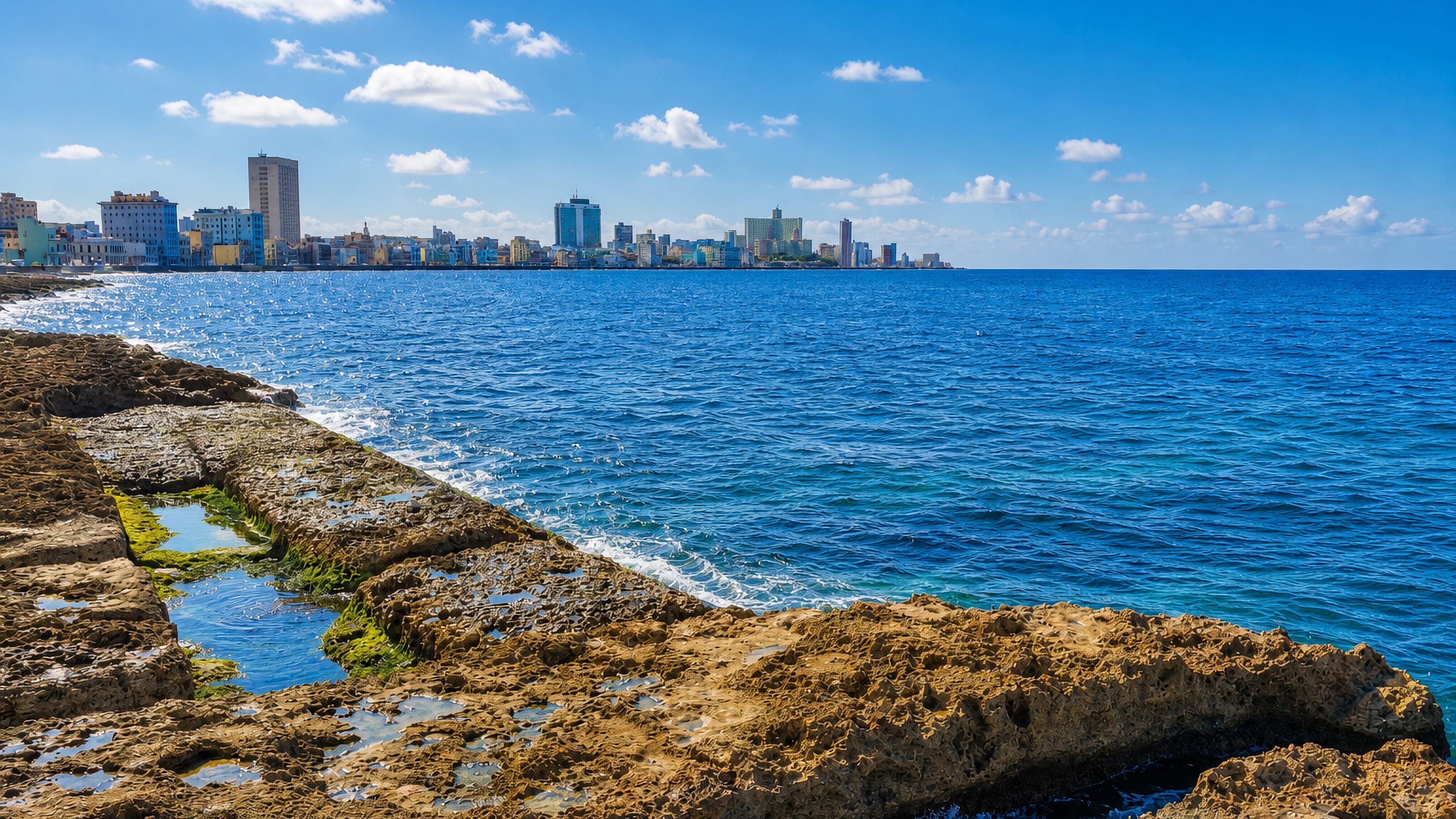
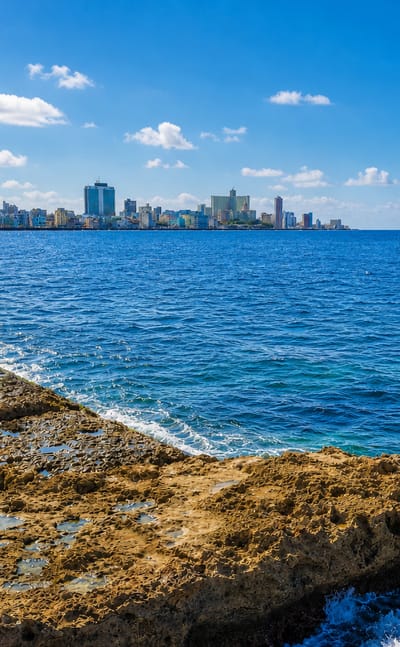
Sea walls and weathered colonnades edge Havana's harbour, the capital of Cuba and its main port, known for Havana Cathedral and the old walled quarter.Where to stay →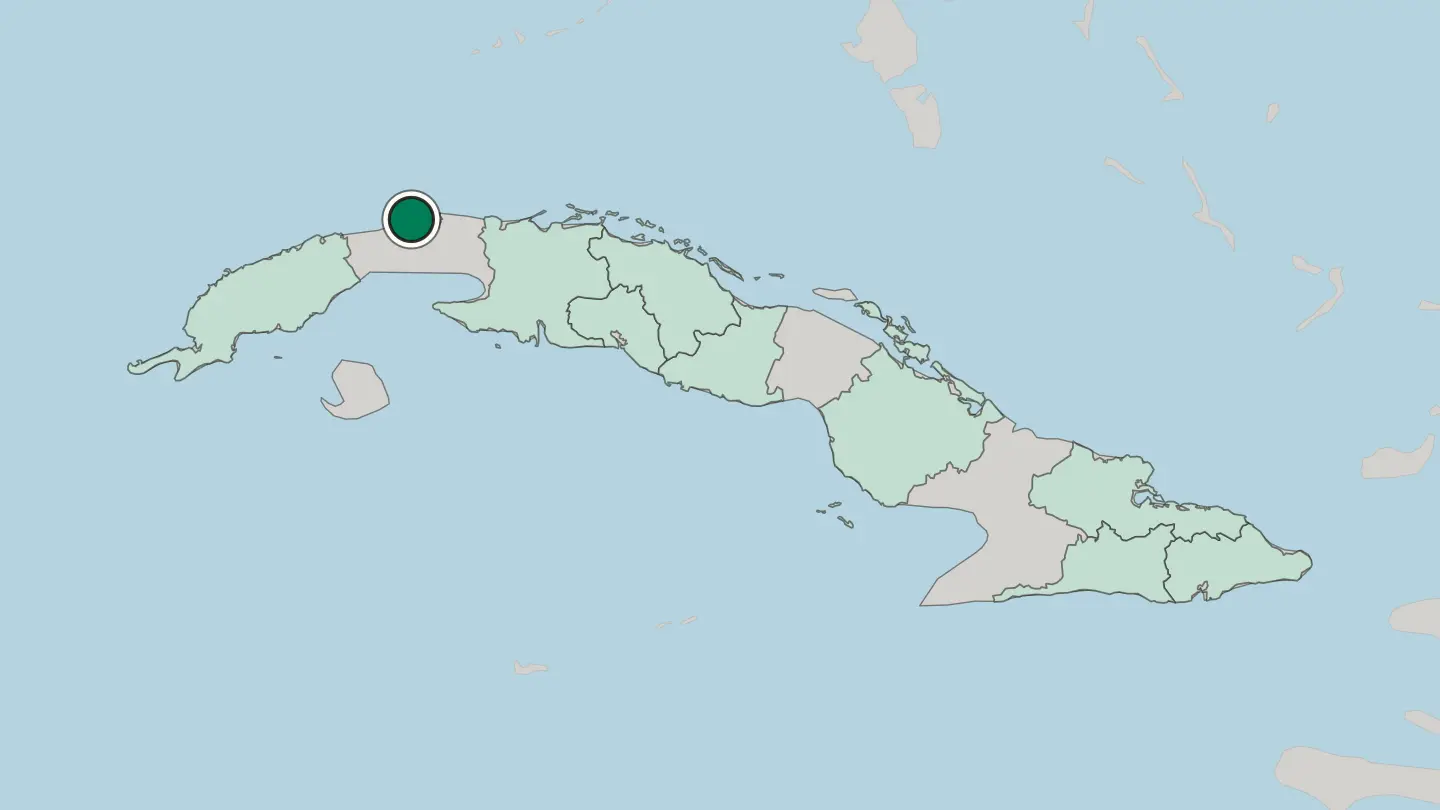
 Cuba
Cuba
Santiago de Cuba
Santiago de Cuba, second-largest city on the island and capital of Santiago de Cuba Province, was founded in 1514, a long way southeast of Havana.Where to stay →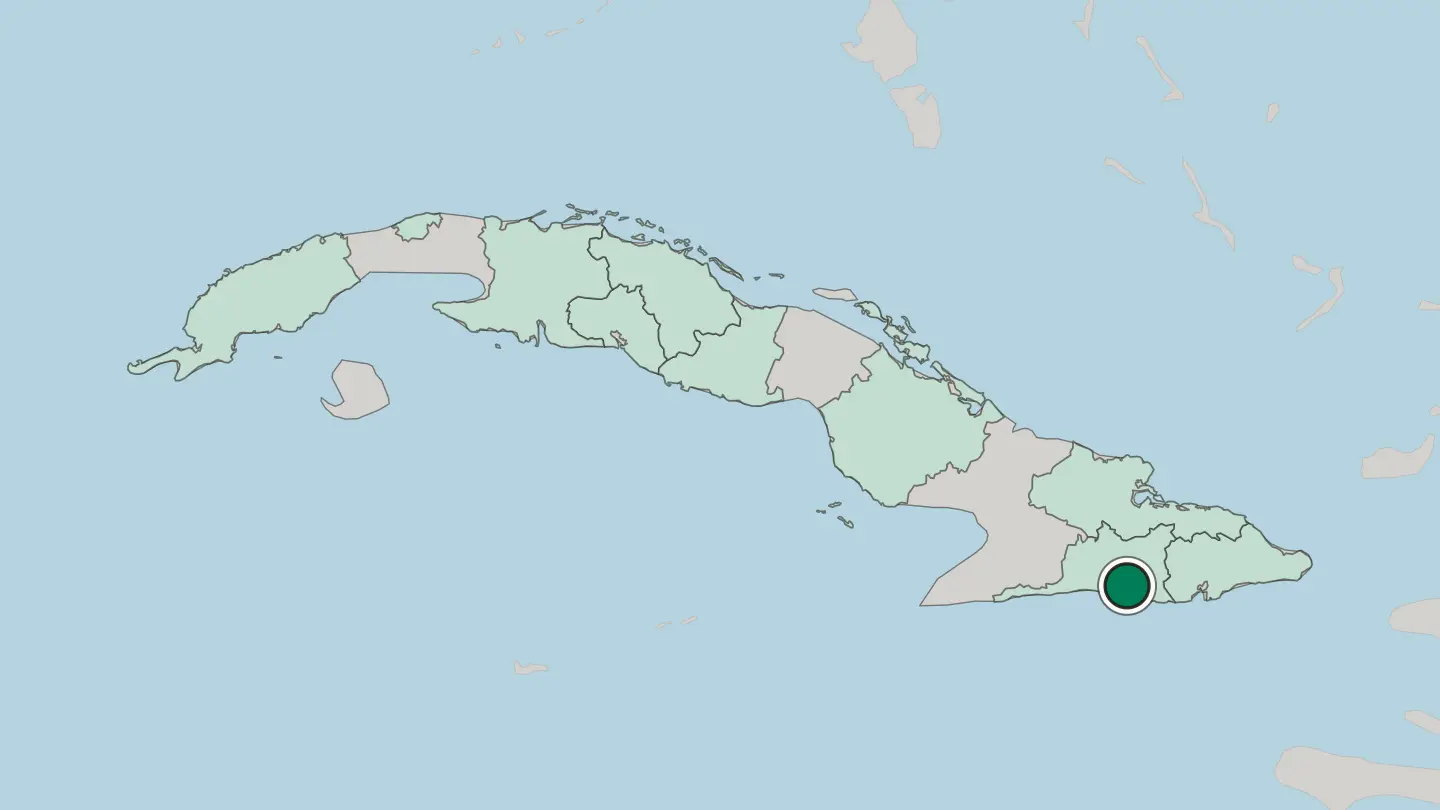
 Cuba
Cuba
Guantánamo
Guantánamo anchors the province of the same name in Cuba, with Saint Catherine of Ricci Cathedral and Nguyen Van Troi Stadium at its centre.Where to stay →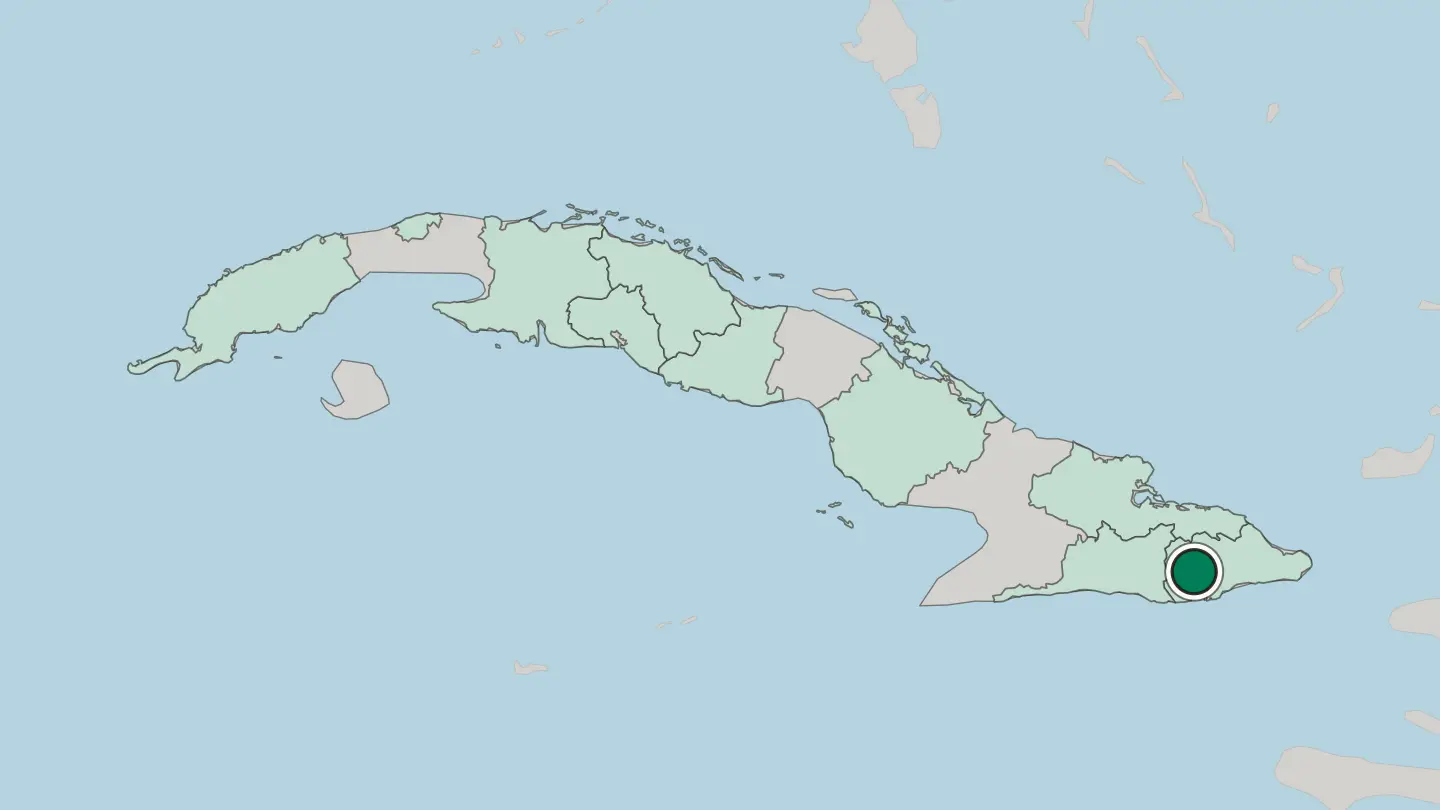
 Cuba
Cuba
Cienfuegos
Cienfuegos, capital of Provincia de Cienfuegos in Cuba, pairs a UNESCO-listed historic centre with the epithet La Perla del Sur.Where to stay →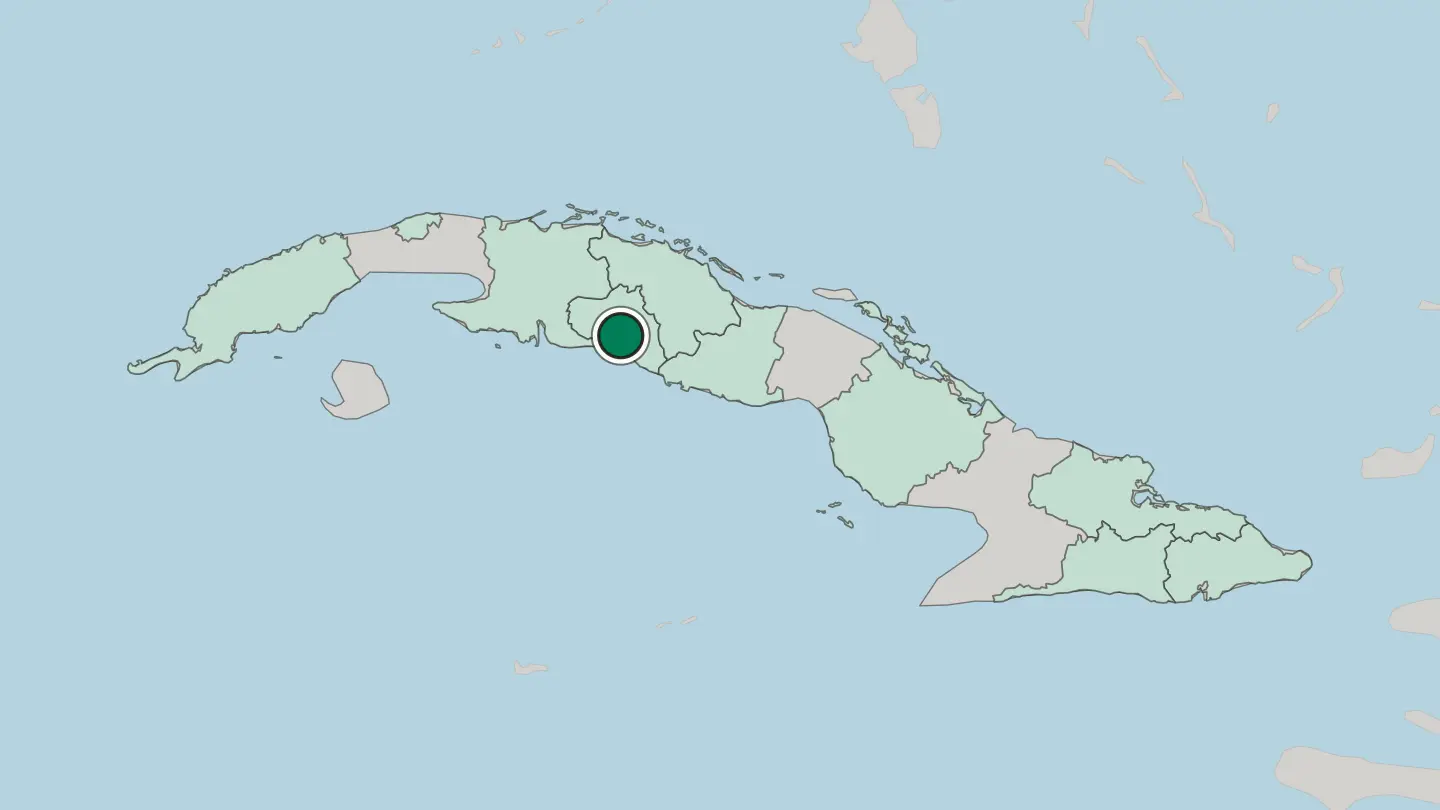
 Cuba
Cuba
Camagüey
Camagüey is a colonial city of central Cuba, a town of an old maze-like heart of plazas and churches, famous for its great clay water jars.Where to stay →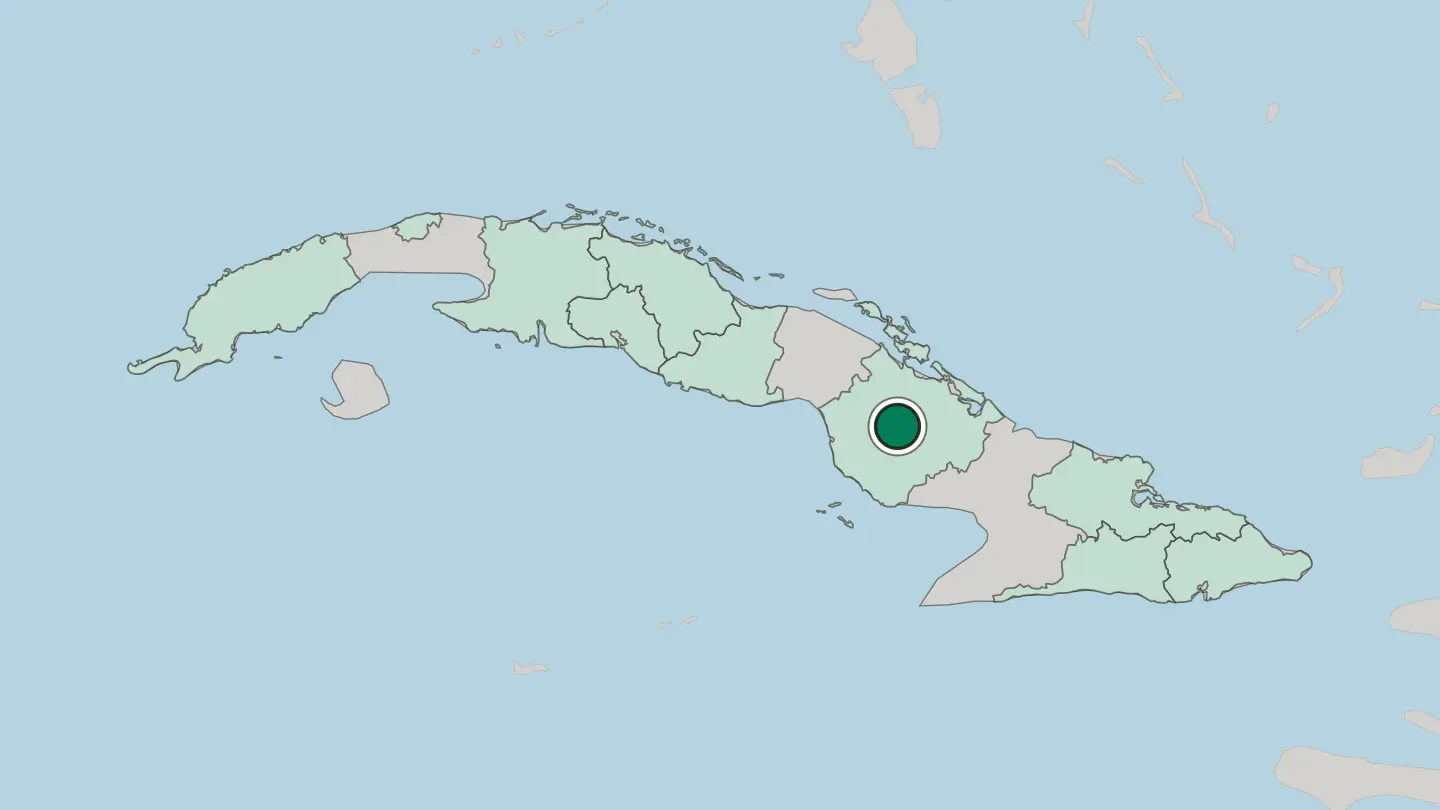
 Cuba
Cuba
Santa Clara
Santa Clara, capital of Villa Clara province, stands near the middle of Cuba, and the Villa Clara Provincial Museum keeps the region's record.Where to stay →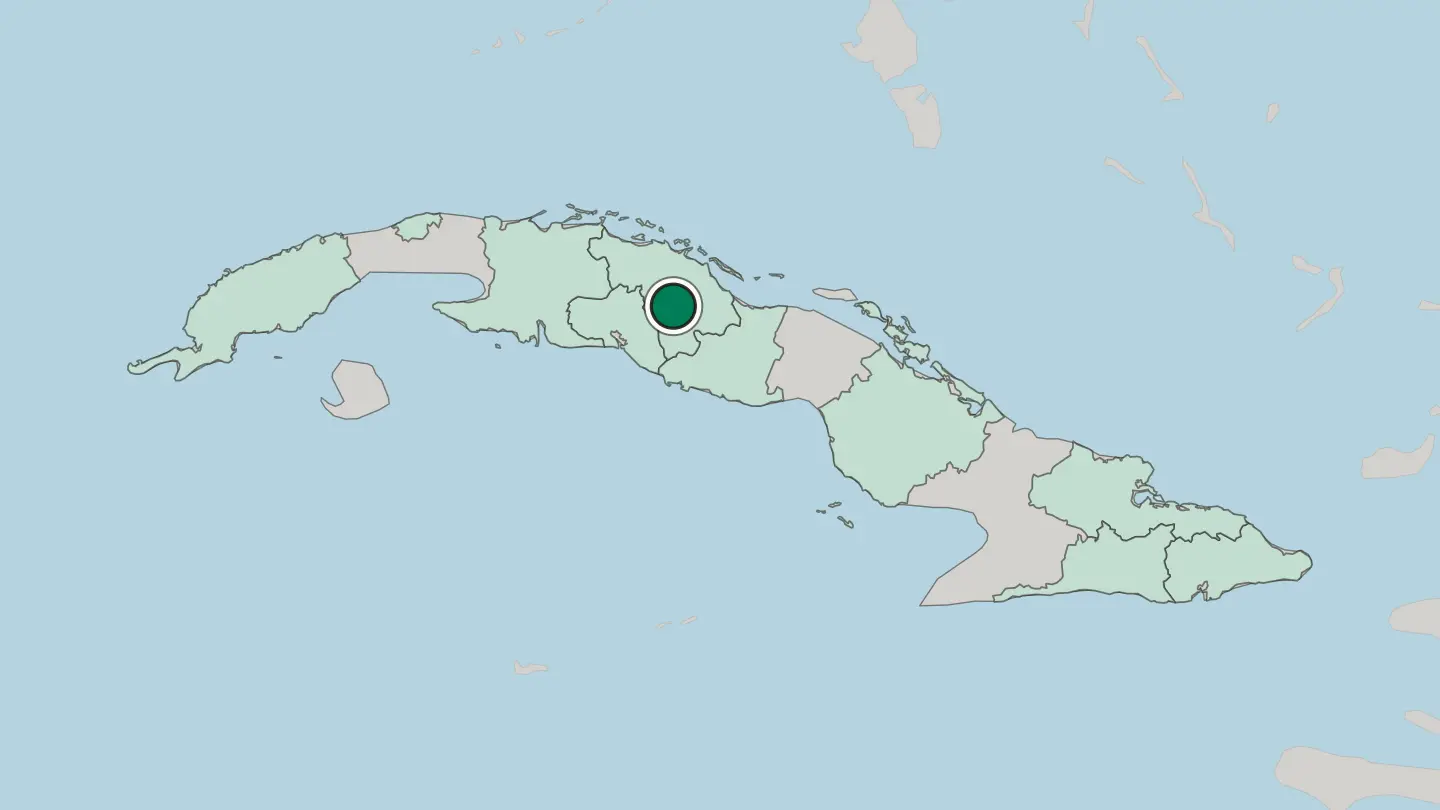
 Cuba
Cuba
Trinidad
Trinidad, a sugar-trade town in Sancti Spíritus, central Cuba, is a UNESCO World Heritage Site together with the Valle de los Ingenios.Where to stay →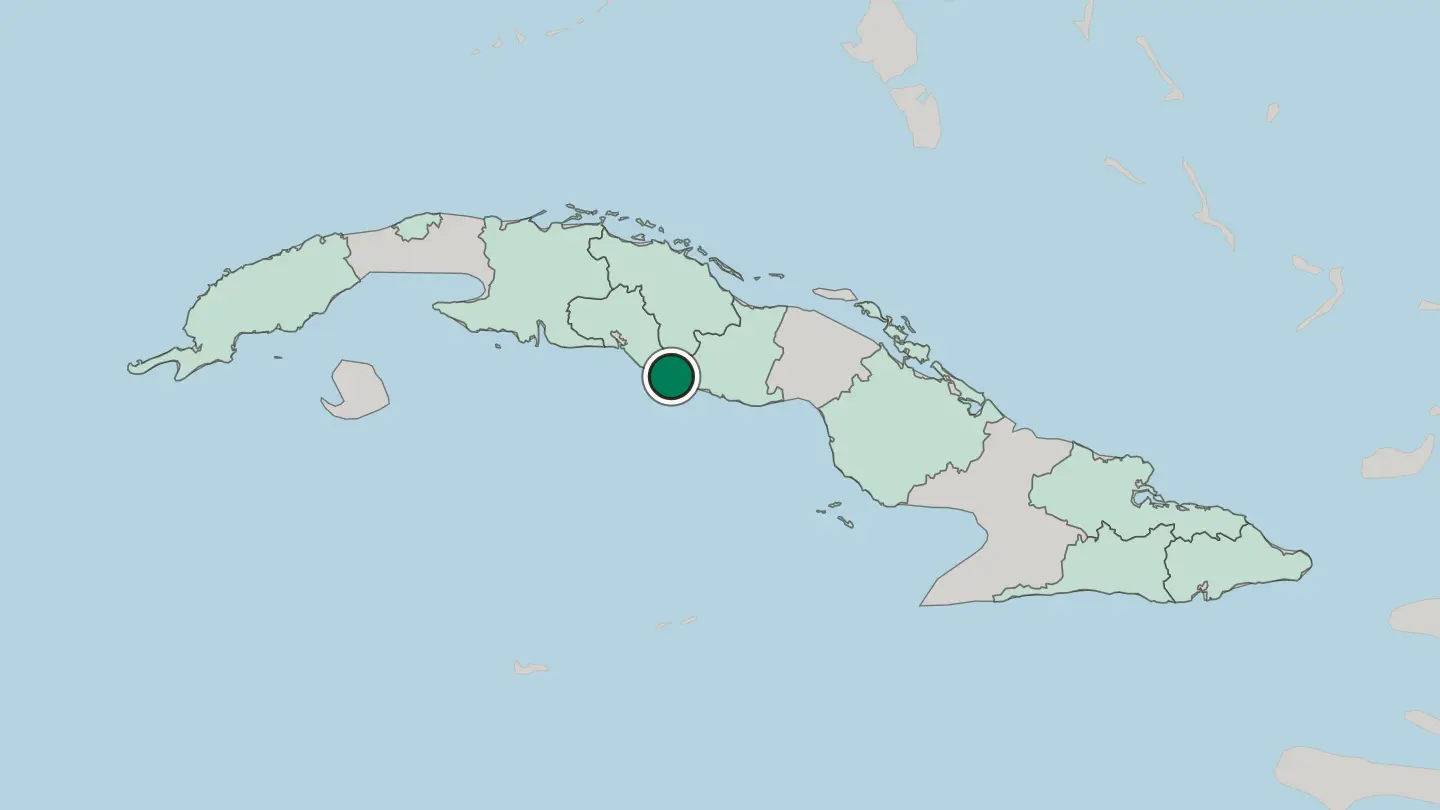
 Cuba
Cuba
Matanzas
Matanzas, the City of Bridges, stands on the Bay of Matanzas on the northern shore of Cuba, a provincial capital of three rivers east of Havana.Where to stay →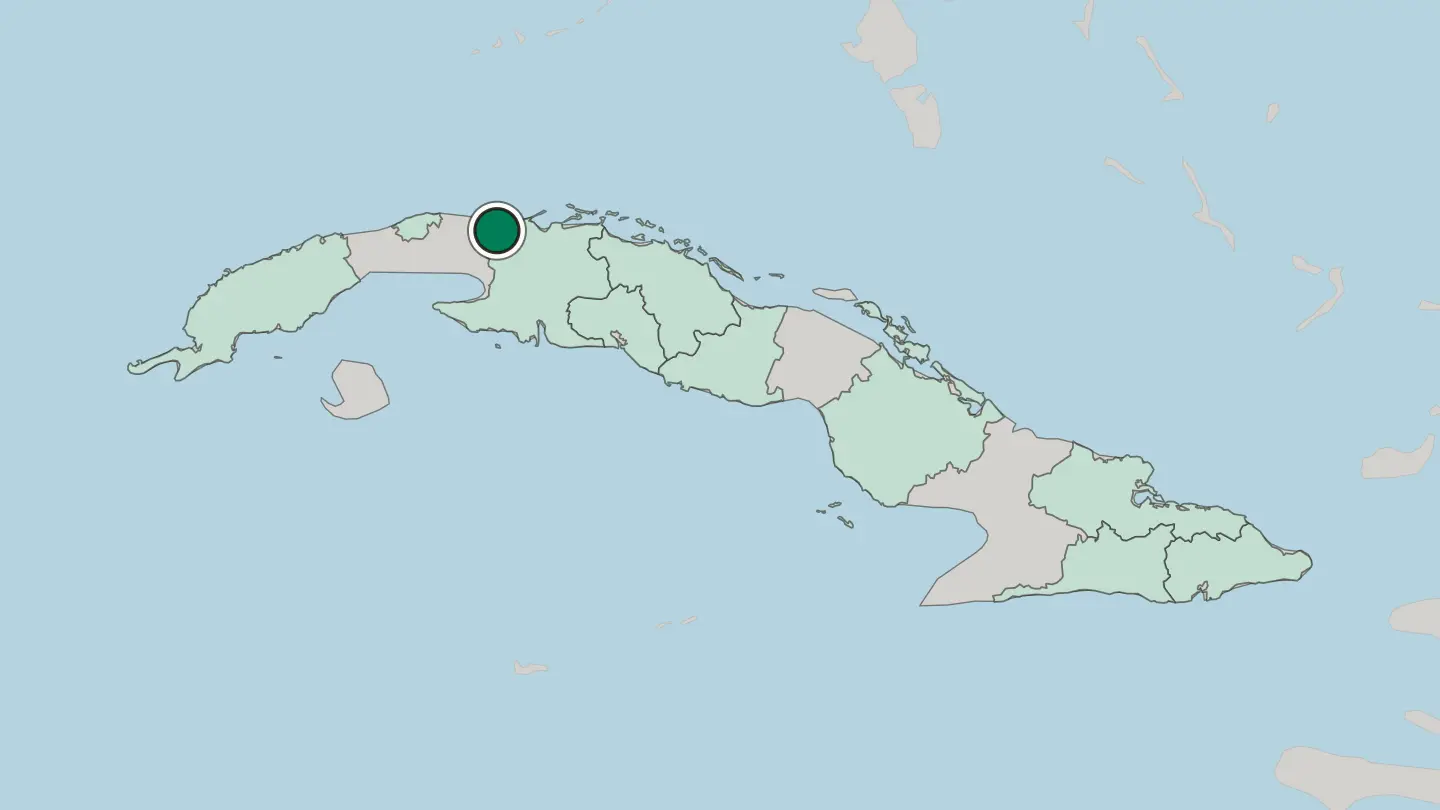
 Cuba
Cuba
Holguín
Holguín, capital of Provincia de Holguín in Cuba, dates from 1523 and centres on Saint Isidore Cathedral and the Calixto García museums.Where to stay →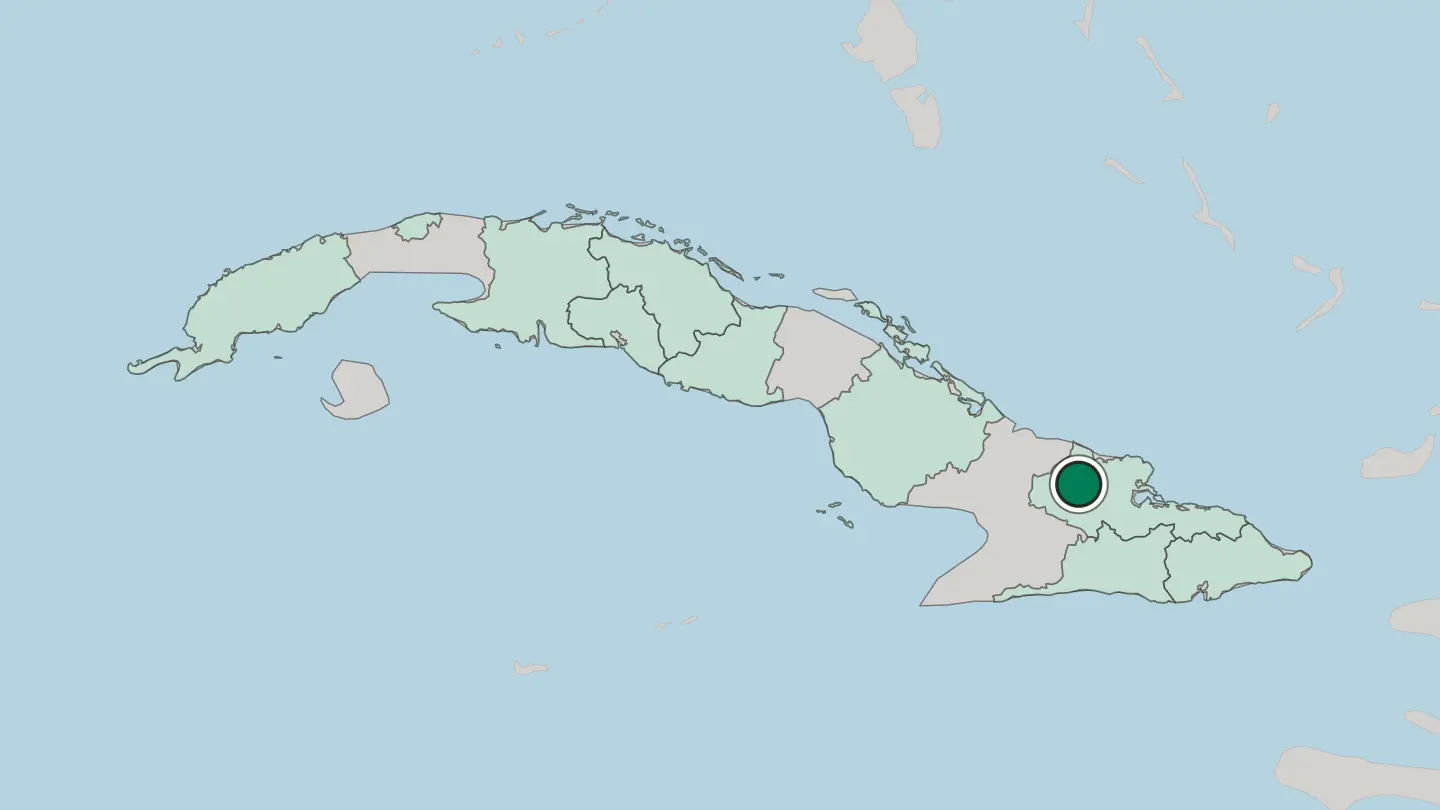
Regions of Cuba
Cuba
La Habana
La Habana is the capital province of Cuba, one of the country's fifteen provinces, built around the port city of Havana on the Caribbean.Towns & cities →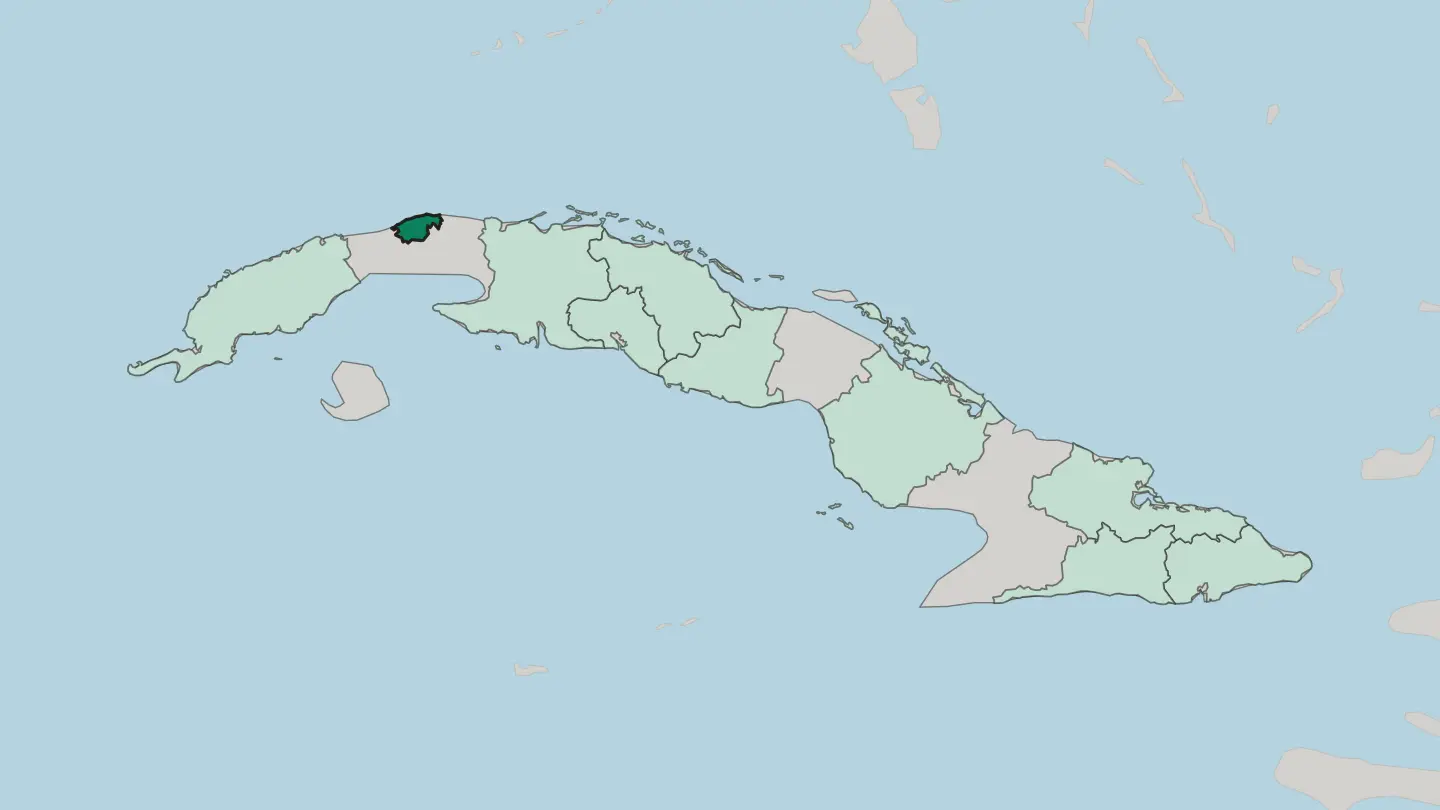 Cuba
Cuba
Provincia de Camagüey
Camagüey Province is the largest of the provinces of Cuba, with the city of Camagüey, Florida and Nuevitas as its towns.Towns & cities →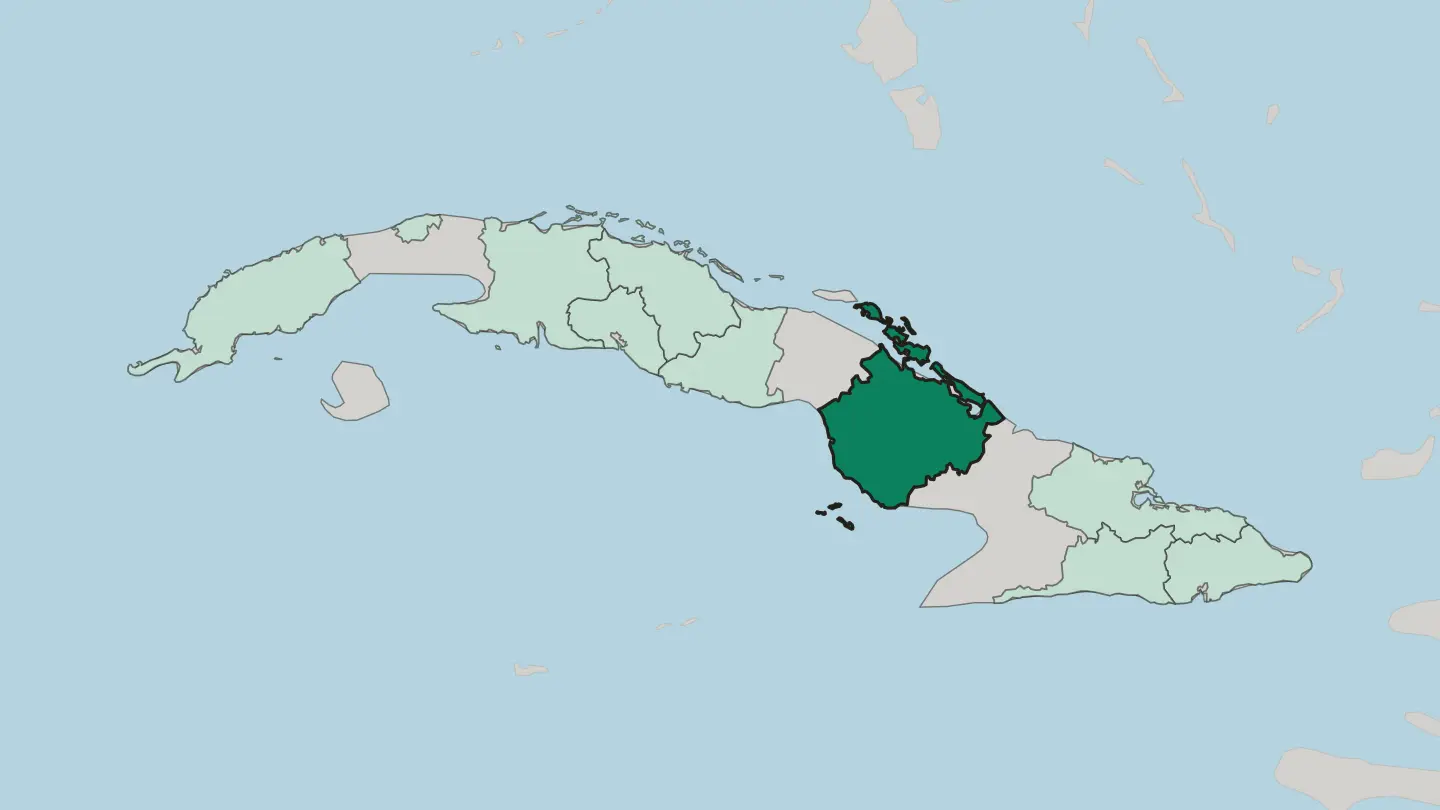 Cuba
Cuba
Provincia de Cienfuegos
Cienfuegos Province, one of the provinces of Cuba, is named for the capital city that French settlers founded in 1819.Towns & cities →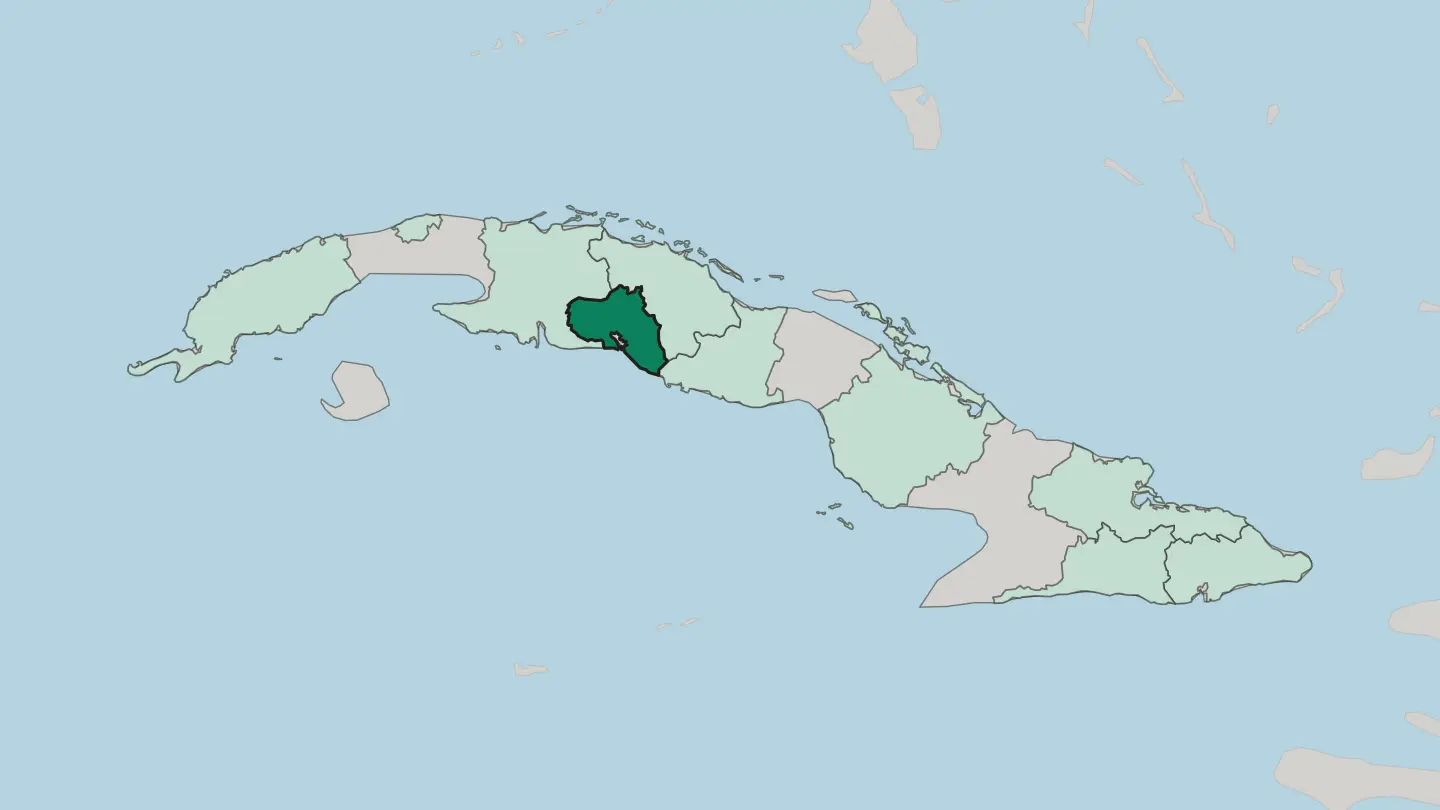 Cuba
Cuba
Provincia de Guantánamo
Guantánamo Province is one of the provinces of Cuba, a region that takes its name from the town of Guantánamo at its heart.Towns & cities →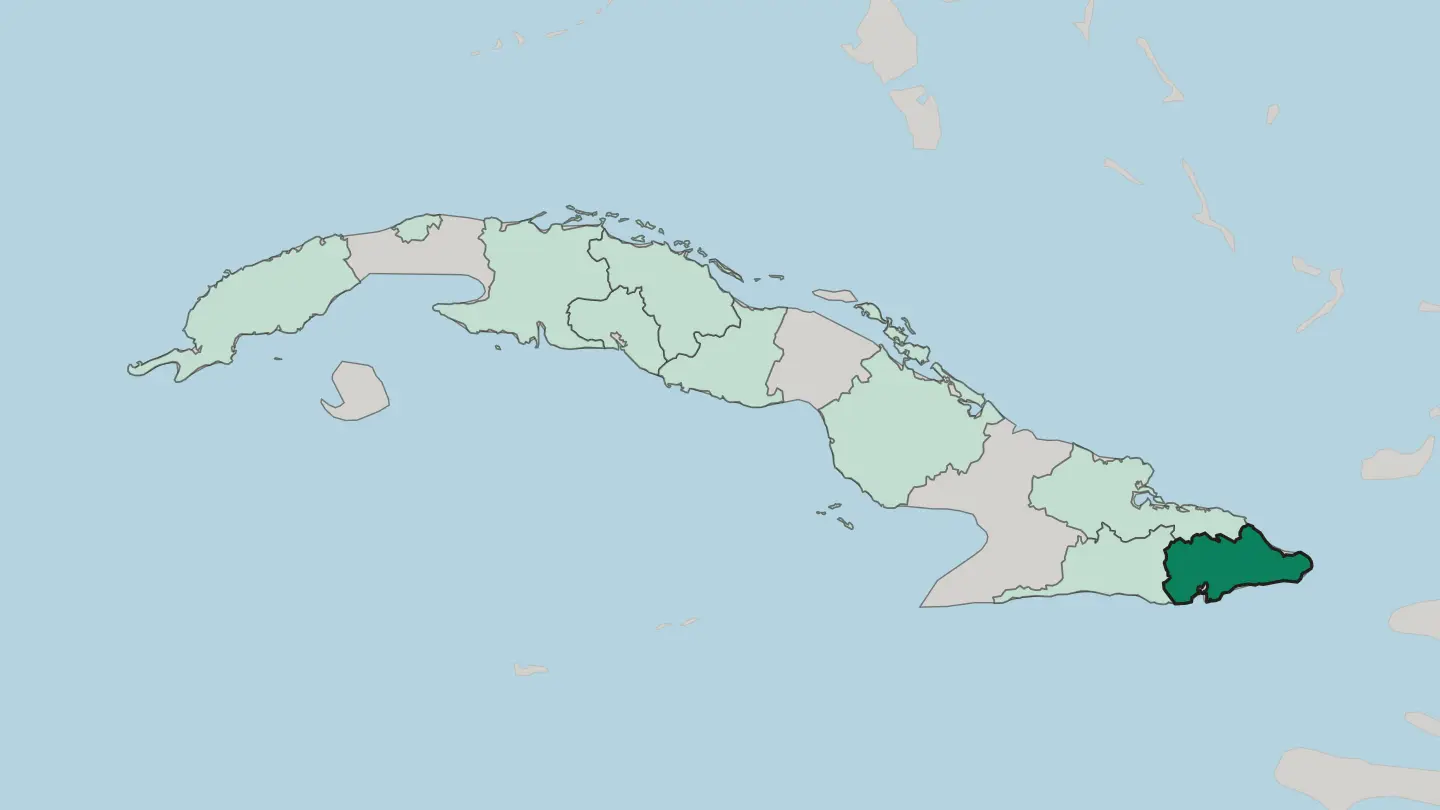 Cuba
Cuba
Provincia de Holguín
Holguín Province carries the name of its capital, one of the administrative divisions into which Cuba orders its ground.Towns & cities →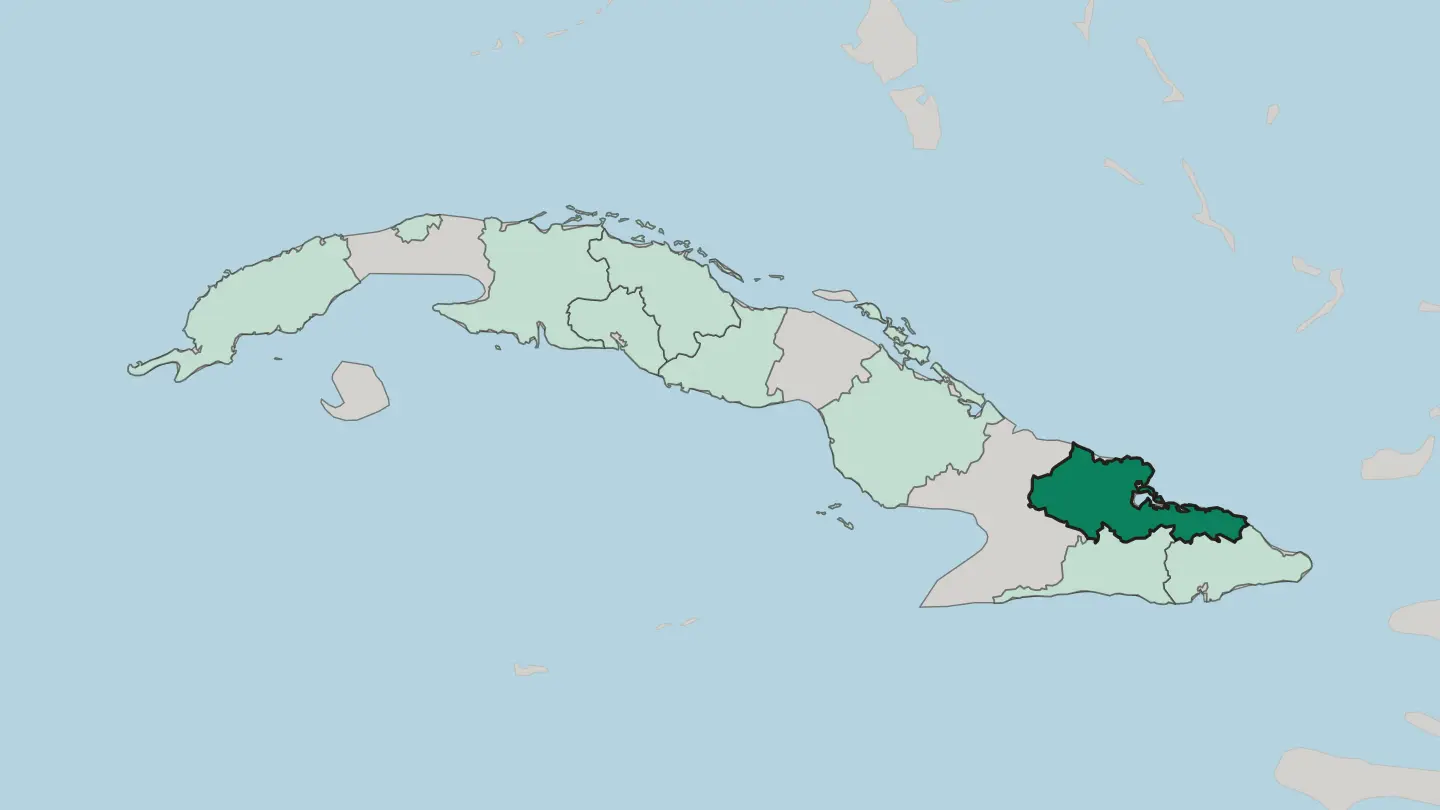 Cuba
Cuba
Provincia de Matanzas
Matanzas Province takes in the resort town of Varadero along with Cárdenas, Colón, Jovellanos and the capital that shares its name.Towns & cities →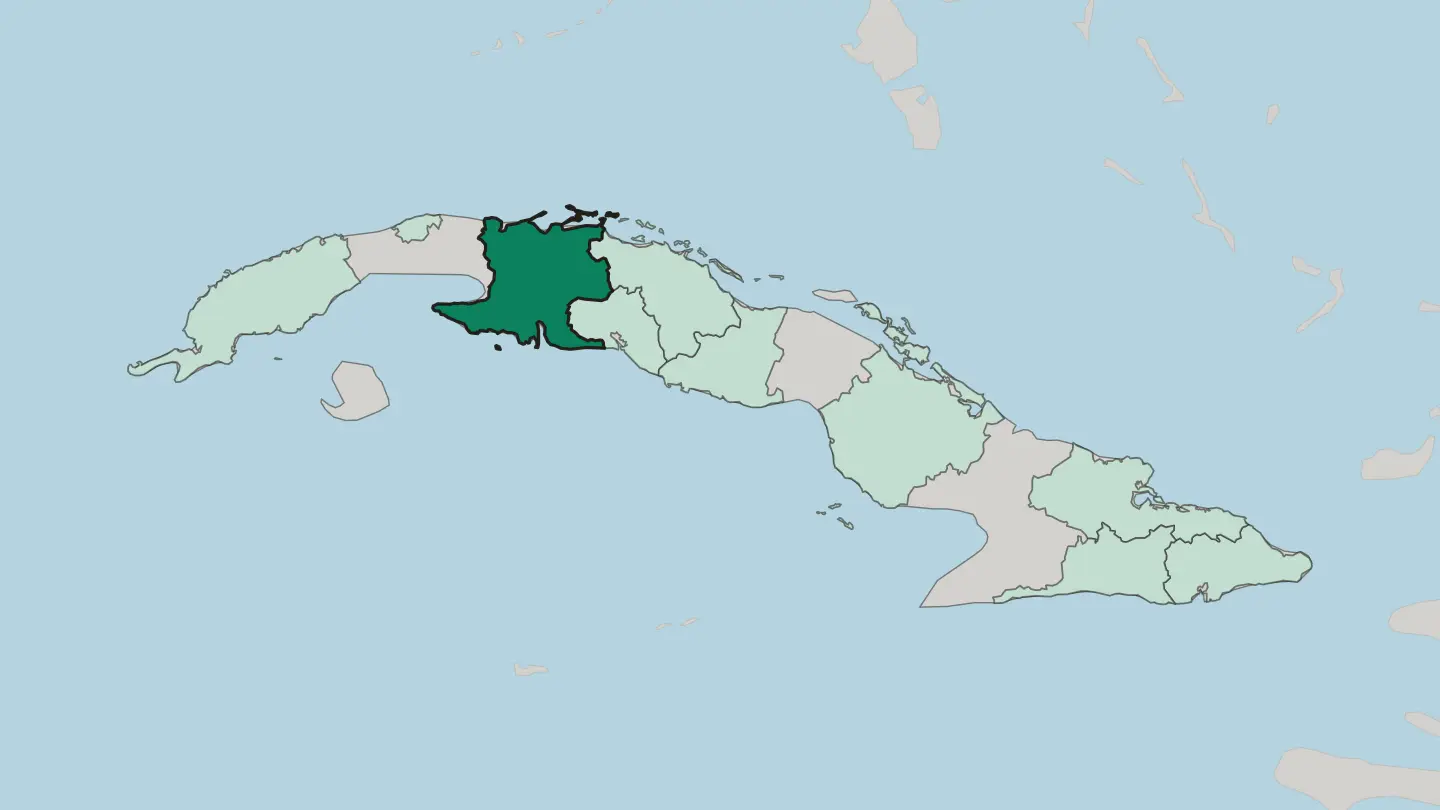
 Cuba
Cuba
Provincia de Pinar del Río
Pinar del Río names a town and, on Cuba's provincial map, the whole province administered from it.Towns & cities →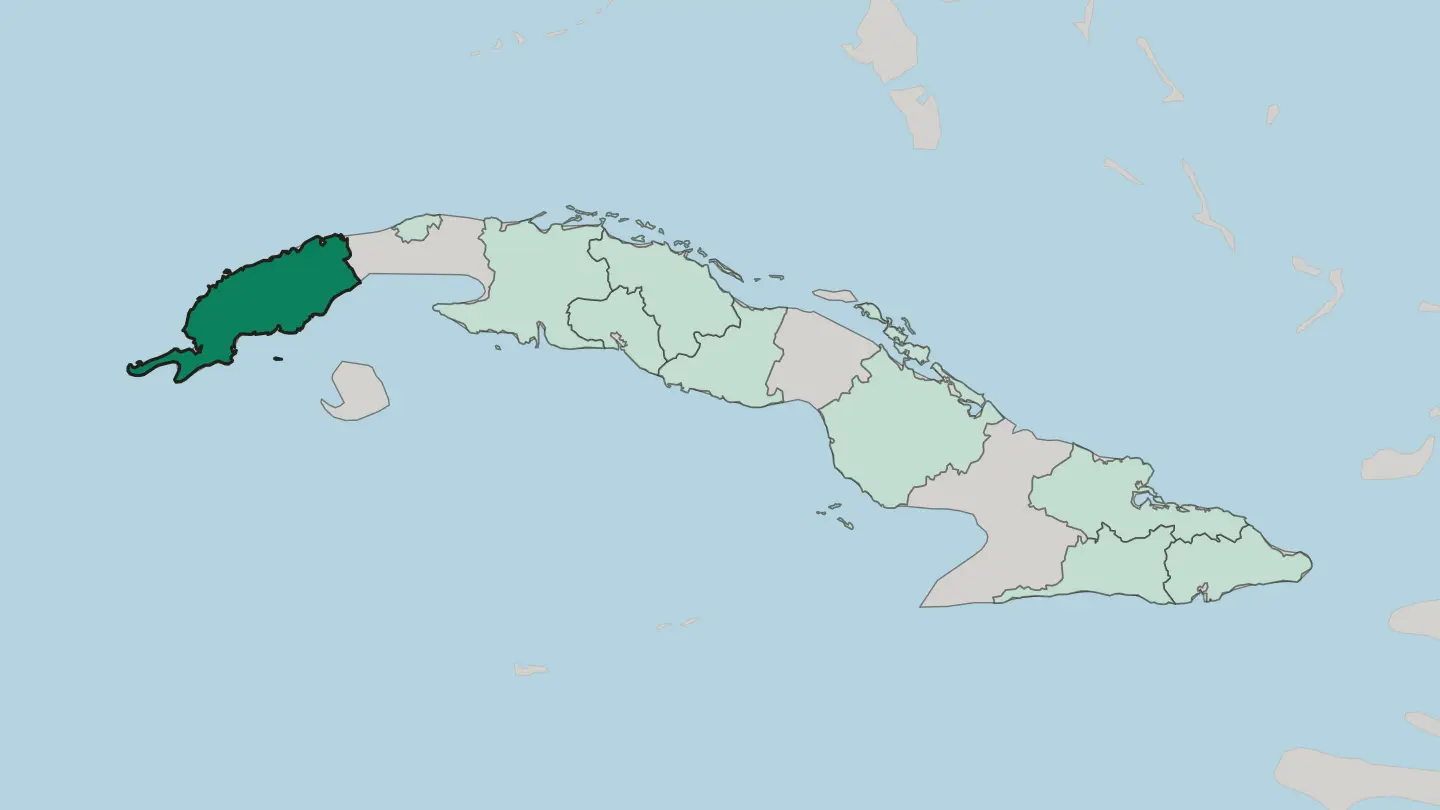 Cuba
Cuba
Provincia de Sancti Spíritus
Sancti Spíritus is one of the provinces of Cuba, named for its capital, with Trinidad as its other major city.Towns & cities →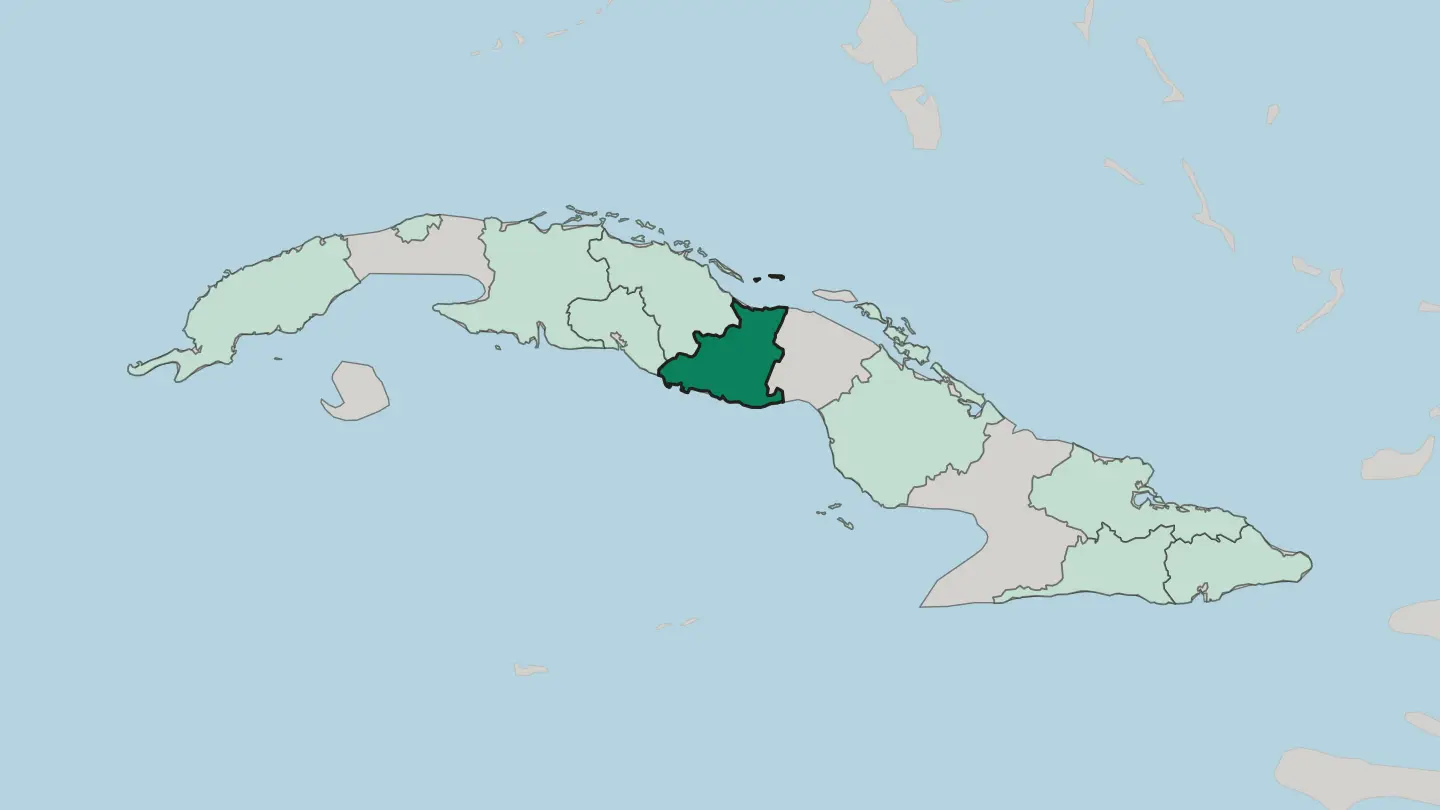 Cuba
Cuba
Provincia de Santiago de Cuba
Santiago de Cuba Province dates from 1976 and carries the name of Santiago de Cuba, inside the region known as Eastern Cuba.Towns & cities →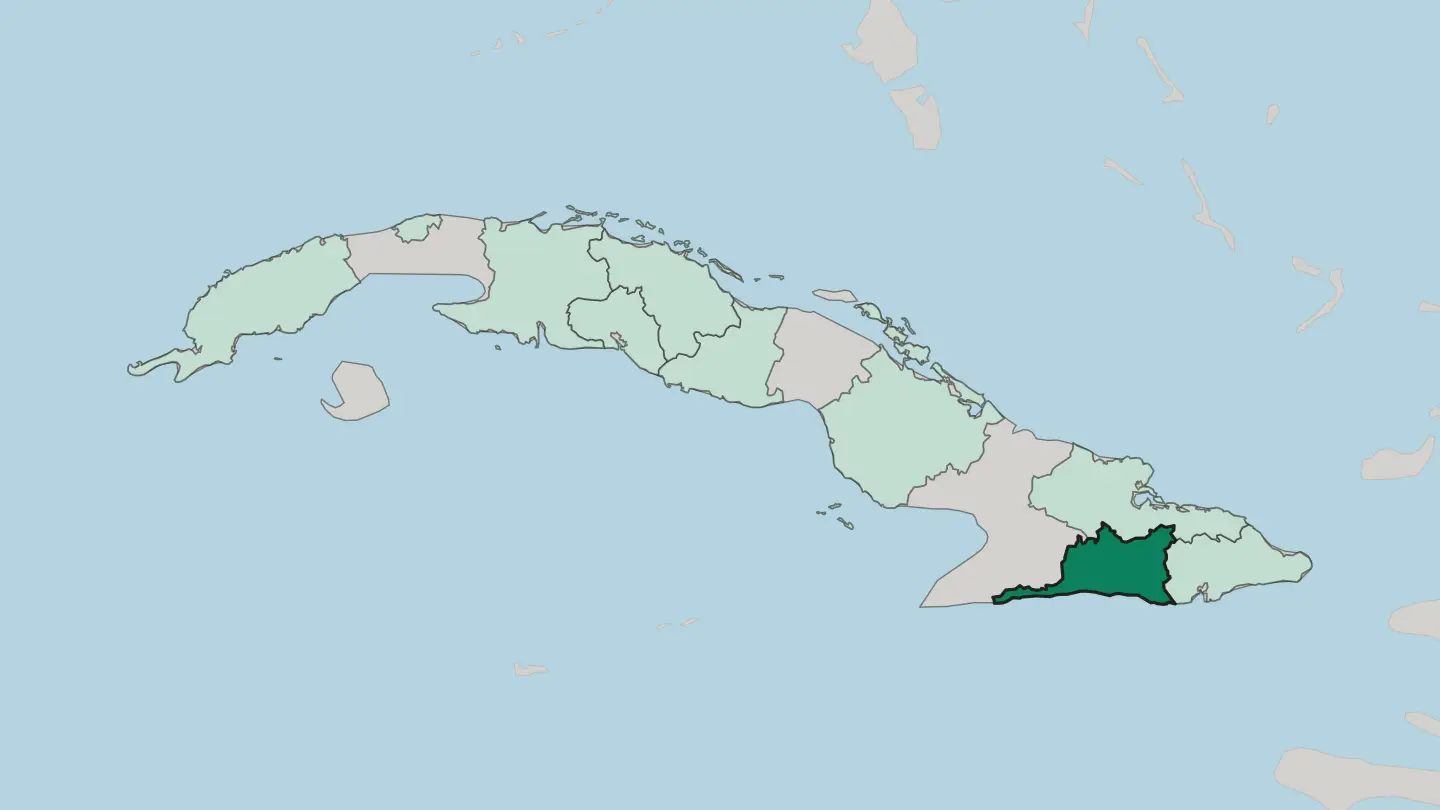 Cuba
Cuba
Provincia de Villa Clara
Villa Clara spans central Cuba from the Atlantic Ocean to the Escambray Mountain Range, with Santa Clara as its main city.Towns & cities →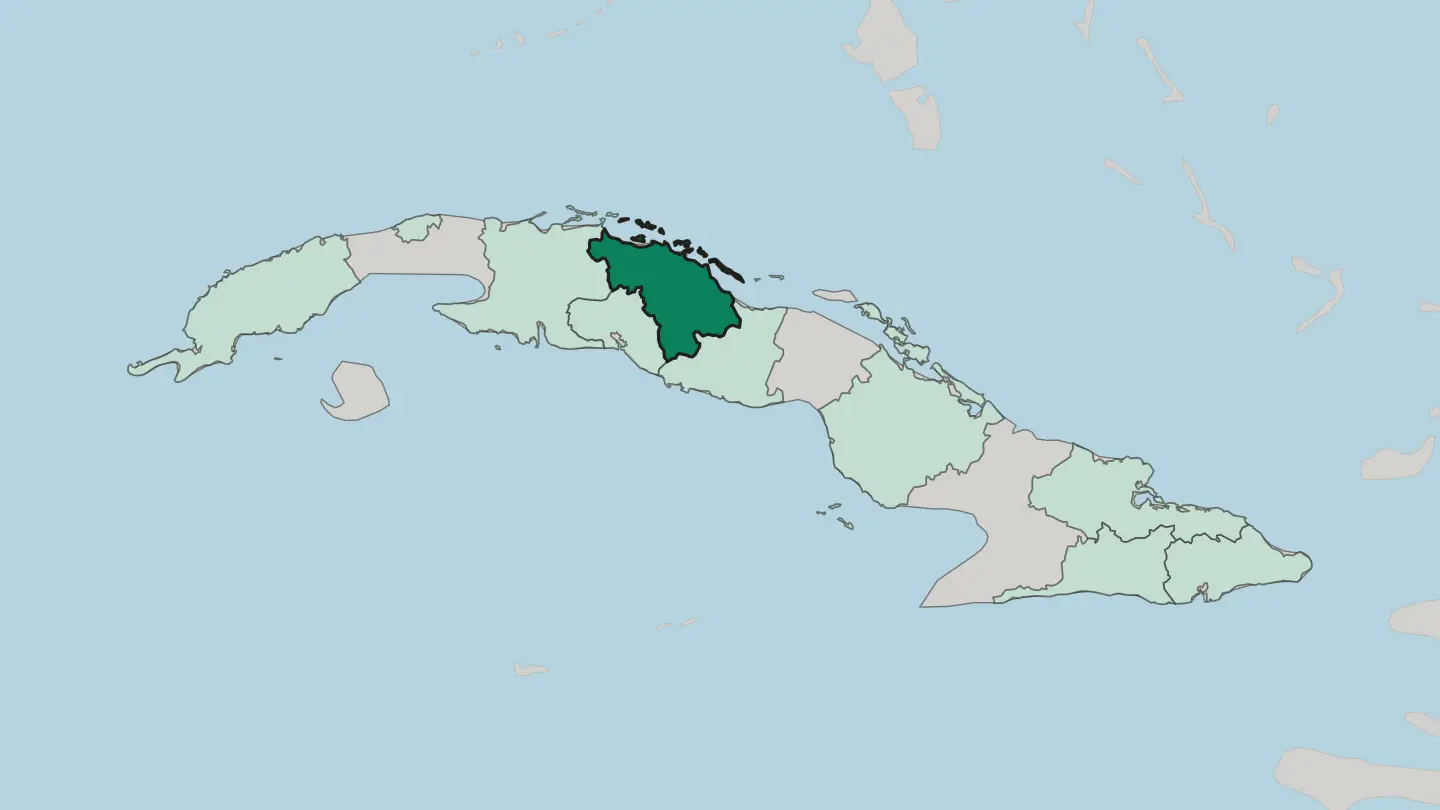
Explore by experience
Not sure which place? Start from how you want to travel.
About Cuba
What is Cuba known for?
Cuba is famous for son and salsa, hand-rolled cigars, and the colonial streets of Havana and Trinidad. Its beaches draw many. The white sand of Varadero fronts warm Caribbean water, while inland the limestone mogotes of the Viñales Valley rise above fields where tobacco has been grown for generations.
Music carries the island. Rumba, born in Afro-Cuban neighbourhoods, still sets the rhythm of everyday life from Santiago de Cuba to the capital.
Where is Cuba?
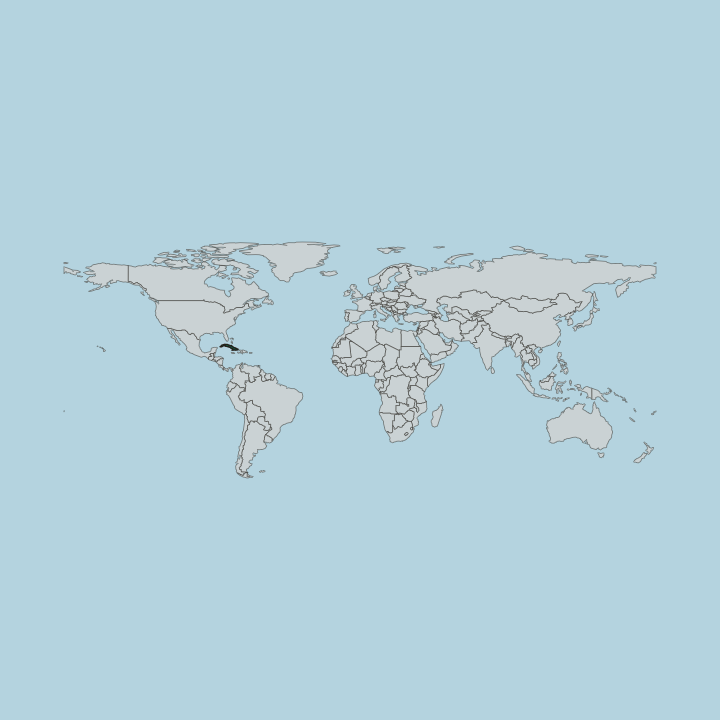
Cuba is the largest island in the Caribbean, a long, narrow strip of land set where the Caribbean Sea, the Gulf of Mexico, and the Atlantic meet. It lies east of the Yucatán Peninsula and south of Florida, and beyond the main island scatter thousands of smaller cays and islets that fringe its coasts. Mountains cover roughly a quarter of the country.
The most rugged range is the Sierra Maestra, which rises sharply from the Caribbean shore along the south-east and holds Pico Turquino, the highest point at nearly 1,974 metres. Other uplands break the lowlands too. The Escambray Mountains climb behind the central plains near Trinidad, while the far west narrows into the Cordillera de Guaniguanico, whose limestone towers shelter the Viñales Valley.
Between the ranges the ground flattens. Broad plains carry sugar cane and pasture, and the Cauto, the island's longest river, drains the eastern lowlands from its source in the Sierra Maestra. Coastlines define the rest.
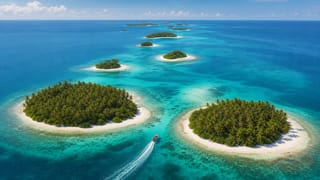
Coral reefs, mangrove, and long white beaches edge an island never far from the sea.
What is the history of Cuba?
Spain claimed Cuba after Diego Velázquez de Cuéllar began settling the island around 1511, laying out seven early towns that included Baracoa, Bayamo, and Trinidad. Havana followed. Spanish settlers moved the port to its present harbour on the north coast in 1519, and it grew into the great gathering point for treasure fleets sailing home to Spain.
From the late eighteenth century sugar remade the island, and enslaved Africans were brought in vast numbers to work the plantations that fed Europe's demand. Rebellion built slowly. A long series of wars for independence ran from 1868 to 1898 and cost tens of thousands of lives before Spain finally withdrew, and Cuba became a formal republic in 1902 after several years of United States military rule.
The republic that followed was uneven. Prosperity sat beside corruption and dictatorship, until Fidel Castro and the 26th of July Movement launched a guerrilla campaign from the Sierra Maestra and toppled Fulgencio Batista on the first day of 1959. That revolution reshaped everything.
The island has stood apart in the region ever since, its story written into the plazas and monuments of every colonial town.
What is Cuba like?
Cuban culture grew from the meeting of Spanish settlers and Africans brought to the sugar plantations, and that fusion shows most plainly in the music. Son came together in the east around Santiago de Cuba, blending Spanish guitar with African percussion, and it became the root of the salsa danced far beyond the island. Rumba runs deeper still.
Purely percussive and rooted in Afro-Cuban neighbourhoods, it drives call-and-response singing over congas and clave. The island is known for its craft as much as its rhythm. Cigars hand-rolled from Viñales tobacco carry the Cuban name abroad, and rum distilled from local cane pours through the bars of Havana.
Food leans hearty and unfussy. Rice and beans, roast pork, and plantain anchor the everyday table, while classic American cars still roll along the Malecón as a reminder of the years before 1959. Colonial architecture frames all of it.
From the pastel facades of Trinidad to the crumbling grandeur of the capital, the built past stays close underfoot. Culture here is lived out loud, on the street and after dark.
What is the climate of Cuba?
Cuba has a tropical climate shaped by two seasons rather than four. The dry, cooler season runs from late November to mid-April and brings the clearest skies, which is when most travellers come. Then the rains arrive.
From late April into November the air turns hot and muggy, with afternoon downpours breaking the heat, and the Atlantic hurricane season overlaps this stretch and peaks between August and October. The high ground of the Sierra Maestra stays a touch cooler than the coast. Sea breezes soften the rest.
How do you get to Cuba?
Most visitors fly into José Martí International Airport, which sits at Boyeros just south-west of Havana and handles the bulk of the island's international arrivals. Some skip the capital entirely. Beach travellers often land straight at Varadero, and Santiago de Cuba serves the far east, sparing the long overland haul across the island.
From the airport, metered taxis reach central Havana in well under an hour. Domestic flights and long-distance buses link the regions from there.
Good for
Updated September 2026