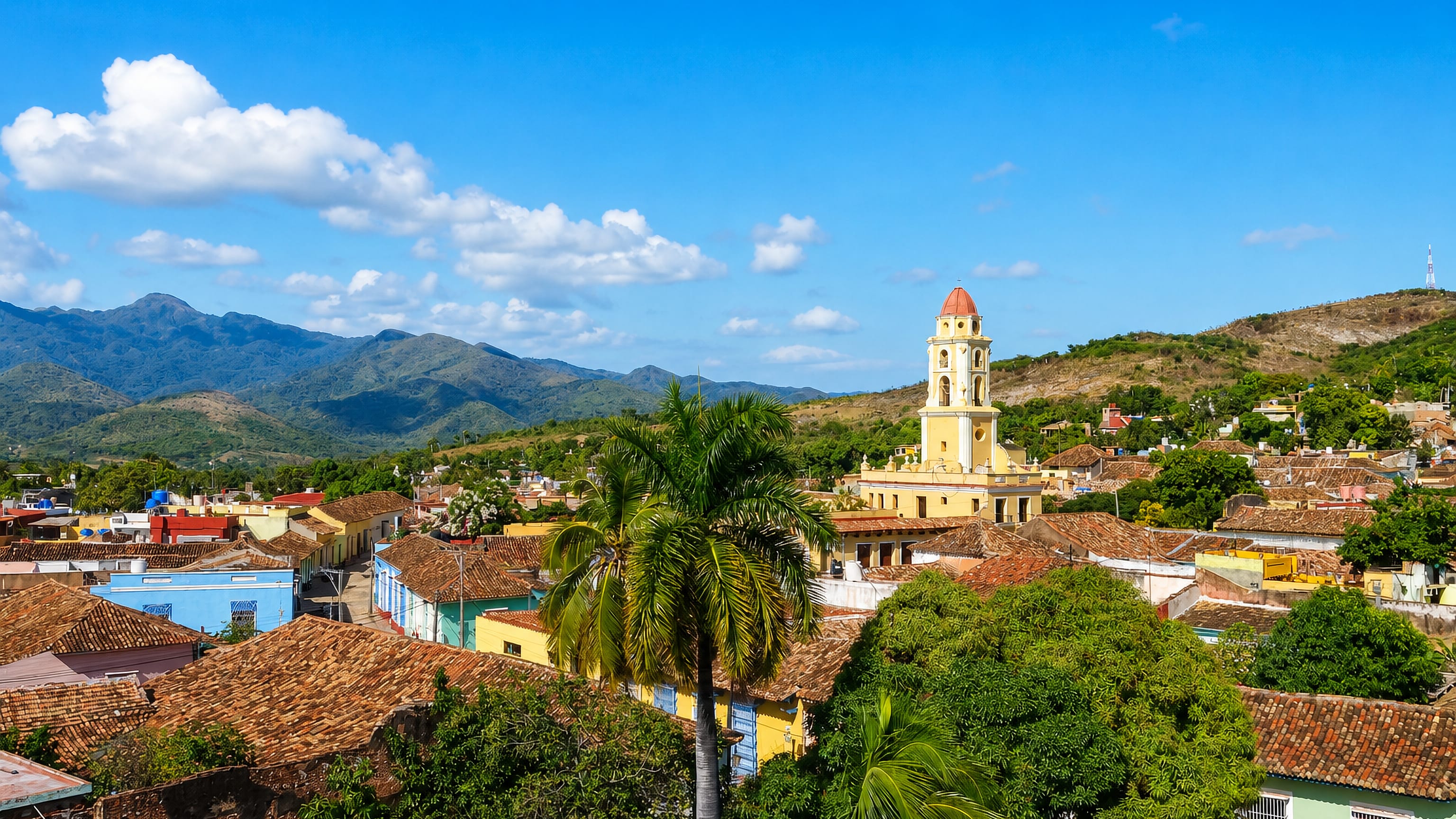
Cuba · Provincia de Sancti Spíritus
Where to Stay in Trinidad, Provincia de Sancti Spíritus
Trinidad, a sugar-trade town in Sancti Spíritus, central Cuba, is a UNESCO World Heritage Site together with the Valle de los Ingenios.
Find your area →


Where to stay in Trinidad
The practical side of choosing where to sleep.
Palacio Cantero anchors the old town. Rooms in the streets around it leave Palacio Brunet, the Museo Romántico de Trinidad, and the Iglesia y convento de San Francisco de Asís a few minutes away on foot, which is the whole point of sleeping inside a place listed for what it managed to keep. Short walks link it all.
A room here suits you if the merchant houses and the museums are what the days are for. Beyond that core the municipality runs wide toward the Valle de los Ingenios, and beds out that way answer a visit aimed at the sugar valley rather than at the town's collections. The valley is the other draw.
Trinidad belongs to Sancti Spíritus, and rooms near the edges swap the heritage streets for space and somewhere to leave a car, at the cost of the walk back in after dark. The choice is walkable heritage or open ground. Either side of it, the distances involved stay small enough that a day can take in both the palaces and the valley without much planning or an early start.
About Trinidad
Sugar built Trinidad.
What is Trinidad known for?
The town and the neighbouring Valle de los Ingenios were inscribed as a UNESCO World Heritage Site in 1988 for their part in the sugar trade of the 18th and 19th centuries, and the survival of that fabric leaves Trinidad among the best-preserved cities in the Caribbean from those years. Palacio Brunet and Palacio Cantero still stand. The Museo Romántico de Trinidad holds the domestic side of the era, and the Iglesia y convento de San Francisco de Asís stands among the old streets.
What are the main landmarks in Trinidad?
Two palaces set the tone. Palacio Brunet and Palacio Cantero come down from the era when the sugar trade paid for such houses, and their rooms remain the clearest evidence of what the wealth of the 18th and 19th centuries built in this town. The Museo Romántico de Trinidad gathers the furnishings of that world.
The Iglesia y convento de San Francisco de Asís supplies the religious side, its walls standing among the streets that carried Trinidad onto the World Heritage list.
What is the history of Trinidad?
The founding date is 1514. Trinidad ranks among the oldest towns on the island, though the sixteenth century counts for less in its appearance than what came after, when the sugar trade of the 18th and 19th centuries paid for the houses that still line the streets. Sugar made the difference.
Mills worked the Valle de los Ingenios beside the town, and the trade they fed turned a provincial settlement in Sancti Spíritus into a place of merchant houses, Palacio Brunet and Palacio Cantero among them. The trade did not hold. Once sugar stopped being the region's main industry, Trinidad was left with its streets intact rather than rebuilt, which is exactly why it counts among the best-preserved cities in the Caribbean from those years.
Recognition arrived in 1988. UNESCO inscribed the town together with the Valle de los Ingenios as a World Heritage Site that year, binding the streets and the valley into one case for the historical importance of the sugar trade. The Museo Romántico de Trinidad shows the domestic end of the same story, the fittings of houses the trade paid for, inside the fabric it left behind.
Where is Trinidad?
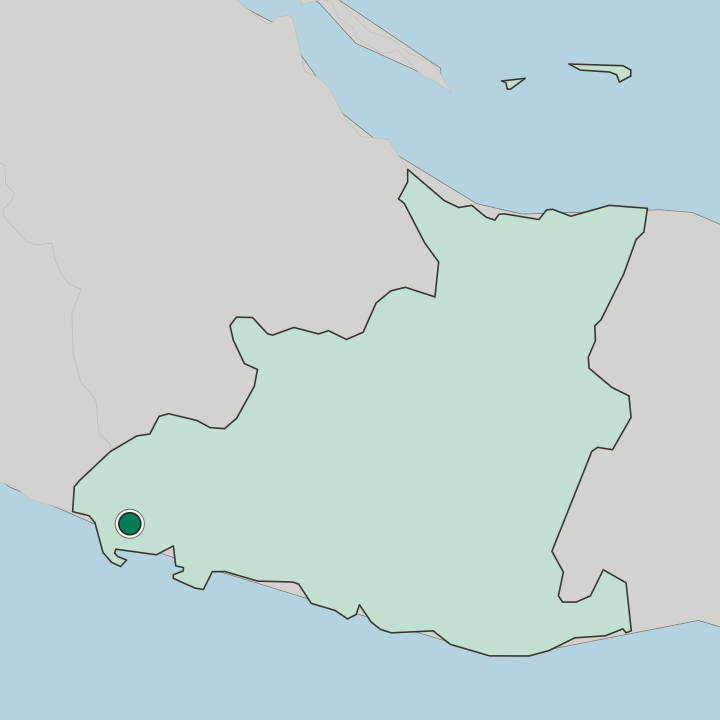
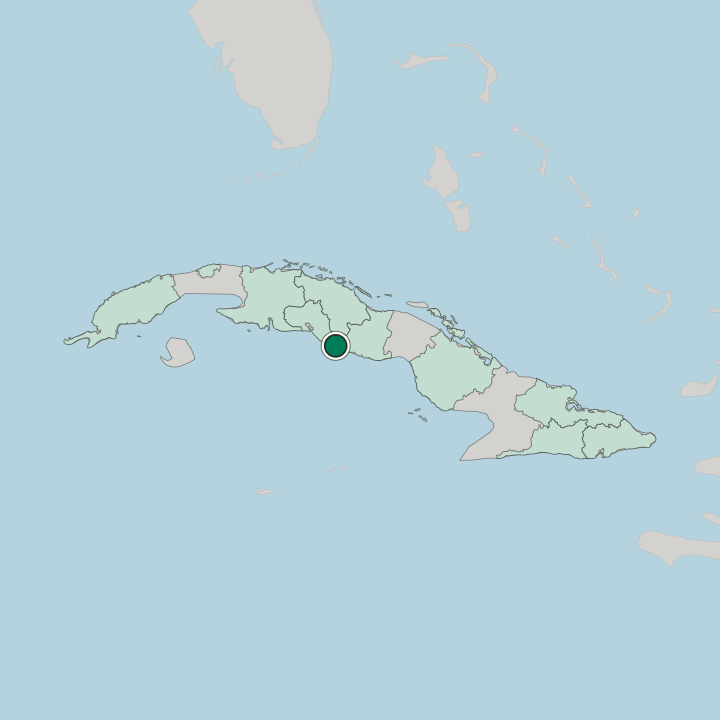
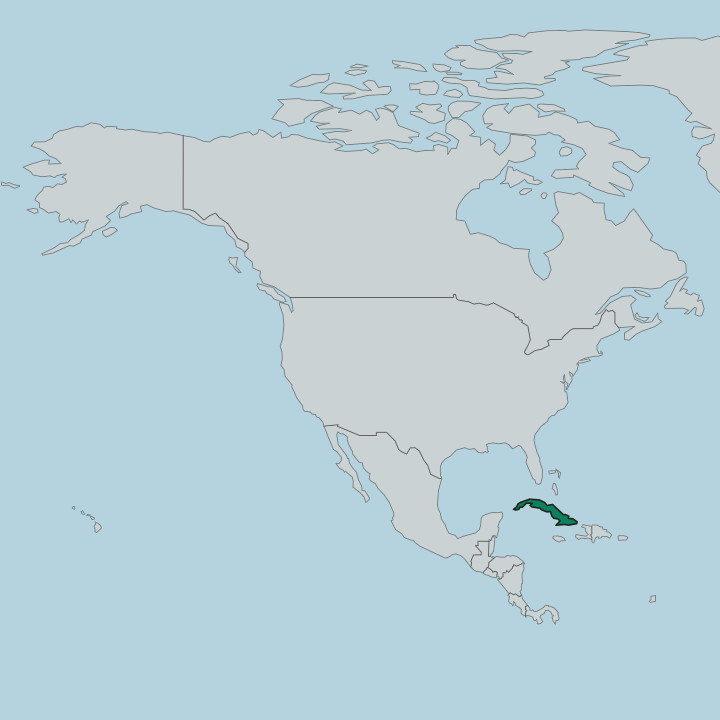
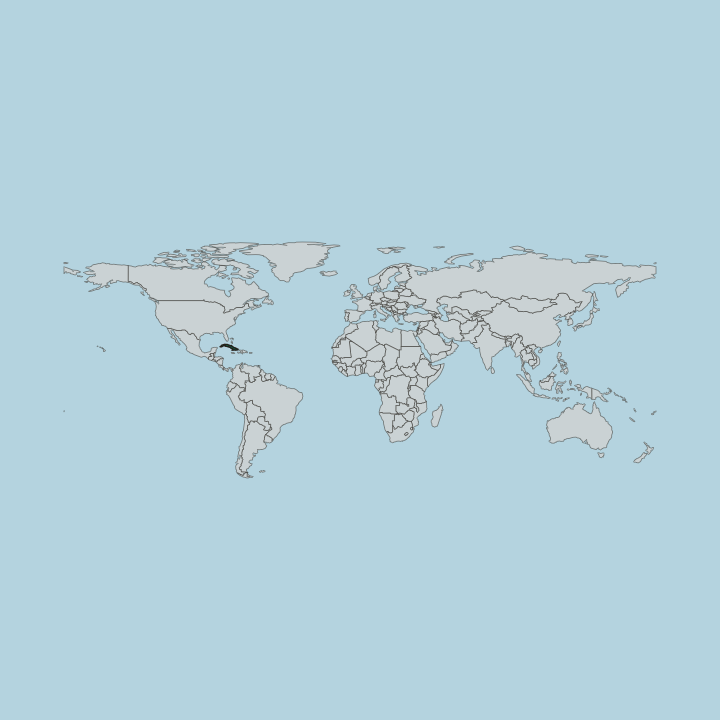
Trinidad sits in central Cuba. The town belongs to the province of Sancti Spíritus, with the Valle de los Ingenios spread out next to it, and the municipality takes in far more open ground than the compact old streets suggest. Tropical country surrounds it.
The valley is the near horizon, and nearly everything the town is known for was made in the mills within that reach.
What is the climate of Trinidad?
The valley holds the heat. Trinidad lies in the tropics of central Cuba, and the open ground of the Valle de los Ingenios beside it warms steadily through the day, which leaves the early morning and the late afternoon as the comfortable hours. Rain belongs to its season.
The old streets keep their shade.
How do you get to Trinidad?
Every arrival here comes by road. Trinidad stands in central Cuba, in the province of Sancti Spíritus, so arrival means a road journey through the middle of the island toward the heritage streets. The Valle de los Ingenios lies just outside.
Once inside the centre, Palacio Brunet, Palacio Cantero, and the Museo Romántico de Trinidad are all within a walk of one another.
Good for
Updated September 2026