Cuba · Provincia de Villa Clara
Where to Stay in Santa Clara, Provincia de Villa Clara
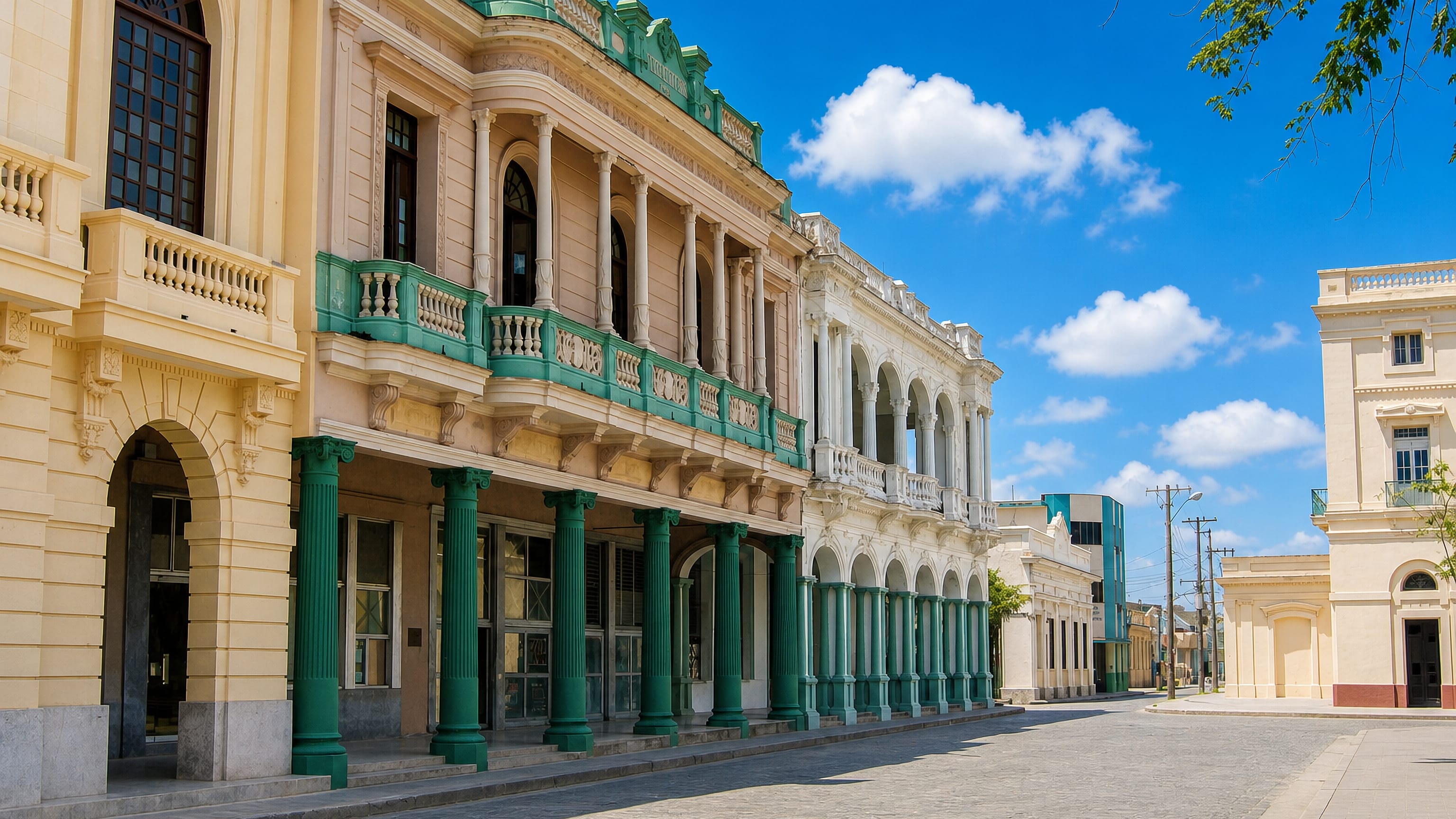
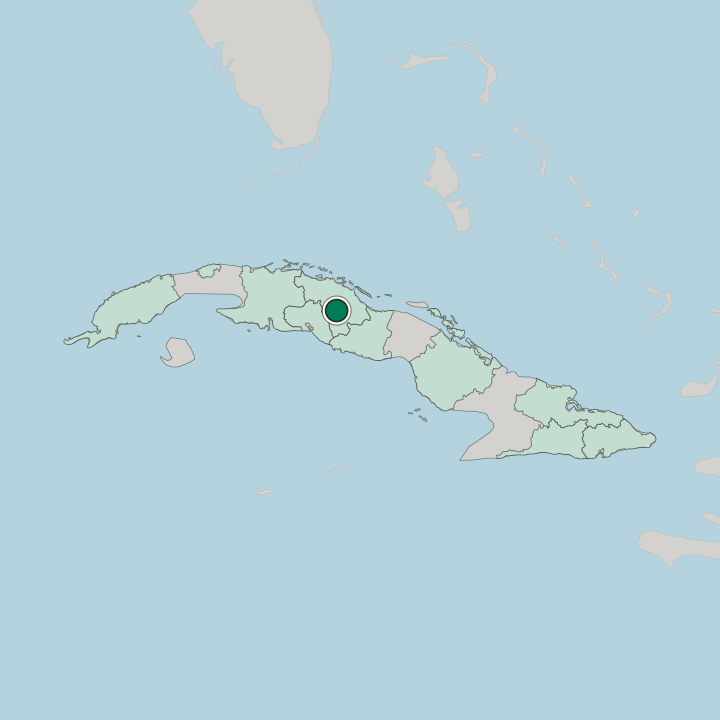
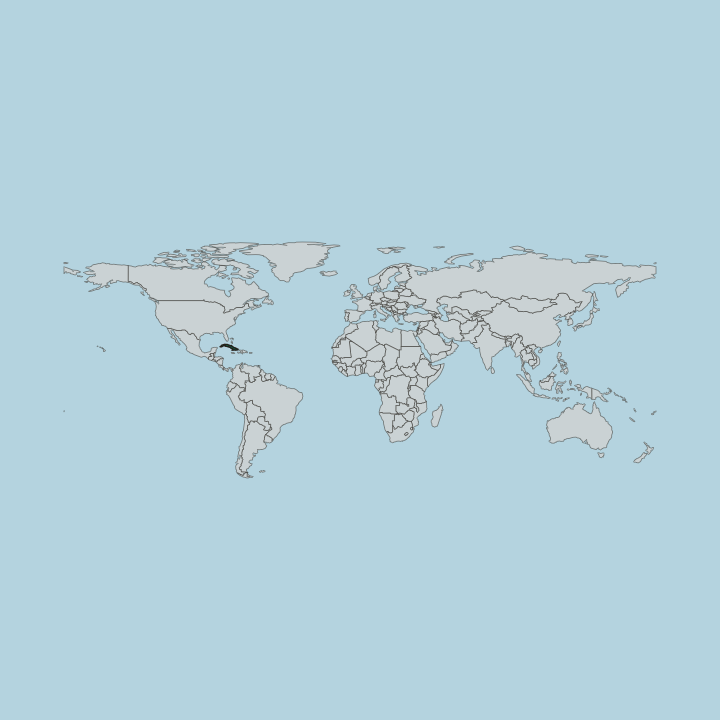
Santa Clara, capital of Villa Clara province, stands near the middle of Cuba, and the Villa Clara Provincial Museum keeps the region's record.
Find your area →


Where to stay in Santa Clara
Where visitors usually base themselves, and why.
Rooms cluster near the Villa Clara Provincial Museum. The streets around it hold the compact centre, where the provincial offices, the daily trade, and most of the beds sit inside a walk of one another, which is the practical choice for a first stay in Santa Clara. Walking covers the middle.
A room here suits you if the museum and the roads out are the frame of the visit. Lodging keeps close to that core rather than scattering along a shore, because there is no coast here to line with hotels. Beyond the centre the municipality spreads wide, over roughly 514 square kilometres of inland Villa Clara, and beds out there trade the short walk for quiet, a yard, and easier parking.
The edges turn rural quickly. Traffic crossing Cuba passes through Santa Clara, so a room near the through-routes serves anyone treating the city as a stop between provinces rather than a destination. Distances stay manageable in either case, since the built-up part occupies a fraction of that municipal spread.
The choice comes down to whether the museum quarter or the open road matters more on the day. Nowhere in Villa Clara province gathers more beds.
About Santa Clara
Santa Clara answers for Villa Clara.
What is Santa Clara known for?
Capital of the Cuban province of Villa Clara, it stands near the middle of the island, which has made it a meeting point for traffic crossing Cuba rather than a town facing outward from a shore. The Villa Clara Provincial Museum holds the provincial collection. It ranks fifth-largest among Cuban cities, carrying the business of a regional centre across a wide inland municipality.
What are the main landmarks in Santa Clara?
One museum carries the record. The Villa Clara Provincial Museum gathers the material of the province into a single building, and in a city better known for its position than for any skyline, that collection does the work of a landmark on its own. Santa Clara keeps its interest at street level.
Past the museum, the draw is the shape of the compact centre and the traffic that reaches it from every part of Cuba.
What is the history of Santa Clara?
The founding year is 1689. Santa Clara begins inland, in the middle of the island rather than on any shore, and that footing set what followed: routes gathered at the site, and the town grew as a place things passed through. Roads, not quays, made its connections.
Nothing about it was maritime. A seventeenth-century foundation gives the city a long run of continuity, and Villa Clara took shape around it as an administrative unit with Santa Clara at its head. Provincial business followed.
As capital of the Cuban province of Villa Clara, the city drew in the offices, the records, and the institutions a province needs, and the Villa Clara Provincial Museum stands as the visible result of that accumulation. Scale followed function, and Santa Clara rose to fifth-largest among Cuban cities, a rank earned inland rather than at a port. Its municipality reaches roughly 514 square kilometres, most of that open ground beyond the built-up streets.
The centre still holds what 1689 started, with the streets around the museum doing the daily work of a capital that never needed a coast.
Where is Santa Clara?
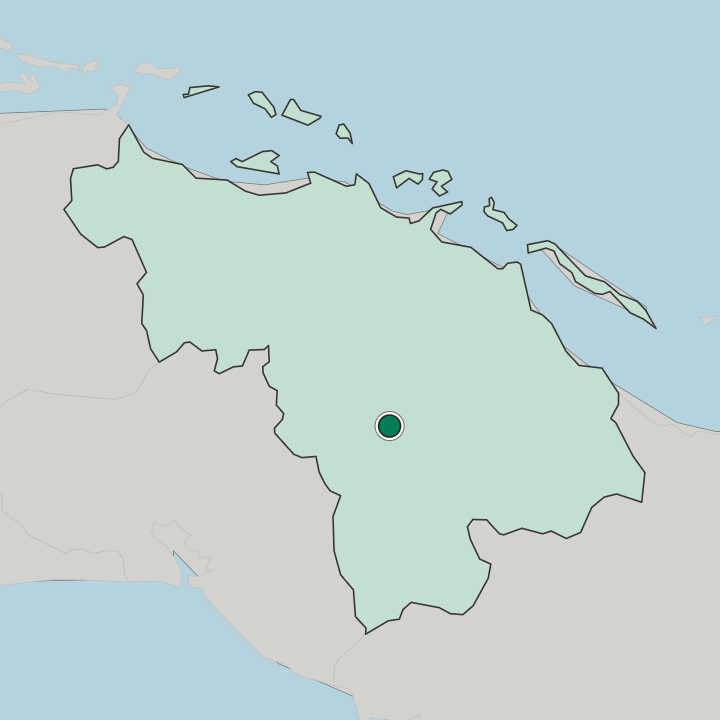
Santa Clara is a city of the interior. The city stands near the middle of Cuba and near the middle of Villa Clara province as well, a double centrality that leaves it without a shoreline and with roads running out in every direction. The municipality itself takes in roughly 514 square kilometres.
Ground, not water, sets the limits.
What is the climate of Santa Clara?
Heat builds inland. Santa Clara lies in the tropics and sits away from any Cuban shore, so the sea air that eases the coasts counts for little this far in, leaving afternoons heavy and rain the main relief. Downpours come in bursts.
Cool spells are a matter of degrees rather than of seasons in Villa Clara.
How do you get to Santa Clara?
Nothing reaches Santa Clara by water. Santa Clara stands near the centre of Cuba, so traffic crossing between the island's ends passes close by, and the city works as a stop on that movement rather than a terminus reached by one dedicated route. The roads of Villa Clara converge here.
Arrival is by road for most, and the compact centre keeps the last stretch short from any edge of the municipality.
Good for
Updated September 2026