Cape Verde: Regions, Cities & Travel Guide
Cape Verde is an Atlantic archipelago off West Africa, ten volcanic islands split into the Barlavento and Sotavento groups, ruled from Praia.
Hotel links are affiliate links: booking through them may earn us a commission, at no extra cost to you. It never affects how places are ranked. How this works


Top destinations in Cape Verde
Cities to start from, then drill into areas and hotels.

 Cape Verde
Praia
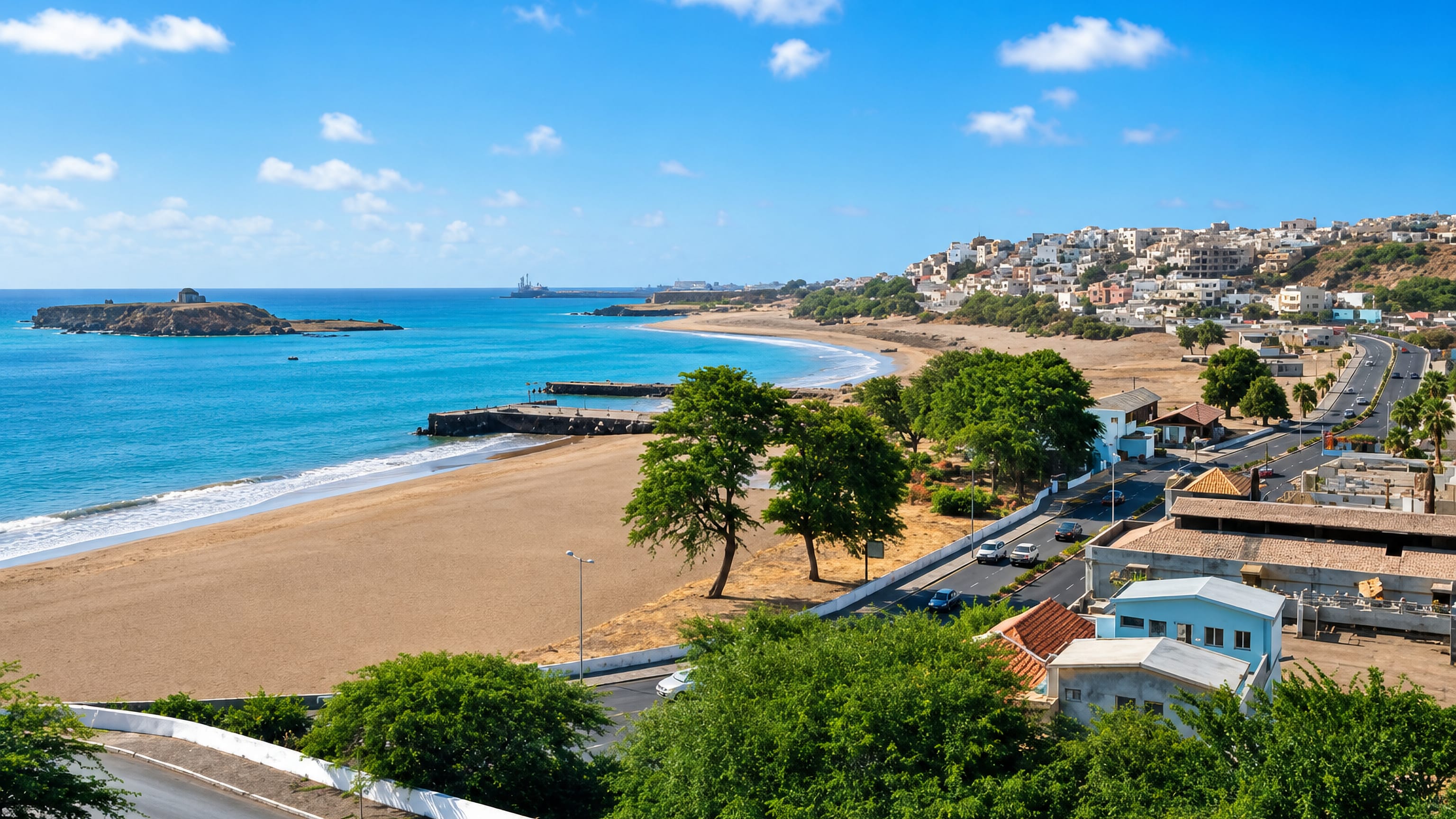
Praia is the capital of Cape Verde, a port city set on a flat-topped plateau above the Atlantic on the island of Santiago.Where to stay →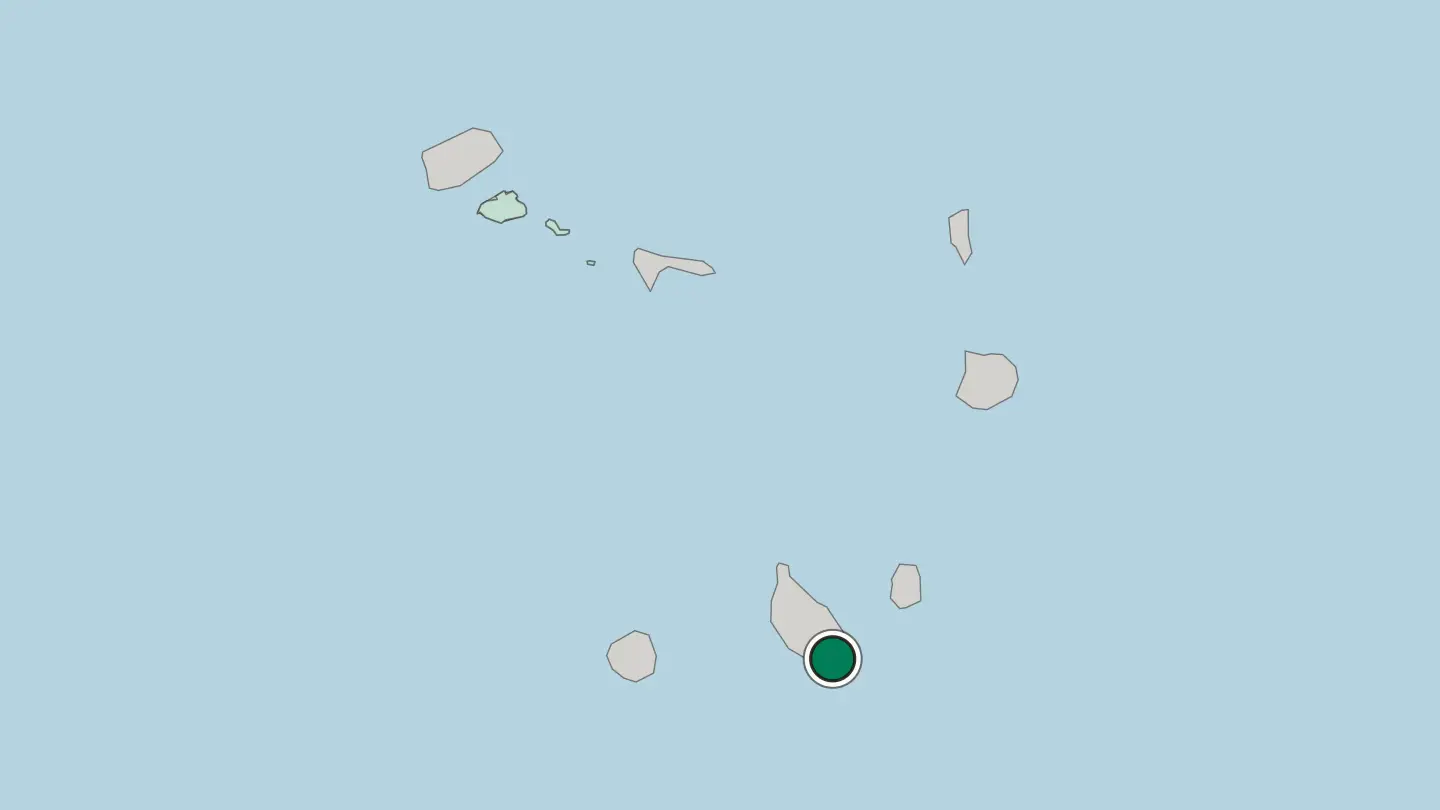
 Cape Verde
Mindelo
Mindelo, port city of São Vicente, ranks as the cultural capital of Cape Verde and keeps the Núcleo Museológico Cesária Évora.Where to stay →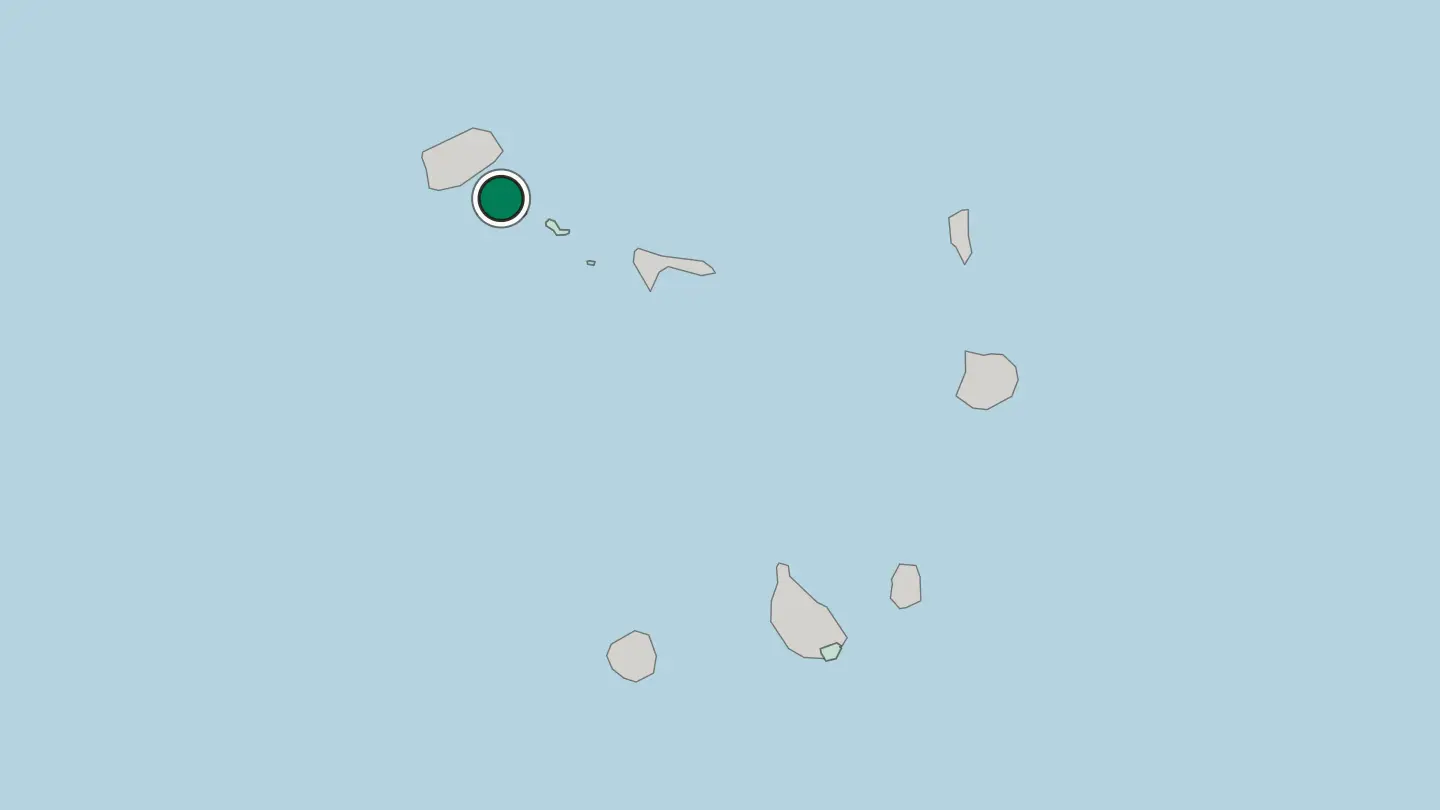
Hotel links are affiliate links: booking through them may earn us a commission, at no extra cost to you. It never affects how places are ranked. How this works
Regions of Cape Verde
Cape Verde
Concelho da Praia
Praia is the concelho holding Cape Verde's capital, on the southern part of the island of Santiago, its name the Portuguese word for beach.Towns & cities →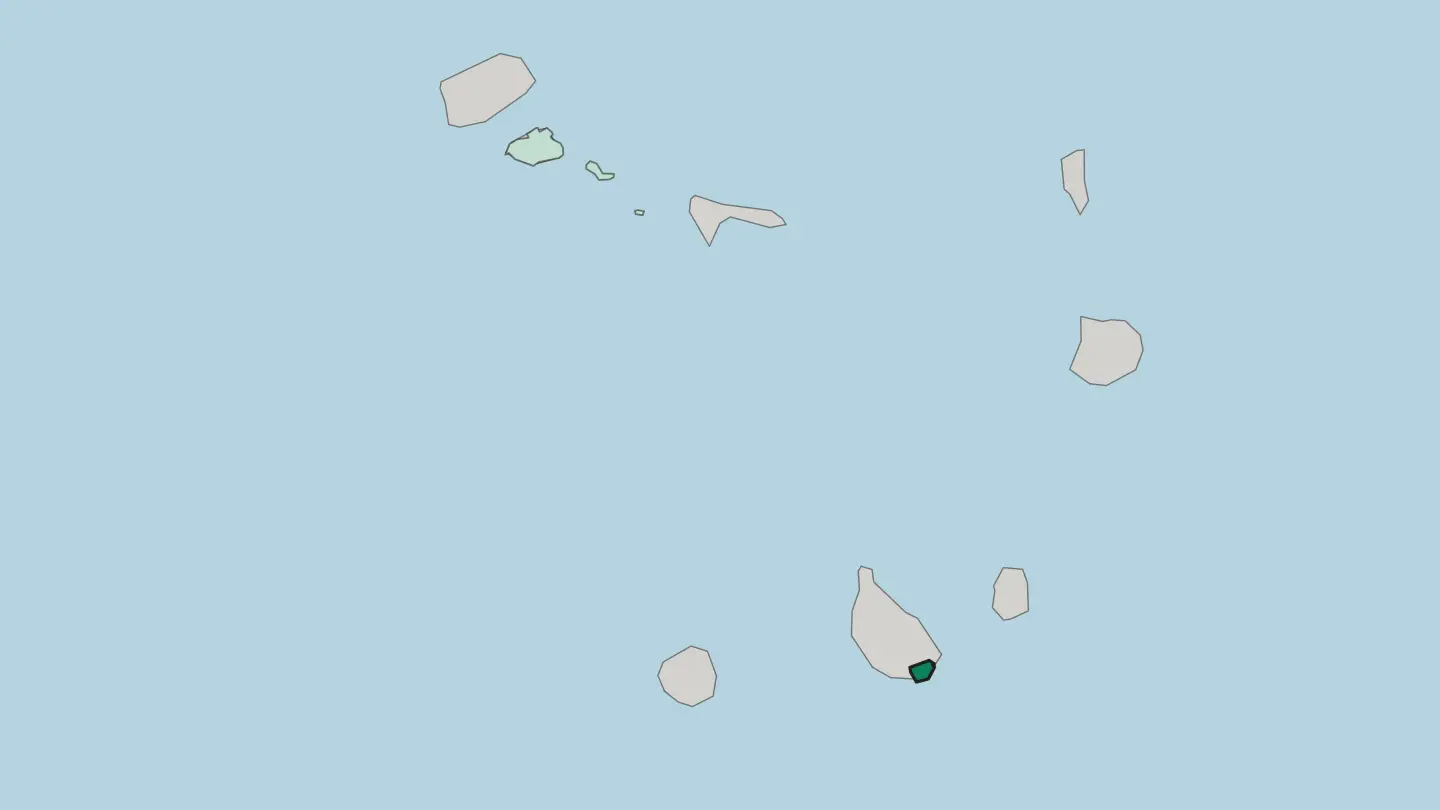 Cape Verde
Concelho de São Vicente
São Vicente is a concelho covering one of Cape Verde's Barlavento Islands, set between Santo Antão and Santa Luzia in the Atlantic Ocean.Towns & cities →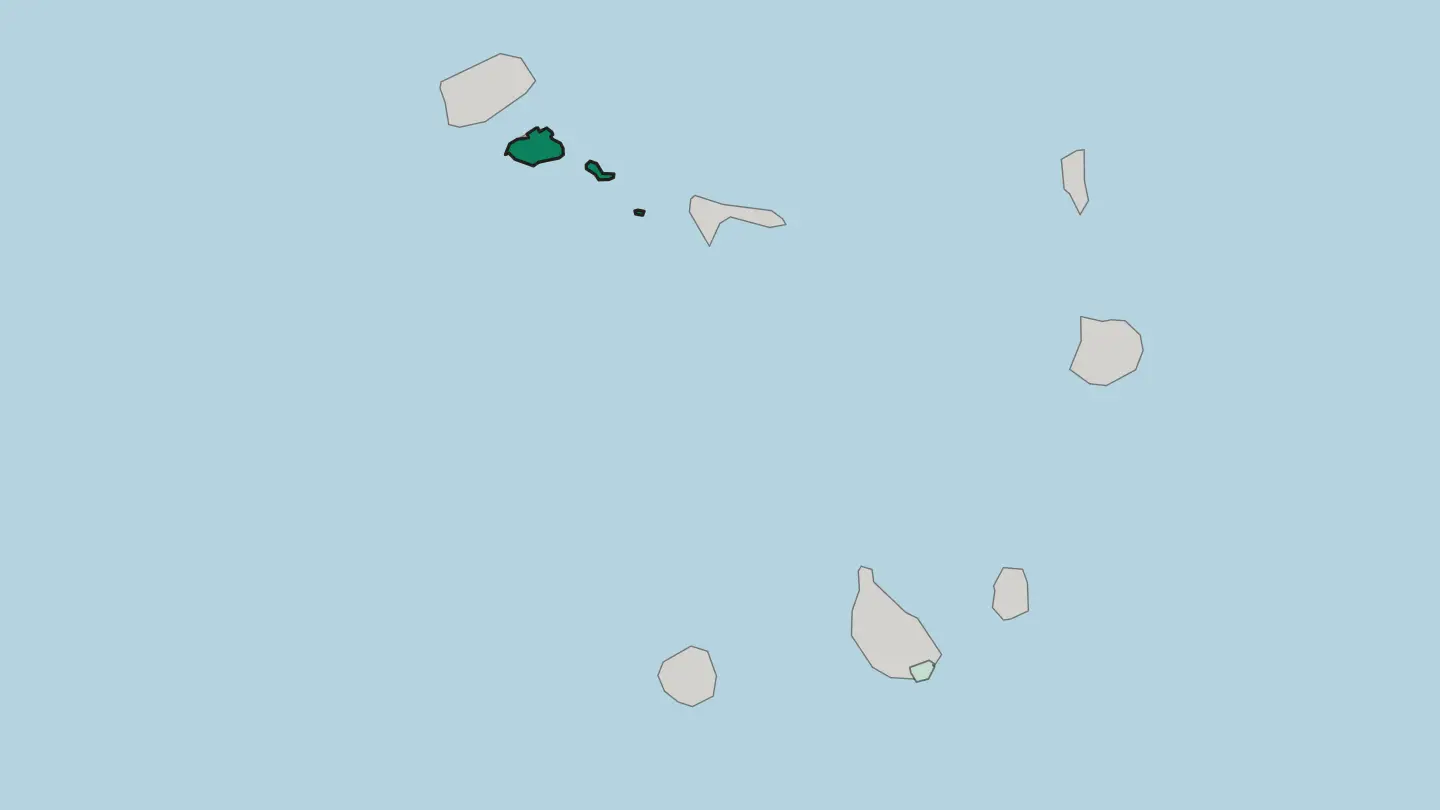
About Cape Verde
What is Cape Verde known for?
Cape Verde is known for wind, water, and the mournful songs of morna. Cesária Évora carried that music barefoot from Mindelo to the world's stages. The islands split their fame by mood.
Sal and Boa Vista draw sun-seekers to long dune-backed beaches, while Santo Antão pulls hikers into terraced ravines and Fogo hides a working volcano inside its crater. Old Cidade Velha holds the oldest European town in the tropics.
Where is Cape Verde?
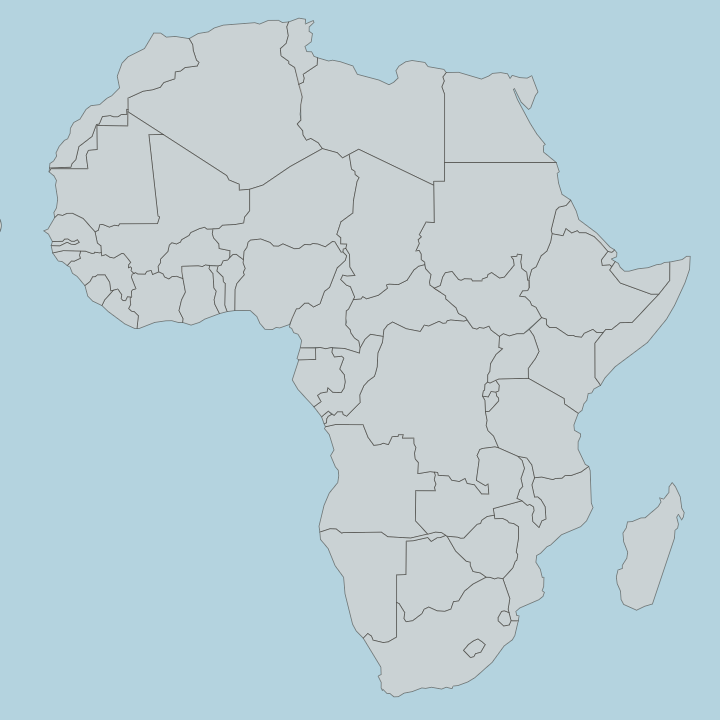
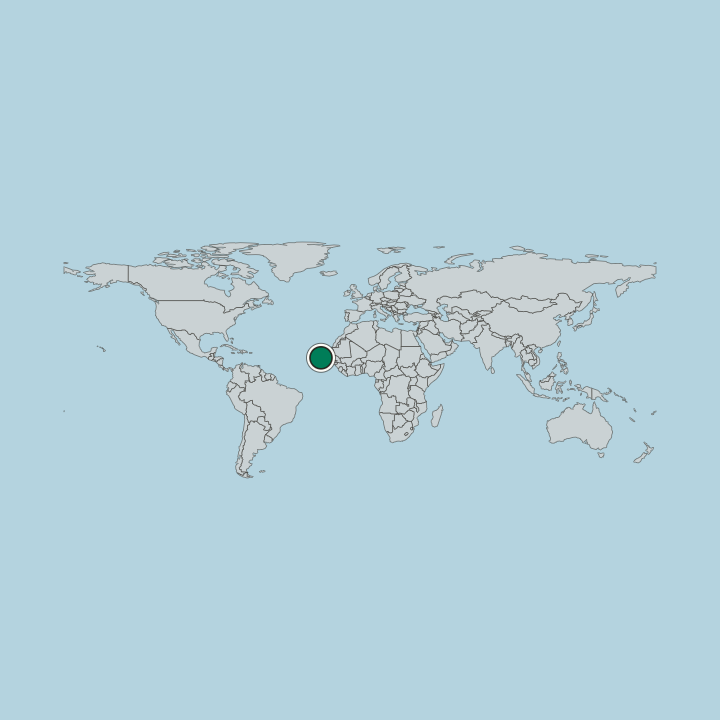
Cape Verde sits in the central Atlantic, its ten islands rising as bare volcanic peaks between six hundred and eight hundred kilometres west of the Cap-Vert peninsula in Senegal, the westernmost tip of continental Africa that gave the country its name. The archipelago falls into two arcs. Curving across the north, the Barlavento or windward group gathers Santo Antão, São Vicente, Santa Luzia, São Nicolau, Sal, and Boa Vista.
To the south lie the Sotavento, the leeward group, holding Maio, Santiago, Fogo, and Brava. Terrain divides the islands as sharply as the sea does. Sal and Boa Vista in the east are low, flat, and desert-dry, their eastern shores blown into pale dunes by the constant trade winds off the Sahara.
The western islands stand tall and folded. Santo Antão climbs into serrated ridges cut by deep green ravines, and on Fogo the black cone of Pico do Fogo rises from an old collapsed caldera, the highest point in the country and the only active volcano among these islands. Water is the scarce thing.
There are no permanent rivers, so life clusters where springs and terraced ribeiras trap what little rain falls, and Cape Verde belongs botanically to Macaronesia alongside the Azores, Madeira, and the Canaries.
What is the history of Cape Verde?
These islands had no people before the ships came. Portuguese navigators reached the empty archipelago around 1456, and in 1462 settlers landed on Santiago and founded Ribeira Grande, the town now called Cidade Velha, the first permanent European settlement in the tropics. Its position turned it rich and cursed.
Sitting midway between Europe, Africa, and the Americas, Ribeira Grande grew fat on the Atlantic slave trade, and that wealth drew raiders, including the corsair Francis Drake who sacked it in 1585. From the meeting of Portuguese colonists and enslaved West Africans a wholly new people emerged, Creole in blood and in speech. Drought and famine shadowed the colony for centuries, killing tens of thousands and driving waves of emigration to New England, Portugal, and beyond.
The capital shifted to Praia in the south of Santiago as the old town declined. Independence came late and came together with Guinea-Bissau, won under the movement of Amílcar Cabral, and on 5 July 1975 Cape Verde became a sovereign republic. A one-party state gave way to multiparty democracy in 1991.
The diaspora abroad still outnumbers the islanders at home.
What is Cape Verde like?
Cape Verdean culture is Creole to its core, an Atlantic blend of Portuguese and West African roots. That mixing produced kriolu, a language spoken on every island alongside official Portuguese. Music is the beating heart of it.
The morna, slow and aching, gave the world its most famous islander in Cesária Évora, the barefoot diva of Mindelo whose recordings made the sound of saudade a global language of longing. Faster forms crowd the dance floors too, from the swaying coladeira to the drum-driven funaná and batuku carried down from Santiago. That same island still cooks the national dish.
Cachupa, a slow stew of hominy corn, beans, cassava, and whatever meat or fish is at hand, simmers for hours and returns fried for breakfast the next morning. Emigration threads through everything here, a culture shaped as much by those who left as those who stayed, its songs full of the boats and planes that carried people away. Mindelo throws the country's loudest carnival each February, a Brazilian-flavoured riot of drums and feathers.
Saudade is the word for it all. It means a sweet ache for what is absent, and no place wears it more openly.
What is the climate of Cape Verde?
Cape Verde is hot, dry, and swept year-round by the north-east trade winds. Rain is rare and unreliable, falling mostly in short bursts between August and October, which leaves the eastern islands of Sal and Boa Vista almost desert. Between December and March the harmattan blows off the Sahara, hanging a brown haze of fine dust over the archipelago that dims the sun and coats the streets.
Temperatures barely swing across the year. The sea stays warm and the wind keeps the heat bearable.
How do you get to Cape Verde?
Most flights land on Sal. Amílcar Cabral International Airport, on that flat eastern island, has long been the country's main gateway and still takes the bulk of charter traffic from Europe. Praia on Santiago handles the second international airport and the intercontinental link toward North America, while Boa Vista and São Vicente run their own smaller international runways.
Between the islands you fly or sail. Domestic hops and a patchy ferry network stitch the archipelago together, since no bridge could ever cross this much open Atlantic.
Good for
Updated September 2026