Cape Verde · Concelho da Praia
Where to Stay in Praia, Concelho da Praia
Praia is the capital of Cape Verde, a port city set on a flat-topped plateau above the Atlantic on the island of Santiago.
Hotel links are affiliate links: booking through them may earn us a commission, at no extra cost to you. It never affects how places are ranked. How this works


Where to stay in Praia
Where visitors usually base themselves, and why.
Where you stay in Praia turns on the Plateau. The old streets on the flat rock keep the squares, the museums, and the government buildings within a walk, and staying on the Plateau suits anyone here for the old town. The squares fill in the evening cool.
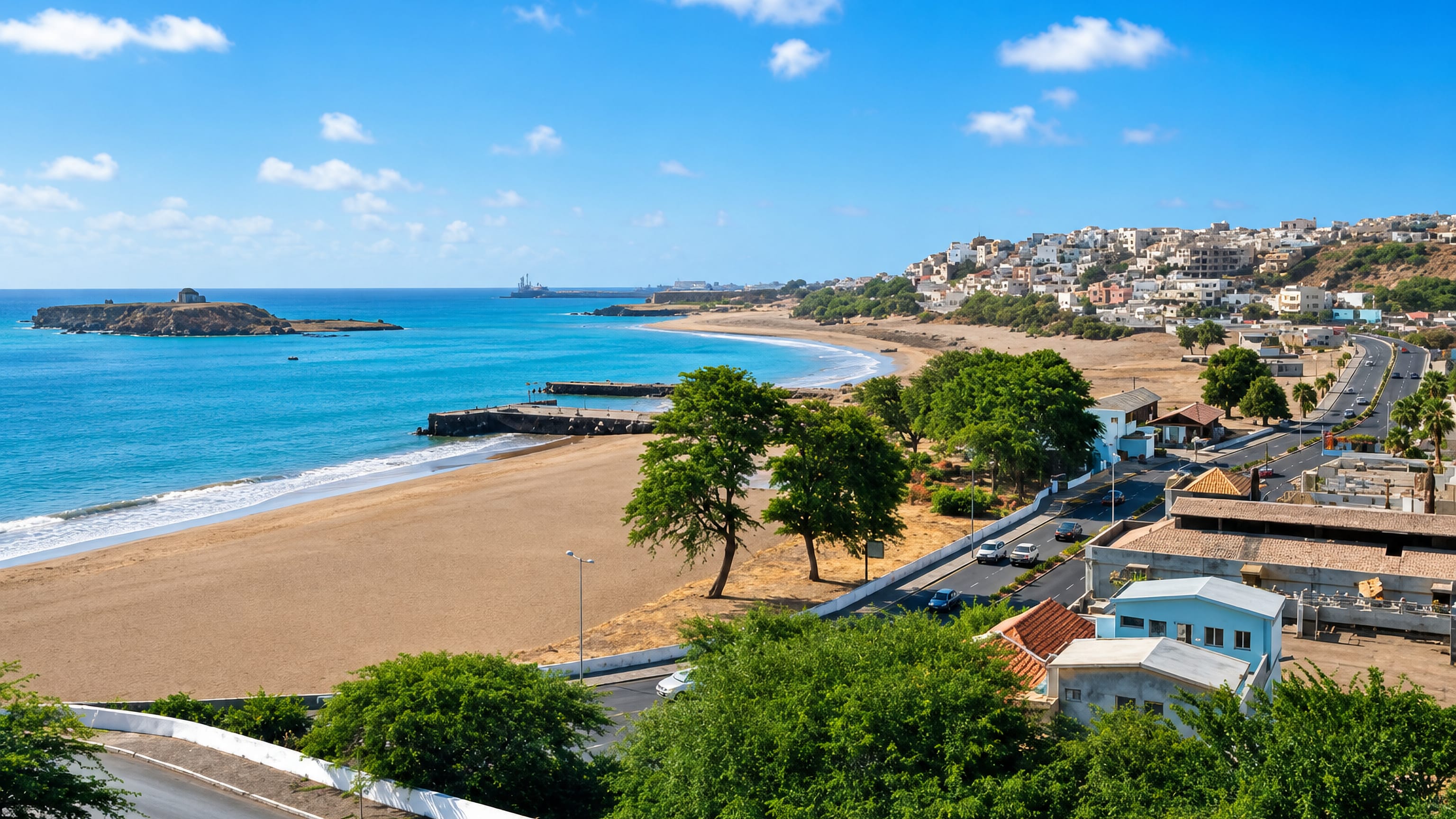
Rooms sit above the harbour on the rock. Out toward the beaches and the newer suburbs, the city spreads down to the shore. A room by the sea trades the old squares for the beach at Quebra Canela, the bars, and a swim in the Atlantic.
The dry hills rise behind the town. If you want the old town, stay on the Plateau; if you want the beach, take a room by the sea. Either way, the ocean is close at hand.
Find hotels in Praia
Direct booking searches for these neighbourhoods.
The Plateau
On the flat-topped rock above the harbour, within a walk of the Presidential Palace and the cathedralFind hotels in The PlateauStays wanting the beach at Quebra CanelaBeaches and suburbs
Down by the shore near Quebra Canela beach, an easy way to the bars and the AtlanticFind hotels in Beaches and suburbsHotel links are affiliate links: booking through them may earn us a commission, at no extra cost to you. It never affects how places are ranked. How this works
About Praia
Praia is the island capital of Cape Verde.
What is Praia known for?
Its old heart sits on the Plateau, a flat-topped rock above the harbour, where colonial squares, the presidential palace, and an old cathedral look down on the sea, and the music of the morna drifts through the streets. The Atlantic breaks below the town. Sea and song mark the city.
What are the main landmarks in Praia?
The Plateau is the heart of old Praia. The flat-topped rock above the harbour holds the colonial squares and the grand old buildings, the emblem of the city, over the sea. Palaces and churches crown the rock.
The Presidential Palace, the Pro-Cathedral of Our Lady of Grace, and the old barracks look over the town, while the Praia Ethnographic Museum keeps the islands' story.
What is the history of Praia?
Praia grew as a Portuguese harbour in the Atlantic. Portuguese sailors settled the islands of Cape Verde in the fifteenth century, and the town rose on its defensible plateau above a safe bay, a stop for ships crossing between Europe, Africa, and the Americas. The sea trade was cruel.
For centuries the islands served the Atlantic slave trade as a waystation, and Praia grew on the traffic that passed through its port. In time Praia became the capital. It took the seat of government from the older town of Cidade Velha, and grand colonial buildings rose on the Plateau above the harbour.
The islands won their freedom late. Cape Verde broke from Portugal in 1975 to become a nation of its own, and Praia grew into the young country's capital and largest city. The old plateau still holds the town's heart.
Praia looks out from its rock over the wide Atlantic.
Where is Praia?
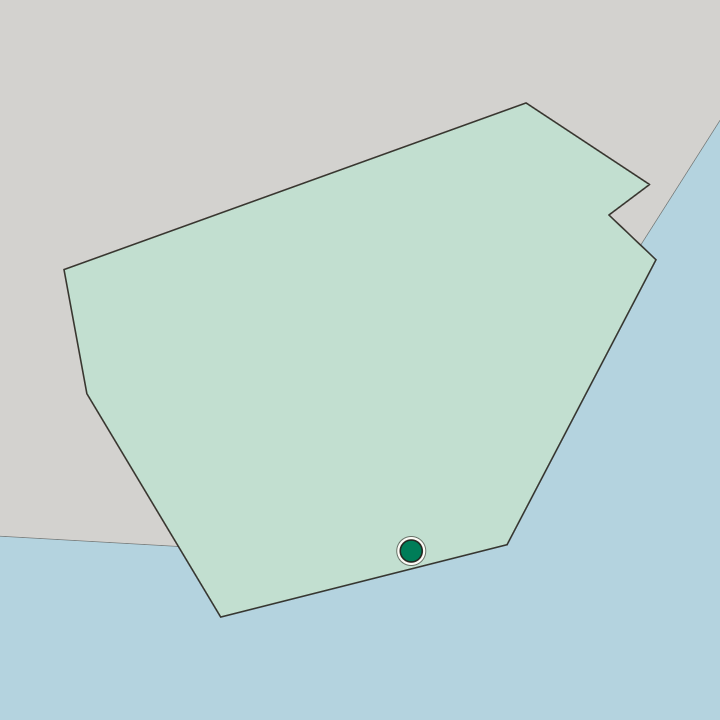
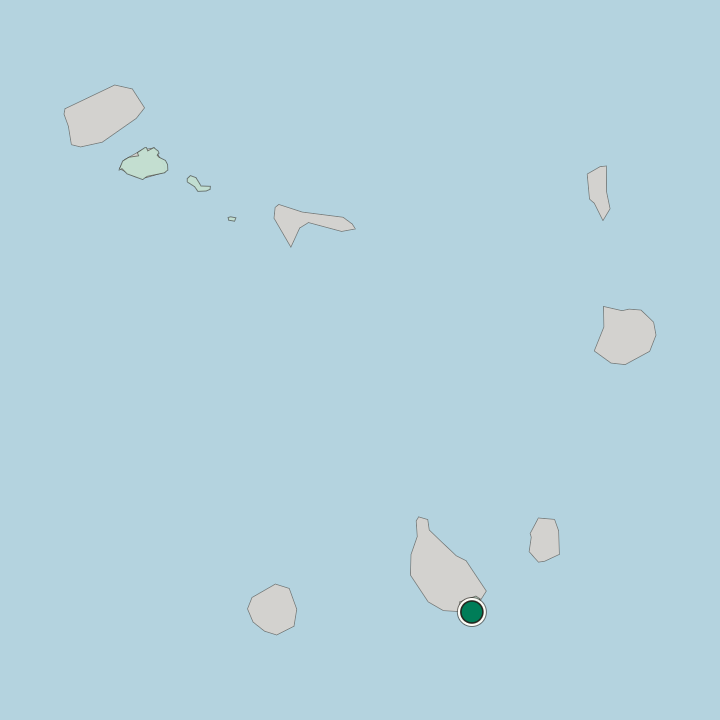
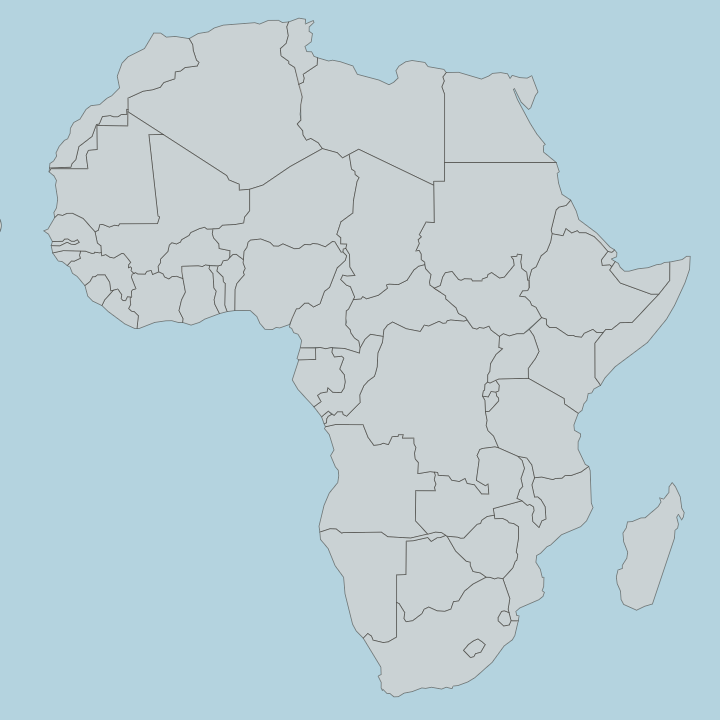
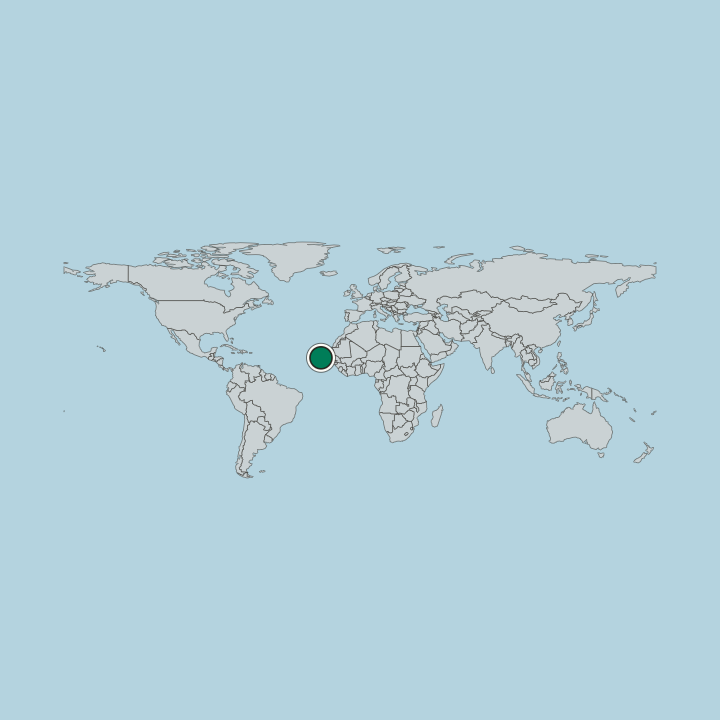
Praia lies on the south coast of Santiago, the largest island of Cape Verde. The city climbs over a cluster of flat-topped plateaus and valleys above the Atlantic, in a dry volcanic land far out in the ocean off West Africa. Bare brown hills ring the town.
The sea stretches wide beyond the harbour.
What is the climate of Praia?
Praia has a hot, dry ocean climate. Warm sea winds hold the heat steady all year, and the rains come only in a short, uncertain season near the end of summer, so the land stays brown and bare. Dust blows in from the Sahara at times.
The ocean keeps the air mild and salt.
How do you get to Praia?
Praia lies on the island of Santiago, far out in the Atlantic. Its airport links the city to Lisbon, West Africa, and the other islands, and ferries and boats cross the sea to the neighbouring islands of Cape Verde. Buses run out to the island towns around.
Most arrive by air over the ocean.
Common questions
What is the best area to stay in Praia?
The Plateau: Visitors here for the old squares, museums, and palaces. Beaches and suburbs: Stays wanting the beach at Quebra Canela.
Good for
Updated September 2026