Cyprus · Eparchía Lárnakas
Where to Stay in Larnaca, Eparchía Lárnakas
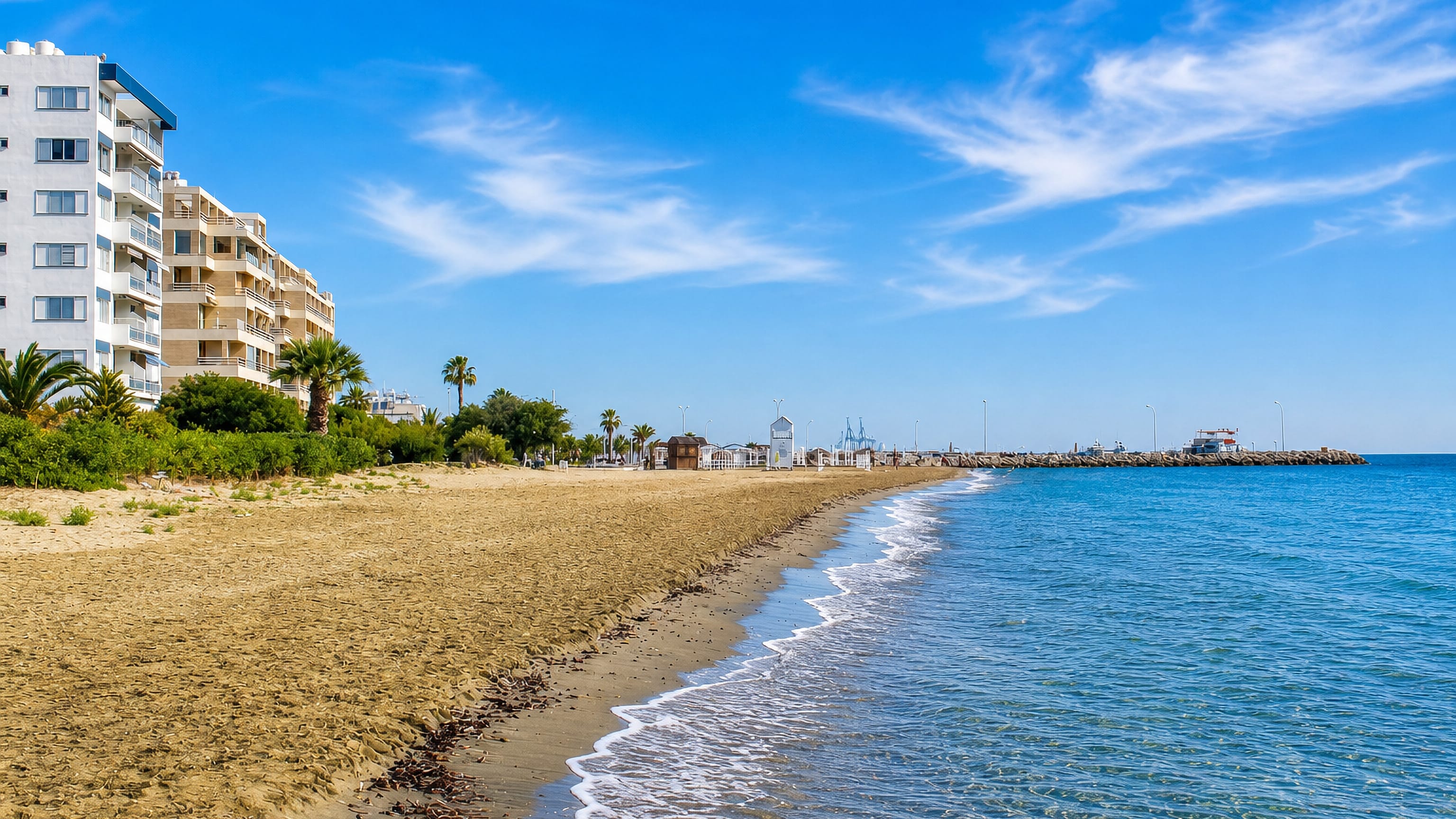
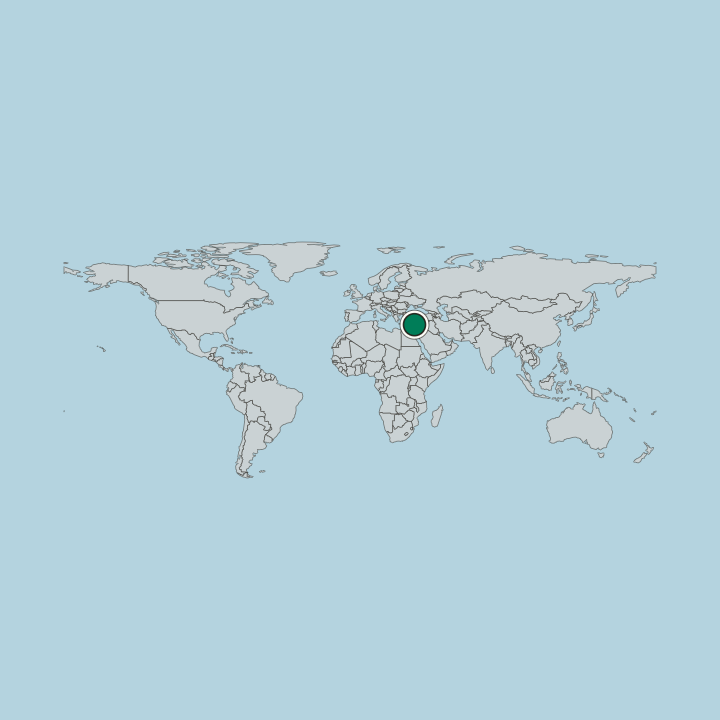
Larnaca sits on the south-east coast of Cyprus, capital of the Larnaca District, known for Larnaca Castle and the Statue of Zeno.
Hotel links are affiliate links: booking through them may earn us a commission, at no extra cost to you. It never affects how places are ranked. How this works


Where to stay in Larnaca
How the choice of base plays out on the ground.
Larnaca gives most visitors a compact choice, with the seafront, the old fort, and the museum quarter all within walking reach of each other. The waterfront near Larnaca Castle is the obvious first base: the fort, the promenade, and the beach sit together at the southern end of the town. Inland from the shore, the streets around the Pierides Museum and the Municipal Art Gallery Larnaka hold the city's quieter cultural core.
Both areas suit a short stay well. Choose by what you want first. Stay by the water near Larnaca Castle for the beach and the promenade, or draw back toward the Pierides Museum for the old-town streets and the museums.
The Faneromeni church and the monument of Apollonios of Kition mark that inland quarter and give it a settled, lived-in feel apart from the seafront bustle. Either way the city stays small enough to cross on foot, so the choice is mood, not distance.
Find hotels in Larnaca
Direct booking searches for these neighbourhoods.
Seafront by Larnaca Castle
The promenade, the beach, and Larnaca Castle sit together at the southern end of the seafront.Find hotels in Seafront by Larnaca Castlethe old-town streets and the museumsMuseum quarter around the Pierides Museum
The Pierides Museum, the Faneromeni church, and the monument of Apollonios of Kition anchor Larnaca's quieter inland core.Find hotels in Museum quarter around the Pierides MuseumHotel links are affiliate links: booking through them may earn us a commission, at no extra cost to you. It never affects how places are ranked. How this works
Things to do in Larnaca
Ranked by global recognition; descriptions from Wikidata (CC0).
Museums & Galleries
3- Larnaca District Archaeological Museum
- Pierides Museum
- Kyriazis Medical Museum
Churches & Religious Sites
3- Sourp Stepanos
- Terra Santa Our Lady of Grace Catholic Church
- Faneromeni church in Larnaca
Castles & Historic Sites
3- Larnaca Castle
- Armenian Genocide Memorial in Larnaca
- Statue of Zeno in Larnaca
Stadiums & Sports
2- American Academy of Larnaca
- Κλειστή Αίθουσα Λυκείου Λειβαδιών
worth knowingacross 4 categories in Larnaca
About Larnaca
What is Larnaca known for?
Larnaca is known as the coastal capital of the Larnaca District and one of the principal cities of Cyprus, after Nicosia and Limassol. Its seafront and its fort, Larnaca Castle, give the city its public face, while the Pierides Museum and the Statue of Zeno tie it to a long civic and intellectual past. The city carries the ancient name Kition in its heritage.
That older layer still shows in its museums and monuments.
What are the main landmarks in Larnaca?
Larnaca's landmarks run from a medieval fort to the relics of ancient Kition. Larnaca Castle guards the southern end of the seafront, while the Pierides Museum and the Larnaca District Archaeological Museum hold the city's collections. The Faneromeni church and Sourp Stepanos mark its religious past.
The Statue of Zeno, the monument of Apollonios of Kition, and the Temple of Aphrodite - Astarte at Kition recall the thinkers and cults of the ancient town beneath the modern one.
What is the history of Larnaca?
Larnaca stands on the site of ancient Kition, and that older town is the root of the city's story. Kition was a settlement of the Cypriot coast long before the modern port took shape, and its memory survives in the Temple of Aphrodite - Astarte and in the philosopher Zeno, born here, whom the Statue of Zeno commemorates. The city grew as a coastal town of Cyprus.
Its harbour and its castle came to define it. Through the later centuries Larnaca became the capital of the Larnaca District and a working port on the island's south-east coast. Larnaca Castle guarded that harbour.
The Sourp Stepanos church and the Terra Santa Our Lady of Grace Catholic Church record the mixed communities that traded and settled through the town, layering church and monument onto the ancient ground of Kition. The modern city sits directly on that long-inhabited coast.
Where is Larnaca?
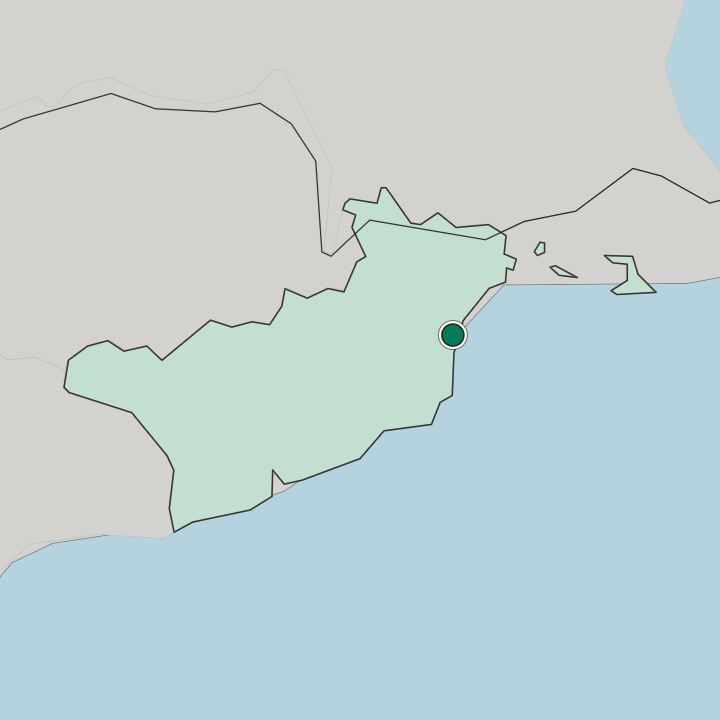
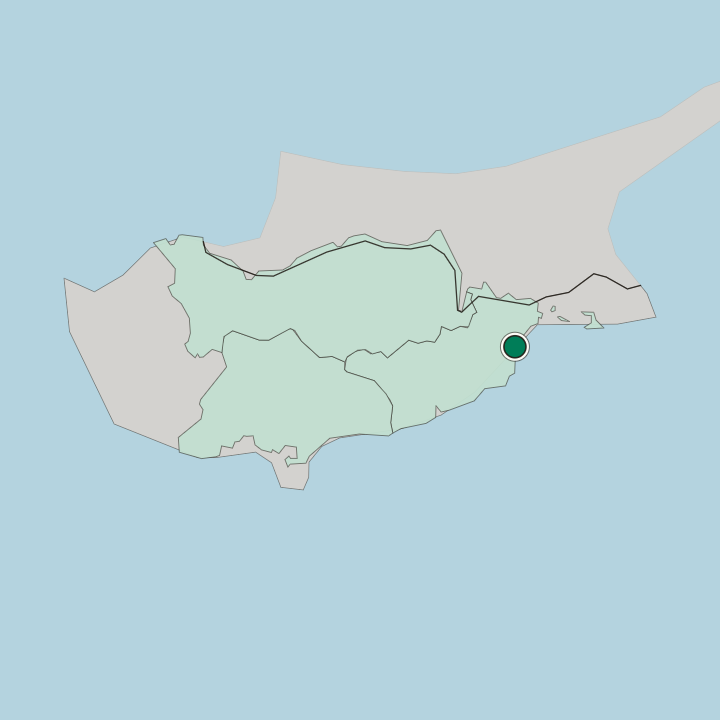
Larnaca lies on the south-east coast of Cyprus, at the seaward edge of the Larnaca District it serves as capital, its seafront and Larnaca Castle set right along the shore. The town faces the sea. Behind it the district's land runs inland toward Nicosia and Limassol, climbing away from the coast.
The city is coastal first. Its whole plan turns on the water and the fort that once watched the harbour.
What is the climate of Larnaca?
Larnaca has a subtropical coastal climate, with hot dry summers and mild wet winters on the south-east shore of Cyprus. The sea moderates the town through the long summer, keeping it warm rather than fierce. Winters are gentle.
Most of the year's rain falls in the cooler months, and the seafront by Larnaca Castle stays open and usable across much of the year.
How do you get to Larnaca?
Larnaca is one of the main arrival points for Cyprus, on the island's south-east coast, and the usual first stop for anyone reaching the Larnaca District from outside the island. It is a coastal entry point. From the town, roads run inland toward Nicosia and west toward Limassol, threading through the district.
Arrive at Larnaca. The rest of the district and the wider island open out from there.
Common questions
What is the best area to stay in Larnaca?
Seafront by Larnaca Castle: beach days beside the old fort. Museum quarter around the Pierides Museum: the old-town streets and the museums.
Good for
Updated September 2026