Czech Republic · Jihočeský kraj
Where to Stay in České Budějovice, Jihočeský kraj
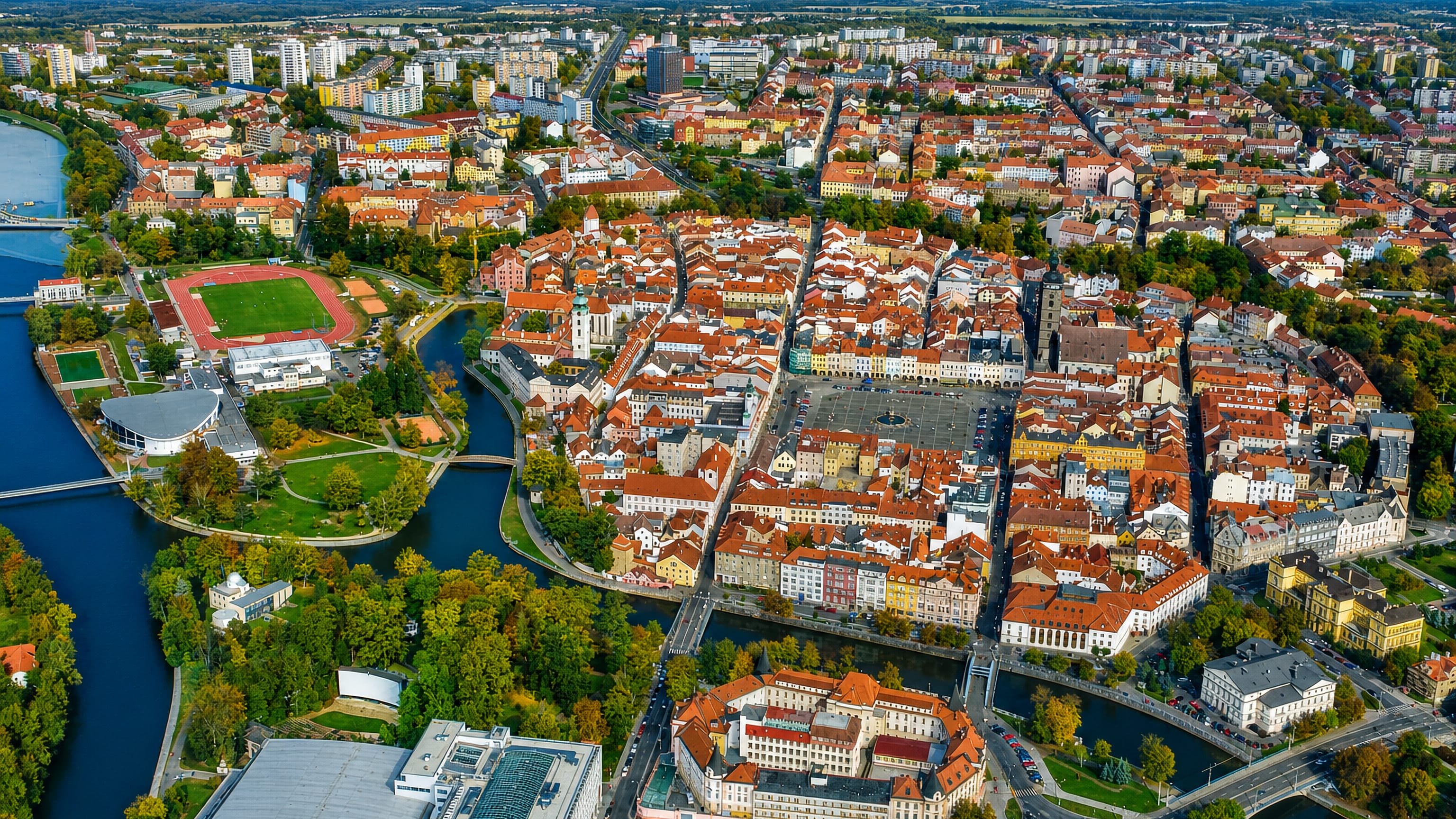
České Budějovice is the largest town in South Bohemia, set where the Vltava meets the Malše, ringed by old squares and the Black Tower.
Hotel links are affiliate links: booking through them may earn us a commission, at no extra cost to you. It never affects how places are ranked. How this works


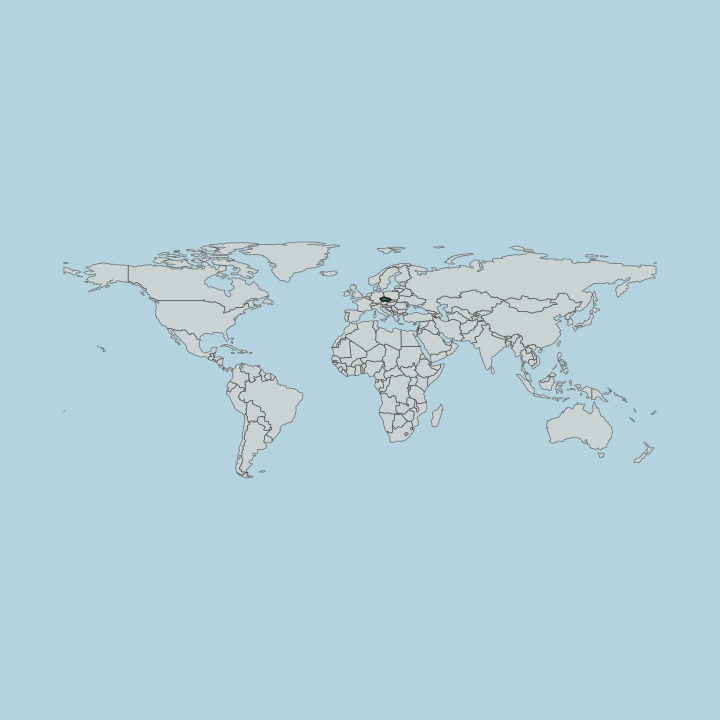
Where to stay in České Budějovice
The practical side of choosing where to sleep.
Where you stay in České Budějovice means the old square, for most visitors. The historic centre gathers around the Cathedral of St Nicholas and the Black Tower, and rooms here open onto the arcades and the medieval streets within a few minutes' walk of everything. The square fills with cafés by day.
This is the base for anyone who has come for the towers, the churches, and the river walks. Beyond the walls, the town spreads into quieter districts along the Vltava and the Malše. A room by the water trades the arcaded square for riverside paths and easier parking, a short tram or walk from the Dominican Monastery and the old core.
The rivers make good evening walks. If you want the square and the towers, stay in the centre; if you want quiet and the water, take a room by the river. Either way, the old town is small enough to cross on foot.
Find hotels in České Budějovice
Direct booking searches for these neighbourhoods.
Historic centre
Around the Cathedral of St Nicholas and the Black Tower, on the arcaded market square within a short walk of the old coreFind hotels in Historic centreQuieter stays wanting the Vltava and Malše pathsRiverside districts
Along the rivers a short way from the Dominican Monastery, with waterside walks and easier parkingFind hotels in Riverside districtsHotel links are affiliate links: booking through them may earn us a commission, at no extra cost to you. It never affects how places are ranked. How this works
Things to do in České Budějovice
Ranked by global recognition; descriptions from Wikidata (CC0).
Museums & Galleries
1- Museum of horse railway in České Budějovice
Churches & Religious Sites
8- Cathedral of St Nicholas, České Budějovice Heritage
- Dominican Monastery Heritage
- Church of the Presentation of the Virgin Mary Heritage
- Church of the Virgin Mary of the Rosary in České Budějovice Heritage
- Church of Saint John of Nepomuk Heritage
Show 3 more →
- Church of Saint Adalbert Heritage
- Kapucínský klášter Heritage
- Evangelical church Heritage
Castles & Historic Sites
3- Monument to Jan Žižka in České Budějovice Heritage
- Ohryzek Járy Cimrmana
- Monument of Adalbert Lanna the Elder
Landmarks & Notable Places
8- Black Tower Heritage
- Železná panna Heritage
- Lannova loděnice Heritage
- U Zelené ratolesti Heritage
- Nová radnice (České Budějovice) Heritage
Show 3 more →
- Dům U Tří lvů Heritage
- Dům U jelena Heritage
- Čermákův dům Heritage
worth knowingacross 4 categories in České Budějovice
About České Budějovice
České Budějovice centres on a great square.
What is České Budějovice known for?
The largest town in South Bohemia, it spreads around a broad market square at its heart, its skyline held by the Cathedral of St Nicholas and the Black Tower beside it. Two rivers ring the old centre. The medieval plan still holds.
What are the main landmarks in České Budějovice?
The Black Tower guards the old square. It rises beside the Cathedral of St Nicholas at the heart of the town, and from its gallery the red roofs run out to the rivers, while the Dominican Monastery and the Church of the Presentation of the Virgin Mary hold the medieval corners of the centre. Smaller towers survive as well.
The Rabenštejnská věž and the Železná panna still mark the line the old walls once followed.
What is the history of České Budějovice?
České Budějovice dates to 1265. A royal foundation laid out on the river flats, the town was built to a broad grid around its market square, and much of that medieval plan survives. The Dominican Monastery went up in the first generations, and the Cathedral of St Nicholas and the Black Tower came to mark the skyline, while towers like the Rabenštejnská věž and the Železná panna still stand in the line of the old walls.
Stone bridges and mills crossed the two rivers that guarded the settlement on almost every side. Later centuries reached the town by rail. One of the earliest railways in Europe, a horse-drawn line, ran from here across the hills, and the Museum of the horse railway keeps that pioneering story.
Industry followed, and a monument to Adalbert Lanna the Elder honours the builder who shaped the modern town. The rivers kept flooding, and the ponds kept their fish. The Church of the Presentation of the Virgin Mary and the Dominican cloister anchored the faith of the town through it all.
Old walls and new trade meet in the streets.
Where is České Budějovice?
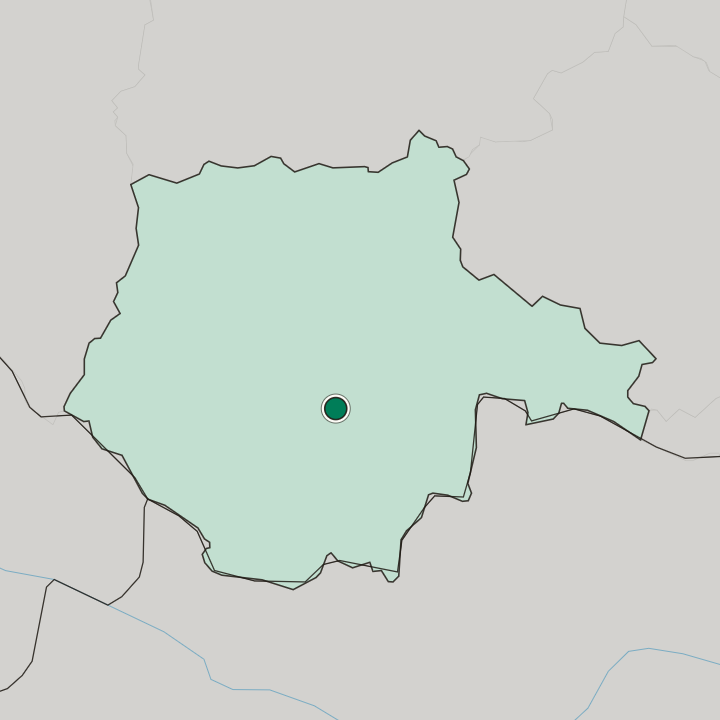
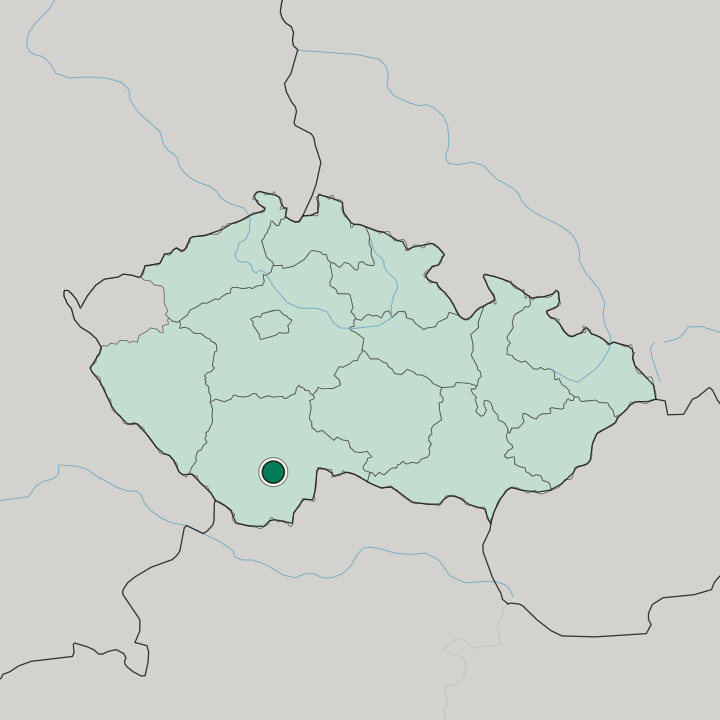
Two rivers meet at České Budějovice. The Vltava flows north through the town and takes in the Malše here, and the streets sit on the flat basin the two rivers have carved through South Bohemia, low water-meadows spreading around the old core. Ponds and marsh lie beyond the streets.
The rivers made the place.
What is the climate of České Budějovice?
Four seasons mark the Bohemian year. Inland and hemmed by hills, České Budějovice sees cold winters with snow and mild, showery summers, and the river basin traps fog and frost through the cold months. Spring floods the meadows.
Autumn hangs damp over the water.
How do you get to České Budějovice?
The town is a Bohemian crossroads. České Budějovice sits on the rail and road lines running south from the capital toward the border, the main way into South Bohemia, and buses fan out from it to the ponds and castles of the region. Trains run north to the capital. Most visitors come down for a day or a longer stay.
Common questions
What is the best area to stay in České Budějovice?
Historic centre: Visitors here for the medieval square, towers, and churches. Riverside districts: Quieter stays wanting the Vltava and Malše paths.
Good for
Updated September 2026