Czech Republic: Regions, Cities & Travel Guide
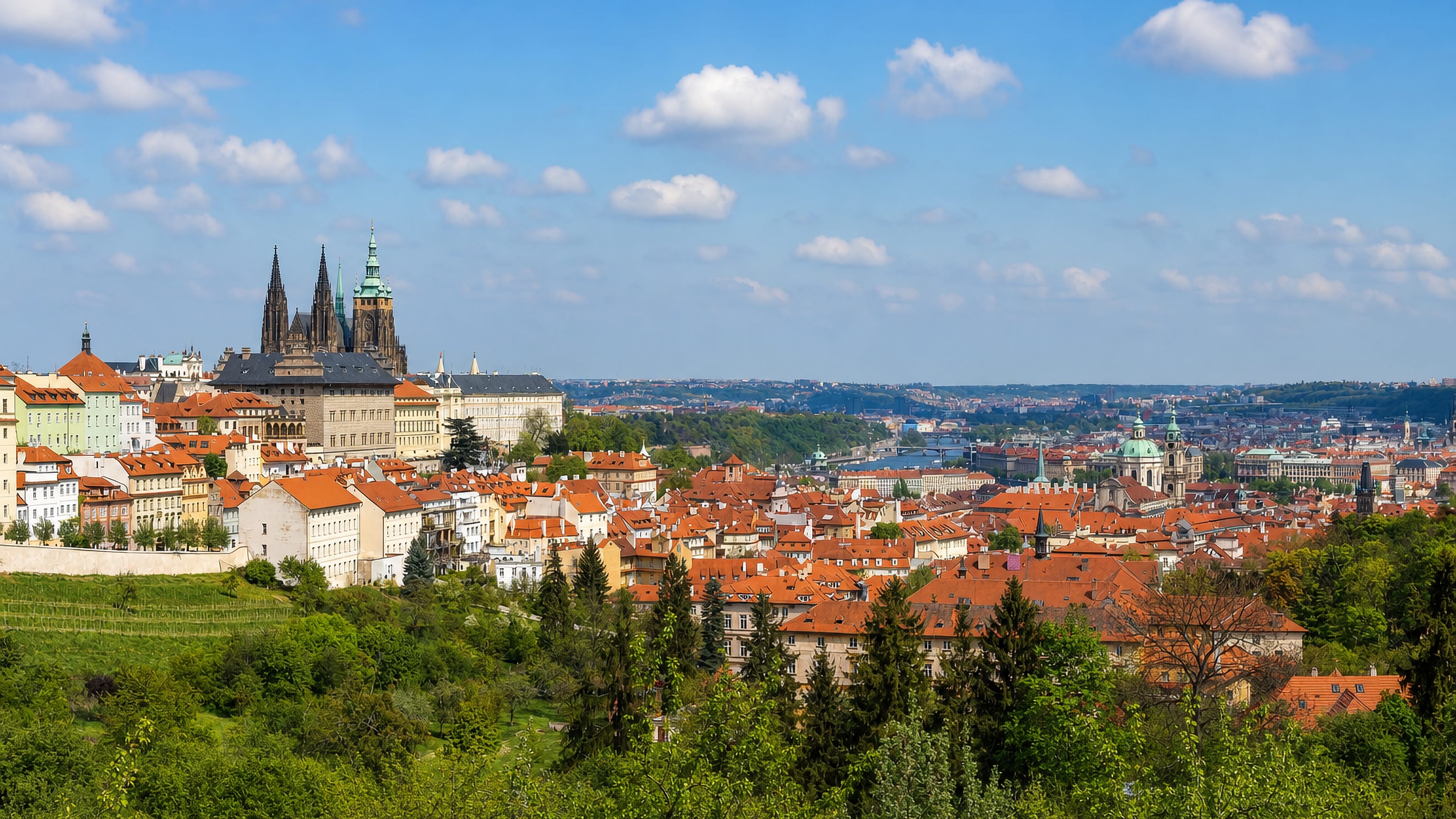
Czechia is a landlocked country in Central Europe, joining the old lands of Bohemia and Moravia, with Prague as its capital.
Hotel links are affiliate links: booking through them may earn us a commission, at no extra cost to you. It never affects how places are ranked. How this works


Top destinations in Czech Republic
Cities to start from, then drill into areas and hotels.
 Czech Republic
Prague
Gold spires rise above the Vltava at Prague, capital of the Czech Republic and historic seat of Bohemia, known for Prague Castle and its Old Town.Where to stay →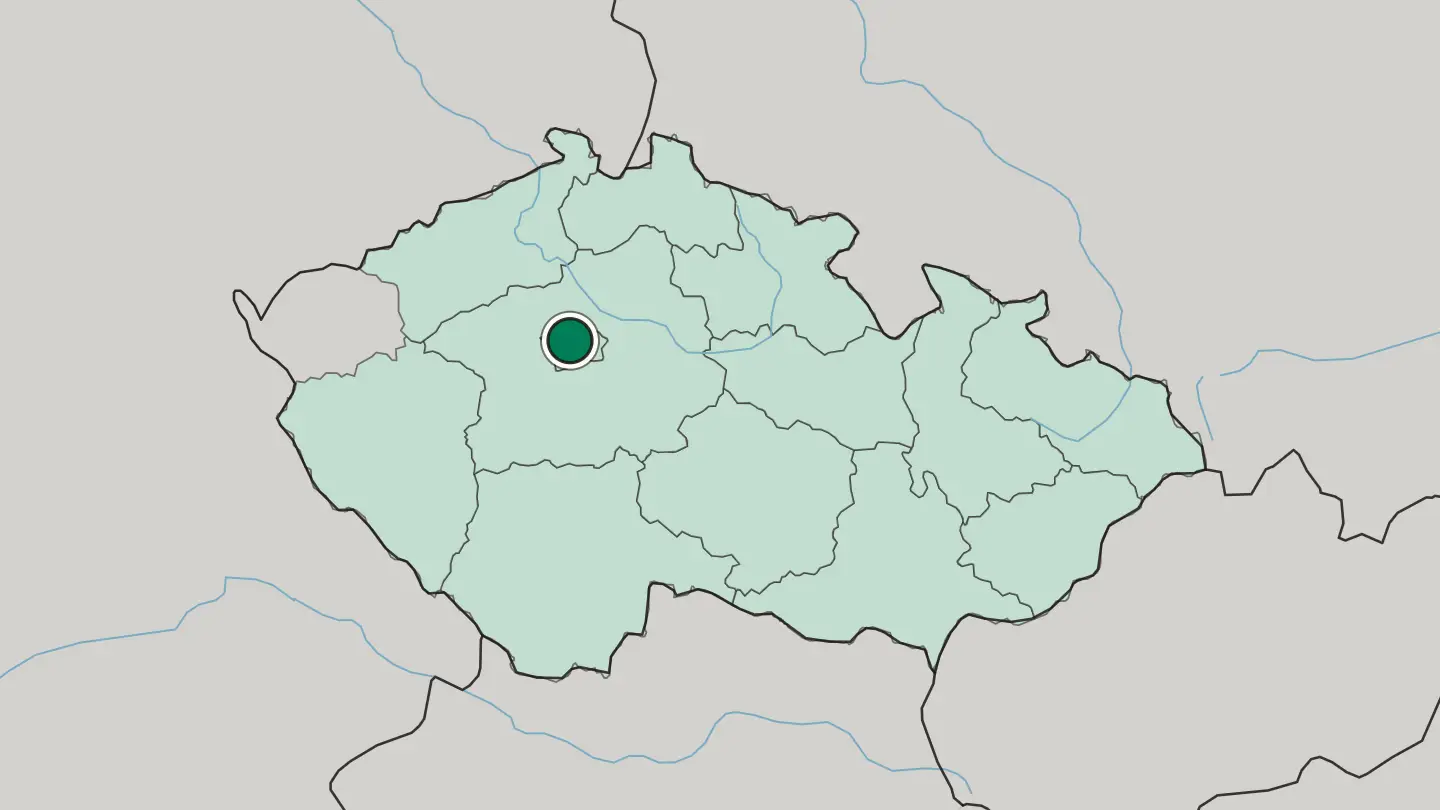
 Czech Republic
Brno
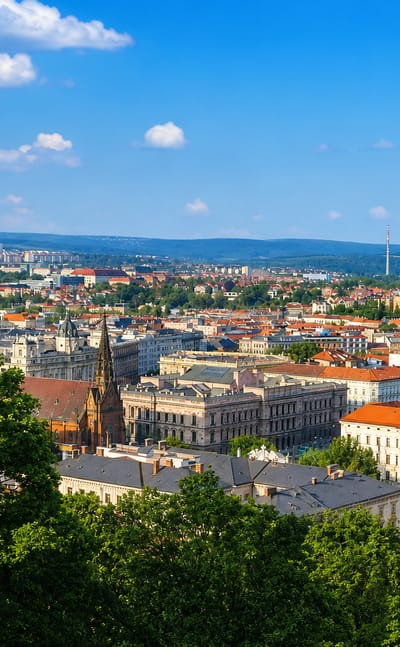
Špilberk Castle looks down on Brno, the largest city of Moravia and second city of the Czech Republic, set where the Svitava meets the Svratka.Where to stay →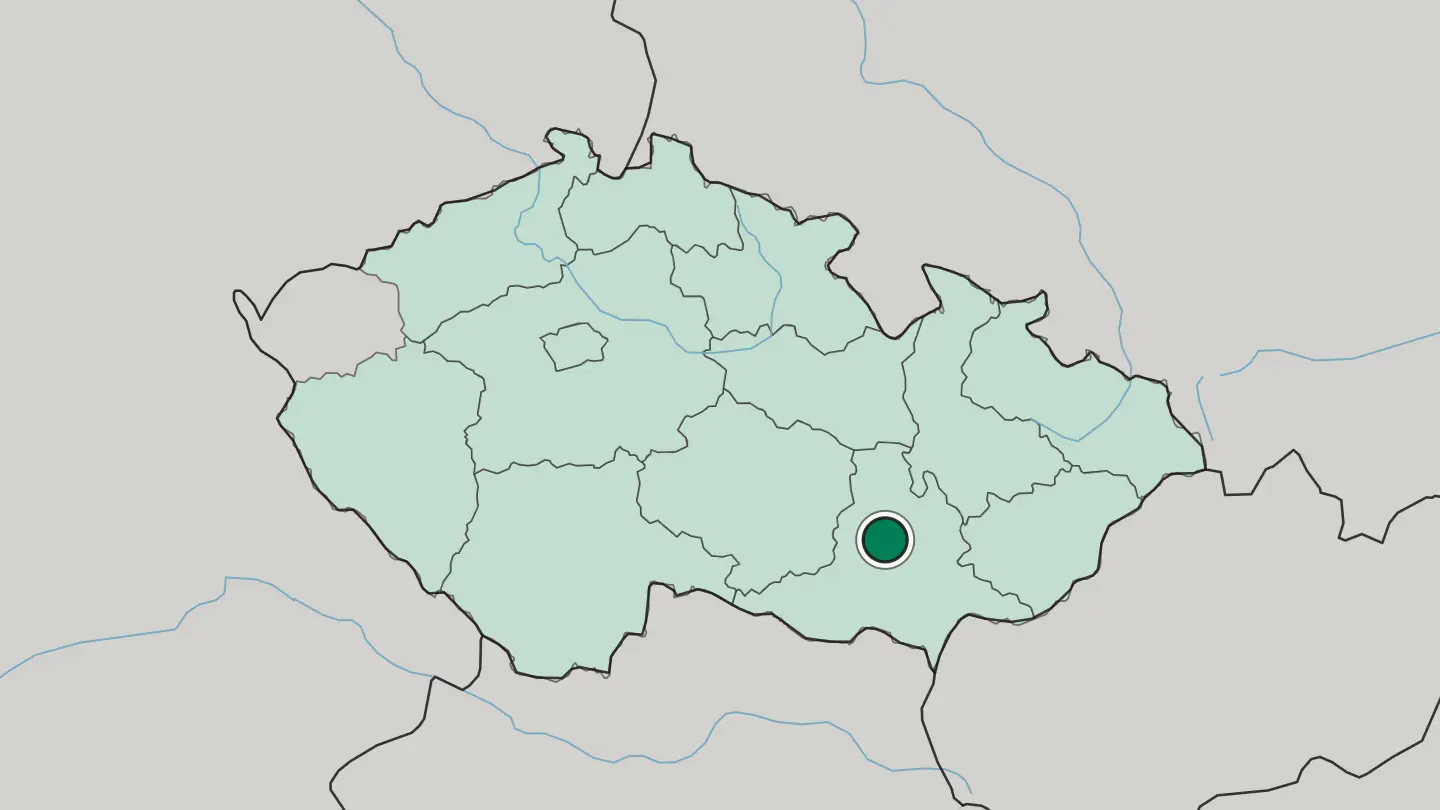
 Czech Republic
Ostrava
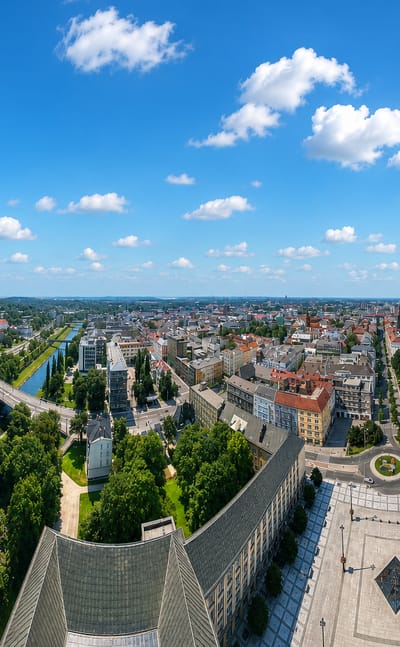
Four rivers meet at Ostrava, a city on the border of Moravia and Silesia in the Moravian-Silesian Region, known for Silesian Ostrava Castle.Where to stay →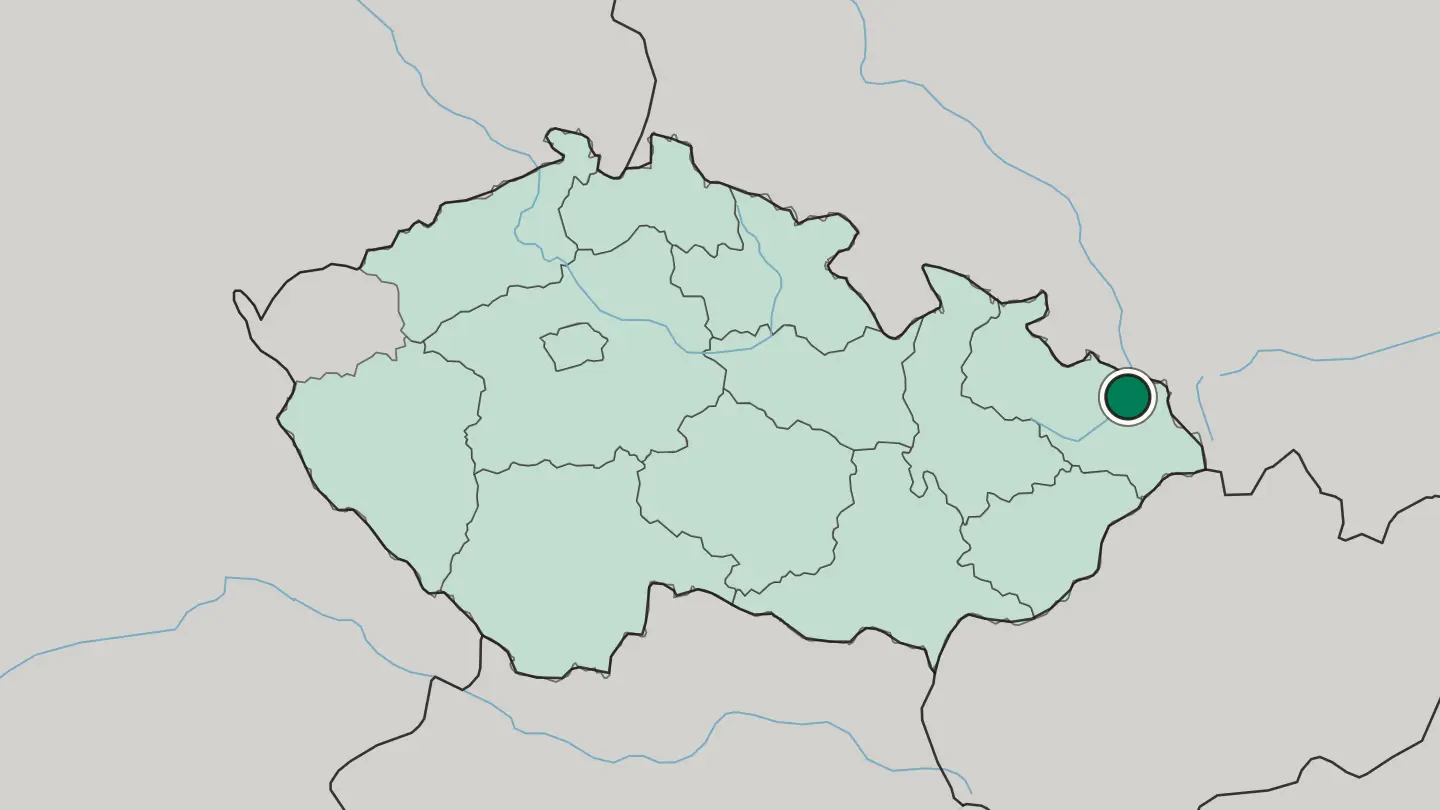
 Czech Republic
Pilsen
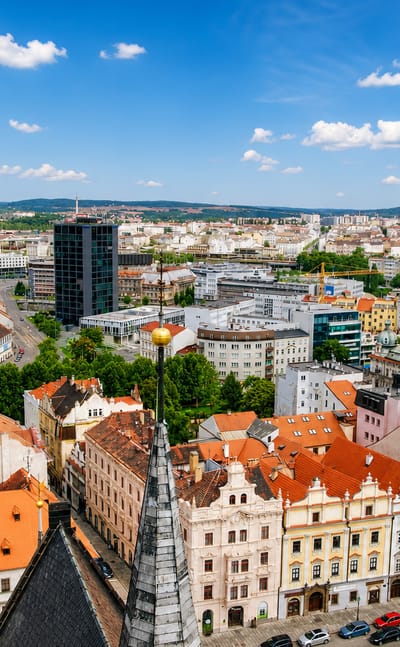
The tower of St. Bartholomew rises over Pilsen, a city of West Bohemia and the home of Pilsener beer, known for its brewing and the Plzeň Region.Where to stay →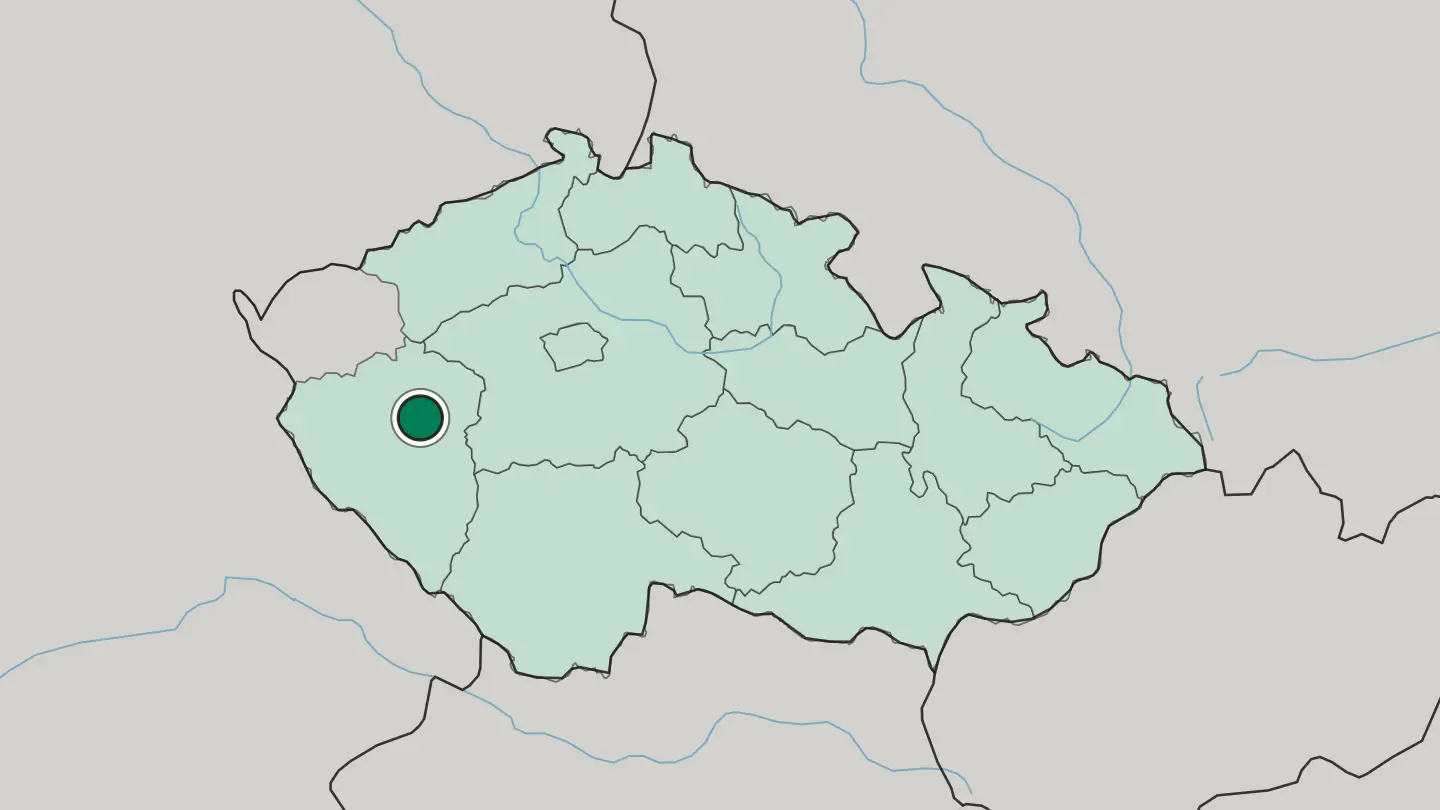
 Czech Republic
Olomouc
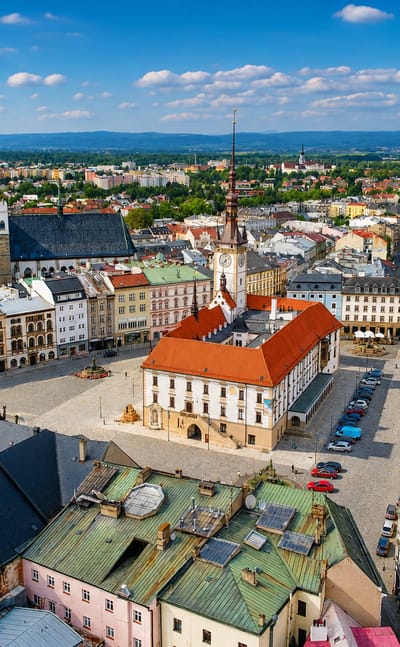
The Morava runs through Olomouc, a city on the Haná plain in the Olomouc Region of the Czech Republic, known for its cathedral and old preservation zone.Where to stay →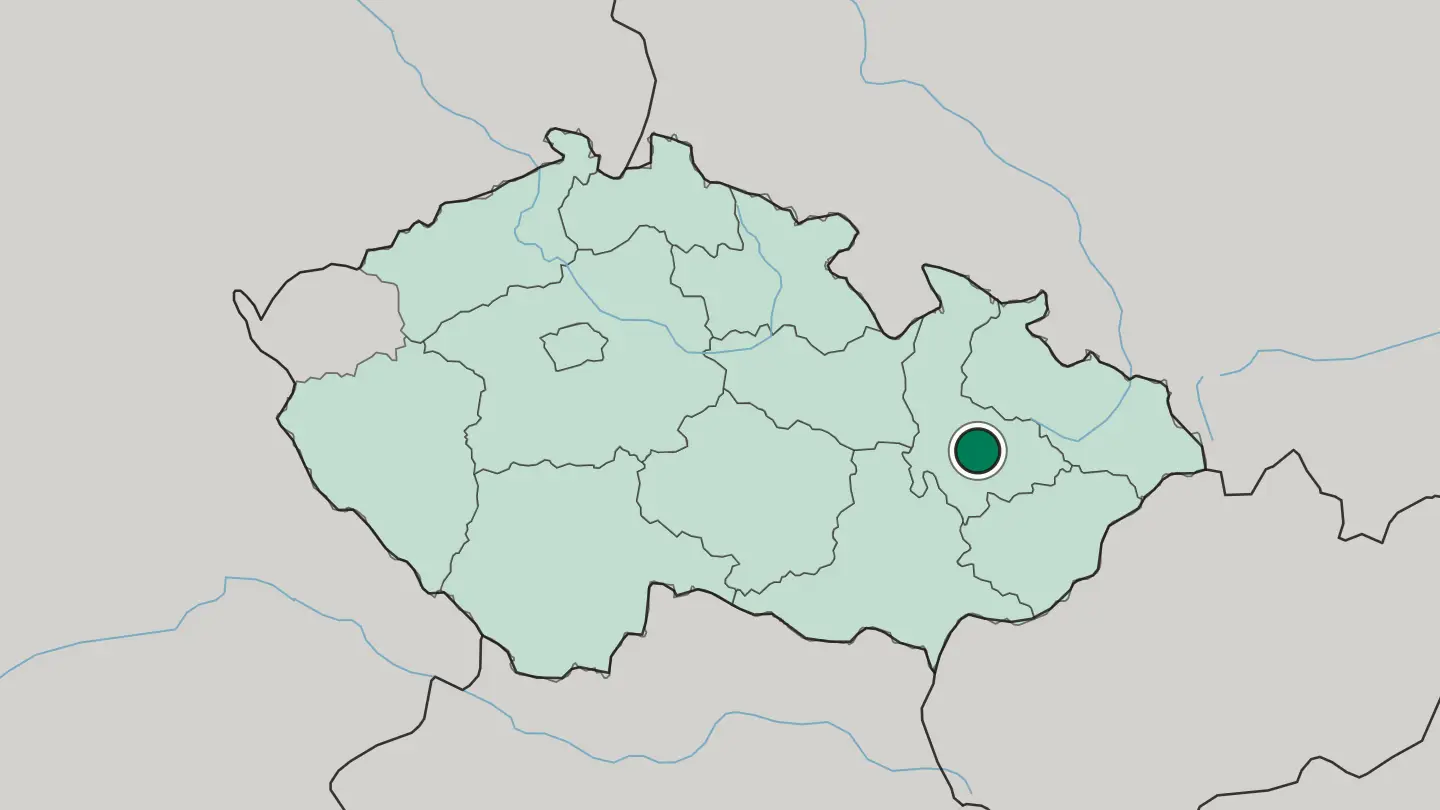
 Czech Republic
Liberec
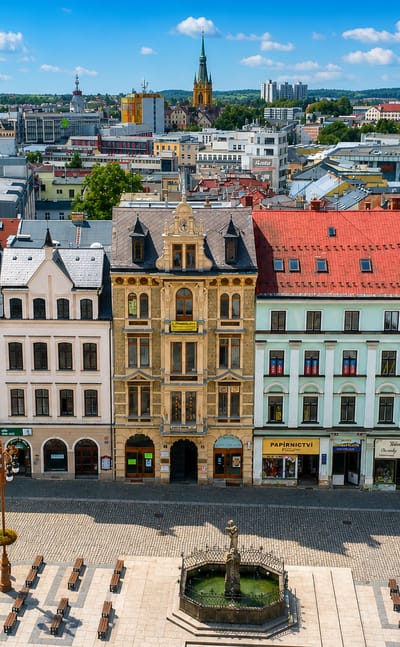
The Lusatian Neisse runs through Liberec, a mountain-basin city below Ještěd in the Liberec Region, Czech Republic, known for its old centre and zoo.Where to stay →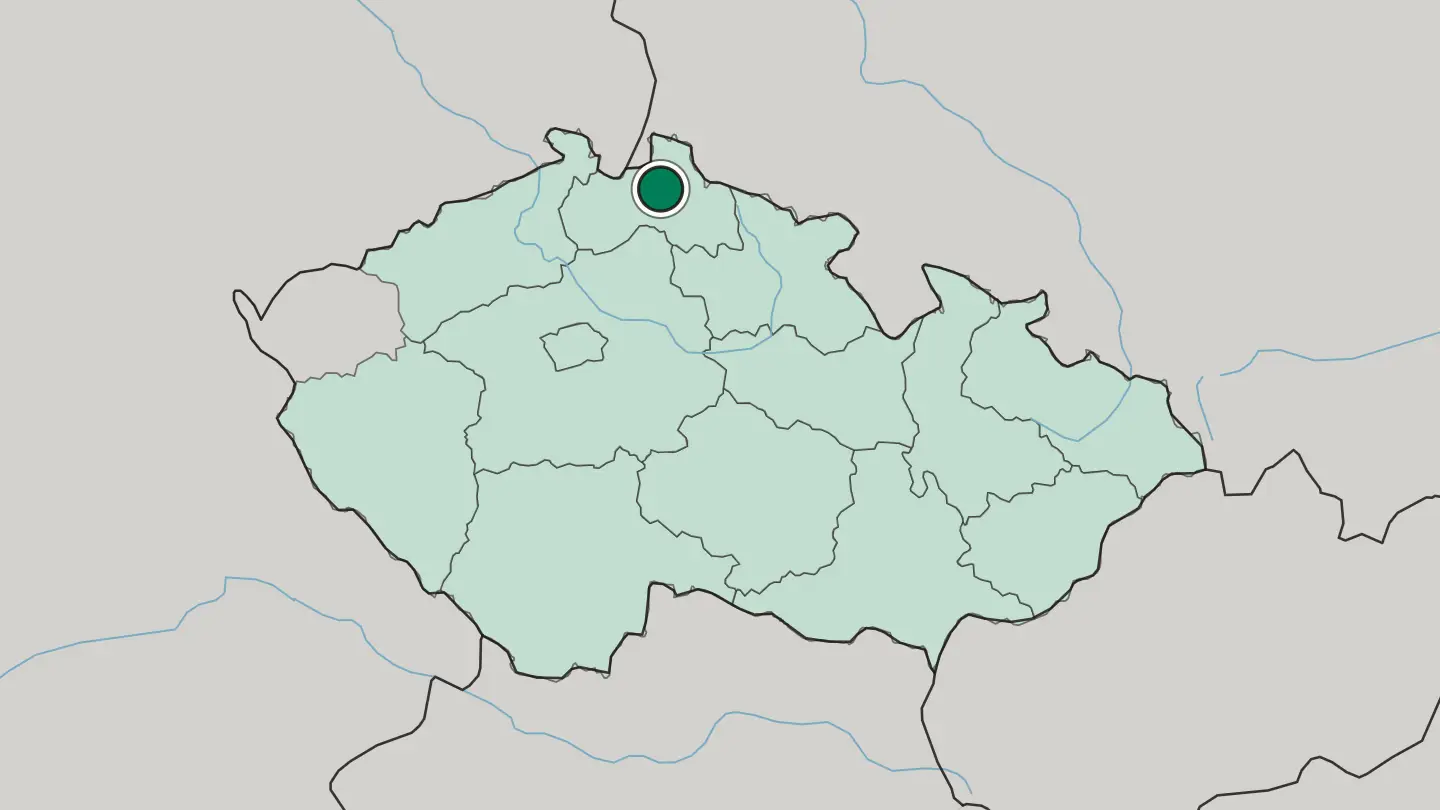
 Czech Republic
České Budějovice
České Budějovice is the largest town in South Bohemia, set where the Vltava meets the Malše, ringed by old squares and the Black Tower.Where to stay →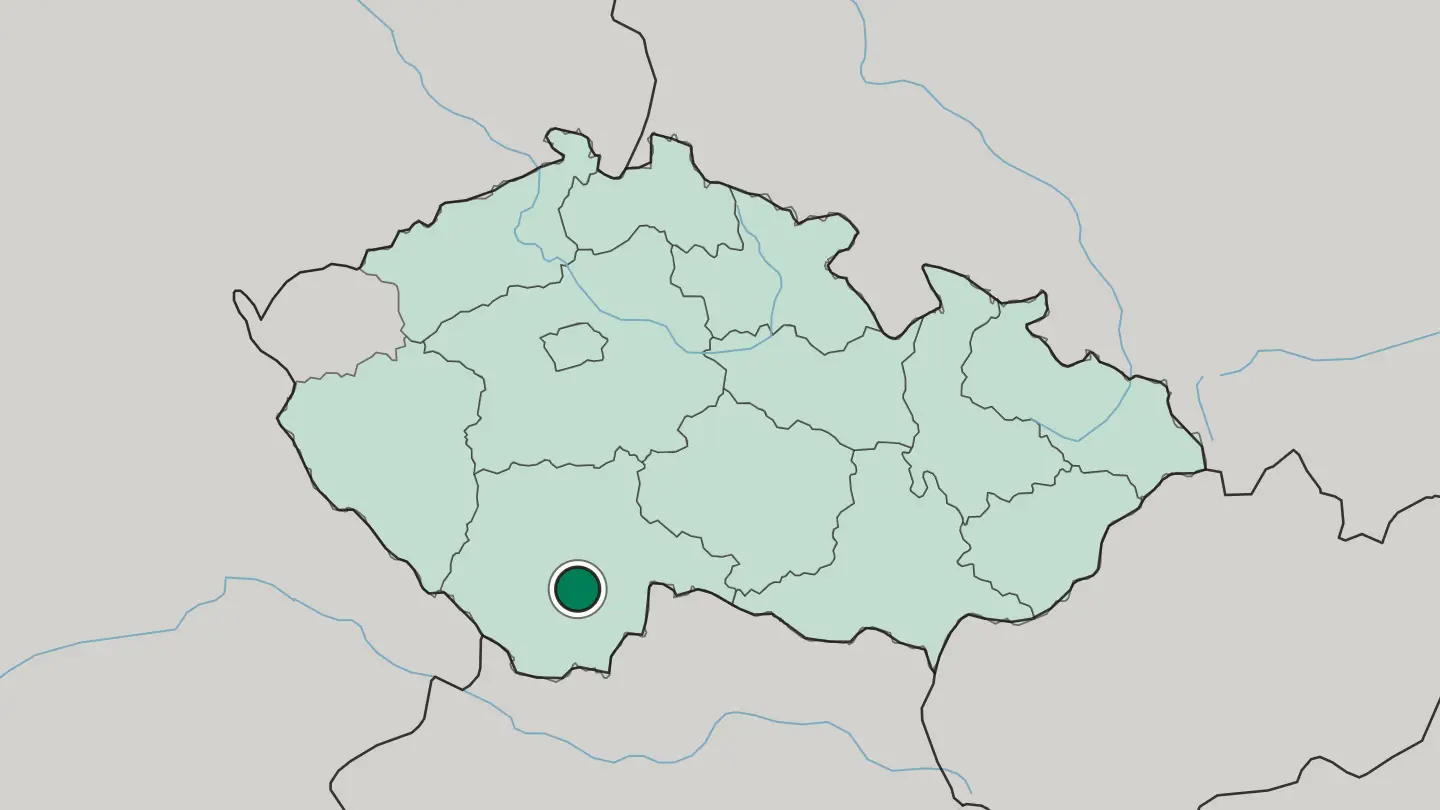
 Czech Republic
Hradec Králové
Hradec Králové is a city in eastern Bohemia, Czech Republic, set where the Orlice flows into the Elbe.Where to stay →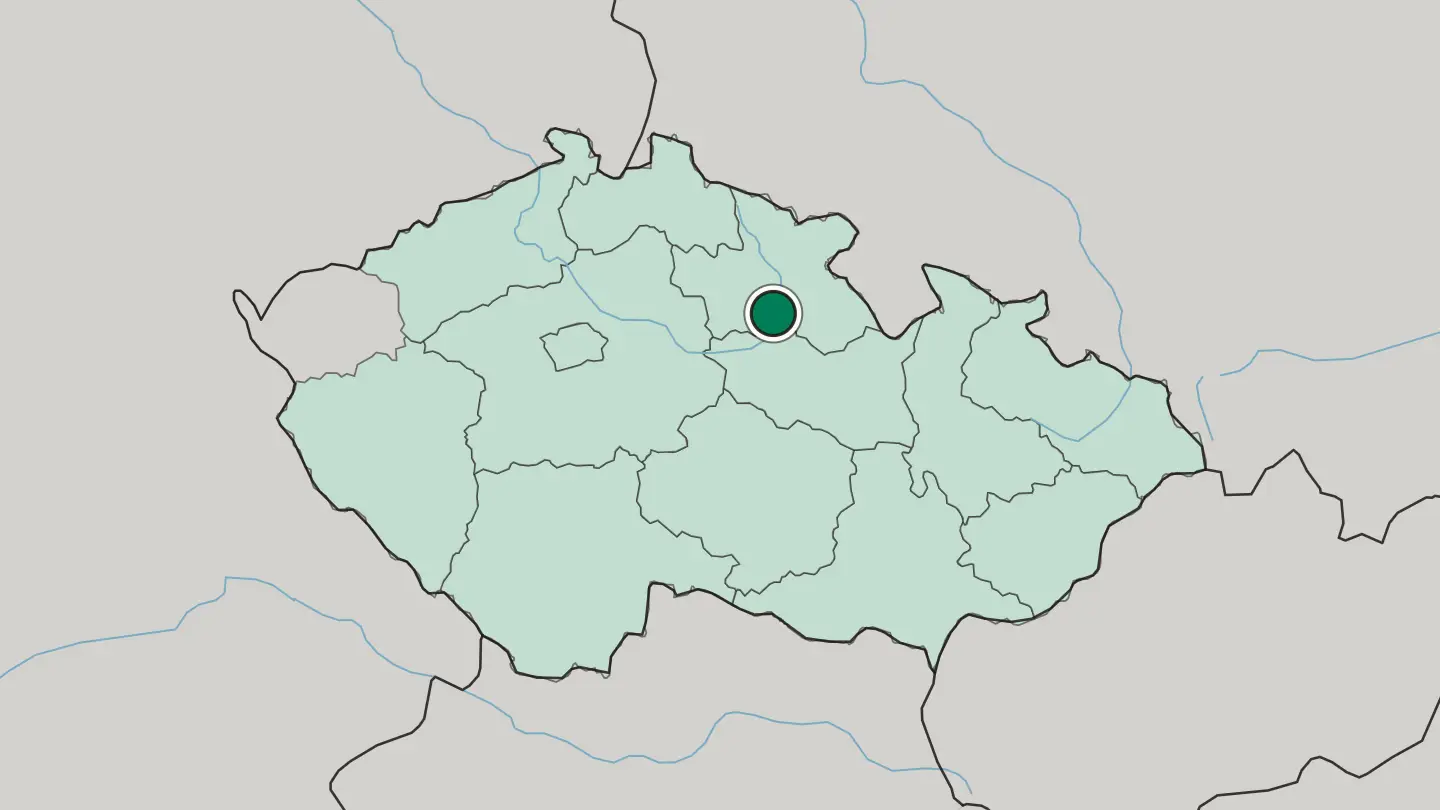
 Czech Republic
Ústí nad Labem
Ústí nad Labem is an industrial city in northern Bohemia, where the Elbe cuts through wooded hills toward the German border.Where to stay →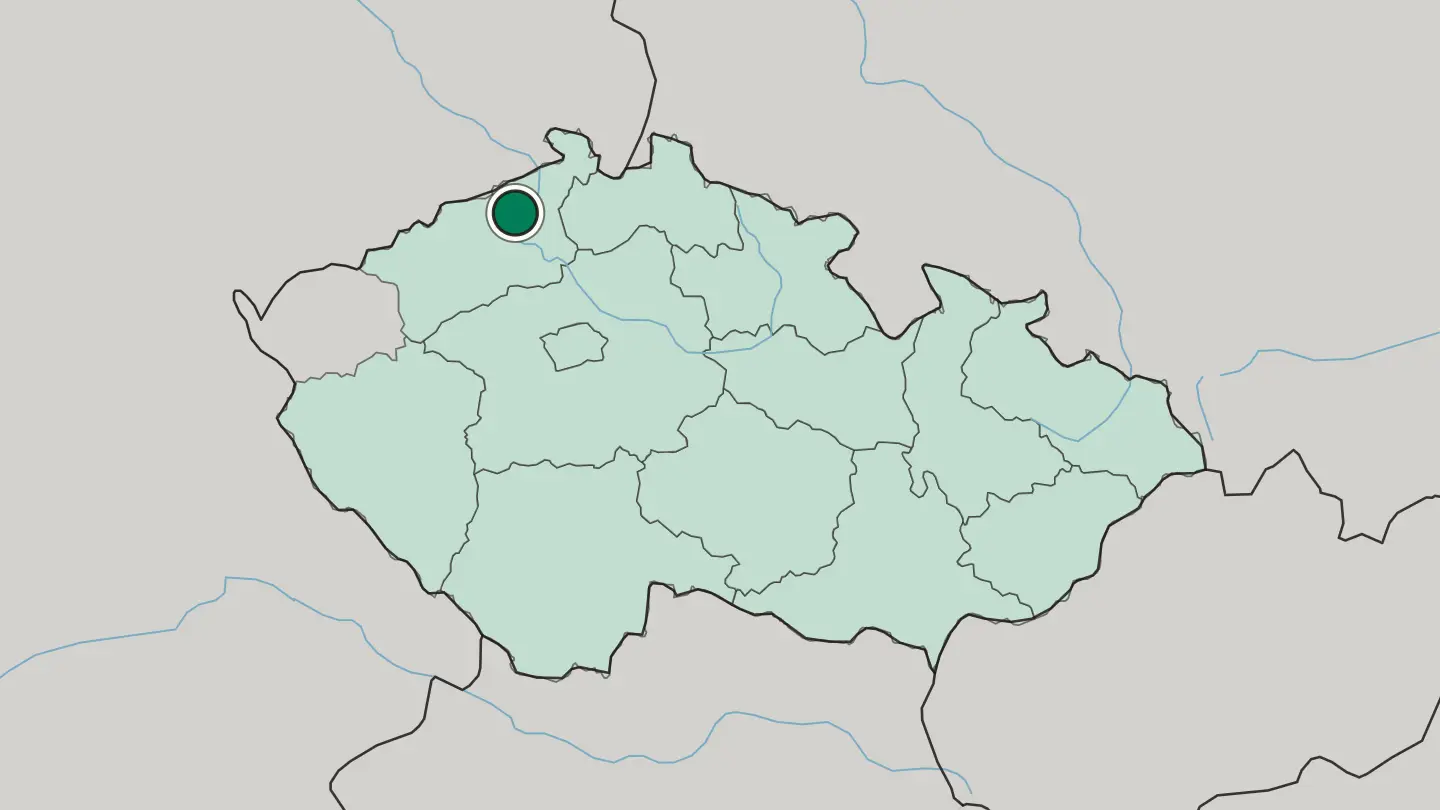
Hotel links are affiliate links: booking through them may earn us a commission, at no extra cost to you. It never affects how places are ranked. How this works
Regions of Czech Republic
Czech Republic
Hlavní město Praha
The Vltava curves through Prague, the capital region of the Czech Republic and the historical seat of Bohemia, drawn tight around one river city.Towns & cities →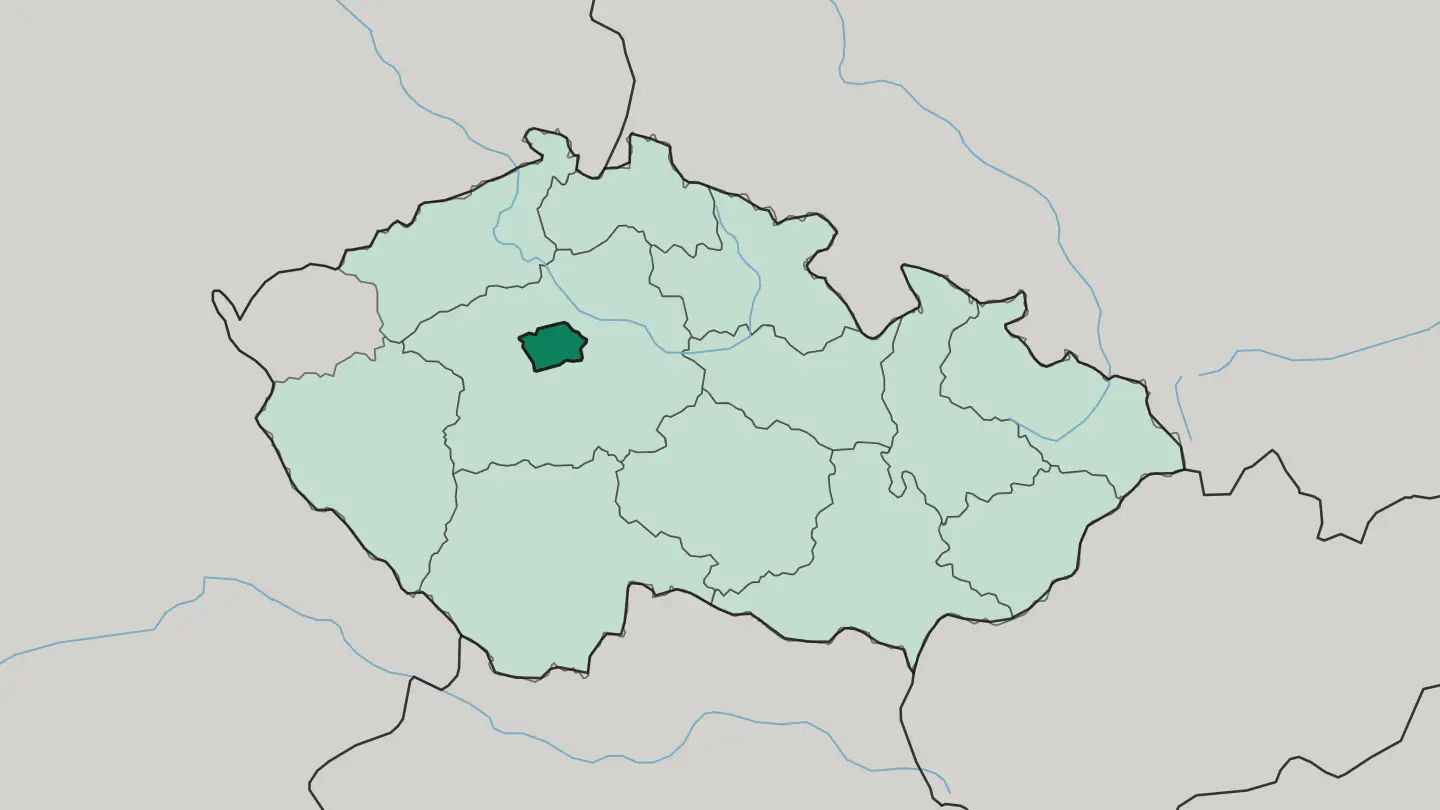 Czech Republic
Jihomoravský kraj
The South Moravian Region spreads across the southwestern part of Moravia in the Czech Republic, a borderland of vineyards and old towns centred on Brno.Towns & cities →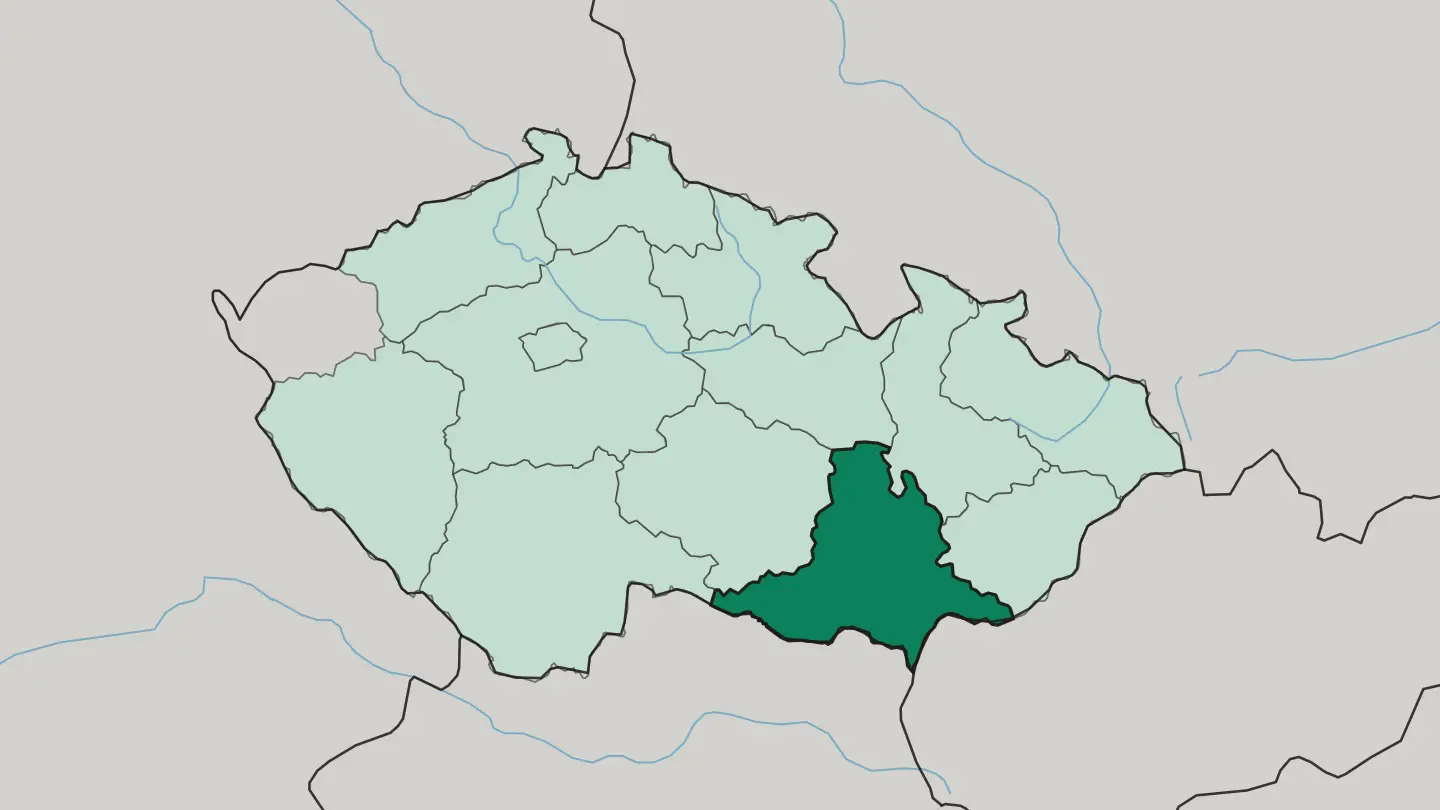 Czech Republic
Jihočeský kraj
Jihočeský kraj spreads across the south of Bohemia in fishponds, castles, and chateaux, with two of its towns on the UNESCO list.Towns & cities →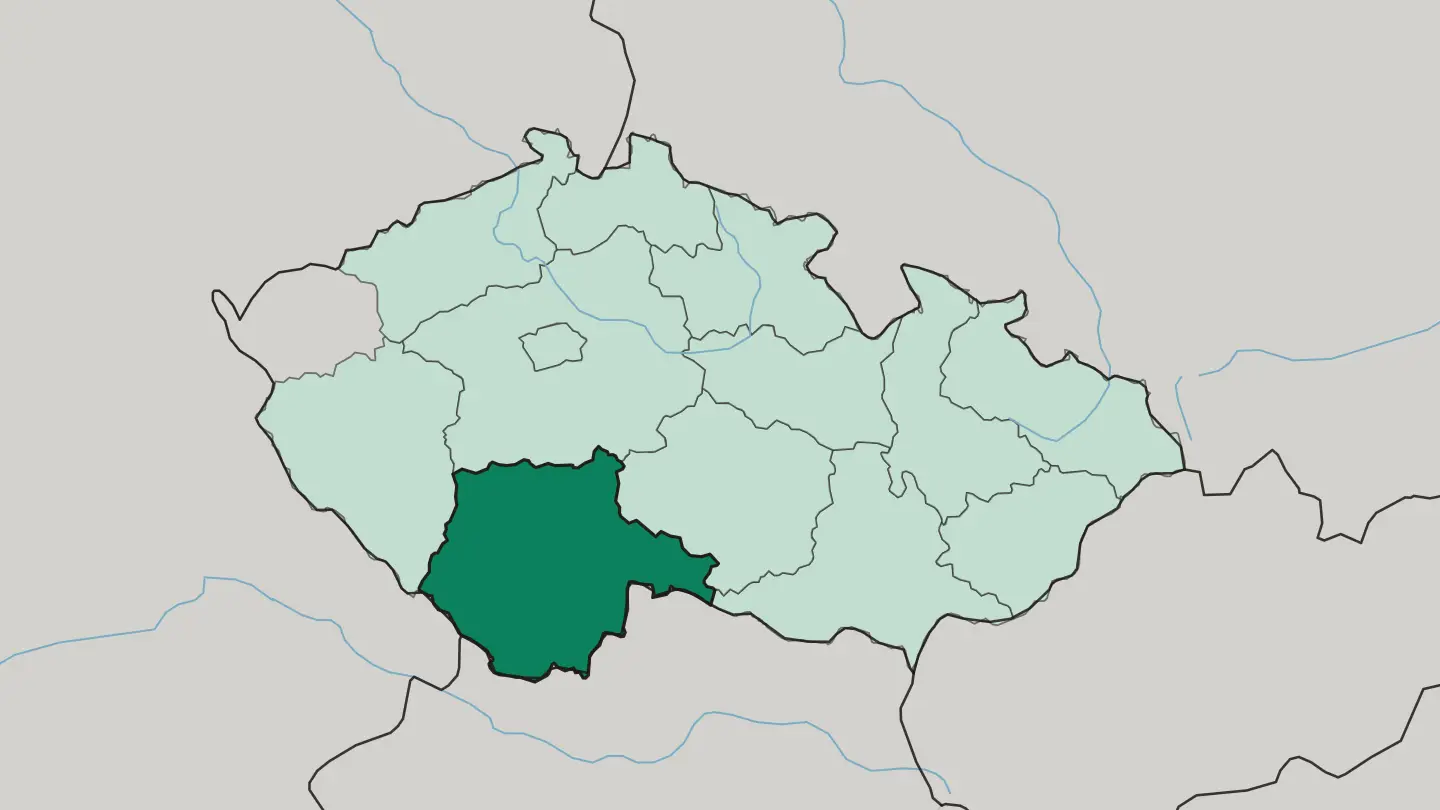
 Czech Republic
Kraj Vysočina
Kraj Vysočina rises over the Bohemian-Moravian Highlands, a long range of hills and low mountains, and takes Jihlava as its capital.Towns & cities →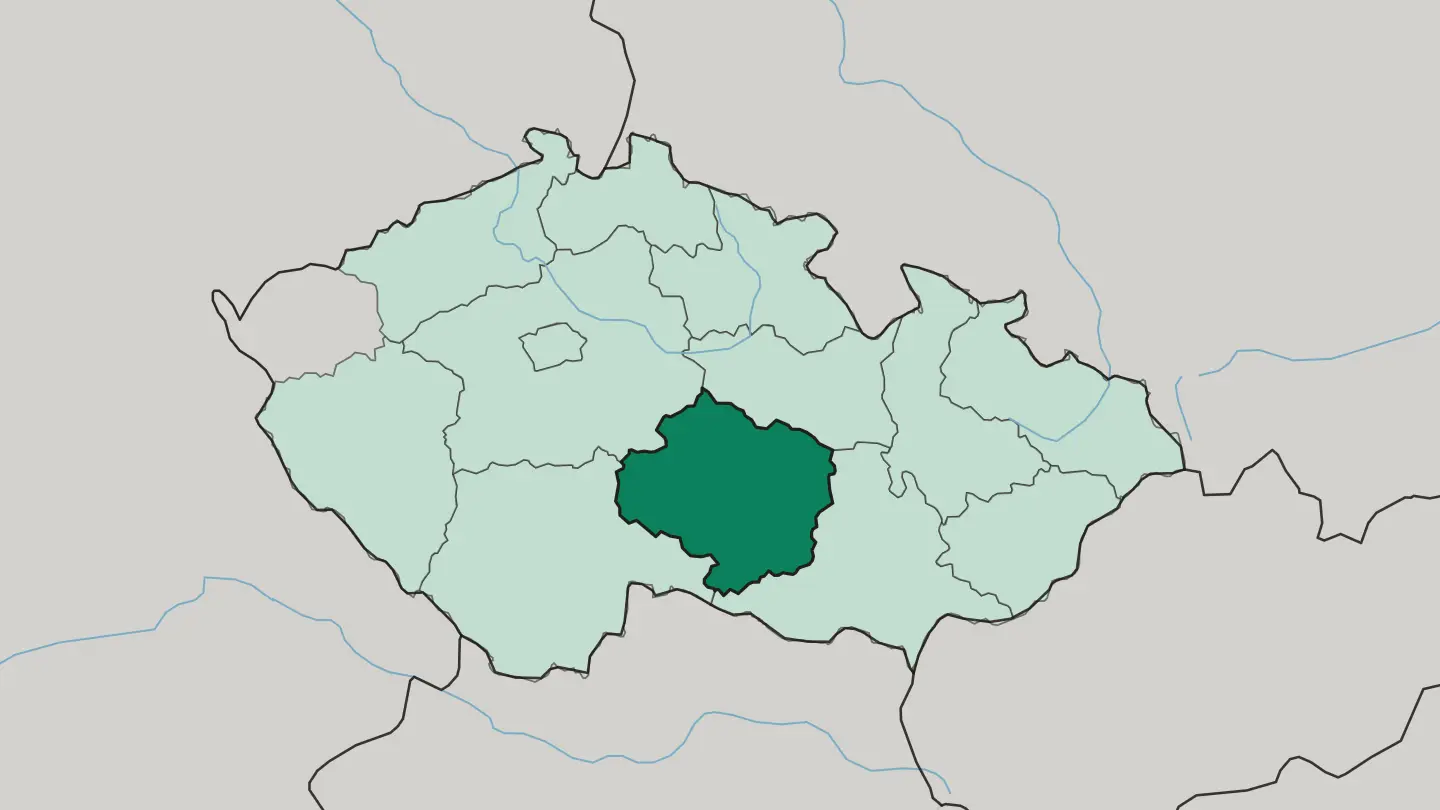 Czech Republic
Královéhradecký kraj
Královéhradecký kraj takes the north-eastern part of Bohemia, named after its capital Hradec Králové and bordering Poland along the north and east.Towns & cities →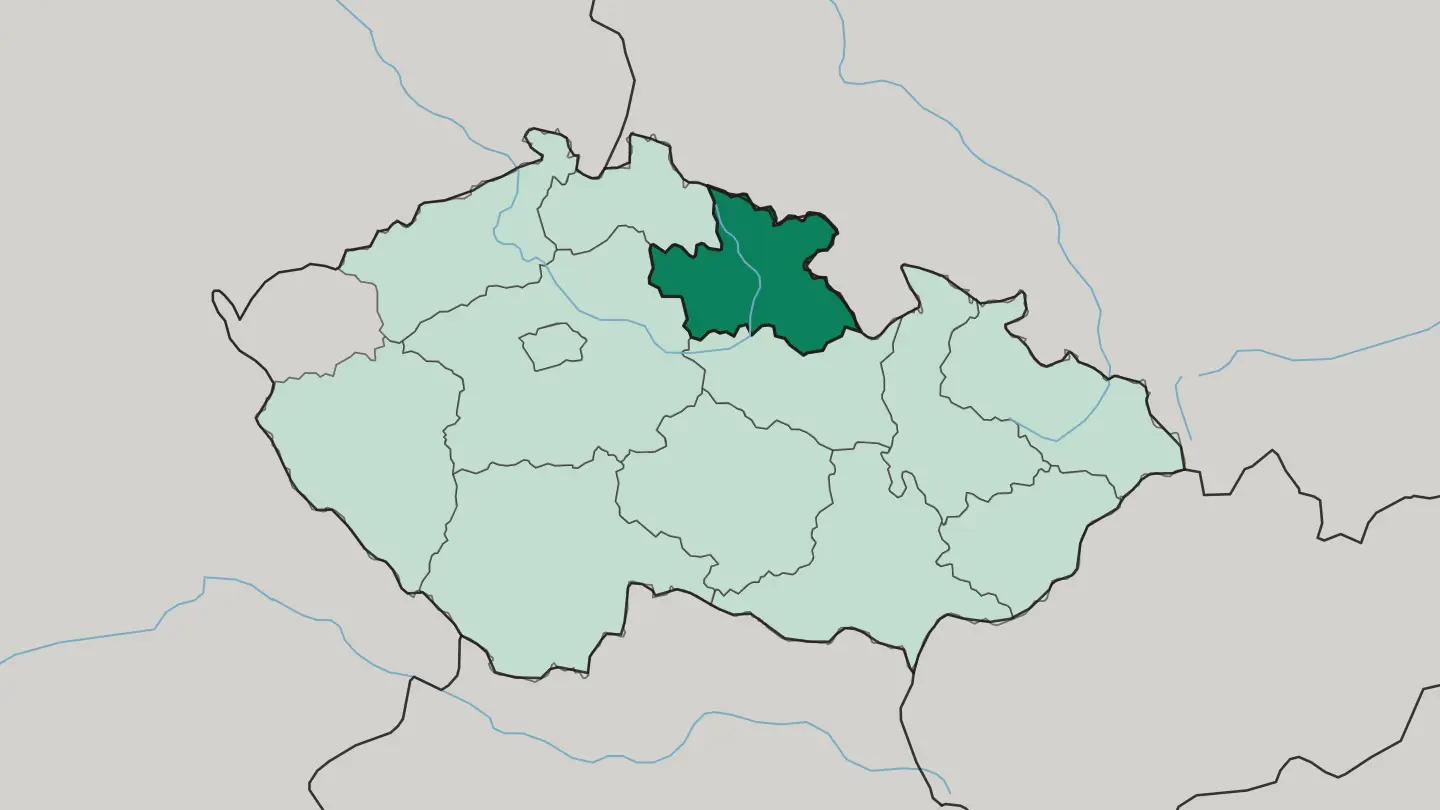 Czech Republic
Liberecký kraj
The Liberec Region sits in the northernmost part of Bohemia in the Czech Republic, a mountain borderland with Germany and Poland centred on Liberec.Towns & cities →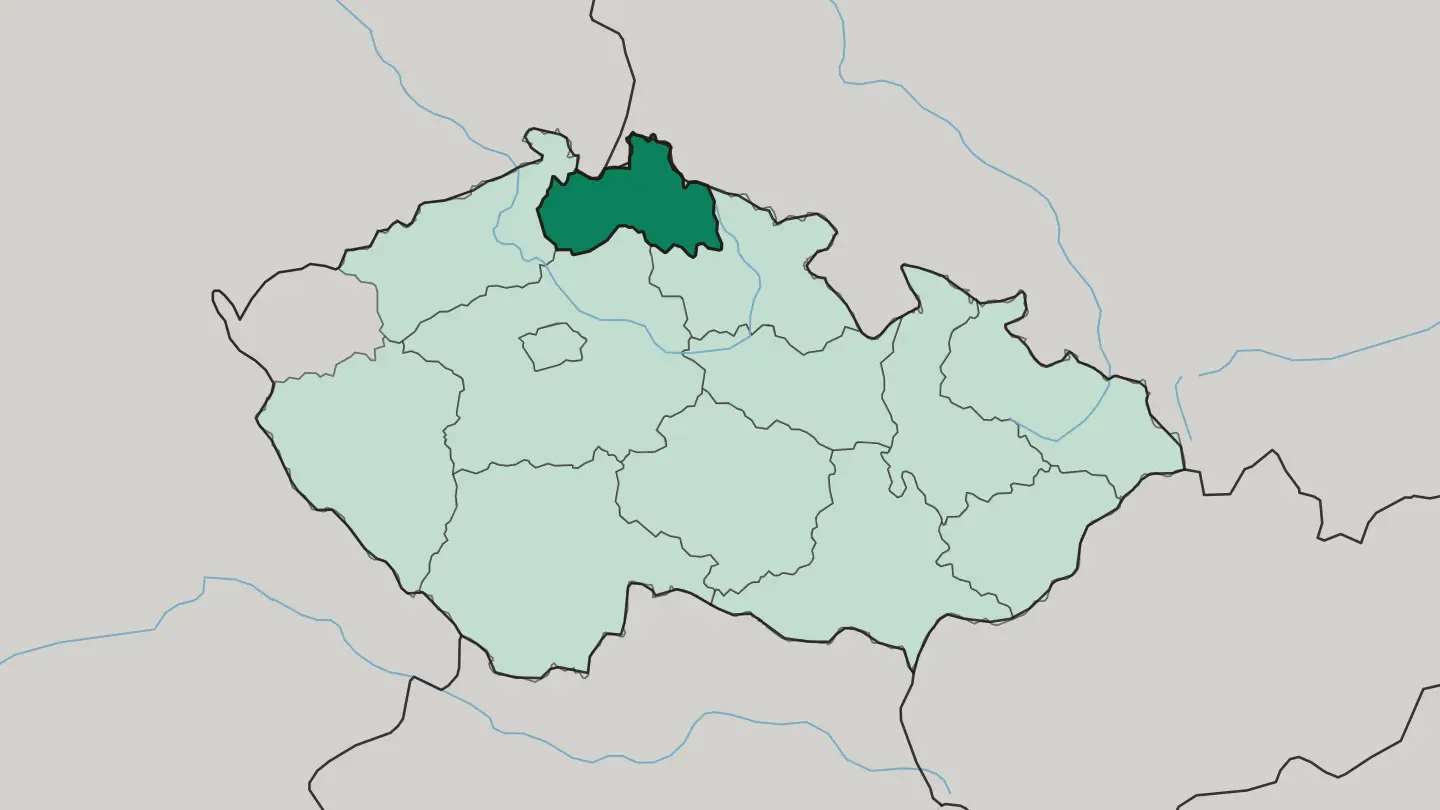 Czech Republic
Moravskoslezský kraj
The Moravian-Silesian Region covers the north-eastern part of Moravia and Czech Silesia in the Czech Republic, an industrial borderland centred on Ostrava.Towns & cities →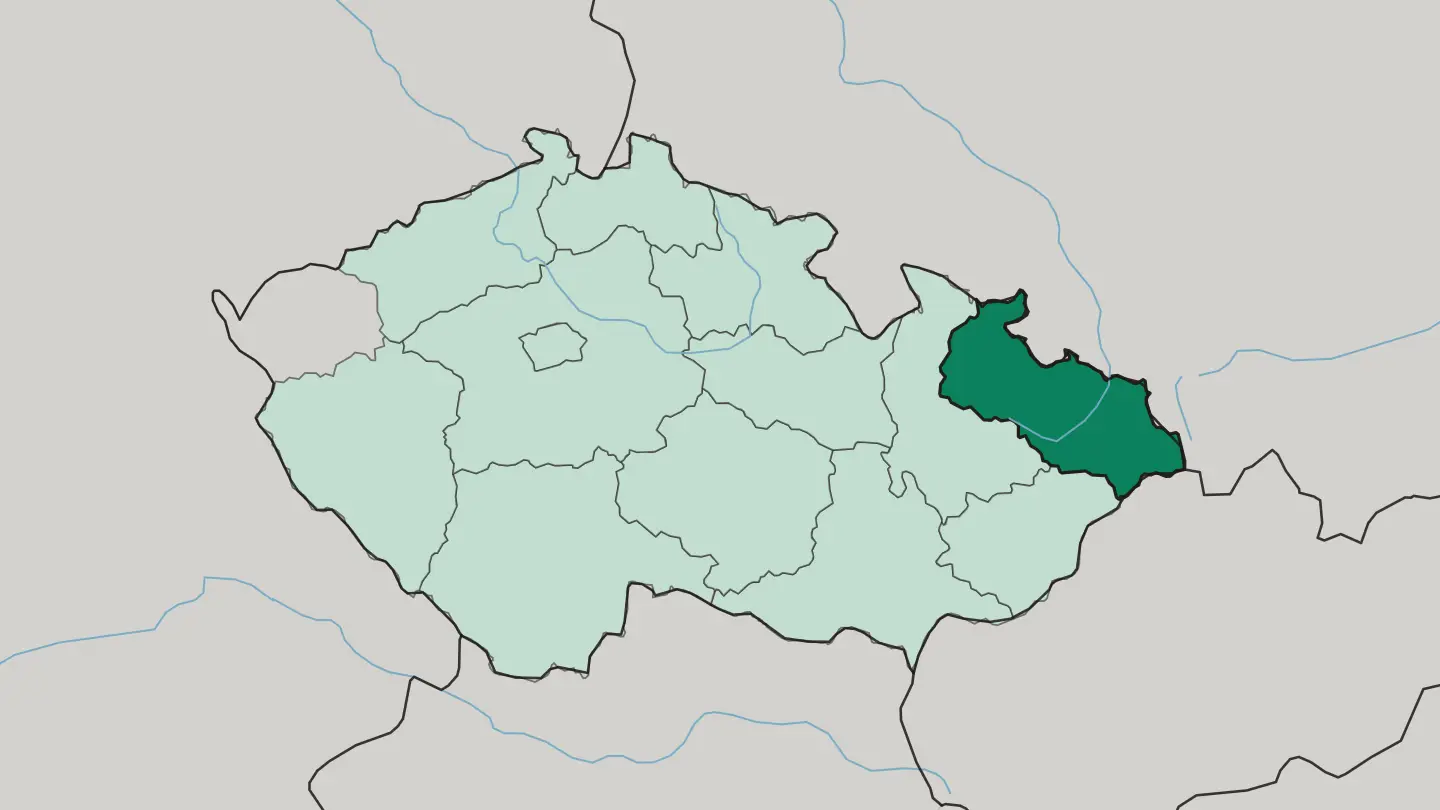 Czech Republic
Olomoucký kraj
The Olomouc Region spreads across the north-western and central part of Moravia in the Czech Republic, a Moravian heartland named for its capital, Olomouc.Towns & cities →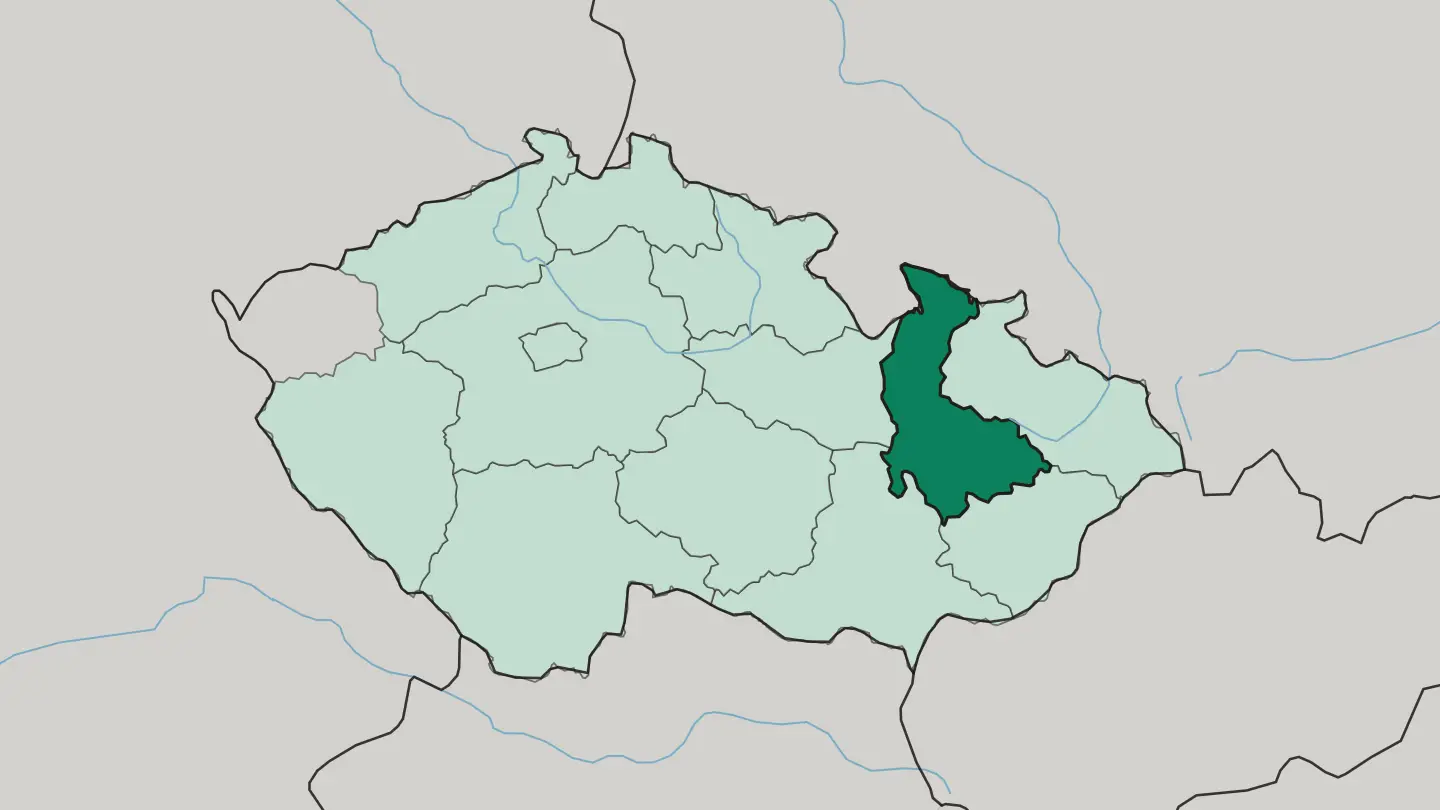
 Czech Republic
Pardubický kraj
Pardubický kraj covers the eastern part of Bohemia, an administrative unit named for Pardubice that has been created, abolished, and created again.Towns & cities →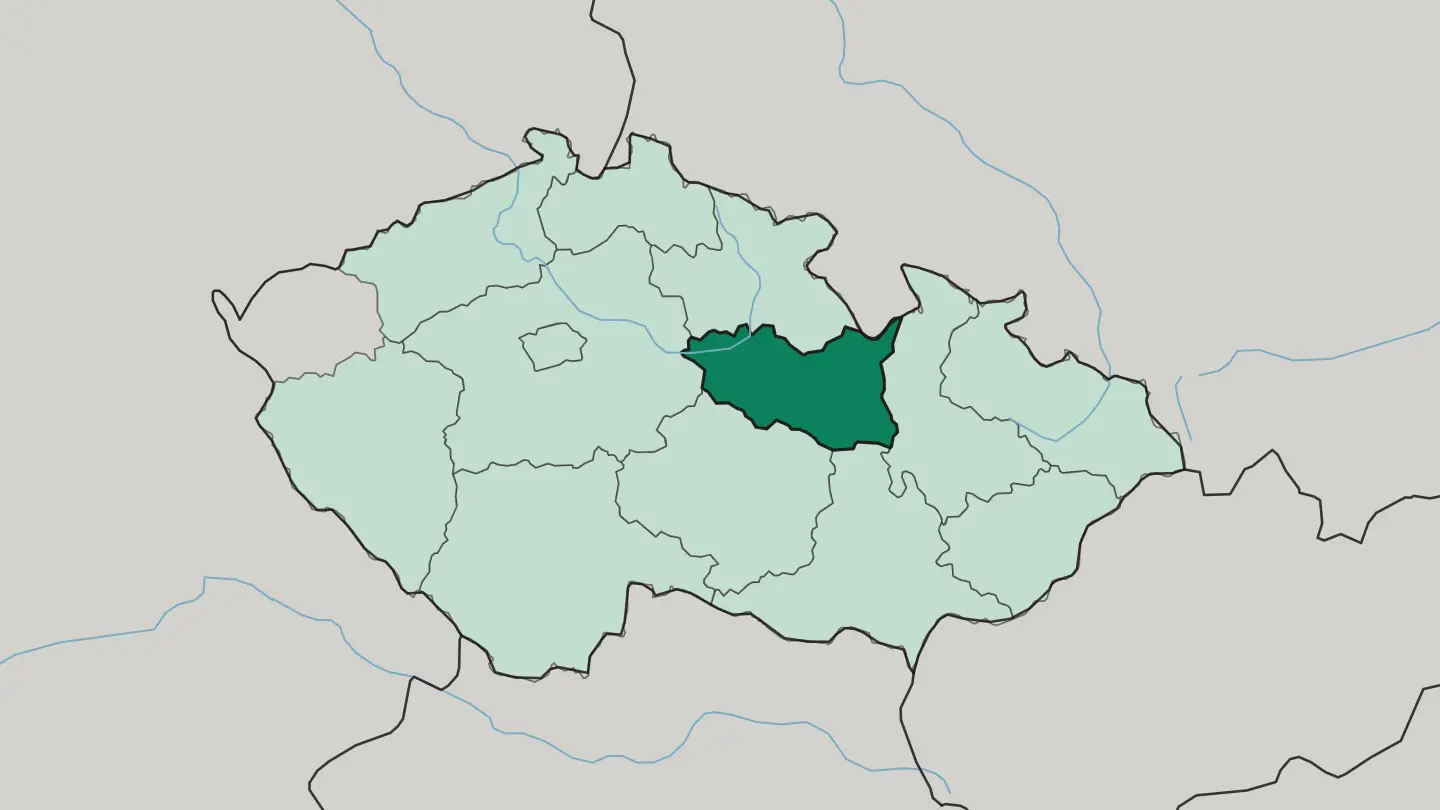 Czech Republic
Plzeňský kraj
The Plzeň Region lies in the western part of Bohemia in the Czech Republic, an engineering and upland country named for its capital, Plzeň.Towns & cities →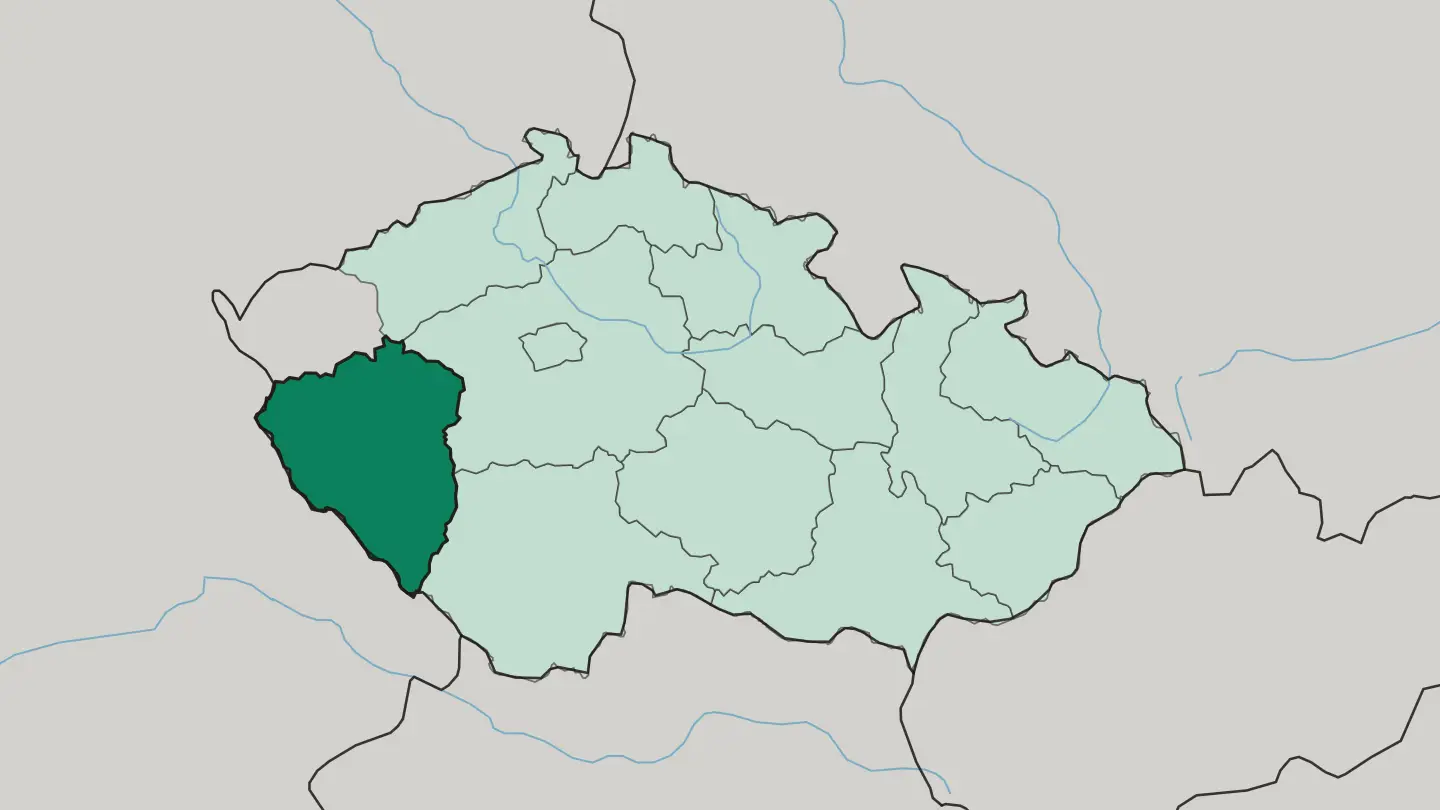
 Czech Republic
Středočeský kraj
Středočeský kraj rings Prague without containing it, the central part of Bohemia governed from a capital that counts as a region of its own.Towns & cities →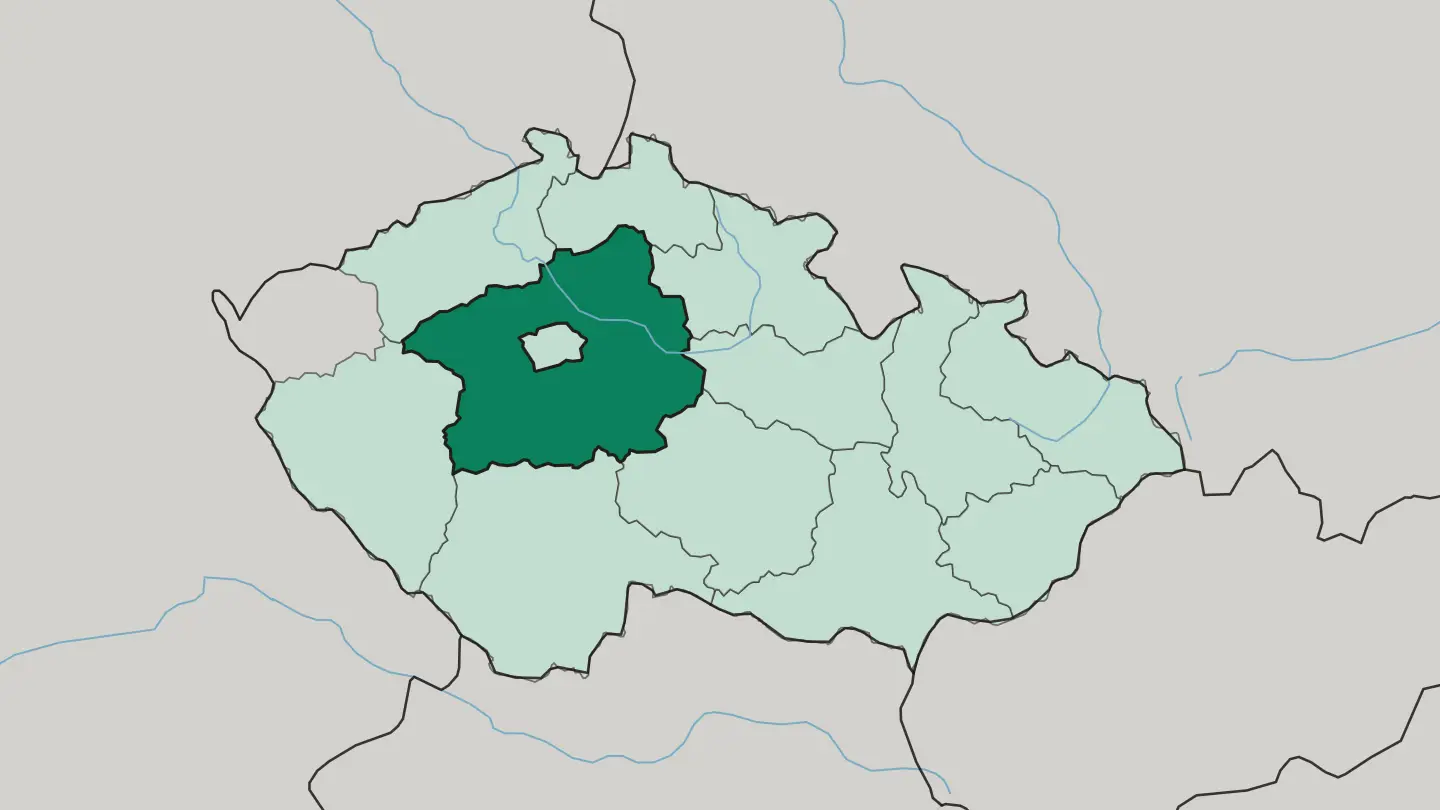
 Czech Republic
Zlínský kraj
Zlínský kraj covers the south-eastern part of Moravia, with Zlín at the tripoint of Haná, the Moravian Slovakia, and the Moravian Wallachia.Towns & cities →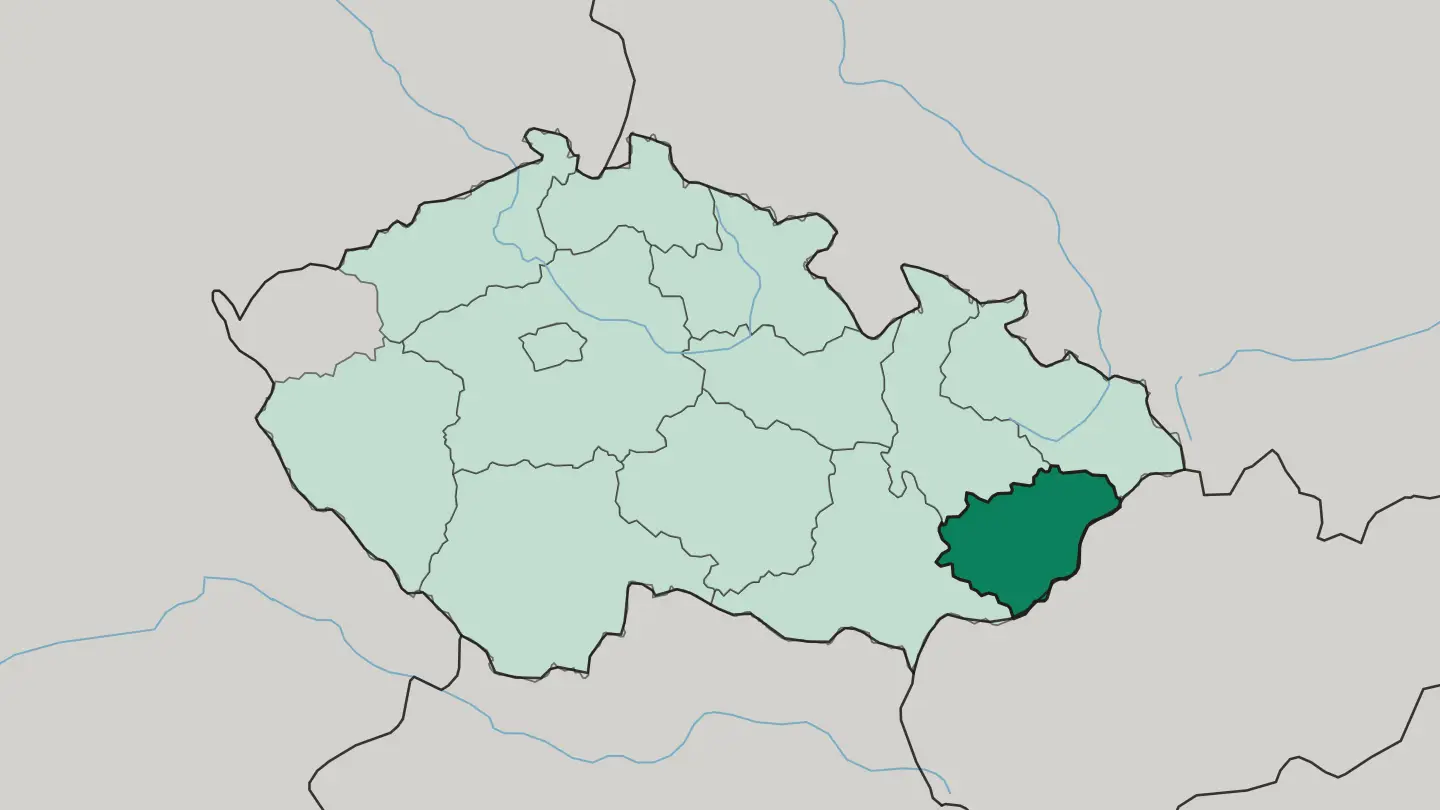 Czech Republic
Ústecký kraj
Ústecký kraj covers the north-western part of Bohemia in the Czech Republic, an administrative region named for its capital at Ústí nad Labem.Towns & cities →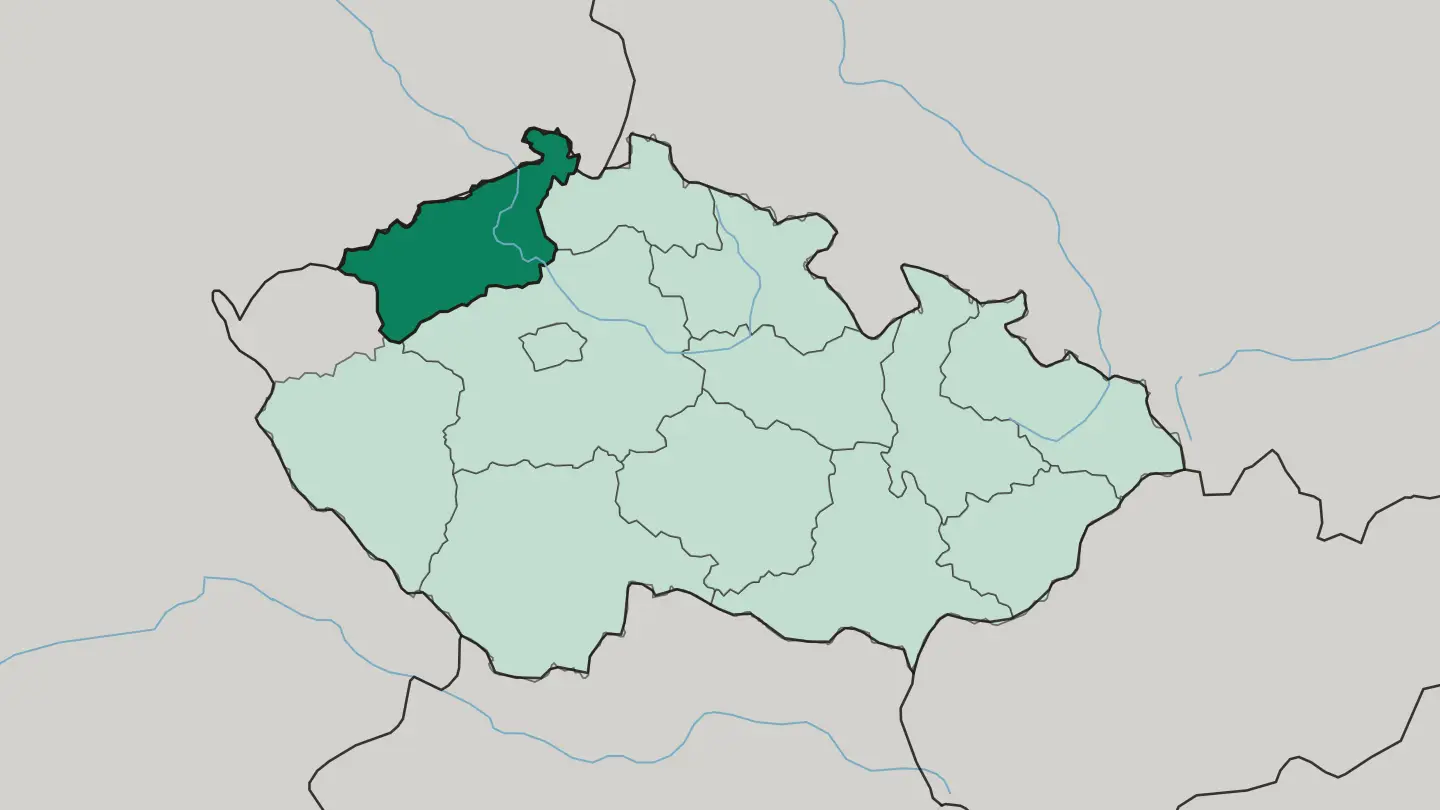
Explore by experience
Not sure which place? Start from how you want to travel.
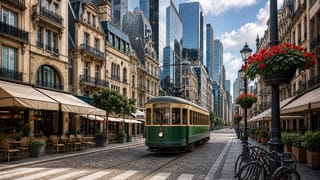
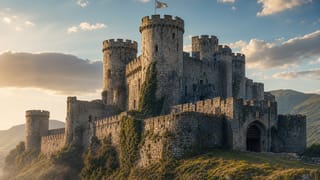
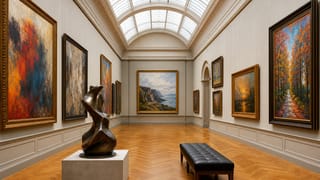
About Czech Republic
Castles crown the skyline.
What is Czech Republic known for?
Prague draws the crowds first, with its spires and the Vltava threading the old core, but the country holds far more than its capital. Plzeň brews the original pale lager that lent Pilsner its name, Karlovy Vary channels hot mineral springs into a spa colonnade, and the Renaissance town of Český Krumlov curls tight inside a bend of the Vltava beneath a painted castle tower. Brno anchors Moravia and its vineyards. Beer runs through all of it.
Where is Czech Republic?
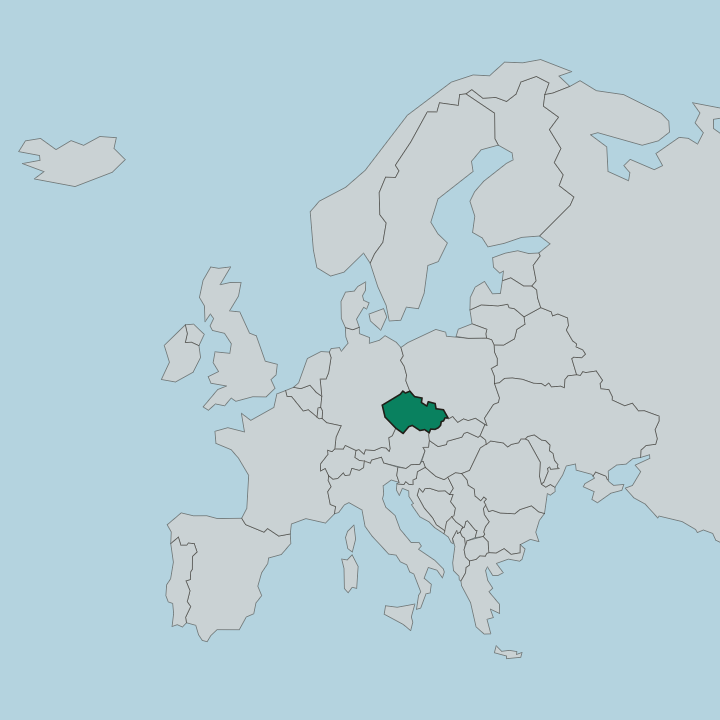
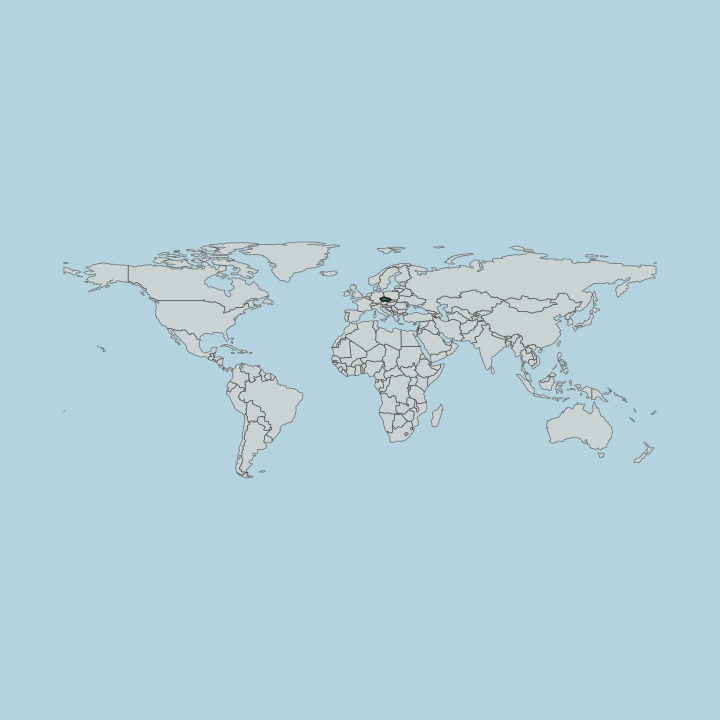
Czechia is a landlocked country in Central Europe, hemmed in on every side by mountains that draw its borders. The land splits into two old halves: Bohemia in the west, a rolling plateau ringed by ranges, and Moravia in the east, a hillier country sloping south toward the Danube. Rivers order the whole of it.
The Vltava, the longest river in the country, runs north through Prague before it meets the Elbe at Mělník, and the Elbe itself then swings toward Germany and the sea. Mountains fence the plateau on almost every frontier. The borders are ridgelines.
In the northeast rise the Krkonoše, the Giant Mountains, where Sněžka stands as the highest point in the country and where the Elbe first springs from the slopes. The Šumava, the old Bohemian Forest, walls off the southwest against Bavaria in a dark belt of spruce and peat bog. Between the ranges the land is worked and settled, dense with towns, castles, and farmland.
Roughly a third of the country lies under forest. From ridge to river valley, the terrain rarely sits still.
What is the history of Czech Republic?
The Czech state grew out of the medieval Kingdom of Bohemia, ruled from Prague and long counted among the powers of Central Europe. Its high point came under Charles IV in the fourteenth century, the Bohemian king who was crowned Holy Roman Emperor and made Prague his imperial seat. He founded a university there in 1348, the oldest north of the Alps and east of Paris, and rebuilt the city in stone.
Then came the reformer Jan Hus. His burning at the stake in 1415 lit the Hussite Wars, a religious revolt that tore through Bohemia for a generation and left the land divided. In 1526 the Bohemian crown passed to the Habsburgs, and for nearly four centuries the Czech lands were ruled from Vienna.
That long dependency ended with the collapse of Austria-Hungary after the First World War, when Czechoslovakia was proclaimed in 1918. The century that followed was hard. Nazi occupation, then four decades of communist rule, held the country until the Velvet Revolution swept the one-party state away without bloodshed in 1989.
Four years later the federation parted ways. On the first day of 1993, Czechia and Slovakia became two separate states.
What is Czech Republic like?
Beer sits at the centre of Czech life. Plzeň gave the world the first golden lager in 1842, and no nation drinks more beer per head, poured in tiled pubs where the tankard is a social institution rather than a night out. The table matches it.
Svíčková, marinated beef under a smooth root-vegetable cream sauce with a spoon of cranberry, ranks as the national dish, and goulash, roast pork, and bread dumplings fill the rest of the menu. Craft runs alongside the cooking. Bohemian glass and cut crystal have been blown and engraved in the northern hills for centuries, a trade as old as the kingdom itself.
The arts carry real weight here. Antonín Dvořák and Bedřich Smetana wrote the country into its music, and Smetana's Vltava scores the river that runs through Prague. Writers matter too.
Franz Kafka worked in Prague, and Václav Havel, the dissident playwright, became the first president of the free republic. Puppetry, marionette theatre, and a dry, absurdist humour thread through the culture. Castles and painted town squares fill the map.
The past is close at hand.
What is the climate of Czech Republic?
Czechia has a temperate continental climate, tempered by ocean air from the west. Summers are warm and often thundery across the lowlands of Bohemia and Moravia, while winters turn cold and grey, with steady snow on the high ground of the Krkonoše and the Šumava. Spring and autumn are changeable.
The mountains hold snow long after the valleys have thawed, which keeps the ski runs in the Giant Mountains open well into the season. No month in Bohemia or Moravia stays truly dry. Altitude, not the calendar, drives the sharpest contrasts.
How do you get to Czech Republic?
Most visitors land at Václav Havel Airport Prague, the main gateway for the whole country and a short ride from the capital's centre. Brno keeps a smaller airport of its own for Moravia. Trains matter here.
The rail network is dense and cheap, linking Prague with Plzeň, Karlovy Vary, and Brno, and running on across the borders to Vienna, Berlin, and Kraków. Fast coaches cover the same routes. Being landlocked, the country is reached by air, rail, or road alone.
Good for
Updated September 2026