Czech Republic · Kraj Vysočina
Where to Stay in Jihlava, Kraj Vysočina
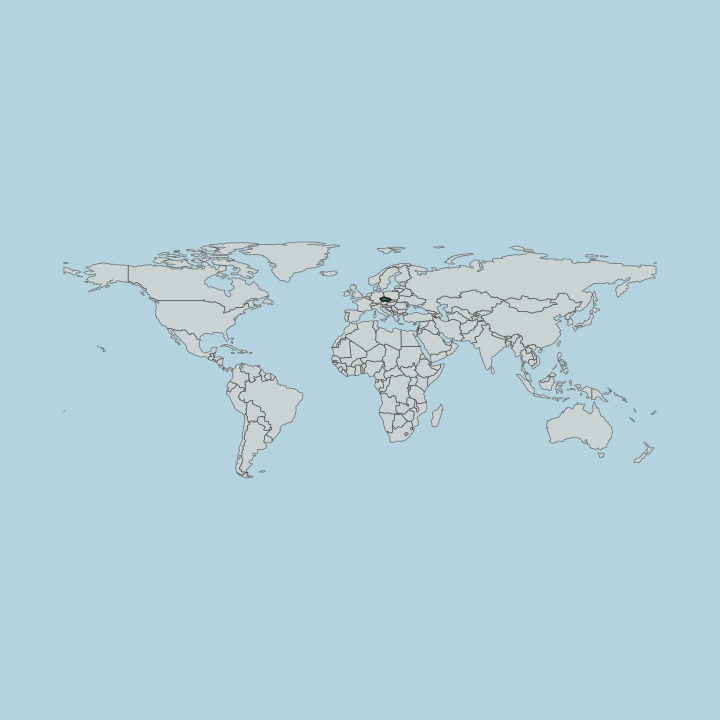
Jihlava sits on the Jihlava River at the old border of Moravia and Bohemia, chartered in 1233 and capital of the Vysočina Region.
Hotel links are affiliate links: booking through them may earn us a commission, at no extra cost to you. It never affects how places are ranked. How this works


Where to stay in Jihlava
Where the beds are, and what that means for the visit.
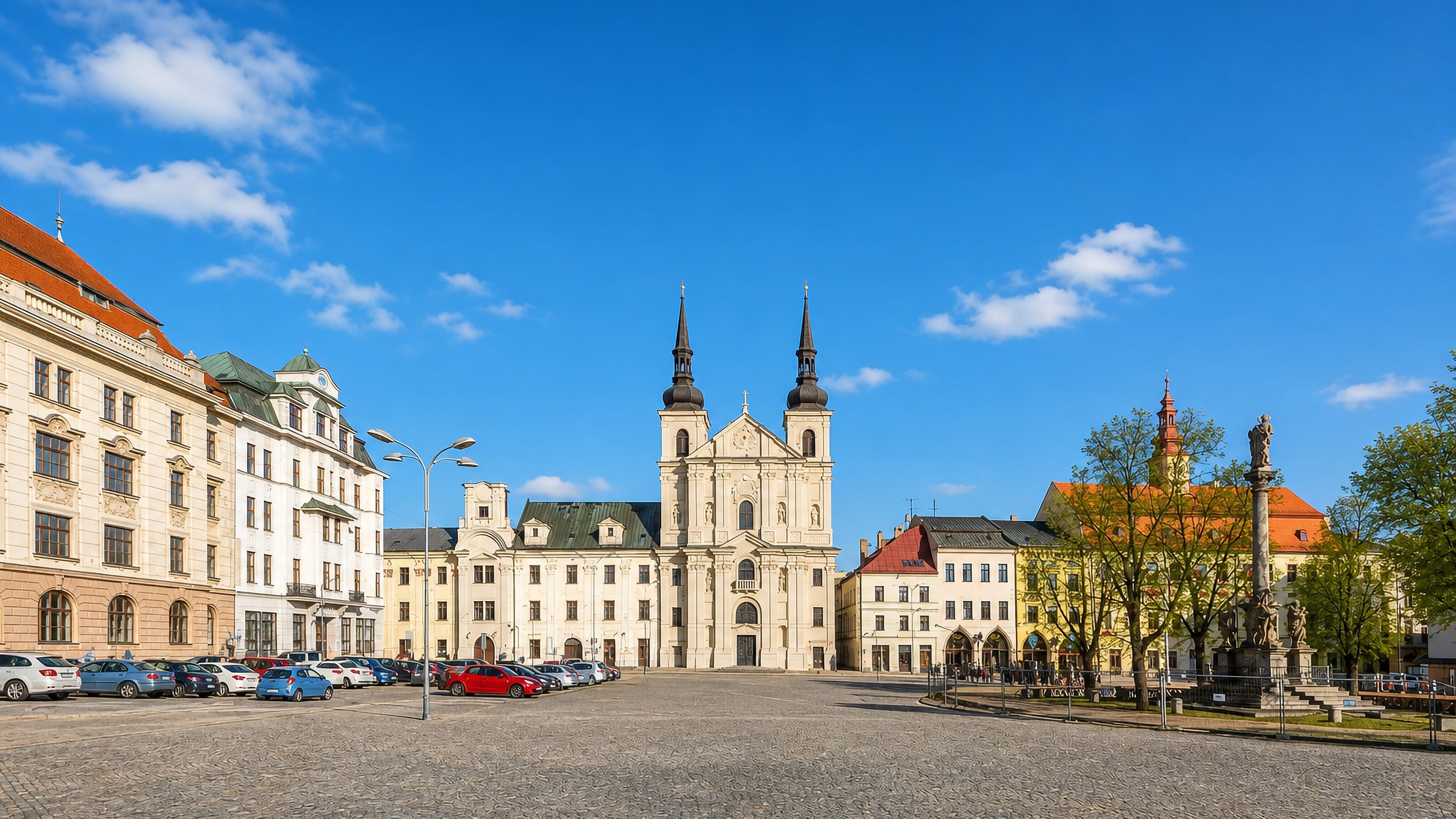
Almost every bed in Jihlava sits within reach of Masarykovo náměstí. The square's burgher houses at numbers 16, 18, 21 and 25 look onto the same open ground as the Mincovna, and rooms on and just off it put the Church of Saint James the Greater and the Muzeum Vysočiny within a few minutes' walk. Křížová runs off the corner.
Its quieter frontages suit anyone who wants the old town without the traffic of the square, and the walk from there to the Vysočina Regional Gallery in Jihlava is a short one. Outside the old walls the city spreads into plainer streets, and beds there trade the frontages for parking and an easy start on the Hornická naučná stezka or the Pivovarská naučná stezka. Families often choose this side.
Jihlava Zoo and the climb to the Rozhledna na Šacberku are simpler to reach from the edge of town than from the middle of it, and a car makes the difference. Rooms are limited in high summer. Anyone here for the Dům Gustava Mahlera and the trail of the city's musicians should stay near the centre, since both belong to the old streets rather than the edge of town.
Find hotels in Jihlava
Direct booking searches for these neighbourhoods.
Masarykovo náměstí
The open ground of Masarykovo náměstí, with the Mincovna and the Church of Saint James the Greater a step awayFind hotels in Masarykovo náměstíQuieter nights a short walk from the Vysočina Regional Gallery in JihlavaKřížová and the lanes behind the square
Older frontages along Křížová, off the corner of Masarykovo náměstíFind hotels in Křížová and the lanes behind the squareDrivers starting the Hornická naučná stezka or heading for Jihlava ZooThe outer streets
Plainer streets with parking, near the climb to the Rozhledna na ŠacberkuFind hotels in The outer streetsHotel links are affiliate links: booking through them may earn us a commission, at no extra cost to you. It never affects how places are ranked. How this works
Things to do in Jihlava
Ranked by global recognition; descriptions from Wikidata (CC0).
Museums & Galleries
2- Muzeum Vysočiny
- Vysočina Regional Gallery in Jihlava
Churches & Religious Sites
8- Church of St. James the Greater Heritage
- Church of Saint Ignatius of Loyola in Jihlava Heritage
- Church of the Assumption (Jihlava) Heritage
- Church of the Exaltation of the Holy Cross Heritage
- Church of the Holy Spirit Heritage
Show 3 more →
- Church of Saint John the Baptist Heritage
- Evangelical church Heritage
- Dominican monastery in Jihlava Heritage
Landmarks & Notable Places
8- Dům Gustava Mahlera Heritage
- Masarykovo náměstí 25 (Jihlava) Heritage
- Masarykovo náměstí 57 (Jihlava) Heritage
- Křížová 11 (Jihlava) Heritage
- Masarykovo náměstí 16 (Jihlava) Heritage
Show 3 more →
- Masarykovo náměstí 18 (Jihlava) Heritage
- Masarykovo náměstí 21 (Jihlava) Heritage
- Mincovna (Jihlava) Heritage
worth knowingacross 3 categories in Jihlava
About Jihlava
Masarykovo náměstí sets the scale.
What is Jihlava known for?
The square is lined with burgher houses at numbers 16, 18, 21, 25 and 57, and the Mincovna stands among them, the mint that once struck coin here. Churches crowd the streets behind it, above all the Church of Saint James the Greater, with the Church of the Holy Spirit, the Church of the Assumption and the minorite monastery in Jihlava close by. Jihlava Zoo fills an afternoon.
What are the main landmarks in Jihlava?
Towers mark the skyline. The Church of Saint James the Greater rises over the old streets, while the Church of the Holy Spirit, the Church of Saint John the Baptist and the Church of the Exaltation of the Holy Cross fill out the parish map. Two monasteries survive: the Dominican monastery in Jihlava and the minorite monastery in Jihlava.
Art hangs in the Vysočina Regional Gallery in Jihlava, history sits in the Muzeum Vysočiny, and the Dům Gustava Mahlera holds the city's musical thread. The Rozhledna na Šacberku gives the long view.
What is the history of Jihlava?
The charter dates from 1233. Mining brought the town its first wealth, and the Hornická naučná stezka traces the ground the diggings left behind on the Bohemian-Moravian Highlands above the Jihlava River. Coin followed the ore.
The Mincovna struck money for a town that sat astride the historical border of Moravia and Bohemia, and Masarykovo náměstí was laid out on a scale that still surprises. Walls went up around it, and the Naučná stezka Jihlavská pevnost follows what the fortifications left. Orders settled early.
The Dominican monastery in Jihlava and the minorite monastery in Jihlava took ground inside the walls, and the Church of Saint Ignatius of Loyola later brought another order's plan to the same streets. Brewing became a trade of its own, and the Pivovarská naučná stezka still walks visitors through where it was carried on. Music came later.
Gustav Mahler's name is kept at the Dům Gustava Mahlera, and the Naučná stezka Hudební osobnosti Jihlavy links him to the other musicians the city claims. The Vysočina Region made Jihlava its capital, and the Muzeum Vysočiny and the Vysočina Regional Gallery in Jihlava carry the region's collections.
Where is Jihlava?
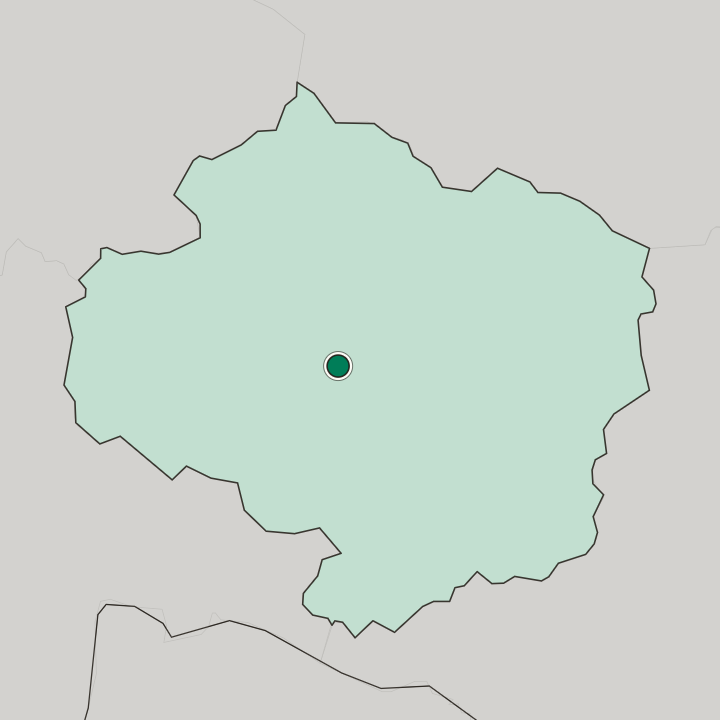
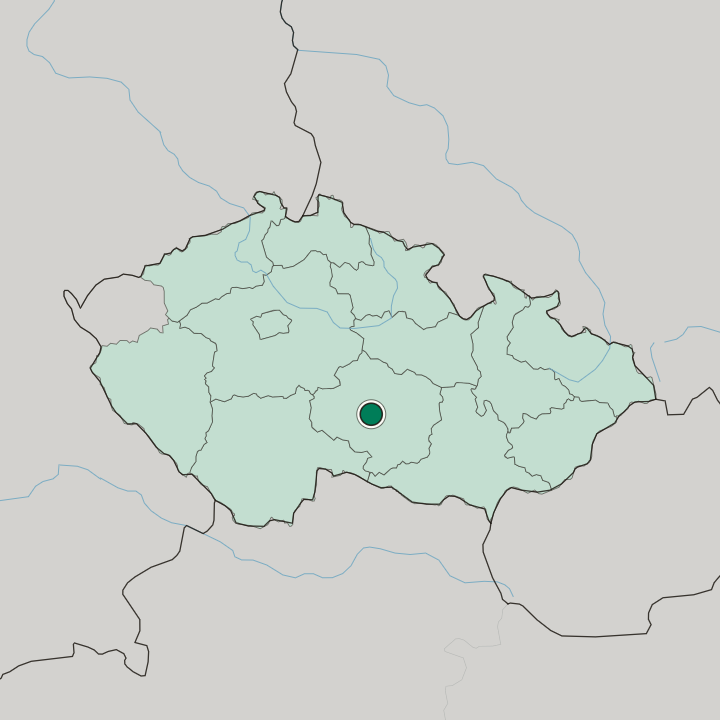
Jihlava stands on the Bohemian-Moravian Highlands, the upland that gives the Vysočina Region its name. The Jihlava River cuts below the town, and the old boundary between Moravia and Bohemia runs through this upland country of woods, fields and scattered villages. Woods close in beyond the edge.
The Rozhledna na Šacberku looks out over all of it.
What is the climate of Jihlava?
The Bohemian-Moravian Highlands set the weather. Height keeps Jihlava cooler than the lowlands of Moravia through the year, with snow lying on the uplands well into spring and short, green summers along the Jihlava River. Frost arrives early.
Rain and cloud come with the hills, and the seasons turn sharply rather than gently.
How do you get to Jihlava?
Most arrivals cross the highlands first. The approach runs up through the woods and fields of the Vysočina Region before the streets narrow towards Masarykovo náměstí, where the square opens out and the old town begins in earnest. Jihlava sits on the historical border of Moravia and Bohemia, so routes between them have long passed through.
The Rozhledna na Šacberku sets out the whole town for anyone who climbs it.
Common questions
What is the best area to stay in Jihlava?
Masarykovo náměstí: First stays wanting the Mincovna and the burgher houses on the square. Křížová and the lanes behind the square: Quieter nights a short walk from the Vysočina Regional Gallery in Jihlava. The outer streets: Drivers starting the Hornická naučná stezka or heading for Jihlava Zoo.
Good for
Updated October 2026