Czech Republic · Pardubický kraj
Where to Stay in Pardubice, Pardubický kraj
Pardubice is a historic city in the Elbe lowlands of eastern Bohemia, known for its Renaissance square, gingerbread, and steeplechase.
Hotel links are affiliate links: booking through them may earn us a commission, at no extra cost to you. It never affects how places are ranked. How this works


Where to stay in Pardubice
How the choice of base plays out on the ground.
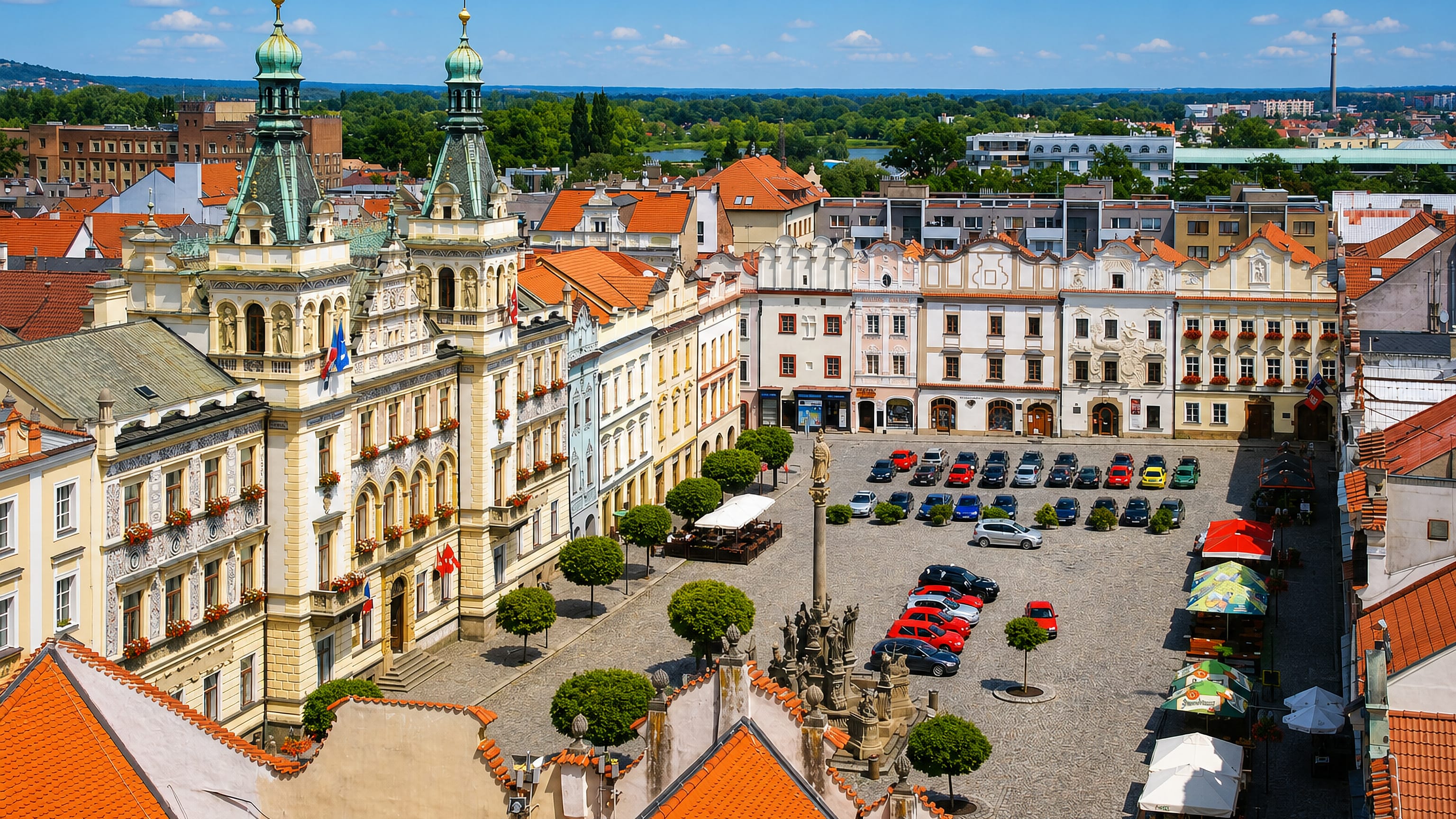
Pardubice splits between the old town and everything past it. The streets around Pernštýn Square keep the castle, the museums, and the shops within a walk, and staying downtown suits anyone here for the history. The old square fills in the evening.
Rooms sit near the gate. Out toward the racecourse and the river, the town spreads onto the plain. A room away from the centre trades the old square for space, the parks, and the road to the racetrack.
The wide plain opens past the edge. If you want the castle and the square, stay downtown; if you want space, take a room outside. Neither option leaves Pernštýn Square far behind.
Find hotels in Pardubice
Direct booking searches for these neighbourhoods.
The old town
Around Pernštýn Square within a walk of the castleFind hotels in The old townStays wanting space and the racetrackThe racecourse side
Toward the river and the Velká Pardubická courseFind hotels in The racecourse sideHotel links are affiliate links: booking through them may earn us a commission, at no extra cost to you. It never affects how places are ranked. How this works
Things to do in Pardubice
Ranked by global recognition; descriptions from Wikidata (CC0).
Museums & Galleries
2- Museum MHD a železnice (Rosice nad Labem)
- East Bohemian Museum in Pardubice
Churches & Religious Sites
7- Church of Saint Bartholomew Heritage
- Church of Our Lady of Sorrows Heritage
- Church of the Annunciation of the Virgin Mary (Pardubice) Heritage
- Church of Saint John the Baptist (Pardubice) Heritage
- Husův sbor Heritage
Show 2 more →
- Church of Saint Giles Heritage
- Church of Saint Wenceslaus Heritage
Castles & Historic Sites
3- Pardubice Castle Heritage
- Pomník bratranců Veverkových Heritage
- Pomník 700 let Nemošic
Stadiums & Sports
1- Sportovní hala Univerzity Pardubice
Landmarks & Notable Places
8- Green Tower Heritage
- Machoňova pasáž Heritage
- Dům U Jonáše Heritage
- Oesterreicherův dům Heritage
- Pernštýnské náměstí čp. 58 (Pardubice) Heritage
Show 3 more →
- Dům Josefa Otty Heritage
- Krausův dům Heritage
- Pernštýnská 42 (Pardubice) Heritage
worth knowingacross 5 categories in Pardubice
About Pardubice
Pardubice is the gingerbread city of eastern Bohemia.
What is Pardubice known for?
On the flat Elbe plain, it grew around a great Renaissance castle of the Pernštejn lords and a fine old square, and it is known across the land for its spiced gingerbread, its silver-and-white chateau, and the oldest steeplechase on the continent, the Velká Pardubická. The wide plain rings the town. Castle and gingerbread mark the city.
What are the main landmarks in Pardubice?
Pardubice Castle guards the old town. The great moated chateau of the Pernštejn lords, part fortress and part palace, holds the regional museum, the emblem of the city, behind its ramparts. A green tower marks the square.
The Green Gate rises over Pernštýn Square, the finest Renaissance square in Bohemia, while the old churches and the House at the Jonah mark the streets of Pardubice.
What is the history of Pardubice?
Pardubice grew under the lords of Pernštejn. A small town on the Elbe, it passed in the fifteenth century to the mighty Pernštejn family, who rebuilt it in stone and brick after a fire, raised a great moated castle, and laid out the fine square that still bears their name. The town prospered on the plain.
Fishponds, trade, and the river brought it wealth, and its Renaissance houses and its green gate tower rose in those years. Later centuries gave the town new fame. In the nineteenth century a baker's gingerbread made Pardubice a household name, and a cross-country horse race, the Velká Pardubická, grew into the hardest steeplechase in Europe.
Then industry came to the plain. Works for chemicals, machines, and later the Semtex explosive rose around the old town, and Pardubice grew into a city of the Elbe. The old castle still stands by the square.
Pardubice keeps its castle and its square on the Elbe.
Where is Pardubice?
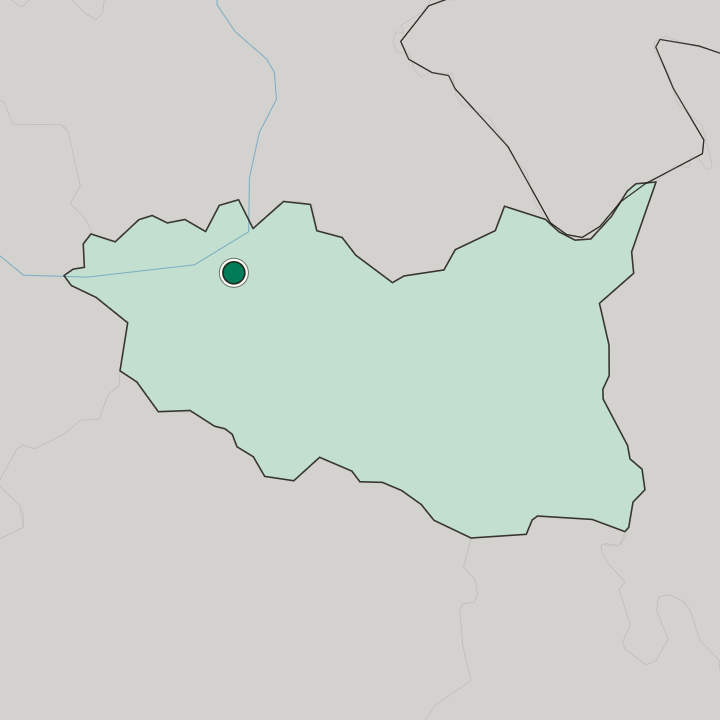
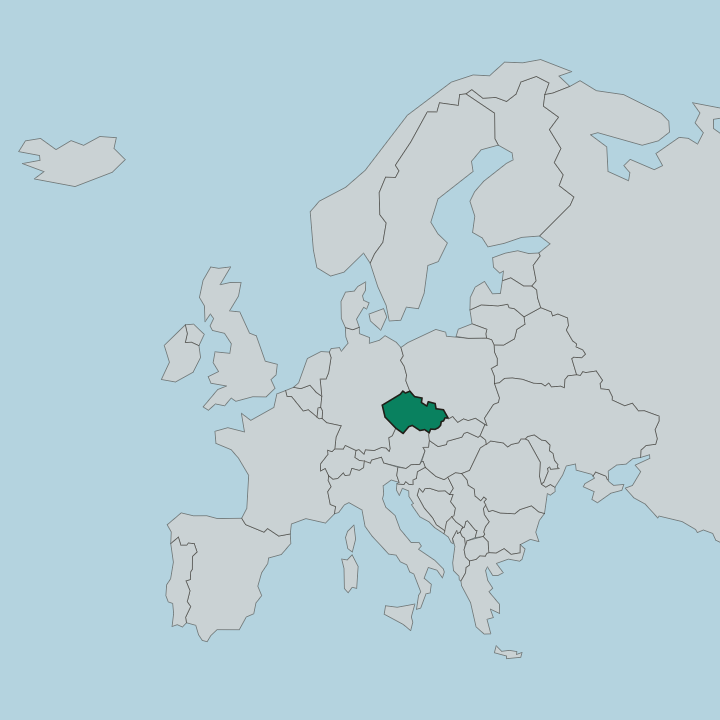
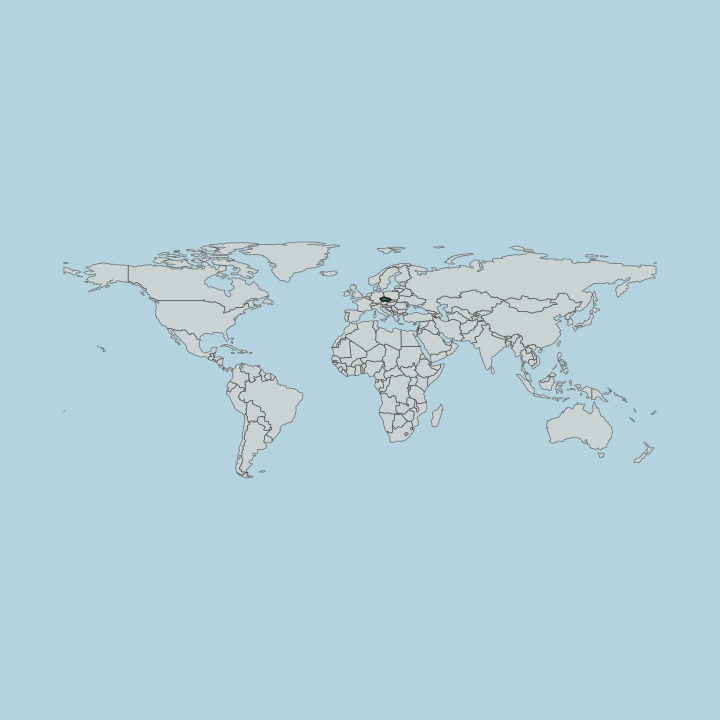
Pardubice lies on the Elbe river in the lowlands of eastern Bohemia. The city sits where the Chrudimka joins the Elbe, on a flat and fertile plain of fields and ponds, west of the hills, in the heart of the Czech lands. Flat farmland spreads around.
The river runs on toward Bohemia's west.
What is the climate of Pardubice?
Pardubice sits in the temperate continental belt of Bohemia. Warm summers and cold, damp winters cross the plain, and rain falls through the year, with snow and frost in the cold months and mild spells between. Fog settles on the river in autumn.
The fields turn green in the spring.
How do you get to Pardubice?
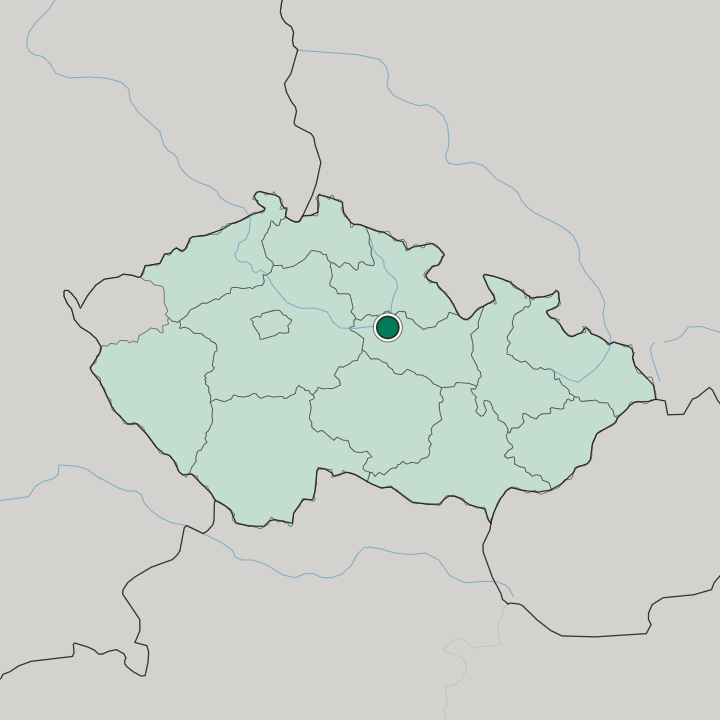
Pardubice lies on the Elbe in eastern Bohemia, east of Prague. Fast trains on the main line run to it from Prague and Olomouc across the plain, and an airport lies by the city, while roads reach the Bohemian towns around. Buses reach the plain towns nearby.
Most arrive by train from Prague.
Common questions
What is the best area to stay in Pardubice?
The old town: Visitors here for the castle, square, and museums. The racecourse side: Stays wanting space and the racetrack.
Good for
Updated September 2026